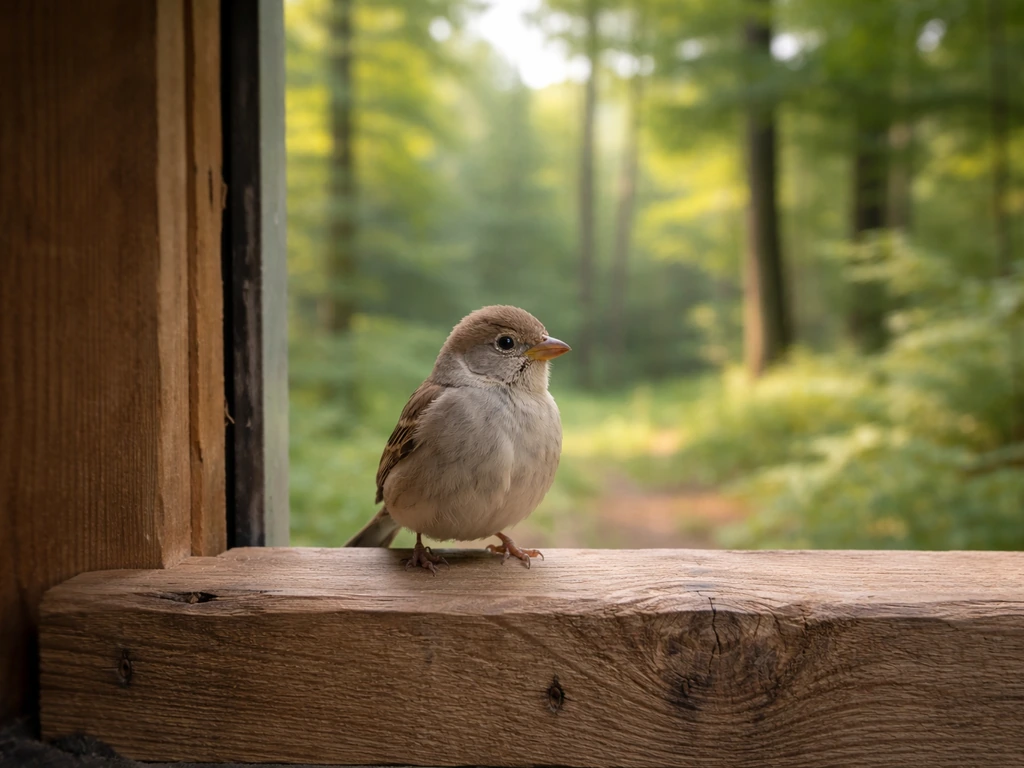
If you have a sick bird in front of you right now, here is the short answer: put it somewhere warm, dark, and quiet, do not feed or water it yet, and call a wildlife rehabilitator or avian vet as soon as possible. Everything else in this guide fills in the details around those three steps.
How to Treat a Sick Bird at Home: First Aid Steps
Marcus Holloway
4 Apr 2026
Quick decision: when at-home care is okay vs. when to get emergency help
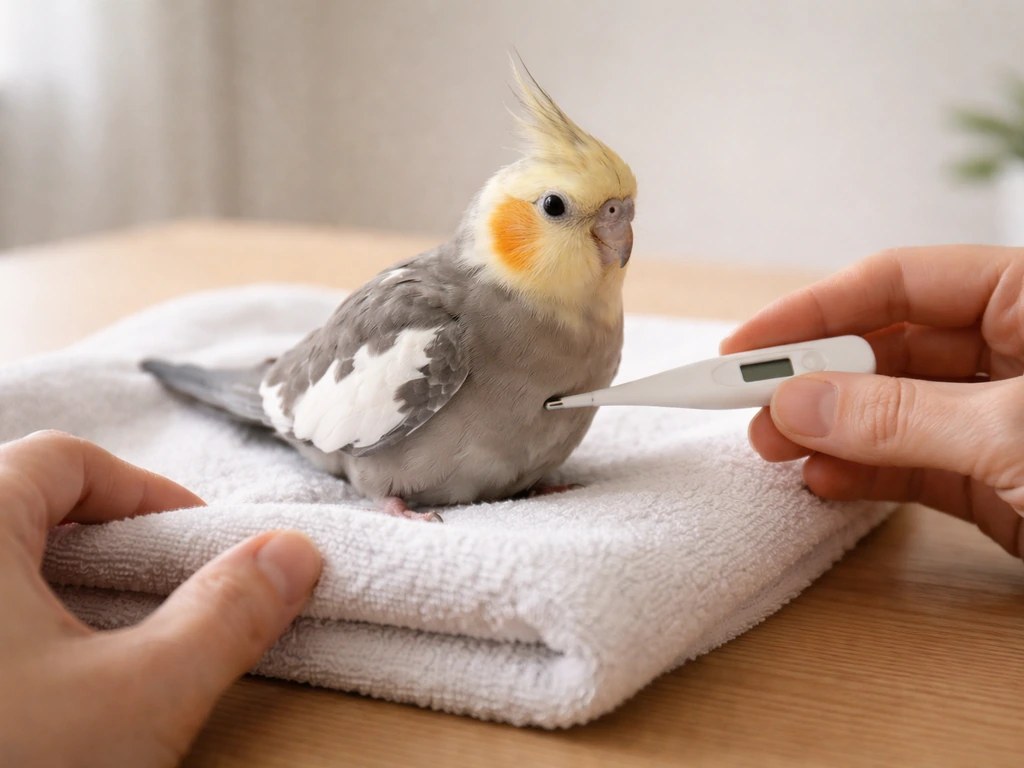
Not every sick bird situation is the same. The first thing you need to figure out is whether this bird can be safely stabilized at home for a few hours while you arrange professional help, or whether it needs emergency care right now.
At-home stabilization (while you arrange help) is generally okay if the bird is alert but weak, is a wild bird that flew into a window and is stunned but breathing normally, or is a pet bird that is slightly fluffed or quieter than usual but not in obvious distress.
Seek emergency help immediately if you see any of the following: open-mouth breathing or tail bobbing with each breath, a limp or unresponsive bird, bleeding that will not stop, obvious broken bones or dangling limbs, vomiting or continuous regurgitation, a seizure or loss of balance, or any sign of paralysis. These are not wait-and-see situations. University of Pennsylvania avian triage materials highlight that open-beak breathing and tail bobbing are among the first warning signs to catch during any bird emergency, and they should send you straight to the phone.
One important note: even if the bird looks calm, it may be in shock. An injured bird sitting still is not the same as a resting bird. Shock suppresses movement, so calmness alone is not reassurance.
Immediate stabilization: warmth, quiet, and minimal handling
The moment you find a sick bird, your job is to reduce stress and prevent further harm, not to fix it. Birds go downhill fast when they are cold, stressed, or handled too much. Every extra minute of unnecessary contact works against the bird.
Pick the bird up gently using a light towel or cloth, covering its eyes as you do so. Covered eyes calm birds quickly. AWARE Wildlife Center notes that birds and raptors may bite, so keep your face away and avoid direct contact with the beak. Once you have the bird contained, stop handling it. Place it into a box or carrier immediately and leave it alone.
Keep the environment warm, dark, and quiet. This combination shows up in guidance from nearly every wildlife rescue organization for good reason: it reduces the bird's panic response, slows the metabolic cost of stress, and gives the bird the best chance of surviving until professional care is available. Keep it away from children, other pets, and loud noises.
Setting up a safe temporary enclosure
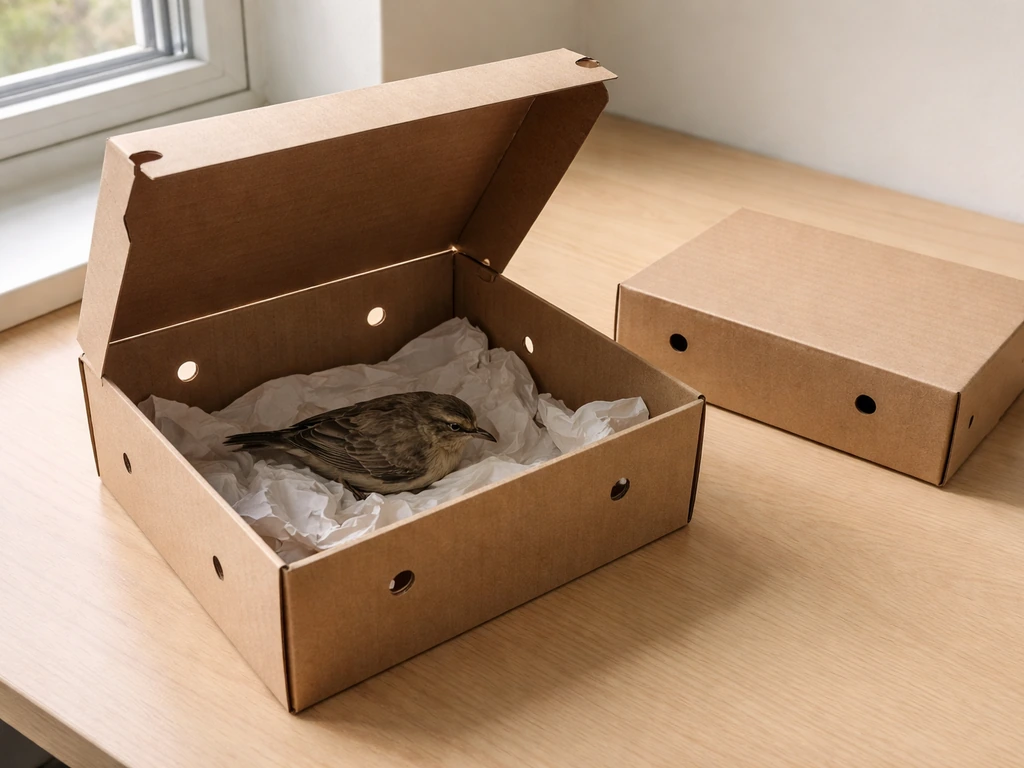
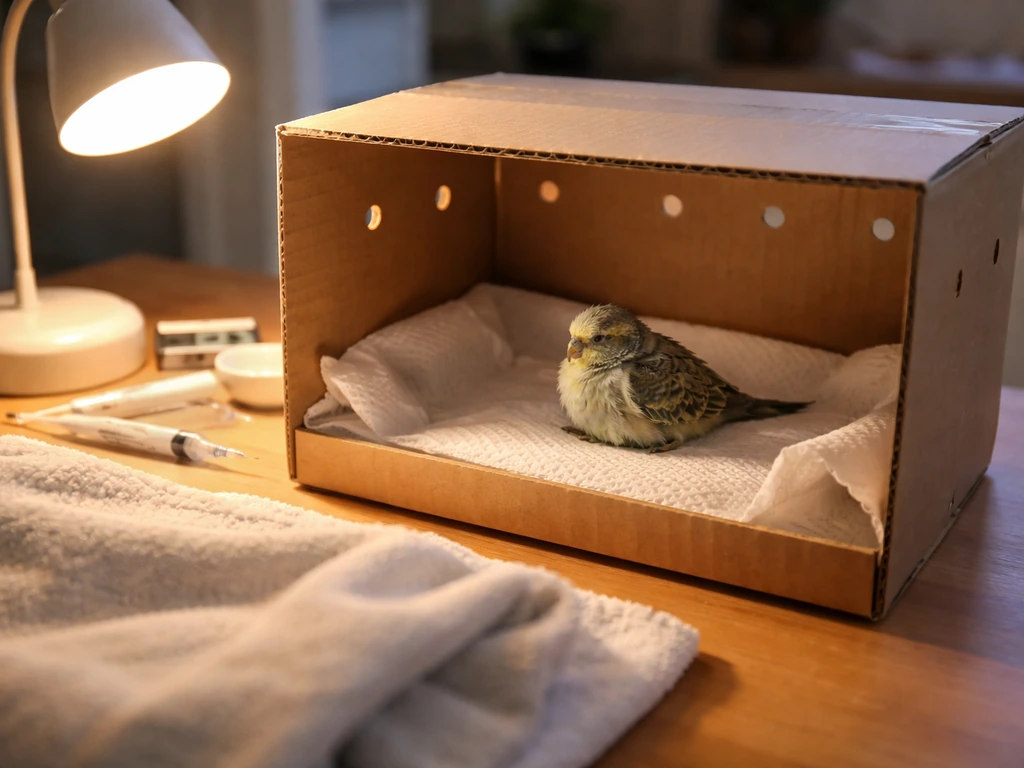
You do not need special equipment. A cardboard box with a lid works well. Poke several small air holes in the sides for ventilation. The box should be large enough for the bird to stand upright but not so large that it can flap around and injure itself further. Line the bottom with a soft cloth, paper towels, or a small folded towel to give the bird some grip and cushioning.
Heat is critical. A cold bird cannot recover, and it cannot process food or fluids properly. Avian welfare supportive-care guidance recommends keeping a sick bird's enclosure at least 85 degrees Fahrenheit (around 29 to 32 degrees Celsius). You can achieve this with a heating pad set to low placed under half the box (leaving the other half unheated so the bird can move away if it gets too warm), or by placing the box near a heat source like a radiator. Do not place the bird directly on a heat lamp or in direct sunlight, and do not wrap it tightly in a cloth that traps heat with no escape route.
One exception worth noting: if the bird has suffered head trauma, keep the environment comfortably warm but not hot. A bird recovering from a head impact should not be overheated.
Once the bird is in the box, close the lid, put the box somewhere quiet and dim, and check on it as little as possible. Every time you open the box, you add stress. Resist the urge to peek.
Supportive care basics: hydration, feeding, and what not to do
This is where most people make well-intentioned mistakes that can seriously harm or kill a bird. The instinct to feed or hydrate a suffering animal is natural, but it is often the wrong call at this stage.
Do not offer food or water until you have spoken with a wildlife rehabilitator or avian vet. AZ Wildlife Resource is blunt about this: feeding a cold, injured, emaciated, or dehydrated bird can be fatal. Trauma and dehydration shut down the body's ability to process food, and giving the wrong food can cause internal injury or death. If you are dealing with a wild bird especially, the wrong diet can do as much damage as no food at all.
If you have a companion bird at home that is sick and normally eats well, make food and fresh water accessible in the enclosure (not forced). The priority is to encourage the bird to eat on its own terms, never to force it. If a pet bird refuses food entirely for more than a few hours, that alone is reason to contact an avian vet today.
Never drip water into a bird's mouth. AZ Wildlife Resource specifically warns against this because of the serious risk of aspiration, where the liquid goes into the airway instead of the throat. A bird that aspirates fluid can die quickly. Even experienced wildlife handlers are cautious about oral fluids for this reason.
If you suspect your bird has digestive issues beyond just not eating, learning more about how to treat a constipated bird can help you understand when gut problems need a vet's attention rather than home remedies.
Here is a quick list of things not to do during temporary home care:
- Do not force food or water into the bird's mouth
- Do not give human food, bread, milk, or anything not species-appropriate
- Do not apply oils to feathers or wounds
- Do not place the bird in a fully sealed container with no airflow
- Do not leave the bird with other animals or unsupervised children
- Do not keep the enclosure so hot the bird cannot escape the heat
- Do not shake or handle the bird more than necessary
Home and natural remedies: what actually helps and what to skip
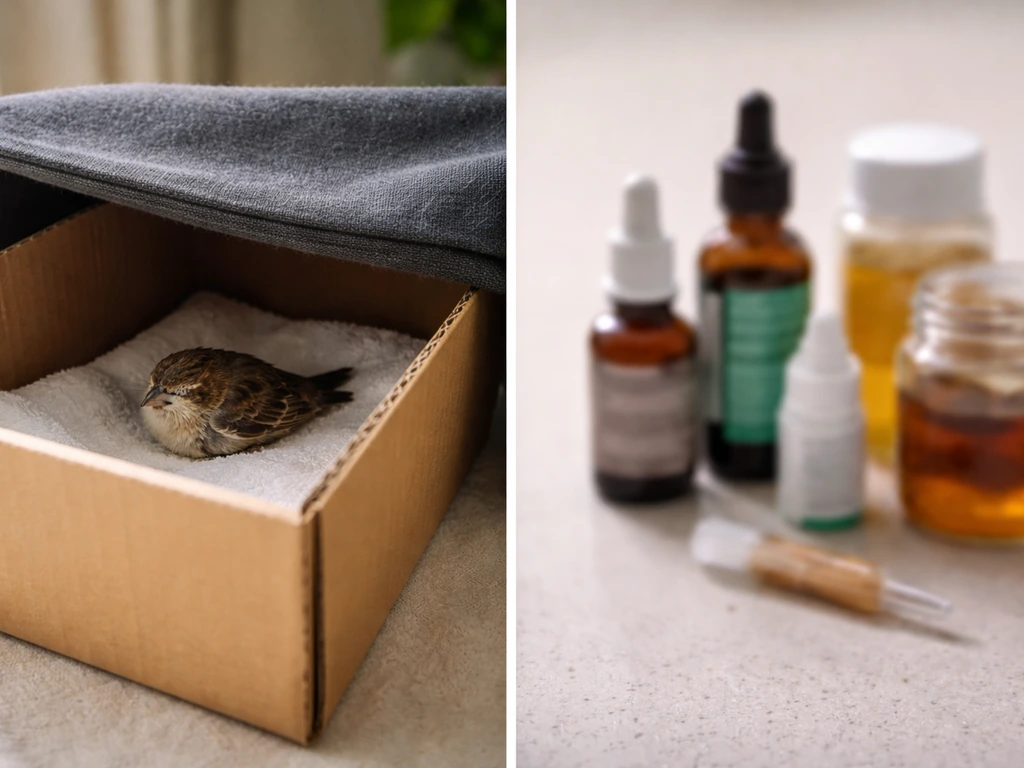
There is a lot of advice online about natural remedies for sick birds, and most of it ranges from unhelpful to dangerous. Here is an honest breakdown.
| Remedy / Approach | Does It Help? | Notes |
|---|---|---|
| Warmth and a dark, quiet space | Yes, genuinely helpful | The single most effective supportive action you can take at home |
| Humidity near the enclosure (for respiratory distress) | Possibly helpful as short-term support | Avian welfare guidance suggests it may ease breathing if the bird is wheezing; not a treatment |
| Herbal teas or remedies given orally | No, avoid | Risk of aspiration; wrong compounds can be toxic to birds |
| Essential oils or aromatherapy near the bird | No, harmful | Bird respiratory systems are extremely sensitive to fumes and vapors |
| Honey or sugar water | No, avoid | Wrong nutrition profile; aspiration risk; can worsen some conditions |
| Styptic powder for minor bleeding (pet birds) | Yes, for minor nail/feather bleeds only | Niles Animal Hospital notes bleeding can sometimes be controlled with powder; do not use on open wounds |
| Forcing electrolyte drinks or sports drinks | No, avoid | Aspiration risk; incorrect formulation for birds |
| Keeping the bird away from stress and noise | Yes, always helpful | Reduces metabolic demand and panic response |
Humidity is worth mentioning separately. If a bird is wheezing or showing signs of respiratory distress, placing a shallow bowl of warm water near (not inside) the enclosure, or using a humidifier in the room, may offer some relief while you arrange urgent care. This is supportive comfort, not a cure, and it does not replace getting the bird to a vet.
Some bird owners have heard about specialized treatment products marketed for bird recovery. If you are considering anything like a healing bird ampoule treatment, make sure you understand exactly what it contains and get guidance from an avian vet before using it on a sick bird. Products that are fine for a healthy bird can sometimes be contraindicated for an ill one.
Red flags: symptoms that mean you need professional help now
Home care is a bridge, not a destination. These symptoms mean the bird needs a vet or wildlife rehabilitator urgently, not later today, right now.
- Open-mouth breathing or labored breathing at rest
- Tail bobbing with each breath (a classic sign of respiratory effort)
- Any wheezing, clicking, or wet-sounding breathing
- Inability to stand or perch
- Limb paralysis or a drooping wing that is not moving
- Active bleeding that does not slow within a few minutes
- Vomiting or continuous regurgitation
- Discharge from the eyes or nostrils
- Seizures or uncontrolled shaking
- Bird is cold to the touch and unresponsive
- Wet or very loose droppings that continue beyond one or two episodes
- Refusal to eat or drink for more than a few hours (in a pet bird)
Eye symptoms deserve special attention because they can indicate infections or injuries that worsen quickly without treatment. If you notice swelling, discharge, or cloudiness around the eye, a bird eye injury needs professional assessment as soon as possible. Similarly, bird eye infections can escalate into systemic illness if left untreated.
Digestive red flags also matter. Loose, discolored, or very watery droppings can point to a range of conditions. If you want to understand more about what abnormal droppings mean, reviewing guidance on how to treat bird diarrhea will give you a clearer sense of when it is serious versus temporary.
Respiratory signs are among the most urgent. MSPCA-Angell's avian respiratory emergency guidance lists open-mouth breathing and increased respiratory rate as common signs of upper respiratory disease, and these should be treated as emergencies rather than things to monitor overnight.
What to do next: reaching help and transporting the bird safely
Once the bird is stabilized in its box, your next job is to make calls. Do this while the bird is resting, not after hours of waiting.
- Search for a licensed wildlife rehabilitator in your area. In the US, the National Wildlife Rehabilitators Association (NWRA) and Wildlife Rehabilitation Information Directory (WILD) both have finder tools. WildCare's Living with Wildlife Hotline (415-456-SAVE) is one example of the kind of local resource available in many regions.
- Call an avian vet if the bird is a companion/pet bird. Not all general vets treat birds, so search specifically for an avian veterinarian in your area.
- Be ready to describe what you observed: where you found the bird, what it looks like, what symptoms you noticed, what species you think it is, and what you have done so far.
- Do not transport the bird until you have called ahead. The rehab center or vet can advise you on whether to come immediately or wait, and they can prepare for your arrival.
- When transporting, keep the box in a warm, dark, quiet spot in your car. Do not put it near a heater vent blowing directly on it. Keep the radio off or very low. Drive smoothly.
- Do not open the box to check on the bird during transport. Every disturbance adds stress.
If you are unsure whether to act at all, RSPB advises contacting a wildlife rescue for advice before taking any action. Sometimes the right move for a wild bird (especially a fledgling on the ground) is to leave it alone and monitor from a distance, and a rehabilitator can tell you that quickly over the phone.
It is also worth knowing that in many places, keeping a wild bird without a permit is illegal even if your intentions are good. AZ Wildlife Resource notes that inappropriate wildlife care can have legal implications. Getting a licensed rehabilitator involved protects both you and the bird.
For a broader look at general bird first aid principles, the guide on how to treat a bird covers additional scenarios you might encounter. And if you are a pet bird owner dealing with ongoing behavior or stress-related issues alongside illness, understanding how to handle an itchy or distressed bird can help you tell the difference between a bird that is just uncomfortable and one that is genuinely unwell.
The most important thing to take away from all of this: warmth, dark, quiet, and a phone call. You do not need to be a vet to give a sick bird a fighting chance in the first few hours. You just need to stop the stress, keep it warm, and get the right people involved as fast as possible.
FAQ
How long can I keep a sick bird warm at home before professional help arrives?
A few hours is usually the limit for home stabilization. If the bird is not clearly improving, is worsening, or you have not connected with an avian vet or wildlife rehabilitator quickly, treat it as urgent and keep it warm while you escalate.
What should I use for warmth if I do not have a heating pad or radiator nearby?
You can use a warm water bottle or a microwaved heat pack wrapped in a towel, placed under half the container so the bird can move away. Do not let the pack contact the bird directly, and check the temperature often so it never becomes too hot.
Is it okay to cover the bird’s head with a towel to calm it?
Covering the eyes is helpful, but avoid full tight wrapping. Full coverage can trap heat or limit breathing if the bird shifts, and it makes it harder to notice worsening signs.
Should I keep the bird in complete darkness and silence the whole time?
Keep the area dim and quiet, but aim for “reduced stimulation,” not extreme isolation. Total darkness for long periods is unnecessary; the key is to minimize handling, avoid loud sounds, and prevent other pets or people from hovering.
Can I tell if a wild bird is injured just by how it looks at first?
Not reliably. A bird can appear calm while still being in shock or internal injury. Look for breathing pattern changes, balance problems, bleeding, or abnormal posture, and call a rehabilitator even if the bird seems still.
What if the bird is a baby, fledgling, or on the ground, and it seems alert?
Even if it looks awake, fledglings are often not able to thermoregulate and may need specialized assessment. If you can do so safely, contact a wildlife rehabilitator for instructions before feeding, and keep it warm and contained while you wait.
Can I give honey, vitamins, or “natural remedies” to help it recover?
Avoid them. Supplements and home remedies can worsen dehydration, interfere with digestion, or be dangerous for specific conditions. The safest “bridge” care is warmth, reduced stress, and professional guidance before any oral products.
If the bird is breathing okay, is it still dangerous to offer water?
Yes. Many birds can breathe for a time yet still be unable to swallow safely. Do not drip water into the beak, and only offer food or water to a companion bird if a vet has advised it or the bird normally eats and is stable.
What should I do if the bird is fluffed up and not moving much but seems to be breathing?
Treat it as potentially in shock or cooling down. Keep it warm, stop handling, and monitor breathing and posture. If the bird is weak, unresponsive to your presence, or not improving within hours, contact an avian vet or wildlife rehabilitator immediately.
Are there situations where you should not keep a bird at home, even if it looks stable?
Yes. Any uncontrolled bleeding, broken or dangling limbs, suspected poisoning, suspected head trauma with abnormal behavior, seizures, paralysis, or persistent regurgitation requires urgent care rather than continued home care.
What signs mean the enclosure humidity might be helping and not harming?
If the bird is wheezing but still able to breathe steadily, mild humidity support (like a warm water source nearby) can be comforting. If breathing worsens, discharge increases, or the bird is open-mouth breathing, switch focus to urgent vet or wildlife care rather than adding more humidity.
How can I safely monitor the bird without repeatedly opening the box?
Use a quick check from a distance when possible, noting breathing rate and body position. If you must open the container, do it briefly, keep lights low, and close it immediately to avoid stress and temperature drop.
Should I try to identify the species before calling for help?
It can help the rehabilitator prepare, but do not delay the call if you are unsure. If you can, describe size, color, and any visible injuries from a safe distance, and avoid extended handling while you identify it.
What if the bird is a pet and I do not know its normal illness signs?
Compare to its typical behavior, appetite, and droppings, but do not rely on familiarity to rule out emergencies. If it refuses food for more than a few hours, is very quiet, has breathing changes, or looks weak, contact an avian vet the same day.
Next Article
How to Release a Hand-Reared Bird Safely and Humanely
Step-by-step humane release for hand-reared wild birds: species checks, anti-imprinting care, soft vs hard release, afte