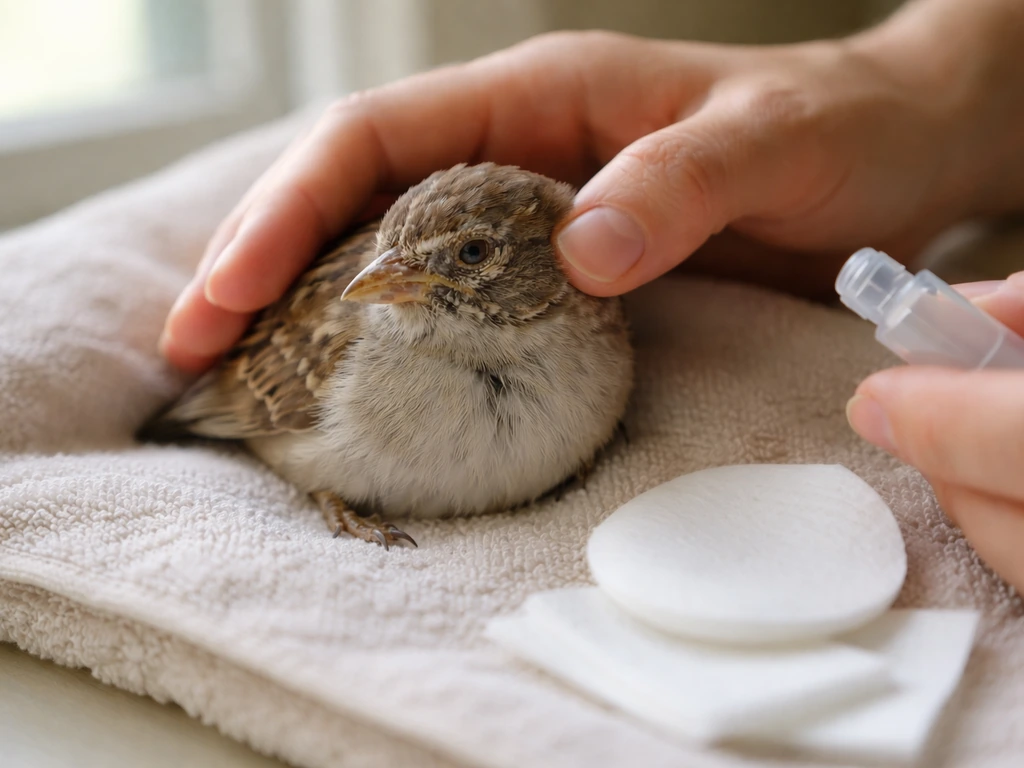
If your bird is straining, producing tiny or no droppings, sitting puffed up at the bottom of the cage, or just seems "off," the most important thing you can do right now is get the bird warm and quiet, offer fluids, and watch closely for the next hour or two. True constipation in birds is less common than it looks, straining with no output can also mean egg binding, a cloacal blockage, or an internal obstruction, any of which needs a vet fast. So before you try anything at home, you need to rule out the emergencies first.
How to Treat a Constipated Bird: Safe Step-by-Step Care
Marcus Holloway
29 Apr 2026
Is it actually constipation? How to tell what you're dealing with
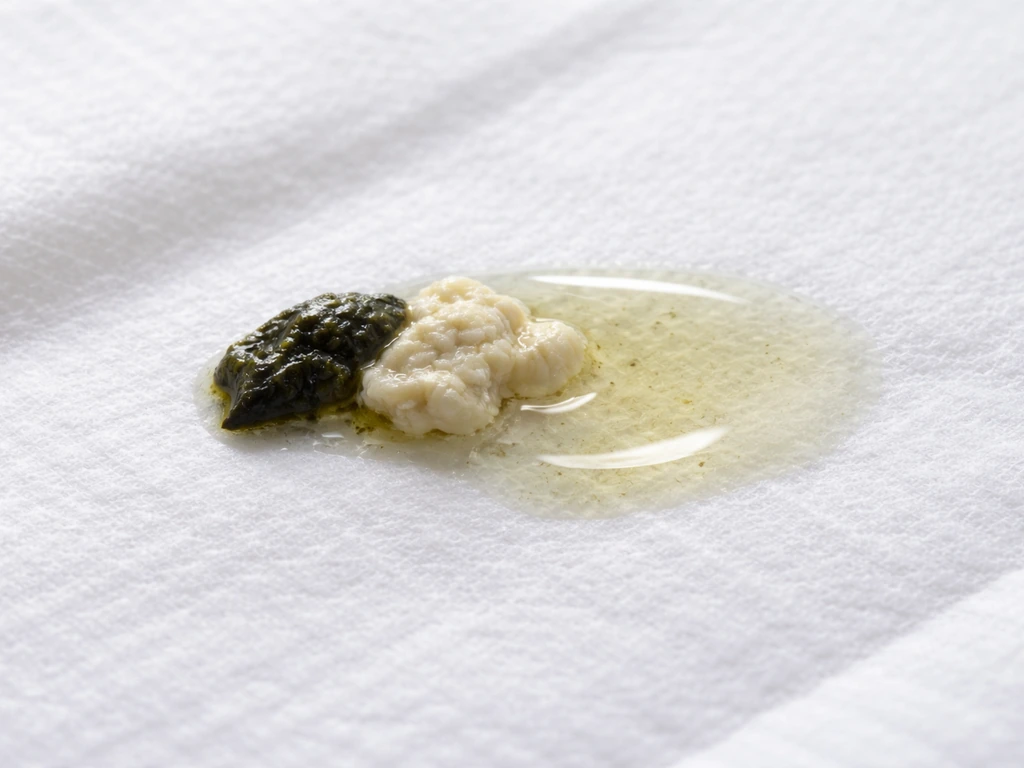
Normal bird droppings have three parts: a dark solid fecal portion, a white or off-white creamy urate portion (kidney waste), and a small amount of clear liquid urine. All three show up together in a healthy dropping. When you stop seeing droppings entirely, or only see tiny dry ones, the bird's body is telling you something is wrong, but not necessarily what.
The shape and size of normal droppings varies a lot by species. A budgie produces small individual blobs. A pigeon produces larger, more compact pellets. A robin produces loose, berry-stained droppings. What matters is whether this bird's droppings have changed from their own normal, not whether they match some universal standard.
Here is what "constipation" in a bird actually looks like versus other conditions that mimic it:
| What you see | Possible cause | Urgency level |
|---|---|---|
| Straining repeatedly, no feces or urates coming out | Egg binding, obstruction, cloacal mass, severe impaction | Emergency — call a vet now |
| Very small, dry, or hard-looking droppings | Dehydration, insufficient food intake, cold environment | Monitor; try supportive care for 1–2 hours |
| No droppings for several hours, bird otherwise alert | Not eating, dehydration, mild stress | Offer fluids/food, monitor closely |
| Tissue visibly protruding from the vent | Cloacal prolapse | Emergency — do not delay |
| Droppings with undigested seeds, foul odor, or color change to green/yellow urates | Infection, liver or kidney issue, parasites | Vet evaluation within 24 hours |
| Straining plus swollen abdomen, open-mouth breathing, or unable to perch | Internal obstruction, egg binding, severe illness | Emergency — call a vet now |
The key rule: if the bird is straining hard but nothing is coming out, treat it as an emergency until proven otherwise. Straining without output can mean egg binding (even in birds you didn't know were female), a cloacal papilloma or mass, or a true impaction, all of which need a vet, not a home remedy. If a pet bird is showing signs consistent with egg binding, Merck Veterinary Manual notes clinical signs such as a bird on the bottom of the cage, depression or closed eyes, a bobbing tail, and dyspnea.
Immediate safety steps and red flags that mean go now
Before anything else, look for these emergency signs. If any of them are present, stop reading and call an avian vet or wildlife rehabilitator immediately:
- Repeated straining with absolutely no droppings or urates produced
- Visible tissue or reddish mass protruding from the vent
- Swollen, hard, or visibly painful-looking abdomen
- Open-mouth breathing or panting
- Bird cannot stand or keep its balance on a perch
- Vomiting or regurgitation alongside no droppings
- Bird is unresponsive or barely reacting to touch
If none of those apply and the bird is still alert, eyes open, and producing at least some droppings (even small ones), you have a short window to try supportive care at home while watching carefully. If you are considering a healing bird ampoule treatment, only use it as directed by a vet and never as a substitute for urgent warmth, hydration, and monitoring supportive care at home. If you’re dealing with a sick bird at home, use these supportive steps only when the bird is still alert and producing at least some droppings. Set a timer: if things haven't improved within two hours, or if the bird gets worse at any point, contact a professional.
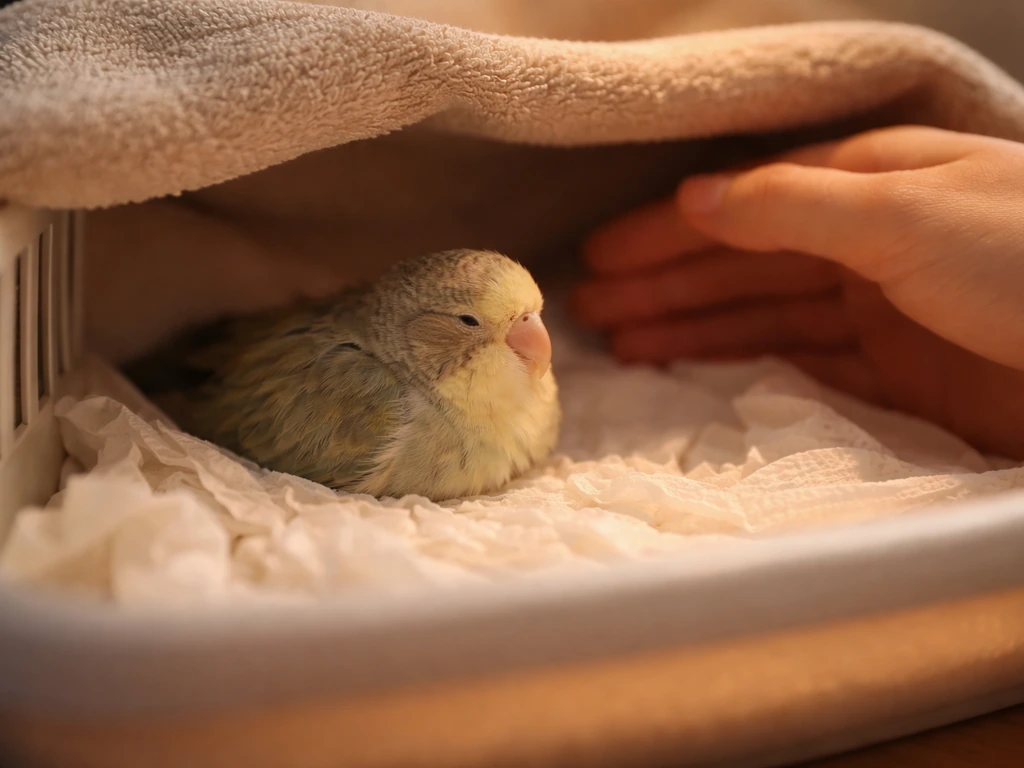
For a wild bird, gently contain it in a ventilated cardboard box lined with a paper towel. Keep it in a quiet, dark area, darkness reduces stress, which matters enormously for a sick bird's recovery. Do not handle it more than necessary. For a pet bird, leave it in its own cage but remove cage mates if they are bothering it.
Warmth, hydration, and a calm environment
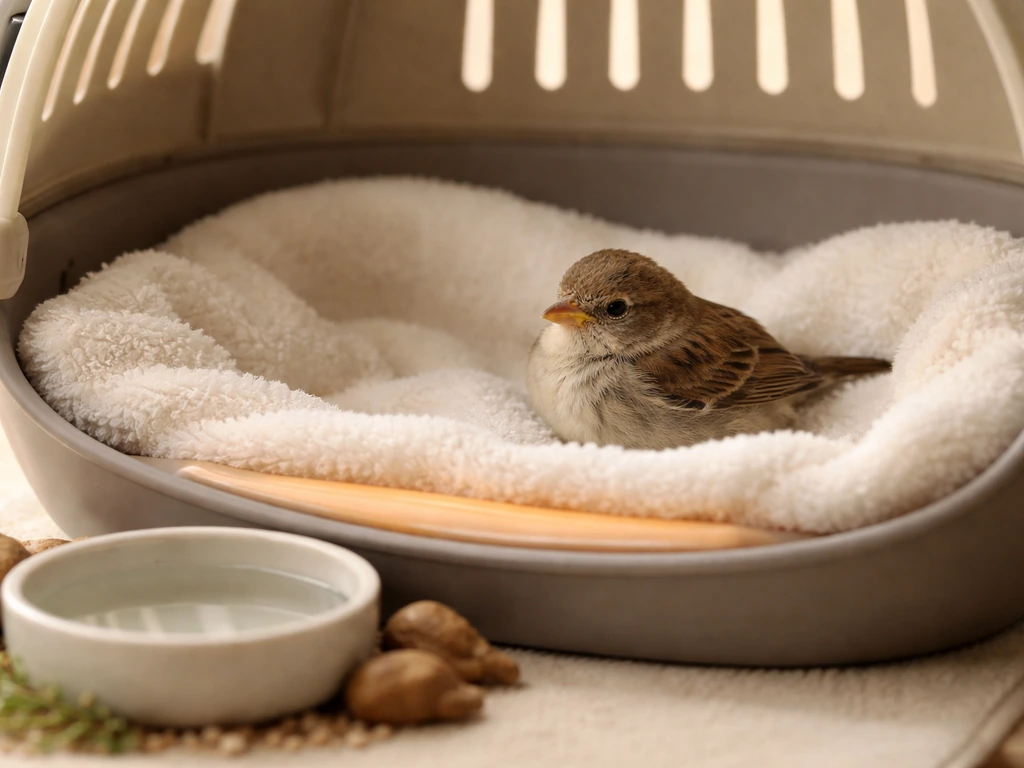
Warmth is one of the most powerful things you can offer a sick bird. A bird's normal body temperature runs around 103 to 106°F, and when they are ill, they lose heat fast. For most sick birds, an blank" rel="noopener noreferrer">ambient temperature of around 80 to 85°F is the supportive target. You can achieve this by placing a heating pad set to low under one half of the box or cage, never the whole floor, so the bird can move away from the heat if it gets too warm. A heat lamp positioned several inches away works too.
Watch for overheating signs: panting, open-mouth breathing, or holding wings out away from the body. If you see any of those, reduce the heat source immediately.
Dehydration is one of the most common underlying reasons a bird stops producing normal droppings. Offer fresh, room-temperature (not cold) water in a shallow dish. If the bird is alert enough to drink on its own, that is your best option. You can also offer water by gently dipping your finger and letting a small drop sit at the tip of the beak, do not force fluid into the mouth or you risk aspiration. Moistened seeds or a small piece of water-rich fruit like melon can also help get fluids in without force.
Keep the environment quiet. No loud music, no other pets nearby, no children crowding around the box. Stress genuinely makes GI problems worse in birds and can push a struggling bird into shock.
Feeding guidance based on what this bird actually eats
What you offer a constipated or not-pooping bird depends entirely on what it normally eats. Giving the wrong food, even well-intentioned food, can make things significantly worse. Here is practical guidance by diet type:
Seed-eaters (budgies, finches, canaries, sparrows, doves)
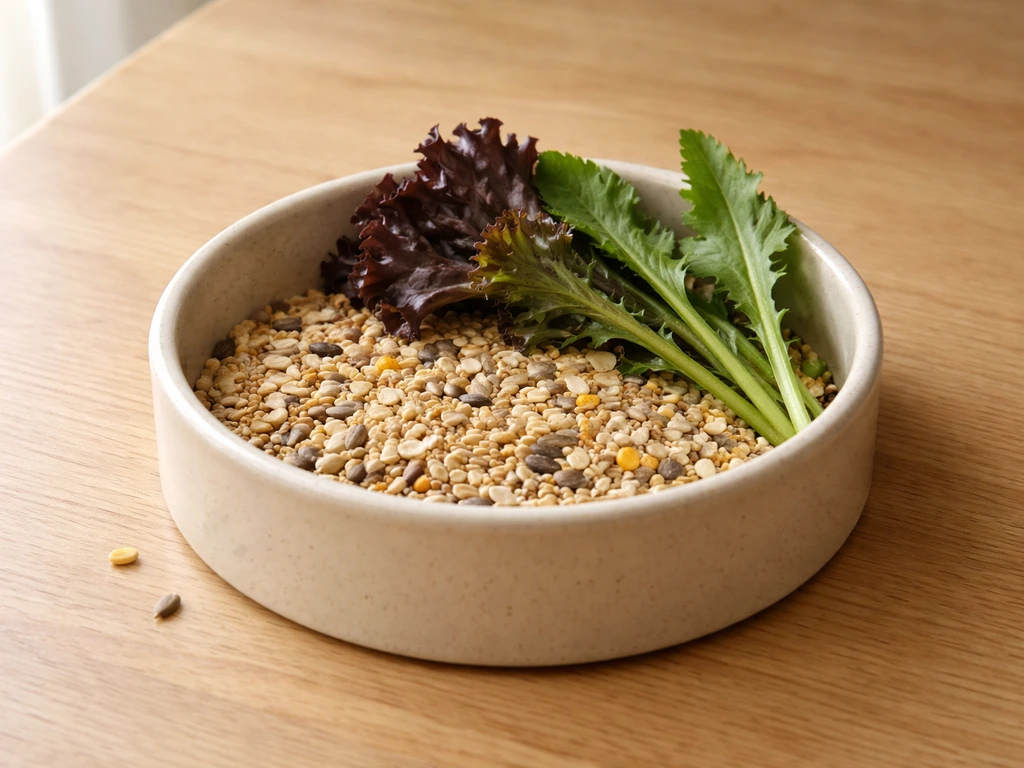
Offer their usual seed mix along with a small amount of fresh leafy greens like dandelion greens, beet greens, or dark lettuces. These add moisture and fiber without shocking the digestive system. For pet birds on a seed-only diet, this is also a moment to note that transitioning to a mostly pelleted diet (pellets should make up around 60 to 80% of a pet bird's intake) supports long-term gut health. But do not make a sudden diet switch while the bird is already unwell.
Fruit and nectar eaters (lories, lorikeets, waxwings, orioles)
Offer small pieces of fresh fruit with high water content: melon, berries, or grapes work well. The natural sugars and fluid in fresh fruit help hydrate and stimulate the gut gently. Do not offer dried fruit, it pulls water out rather than putting it in.
Insect-eaters (robins, thrushes, swallows, wrens, starlings)
These birds need live or recently killed insects like mealworms, waxworms, or crickets. In a pinch, a small piece of cooked (not seasoned) egg can provide protein. Do not offer seeds or bread to an insectivore, their digestive systems are not built for it, and it can worsen gut stasis.
Baby birds and chicks
Baby birds are the most fragile category. A chick that is not producing droppings is very often cold and dehydrated rather than truly constipated. Warmth and hydration come before food every time. If you need to feed a nestling or fledgling, use a species-appropriate commercial hand-feeding formula mixed with warm water at around 100 to 105°F, that temperature range matters because cold formula can stall crop motility. Feed slowly and only when the chick is showing an active feeding response (bobbing or gaping). Never force-feed: aspiration is a real risk and can be fatal. If in doubt, contact a wildlife rehabilitator rather than attempting to hand-feed alone.
Safe at-home supportive care to get things moving
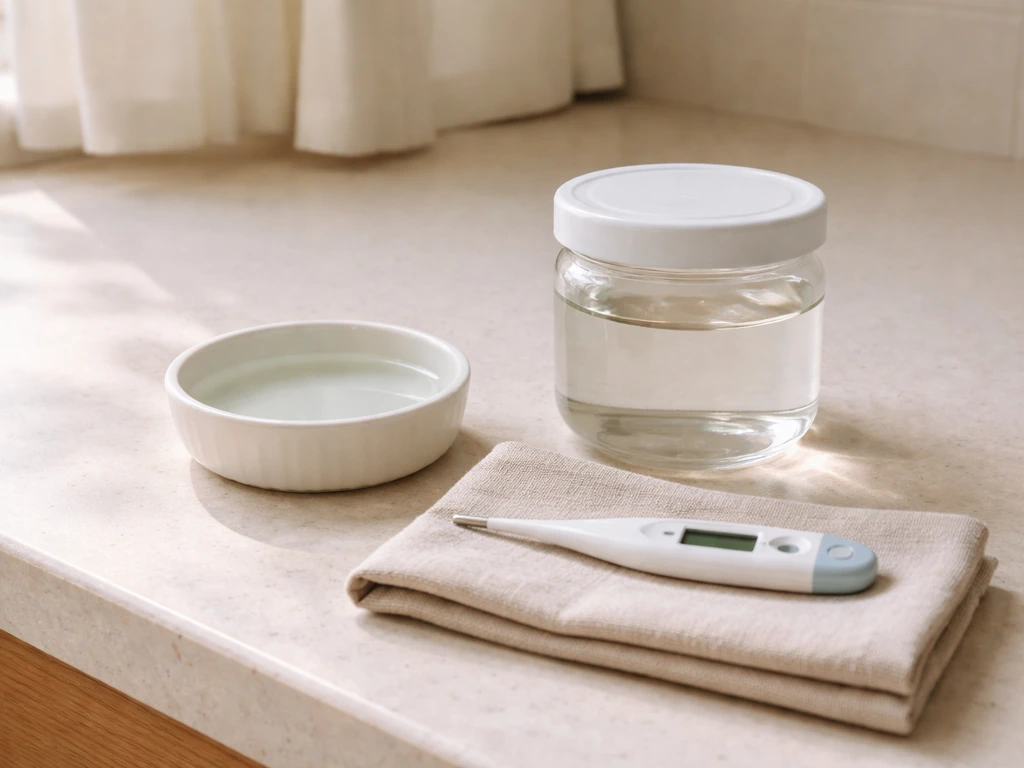
Once the bird is warm, quiet, and has access to appropriate food and water, here are the safe supportive steps you can take:
- Maintain warmth consistently at 80 to 85°F ambient — this alone can restart sluggish digestion caused by cold.
- Offer fresh water repeatedly. Change it every hour if needed to keep it clean and appealing.
- For seed-eaters or pellet-fed birds, offer a few moistened seeds or a small amount of dark leafy greens like dandelion or collard greens to add dietary fiber and moisture.
- For a pet bird, offer a warm shallow bath or gently mist it — some birds drink from the water droplets on their feathers, and the mild warmth can stimulate gut movement.
- Reduce all sources of stress: cover part of the cage, dim the lights, and minimize handling.
- Check the vent area gently. If you see dried droppings crusted over the vent (especially in chicks), dampen a cotton ball with warm water and very carefully soften and remove the crust. A blocked vent physically prevents elimination.
- For adult birds (especially budgies and small parrots), a single drop of plain olive oil placed at the tip of the beak — not pushed in — is mentioned in some first-aid guides as a gentle lubricant. This should only be tried if the bird is alert enough to swallow voluntarily, and it is not a substitute for veterinary care.
Check for a dropping every 30 minutes. Even a small, soft dropping is a positive sign. Write down the time, size, and appearance, this information is genuinely useful if you end up calling a vet.
What NOT to do
This section matters as much as everything above. Well-meaning home remedies can seriously harm birds, and the internet is full of bad advice on this topic.
- Do not give human stool softeners or laxatives. Medications designed for humans or mammals are not safe for birds and can cause fatal toxicity.
- Do not use mineral oil, castor oil, or cooking oils internally (beyond the single-drop olive oil approach described above for alert adult birds). Ingested oils in larger amounts can coat the digestive tract and cause aspiration pneumonia.
- Do not attempt an enema. This is not safe to do at home and can perforate delicate tissue.
- Do not force water or food into a lethargic or unresponsive bird's mouth. Aspiration — fluid entering the airway — is a serious and often fatal complication.
- Do not give bread, milk, dairy, or human food. Bread and dairy cause digestive upset and have no therapeutic value for birds.
- Do not squeeze or press on the abdomen to try to move things along. You can rupture internal organs.
- Do not leave a straining bird at home for more than two hours hoping it will resolve on its own.
When to stop home care and call a vet or rehabilitator
You should contact an avian vet or licensed wildlife rehabilitator if any of the following apply: Mass.gov advises contacting a licensed wildlife rehabilitator if you determine an animal needs intervention, and notes rehabilitators must hold required federal permits to care for migratory birds.
- No droppings at all after two hours of supportive care
- The bird is straining repeatedly but producing nothing
- Any emergency signs listed earlier appear or worsen
- Abnormal droppings (green/yellow urates, foul smell, blood, undigested food) persist beyond 24 hours
- The bird stops eating entirely or becomes more lethargic
- You are dealing with a baby bird or chick and are unsure how to proceed
- You cannot identify the species and do not know what it should eat
- You suspect egg binding in a female bird — this is life-threatening within hours
For wild birds, a licensed wildlife rehabilitator is the right call in almost every case. Rehabilitators are trained for exactly this situation and have the medications, equipment, and species knowledge to assess and treat a wild bird properly. You can find one through your state's fish and wildlife agency or by searching the National Wildlife Rehabilitators Association directory. For pet birds, an avian-specialist vet (not just any general practice vet) will give you the best outcome.
If your bird is showing signs of other digestive problems alongside constipation-like symptoms, for example, diarrhea that has now shifted to no output, or vomiting with a crop that won't empty, those situations involve a different set of causes. If you are also seeing itchy or irritated skin or vent-area discomfort, that may point to another issue alongside constipation-like symptoms, so it can help to review how to tame itchy bird ark for related care considerations. Eye infections can also be serious in birds, so contact an avian vet for the right diagnosis and treatment plan rather than waiting it out other digestive problems. If the injury is to an eye, switch from constipation-focused care and follow an avian-specific eye injury treatment plan instead. This means you should also use guidance specific to treating bird diarrhea rather than following a constipation-only plan. If you want a deeper guide on how to treat bird constipation, focus on warming, hydration, and when to escalate to an avian vet constipation-like symptoms. GI problems in birds can look similar on the surface but require very different treatments.
Prevention and monitoring over the next days
Once the bird has passed droppings and seems more comfortable, the work is not quite done. Here is how to support recovery and prevent a repeat:
Keep monitoring droppings daily
For the next week, check droppings every morning. You are looking for all three components to be present (dark feces, white urates, small clear liquid), for volume to be consistent with what this bird normally produces, and for no unusual color changes. Green or yellow urates are an early warning sign of liver or kidney stress and warrant a vet call even if the bird seems fine otherwise.
Dial in hydration
Fresh water should be available at all times and changed at least once daily. For birds that seem reluctant to drink, offering water-rich foods (greens, melon, cucumber) is an effective backup strategy. Avoid water dishes that are too deep or placed in drafty spots, both discourage drinking.
Fix diet if it contributed
If the bird was eating a seed-only diet, this episode is a good reason to start the gradual transition toward a balanced pelleted diet with fresh vegetables. Seed-only diets are low in moisture and fiber, which directly contributes to sluggish digestion over time. Make the switch slowly, introduce pellets alongside seeds and reduce seeds gradually over several weeks. Sudden diet changes cause stress and can trigger new digestive problems.
Temperature and housing
Keep pet birds away from cold drafts, air conditioning vents, and sudden temperature swings. For recovering wild birds in care, maintain a stable warm environment until they are eating and eliminating normally and ready for release. Clean the enclosure daily during recovery, accumulated droppings harbor bacteria that can cause secondary infections and make things worse.
Your recovery monitoring checklist
- Check droppings at least twice daily — note frequency, size, color, and consistency
- Confirm the bird is eating and drinking each day
- Watch posture: a recovering bird should be upright, alert, and not puffed up
- Check the vent area daily for caking or blockage, especially in chicks
- Note any change in behavior — lethargy, hiding, or loss of vocalization in a normally vocal bird
- If nothing has improved within 24 hours of supportive care, call a vet
Finding a sick bird is genuinely stressful, and it is easy to feel helpless. The truth is that warmth, quiet, appropriate hydration, and knowing when to escalate will cover the vast majority of situations well. Trust your gut: if something feels like more than a minor digestive hiccup, it probably is, and getting professional help early is always the right call.
FAQ
What if my bird had diarrhea and now it is no longer producing droppings?
If your bird has diarrhea but then stops producing, treat it like an emergency change in GI status rather than “getting better.” It can reflect dehydration, gut stasis after irritation, or a blockage. Keep the bird warm and quiet, offer small amounts of water, and contact an avian vet or wildlife rehabilitator promptly rather than trying constipation remedies.
Can I give my bird a human laxative or mineral oil to get things moving?
Do not use over-the-counter human laxatives, stool softeners, or mineral oil. Birds can aspirate liquids, and many human products cause dangerous electrolyte shifts or worsen blockages. Home care should focus on warmth, fluids, species-appropriate food, and escalation if you see no improvement within about two hours.
My bird hasn’t passed droppings for a few hours, but it seems calm. How long can I wait?
If you do not see any droppings for several hours, first re-check for dehydration and overheating or crowding stress, then escalate. Even if you start supportive care, no output with straining is a “vet now” scenario because egg binding, cloacal obstruction, and internal impaction can look the same externally.
How do I hydrate a bird that won’t drink on its own?
Do not force-feed or push water into the mouth. If the bird is alert, you can offer room-temperature water by allowing a drink or using a tiny droplet on the beak tip, then stop if the bird resists or looks like it might inhale. For chicks, feed only formula at the correct warm temperature and only when they show a clear feeding response.
How can I tell constipation from “normal variation” between bird species?
It is normal for some species to show different droplet shapes or amounts, but it is not normal for the bird’s usual droppings pattern to change dramatically. Track what “normal” looks like for your individual bird (size, frequency, and urate color), then treat a sudden reduction or new straining as abnormal regardless of species.
My bird is sitting puffed up. Does that mean it is constipated, or something else?
If the bird is puffed up but still responsive and warm to the touch, supportive warming and fluids are reasonable while you monitor output. However, if it is lethargic, breathing is abnormal, or the vent area looks swollen or painful, skip extended home observation and contact a professional.
What foods commonly make constipation worse in birds?
Yes, make a diet mistake can be the main cause. For seed-eaters, avoid suddenly switching to lots of new foods or giving dried fruit, which dehydrates. For insectivores, do not add seeds or bread. During the unwell period, stick to the bird’s usual diet plus small amounts of appropriate moisture and fiber (like fresh leafy greens for seed-based species) rather than trying new “detox” foods.
Is it safe to massage the belly or stimulate the vent to help a constipated bird pass stool?
If you suspect a blockage or egg binding, do not attempt massage, rectal stimulation, or repeated attempts to pass anything at home. These can damage tissue or trigger worsening swelling, and they delay needed diagnostics and treatment. Provide warmth, quiet, cautious fluids, and escalate quickly.
What follow-up signs mean my bird is improving but not fully out of danger?
After you get at least some improvement, “recovery” still means you should monitor closely for recurrence. If urates turn green or yellow, volume drops again, or straining returns, contact a professional even if the bird looks mostly okay. That color change can indicate stress to liver or kidneys.
For a wild bird, should I try home supportive care the same way as for a pet?
For a wild bird, dehydration and cold are common, but output can still be absent from stress or injury. Keep it contained, warm, and quiet, and contact a wildlife rehabilitator quickly rather than trying prolonged home treatment, especially if there is straining with little or no output.
Next Article
How to Treat a Bird Eye Infection: Safe Steps at Home
How to assess and safely treat an injured bird eye, with first aid, red flags, transport, and when vet care is urgent.