If you've found an injured, sick, or orphaned bird, the most important thing you can do right now is stay calm and resist the urge to do too much. Most harm done to wild birds by well-meaning people comes from over-handling, force-feeding, or incorrect first aid. The goal in those first critical minutes is simple: contain the bird safely, keep it warm, dark, and quiet, and get it to a professional as fast as possible. Everything in this guide works toward that goal.
How to Treat a Bird: First Aid Steps and When to Get Help
Marcus Holloway
16 Apr 2026
First things first: ensure safety and assess the situation
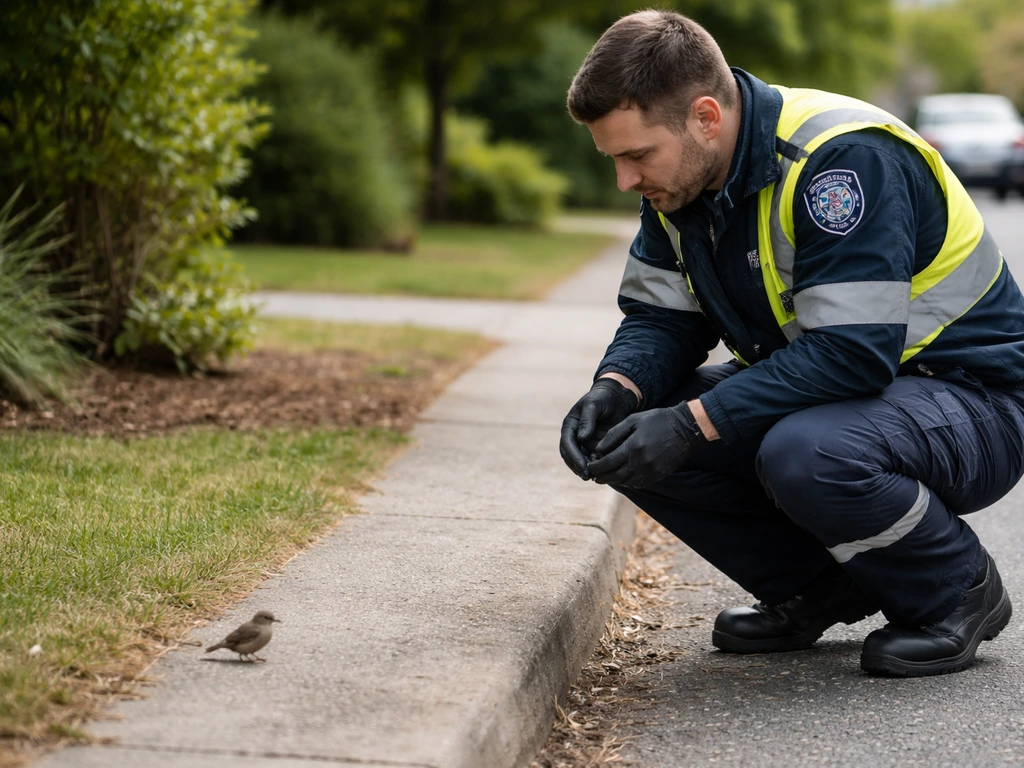
Before you touch the bird, take a moment to look at the scene. Is the bird actually in danger, or is it just resting? If it's alert, hopping around, and flying short distances, it probably doesn't need your help. Back off and give it space. A bird sitting quietly on the ground but not reacting to your approach is a different story, and that's when you step in.
Protect yourself first. Even small birds can scratch or bite when stressed. Use gloves if you have them, or a folded cloth or towel to pick the bird up. Wild birds can carry parasites, and raptors (hawks, owls, falcons) can cause real injuries with their talons. Never use bare hands if you can avoid it.
Once you've confirmed the bird needs help, move it out of immediate danger. Get it away from traffic, cats, dogs, and children. Don't attempt to trap or chase it for long periods before calling a wildlife rehabilitator, as that alone can cause fatal stress. Do the minimum needed to secure it, then pause and assess.
Quick triage signs: breathing, bleeding, shock, and suspected injuries
A fast visual check tells you a lot. You're looking for four things: how the bird is breathing, whether it's bleeding, whether it's in shock, and whether there are obvious physical injuries. You don't need to handle it extensively to do this, just observe carefully once the bird is contained.
Signs that mean call for help immediately
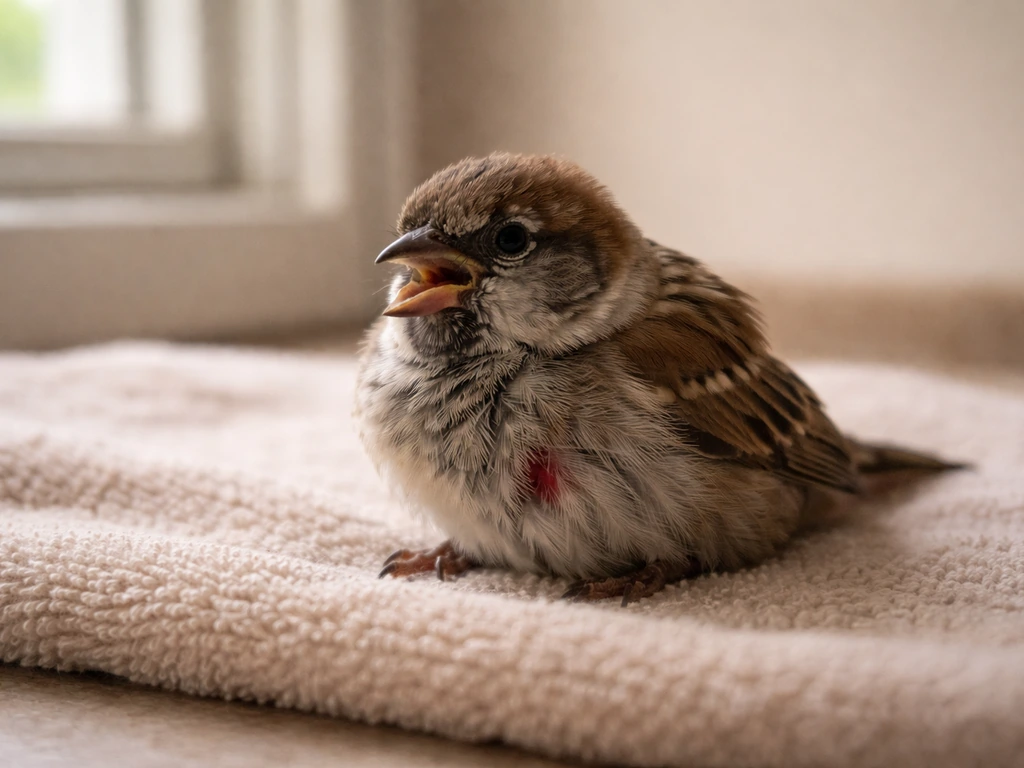
- Open-mouth breathing or visible tail bobbing with each breath (signs of respiratory distress)
- Bleeding that doesn't slow or stop within a few minutes
- Complete inability to move, stand, or hold its head up
- Obvious bone deformity (broken wing hanging at an abnormal angle, leg twisted the wrong way)
- Seizures or trembling
- Wet, matted feathers around the head or body suggesting a cat or dog attack
- Oil or chemical contamination on feathers
Shock is common in birds that have hit windows or been caught by a predator. A bird in shock often sits very still, eyes half-closed, and feels cold to the touch. Its breathing may be rapid and shallow. This is a serious state and warmth is the most important immediate intervention, but the bird still needs professional care as soon as possible.
If the bird has a visible eye injury, don't attempt to treat it yourself. How to treat a bird eye injury requires specific techniques and tools that go beyond basic first aid, and getting it wrong can cause permanent damage.
Humane handling and safe setup for recovery (warmth, darkness, containment)
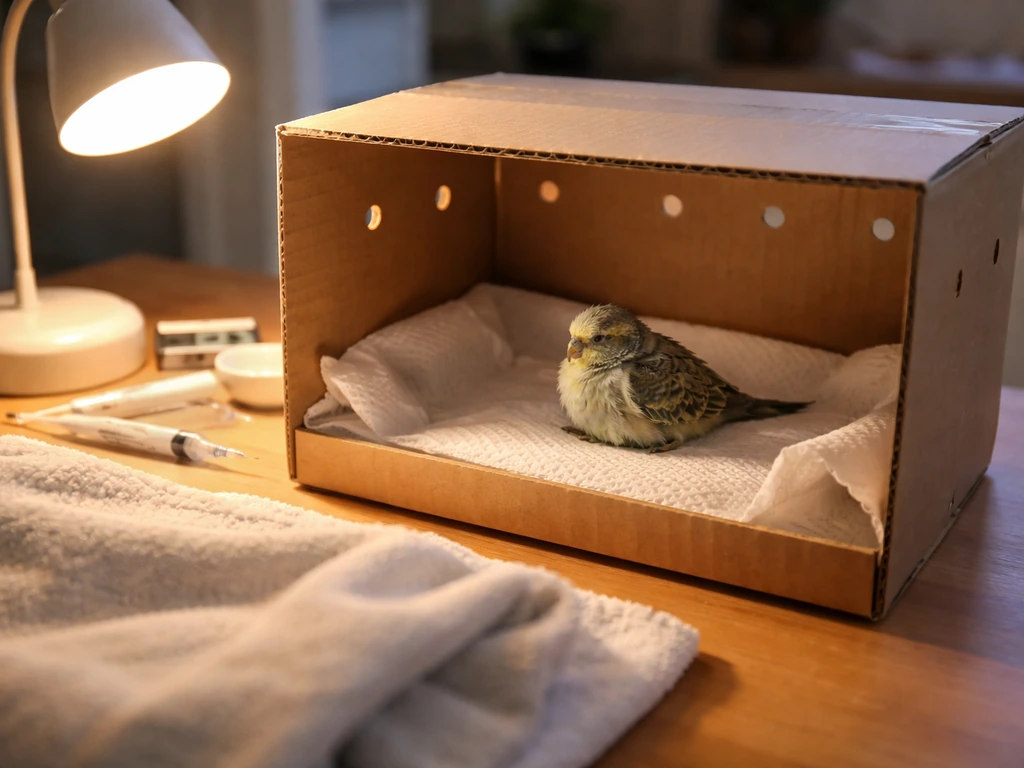
The recovery setup is the same whether you're dealing with an injured adult, a sick bird, or an orphaned nestling. You need three things: warmth, darkness, and quiet. Get these right and you've done most of what a layperson can safely do.
Setting up the container
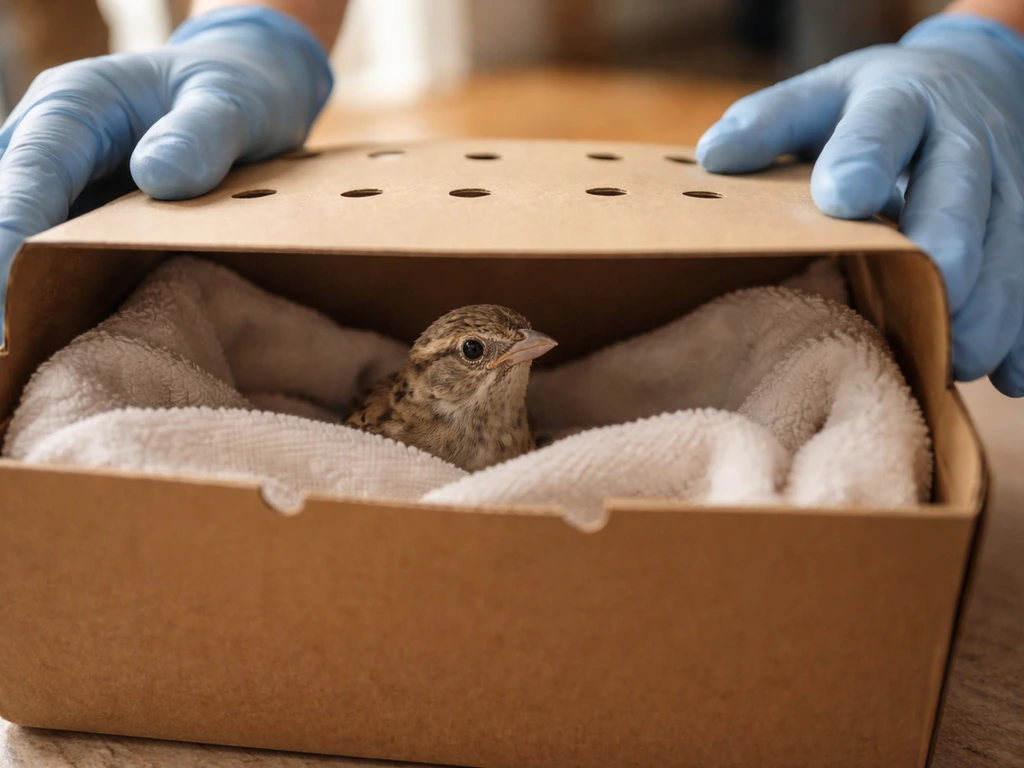
Use a cardboard box or a plastic carrier with a secure lid. Line the bottom with a clean towel or several layers of paper towels so the bird has something to grip. Make small air holes in the lid if the box doesn't already have ventilation. Do not use a wire cage, which allows the bird to damage its feathers and beak trying to escape. A soft cloth bag or tote can work in a pinch if a box isn't available. The container should be just large enough for the bird to sit comfortably, not so large that it can flap and injure itself further.
Providing warmth
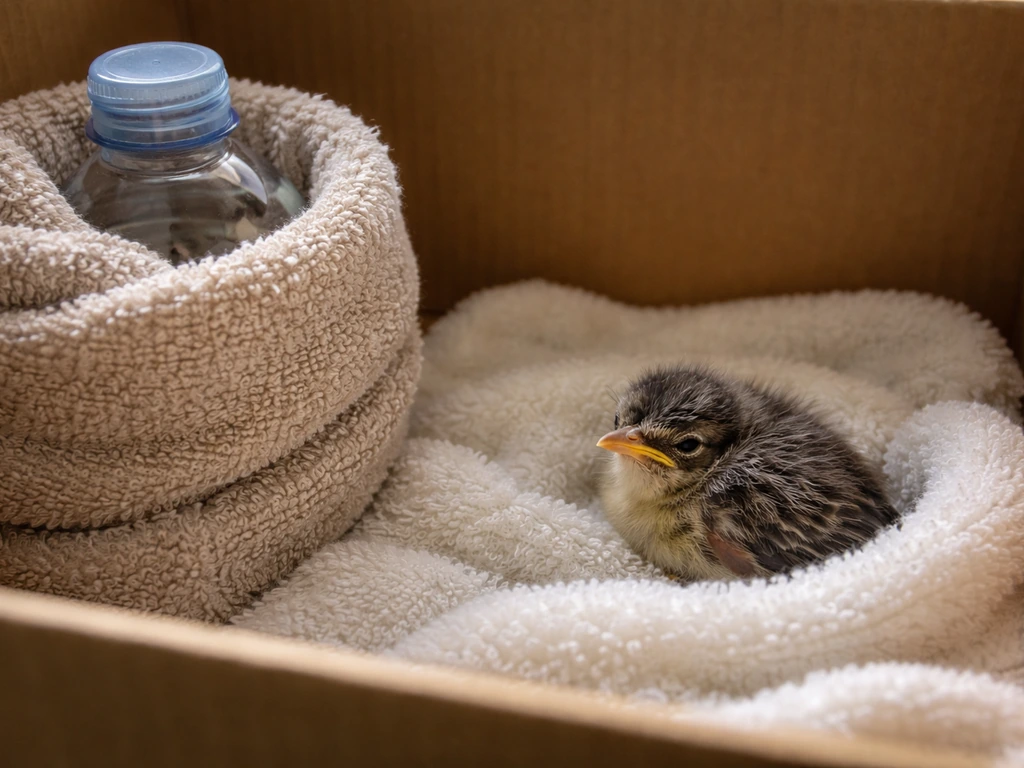
Warmth is critical, especially for orphaned nestlings and birds in shock. Fill a plastic water bottle with warm (not hot) water, wrap it in a towel, and place it to one side of the box so the bird can move toward or away from it. Alternatively, place a hand warmer inside a sock or pillowcase and set it under half the box. The key is a heat gradient: the bird should always be able to choose a cooler spot. Never place the heat source directly under the bird.
One important exception: if the bird is already panting or breathing with an open beak, it may already be too warm or have a respiratory issue. In that case, skip the heat source and focus on ventilation and mild ambient warmth instead. Overheating a bird that's already stressed can be just as dangerous as letting it get cold.
Once the box is set up, place it in a dark, quiet room away from pets, loud noise, and foot traffic. A closet works well. Darkness reduces the bird's stress response significantly, which is one of the simplest and most effective things you can do.
Basic first aid steps for common problems (bleeding, wounds, temperature, fluids)
Lay rescuers can safely handle a short list of first aid situations. Beyond these, stop and wait for professional guidance.
Stopping minor bleeding
Apply gentle, direct pressure to a bleeding wound using a clean cloth or gauze. Hold it for two to three minutes. For a broken blood feather (a pin feather that's actively bleeding), firm pressure is usually enough to stop it. Do not apply pressure to the chest of a small bird, as you can easily restrict breathing. If the bleeding is from a cat or dog bite, even a wound that looks minor externally can be severe internally, so treat that as an emergency.
Handling wounds
Keep wounds clean and covered. If there's debris in a wound, you can gently flush it with clean water or saline. Do not apply antiseptics like hydrogen peroxide or alcohol, which damage tissue. Do not bandage a wing tightly in a way that restricts blood flow. The goal is to minimize contamination and get the bird to a vet or rehabilitator, not to fully treat the wound yourself. CDC recommends washing your hands right after handling a bird or any of its supplies Wash your hands right after handling your bird or any of its supplies.
Temperature and fluids
Warmth comes before hydration. A cold bird cannot metabolize fluids properly and is at risk of aspiration (breathing fluid into the lungs) if you attempt to give water. Get the bird warm first, then call a rehabilitator before attempting any fluid support. For injured wild birds, the safest policy is to provide warmth and wait for professional instruction on hydration and feeding. Products like a healing bird ampoule treatment should only be used on the advice of a vet or certified rehabilitator, not as a DIY first step.
What NOT to do: feeding, medication, and handling mistakes to avoid
This is where most well-intentioned rescuers accidentally cause harm. The list of things not to do is short but important.
- Do not give food or water unless a wildlife rehabilitator or vet specifically tells you to. Forcing fluid or food into a bird that can't swallow properly causes aspiration, which can be fatal within minutes.
- Do not give any human medication, including painkillers like ibuprofen or acetaminophen, which are toxic to birds.
- Do not keep the bird out in the open to "watch it." Exposure to light, noise, and activity causes ongoing stress that can kill a bird already in shock.
- Do not try to splint a broken bone yourself unless you've been trained to do so. An improperly applied splint causes more damage than none at all.
- Do not offer bread, seeds, crackers, or milk. These are harmful to wild birds and especially dangerous for nestlings.
- Do not handle the bird more than necessary. Every time you pick it up, you're adding stress. Once it's in the box, leave it alone.
- Do not release a bird that seems "better" after a few hours without consulting a professional. Birds often mask illness and injury until they collapse.
It's also worth knowing that some conditions like bird diarrhea or a constipated bird can look minor but signal serious underlying illness. Attempting to treat these at home without knowing the cause can mask symptoms that a vet or rehabilitator needs to see. If you notice unusual droppings alongside other signs of illness, note it and report it when you contact a professional.
Orphaned vs injured: nestlings, fledglings, and when to reunite vs rescue
Not every baby bird on the ground needs rescuing. One of the most common mistakes people make is picking up a bird that would have been just fine if left alone. Here's how to tell what you're dealing with.
How to tell a nestling from a fledgling
| Feature | Nestling | Fledgling |
|---|---|---|
| Feathers | Mostly bare or covered in fluffy down | Mostly feathered, short tail feathers visible |
| Eyes | Often closed or just opening | Open and alert |
| Movement | Cannot stand or hop; helpless | Hops, flutters, may fly short distances |
| Age | Very young, days old | 2–3 weeks old depending on species |
| On the ground? | Fell from nest, needs help | Normal behavior; parents nearby |
If you find a nestling (tiny, mostly featherless, eyes closed or barely open), it genuinely needs help. Look for the nest nearby, within a reasonable distance, and gently place the bird back in it. The parent birds will not reject it because you touched it. That's a myth. If the nest is destroyed or you can't find it, that bird needs to go to a rehabilitator.
Fledglings are a different story. These birds are supposed to be on the ground. They're learning to fly, and their parents are almost always close by, watching and feeding them. If a fledgling is in immediate danger (near a road, being approached by a cat), move it to a nearby bush or low branch. Otherwise, leave it alone and keep pets indoors. Watch from a distance to confirm the parents are returning. If no parent appears for several hours, or the bird is visibly injured, then it's time to intervene.
A useful way to think about it: if the bird is showing signs of being sick in addition to being young and grounded, that's a clear signal it needs professional care regardless of whether it's a nestling or fledgling. Signs like lethargy, labored breathing, or injuries that aren't explained by normal fledgling tumbles should always prompt a call to a rehabilitator.
It's also worth checking: some birds that look like nestlings but have some feathering may be dealing with something like excessive itchiness or feather irritation, which can make them appear sicker or more distressed than their injury level alone explains. Note any unusual behavior and mention it when you call for help.
When to call a wildlife rehab or vet immediately, and how to transport safely
The honest answer is: call sooner rather than later. Wildlife rehabilitators are trained to talk you through exactly what to do for the specific bird you have, and they can tell you in under five minutes whether to hold and transport or take immediate action. Don't wait until the situation looks critical.
Call immediately if you see any of these
- The bird is bleeding and you can't stop it
- Open-mouth breathing or visible effort with each breath
- The bird is completely unresponsive or seizing
- You suspect a cat or dog attack (even with no visible wound)
- There is obvious bone deformity
- The bird is covered in oil or chemical substance
- A nestling has been on the ground for more than an hour with no parent contact
- A fledgling hasn't moved and parents haven't returned for three or more hours
To find a licensed wildlife rehabilitator near you, search the National Wildlife Rehabilitators Association (NWRA) directory or the Wildlife Rehabilitator Finder at wildliferehab.org. Your local Audubon Society chapter, animal control office, or a wildlife-friendly vet clinic can also point you in the right direction fast. In some areas, calling your local animal shelter or humane society is a quick way to get a referral.
Some cases also warrant calling an avian vet directly, especially for pet birds or situations involving a bird eye infection. If you're dealing with something like redness, discharge, or cloudiness in a bird's eye alongside other symptoms, reading up on how to treat a bird eye infection can help you describe the symptoms accurately when you call.
Transport checklist
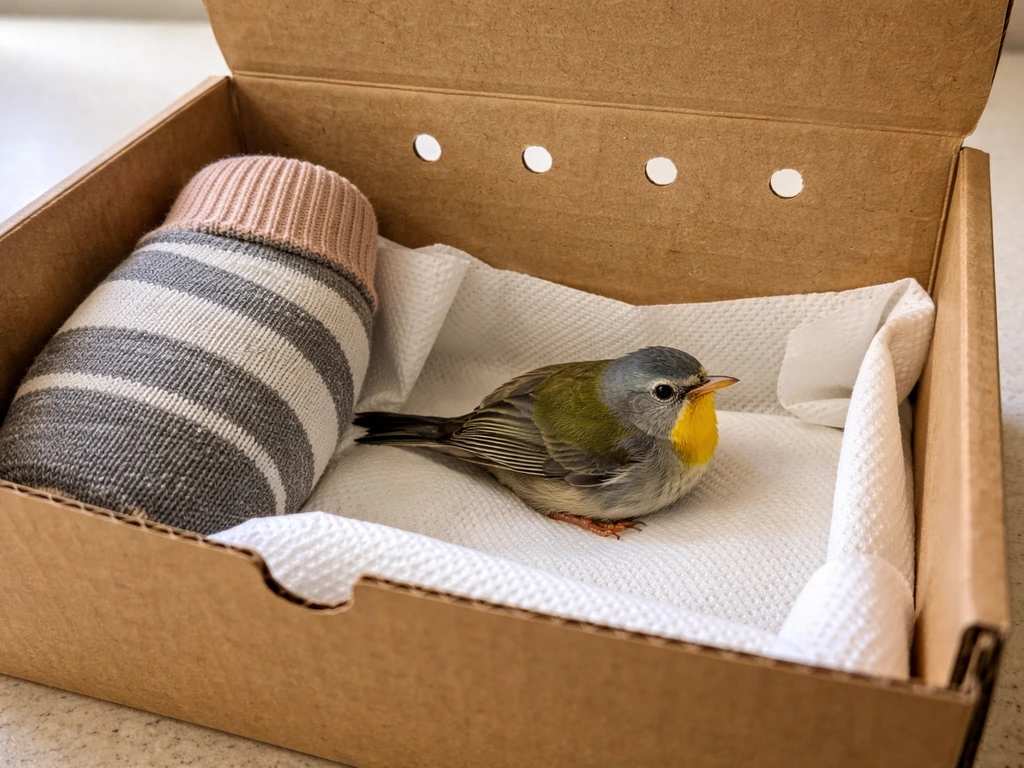
- Place the bird in a secure, ventilated cardboard box lined with paper towels or a thin cloth.
- Add a wrapped warm water bottle or sock-covered hand warmer to one side only (never directly under the bird).
- Do not add a water bowl, which will spill and chill the bird during transport.
- Put the box in the quietest, darkest spot in your car, such as the back seat footwell or a covered trunk area.
- Drive directly to the rehab center or vet. Don't stop to show people or take the bird out to check on it.
- Keep the car warm but not hot. Around 75 to 80 degrees Fahrenheit is appropriate for most birds.
- When you arrive, let the staff handle the bird. Give them your contact information and a clear description of where and how you found the bird, including any behavior you observed.
The most useful thing you can bring with you, besides the bird, is information. How long ago did you find it? Where exactly (near glass, on a road, in a yard with cats)? Was it conscious when you found it? Did you give it anything? Did it show any specific symptoms? That context helps the rehabilitator or vet start treatment faster and more accurately.
You've already done the hardest part by deciding to help. Keep the bird warm, keep it contained, make the call, and get it to a professional. That's the full job for a lay rescuer, and it's genuinely enough to save a life.
FAQ
Can I feed or water a wild bird while I’m waiting for help?
Do not attempt to give food, milk, seeds, or water by mouth. For wild birds, the safest sequence is warm, dark, quiet, then contact a wildlife rehabilitator for species-specific instructions. If the bird is actively panting or has an open beak, skip heat and focus on ventilation while you call.
Is it okay to give the bird vitamins, antibiotics, or other medicine I have at home?
Most birds should not be given medication, including antibiotics, pain relievers, vitamins, or dewormers. Even “bird-safe” human meds can be toxic at the wrong dose, and masking symptoms can delay proper diagnosis. Stick to containment, warmth (only if appropriate), and professional guidance.
What size and type of container should I use, and should the bird be able to stand up or turn?
Use a carrier or box with a lid so the bird cannot escape, but do not force it to stay in a tiny space. The container should allow the bird to sit comfortably, with enough room to turn slightly. If the bird is injured, avoid moving it more than necessary, and keep the lid closed during transport.
How should I transport the bird, especially if the trip takes more than 30 minutes?
Transport should be quiet and temperature-controlled, with the container kept mostly still (no bouncing). Avoid covering the container completely with plastic, which can trap moisture and overheat. If the bird gets cold during the trip, add warmth to one side of the container, not directly under the bird.
How do I know whether a bird is just resting versus actually injured or sick?
If the bird is alert and actively moving, it may be best to leave it alone and observe from a distance. If it is grounded and not reacting normally, or you see bleeding, abnormal breathing, or weakness, that suggests intervention is needed. When in doubt, call a rehabilitator before chasing or handling for long periods.
What should I do if I suspect the bird has a broken wing or leg?
Broken wings or suspected fractures are common after impacts. Do not try to straighten the wing or apply splints. Instead, keep the bird contained to prevent flapping, provide warmth if appropriate, and get it to a professional. Improper immobilization can cause additional damage.
I found a baby bird, should I always pick it up and bring it indoors?
If there’s a nest nearby and the bird is a nestling (very young, mostly featherless, eyes closed or barely open), gently return it if you can find the nest and it is not destroyed. If the nest is gone, the bird is clearly injured, or you cannot locate the nest, contact a rehabilitator right away.
What’s the difference between a fledgling and a nestling, and when should I intervene?
Fledglings are usually fine where they are if they are not in immediate danger. Move them only to a safer spot nearby (low branch or bush) if they are in a risky location like a road or where cats can reach them. If parents do not return for several hours, or the fledgling is visibly injured or acting sick, intervene and call for help.
If there’s only a small bite mark from a cat or dog, do I still need to call urgently?
Because you may not be able to tell the severity, treat cat or dog bite wounds as emergencies even if the skin looks intact. Wrap or apply gentle pressure only for active bleeding, keep the bird warm and contained, then get it to a vet or rehabilitator as quickly as possible.
What details should I write down before I call a wildlife rehabilitator?
Yes. Note anything abnormal that you observed before capture, such as window strike behavior, possible predator involvement, odor, visible parasites, appetite, or changes in droppings. Also write down the time you found the bird and the exact location, then share that with the rehabilitator.
Next Article
How to Treat a Sick Bird at Home: First Aid Steps
Step-by-step at-home first aid for a sick bird: assess, stabilize, safe enclosure, do's and don'ts, and when to call reh