If you're looking at a bird with a swollen, crusty, or weeping eye, the safest immediate step is to gently contain the bird in a warm, dark, ventilated box, rinse the eye once with warmed sterile saline if you have it, and then contact a licensed wildlife rehabilitator or wildlife vet as soon as possible. Most eye problems in birds get worse without proper diagnosis, and the wrong treatment can cause serious harm. Here's how to read what you're seeing, what you can safely do right now, and when you need professional help fast. If you need to know how to treat bird eye symptoms safely, focus on stabilization first and leave diagnosis and medication to a licensed professional.
How to Treat a Bird Eye Infection: Safe Steps at Home
Marcus Holloway
29 Apr 2026
How to tell a bird eye infection from other eye problems
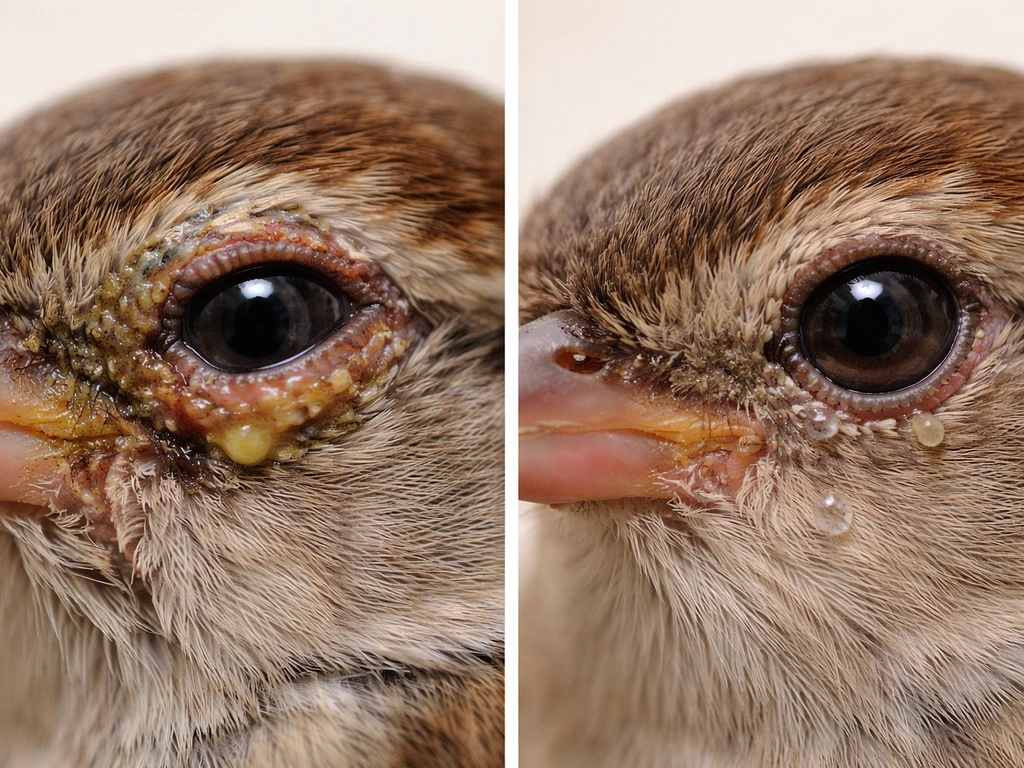
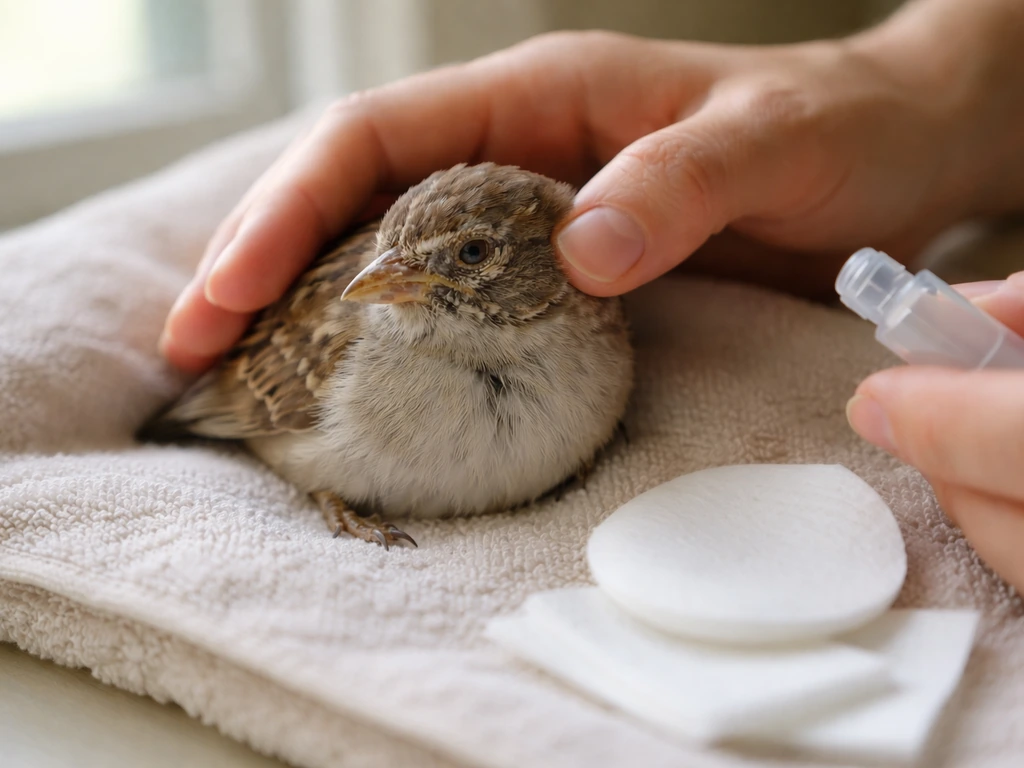
Not every eye problem in a bird is an infection, and getting this distinction right matters because the first-aid steps differ. Take a close, calm look at the eye before you do anything else. Here are the most common things you might be seeing.
| What you see | Likely cause | Key clues |
|---|---|---|
| Crusty, matted, or sticky eyelids, discharge (clear, yellow, or greenish), red or swollen conjunctiva | Avian conjunctivitis (bacterial infection) | Often affects one or both eyes; bird may look lethargic; common in house finches, house sparrows, and other feeder birds |
| Swollen, warty growths around the eyelid or face, red inflamed eye | Avian pox | Rough, tumor-like lesions on bare skin around eye; more common in songbirds; not the same as a bacterial infection |
| Eye is cloudy, bluish-white, or has a visible scratch or irregularity on the surface | Corneal ulcer or traumatic injury | Often follows a collision, cat attack, or branch strike; one eye only is typical; no obvious discharge at first |
| Eye shut, puffy lid, but no discharge | Blunt trauma or foreign body | Bird may have hit a window; check for debris or feathers stuck in the eye area |
| Nasal discharge alongside eye symptoms | Respiratory infection spreading to the eye | May also see open-mouth breathing or tail bobbing; systemic illness, not just local eye problem |
Avian conjunctivitis is the classic bacterial eye infection in wild birds. It spreads easily at feeders, especially tube-style feeders where birds insert their heads into holes and eye discharge can coat the feeding ports. Penn State Extension notes that house finch conjunctivitis can spread through feeder contact, typically starting in one eye and then spreading to both, so reducing exposure at feeders helps limit transmission [spreads easily at feeders](https://extension. psu.
edu/house-finch-conjunctivitis). It peaks in summer months and can lead to blindness if left untreated. Avian pox looks similar at first glance but involves warty skin lesions and is a viral condition that requires a completely different response. Corneal ulcers, which a vet diagnoses using fluorescein dye strips that highlight damage to the corneal surface, are often trauma-related and can worsen rapidly.
If you're not sure which you're dealing with, treat it as an infection and get professional eyes on the bird quickly.
First aid steps you can do right now
Before you touch the bird, put on gloves. This protects both of you. Wild birds can carry pathogens, and your skin oils and bacteria can make an injured bird's situation worse. Work calmly and quietly. Birds stress easily, and stress is genuinely dangerous for an already sick animal.
- Contain the bird: Place it gently in a cardboard box lined with a clean, non-fraying cloth (like an old t-shirt). Make sure the box has small air holes. Keep the box in a warm, quiet, dark room away from children and pets. Darkness reduces panic.
- Warm the bird: Sick birds lose heat fast. Place the box half on top of a heating pad set to low, so the bird can move away from the heat if it gets too warm. Target ambient temperature inside the box of around 85–90°F (29–32°C) for most small birds.
- Rinse the eye (once, gently): If you have sterile saline solution (the kind sold for contact lenses or wound care), warm it slightly to body temperature by holding the bottle in your hands for a minute. Use a clean dropper or pour a small amount over the closed eyelid to soften and loosen any crust. Let the bird blink it out naturally. Do not force the eye open or scrub.
- Isolate the bird completely: Keep it away from any other birds in your home. Avian conjunctivitis spreads through direct contact and contaminated surfaces.
- Do not feed or water the bird unless instructed: A stressed or injured bird can aspirate food or water. Contact a rehabilitator before offering anything to eat or drink.
That's genuinely the full scope of safe first aid. If the bird seems constipated, the safest approach is still basic first aid plus quick veterinary or wildlife rehabilitator guidance rather than guessing at treatments full scope of safe first aid. If you’re wondering how to treat a sick bird at home, focus on safe first aid only and get professional help as soon as possible. The most important thing you do in this window is stabilize the bird, not treat it.
Safe home treatment options vs. what not to do
This is where a lot of well-meaning people accidentally make things worse. Let's be direct about what is and isn't safe. If you’re dealing with bird diarrhea, follow similar safety rules and get guidance from a wildlife rehabber or avian vet before trying any home treatment what is and isn't safe.
What you can safely do at home
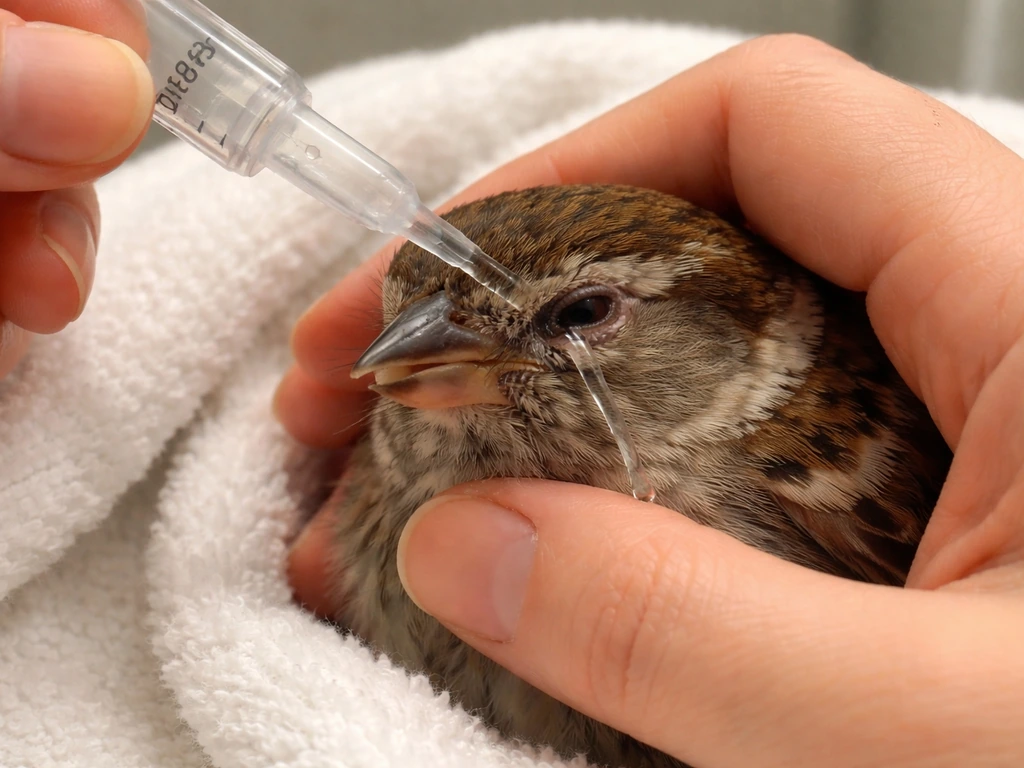
- Rinse the eye with warmed sterile saline once or twice a day to remove discharge and debris. This is the one topical measure that wildlife care guidelines consistently support for home first aid.
- Keep the bird warm, dark, and calm. Reducing stress is active treatment, not just waiting around.
- Monitor for changes: Is the eye getting more swollen? Is discharge increasing? Is the bird becoming more lethargic? Note these things to report to a vet or rehabilitator.
- Keep detailed notes and photos. A video or photo of the eye taken before you intervene is genuinely useful for a vet trying to triage remotely.
What not to do
- Do not use human eye drops, Visine, or over-the-counter eye washes. Formulations designed for human eyes can damage bird corneal tissue.
- Do not apply any ointment to the eye. Ophthalmic ointments, even saline-based ones, can trap debris and coat the cornea in ways that make things worse. Wildlife veterinary guidance specifically cautions against placing ointment in a bird's eye without professional direction.
- Do not use antibiotic eye drops or ointments meant for dogs or cats. Antibiotic sensitivity in birds differs from mammals, and using the wrong drug or concentration can harm or kill the bird.
- Do not try to remove a foreign object stuck in or near the eye. You can cause a corneal perforation.
- Do not attempt to lance or drain any swelling around the eye.
- Do not give the bird any oral medication (including crushed antibiotics in food) unless a wildlife vet has specifically prescribed it for this animal.
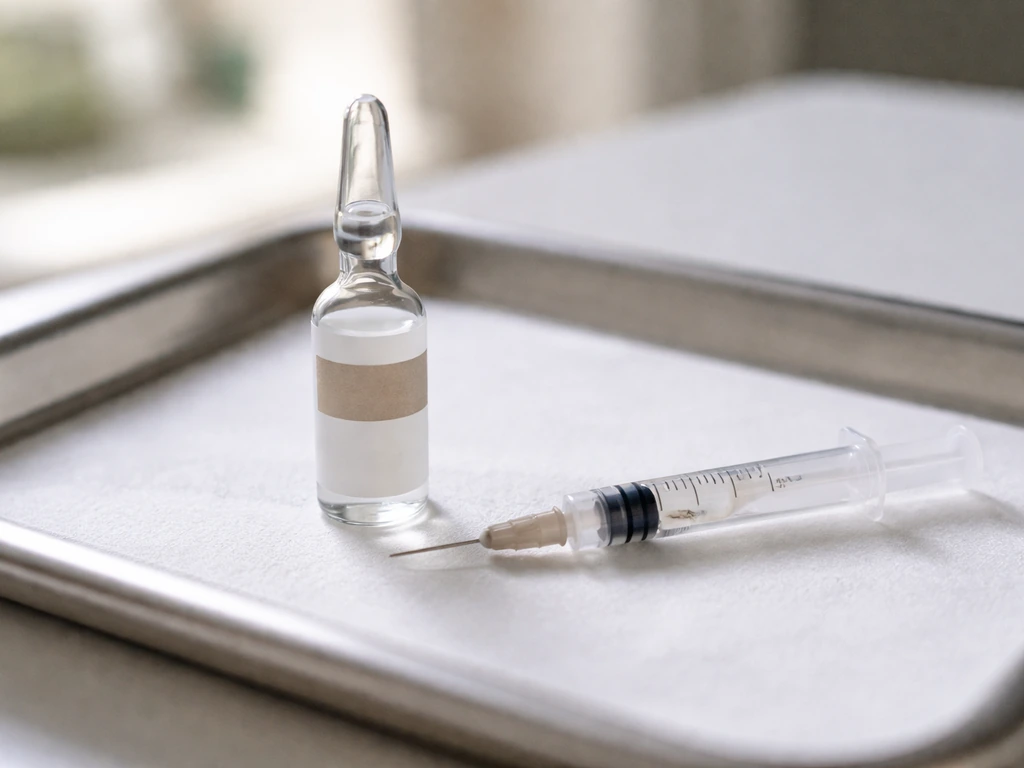
The underlying principle here is that bird eyes are sensitive and diagnostically complex. A corneal ulcer, for example, can look almost identical to conjunctivitis but requires completely different treatment. If you were considering a healing bird ampoule treatment, pause and ask your vet which product is appropriate because the correct approach depends on the specific eye problem. Vets confirm corneal ulcers with fluorescein staining and may need bacterial culture samples taken directly from the ulcer before any treatment starts. Without that diagnostic step, you're guessing, and the wrong guess can cost the bird its eye or its life.
When to seek a wildlife vet or rehabilitator urgently
In most places, legally speaking, treating a wild bird beyond basic first aid requires a wildlife rehabilitation permit. That means the right path is almost always to stabilize the bird and hand it off to a licensed rehabilitator or avian vet. But some signs mean you need to move faster than others.
Red flags: seek help within a few hours
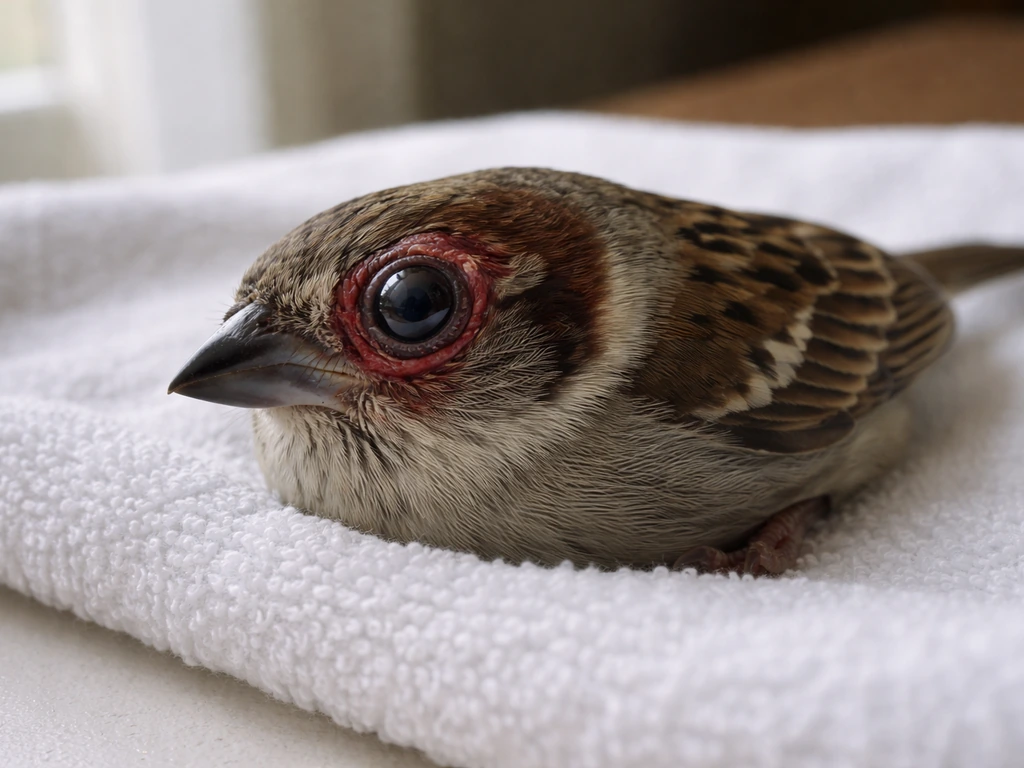
- The eye appears to be bulging outward or looks like it might rupture
- There is visible bleeding in or around the eye
- The bird is unable to stand, is tilting its head severely, or is circling (possible neurological involvement)
- The bird is breathing with its mouth open or its tail is pumping with each breath (respiratory distress)
- Both eyes are completely swollen shut and the bird cannot navigate
- The swelling or discharge has gotten noticeably worse within a few hours of isolation
- The bird appears to be in severe pain: fluffed up, completely unresponsive, lying on its side
If any of those apply, don't wait until morning. Many wildlife rehabilitators have emergency lines. Your state or regional wildlife agency website will have a directory of licensed rehabilitators. Organizations like the Wildlife Rescue League or your state's Department of Natural Resources or Fish and Wildlife agency can point you to the nearest permitted contact. Some areas also have wildlife conflict helplines staffed during business hours. Program a number into your phone now, before you need it.
For situations that are serious but not immediately life-threatening, aim to get the bird assessed within 24 hours. Eye infections and corneal injuries progress quickly in small birds. What looks manageable today can cause permanent blindness or systemic illness within 48 hours.
How to transport the bird to a vet or rehabilitator
Keep the bird in the warm, dark, ventilated box for transport. Do not let it out in the car. Do not play loud music. Keep the car warm but not hot. If you're traveling more than 30 minutes, call ahead so the receiving facility can prepare. When you arrive, hand over the box rather than opening it in the parking lot.
Keeping the bird comfortable while you arrange help
Pain and stress management while you're waiting for professional help is real care. A bird that is panicking is using energy it doesn't have, and that can cause rapid deterioration.
- Darkness is the single most effective stress reducer for a wild bird. Once it's in the box with minimal light, most birds calm significantly within a few minutes.
- Keep handling to an absolute minimum. Every time you open the box to check, you reset the bird's stress response. Check once every few hours unless there's a specific reason.
- Maintain warmth consistently. A bird shivering in a cold box is stressed and burning calories it can't replace.
- Keep the environment quiet. No TV, no barking dogs, no children asking questions nearby.
- Do not offer food unless instructed. For birds with eye problems that may also have respiratory involvement, the risk of aspiration is real.
- If the bird is a pet (rather than a wild bird), your vet may advise a slightly different comfort protocol, but the principles of warmth, quiet, and minimal handling still apply.
It's worth saying: watching a bird in obvious discomfort is hard. The urge to do something is strong. But in most cases, the most useful thing you can do in the hours before professional help arrives is keep the environment stable. That is doing something.
Preventing spread to other birds and keeping your space clean
Avian conjunctivitis spreads easily through direct contact and contaminated surfaces, especially at shared feeders and baths. If you've seen one bird with eye symptoms at your feeder, there's a reasonable chance others have been exposed. Here's what to do.
Clean and disinfect feeders and baths immediately
Take down all feeders and birdbaths as soon as you notice a sick bird. Wash them thoroughly with hot, soapy water first, then disinfect with a dilute bleach solution (roughly one part bleach to nine parts water). Rinse thoroughly and allow to dry completely before putting them back up. Tube-style feeders are particularly high-risk because birds push their heads into feeding ports and eye discharge coats the inside surfaces directly. If you have tube feeders and a sick bird is confirmed, consider switching to tray-style feeders after disinfection.
Quarantine the affected bird
If you keep pet birds and you've also found an injured wild bird, keep them in completely separate rooms with no shared airflow if possible. Wash your hands and change your clothing before moving between the two. The same isolation principle applies if you have multiple pet birds and one develops eye symptoms: separate it immediately and treat the cage, food, and water dishes as potentially contaminated.
Clean up the area where you found or handled the bird
- Discard or wash any cloth, towel, or material the bird rested on
- Wipe down any hard surfaces with a dilute bleach solution
- Wash your hands thoroughly with soap and water after any contact, even if you wore gloves
- If you used a box to transport the bird, either discard it or disinfect it before reuse
Leaving feeders down for a week or two after a confirmed case of avian conjunctivitis in your yard is one of the most effective steps you can take to break the transmission chain. It feels counterproductive if you enjoy feeding birds, but it genuinely reduces the risk of infecting more birds at a moment when they're vulnerable.
Your next steps, summarized
- Contain the bird in a warm, dark, ventilated box with gloves on
- Rinse the eye once gently with warmed sterile saline if available
- Do not apply any drops, ointments, or medications
- Contact a licensed wildlife rehabilitator or avian vet as soon as possible, and within a few hours if you see any of the red-flag symptoms listed above
- Keep feeders and baths down and disinfected until the situation is resolved
- Isolate the bird from all other birds in your home
Eye problems in birds move fast. A bird that's squinting and has mild discharge this morning can have a severely infected or ulcerated cornea by tomorrow. The good news is that with fast action, a licensed rehabilitator or avian vet has real treatment options.
If the itchiness seems linked to conditions you see around birdfeeders or handling, ask an avian vet for guidance on safe relief and the correct diagnosis so you can break the pattern without harming the bird licensed rehabilitator or avian vet. Your job is to stabilize the bird, avoid making things worse, and get it to someone who can give it what it actually needs.
If you suspect a bird eye injury, follow the article’s first-aid and “don’t do” guidance and get veterinary help as quickly as possible how to treat bird eye injury. If you are considering a healing bird ampoule treatment, use it only under veterinary guidance and follow the exact application steps your avian professional recommends healing bird ampoule treatment how to use.
FAQ
Can I use human eye drops or ointment to treat a bird eye infection at home?
No. Many human products contain ingredients or preservatives that can irritate bird eyes, and some infections or corneal ulcers need specific treatment. If you have no way to reach a wildlife vet immediately, stick to stabilization (warm, dark, ventilated box) and a single rinse with warmed sterile saline only, then get professional guidance.
What should I do if the eye is swollen shut and I cannot see what’s going on?
Do not force the eyelids open. You can gently rinse with warmed sterile saline to loosen discharge, then stop. If the bird cannot open the eye after brief rinsing, that still needs urgent veterinary or wildlife rehab assessment because corneal ulcers can hide behind swelling.
Is it safe to bathe or flush the eye repeatedly with saline?
One careful rinse is generally the safest limit for home care. Repeated flushing can over-irritate the eye or spread contamination, especially if the underlying issue is trauma. If discharge keeps building, that’s a sign to escalate to a licensed rehabilitator or avian vet.
How can I tell if this is conjunctivitis versus a corneal ulcer?
You cannot reliably confirm the difference without a fluorescein exam. Trauma, a cloudy cornea, marked squinting, and rapid worsening are red flags for ulceration. The practical decision aid is to treat it as potentially serious, avoid guessing at antibiotics or “healing” drops, and get it assessed quickly.
Should I remove scabs or crust from the eye?
Only soften them with a gentle saline rinse and stop there. Do not pick scabs, rub the eye, or use cotton swabs, because that can scratch the cornea or introduce new bacteria.
What if the bird’s eye issue is from a chemical exposure or smoke?
Treat it differently from infection. If you suspect fumes, cleaner, fuel, or smoke irritation, move the bird to fresh air and use only warmed sterile saline rinsing. Contact a wildlife vet urgently, because chemical injury can require specific flushing protocols and pain control.
Can I isolate the bird from other birds at home to prevent spread?
Yes, but do it correctly. Use a separate, warm, dark, ventilated enclosure, and do not share airflow between birds. Wash hands and change clothing after handling, because eye discharge can contaminate surfaces even when the birds are not directly together.
How long should I keep feeders and birdbaths out after one sick bird?
If you suspect avian conjunctivitis, the article suggests leaving them down for at least one to two weeks. Also disinfect thoroughly first, then allow complete drying before reopening to reduce re-exposure.
Do I need to disinfect tube-style feeders differently from tray feeders?
Tube feeders are higher risk because discharge can coat internal surfaces. After removing them, wash with hot soapy water, disinfect with a dilute bleach solution, rinse well, and dry completely. If confirmed infection was present, consider switching to tray-style feeders after disinfection until you’ve had no further cases.
Is it okay to release the bird after it looks better in a day or two?
Usually no. Eye infections and corneal injuries can look improved while the underlying condition is still active, and blindness can develop later. Release should only be considered after a licensed rehabilitator or avian vet confirms recovery and safety.
What are “signs you need to move faster,” beyond just discharge?
Move faster if the bird is severely squinting, has a cloudy or whitish cornea, cannot keep the eye open, shows sudden worsening, or seems lethargic. Any inability to open the eye after brief saline rinsing also warrants urgent assessment because corneal ulcers can deteriorate quickly.
Next Article
Healing Bird Ampoule Treatment: How to Use It Safely
Step-by-step guide to safely use healing bird ampoule treatment, dosing, handling, aftercare, and red flags for vets.