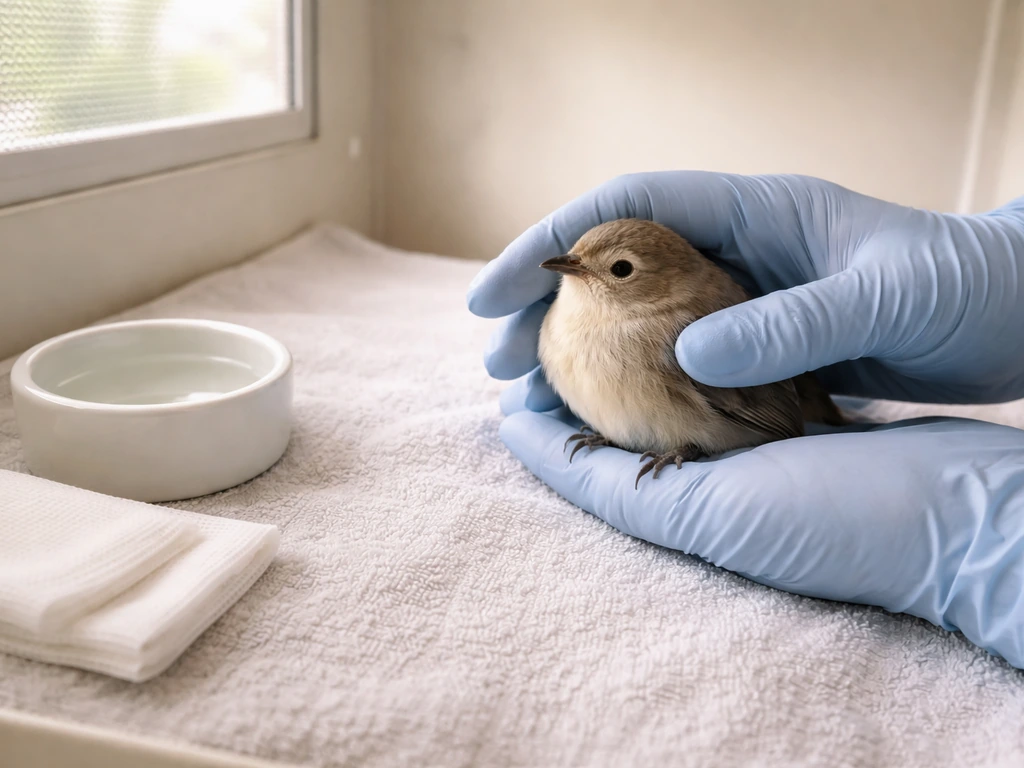
If you have a sick or injured bird in front of you and you are searching for how to use a 'healing bird ampoule,' here is the most important thing to know right now: there is no established veterinary product called a 'healing bird ampoule.' The brand name 'Healing Bird' most commonly refers to a cosmetic hair-care line (a protein treatment you apply to damp hair after shampooing, leave for 5 to 10 minutes, and rinse out). It is not a licensed avian medicine, and it should never be given to a bird. What you can do, and do right now, is follow proper bird first-aid stabilization steps while you arrange professional help. That is exactly what this guide covers.
Healing Bird Ampoule Treatment: How to Use It Safely
Marcus Holloway
20 Apr 2026
What a 'healing bird ampoule' is and when it can (and can't) help
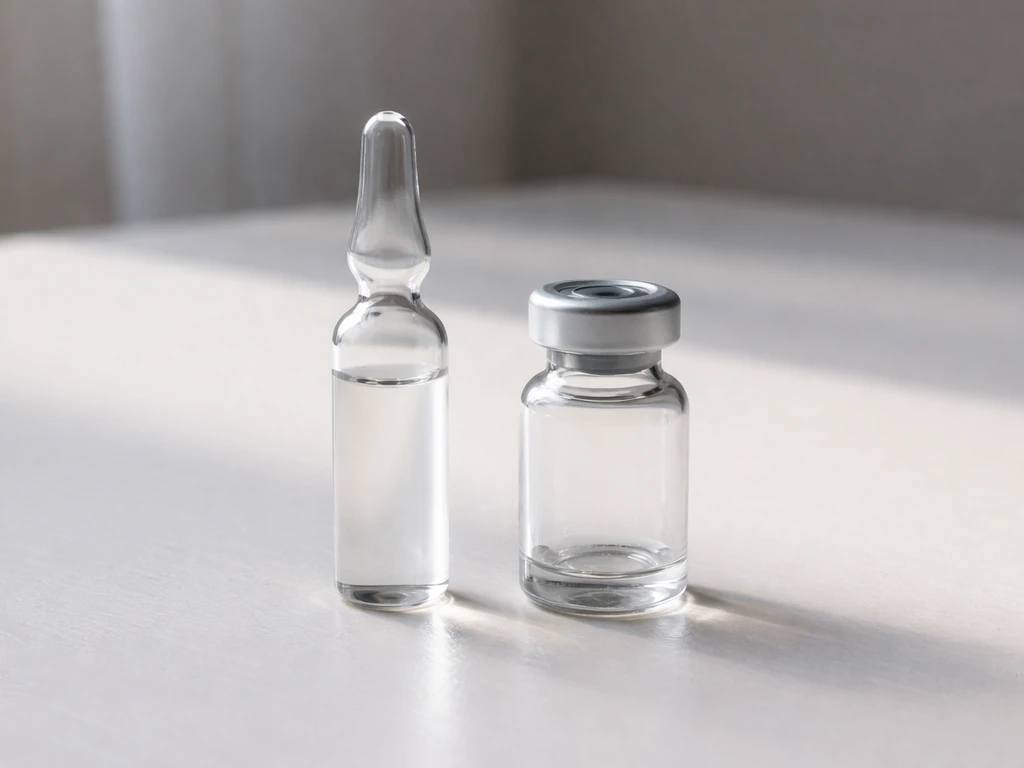
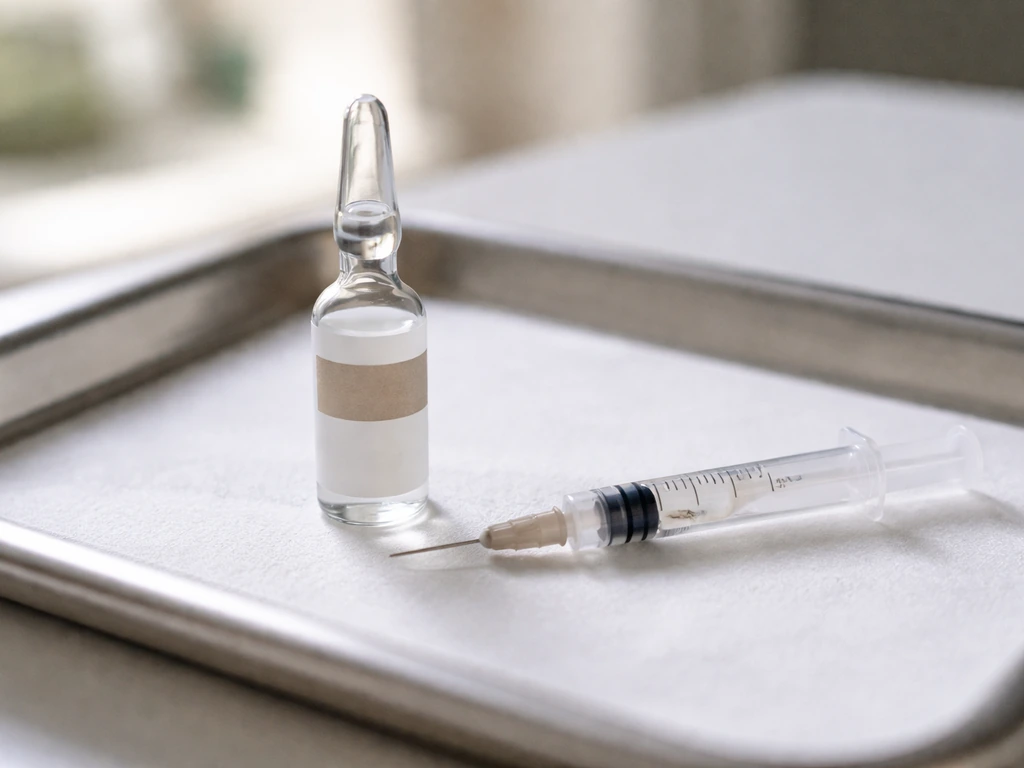
An 'ampoule' in a medical context is a sealed glass or plastic vial containing a single dose of a substance, usually a liquid. In legitimate avian veterinary care, ampoules exist for specific drugs: things like Vitamin B complex (dosed at 1 to 2 mg/kg every 24 hours orally), certain antibiotics, or emergency medications. But these are prescribed by avian vets, calculated precisely by the bird's weight and condition, and administered by trained hands. There is no over-the-counter 'healing bird ampoule' that safely treats a sick or injured wild bird across the board.
If someone sold you or recommended something labeled as a 'healing bird ampoule' for wildlife first aid, treat it with real caution. Check the label carefully. If it contains a recognized supplement like vitamin B complex or electrolytes and specifically states it is safe for avian use, it may have a limited supportive role. But even then, giving anything to a bird without knowing the species, weight, and underlying condition carries real risk. First aid for birds is defined as basic, immediate assistance given before a registered veterinarian or experienced rehabilitator can assess the animal. It is not a replacement for that assessment.
Where an ampoule-style supplement can genuinely help: mild nutritional support for a bird that is stable, alert, and not in respiratory distress, when a vet visit is hours away and the product is clearly labeled for avian use. Where it cannot help: serious injuries (fractures, deep wounds, eye trauma), infections requiring antibiotics, toxin ingestion, or any bird showing severe neurological signs.
Treating eye trauma in particular requires veterinary assessment, so do not rely on a supplement ampoule when you suspect a bird eye injury serious injuries (fractures, deep wounds, eye trauma). If you are dealing with a bird eye infection, focus on stabilization and get avian or wildlife professional care promptly for the right diagnosis and treatment eye injury. Giving an oral liquid to a bird in those states risks making things much worse.
Quick safety check before giving anything to the bird
Before you open any vial or syringe, run through this checklist. It takes two minutes and can prevent real harm.
Species check
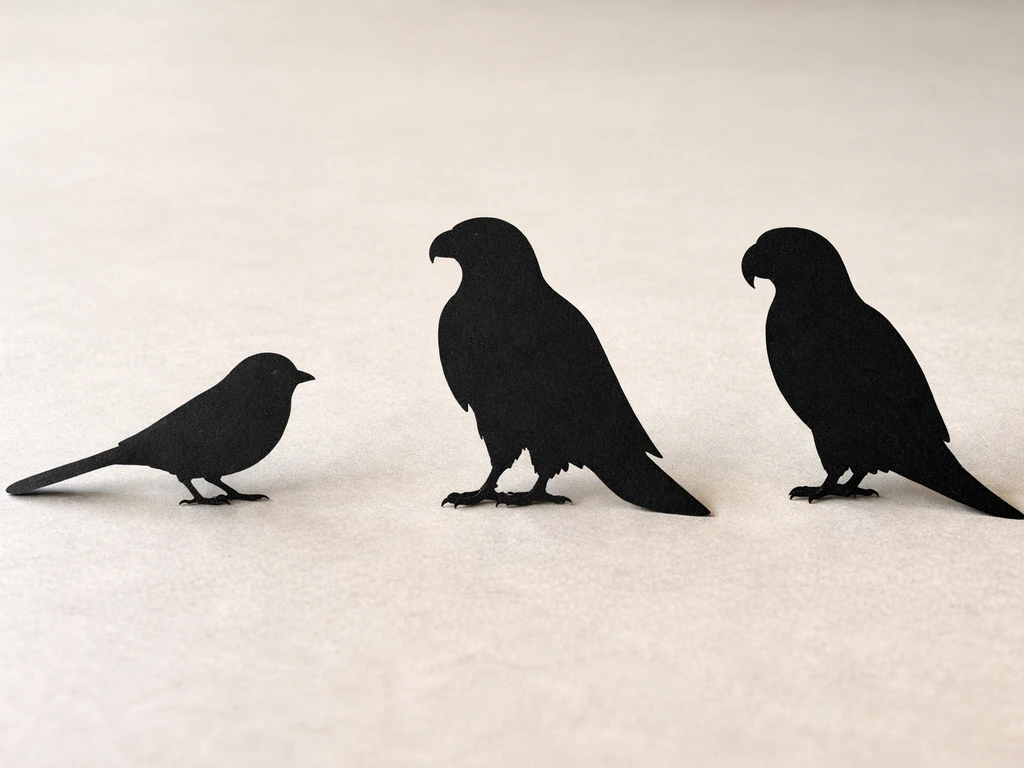
Do you know what kind of bird you have? A songbird, a raptor, a waterfowl, and a parrot all have different physiology, different safe dose ranges, and different legal considerations. In many countries, wild native birds are protected by law and may only be treated or held temporarily before being transferred to a licensed rehabilitator. Handling raptors without authorization is illegal in several jurisdictions. Knowing the species matters before you give anything.
Condition check
Look at the bird closely without touching it first. A bird that is upright, alert, and tracking your movement is in better shape than one that is hunched, eyes half-closed, or lying flat. Feathers fluffed up, labored breathing (tail bobbing, open-mouth breathing), or bloody discharge from any orifice are serious warning signs. A bird showing any of these needs a vet, not a supplement ampoule.
Red flags: stop and call a professional first
- Open wounds, visible bone, or heavy bleeding
- Seizures, tremors, or complete loss of coordination
- Open-mouth breathing or audible wheezing
- Swollen or shut eye (bird eye injuries and infections need specific care)
- Suspected poisoning or toxin exposure
- Bird is completely unresponsive
- Bright red droppings (can signal internal hemorrhage, especially in raptors)
- Any sign of spinal or head injury
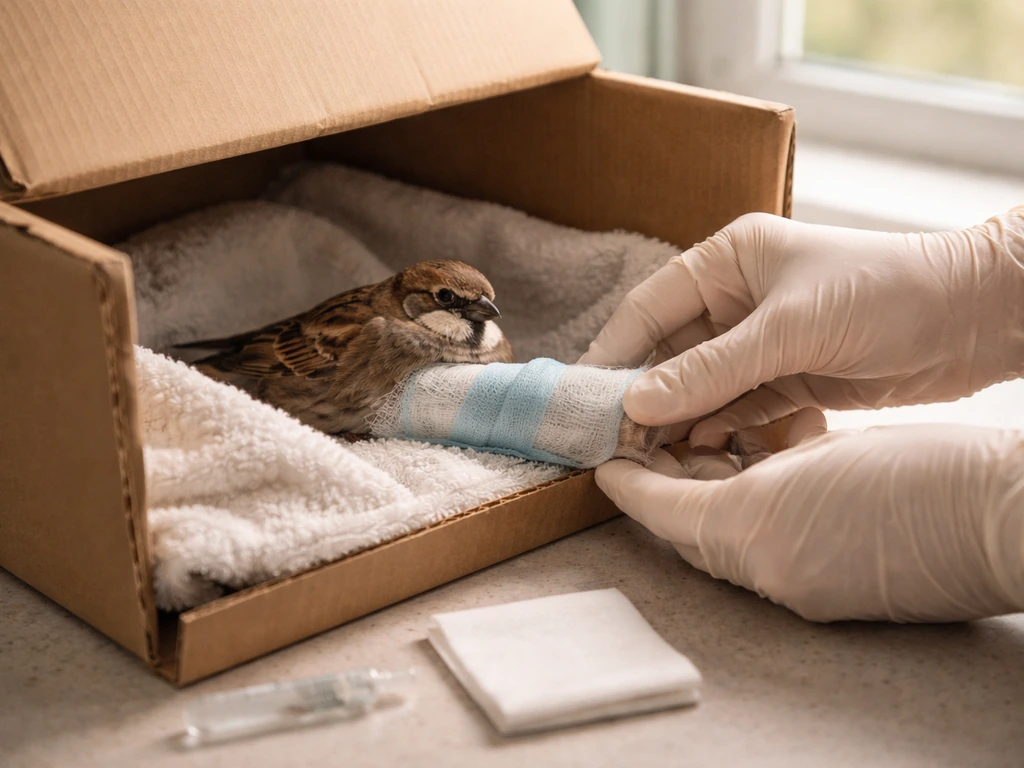
If any of those apply, skip the ampoule entirely. Box the bird safely, keep it warm and dark and quiet, and call a wildlife rehabilitator or avian vet immediately. If the bird is itchy, avoid trying to soothe it with a “healing bird ampoule” and focus on safe first aid while you contact a professional. Giving oral liquid to a bird in respiratory distress or shock is one of the fastest ways to cause aspiration and death.
How to actually use it: preparation, humane handling, and administration
If you have cleared the safety checks above, the bird is stable, alert, and breathing normally, and you have a product that is clearly labeled for avian use, here is how to go about it.
Prepare the product and your tools
- Read the label completely. Note the recommended dose per body weight (in mg/kg or ml/kg), the route of administration (oral, topical, etc.), and any contraindications. If no avian-specific dosing is listed, do not guess.
- Use a needleless syringe, not a dropper. Syringes give you far more control over how much liquid you release at once. A 1 ml syringe is appropriate for most small birds.
- Draw up only the amount the label specifies for the bird's estimated weight. If you do not know the bird's weight, err on the side of less, not more.
- Have a clean, soft towel ready for restraint. Wash your hands before and after handling the bird.
Humane restraint
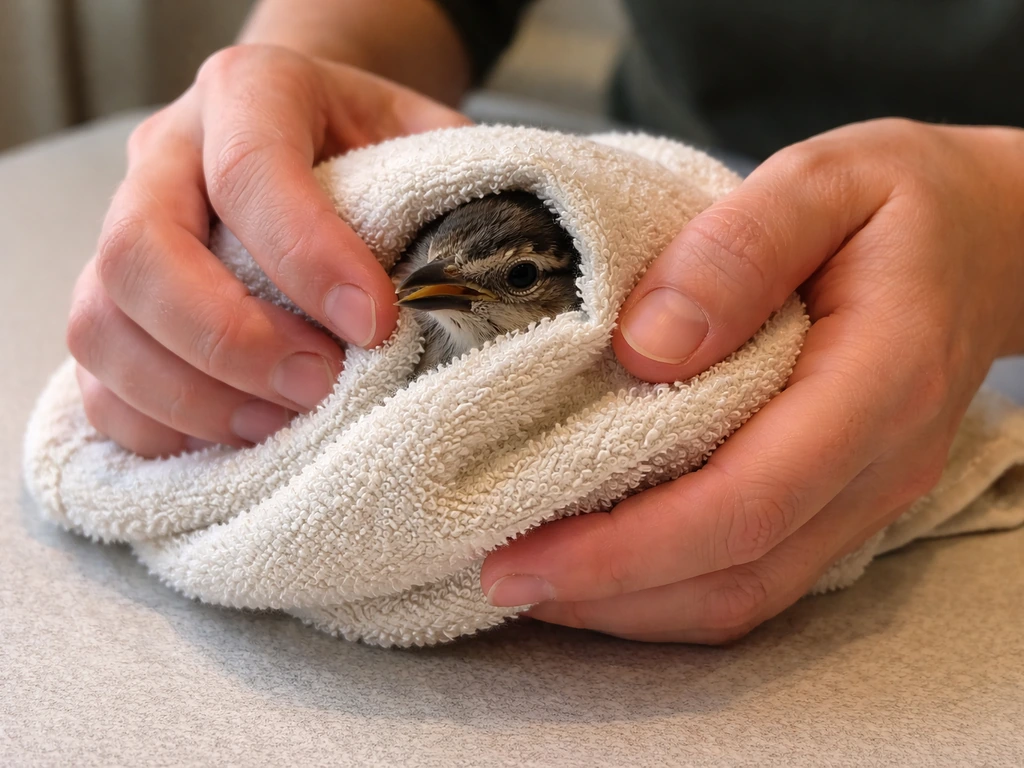
Handle the bird calmly and with as few people involved as possible. Sudden movements and noise increase stress, and a stressed bird can go into shock. Wrap the bird gently in a soft towel, keeping the wings folded naturally against the body. Your grip should control the body and head but never compress the chest, birds breathe by expanding their chest and a tight grip can suffocate them. The bird's head should be gently stabilized between your thumb and index finger while a second person administers the liquid, or you can do both with practice.
Giving the oral liquid safely
- Position the syringe at the side of the beak, not straight down the center of the throat. The trachea (airway) opens at the base of the tongue toward the front. Aiming the syringe toward the back of the opposite side of the mouth directs fluid toward the esophagus instead.
- Administer the liquid slowly, in tiny amounts. Wait for the bird to swallow between drops. Rushing is the main cause of aspiration.
- Never tilt the bird's head back or hold it upright at a steep angle. A nearly horizontal position is safer for swallowing.
- If the bird struggles hard, coughs, or opens its beak wide and gasps, stop immediately. Do not force it.
- Once done, release the bird gently back into its temporary housing. Keep your movements quiet and slow.
Dosing schedule and what to expect after the first dose
Follow the label exactly. A legitimate avian supplement will specify frequency, for example once every 24 hours or twice daily. Do not exceed the labeled dose thinking more is better. Bird physiology is sensitive to overdose in ways that are not always immediately visible.
After the first dose, do not expect a dramatic turnaround. A supplement is supportive, not curative. What you are hoping to see over the next few hours is a bird that remains stable: same or slightly improved alertness, normal droppings (greenish-brown with white urate), and no new symptoms. Recovery from illness or injury in birds is rarely fast. Some birds look worse before they look better as they come out of a state of shock and start to feel the full effect of whatever is wrong with them.
Keep a simple log: time of each dose, the bird's posture and alertness level, droppings color and consistency, and any changes in breathing. This information is genuinely useful when you hand the bird over to a vet or rehabilitator.
Aftercare essentials while you wait for professional help
Warmth
Sick and injured birds lose body heat fast. Place the bird in a ventilated box lined with a soft cloth and keep one end of the box slightly warmer, around 85 to 90°F (29 to 32°C), using a heating pad on low set under half the box. The bird can then move toward or away from the heat as needed. Do not place a heating pad under the entire box, which traps heat and can overheat the bird.
Hydration and feeding
Unless you have been specifically instructed by a rehabilitator or vet, do not try to force-feed a sick bird or give it plain water by syringe. Aspiration is a real risk, and the wrong food can cause additional harm. A shallow dish of water placed in the box allows a slightly more alert bird to drink on its own. If the bird is too weak to drink, that is a sign it needs professional help urgently, not more home treatment.
Rest and low stimulation
Keep the box in a warm, quiet, dimly lit room away from pets, children, and loud noise. Darkness reduces stress and encourages the bird to rest. Check on it every 30 to 60 minutes but minimize how much you open the box and handle the bird. Overchecking causes as much stress as not checking at all.
Hygiene for you
Wash your hands thoroughly before and after every interaction with the bird. The blank" rel="noopener noreferrer">CDC recommends hand hygiene and cleaning practices to reduce the risk of human infection from bird droppings and contaminated surfaces, including wetting surfaces before cleaning instead of dry cleanup. Some avian diseases (like salmonella and psittacosis) can transmit to humans. Maricopa County reports that psittacosis is caused by a bacteria affecting the respiratory tract and that people can become ill by inhaling contaminated material such as aerosols from dried feces or fluids blank" rel="noopener noreferrer">psittacosis can transmit to humans. Keep the bird away from your face and avoid touching your eyes or mouth while handling it.
Troubleshooting when things don't go smoothly
The bird won't open its beak or accept the liquid
Do not force the beak open with an instrument. You risk breaking the beak or causing a stress response. Try gently pressing the syringe tip at the corner of the beak where the two halves meet. Some birds will naturally open slightly. If after two careful attempts the bird refuses entirely, stop. A bird that is refusing is often too stressed or too sick to safely receive oral treatment, and pushing it risks both aspiration and cardiac stress. Give it 30 minutes of quiet rest and try once more. If it still refuses, prioritize getting it to a professional.
Coughing, gurgling, or head-shaking after administration
These are signs that some liquid may have entered the airway (aspiration). Stop giving anything by mouth immediately. Keep the bird as calm and upright as possible and monitor its breathing. If breathing becomes labored or noisy, this is an emergency. Contact a vet or wildlife rehabilitator right away. Aspiration pneumonia in birds can develop within hours and is life-threatening without treatment.
Symptoms getting worse after a dose
If the bird becomes more lethargic, stops responding to sound or movement, develops diarrhea, or its breathing changes after you have given the product, stop giving it and escalate to professional care. Diarrhea in birds can have many causes, so get guidance on how to treat bird diarrhea safely and when to escalate to a professional. Worsening symptoms after a supplement dose can indicate the supplement is irritating the gut, the dose was too high, or the bird's condition is deteriorating from the underlying illness regardless of what you gave.
Droppings look very wrong
Normal bird droppings have three components: dark green-brown feces, white or cream urates, and clear liquid urine. Bright red or very dark tarry droppings suggest bleeding. Completely watery droppings in large amounts suggest diarrhea. Yellow-green or lime-colored urates can suggest liver involvement. Any of these call for a vet, not another dose of a supplement. Understanding abnormal droppings is part of broader sick-bird assessment, which overlaps closely with general sick bird home care.
When to stop home treatment and get professional help immediately
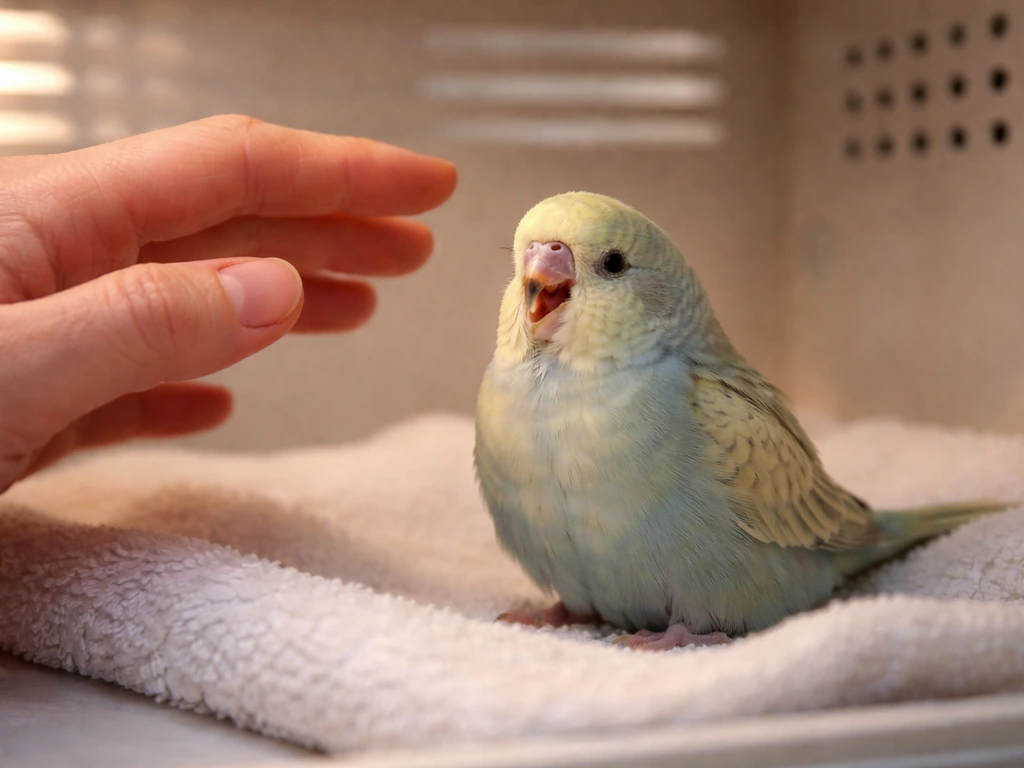
Home first aid, including any ampoule or supplement you give, is a bridge. If you need a broader plan for how to treat a sick bird at home, use the step-by-step first aid and red-flag guidance in this guide. It is not a treatment plan. The goal is always to stabilize the bird while you get it to someone who can actually diagnose and treat it. Here is when you stop and escalate right now, not after one more dose:
- Any sign of breathing difficulty: open-mouth breathing, tail bobbing with each breath, audible clicks or wheezing
- Seizures or neurological signs at any point
- The bird has not improved at all after 12 hours of supportive care
- The bird is actively declining: less alert, more hunched, or unresponsive
- Suspected aspiration after oral administration
- Visible injuries you have not been able to assess (wounds, eye problems, suspected fractures)
- You simply are not sure what is wrong or whether what you are doing is helping
To find help, search for a licensed wildlife rehabilitator in your area through your national wildlife agency or a local wildlife rescue directory. In many regions, avian vets can also triage and stabilize wild birds before transfer. Have the following ready when you call: the species if known, where you found the bird, how long you have had it, what symptoms you have observed, and what if anything you have given it.
If the bird is a pet (parrot, canary, finch), an avian vet is your first call, full stop. Pet birds showing illness need a diagnosis, not a supplement. Conditions like respiratory infections, diarrhea, eye infections, and constipation in pet birds all have specific treatments that require professional assessment, and delaying that assessment while trying home remedies usually makes outcomes worse. Conditions like respiratory infections, diarrhea, eye infections, and constipation in pet birds all have specific treatments that require professional assessment, and delaying that assessment while trying home remedies usually makes outcomes worse how to treat a constipated bird.
You found this bird, you took the time to look up how to help it, and that matters. If you are also trying to figure out how to treat bird symptoms at home, focus on stabilization first and use the article’s sick-bird steps as the safer starting point. The most helpful thing you can do right now is stabilize it with warmth, quiet, and minimal handling, and then get it into professional hands as fast as you can. If you want to keep the bird safe while you search for professional help, follow the step-by-step sick bird at home guidance in this article how to treat a sick bird at home.
FAQ
What if the label says “for birds” or “wildlife,” but it is still an “ampoule” product?
Treat it as unverified unless it clearly states avian dosing, active ingredients, and safety for the specific species type (or at least “avian supplements” with a defined mg/kg or volume per weight). If those details are missing, do not dose it, because “for birds” wording alone is not the same as vet-calculated dosing.
Can I use the same ampoule dose for any bird species?
No. Even if the product is labeled for birds, safe amounts often vary by body size and physiology. Use only the label dosing instructions and, if the label does not provide a weight-based dose range, skip the product and focus on warmth, quiet, and professional triage.
How do I know whether a bird is stable enough for any oral supplement?
Stability usually means upright or able to sit, normal breathing with no tail bobbing or open-mouth breathing, and normal responsiveness to sound or movement. If the bird is hunched, very weak, breathing noisily, or cannot maintain posture, do not give anything by mouth.
Is it ever okay to give water or electrolytes instead of the specific ampoule?
Only if the bird is alert enough to drink on its own. Do not syringe water or electrolytes, because fluid can enter the airway and cause aspiration. A shallow dish in the warmed box is safer than forced delivery.
What should I do if the bird refuses to open its beak?
After gentle attempts to coax opening at the beak corner, stop if it refuses. Give quiet rest for about 30 minutes, then reassess. If it still will not accept the dose, do not keep trying, prioritize professional help, and avoid increasing stress or aspiration risk.
What if I accidentally gave too much of the product?
Stop further dosing and monitor closely for worsening lethargy, diarrhea, breathing changes, or abnormal droppings. Keep the bird warm and quiet, and contact an avian vet or wildlife rehabilitator with the product name, concentration, the amount given, and the bird’s approximate weight.
How long should I wait to see improvement after giving a dose?
Expect supportive changes, not instant cure. Over the next few hours you want to see the bird remain stable or slightly improve, with no new symptoms and stable breathing. If symptoms worsen after dosing, stop and escalate rather than giving another dose.
What droppings changes mean I should stop dosing immediately?
Stop and seek professional advice if droppings become bright red or tarry, turn completely watery in large amounts, show yellow-green or lime urates, or if you notice blood or a sudden major change. Any concerning color shift after dosing can indicate irritation or deterioration.
Can the ampoule treatment help with eye injuries or infections?
Do not rely on oral supplements for eye trauma or suspected eye infection. Eye problems often need direct veterinary assessment and treatment, and giving anything by mouth can delay urgent care. Use stabilization, warmth, and rapid professional triage instead.
When should I consider aspiration a likely cause?
If you hear new noises from the beak or chest, notice labored breathing, or see the bird suddenly becomes more distressed after an oral attempt, treat it as possible aspiration. Keep the bird calm and upright as much as you can, stop all oral dosing, and contact a rehabilitator or vet immediately.
What is the safest way to transport the bird after dosing?
Use a ventilated box, keep it dim and quiet, and maintain a gentle warm gradient (one side warmer than the other). Minimize handling during transport, and bring a note with dosing times, product name, and observed symptoms.
If the bird is a pet, should I still use an ampoule-style supplement for quick relief?
Generally no. Pet birds need diagnosis from an avian vet, because respiratory illness, diarrhea, eye disease, and constipation can require targeted medications. Home supplements can delay correct treatment and sometimes worsen the underlying condition.
What information should I have ready when I call a vet or rehabilitator?
Have the species (if known), where it was found or its housing situation if it is a pet, how long you have had it, symptoms you observed, and exactly what you gave (product name, strength if listed, time and amount). This helps them decide whether to continue supportive care or treat an acute problem.
Next Article
How to Tame Itchy Bird Ark: Safe Relief and Next Steps
Step by step humane care for an itchy bird Ark, safe checks, home relief, red flags, and next steps for rehab or avian v