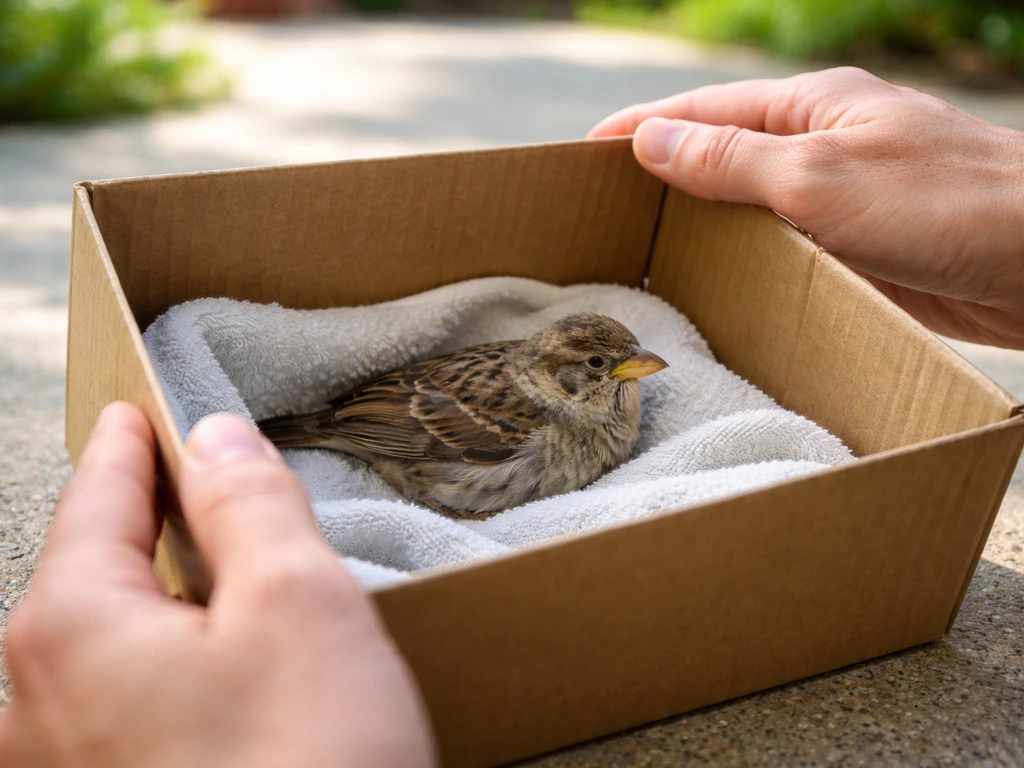
Yes, you should cover a bird at night in most cases. Darkness calms a frightened or injured bird by reducing visual stimulation, lowering stress hormones, and giving the bird a chance to rest. If the bird is overheating, cool-down steps like gentle warmth adjustments and avoiding direct heat can help until you reach help cool down a bird. The key is doing it correctly: the cover needs airflow, the container needs to be the right size, and the bird needs warmth without overheating. There are also a handful of situations where covering is the wrong first move, and knowing the difference can matter a lot.
Should You Cover a Bird at Night? What to Do Tonight
Marcus Holloway
4 May 2026
What covering actually means and why nighttime is different
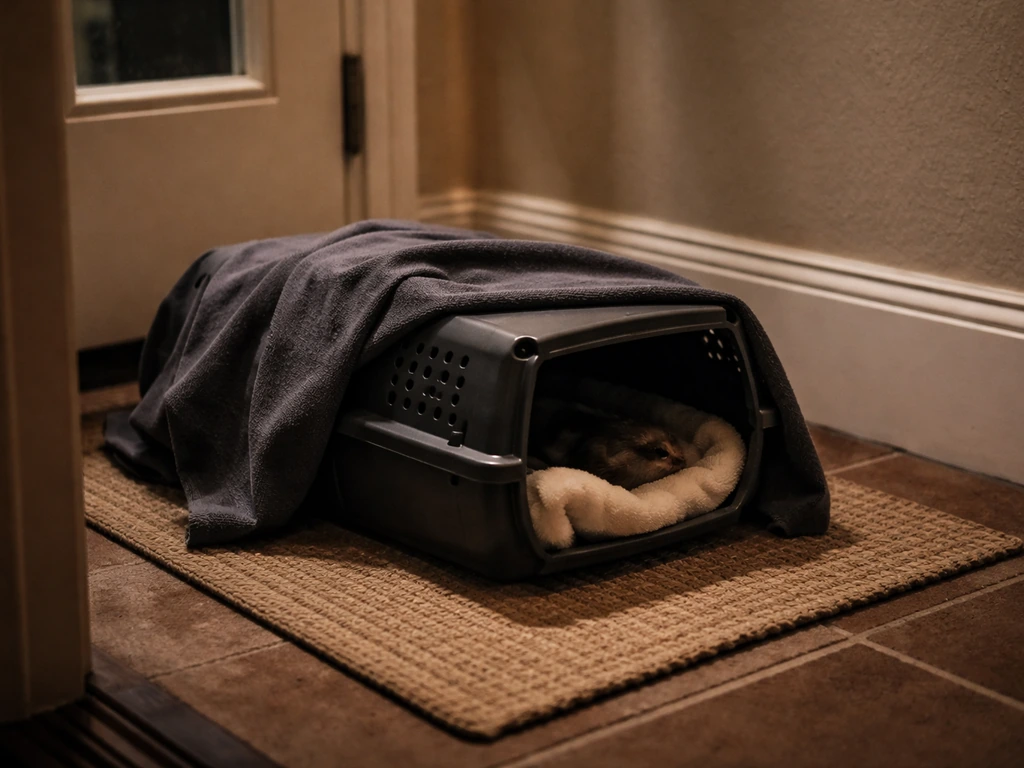
Covering a bird means placing it inside a dark, enclosed container or draping a cloth over its housing so that it cannot see light, movement, or people. It does not mean wrapping the bird itself in fabric. The darkness mimics roosting conditions, which naturally quiets a bird's nervous system.
Time of day matters because birds are wired to be still after dark. A bird that is already injured, in shock, or disoriented is extremely sensitive to visual stimulation. Every time it sees a person move, a light flicker, or a pet walk by, it responds with a stress surge that burns energy and worsens its condition. Most injured or disoriented birds need to be covered and kept calm through the night, then you can reassess in the morning. Nighttime artificial lighting can also cause birds to stay disoriented rather than settling down, which is why wildlife agencies specifically flag nighttime light as a threat to bird welfare.
For an injured or sick bird you have just found, covering it overnight is not just about comfort. It is a form of stabilization, buying time until you can reach a wildlife rehabilitator or vet in the morning.
When covering a bird at night is the right call
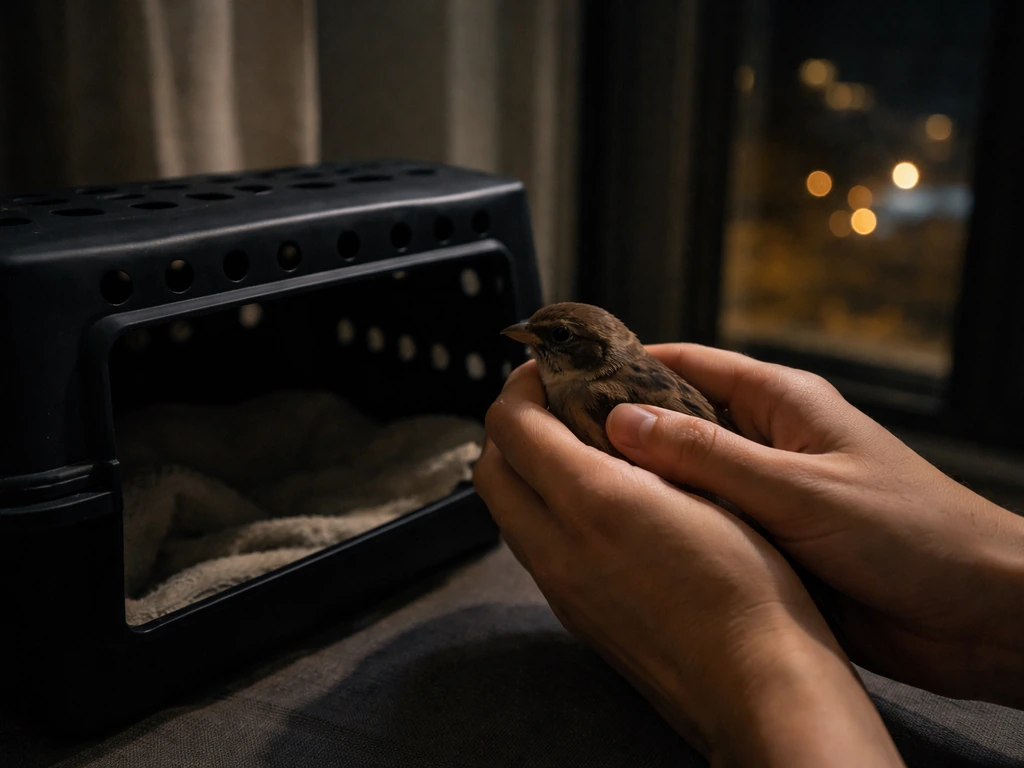
In the majority of nighttime bird rescue situations, covering is appropriate and helpful. Here are the specific scenarios where it makes sense.
- You found a bird that flew into a window and is stunned but breathing, with no visible bleeding.
- A songbird or small wild bird is sitting on the ground, not flying, and appears weak or puffed up.
- You have found a fledgling or nestling that cannot be returned to its nest tonight.
- The bird is panicking, thrashing, or trying to escape a container repeatedly, worsening potential injuries.
- Rescue organizations are closed and transport is not possible until morning.
- The bird shows no obvious wounds, active bleeding, or respiratory distress, and your goal is to stabilize it overnight.
In all of these cases, placing the bird in a dark, quiet container reduces panic and prevents it from exhausting itself. Golden Gate Bird Alliance and Tufts Wildlife Clinic both recommend exactly this approach: a warm, dark, quiet place overnight when no immediate rescue option is available. For injured or sick waterfowl, Tufts Wildlife Clinic advises placing the bird in a warm, dark, quiet place to stabilize it when immediate help is not available a warm, dark, quiet place overnight.
When you should not cover and move on to other help
Covering is supportive care, not treatment. There are situations where the bird's condition is too serious for an overnight wait, and darkness alone will not help.
- Active bleeding that is not slowing: this is an emergency and requires a vet or rehabber tonight, not in the morning.
- Labored or open-mouth breathing, wheezing, or tail bobbing with each breath: serious respiratory distress needs urgent professional care.
- The bird is unable to hold its head up or is unresponsive to gentle nearby movement.
- You can see a visible broken bone with skin or bone protruding.
- The bird has been in contact with a cat, even if there are no visible wounds. Cat saliva carries bacteria that can be fatal within hours, and the bird needs antibiotics quickly.
- The bird has not improved or moved at all after two hours of being left quiet and covered.
- There is significant swelling, discharge from the eyes or nostrils, or the bird is unable to close its beak.
In these cases, covering the bird while you make urgent calls is fine, but do not treat covering as the solution. You need to find a 24-hour emergency vet or an after-hours wildlife rehabilitation hotline. The RSPCA notes that if a bird remains unable to fly after two hours, contact a rehabber. Greenwood Wildlife Rehabilitation Center lists active bleeding and inability to flutter wings as emergency characteristics requiring immediate action.
Step-by-step nighttime recovery setup
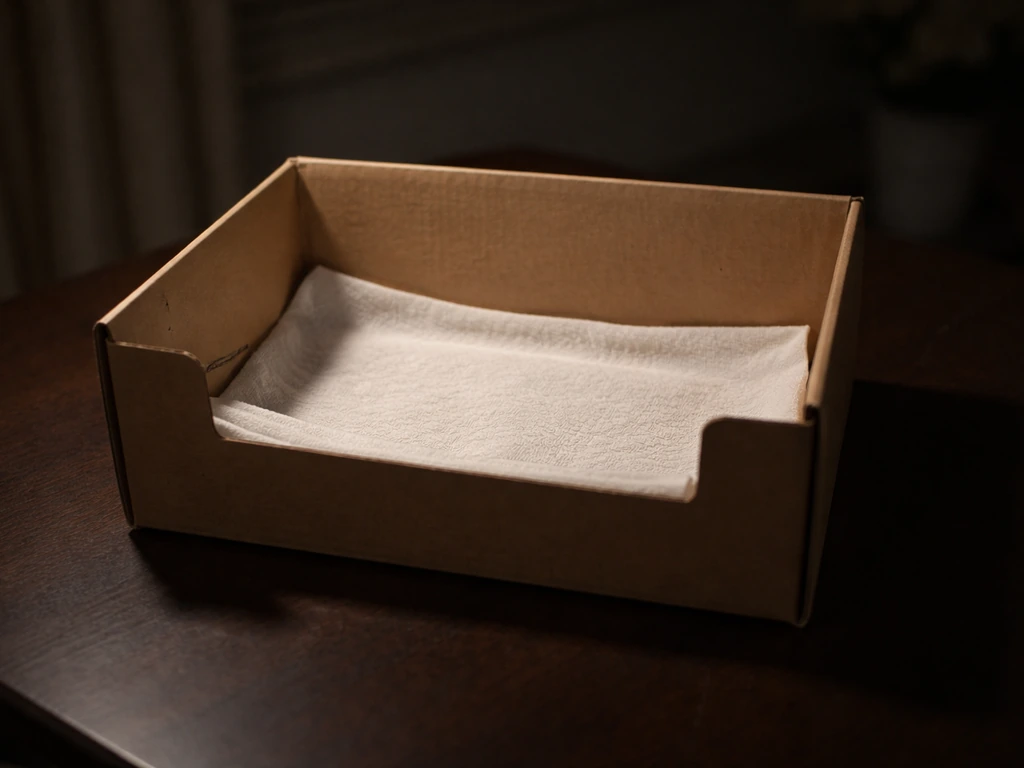
Choose the right container
A shoebox, cardboard box, or small plastic bin works well for most songbirds. The container should be just large enough for the bird to stand upright and turn around, but not so large that it can flap and injure itself further. Line the bottom with a folded paper towel or a thin, non-loopy cloth like a t-shirt. Avoid thick towels with loops that can catch toes or talons. Punch small holes in the sides for ventilation before you put the bird inside.
Make it dark without cutting off air
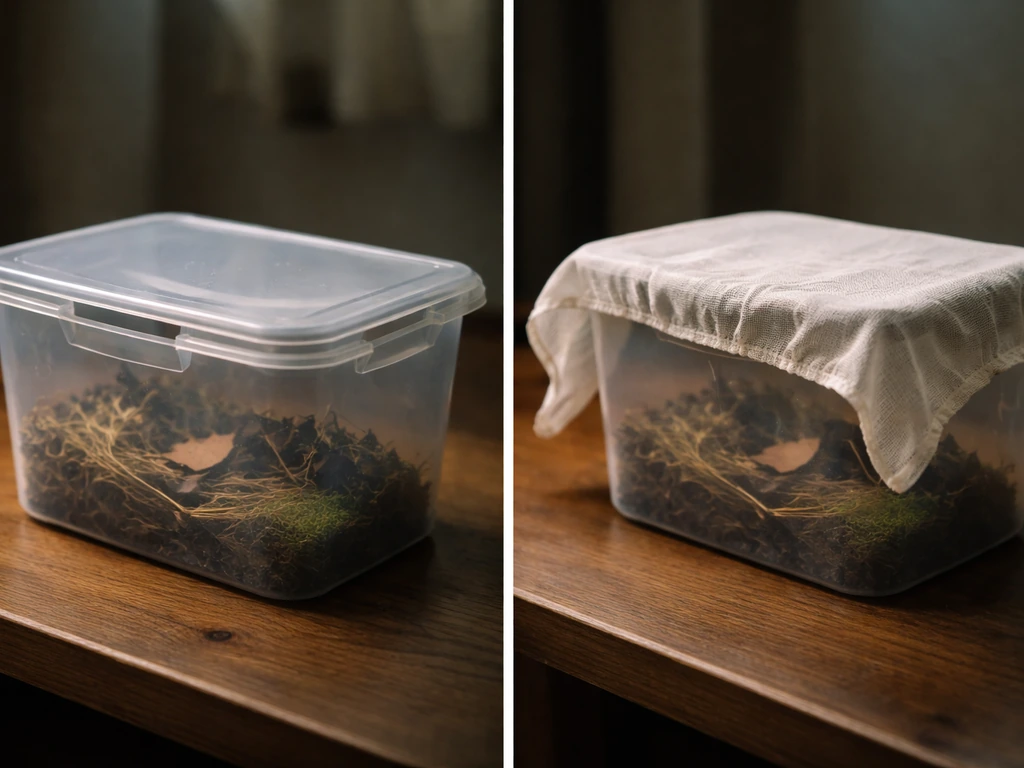
Put the lid on the box loosely, or drape a lightweight cloth over a container with gaps. Hawaii wildlife rehabilitation guidelines specifically say the visual barrier must not impede ventilation. Never seal a box airtight. The bird needs to breathe, and a sealed container can cause rapid overheating or suffocation.
Add warmth carefully
An injured or sick bird loses body heat quickly. To warm up a bird more specifically, follow the step-by-step guidance for how to warm up a bird safely. If you suspect heat exhaustion, focus on keeping the bird cool and stable while you contact a wildlife rehabilitator or vet for urgent guidance.
Bird body temperature normally runs 103 to 106 degrees Fahrenheit, so the recovery environment should be warm, roughly 80 to 90 degrees Fahrenheit for most injured birds. A practical method is to fill a zip-lock bag or rubber hot water bottle with warm (not hot) water, wrap it in a thin cloth, and place it under one side of the box lining. This gives the bird a warm side and a cooler side to choose from.
A heated rice sock or hand warmer wrapped in a cloth works similarly. Do not place the heat source directly against the bird, and check it every hour or so to make sure it has not gone cold or become too hot.
Place the container in the right spot
Put the box in a room that is quiet and away from pets, children, and foot traffic. A bathroom, laundry room, or spare bedroom works. Keep it off the floor if you have cats or dogs in the house. Turn off or dim any nearby lights. Do not put the box directly next to a heating vent, which can dry out the bird or fluctuate in temperature, and keep it away from air conditioning.
Leave the bird alone
This is one of the most important steps. Once the bird is contained, warm, and dark, stop interacting with it. Do not open the box to check on it every 20 minutes. Every time you peek, you restart the stress response. Check once an hour at most, and do it quickly and quietly.
Immediate dos and don'ts for humane nighttime care
| Do | Don't |
|---|---|
| Place the bird in a warm, dark, ventilated box | Seal the container airtight |
| Line the bottom with paper towel or smooth cloth | Use fluffy or loopy towels that can trap feet |
| Provide gentle warmth on one side of the container | Place heat directly against the bird's body |
| Keep the area quiet and away from pets and people | Let children or pets near the container |
| Handle the bird minimally and with a light cloth over its head | Handle repeatedly or try to calm it by talking to it |
| Call a wildlife rehabber or vet as soon as they open | Wait days to seek professional help |
| Note the time, location, and condition when you found it | Feed the bird anything, including water |
| Check on the bird quietly once per hour | Keep checking every few minutes out of worry |
The no food and no water rule is consistently emphasized by every major bird rescue organization, including Tufts Wildlife Clinic, Golden Gate Bird Alliance, Audubon, and NYC Bird Alliance. Giving water to a bird that is in shock can cause aspiration, and feeding the wrong food can cause serious harm. Unless you are a trained rehabber, do not attempt it. The exception would be a wildlife rehabilitator on the phone walking you through specific steps for a specific bird.
When you do need to pick the bird up, use a lightweight cloth or paper towel and cup your hands gently around the body with the wings held against the sides. Cover the bird's head with the cloth to reduce visual stimulation. Move slowly and place it directly into the prepared container. Do not squeeze.
When to call a rehabber or vet tonight and how to prepare for pickup
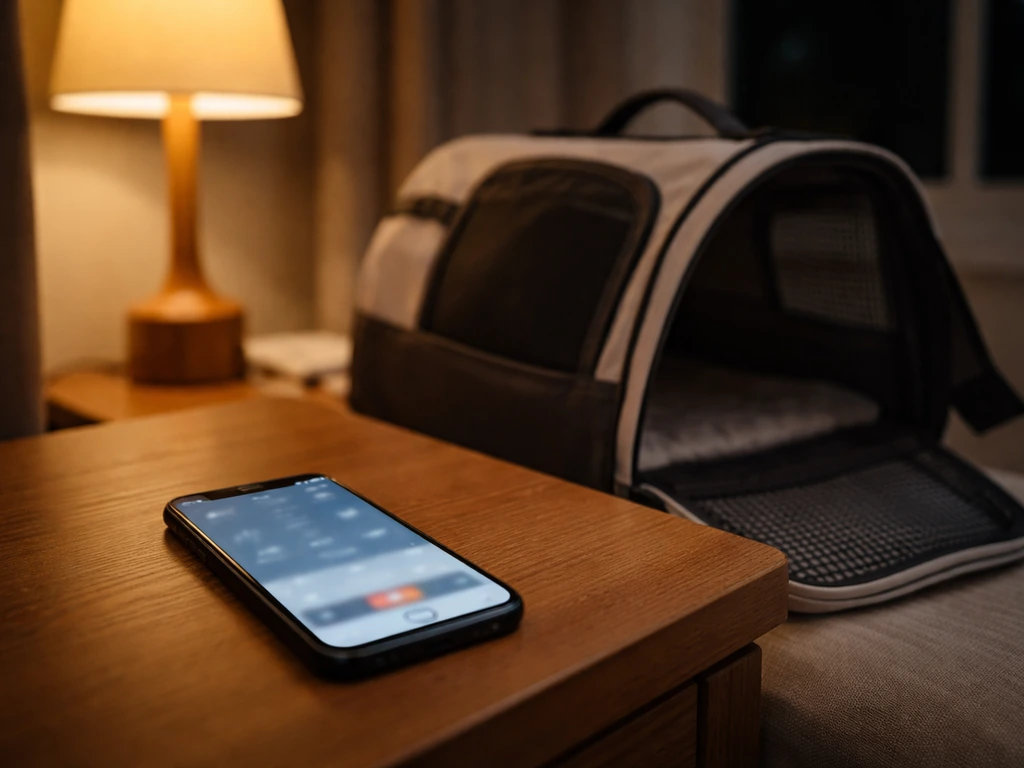
If the bird shows any of the emergency signs listed earlier, do not wait until morning. Search for a 24-hour emergency wildlife clinic or exotic/avian vet in your area tonight. In the US, the Wildlife Center of Virginia hotline and the National Wildlife Rehabilitators Association directory can help you find after-hours contacts. Many states also have wildlife emergency lines.
When you call, be ready to describe: the species if you know it, where and when you found it, what it looked like when you found it (stunned, bleeding, not flying, eyes open or closed), and what you have done so far. This helps the rehabber triage whether it needs to come in tonight or can wait until morning.
If transport is needed, keep the bird in its dark container during the drive. Do not open the box in the car. Keep the car warm but not hot, and avoid loud music or conversation near the box. The goal is to keep the bird as calm and stable as possible from your home to the facility.
If a bird has been caught by a cat, treat it as an emergency even if the bird looks physically fine. Cat bacteria cause rapid internal infection and the bird will need antibiotics within hours to survive.
Monitoring overnight and next steps until morning
Once the bird is set up correctly, your job overnight is mostly to leave it alone and monitor from a distance. Check quietly once an hour: open the box just enough to see if the bird is upright, breathing, and not in obvious distress. If it is sitting quietly in a corner, that is a good sign. If it is thrashing, gasping, or lying flat on its side, it needs emergency care now.
In the morning, reassess before you do anything else. A bird that is alert, upright, and reacting to your presence is in better shape than one that is unresponsive. A window-strike bird that was stunned the night before may have fully recovered and simply need to be released outside in a safe spot away from cats and traffic. The RSPCA notes that stunned birds often recover within a few hours if left undisturbed.
Do not attempt to release a bird that is still unable to fly, still not holding its head up, or still not reacting normally. These birds need professional assessment. Contact a wildlife rehabilitator first thing in the morning and describe the overnight changes. They will tell you whether to bring the bird in or monitor it further.
For fledglings (young birds with feathers but not yet flying well), the overnight situation can be trickier. If the bird is warm, alert, and calling out, it may actually be a healthy fledgling that simply needs to be placed in a sheltered spot in your yard at first light, where its parents can find it. But if it is cold, silent, or injured, it needs professional care. Keeping it warm overnight using the setup described here is the right call while you arrange transport in the morning. If you need more details, follow the steps for how to keep a bird warm using a safe, measured heat source and careful temperature checks overnight keep it warm overnight.
Keeping a bird warm through the night is central to this whole process, and the warmth approach connects directly to broader supportive care: stabilizing temperature is often the difference between a bird surviving the night and not. If the power goes out, keep the bird warm by using the same gentle heat method and checking it frequently so it does not overheat keep your bird warm during a power outage. The same principles apply whether you are dealing with a cold night, a power outage, or a bird recovering from heat stress earlier in the day.
Once you have arranged professional care, your role is largely done. Wildlife rehabilitators handle everything from there, including specialized feeding, injury treatment, and preparing the bird for eventual release. Your job was to get the bird safely through the night, and a warm, dark, quiet box done right is genuinely one of the most useful things you can do.
FAQ
What if the bird is covered but it still seems very alert and restless all night?
If the bird is bleeding heavily, unable to flutter or hold itself up, gasping, or you know a cat or predator attack happened, do not rely on darkness. Cover it to reduce panic while you call an after-hours avian vet or wildlife hotline, and do not wait for morning.
How do I tell whether the box is too hot or too cold if the bird is covered and I should not peek often?
Check temperature without disturbing the bird. Look briefly through ventilation holes or open the lid just enough to confirm posture and breathing, then use an external thermometer near the box wall, not pressed against the bird, so you do not accidentally overheat it or keep opening and resetting stress.
Can I cover the bird with a towel, blanket, or hoodie so it stays dark, or does it have to be a box?
No. Replacing the dark barrier with bright light, watching constantly, or letting the cloth touch the bird directly can increase stress and risk overheating. Keep the bird covered with a ventilated barrier (box with small holes, draped cloth with airflow) and keep your interactions minimal.
My bird seems cold, can I give it water or food to help it through the night?
Avoid it unless a wildlife professional on the phone specifically directs you. Even small amounts can cause aspiration in shock, and feeding can also worsen conditions depending on the species and injury. If you need emergency triage, describe what you have already offered so they can advise.
Should you cover a fledgling overnight, or is it better to put it outside?
If the bird is a true fledgling that is warm and calling out, a quiet sheltered spot may be appropriate at first light. If it is cold, silent, cannot stand, or is injured, treat it like an emergency case and keep warm and dark overnight while you arrange professional help in the morning.
Is it okay to cover the bird overnight in a garage or basement if it is the only quiet place?
Yes, but only if you can still keep the bird ventilated and monitor temperature. Place the container in the quietest room you have, away from vents and drafts, and keep pets away. If heat sources are used, put them under one side so the bird can choose a cooler side.
What common mistakes make covering unsafe (for example, sealing the lid or using thick towels)?
Do not seal the container airtight, and do not use thick, looped fabrics that can trap toes or talons. Ventilation holes are important, and the lining should be non-loopy. If you only have a tightly closed lid, loosen it or provide ventilation rather than sealing it.
If I think the bird is overheated, should I still cover it at night?
If you suspect heat exhaustion, prioritize cooling stability and rapid guidance from a vet or rehabber. The goal is to reduce heat exposure without making the bird cold or giving water. Use the same ventilated, partially shaded setup, and follow urgent instructions from the professional you call.
Should you cover a bird at night if it was attacked by a cat, but it looks physically okay?
You still cover first for calm, but you should also treat it as urgent. Cat exposure is an emergency because infection can progress quickly, so call for after-hours care and plan transport immediately rather than waiting to reassess in the morning.
Next Article
How to Save a Bird From Heat Exhaustion: First Aid Steps
Step-by-step first aid for heat-stressed birds: cool safely, avoid mistakes, handle gently, and get urgent help fast.