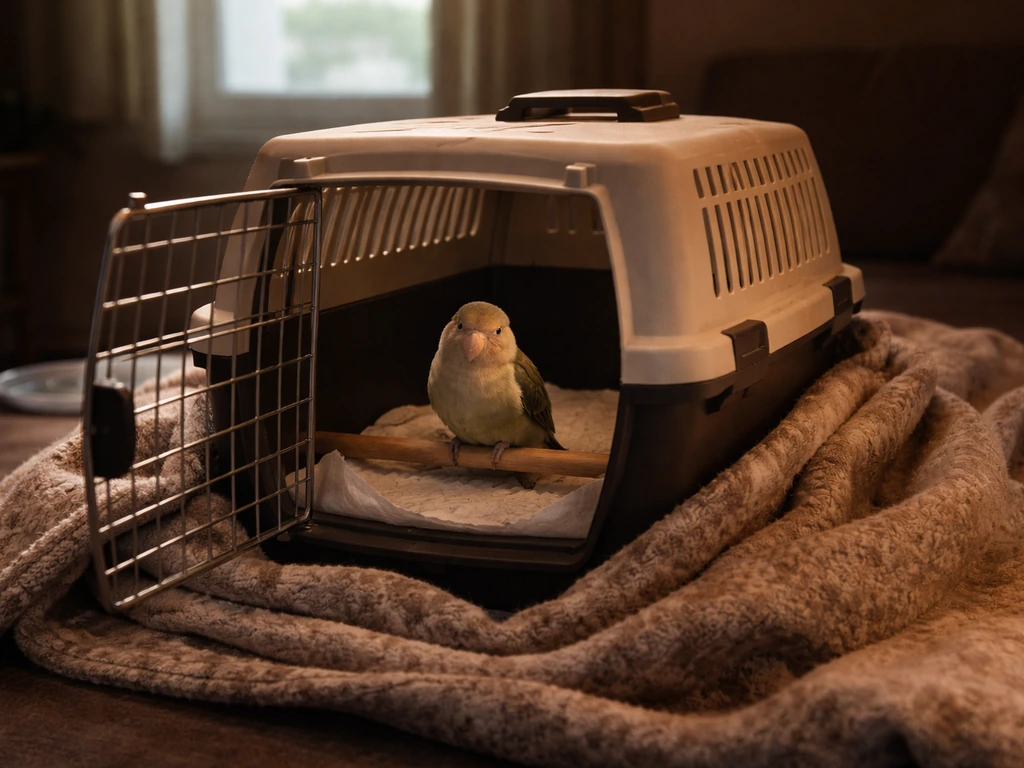
For most pet birds, bedtime should be whenever the lights go out to give them 10 to 12 hours of darkness before morning. If you wake your bird at 7 a.m., that means lights out by 7 or 8 p.m. the night before. That window is the foundation of a healthy sleep routine, and it applies to the most common pet birds: budgies, cockatiels, conures, finches, and larger parrots alike.
What Time Should I Put My Bird to Bed? Easy Guide

Marcus Holloway
24 Apr 2026
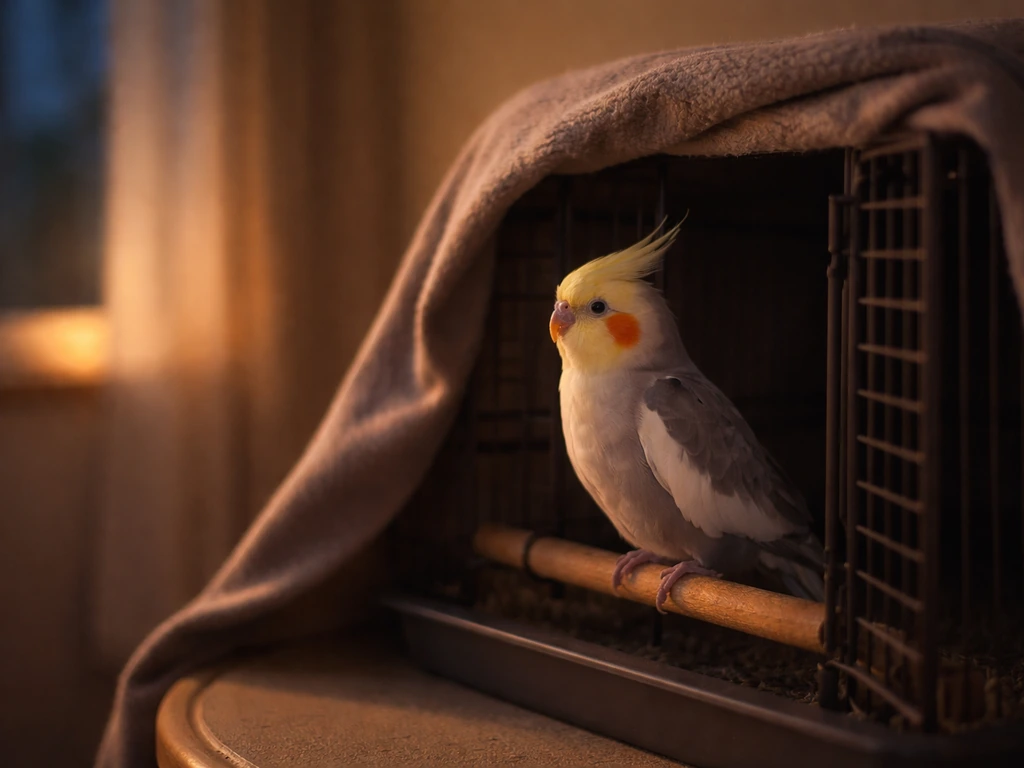
How many hours of sleep birds need (and what that means for bedtime)
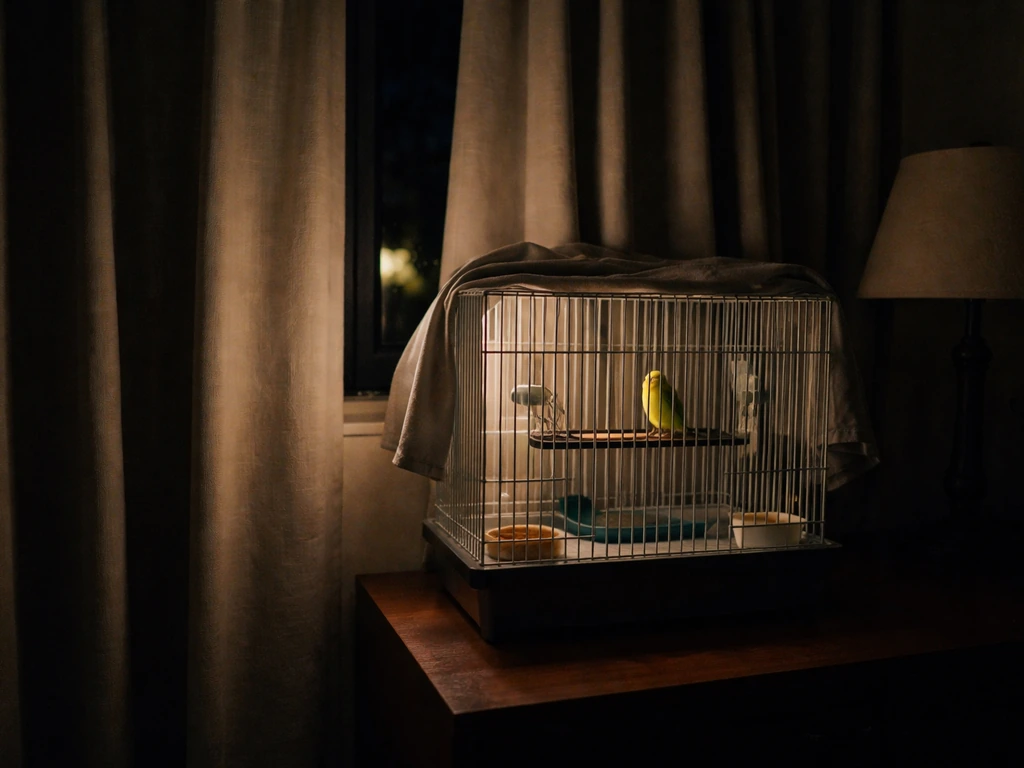
The Association of Avian Veterinarians recommends 10 to 12 hours of sleep per night for most companion birds. That is not just time in the cage with the lights dimmed. It means quiet, dark, uninterrupted conditions where the bird is not being stimulated by light, sound, or activity. The Association of Avian Veterinarians also recommends providing quiet, dark, uninterrupted sleep time and talking with an avian veterinarian about how many hours your bird needs quiet, dark, uninterrupted conditions. Think of it less like a loose guideline and more like a minimum requirement.
Birds are hardwired to respond to light and dark cycles. When darkness falls, their bodies get the hormonal signal to wind down and sleep. When light returns, they wake up. That biological clock is precise, which is why consistency matters so much. A bird that gets 10 hours of darkness one night and 6 the next will not sleep well, and over time that adds up to stress, hormonal problems, and behavior issues.
The math is simple: take your target wake-up time, count back 10 to 12 hours, and that is your lights-out time. If you want your bird up at 7 a.m., lights out should be between 7 and 9 p.m. the evening before.
Set a bedtime schedule: consistent lights-out and wake-up times
Consistency is the most important part of any bird sleep routine. Pick a wake-up time that works for your life and stick to it. Then count back 10 to 12 hours to set your lights-out time. A bird that goes to bed at the same time every night and wakes up at the same time every morning will be calmer, healthier, and less likely to develop problem behaviors like early-morning screaming.
A practical schedule most owners find manageable looks something like this: lights out at 8 or 9 p.m., lights on or cage uncovered at 7 or 8 a.m. That gives a consistent 10 to 11 hours of darkness. If your evenings run later, shift everything forward, but try not to let bedtime creep past 10 p.m. regularly, because that usually means the wake-up window shrinks or gets cut short by outside light.
Seasonal adjustment is worth considering. Days get longer in summer, meaning natural light may start coming through windows before your bird's sleep is done. In winter the opposite happens. Some guidance suggests varying sleep time slightly with the seasons (closer to 10 hours in summer, closer to 12 in winter), which more closely mirrors what birds experience in the wild. However, the most important thing is keeping whatever schedule you choose stable from day to day.
Species, age, and health factors that change sleep timing

The 10 to 12 hour guideline covers most common pet birds, but there are real differences worth knowing about. Here is a quick comparison across species and life stages:
| Bird Type | Recommended Sleep | Special Notes |
|---|---|---|
| Budgies (parakeets) | 10–12 hours | Sensitive to light leaks; benefits from a consistent schedule year-round |
| Cockatiels | 10–12 hours | Prone to night frights in total darkness; a dim nightlight or partial cage cover can help |
| Conures | 10–12 hours | Can become hormonal or loud with irregular sleep; strict consistency important |
| Finches and canaries | 10–12 hours | Generally good sleepers; sensitive to noise disturbance |
| Larger parrots (African Greys, Amazons, Macaws) | 10–12 hours | May need a separate quiet sleep cage away from household activity |
| Baby/juvenile birds | Up to 12+ hours | Growing birds sleep more; do not cut sleep short during development |
| Ill or injured birds | 10–12+ hours | Need maximum rest; keep environment quiet, warm, and consistently dark |
Cockatiels deserve a specific mention because they are prone to what owners call night frights, where the bird panics in complete darkness and thrashes around the cage. For cockatiels, a small dim nightlight near the cage (not bright, just enough to provide some orientation) or leaving one side of the cage uncovered can reduce these episodes significantly.
Older birds and birds recovering from illness or injury need the same darkness and quiet but may also need additional warmth. If you are temporarily housing a bird that is sick or was found injured, sleep conditions become even more important. Rest is part of recovery. Keep the space quiet, stable, and appropriately warm, and check with a vet about whether any additional care is needed overnight.
How to actually put your bird to bed (cover, darkness, temperature, noise)
Putting a bird to bed is not just about turning off a light. As a rule of thumb, aim for a safe, comfortable room temperature and use gentle, indirect warming methods only if your bird is cold. Here is what the actual bedtime routine should involve:
- Move the cage to a quiet room or use a sleep cage. If your bird lives in the living room, the TV, conversation, and ambient light will disrupt sleep. A separate small sleep cage in a quiet bedroom or spare room works well and is recommended by many avian vets.
- Cover the cage to block light, but leave one side open or use a breathable cover. Blocking all light signals to the bird that it is nighttime, but you need airflow. A cage cover that traps dust and dander with no ventilation can irritate a bird's respiratory system, which is already sensitive.
- Make sure the room is dark. A cover helps, but if light is leaking in from a streetlamp or hallway, it can still wake your bird early or interrupt sleep. Blackout curtains in the sleep room solve this quickly.
- Keep the temperature steady. Most pet birds sleep comfortably between 65 and 75 degrees Fahrenheit. Drafts are a real problem, so position the cage away from air vents, open windows, and fans. If you are housing a sick or recovering bird, a bit of supplemental warmth may be needed, but never place a heat source directly against the cage.
- Eliminate noise. TV, music, conversations, and outside traffic are all stimulating. If the room is not fully quiet, a white noise machine at low volume outside the door can help buffer disturbance without adding stimulation inside the room.
- Stick to a routine. Birds learn quickly. After a week of consistent bedtimes, most birds will start showing signs of wanting to sleep (quieting down, fluffing slightly) right around lights-out time.
Covering a bird at night is a topic that comes with some nuance, including whether to cover at all and how much to cover. Should you cover a bird at night? The best approach depends on your bird, the room light, and how comfortable they are with dim light. The short version: most birds benefit from covering, but make sure ventilation is not compromised and that cockatiels in particular have some dim light available if they are prone to night frights.
Troubleshooting: early waking, bedtime resistance, and restless nights
Your bird wakes up screaming before sunrise
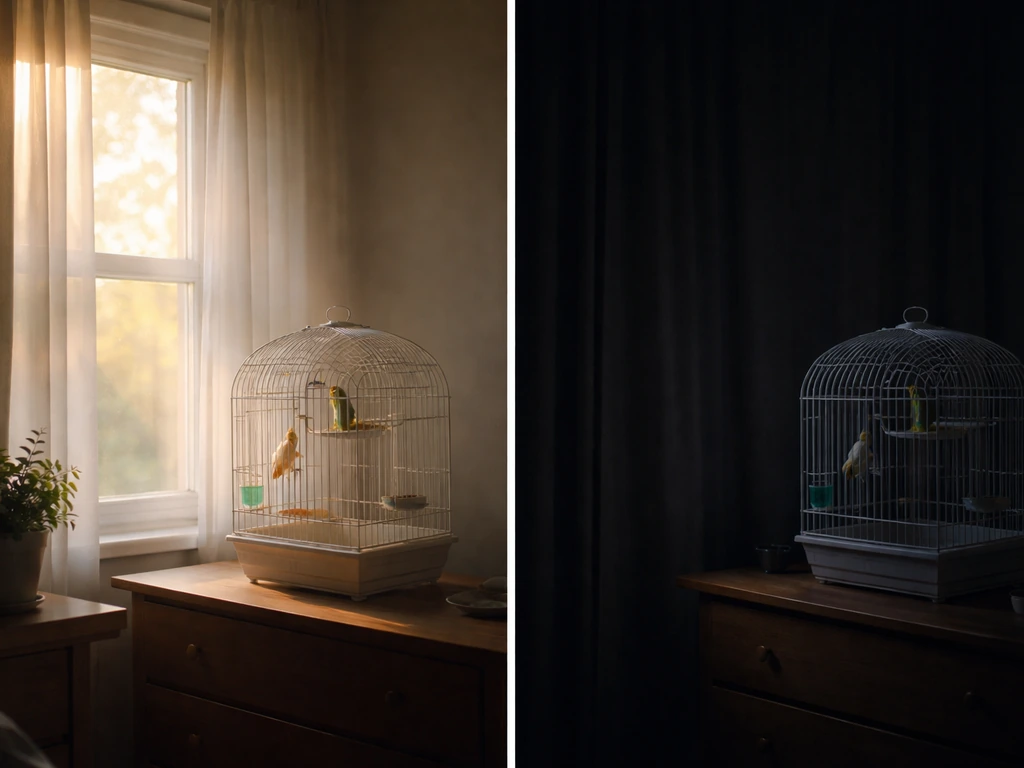
This is one of the most common sleep-related complaints, especially with conures and larger parrots. Birds naturally vocalize at dawn, so if any light is getting into the room at 5 or 6 a.m., your bird will probably start calling. The fix is usually environmental: blackout curtains, a better cage cover, or moving the sleep cage to a room with no east-facing windows. If light is not the issue, the bird may have learned that screaming gets a response from you. Ignoring the behavior (without rewarding it with attention) and keeping morning interactions low-key until a consistent wake time can reshape that expectation over a few weeks.
Your bird resists going to bed or seems wound up at lights-out
If your bird is active and alert well past its intended bedtime, the most likely culprit is too much light in the hours leading up to sleep. Bright overhead lights or screen glare in the evening keep birds stimulated the same way they keep people awake. Start dimming lights in the room 30 to 60 minutes before lights-out to help your bird begin winding down. Reducing noise and activity in that window helps too.
Your bird seems restless or is moving around at night
Some movement at night is normal, especially for cockatiels having a minor fright. But if your bird is consistently restless, falling off its perch, or making unusual sounds throughout the night, check first for environmental causes: light leaks, temperature drops, drafts, or noise from outside. If those are all ruled out and the restlessness is new, it could point to a health issue, which is worth taking seriously.
Sleep disruption red flags: when to get help right now
Sleep changes can be an early sign that something is wrong medically. Birds instinctively hide illness, so by the time you notice something is off, it may already be significant. Do not wait if you see any of the following:
- Fluffed feathers at times other than sleep, especially combined with lethargy or disinterest in food. Fluffed feathers are a classic sign of chills, fever, or illness.
- Labored breathing, tail bobbing with each breath, wheezing, or open-mouth breathing at rest. These are urgent signs that need veterinary attention today, not tomorrow.
- Abnormal droppings: discolored, watery, or absent. Changes in droppings often signal illness before other symptoms appear.
- Sudden increase in sleep or a bird that cannot seem to stay awake during the day. Sleeping more than usual is an early illness indicator in birds.
- A bird that was sleeping normally and has suddenly become restless, disoriented, or is falling from its perch. This can indicate neurological problems or injury.
- Any combination of the above in a bird you found injured or that you are temporarily housing during recovery.
If you see these signs, the priority is not adjusting the bedtime routine. The priority is contacting an avian vet or wildlife rehabilitator. Keep the bird calm, warm (but not overheated), and in a quiet, covered space while you make that call. If your bird seems overheated, focus on cooling it safely and seek urgent veterinary help if breathing or behavior looks abnormal warm (but not overheated). If your bird is overheating, focus on safe cooling methods while keeping the sleep routine stable focus on cooling it safely. In summer, that same approach to cooling it safely helps prevent heat stress while keeping your bird’s routine intact. During a power outage, keeping your bird warm starts with maintaining a steady, draft-free room temperature and using safe backup heat sources only as needed. Do not apply direct heat sources like heating pads directly to the bird or cage. If you are dealing with a head injury situation specifically, supplemental heat can actually cause harm, so warmth means a warm room, not a hot pad pressed against the enclosure.
For birds in normal health, getting the sleep routine right is genuinely one of the most impactful things you can do for their long-term wellbeing. A consistent 10 to 12 hours of quiet, dark sleep starting tonight is the goal. If you are wondering how to keep a bird alive, using the right bedtime routine is a key part of supporting day-to-day health and reducing stress. Pick your wake time, count back, and commit to it. Most birds respond within a few days.
FAQ
What time should I put my bird to bed if my wake-up time changes during the week?
Choose a fixed wake-up time on weekdays and weekends if possible. If you must shift it, keep changes small (about 30 to 60 minutes) and adjust the bedtime by the same amount so the darkness stays close to 10 to 12 hours.
Is it okay if my bird stays uncovered but the room is dim at night?
For many birds, dim room light is not the same as darkness. If any light is bright enough to read by, it often still disrupts sleep. If you do not fully cover, use a cage cover that blocks direct light while allowing airflow.
Do I need to cover my bird every night, or can I turn off the lights instead?
Turning off room lights helps, but it does not prevent window light, hallway LEDs, or early morning sunrise. Covering (with good ventilation) is most reliable, especially if your room has any nighttime light sources.
My bird falls asleep late and wakes up early, what should I change first?
Check light exposure in the last 30 to 60 minutes before bedtime, especially overhead lighting and screen glare. If the room stays bright, reducing light will usually fix the schedule faster than trying to force a sudden earlier bedtime.
What if my bird starts calling at 5 or 6 a.m. even when bedtime was set correctly?
That is usually a light issue (east-facing windows, dawn light leaks) or an attention learned in response to screaming. Add blackout curtains or reposition the cage first, and keep those early morning interactions brief and calm.
How long should I keep my bird in complete darkness?
Aim for the full 10 to 12 hours of darkness every night. If you use a small dim nightlight for a bird prone to night frights, keep it very subtle and consistent so the bird still gets a true wind-down period.
Can I put my bird to bed earlier than 10 hours if I want to give extra sleep?
Avoid going dramatically longer than 12 hours of darkness. Too much darkness can be as disruptive as too little for some birds, especially if it forces a very shortened daytime routine.
Do all bird species need the same bedtime window?
The 10 to 12 hour target fits most common companion birds, but individual needs vary by age, temperament, and health. Young birds and parrots that are more light sensitive may need stricter light control to maintain the same schedule.
What should I do if my bird is restless or thrashing at night?
First rule out environmental triggers like drafts, sudden temperature drops, noise, and light leaks. If it is a cockatiel or resembles night frights, consider a consistent dim light option and ensure the room is stable.
Is bedtime different for sick birds or birds recovering from injury?
Keep the same darkness, quiet, and stability, but you may need extra warmth depending on body condition. Always check with an avian vet about overnight temperature and any recovery care, because comfort affects sleep and healing.
What are signs that bedtime problems might be medical and not just a schedule issue?
If restlessness comes with unusual sounds, falling from the perch, breathing changes, fluffed posture that persists, weakness, or a clear decline in appetite, treat it as a health concern. Contact an avian vet rather than trying to only adjust lights and timing.
How should I handle bedtime during a power outage?
Prioritize keeping the room draft-free and at a safe temperature, then maintain the usual sleep conditions as much as possible. Do not use direct heat sources against the bird or cage, and use backup warmth only if needed and appropriate for your setup.
My bird seems overstimulated at bedtime, what routine should I start before lights out?
Dim lights 30 to 60 minutes before bedtime and reduce noise and activity during that window. Keeping handling and interactive play minimal right before lights out helps many birds settle faster.
Next Article
How to Keep Your Bird Warm During a Power Outage
Step-by-step emergency guide to keep a bird warm in a power outage, with safe heat, airflow, hydration, and do-not tips.