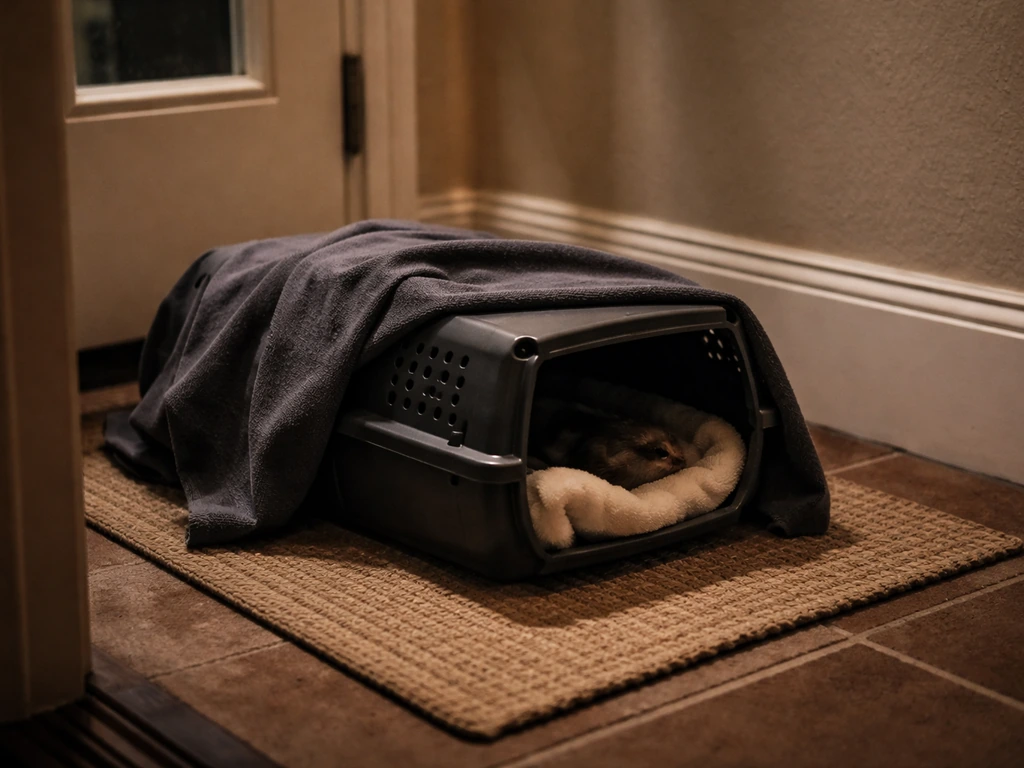
If a bird looks like it's struggling in the heat, move it to shade immediately, offer a shallow dish of cool (not cold) water nearby, and gently mist it with room-temperature water. That's the core of it. The rest of this guide walks you through spotting heat stress early, cooling the bird safely, avoiding common mistakes that can make things worse, and knowing when to call a wildlife rehabilitator or vet.
How to Keep Your Bird Cool in Summer: Safe Steps
Marcus Holloway
6 May 2026
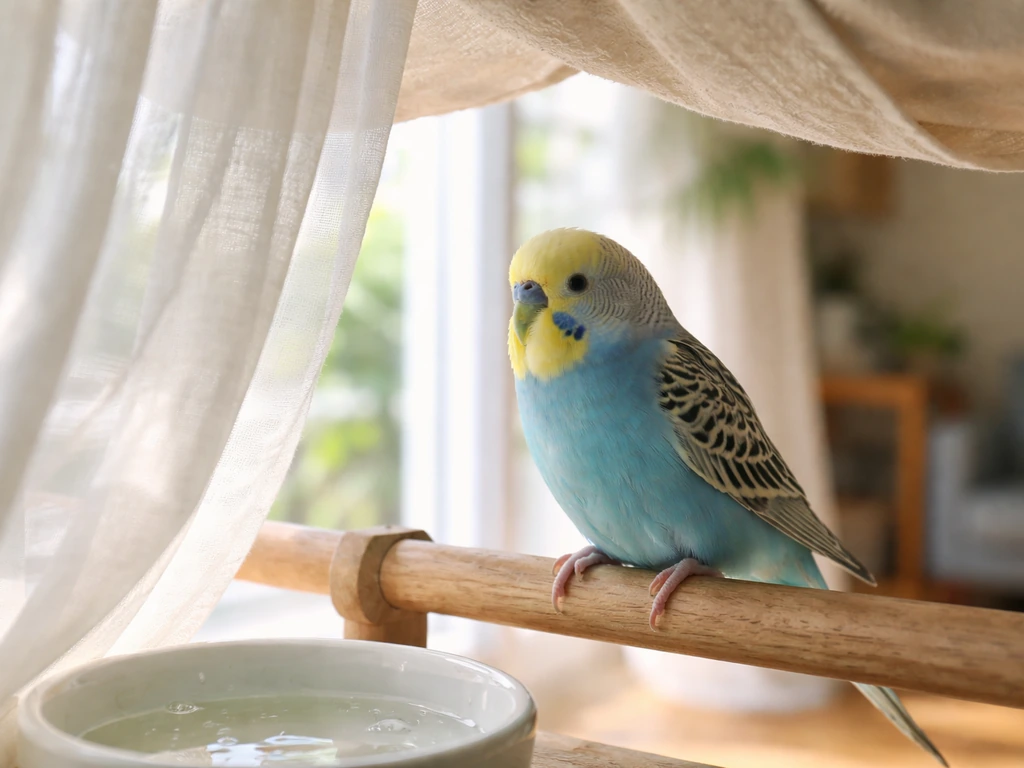
Recognize summer heat stress in birds
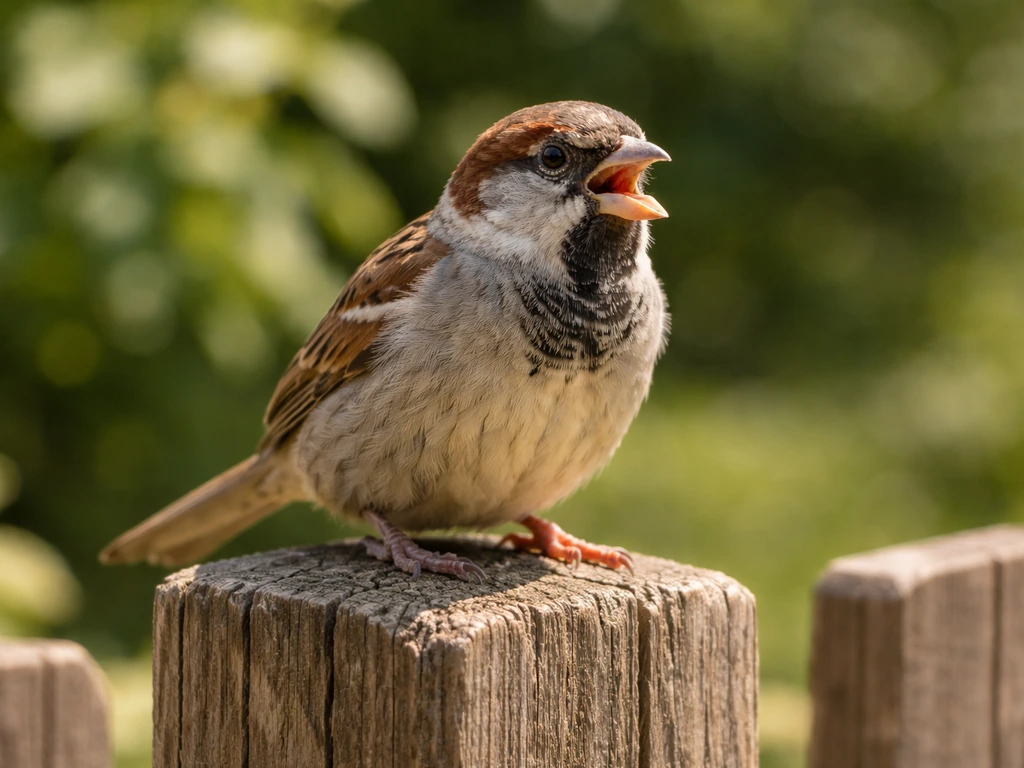
Birds can't sweat, so they cool themselves mainly through evaporation. You'll often see a bird panting with its beak open or fluttering its throat rapidly. During gular flutter, birds perform rapid open-mouth breathing along with quick vibration of the moist throat membranes, which boosts evaporation and cooling panting with its beak open or fluttering its throat rapidly. That's a normal short-term response to heat, like a dog panting. But if it's been going on for more than a few minutes, or you're seeing other symptoms alongside it, the bird may be in real trouble.
Birds also dissipate heat through the less-insulated parts of their bodies: the head, eyes, feet, and the wing and shoulder area. A bird spreading its wings loosely away from its body or holding them slightly drooped is often trying to release heat. That's worth paying attention to, especially on a hot afternoon.
Here are the signs that tell you a bird is heat-stressed and needs help right now:
- Open-mouth breathing or panting that doesn't stop after a few minutes in shade
- Rapid throat fluttering (gular flutter)
- Drooping or held-out wings
- Tail bobbing with each breath, which signals labored breathing
- Lethargy, sitting on the ground, or inability to fly
- Wobbly movement, loss of balance, or collapse
- Unresponsiveness or unconsciousness
Mild panting in a bird that's just been in direct sun is not automatically a crisis. A bird that's collapsed, unconscious, or breathing with visible effort is. The difference matters for how quickly you act and whether you call for help immediately.
Immediate first-aid steps to cool a hot bird safely
Work through these steps calmly and in order. Speed matters, but panicked handling stresses the bird further and can make things worse.
- Move the bird to shade or a cool indoor space right away. Direct sun on a hot day can be fatal within minutes for a bird that's already struggling.
- Reduce handling to a minimum. Stress raises a bird's body temperature and heart rate. Use a lightweight cloth or towel to gently scoop it up, then settle it somewhere quiet.
- Place a shallow dish of cool, plain water nearby so the bird can drink if it's conscious and able to. Don't force water into the beak.
- Lightly mist the bird with room-temperature water using a spray bottle, focusing on the feathers (not directly into the face or nostrils). One or two gentle passes is enough to start.
- If indoors, place the bird near (not directly in front of) a fan on a low setting so there's gentle airflow. Don't aim the fan straight at a weak or injured bird.
- Keep the environment quiet and dim. Darkness reduces stress, which helps the bird's body regulate itself.
- Monitor breathing. If it doesn't improve within 10 to 15 minutes, or if the bird is unresponsive or collapses, call a wildlife rehabilitator or vet immediately.
If the bird is already unconscious or appears to be in serious distress, skip to the section on when to call for help. Home cooling measures are for birds that are conscious and responsive. If you want to keep a bird alive, focus on safe first aid for conscious, responsive birds: move it to shade, cool it gently, and prepare to call for professional help if it worsens how to keep a bird alive. A bird that has collapsed needs professional intervention, not just shade and a mist.
Safe cooling techniques: shade, airflow, misting, and hydration
Shade
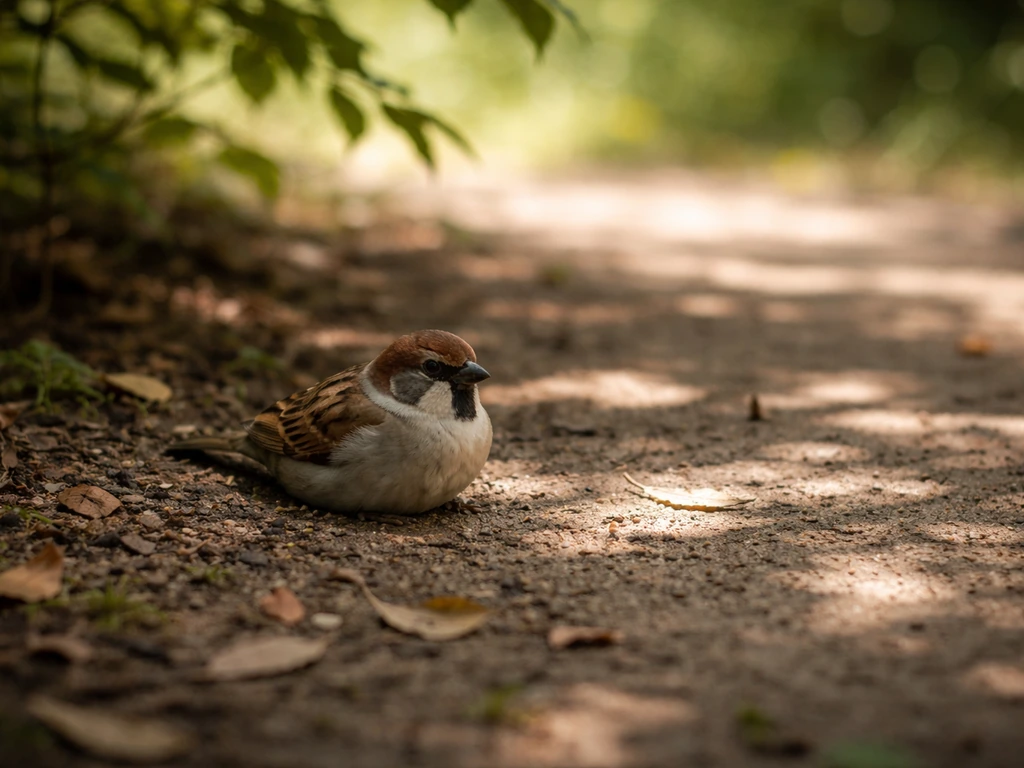
Getting the bird out of direct sun is the single most effective thing you can do. If you're outdoors, a shaded spot under a tree or on the north side of a building works. Indoors, a room that's noticeably cooler than outside is ideal. Don't put the bird in a car, shed, or any enclosed space that traps heat, even if it's in the shade.
Airflow
Gentle airflow helps a bird cool through evaporation, especially after misting. A low-speed fan nearby works well. The key word is nearby, not pointed directly at the bird. A sick or weakened bird has a harder time regulating heat loss, so you want to create a gently cooler environment, not a draft that chills it suddenly. Keep it subtle.
Misting
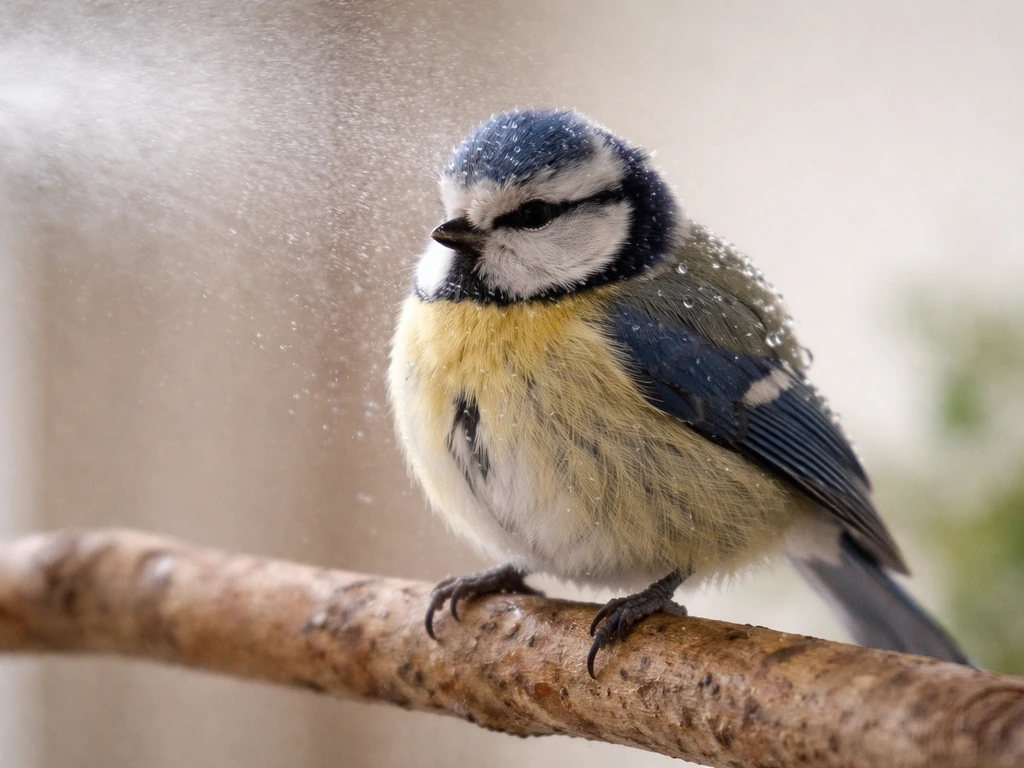
A light mist of room-temperature water on the feathers is one of the safest ways to help a bird cool down. Evaporation from damp feathers pulls heat away from the body. Use a standard spray bottle set to the finest mist, and do one or two passes over the back and wings. Avoid spraying directly into the face, eyes, or nostrils.
Don't soak the bird, and don't use cold or ice water. A sudden temperature drop is a shock to the system and can cause problems just as serious as overheating. You're aiming for a gradual, gentle cool-down, not an instant drop in body temperature.
Hydration
Place a shallow dish of cool, fresh water within reach of a conscious bird. Some birds will drink on their own when they're ready. Don't try to tip water into the beak or open the beak to give water, because water can easily get into the lungs (aspiration), which can be fatal. If the bird is too weak or disoriented to drink on its own, leave the water available and contact a rehabilitator for guidance rather than trying to force fluids yourself. If you suspect heat exhaustion, continue the safe cooling steps while you get professional guidance.
What not to do
Some well-intentioned actions can seriously harm a heat-stressed bird. These are the most common mistakes to avoid:
- Don't use ice or ice water. Cold shock can cause cardiovascular stress. Cool, not cold, is the goal.
- Don't submerge the bird in water or run it under a tap. This is too much, too fast, and can cause shock or aspiration.
- Don't force water or food into the beak. Aspiration (water entering the lungs) is a real risk and can be fatal.
- Don't put the bird in a sealed box, car, or any enclosed space without ventilation. Even in the shade, enclosed spaces heat up fast.
- Don't use chemical cooling products, gel packs, or commercial 'cooling beds' not designed for birds. Some of these products have caused serious harm in animals and are not safe.
- Don't give any medications, supplements, or electrolyte products without being told to by a vet or rehabilitator.
- Don't handle the bird more than necessary. Repeated handling is stressful and raises body temperature. Once the bird is in a safe, cool spot, leave it mostly alone.
- Don't place a sick or injured bird directly in front of a fan or in a strong draft. Weakened birds struggle to regulate heat loss and can become dangerously cold.
Cooling for different bird situations
Pet birds
Pet birds like parrots, cockatiels, and canaries can overheat quickly if left near a sunny window, in a room without air conditioning, or too close to a heat source. For pet birds, it also helps to think about a consistent bedtime routine and what time to put your bird to bed, especially during hot weather what time should i put my bird to bed. For a pet bird showing heat stress signs, move the cage to a cooler part of the house, offer fresh cool water, and lightly mist the bird. Don't aim a fan directly at the cage, and don't dramatically lower the room temperature all at once. A few degrees cooler is the target, not a sudden chill. If your pet bird is showing labored breathing, tail bobbing, or collapse, call your avian vet right away.
Wild birds
If you find a wild bird on the ground that appears heat-stressed, gently move it to shade and place a shallow dish of water nearby. Most wild birds don't need to be picked up at all if they're conscious and can right themselves. Watch from a distance. If the bird doesn't improve or move to safety on its own within 15 to 20 minutes, carefully contain it in a ventilated box (lined with a cloth or paper towel, no loose bedding that can tangle feet) and call a wildlife rehabilitator. For contained transport, some wildlife rehab guidance recommends using a cardboard box or pet carrier lined with old towels or paper towels, which helps minimize stress contain it in a ventilated box (lined with a cloth or paper towel. For wild birds, food and water should not be given unless a rehabilitator specifically tells you to, because improper feeding or hydrating can cause additional harm.
Nestlings and fledglings
Baby birds are especially vulnerable to temperature extremes in both directions. A nestling on hot pavement or in direct sun can die very quickly. If you find a nestling that seems overheated, move it to shade gently and place it in a small container with a soft cloth. Don't mist a very young nestling heavily, because they can chill rapidly and their feathers don't protect them the same way an adult bird's do. A very light, single pass of misting on a hot nestling is fine; anything more risks overcooling. Reaching out to a wildlife rehabilitator as fast as possible is the priority with nestlings, since they need specialized care that goes well beyond basic first aid.
Injured birds
A bird that's already injured, sick, or in shock has a harder time regulating its body temperature in either direction. Cooling and first aid need to happen together carefully. Keep the bird in a quiet, moderately cool (not cold) space, limit handling, and don't mist heavily if the bird is in shock or showing signs of injury. The goal with an injured, overheated bird is to stabilize it gently, not to aggressively cool it down. Getting it to a wildlife rehabilitator or vet is more urgent than any home cooling measure.
When to call a wildlife rehabilitator or vet
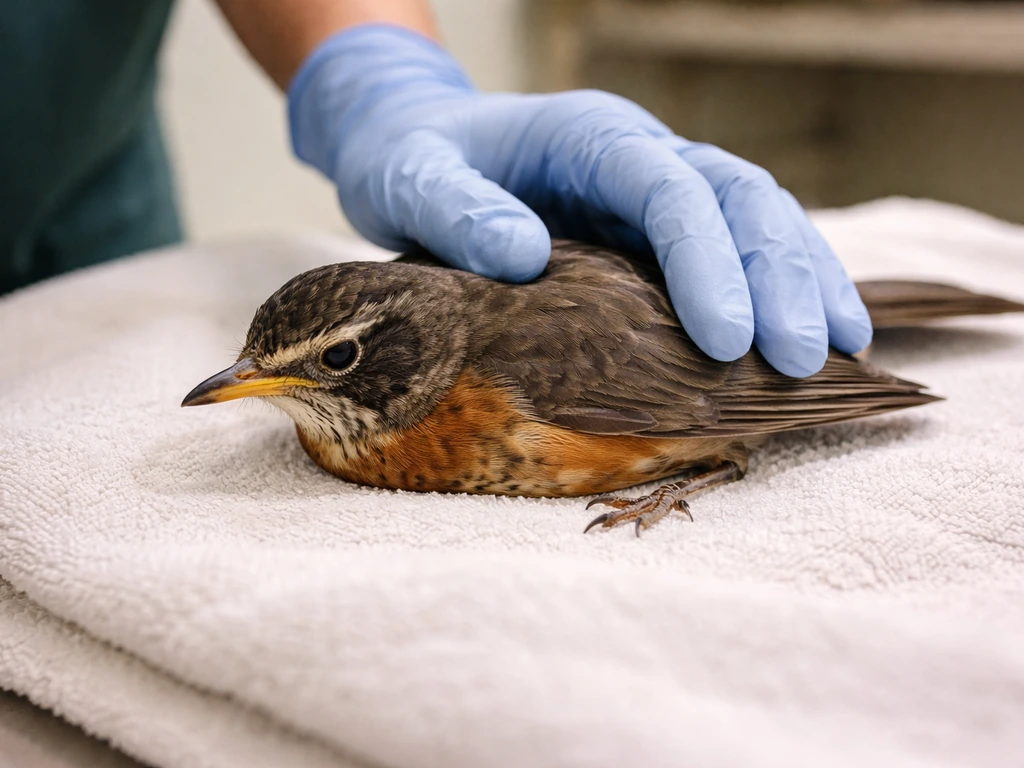
Call for professional help immediately if any of these apply:
- The bird is unconscious, collapsed, or unresponsive
- Breathing is labored, there's visible tail-bobbing with each breath, or the beak is open and the bird isn't improving after 10 to 15 minutes in shade
- The bird is a nestling or very young fledgling
- The bird has a visible injury (broken wing, bleeding, unable to stand)
- The bird doesn't show improvement after basic cooling steps
- You're unsure what species it is and whether it's safe to handle
For wild birds, a licensed wildlife rehabilitator is always the right call. You can find one through your state wildlife agency or national directories. For a pet bird, call your avian vet directly. If you are also wondering how to warm up a bird after cooling it is not the issue, use our dedicated guide on how to warm up a bird for safe steps.
When you call, be ready to share the following information so they can help you quickly:
- Your name and location (address or nearest cross streets)
- The exact location where you found the bird and when
- A description of what you observed (was it in direct sun, near a hot surface, inside a hot car, etc.)
- What the bird looks like and your best guess at the species if you know it
- How long the bird has been showing symptoms
- What cooling steps you've already taken and how the bird has responded
Don't give the bird food or water on your way to a vet or while waiting for a rehabilitator unless you're specifically told to. It's a hard instinct to fight, but an already-distressed bird can aspirate easily, and the professionals you're calling will have far better tools for hydrating or stabilizing the bird safely.
Heat exhaustion in birds can escalate fast, especially in very young, injured, or already-sick birds. If you also have a power outage, keep the bird warm by protecting it from drafts and maintaining steady, safe temperatures until electricity is restored Heat exhaustion in birds can escalate fast. The same way you'd keep an injured bird warm in cold weather, the goal in summer is controlled stabilization, not dramatic intervention. how to keep a bird warm keep an injured bird warm in cold weather. Shade, gentle airflow, a light mist, and a quick call to a professional cover most situations you'll encounter. At night, give a heat-stressed bird the same calm cooling support, and focus on shade, airflow, and gentle misting rather than leaving it to linger in the dark heat should you cover a bird at night. If you're ever unsure whether a bird is truly overheated or dealing with something else, treat it as a potential emergency and make the call.
FAQ
How long should I wait to see improvement after I move the bird to shade and mist it?
If you can measure, aim for a gradual improvement, not a quick “cooling.” Check every few minutes for easier breathing, less open-mouth panting, and normal posture (not collapse or visible gasping). If symptoms do not clearly ease within about 15 to 20 minutes, or they worsen, it’s time to call an avian vet or wildlife rehabilitator.
Is it safe to use a fan to cool my bird, or can airflow make things worse?
For a pet bird, use the lightest airflow you can, like a fan on low with the airflow directed well away from the cage. Avoid placing the cage directly in the path of strong air, because drafts can increase stress and, in some cases, lead to overcooling, especially if the bird is already weak.
Can I give a heat-stressed bird water by hand or force it to drink?
Yes, but do it indirectly. A shallow dish is safer than forcing water, because tipping or holding the beak open can cause aspiration. If the bird is alert enough, you can offer fresh water and continue gentle misting of the feathers, but do not attempt syringe-feeding or pouring water into the mouth unless a professional instructs you.
What water temperature is safest for misting or a water dish?
No, especially for heat-stressed birds that are already struggling. Cold or ice water can trigger sudden temperature shock. Stick to room-temperature water for misting and “cool” water for the dish, then reassess frequently while you arrange professional help if needed.
Does the cooling process change if the bird is still conscious versus unconscious?
If the bird is conscious, you can remove it from direct sun and focus on evaporation cooling. If it is unconscious, collapsed, or breathing with visible effort, skip home cooling beyond shade and gentle stabilization and contact a professional immediately, since a non-responsive bird may need urgent medical treatment.
Should I mist repeatedly, or only once when I notice heat stress?
For most situations, it’s better to prioritize shade and gentle airflow over adding any additional stressors. If you use a misting bottle, keep it light and limited to the back and wings, then stop misting if the bird starts to look chilled, fluffed up, or unusually lethargic.
How do I keep my bird cool at night when temperatures drop less than expected?
At night, the risk is both overheating and under-cooling, depending on indoor temperature. Keep the bird in a cooler, draft-free room, offer water, and use only light misting if the bird is still showing heat-stress signs. Avoid leaving it in hot areas just because it’s dark.
What if my bird doesn’t seem to get better after cooling, could it be something else?
Yes. Heat stress can mimic other illnesses, like respiratory infection, toxin exposure, or pain-related breathing changes. If the bird’s posture, drooping, or breathing remain abnormal after cooling, or if there is any discharge, injury, or sudden lethargy, treat it as more than heat and seek veterinary or rehabilitator help.
Next Article
Should You Cover a Bird at Night? What to Do Tonight
When to cover an injured bird at night, plus step-by-step safe first aid and how to get help urgently.