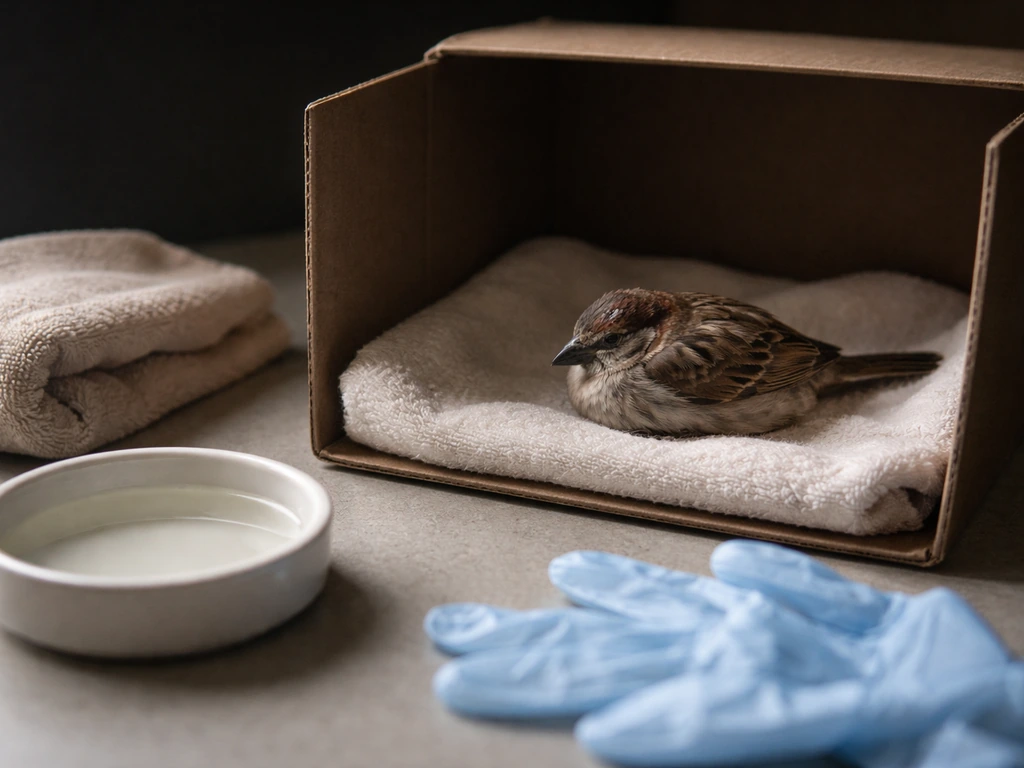
When the power goes out and you have a bird to care for, whether it's a pet parrot, a stunned wild bird you found outside, or a nestling you've taken in, warmth becomes your most urgent priority. Birds have high body temperatures (roughly 103 to 106°F), and they lose heat fast when the environment drops. The good news is you can keep a bird safely warm without electricity using a handful of household items. The key is gentle, steady warmth and knowing what not to do.
How to Keep Your Bird Warm During a Power Outage
Marcus Holloway
21 Apr 2026
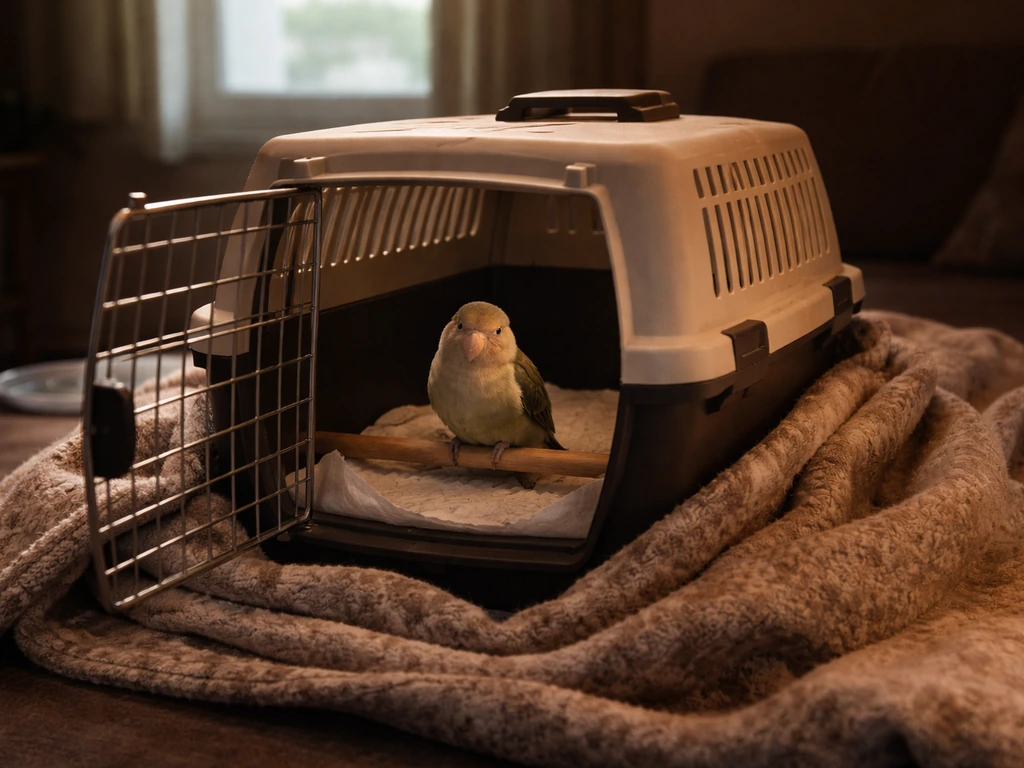
First things first: stabilize the bird right now
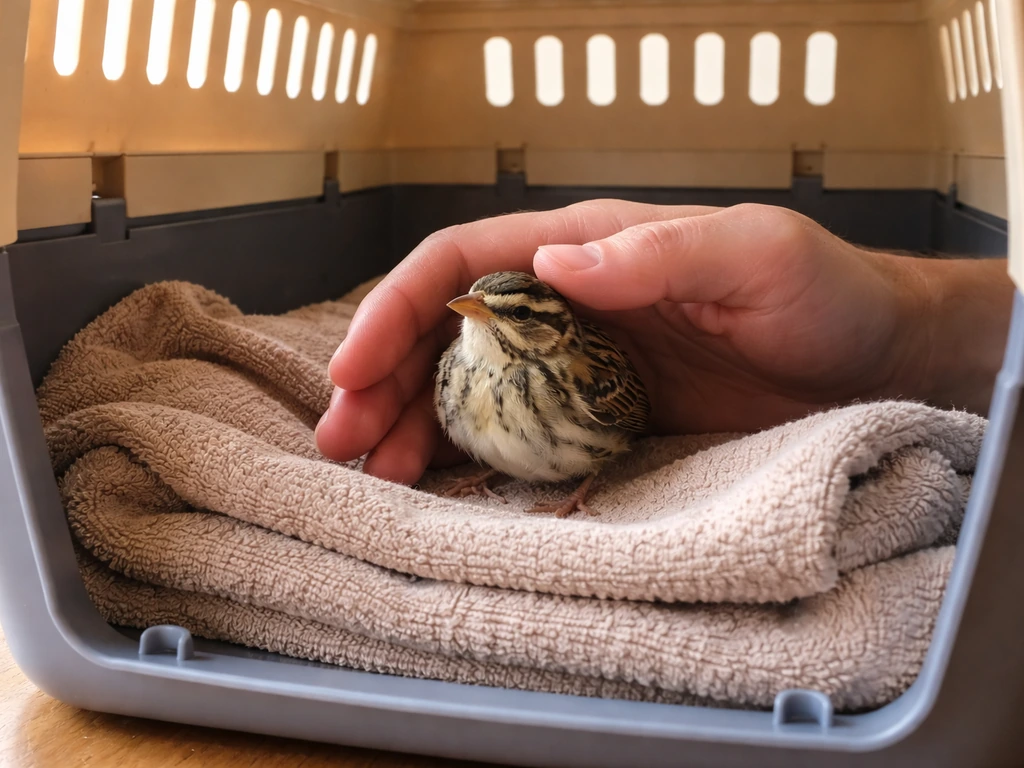
The moment you realize the power is out and a bird needs your help, your immediate goal is to reduce heat loss and cut down on stress. These two things together give the bird the best chance of holding on until warmth can be restored or professional help is reached.
Place the bird in a box or secure carrier lined with a folded towel or paper towels. The container should be appropriately sized, not so large that the bird slides around, and not so small that it can't sit upright. Close the top or drape a towel over the carrier to make it dark. Darkness alone dramatically reduces a bird's stress response.
Put the box somewhere warm, quiet, and away from pets, children, and household noise. Human eye contact, talking near the box, and repeated handling are all stressful to birds, especially wild ones, and stress burns energy the bird needs for staying warm. Set the box down and leave it alone except for quick, calm check-ins.
blank" rel="noopener noreferrer">Do not give food or water at this stage. Multiple wildlife rehabilitation organizations are emphatic about this: offering food or water to a traumatized or cold bird can cause serious harm, including aspiration (fluids entering the airway). Never squirt water into a bird's mouth. If the bird is a pet and you normally give water freely, that's fine to leave accessible in the enclosure, but don't force anything.
Safe ways to add warmth without a heat lamp or electricity
The goal is to raise the temperature inside the enclosure to at least 85°F, which is the general minimum recommended for supportive care of sick or injured birds. If you want a step-by-step approach, see the guide on how to warm up a bird safely. You want the environment blank" rel="noopener noreferrer">warm, not hot, and you always want the bird to have a slightly cooler area it can move toward if it gets too warm.
Rice sock
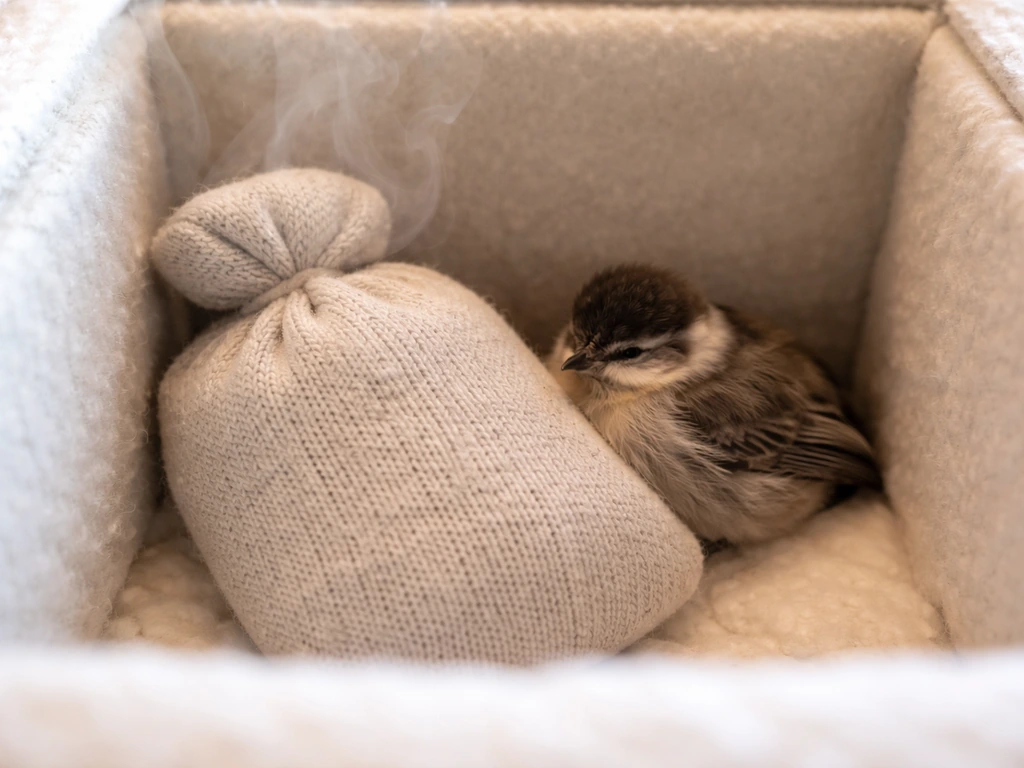
This is the most practical no-power option and is actually used by wildlife rehabilitators and veterinarians during transport. Fill a clean sock with uncooked rice (not instant rice) and microwave it for about 60 to 90 seconds until warm. Tie or knot the open end, wrap it loosely in a thin cloth or extra towel, and place it in the box near the bird but not directly against it. The padding is important: direct contact with even a moderately warm rice sock can cause burns, especially on a small or weak bird. The rice sock gently warms the air inside the box and can be reheated every 30 to 60 minutes as it cools.
Hot water bottle
Fill a water bottle or sealed container with warm (not boiling) water, wrap it in a towel, and place it to one side of the box. The same rule applies: no direct contact with the bird. Boiling water or overly hot containers risk severe burns, so test the surface with your own hand first. If it's uncomfortably hot to hold, it's too hot.
Chemical hand warmers
Chemical hand warmers (like HotHands) can work in a pinch. Activate the warmer and wrap it in a folded towel before placing it near, not under, the bird. Again, the bird needs a way to move away from the heat source if needed, so position the warmer to one side of the enclosure.
Body warmth
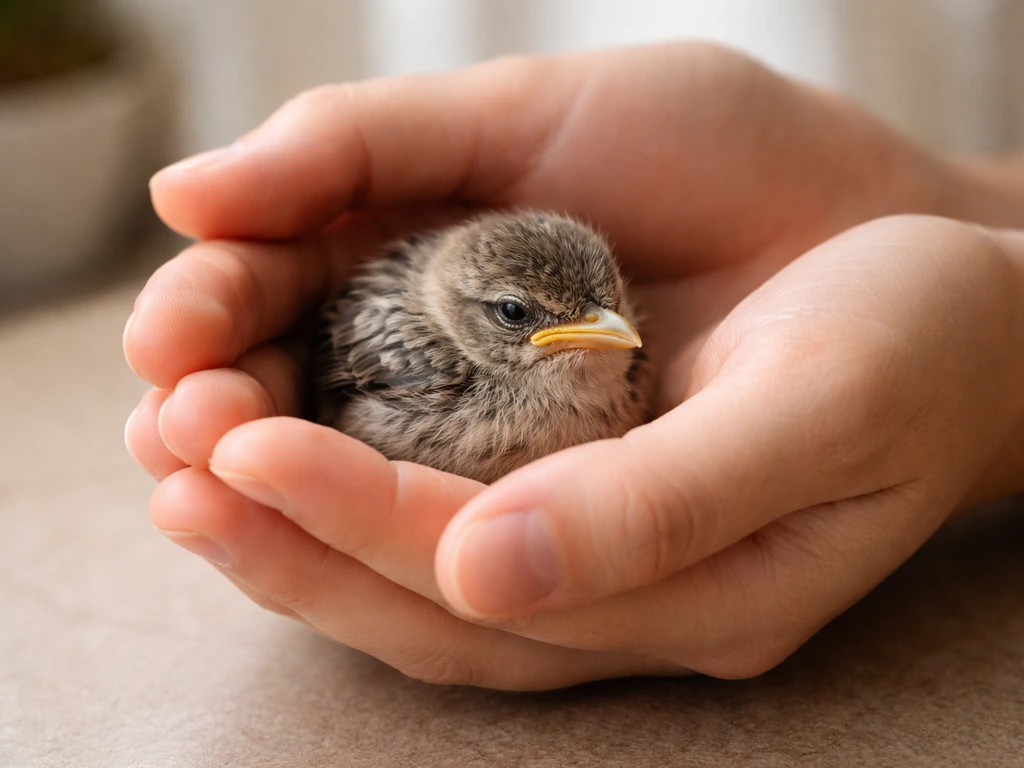
For very small or critical birds, especially nestlings, you can cup the bird gently in your warm hands for short periods. This is a last resort and should be kept brief because handling is stressful. Once you've transferred some warmth, get the bird back into its box with a rice sock and leave it to rest.
What to avoid: improvised heat that causes more harm
Not everything that produces heat is safe for a bird. Some common power-outage instincts can make things significantly worse. If you are wondering whether to cover a bird at night, the same principles of darkness and low-stress care should guide what you do should you cover a bird at night.
- Candles: An open flame near a box lined with towels is a serious fire hazard. Fire safety guidelines recommend keeping candles at least 12 inches from any combustible material, which makes them incompatible with a bird's enclosure. Don't use candles as a heat source for the bird.
- Fireplace or wood-burning stove: Smoke and combustion fumes are highly toxic to birds. Their respiratory systems are extremely sensitive, and even low-level exposure to smoke can be fatal. Keep the bird well away from any open fire or burning area.
- Direct heating pad contact: Heating pads, even on a low setting, can cause contact burns when applied directly. Always wrap any pad in multiple layers of towel and ensure the bird can move to a cooler side.
- Oven warming: Don't put the bird's box near or on an oven or stovetop. Temperature control is impossible and fumes from gas or electric burners are dangerous.
- Overheating the rice sock or water bottle: Test any improvised heat source on the back of your own hand. If it's hot enough to be uncomfortable for you, it will burn the bird.
- Forced water or food: As noted by multiple wildlife organizations, squirting water into a bird's mouth or forcing food can cause aspiration and may lead to death even when intended to help.
Keeping the temperature right, the air fresh, and the bird hydrated
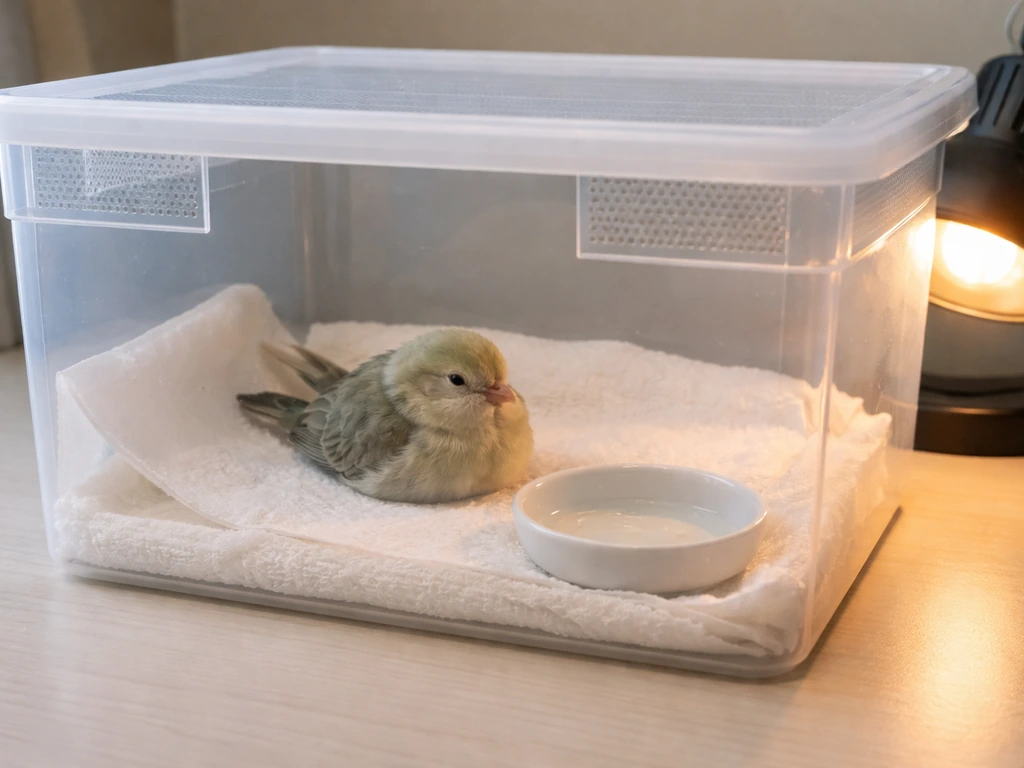
Once your improvised warming setup is in place, your job is to monitor it carefully, especially in the first 20 to 30 minutes. Check the bird every 10 to 20 minutes initially. You're looking for signs that the temperature is appropriate: the bird should be sitting quietly, feathers slightly fluffed, not panting.
If you suspect heat exhaustion, focus on gentle cooling and monitor the bird for breathing trouble while you get professional help how to save a bird from heat exhaustion. If the bird shows signs of heat exhaustion, you can also review how to cool down a bird so you cool it safely while still arranging professional help how to save a bird from heat exhaustion.
If you see open-mouth breathing, wings held away from the body, or the bird actively moving away from the heat source, it's too hot. Remove one layer of insulation or reposition the heat source farther away.
Ventilation matters. A completely sealed box will get stuffy quickly, and birds need fresh air. Make sure the box or carrier has small air holes punched in the sides or top. A covered carrier with a mesh front works well. The goal is warm air, not stale air.
On hydration: a bird that is stable and alert and voluntarily drinks on its own is fine to have water available. But do not try to give a stressed, cold, injured, or unconscious bird water by dropper or syringe. The aspiration risk is real, and for most wild birds in a crisis, the best support you can offer is warmth and quiet, not food or water, until a professional can assess the bird.
If the power is out for more than a few hours and temperatures in your home are dropping significantly (below 65°F, especially for tropical pet birds), you'll need to refresh your rice sock or hot water bottle regularly, about every 30 to 45 minutes. During summer heat, use the same idea of gentle, monitored temperature control, but focus on cooling strategies to help your bird stay comfortable refresh your rice sock or hot water bottle regularly. Consider moving to a smaller room that retains heat better, or a car with the heater running as a temporary warm environment for transport.
Species and condition matter: adjust your approach
Not all birds need the same level of warmth, and the bird's condition changes what you should do. Here's a quick breakdown.
| Bird Type / Condition | Warmth Target | Key Notes |
|---|---|---|
| Adult pet bird (parrot, cockatiel, etc.) | 85–90°F environment | These birds are used to stable indoor temps. Focus on maintaining normal room temp and preventing drafts. A towel draped over the cage helps retain heat. |
| Adult wild bird (stunned, chilled) | 85–88°F environment | Aim for an enclosure around 85°F. Cascadia Pigeon Rescue cites 82–88°F as a general range for adult pigeons/doves. Keep dark and quiet. Do not offer food or water. |
| Nestling or baby bird | Warm but not hot; around 85–90°F | Babies cannot regulate their own temperature at all. Use a rice sock under the towel, not touching the bird. Open-mouth breathing or neck stretched out means the bird is too hot. |
| Injured or severely hypothermic bird | Gradual warming to at least 85°F | Warm slowly. Do not apply intense heat fast. Prevent further heat loss first by insulating the enclosure. Contact a vet or rehabilitator urgently. |
| Bird showing signs of overheating | Do not add more heat | Panting, open beak, wings spread, lethargy in a warm box = too hot. Move to a cooler area and contact a vet. |
Tropical pet birds like parrots and cockatiels are more sensitive to cold than many wild songbirds and should be prioritized for warmth during a long outage. Small birds in general lose heat faster than larger ones because of their higher surface-area-to-body-mass ratio, so check them more frequently.
If you're caring for a bird that is recovering from illness or injury, it will need warmth for longer than a healthy stunned bird. A bird with an open wound, head trauma, or known illness cannot thermoregulate well on its own and is more vulnerable to temperature swings. Keep the enclosure consistently warm and get professional help as soon as possible. General warming principles are covered in more detail in the broader guide on how to keep a bird warm, which applies outside of power-outage scenarios too.
When warming at home is not enough: call for help now
Home warming buys time. It is not a substitute for professional care, and some situations require you to get a bird to a wildlife rehabilitator or emergency vet right away, regardless of whether the power is back.
Contact a wildlife rehabilitator or emergency avian vet immediately if you observe any of the following:
- Open-mouth breathing, tail bobbing with each breath, or labored breathing even after being in a warm environment
- Active or uncontrolled bleeding
- Suspected head trauma: the bird is unable to hold its head up, circling, or staggering
- The bird cannot stand, grip, or right itself after being warmed gently for 20 to 30 minutes
- Seizures or complete unresponsiveness
- A nestling that is cold, limp, or has been separated from its nest for more than an hour with no parent contact
When you call a wildlife rehabilitator or vet, be ready to describe: what species the bird appears to be (or your best guess), where you found it or what happened, how long it has been in your care, what warming methods you've used, and what symptoms you're seeing. The more specific you can be, the faster they can advise you.
On the way to a rehabilitator or vet, keep the bird in its warm, dark, covered box. Bring your rice sock or hand warmer with you and reheat it if you have access to a microwave along the way. Keep the car warm but not hot, and resist the urge to check on the bird constantly during the drive. Darkness and quiet are still your best tools.
For wild birds especially, extended DIY care during a prolonged outage is not ideal. Wildlife rehabilitators are trained to manage hypothermia, nutrition, and species-specific care in ways that home treatment cannot replicate. The goal of everything you do in a power outage is to stabilize the bird and get it to the right hands as quickly as possible.
Quick-setup checklist for a safe warming enclosure
- Find a cardboard box or carrier that fits the bird with a little room to move but not so much that it will tip over.
- Line the bottom with a folded towel or several layers of paper towels.
- Make a rice sock: fill a clean sock with uncooked rice, tie it off, microwave 60 to 90 seconds, and wrap in a thin cloth.
- Place the rice sock to one side of the box, not directly under the bird, so there is a warmer side and a cooler side.
- Punch 4 to 6 small air holes in the sides of the box if it doesn't already have ventilation.
- Cover the top or drape a towel over the carrier to make it dark.
- Place the box in the warmest, quietest room in the house, away from pets and traffic.
- Check every 10 to 20 minutes: feel the air inside (warm, not hot), observe the bird's posture, and reheat the rice sock as it cools.
- Do not offer food or water unless directed by a wildlife rehabilitator or vet.
- Call a wildlife rehabilitator or emergency vet if the bird's condition worsens or does not improve within 30 minutes of warming.
FAQ
What should I do if my bird looks cold even after I set up a rice sock or hot water bottle?
Check for heat burns risk first by making sure the warmth source is on one side, wrapped in towel padding, and not touching the bird. Then verify the container is the right size and partly dark, since stress and drafts can keep the bird from warming. Reheat or replace the heat source promptly, and if the bird is unusually limp, unresponsive, or breathing with effort, switch to urgent vet or wildlife rehab guidance.
How often should I check the bird during the first hour, and what signs mean “too hot” versus “too cold”?
Initially, check every 10 to 20 minutes for the first 20 to 30 minutes. Too hot signs include open-mouth breathing, wings held away from the body, and active movement away from the heat source. Too cold signs include marked lethargy, persistent shivering, and staying tucked and inactive. If you see “too hot” signs, remove one insulation layer or move the heat source farther away immediately.
Can I use a heating pad or space heater if I don’t have electricity for warming my bird?
In general, avoid heating pads, direct heating, or any device that can create uneven hot spots. Even when “warm,” concentrated surfaces can burn birds quickly, especially small or weak individuals. If you must use any heat source, keep it indirect, use towel padding, and position it so the bird can move away.
Is it safe to put the bird on a blanket or directly against a warm rice sock?
No direct contact. Keep a barrier (an extra thin cloth or towel) between the bird and the heat source, and place the rice sock or warm bottle near the bird’s enclosure side. Birds can develop burns from moderately warm surfaces, particularly nestlings and small species.
Should I cover the carrier with a towel to keep it warm, especially at night?
Yes for stress reduction, but don’t block all airflow. The container should be warm, dark, and quiet while still having small air holes or a vented design. Avoid fully airtight setups, because stuffiness can worsen breathing even when the temperature is adequate.
My home is very cold, below 65°F. How do I keep warmth steady for longer outages without overheating?
Refresh the warming device on a schedule, about every 30 to 45 minutes when the room temperature is dropping significantly. Use gentle warmth and indirect positioning so the bird can choose a slightly cooler area. Monitor continuously for early overheating signs, and adjust by removing one insulation layer or moving the heat source farther away.
Can I give water or food if the bird is awake and seems thirsty?
Only offer water when the bird is stable, alert, and voluntarily drinking. Do not attempt to force fluids by dropper or syringe for stressed, cold, injured, or unconscious birds due to aspiration risk. During most crisis situations, warmth and quiet come first until a professional assessment.
What if the bird is already wet from rain or has cold feathers. Should I warm it and then dry it before transport?
Focus on stabilizing warmth and reducing stress first, keeping the bird in a dark, quiet carrier with indirect heat. Avoid rubbing or aggressive drying, which can worsen stress. Keep the bird away from direct heat while it warms gradually, and seek professional guidance promptly since wet birds can cool faster and may have additional health risks.
How do I handle a pet bird versus a wild bird differently during an outage?
Pet tropical species are usually more sensitive to cold, so prioritize steady warmth and slightly more frequent monitoring. Wild birds require especially low handling, minimal eye contact, and rapid transfer to wildlife rehab if possible, because stress and injuries can complicate home care quickly.
The carrier has air holes, but it still smells “stuffy” or the bird seems breathless. What should I do?
Increase ventilation by using a carrier design with a mesh front or small additional side holes, while keeping darkness and warmth. Breathlessness can also mean the temperature is off, so verify heat source position and remove insulation if the bird shows overheating signs. If breathing is difficult, treat it as urgent and contact an avian vet or rehab immediately.
If I have to travel to a vet or rehabilitator, what’s the safest way to keep the bird warm in the car?
Keep the bird in the warm, dark, covered carrier and continue indirect heating from a rice sock or similarly padded warmer, reheated if you have access to a microwave. Keep the car comfortably warm but not hot, and avoid frequent checking that increases stress. Reposition the heat source so the bird can move away if it becomes too warm.
Next Article
How to Keep a Bird Alive: Humane First Aid Checklist
Humane step-by-step first aid checklist for injured or orphaned birds, including do and don’t actions and when to get he