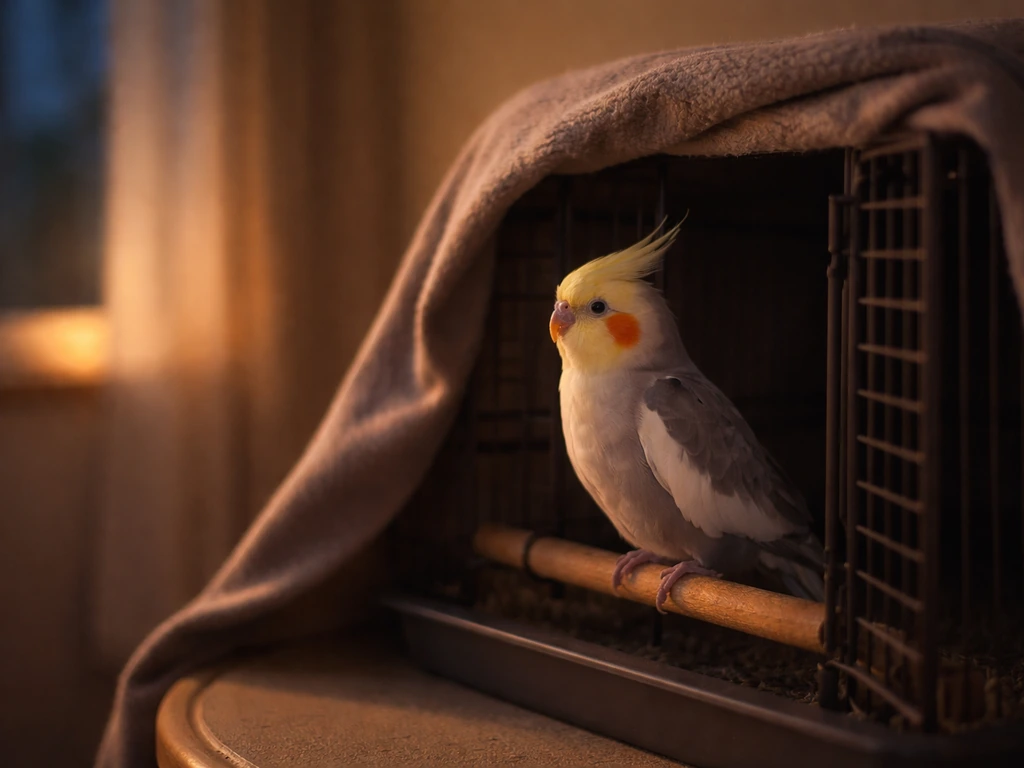
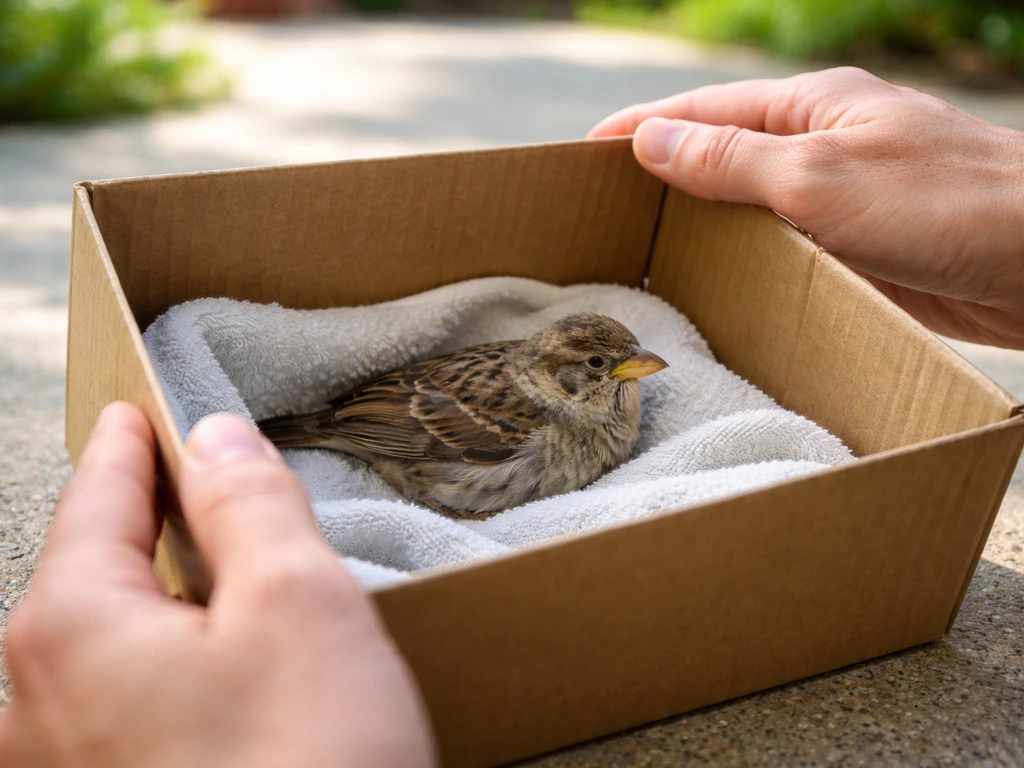
If you find a bird panting with its beak open, wings held away from its body, and looking weak or confused, act fast but stay calm. Move it to a cool, shaded spot, place it in a ventilated cardboard box lined with a towel, and let it rest quietly while you contact a licensed wildlife rehabilitator or avian vet. Do not pour water into its mouth, do not use ice, and do not handle it more than necessary. That's the core of it. The steps below will walk you through exactly what to do, in order.
How to Save a Bird From Heat Exhaustion: First Aid Steps
Marcus Holloway
27 Apr 2026
Spot the signs of heat exhaustion (and rule out other emergencies)
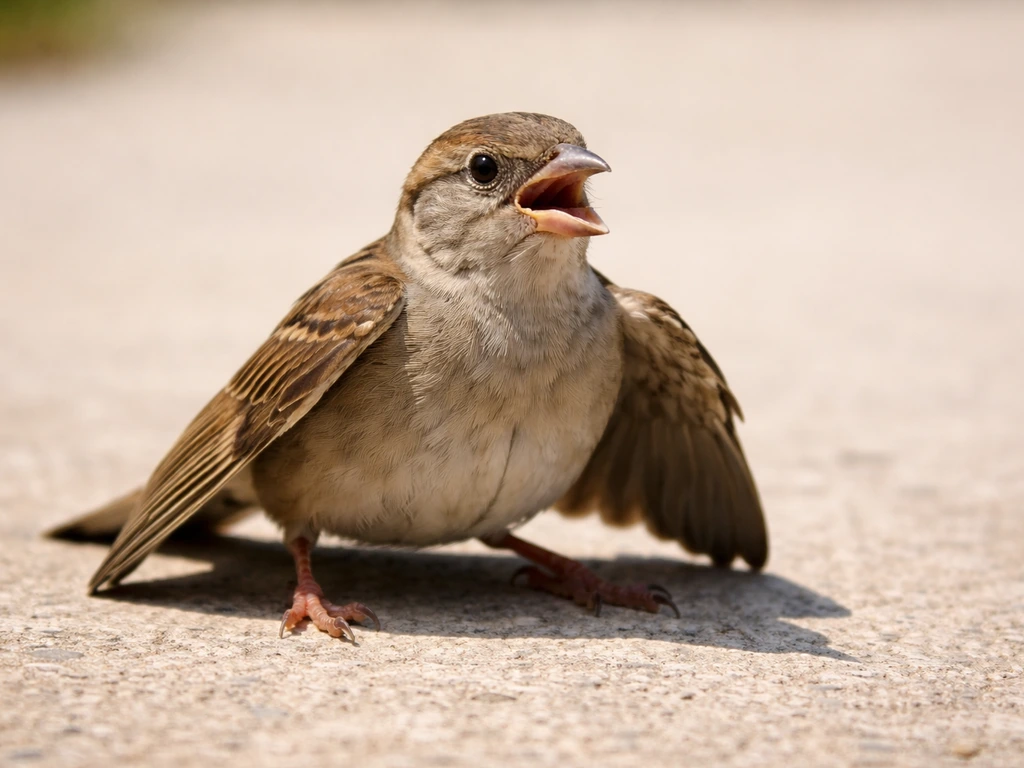
Heat exhaustion in birds looks fairly distinct once you know what to watch for. The most common signs are open-beak breathing or panting, wings held out from the body (the bird is trying to release heat), lethargy, weakness, and a general reluctance to move. The bird may look glassy-eyed or unresponsive to things it would normally react to. In more severe cases, it may be staggering, unable to stand, or collapsed entirely.
Before you assume it's purely heat stress, take a quick look for other problems. A bird with a visibly drooping or oddly angled wing likely has a fracture from a collision. A bird that's alert but not flying could be stunned from hitting a window. If you see blood, obvious trauma, or the bird is in an unusual place like inside a building or tangled in something, those are separate emergencies layered on top of, or instead of, heat stress. Heat exhaustion is most likely when the bird has been exposed to direct sun, a hot car, or extreme ambient temperatures with no shade or water.
A bird that's totally unresponsive, having seizures, or has dark or bright red coloring around its gums or skin is showing signs of severe heatstroke, not just heat stress. That's a veterinary emergency. Don't wait to see if it improves on its own.
Move to safety and handle gently without stressing the bird
Even a heat-exhausted bird can bite, scratch, or injure itself trying to escape your hands. Approach slowly and quietly. Wear light gloves if you have them, especially if the bird is a larger species. Drape a light towel or cloth over the bird first, then gently scoop it up from underneath. Keep your movements slow and deliberate. A bird that feels cornered will thrash, and that burns energy and raises its body temperature even more.
Get the bird out of direct sun and away from hot pavement, hot cars, or any other heat source immediately. These same steps also help you keep a bird warm without overheating it while you arrange professional care. During a power outage, use the same gentle, stable approach to keep the bird warm without overheating it while you wait for help keep a bird warm. Shade under a tree or inside a cool building is the goal. Keep handling to a minimum from this point forward. Every additional minute of handling is stress on a bird that's already struggling. The quieter and darker the environment, the calmer it will be.
One important safety note: protect yourself too. Even a small bird in distress can cause a surprising injury. Birds of prey especially can grip with real force. Use the towel as your buffer between skin and talons or beak.
Cool the bird correctly (safe methods, what to avoid)
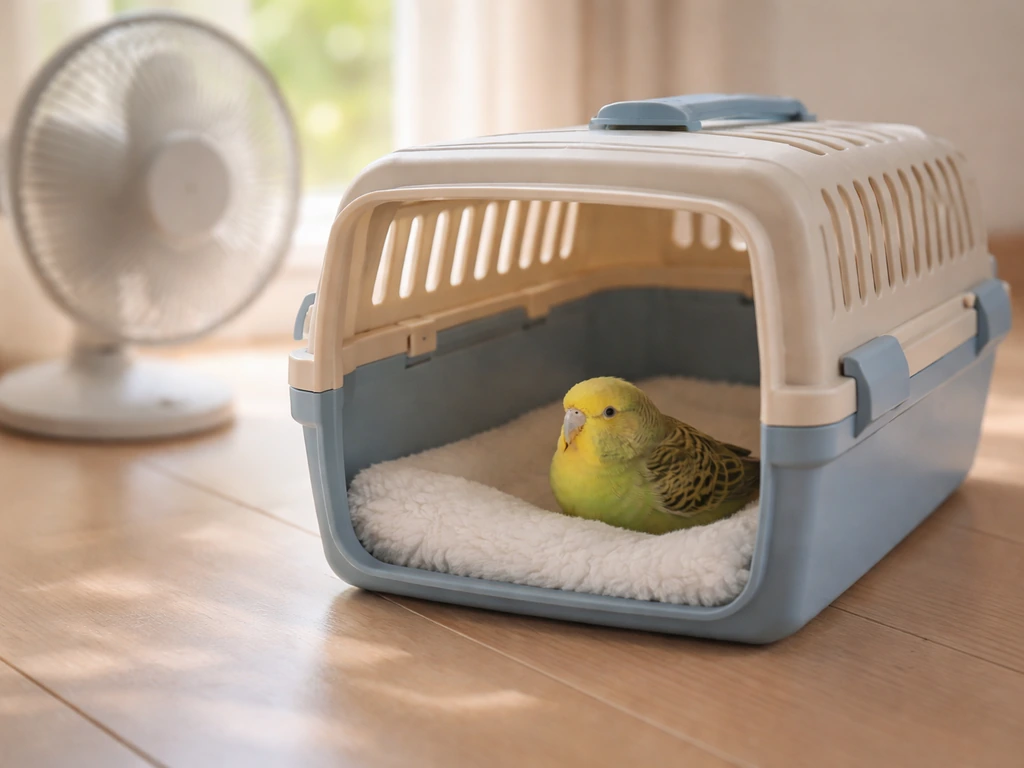
Cooling needs to happen gradually. Rapid temperature drops are dangerous and can send the bird into shock. Here's what actually helps and what to leave out entirely.
What works
- Move the bird to a shaded, cool area (indoors with mild air conditioning is ideal, but avoid pointing a vent directly at the bird).
- Place it in a ventilated cardboard box lined with a clean, dry towel so it can rest in a natural upright position.
- Use a fine mist of room-temperature water sprayed lightly around the bird (not directly into its face or mouth) to help lower ambient temperature.
- Keep the environment quiet and dim to reduce stress, which itself generates body heat.
What to avoid
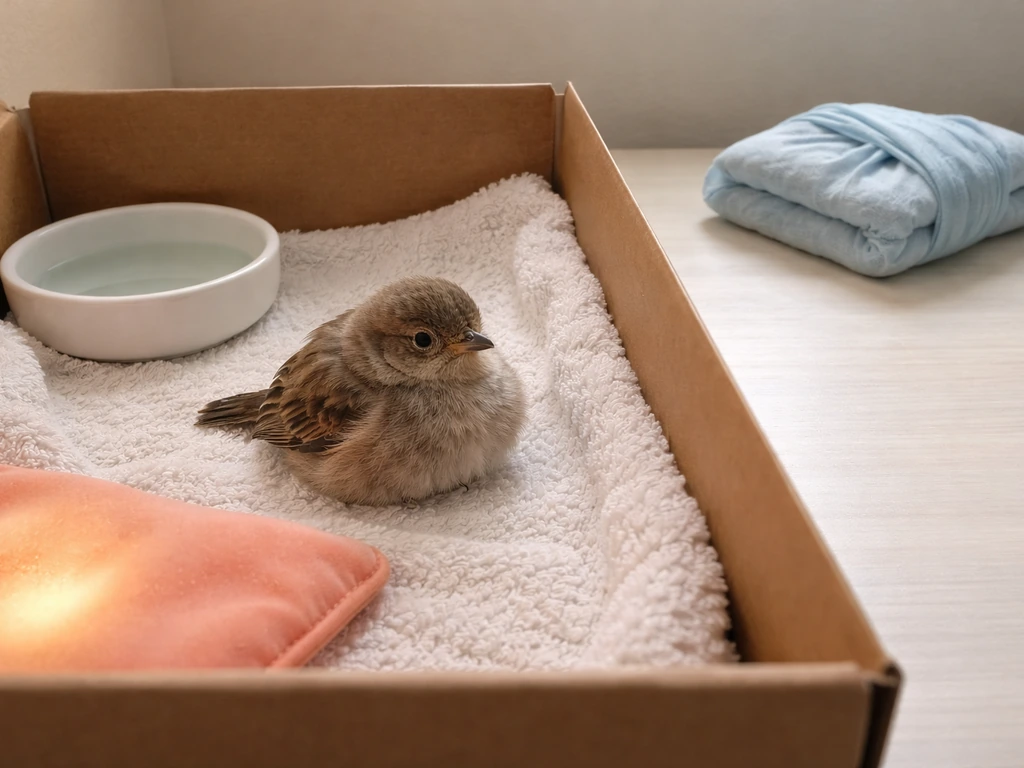
- Do not use ice water, ice packs, or very cold water on the bird. Rapid overcooling causes shock.
- Do not submerge or bathe the bird. Wet feathers cause rapid heat loss and can lead to hypothermia.
- Do not place the bird directly in front of an air conditioning vent or fan at full blast.
- Do not put the bird on a heat pad or under a heat lamp to compensate for overcooling. If the bird's feet and body feel cool to the touch, buffer with a folded towel rather than applying direct heat.
The goal is a stable, moderate temperature. Think comfortable room temperature, around 70 to 75 degrees Fahrenheit (21 to 24 degrees Celsius), not cold, not warm. Watch the bird. If it stops panting and starts to look more alert, that's a good sign. If it gets worse, treat it as the emergency it is and get moving toward professional help.
Hydration and supportive care basics while you get help
This is where a lot of well-meaning people accidentally make things worse, so read this section carefully. The instinct is to give the bird water right away, but forcing water into a bird's mouth or using a dropper without knowing what you're doing can cause the bird to aspirate (inhale fluid into the lungs), which is life-threatening. [Never squirt water into a bird's beak or mouth](/sick-bird-care/how-to-warm-up-a-bird).
If the bird is conscious and upright and can hold its head up on its own, you can place a shallow dish of clean, room-temperature water near it inside the box and let it drink on its own terms. That's the extent of water support you should offer without guidance from a rehabilitator or vet.
The Colorado Community Bird Alliance guidance says not to give food or other additions and to keep any support minimal until you can reach a licensed rehabilitator or avian vet Do not give food, supplements, medications, sugar water, or anything else. .
Do not give food, supplements, medications, sugar water, or anything else. Golden Gate Bird Alliance also advises that you should not attempt to provide food, water, or first aid to an injured bird and instead contact a wildlife rehabilitator for guidance Do not attempt to provide food, water, or first aid to an injured bird.
The most important supportive care you can provide right now is a dark, quiet, stable environment. Reduce noise, keep other animals and people away, and avoid the temptation to keep checking on the bird. Repeated disturbances cause stress that undoes the calm you're working to create.
If the bird is a nestling (a very young bird with few or no feathers), the hydration calculus shifts slightly. Young birds can dehydrate quickly, and getting them to a wildlife rehabilitator as fast as possible is especially urgent. Do not attempt to hydrate a nestling yourself.
When it's urgent: vet/wildlife rehab and red-flag symptoms
Any bird showing heat stress symptoms needs professional assessment, even if it seems to be improving. But some situations require you to drop everything and go right now.
- The bird is unconscious or completely unresponsive.
- It's having seizures or muscle tremors.
- It cannot stand or hold its head up at all.
- Breathing is labored, gasping, or very rapid even after being moved to a cool spot.
- There is visible bleeding, an obvious broken limb, or signs of trauma alongside the heat symptoms.
- The bird has been unresponsive for more than a few minutes despite being moved to a cool environment.
Call a licensed wildlife rehabilitator or an avian vet immediately in any of these cases. If you don't have a number handy, search for your nearest wildlife rehabilitation center or call a local animal shelter or humane society and ask for a referral. In the US, the National Wildlife Rehabilitators Association maintains a directory. Get the bird in a box and start driving while someone else makes calls if you need to.
Even if the bird seems like it's just mildly heat-stressed and starting to perk up, calling a rehabilitator for phone guidance is always a good move. They can tell you in minutes whether what you're seeing requires an emergency visit or careful monitoring.
How to contain and transport a heat-stressed bird
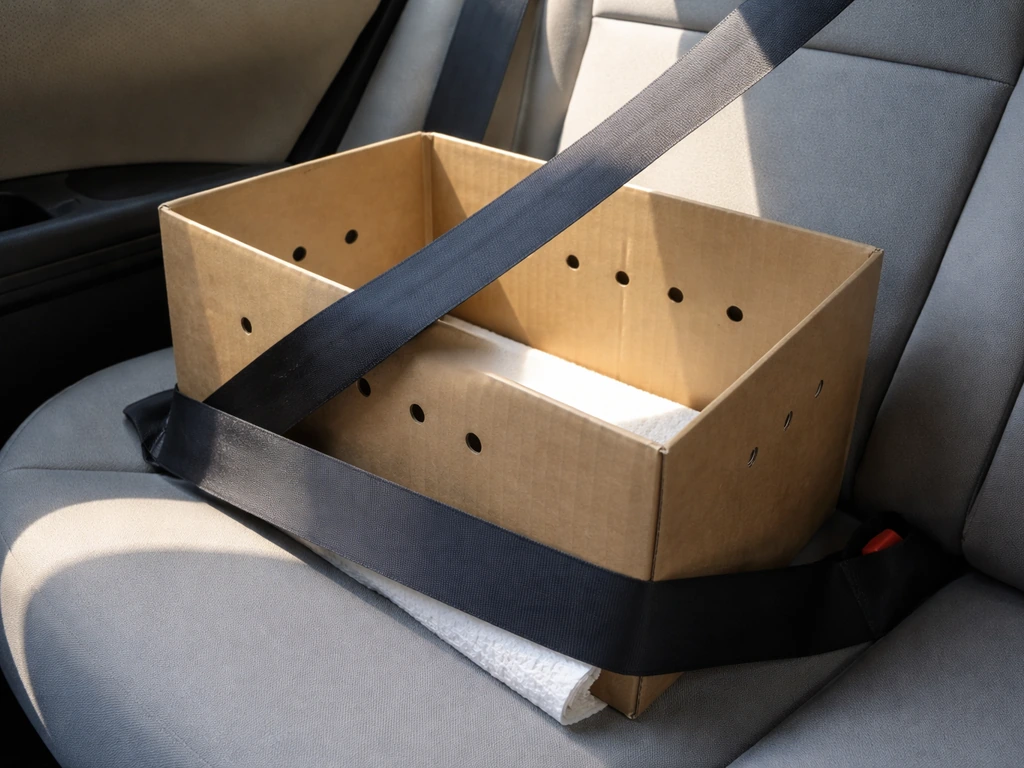
A cardboard box with a few small air holes punched in the sides is the right container. Line the bottom with a clean, dry towel or paper towels so the bird has traction and something soft to rest on. Make the box just big enough for the bird to sit comfortably but not so large it can thrash around and injure itself. Place the bird in an upright resting position. Birds have a harder time breathing when on their back, so never lay a bird flat on its back.
During transport, keep the car at a moderate, comfortable temperature. Don't crank the air conditioning to maximum and blast it at the box. Don't leave the box in a hot car for even a few minutes. Keep the box stable so it doesn't slide around. Avoid loud music or sudden noises.
Unlike an injured bird in shock from cold (where you'd want gentle warmth), a heat-stressed bird needs a neutral, cool environment during transport. If you're also dealing with a bird that had hypothermia risk or has been out at night, the temperature guidance flips. In that case, the priority shifts from cooling to gentle warming. The goal in either situation is a stable, moderate temperature rather than an extreme in either direction.
Don't transport the bird loose in your hands or on the car seat. Even a groggy bird can become alert suddenly and fly into the windshield. Box it, close the lid, and go.
Aftercare and release timing vs keeping for rehabilitation
If a wildlife rehabilitator or vet clears the bird and it has fully recovered, release should happen as soon as conditions are safe. That means releasing it in or near where you found it (assuming that location isn't itself a hazard), during cooler parts of the day like early morning or late evening, with access to shade and water nearby. If you are trying to prevent this kind of heat stress at home, you may also want to know what time to put your bird to bed so it stays comfortable overnight what time should i put my bird to bed. Do not release a bird during peak afternoon heat, especially in summer.
A bird that has recovered from mild heat exhaustion with no other injuries and is flying, alert, and reacting normally can often be released the same day once temperatures drop. But if the bird spent time unconscious, had seizures, couldn't stand, or has any other injury, a licensed rehabilitator needs to make the call about when it's ready. A bird that looks "okay" to you may still have organ stress that isn't visible.
Do not keep a wild bird longer than absolutely necessary. Even well-intentioned extended care at home can cause additional stress and nutritional problems. Your job is to stabilize and transfer, not to rehabilitate. If you're dealing with a pet bird like a parrot or canary rather than a wild bird, recovery and ongoing care look different, and your avian vet should guide you through the aftercare plan.
Prevention: reducing heat risk around homes and pets
Most heat emergencies involving birds are preventable. If you've gone through this experience once, it's worth making a few changes to reduce the chances of it happening again, whether you're looking out for wild visitors or keeping an eye on pet birds. For the best results, focus on prevention and safe cooling steps to keep your bird cool in summer.
- Provide clean, shallow water sources like birdbaths in shaded spots. Refresh the water daily, especially during heat waves, since stagnant warm water breeds bacteria and won't help a bird cool down.
- Plant or maintain native trees and shrubs that provide shade. Birds seek out shelter instinctively during heat extremes, and dense vegetation gives them somewhere safe to go.
- Avoid handling or disturbing birds during the hottest part of the day, typically between 11 a.m. and 3 p.m. in summer.
- If you keep pet birds, never leave them in a car or near a window with direct sun exposure. Even a mild day can turn a car interior lethally hot in 20 to 30 minutes.
- Keep outdoor pet bird enclosures partially shaded at all times, not just during obvious heat waves. Morning shade becomes afternoon sun as the sun moves.
- Check on outdoor pets and backyard flocks during hot spells. Birds showing early signs like reduced appetite and slowed movement are already stressed and need intervention before it becomes an emergency.
Heat emergencies have a way of happening fast and without warning, especially during sudden temperature spikes or prolonged heat waves. Knowing what to look for and what to do means you can respond in the first few minutes when your actions matter most. The steps here won't replace professional care, but they can absolutely be the difference between a bird that survives and one that doesn't. The same quick, careful steps can help you how to keep a bird alive until you get professional help.
FAQ
How long should I try cooling and monitoring before I treat it as an emergency?
If the bird is not clearly improving while resting in a shaded, cool, dark container, stop waiting and call a licensed wildlife rehabilitator or avian vet immediately. Worsening signs, ongoing panting, inability to stand, or any seizures are emergency indicators, even if you started cooling already.
Is it okay to wet the bird’s feathers or use a damp towel to cool it faster?
Avoid direct wetting or rapid cooling attempts. The safer approach is gradual, ambient cooling by moving the bird to shade, using a stable moderate temperature during transport, and letting it rest quietly. If you do use a towel, it should be dry and for containment or traction, not as a cooling bath.
Should I give electrolytes or sugar water if it seems thirsty?
No. Do not give food, supplements, sugar water, or medications. In heat stress, forcing fluids can be dangerous, and the wrong mixtures can worsen health problems. The only at-home option is a shallow dish of clean, room-temperature water if the bird is fully upright and can drink on its own.
What if the bird can’t stand, but it is still breathing normally?
Treat it as more than mild heat exhaustion. Place it in the box in an upright resting position with traction, keep the environment dark and quiet, and contact a wildlife rehabilitator or avian vet right away. Inability to stand can signal severe heat impact or other injuries.
Can I use a heating pad or warm it if it seems chilly after cooling?
Do not add heat during a suspected heat exhaustion episode. The goal is a neutral, moderate environment. If the bird becomes unusually cold, that can indicate a different or mixed situation, and you should still prioritize professional guidance rather than trying to “counteract” it yourself.
How do I tell heat exhaustion from a broken wing or window strike quickly?
Look for an obvious drooping or oddly angled wing, bleeding, or a bird that is alert but not flying properly. Those point to trauma or collision rather than heat stress alone. Still move it into a secure, shaded container, but contact a rehabilitator because injuries can require different care than heat support.
Is it safe to pick up the bird with bare hands if it looks small and calm?
Use the towel as a barrier and limit handling. Even small birds can bite or scratch, and a struggling bird can injure itself while you try to reposition it. If you do use gloves, they should be light and steady so you do not lose control of the bird.
What container is best, and should I close the lid?
A ventilated cardboard box with air holes is ideal. Line the bottom with a clean, dry towel or paper towels for traction, and keep the bird upright. Close the lid to prevent escape and reduce stress, but ensure the sides have enough ventilation so it can breathe comfortably.
How should I position the bird inside the box?
Keep it upright, not on its back. Birds have more difficulty breathing when laid flat. Make the box only large enough for comfortable sitting so it cannot thrash around and injure itself.
I found a nestling that seems overheated. What should I do before the rehabilitator arrives?
Get help immediately and do not attempt to hydrate it yourself. Keep it contained and handled as little as possible, with a stable, calm environment while you arrange transport to a wildlife rehabilitator as fast as you can.
When is it okay to release the bird back outside?
Release only if a licensed rehabilitator or vet has cleared it and conditions are safe. Use cooler parts of the day, choose a location near where you found it if it is not hazardous, and ensure shade and water are nearby. If the bird had unconsciousness, seizures, or couldn’t stand, it should not be released on your judgment.
Can my pet bird (like a parrot or canary) show the same heat exhaustion signs, and can I apply the same steps?
Heat stress signs can overlap, but recovery and aftercare differ for pet birds. Use shade and a calm environment, and contact an avian vet for guidance. Do not assume wild-bird steps, especially around hydration and transport temperature choices, will be appropriate for your specific species.
Next Article
What Time Should I Put My Bird to Bed? Easy Guide
Set bird bedtime by species and season with lights-out hours, routine steps, and vet signs for poor or disturbed sleep.