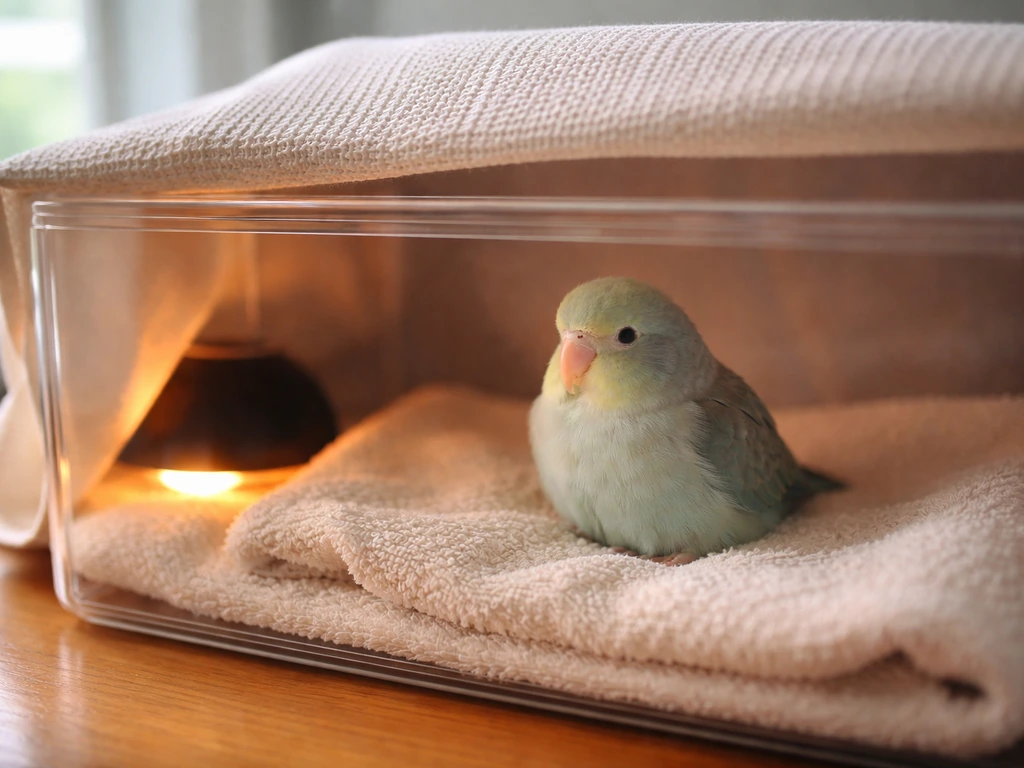
The safest way to keep a bird warm right now is to place it in a small, dark, quiet container with soft bedding, and put that container on a heating pad set to LOW, positioned under only half the box so the bird can move away from the heat if needed. That one setup works for most situations, whether you're dealing with a pet bird on a cold night, an injured wild bird, or a bird waiting for a vet. The details change depending on your situation, and this guide walks through each one.
How to Keep a Bird Warm: Safe Steps for Pet, Outdoor, Wild
Marcus Holloway
9 Apr 2026
Quick safety check and when to call for help
Before you do anything else, look at the bird for 30 seconds. You need to know if you're dealing with a cold bird that just needs warming, or a bird in serious medical distress that needs professional care right now.
Call an avian vet or wildlife rehabilitator immediately if the bird shows any of these signs:
- Open-mouth breathing while at rest (this is a very serious sign, not just discomfort)
- Visible tail bobbing with each breath
- Labored or rapid breathing, or any gurgling sounds
- Severe weakness or inability to hold its head up
- Obvious injury like bleeding, a broken wing hanging at an odd angle, or a wound
These are red flags that warming alone will not fix. Heat is supportive care, not a treatment. If a bird is refusing to eat or drink, can't perch, or seems deeply unwell, it needs a vet regardless of how warm you keep it. Warming buys time; it doesn't replace professional assessment.
When handling any bird you're not familiar with, move slowly and keep your hands steady. Wild birds in particular can injure themselves thrashing if startled. If a bird is breathing, try to scoop it gently with both hands or guide it into a box rather than grabbing it. Never place a bird on its back as birds breathe more difficultly in that position.
Keeping an outdoor bird warm in cold, wind, or rain
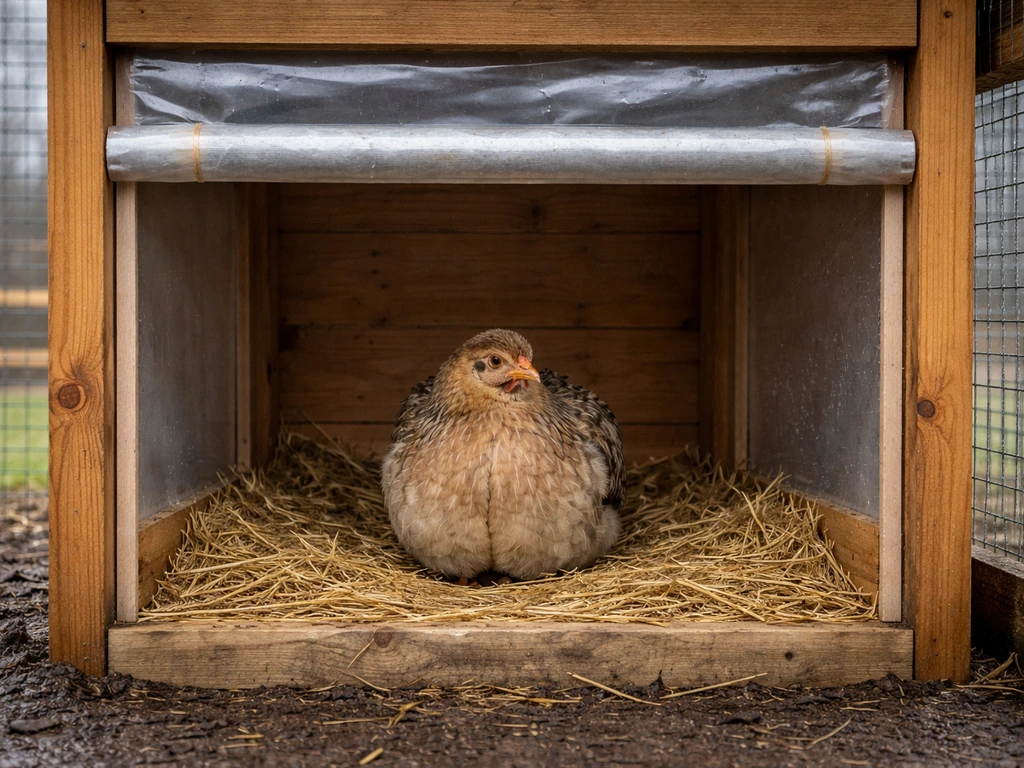
Outdoor pet birds like chickens, ducks, or pigeons face a different challenge than indoor pets. Their risk isn't usually a single cold night but prolonged exposure to wind, moisture, and sustained cold that gradually drops their body temperature. A bird's core temperature normally runs between 103 and 106°F, so even moderate environmental cold becomes a real stressor when combined with wet feathers or wind chill.
For outdoor enclosures during a cold snap, focus on three things: blocking wind, keeping bedding dry, and retaining body heat inside the shelter. Cover open sides of a coop or aviary with heavy canvas or plastic sheeting. Replace wet bedding immediately because damp bedding drops temperature fast. Use deep, dry straw or shavings, which trap air and hold warmth better than thin layers.
If you're using a heat lamp in an outdoor coop, mount it securely so it cannot fall, and position it high enough that birds can't contact it directly. Never let a heat lamp sit closer than 18 inches to the birds or to any bedding. A fire is a far worse outcome than a cold night.
For outdoor pet birds that are showing signs of cold stress (fluffed feathers, shivering, huddling), bring them inside temporarily rather than trying to heat an open-air space. A garage or laundry room is fine. The goal is to stop the temperature drop, not to achieve a perfect warm environment immediately.
Keeping a pet bird warm in winter
For indoor pet birds like parrots, cockatiels, budgies, and canaries, the biggest winter risks aren't usually extreme cold. They're drafts, sudden temperature swings, and placement mistakes. The RSPCA notes that pet birds can be at risk when temperatures drop below 10°C (50°F), so if your home gets that cold, extra steps are needed. But even in a normally heated home, poor cage placement causes real problems.
Where you put the cage matters more than most people realize
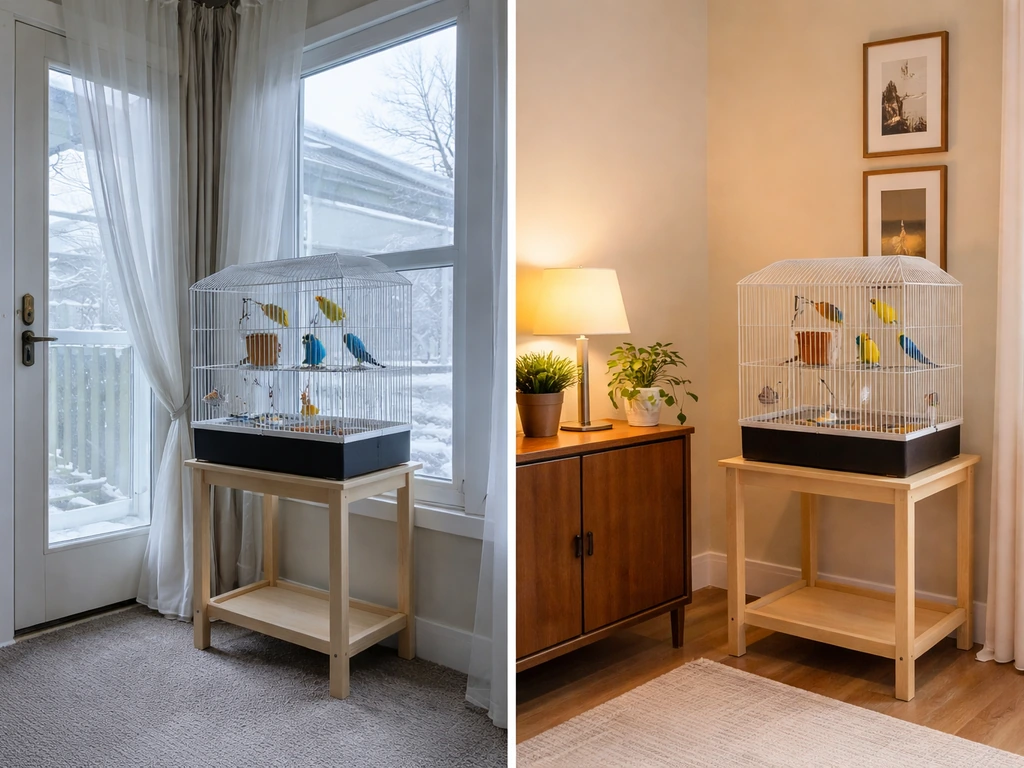
Keep the cage away from exterior walls, windows, and doors, especially in older homes where drafts are strong. Avoid placing cages near air vents that blow cold air during the start-up phase of your heating system. Don't put the cage in the kitchen where cooking fumes, steam, and temperature spikes create a different kind of stress. A centrally located room with stable temperature is ideal.
Drafts are particularly dangerous in winter because they can drop the localized temperature around the cage by 10 to 15 degrees even when the rest of the room feels fine. You can test for drafts by holding a lit candle or a piece of tissue near the cage location. If it flickers, move the cage.
Covering the cage at night helps trap heat and block drafts. If you're wondering should you cover a bird at night, the short answer is yes in winter, especially in rooms that cool down after the household goes to sleep. Use a breathable fabric cover, not plastic, and leave some airflow at the base.
Room temperature targets
For a healthy pet bird, aim for a consistent room temperature between 65 and 80°F. For a sick or recovering bird, the target climbs to 80 to 95°F inside the enclosure. Rapid temperature changes are harder on birds than a steady temperature that's slightly below ideal, so consistency matters as much as the number on the thermometer.
If your home gets cold at night and your bird seems to be sleeping more than usual, fluffing its feathers constantly, or shivering, those are signs the ambient temperature is too low. Add a cage cover, move the cage to a warmer room, or use a small ceramic space heater nearby, but never pointed directly at the cage.
If there's ever a situation where your home heating fails, knowing how to keep your bird warm during a power outage is worth reading before you need it, not after.
Keeping a bird warm in a cold house
A cold house is different from a cold night. If your heating system is broken, you live in a poorly insulated space, or you're managing a room that just doesn't hold heat, you need a localized warming strategy rather than relying on ambient room temperature.
The most effective approach is to move the bird to your smallest, most insulated room and create a warm microclimate there. Close doors, hang a blanket over a drafty window, and use a small space heater (kept several feet from the bird) to bring the room up to a reasonable temperature. Place the cage against an interior wall, not an exterior one.
For pet birds in a cold house, a sleeping tent or snuggle hut inside the cage adds extra insulation. Covering the cage completely at night with a heavy blanket is another option when a drafty house is the main problem. An avian vet blog specifically notes that cage covers and sleeping tents are appropriate tools for managing drafts in hard-to-heat homes.
If the house is cold enough that you're using a space heater as the primary heat source, make sure it's not producing fumes. Many portable heaters are safe but some older or non-electric models can produce gases that are extremely toxic to birds even at concentrations harmless to humans. Stick with a clean electric ceramic heater and keep it at least 3 to 4 feet from the cage.
Keeping a wild bird warm until help arrives
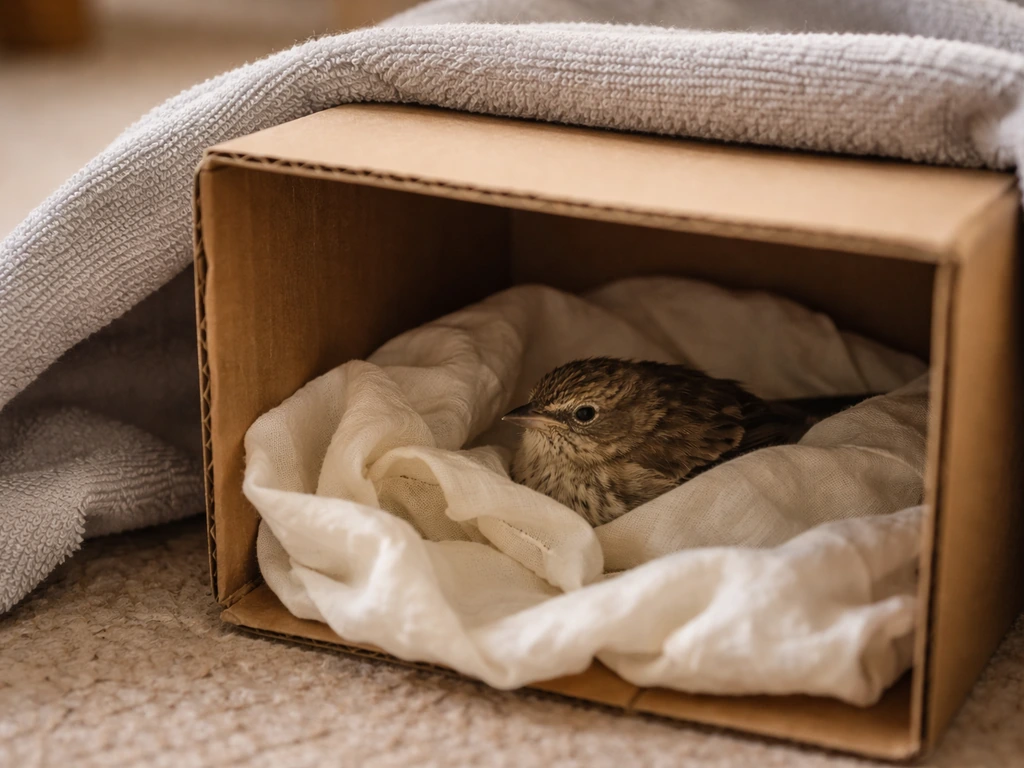
If you've found an injured or cold wild bird, your job is simple but very specific: keep it warm, keep it calm, and get it to a wildlife rehabilitator or avian vet as fast as you can. You are providing temporary stabilization, not treatment.
Setting up a temporary enclosure
- Find a cardboard box or paper bag large enough for the bird to sit comfortably without being cramped.
- Punch a few small air holes in the lid or upper sides.
- Line the bottom with a soft cloth, paper towels, or clean rags. Avoid terry cloth towels, which can catch small talons.
- Place the bird gently inside and close the lid.
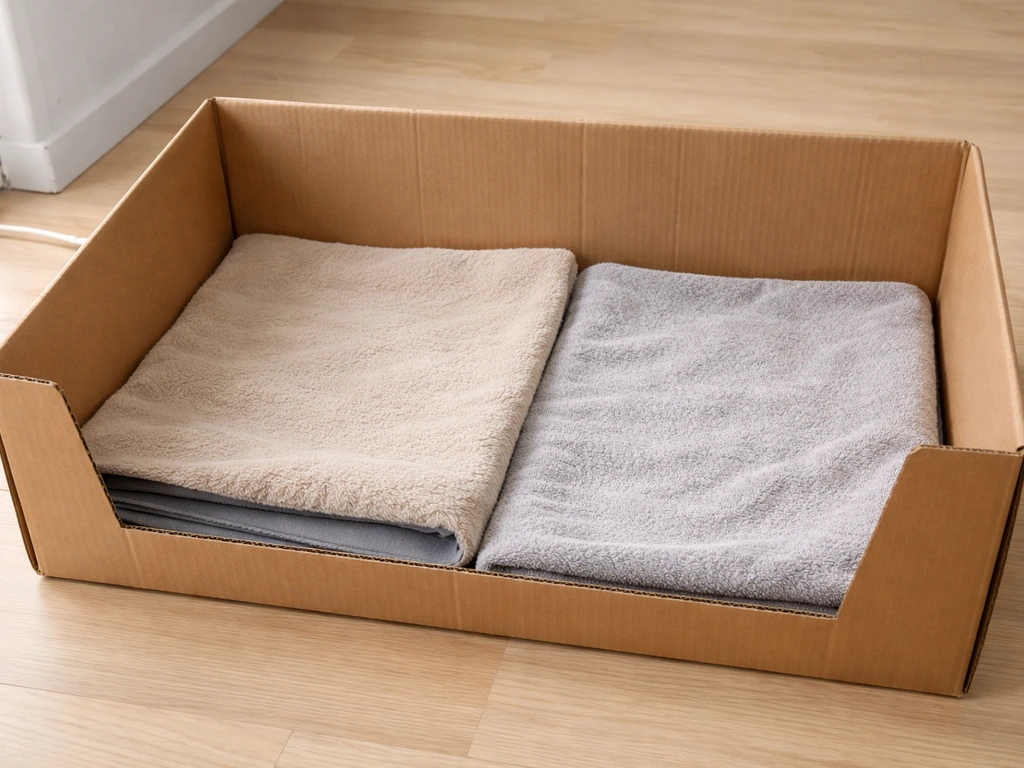
- Put the box on a heating pad set to LOW, positioned under only half the box. This gives the bird a warm zone and a cooler zone so it can self-regulate.
- If you don't have a heating pad, fill a zip-lock bag or a sock with uncooked rice, microwave it until warm (not hot), and place it beside the bird, not under it.
- Put the box in a quiet, dark room away from pets, children, and noise.
The dark and quiet matter as much as the warmth. A stressed bird burns energy it can't afford to lose, and fear can make injuries worse. Resist the urge to check on it every few minutes. Set it up, then leave it alone while you make calls.
Do not offer food or water to an injured wild bird unless specifically instructed to do so by a rehabilitator. Aspiration (inhaling liquid into the lungs) is a real risk in a weakened bird, and the wrong food can cause additional harm. Your job is warmth and calm, nothing more.
To find a licensed wildlife rehabilitator near you, contact your state or provincial wildlife agency. Many states allow citizens to hold injured wildlife briefly for the purpose of transferring it to licensed care. Call ahead so the rehabilitator knows you're coming.
If you want a deeper walkthrough of what to do in those first critical minutes, how to warm up a bird covers the process step by step with more detail on reading the bird's response to warming.
Warming methods compared
| Method | Best For | How to Use Safely | Avoid If |
|---|---|---|---|
| Heating pad on LOW | Wild birds, sick pets, injured birds in a box | Place under half the box only; bird must be able to move away | Bird is already overheating or panting |
| Warm rice sock | Short-term when no heating pad available | Warm but not hot to the touch; place beside, not under, the bird | You can't monitor temperature every 20 minutes |
| Cage cover (fabric) | Pet birds in cold or drafty rooms | Leave base open for airflow; use breathable fabric | The room is already adequately warm |
| Small ceramic space heater | Cold rooms with pet birds | Keep 3 to 4 feet from cage; never aim directly at birds | It produces any fumes or is a non-electric model |
| Heat lamp (coop/aviary) | Outdoor flock birds in very cold weather | Mount securely, minimum 18 inches from birds and bedding | Birds can contact the lamp or it can fall |
Do's, don'ts, and signs the bird is too hot or still in danger
What to do
- Keep the warming environment at 80 to 95°F for a sick or injured bird.
- Always give the bird a gradient: a warm end and a cooler end so it can self-regulate.
- Keep the environment dark and quiet to reduce stress.
- Check the heat source by touching it yourself. If it's too hot for your hand held there for 5 seconds, it's too hot for the bird.
- Contact a wildlife rehabilitator or avian vet as soon as possible. Warming is stabilization, not a cure.
- Monitor the bird's posture and breathing without disturbing it.
What not to do
- Never place a bird directly on top of or under a heat source. Direct contact with a heat pad or lamp causes burns and dehydration.
- Never use a heating pad on any setting higher than LOW for birds.
- Don't use electric blankets, hair dryers, or heating lamps pointed directly at the bird.
- Don't offer food or water to an injured or unconscious wild bird.
- Don't keep the box or cage fully enclosed with no airflow at all.
- Don't overheat a bird that is already showing signs of heat stress.
Signs the bird is getting too hot
Overheating is a real risk when people try to help birds. Watch for open-mouth breathing or panting (especially if the bird is at rest), wings held away from the body, a neck stretched out flat, or restless movement toward the cooler end of the enclosure. If you see any of these signs, remove the heat source immediately, open the box slightly for airflow, and let the bird cool down. Note that open-mouth breathing can also signal respiratory illness, so if it continues after you've removed heat, that's a vet call.
If a bird ever shows signs of heat exhaustion rather than cold, stop all warming efforts and read up on how to save a bird from heat exhaustion before doing anything else.
Signs the bird is still dangerously cold
- Continuous shivering that doesn't stop after 20 to 30 minutes of gentle warmth
- Cold feet, beak, or body surface that isn't warming up
- Limp posture or inability to stand
- Eyes closed and unresponsive to nearby sounds or movement
- Labored or very slow breathing
If the bird isn't improving after 30 minutes of gentle warming, it needs more than heat. Get it to a professional. A bird in hypothermic shock needs veterinary intervention that goes well beyond what any home setup can provide.
Putting it together: next steps by situation
For a pet bird in winter: Check cage placement first. Move it away from drafts, cover it at night, and keep the room between 65 and 80°F. If the bird seems unwell despite a warm environment, call your avian vet. Temperature regulation is one piece of how to keep a bird alive through an illness, but it works alongside proper nutrition, hydration, and veterinary care, not instead of them.
For a bird in a cold house: Create a warm microclimate in one room. Use a cage cover, a ceramic heater kept at a safe distance, and interior wall placement. If the house heating fails entirely, treat it like a minor emergency and act quickly.
For a wild bird you've found: Box, dark, quiet, heating pad on LOW under half the box, and then make calls. Don't feed it. Don't handle it more than necessary. Get it to a rehabilitator today.
For outdoor birds in cold weather: Shelter from wind and moisture first, then add supplemental heat if needed. Bring birds inside if the cold snap is severe. Monitor for signs of cold stress and act before the bird becomes too weak to recover easily.
One thing worth keeping in mind as seasons shift: the same bird that needs warming in January may need the opposite in July. If you're managing a bird through changing seasons, how to keep your bird cool in summer and how to cool down a bird are worth bookmarking for when the weather turns. Temperature management in both directions follows the same principle: gradual, monitored, and always giving the bird room to self-regulate.
And if you've ever wondered about the basics of daily bird care, like what time should I put my bird to bed, consistent routines also help birds stay healthier and less stressed overall, which makes them more resilient when conditions like cold or illness do hit.
FAQ
What’s the safest way to use a heating pad to warm a bird without overheating it?
Use a heating pad on LOW placed under only half the container, so the bird can move away if it warms too much. Avoid direct heat like holding a pad beside the bird or warming it from overhead, since birds can overheat quickly and may not self-adjust.
Can I warm a bird with a hot water bottle or heating blanket?
Do not use an electric blanket, hot water bottle, or heating rocks. These can create hotspots and uneven temperatures, and they can become too hot or cool down abruptly. Stick to a controlled heating pad setup (LOW) with soft, insulating bedding.
My outdoor bird is cold but I can’t get to a vet immediately, what should I do first?
If the bird is outside and actively shivering, fluffed, or huddling, bring it to a sheltered, draft-free indoor space (a garage or laundry room) and use a warm microclimate rather than trying to heat an open area. If the bird cannot stand, is lethargic, or will not eat, treat it as urgent and contact an avian vet or rehabilitator.
How long should I try warming before I decide it’s not working?
A bird that is improving may still need heat briefly, but you should stop warming efforts and reassess if breathing becomes open-mouth/panting or the bird stretches its neck flat. If no improvement occurs within about 30 minutes, professional help is needed, heat alone is not enough.
Is it okay to point a space heater or heat lamp toward the bird to warm it faster?
Yes, but only in a “back-off” way. Increase warmth by adjusting the environment and using controlled supplemental heat, not by targeting the bird directly with a heater or lamp. Any direct, strong heat source raises the risk of overheating and burns to skin and feet.
Can I feed or give water to a cold injured bird right away?
Don’t provide food or water to an injured wild bird unless a rehabilitator specifically instructs it. Even for pet birds, wait until the bird is stable and alert enough to swallow normally, since weakened birds can aspirate liquids.
How do I know whether bedding is making things worse?
At least once during the first warm-up period, check that the bedding is dry and that the bird is not sitting in damp material. Wet bedding pulls heat away rapidly, so swap it for dry bedding immediately if it becomes damp from droppings or condensation.
Is it safe to cover a cage completely at night?
Covering helps in winter, but it must be breathable and not airtight. Use fabric (not plastic), leave some airflow at the base, and do not over-tighten a cover around a heat source or create a sealed “oven” effect.
What should I do if I accidentally overheat a bird?
Never cool an actively overheated bird by placing it in very cold air. If you see overheating signs, remove the heat source, crack the box or provide gentle airflow, and let it return to a safer baseline temperature gradually before seeking vet advice if symptoms persist.
What’s the safest way to reposition a bird if it’s lying on its back?
If the bird is on its back, upright positioning is preferable once you can do so calmly. Birds breathe better when upright or slightly forward rather than fully supine. For a struggling wild bird, minimize handling and guide it into a box rather than forcing position changes.
What temperature targets should I use for a healthy bird versus a sick or recovering bird?
Don’t rely on guesswork, place a thermometer in the bird’s micro-environment when possible. For healthy pet birds aim for 65 to 80°F room temperature, for sick or recovering birds 80 to 95°F inside the enclosure, and keep temperature changes gradual.
Next Article
How to Release a Hand-Reared Bird Safely and Humanely
Step-by-step humane release for hand-reared wild birds: species checks, anti-imprinting care, soft vs hard release, afte