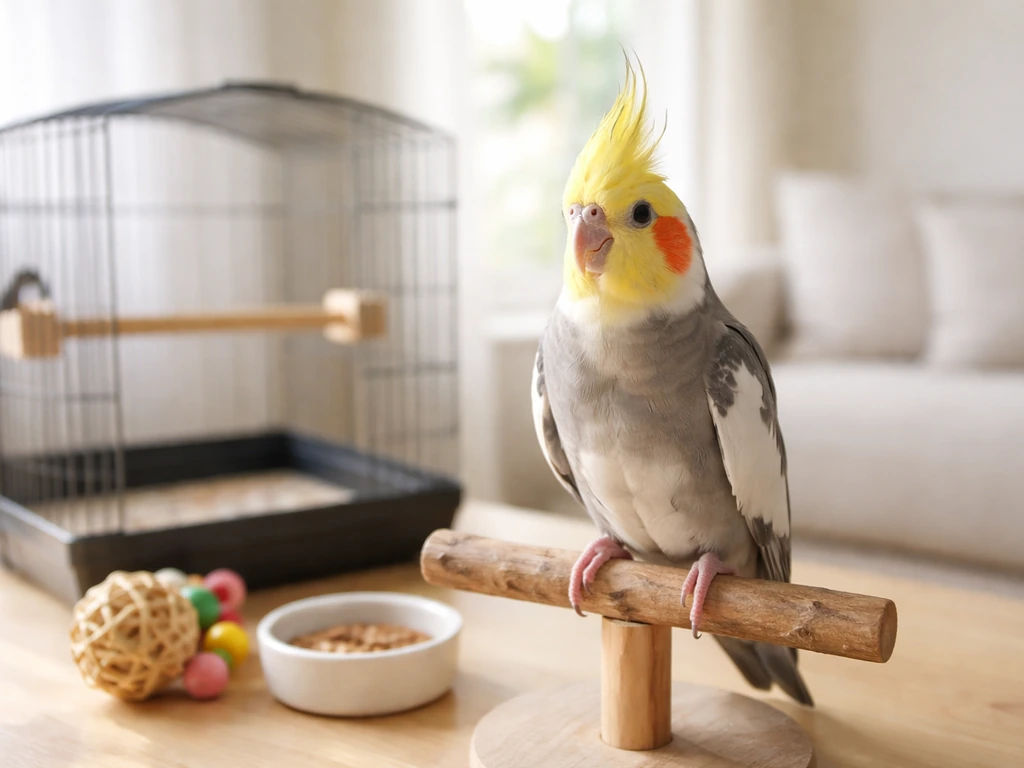
If you have a parrot or parakeet right now and need to know what to do, here is the short answer: make sure the bird is warm, safe, and calm, then work through housing, food, and daily care in that order. If the bird looks sick or injured, skip ahead to the emergency section first. Everything else can wait a few minutes.
How to Take Care of a Parrot Bird Step by Step Care Guide
Marcus Holloway
2 Apr 2026
Confirm what bird you have and what situation you're in
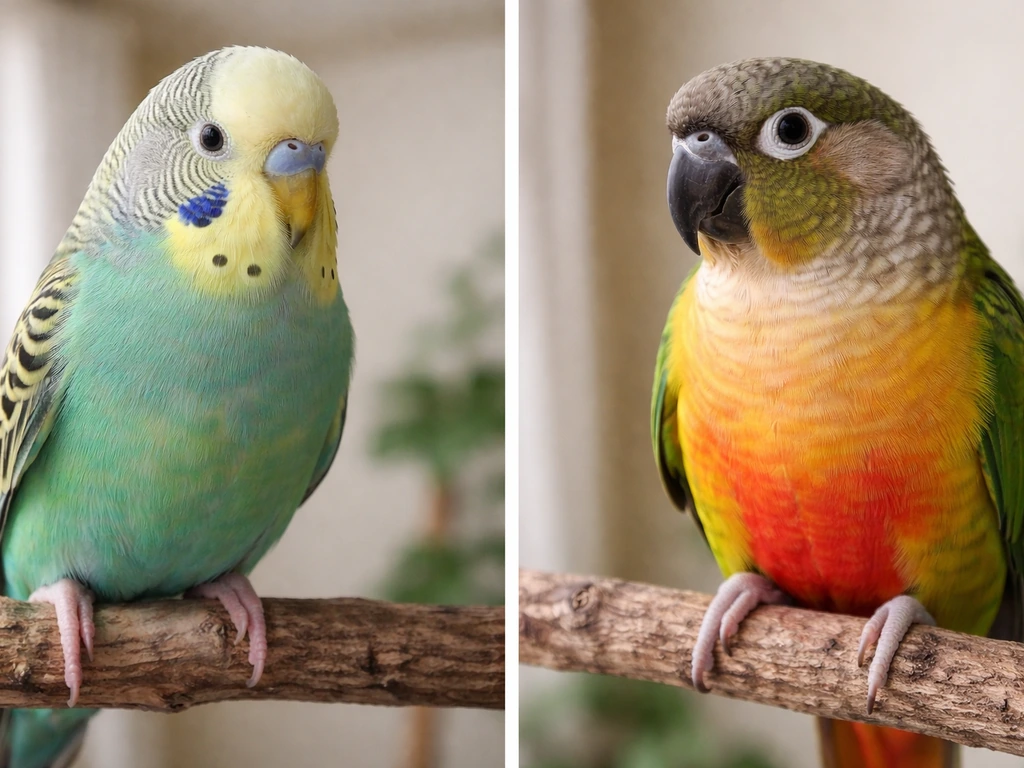
"Parrot bird" covers a wide range of species, and the care details vary more than most people expect. A budgerigar (budgie/parakeet) is a very different animal from a conure, which is again different from a large macaw. Before you do anything else, figure out which category you are dealing with, because cage size, bar spacing, diet, and lifespan all differ. Conures, for example, commonly live around 30 years, while cockatiels typically reach 12 to 15 years in captivity. Knowing your bird's species helps you plan realistically.
Also identify your situation. Are you a new pet owner setting up care from scratch? Did you find a wild bird that seems hurt or orphaned? Or is your existing pet bird acting strangely? Each scenario has a different starting point. Pet bird care and wildlife rescue overlap on the emergency side, but the day-to-day routines are very different. This guide covers both.
Immediate steps for a sick, injured, or orphaned parrot
If the bird in front of you is clearly unwell, injured, or a very young bird that has been separated from its parents, act on these steps before anything else.
- Contain the bird gently. Place it in a clean cardboard box or small carrier lined with a soft towel. Make air holes but keep the environment dark and quiet. Darkness reduces stress significantly.
- Keep it warm. Room temperature (around 70 to 80°F) is the target. Do not use a heating pad directly under the bird; that risks overheating. A warm room or a low-wattage lamp aimed at one side of the box works better.
- Do not offer food or water. This is one of the most important rules. A sick or injured bird has a compromised swallowing reflex and you can cause aspiration. UC Davis's raptor care guidance and California Wildlife Center both make this point clearly: no food or water until a professional has assessed the bird.
- Minimize handling. Every time you pick up the bird, its heart rate spikes. Handle only when necessary for containment or transport.
- Contact an avian vet or wildlife rehabilitator immediately. Do not wait to see if the bird improves on its own.
If the bird is bleeding, apply very gentle pressure with a clean cloth, but do not restrict breathing. If you suspect toxin exposure (fumes from non-stick pans, aerosols, candles, or cleaning products), get the bird into fresh air immediately and call a vet. These are stop-DIY situations.
Best housing: cage setup, placement, and safety
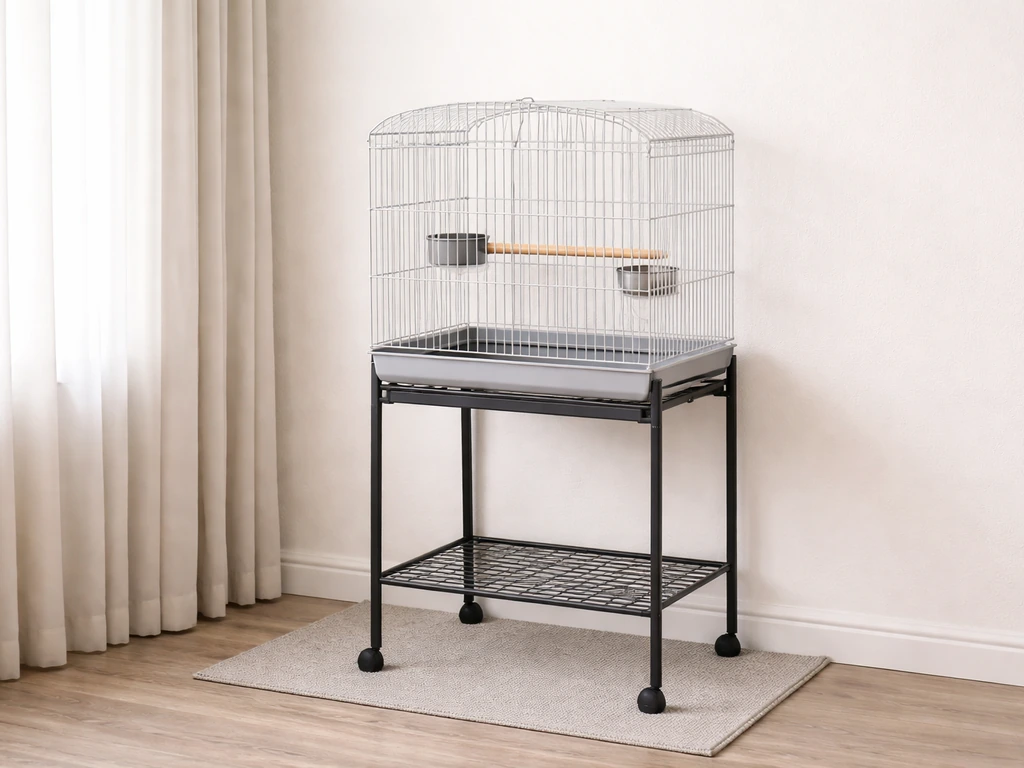
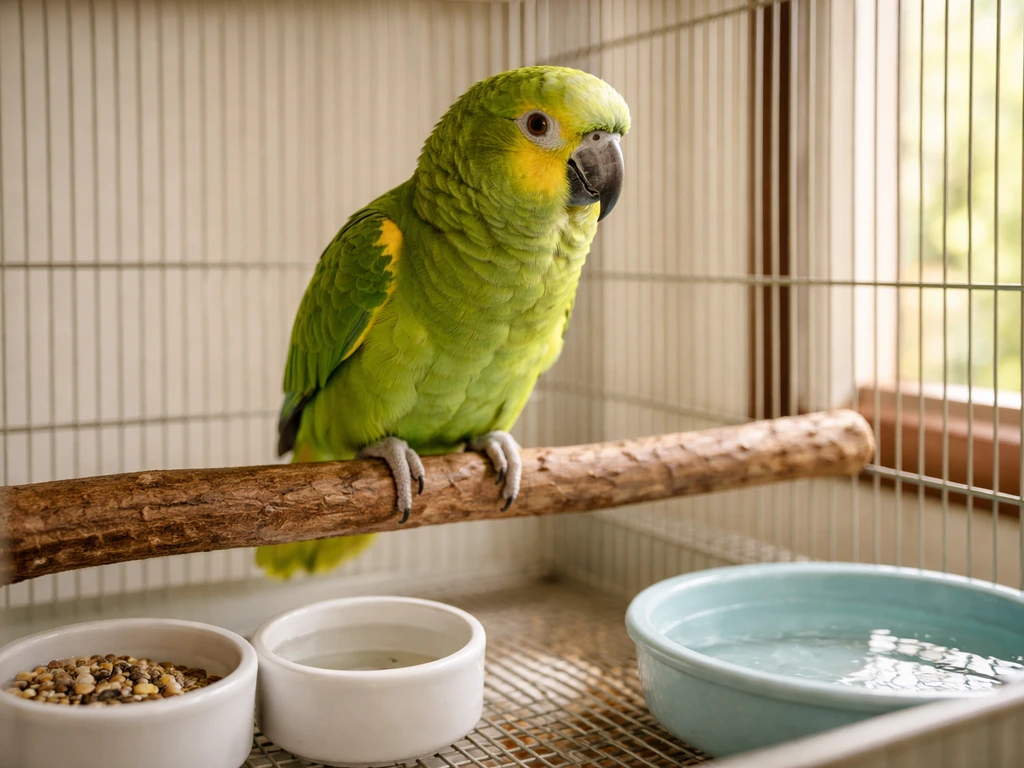
For a pet parrot or parakeet, the cage is the most important purchase you will make. A cage that is too small causes chronic stress, feather-destructive behavior, and physical problems. Use the minimums below as a starting floor, not a target ceiling. Bigger is always better.
| Bird Type | Minimum Cage Size (inches) | Max Bar Spacing |
|---|---|---|
| Budgerigar / Parakeet | 20 × 20 × 30 | ~3/8 in (0.95 cm) |
| Cockatiel / Lovebird / Parrotlet | 20 × 20 × 30 | ~0.5 in |
| Conure / Miniature Macaw | 36 × 24 × 48 | ~0.75 in |
Bar spacing matters as much as cage size. A parakeet can get its head trapped in bars spaced for a larger bird, which is fatal. LafeberVet's parakeet care guidelines specifically recommend bar spacing no wider than 3/8 inch for budgerigars. When you shop, bring a ruler.
Place the cage against a wall rather than in the middle of a room. Birds feel safer with something solid at their back. Avoid kitchens entirely: cooking fumes, especially from non-stick (PTFE/Teflon) cookware, are deadly to parrots even in small amounts. Also keep the cage away from drafts, air conditioning vents, and direct all-day sun. A location with natural light but not constant direct sunlight, in a room where the family spends time, is ideal.
Light and dark cycles matter for a bird's health. Purdue University's husbandry guidance emphasizes mimicking a natural schedule so birds get enough rest. Aim for roughly 10 to 12 hours of darkness at night. A cage cover or moving the bird to a quieter room at bedtime works well. This routine supports their immune system and hormone regulation.
Perches and cage accessories
Use at least two perches of different diameters and textures. This exercises the feet and prevents pressure sores. Natural wood branches (from non-toxic trees like manzanita or apple) are better than uniform dowel perches. Place food and water dishes where droppings won't fall directly into them. Avoid mirrored surfaces and plastic toys with small parts that can be swallowed.
Feeding essentials: diet, treats, and water routines
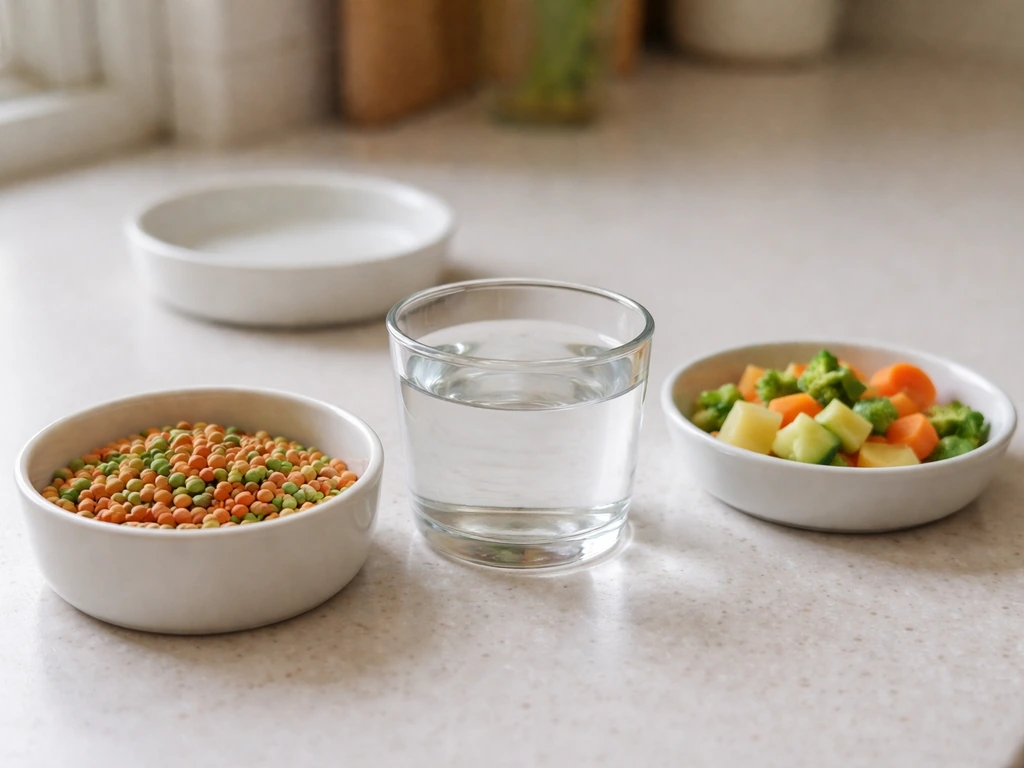
Fresh, clean water every single day is non-negotiable. Change it daily minimum, more often in warm weather or if the bird drops food into the bowl. PetMD's parakeet care guidance is direct on this: clean water available at all times, changed daily. Use a heavy ceramic or stainless steel dish that the bird can't tip easily.
For food, a formulated pellet base is the most practical approach for most pet owners. The Parrot Society UK suggests a ratio of roughly 80 to 90% pellets and 10 to 20% fresh vegetables, with fruit kept limited because of its sugar content. Lafeber's parakeet materials confirm that commercial pellets are an appropriate daily staple for budgies and parakeets. This structure is a reasonable baseline for most small to medium parrot-type birds, though larger species like macaws and amazons have more specific requirements you should confirm with an avian vet.
The World Parrot Trust's nutrition guidance emphasizes variety from natural food sources rather than relying on seed-only diets. Seeds are fine as a small part of the diet or as training treats, but an all-seed diet leads to vitamin A deficiency, obesity, and fatty liver disease. Merck Veterinary Manual notes that strictly seed diets are suboptimal for psittacines because seeds are deficient in nutrients such as vitamin A and other essentials, which can contribute to deficiencies blank" rel="noopener noreferrer">an all-seed diet leads to vitamin A deficiency, obesity, and fatty liver disease. Good vegetable options include leafy greens (kale, romaine, chard), carrots, bell peppers, and squash. Feeding routines for small birds like the maya bird share similar principles around variety and freshness, which is worth keeping in mind if you have multiple pet birds at home.
- Never offer avocado, chocolate, onion, garlic, caffeine, alcohol, or xylitol. These are toxic to parrots.
- Fruit is fine in small amounts, but not as a staple. High sugar content causes problems long-term.
- Wash all fresh produce before offering it.
- Remove uneaten fresh food after a few hours to prevent bacterial growth.
- Avoid seed mixes with artificial coloring or sulfite preservatives.
Daily care: handling, bonding, hygiene, and grooming basics
Parrots are social animals. In the wild they live in flocks, and a lone pet bird needs meaningful interaction every day. Even 20 to 30 minutes of active engagement (talking, training, out-of-cage time) makes a real difference for a single bird. If you are away most of the day, consider keeping two compatible birds rather than one. That said, introducing a second bird has its own process and should be done gradually.
When handling your bird, move slowly and let it step up onto your hand or arm at its own pace. Grab-and-hold restraint builds fear rather than trust. Start with short sessions and lengthen them as the bird gets comfortable. Most parakeets and small parrots become very handleable within weeks of consistent, gentle interaction.
Bathing and feather care
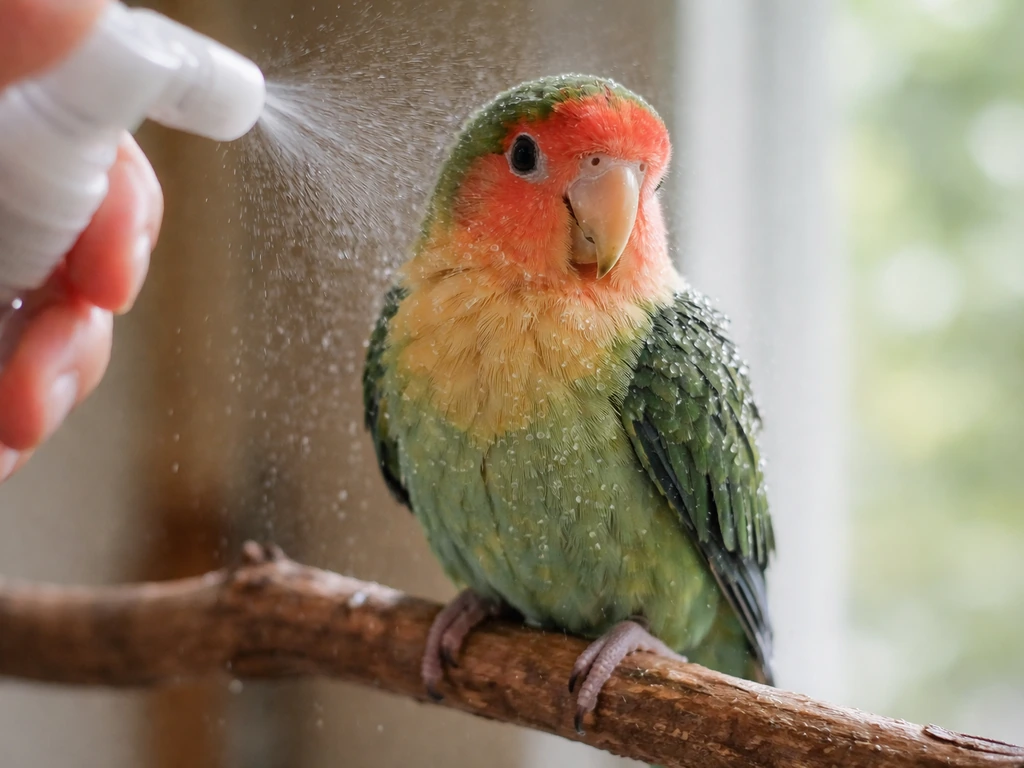
Most parrots benefit from regular bathing. A gentle misting with room-temperature water two to three times a week is a good starting point. Some birds prefer a shallow dish to splash in. Purdue's husbandry guidance notes that birds can air-dry in a warm, sunny room. If you use a hair dryer, keep it on the lowest heat setting and at least 12 inches away to prevent burns. The CDC recommends washing your hands before and after handling birds and keeping food dishes, water bowls, and cage accessories clean and separate from household dishware.
Nail trimming is needed periodically, usually every 6 to 8 weeks depending on the bird and perch surfaces. If you're not confident doing this yourself, ask your avian vet to show you the technique. Beak trimming should almost never be needed in a healthy bird with appropriate perches and foraging toys. If the beak looks overgrown or misshapen, that usually signals an underlying health problem, not just a grooming need.
Enrichment and mental health
Boredom is a genuine welfare problem for parrots. Rotate toys regularly, offer foraging opportunities (hiding food in paper cups or wrapped in leaves), and teach simple behaviors using positive reinforcement. Caring for a cockatiel involves very similar enrichment principles, since cockatiels and parakeets share comparable cognitive and social needs. The goal is to give the bird things to do during the hours you aren't directly interacting with it.
Health watch: common symptoms and at-home triage
Birds hide illness instinctively because showing weakness in the wild attracts predators. By the time a pet parrot looks visibly unwell, the problem is often already serious. Watch for subtle changes first.
The Merck Veterinary Manual lists fluffed-up feathers as one of the clearest visible illness signs in pet birds. VCA Animal Hospitals adds open-mouth or labored breathing, drooping wings, and changes in droppings as key indicators. The World Parrot Trust's companion parrot illness reference is designed specifically to help owners recognize when something is wrong and decide whether to call a vet now.
| What You See | What It May Mean | What to Do |
|---|---|---|
| Fluffed feathers, hunched posture | Illness, infection, or temperature stress | Warm the bird, call vet same day |
| Open-mouth breathing, tail bobbing | Respiratory distress | Emergency vet visit, do not wait |
| Drooping one or both wings | Injury or neurological issue | Contain gently, vet immediately |
| Watery, discolored, or absent droppings | Infection, dietary issue, or organ problem | Monitor closely, vet within 24 hours |
| Not eating or drinking for 24+ hours | Illness or extreme stress | Vet evaluation needed |
| Bleeding from any location | Injury (broken blood feather, wound) | Gentle pressure, emergency vet |
| Seizure or inability to perch/stand | Toxin exposure, neurological event | Emergency vet immediately |
At home, supportive care while you arrange veterinary transport means keeping the bird warm, dark, and quiet. The Merck Veterinary Manual's supportive care guidance for sick birds emphasizes minimal activity, heat support to conserve body temperature, and in some respiratory cases, slightly raised humidity can ease breathing. A bathroom with a warm shower running nearby (not direct steam) can provide gentle humidity. But this is a holding measure only, not a treatment.
Household toxins are a major and underappreciated threat. The World Parrot Trust's household poisons list for parrots includes non-stick cookware fumes (PTFE/Teflon), scented candles, incense, aerosol sprays, air fresheners, and common cleaning chemicals. If you use any of these in your home, ventilate the room well before letting the bird out and never use them in the same room as a bird. Lovebird care involves the same toxin-awareness practices, since lovebirds are equally sensitive to airborne chemicals as other small parrots.
When to call an avian vet or wildlife rehab (and how to get help fast)
Some situations are beyond home management and waiting will cost the bird its life. Call an avian vet or wildlife rehabilitator immediately if you see any of the following: open-mouth breathing, bleeding that won't stop, seizures, inability to stand or perch, suspected toxin exposure, or a bird that is completely unresponsive to its surroundings.
For a found wild bird that appears sick or orphaned, contact a licensed wildlife rehabilitator rather than trying to care for it yourself. Wildlife rehab requires permits, specialized knowledge, and species-appropriate protocols. The AAV emergency first aid guidance for companion birds is clear that some signs (respiratory distress, toxin ingestion, severe injury) require professional assessment before any home intervention beyond basic containment.
To find help quickly: search the Association of Avian Veterinarians (AAV) member directory online, or call your nearest wildlife rehabilitation center. In the US, the National Wildlife Rehabilitators Association (NWRA) has a locator tool. If you can't find a specialist, an emergency general-practice vet is better than waiting. When you call, describe the species if you know it, the symptoms, and how long they have been present.
Before the appointment, do not try to force-feed the bird or give it water. Audubon's guidance on helping injured birds reinforces this: keep the bird warm, dark, and contained, and transport it as calmly as possible. Talking to the bird in a soothing voice during transport is fine and may reduce stress.
If you're new to keeping birds in general and want a broader foundation before diving deeper into species-specific care, the principles behind how to care for a bird apply across almost all companion species and are a good complement to the parrot-specific guidance here. And if you also keep or are considering other small birds, resources on caring for a canary and day-to-day maya bird care follow the same core logic of stable housing, clean food and water, and consistent observation for health changes.
The most important habit you can build is daily observation. Spend two minutes every morning watching your bird before you interact with it. Posture, breathing, droppings, and appetite tell you most of what you need to know. When something changes, you catch it early. That window of early intervention is often the difference between a quick recovery and a serious crisis.
FAQ
What’s the safest way to introduce my parrot bird to a new home without stressing it out?
Keep the bird in a quiet, dimmer room for the first day, avoid frequent cage repositioning, and limit handling to short step-up sessions. Let it settle before changing any diet, toys, or the sleep schedule, since sudden changes can trigger reduced appetite and breathing changes.
How do I handle a parrot bird that won’t eat pellets after I switch foods?
Don’t do an abrupt swap. Start by mixing a small amount of pellets into the usual food, then increase pellets gradually over 1 to 2 weeks. Remove the old food after the transition period, and track whether the bird accepts vegetables offered at the same time each day.
Are seeds ever okay for parrot birds, or do they always cause health issues?
Seeds can be used as a minor portion, especially for training, but they should not replace pellets. If your bird has been on an all-seed diet for a long time, the transition should be slower, because sudden dietary changes can reduce appetite and lead to rapid weight loss.
How can I tell if my parrot bird is too cold or too hot?
Cold stress often shows up as low activity, puffed feathers outside of normal resting, and reluctance to move. Overheating may cause panting, sitting away from the warmest area, or very restless behavior. Adjust room conditions gradually and prioritize keeping the bird out of drafts and direct sun.
What should I do if my parrot bird’s droppings change suddenly?
Do a quick check for other signs like fluffed posture, appetite drop, and breathing effort. If the change is accompanied by vomiting, open-mouth breathing, or clear weakness, treat it as urgent and contact an avian vet rather than waiting it out.
Can I let my parrot bird free-fly around the house?
If you do, prepare the room first, remove non-stick cookware and any aerosol products, cover mirrors or reflective surfaces that can trigger collisions, and block access to ceiling fans, open toilets, and unsafe plants. Use consistent out-of-cage time only after the bird is calm and fully accustomed to your routine.
How do I safely bathe a parrot bird if it hates misting?
Offer a shallow dish with room-temperature water instead of misting, and keep it in a warm, draft-free area. Start with shorter exposure sessions, and stop if you see shaking that does not settle quickly after the bath. Never use hot or high-heat drying methods.
Should I trim nails myself, and what’s the biggest mistake to avoid?
If you are unsure, have an avian vet or experienced groomer show you once. The main risk with DIY trimming is cutting too close to the quick, which causes significant bleeding and fear, leading to harder handling later. Use a bird-safe approach, short sessions, and calm restraint.
Is it normal for my parrot bird to sleep a lot or get sleepy during the day?
Sometimes it’s normal during weather changes or after you introduce new routines, but persistent daytime lethargy or continued puffing outside of sleep hours is a red flag. Confirm you are providing the intended dark period and then look for breathing and appetite changes.
How should I clean cages and food dishes to reduce infection without harming the bird?
Use hot water and bird-safe cleaning practices, then rinse thoroughly so no chemical residue remains. Avoid cleaning products with strong fumes around the bird, and consider separating cage-tool cleaning from household dishware cleaning to prevent accidental cross-contamination.
What do I do if I suspect my parrot bird was exposed to fumes but it seems “okay” right now?
Treat it as urgent anyway. Move the bird to fresh air immediately, keep it warm and calm, and call an avian vet for guidance even if symptoms haven’t escalated, since respiratory injury can worsen over time.
My parrot bird is suddenly aggressive when I approach. Could it be pain or illness?
Yes. Sudden behavior changes can be caused by discomfort, injury, or illness even if there are no obvious outward symptoms. Reassess posture, breathing, appetite, and droppings, and consider an avian vet visit if the change lasts more than a day or two.
When should I call an avian vet immediately versus trying supportive care at home?
Call immediately if you see open-mouth breathing, seizures, inability to perch or stand, bleeding that will not stop, toxin exposure, or complete unresponsiveness. Supportive care is for keeping the bird warm, dark, and quiet while transport is arranged, not for delaying diagnosis.
Next Article
How to Care for a Cockatiel Bird: Daily Guide
Daily cockatiel care guide: setup, diet, enrichment, stress and illness signs, and quick humane first aid.