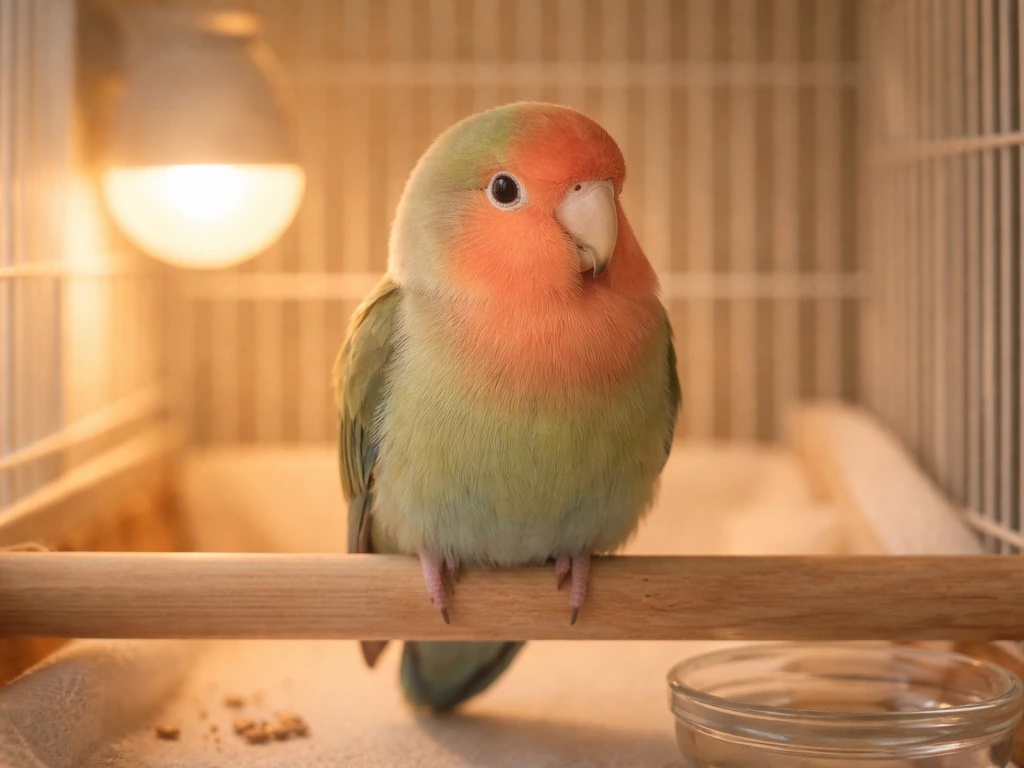
Caring for a canary comes down to a few non-negotiable basics: the right cage setup, a consistent diet, daily water changes, and knowing what "off" behavior looks like before it becomes a crisis. Whether you just brought a canary home or you're suddenly dealing with a bird that seems sick or injured, this guide walks you through everything you need to do today, in the right order.
How to Care for a Canary Bird Step by Step Guide
Marcus Holloway
8 Apr 2026
Setting up a canary's home
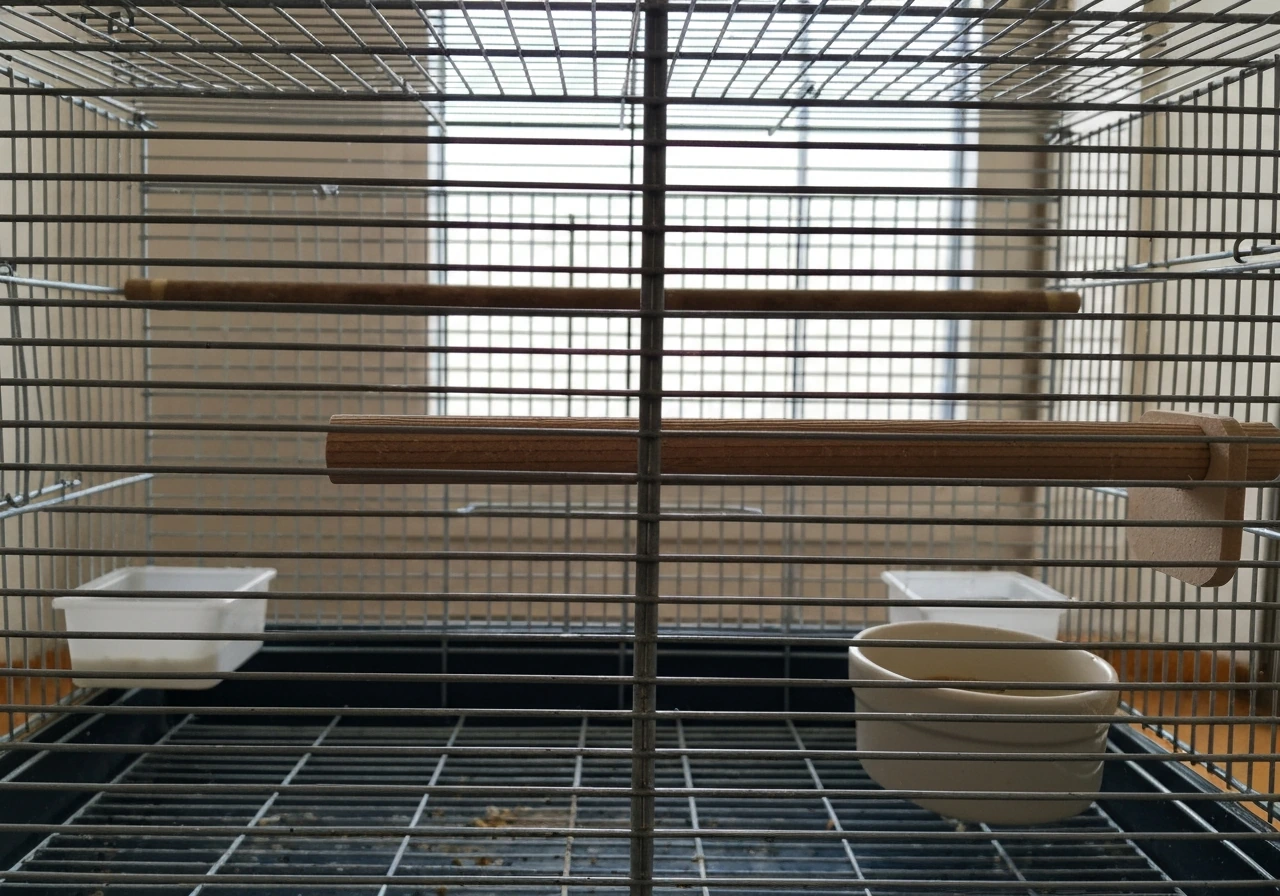
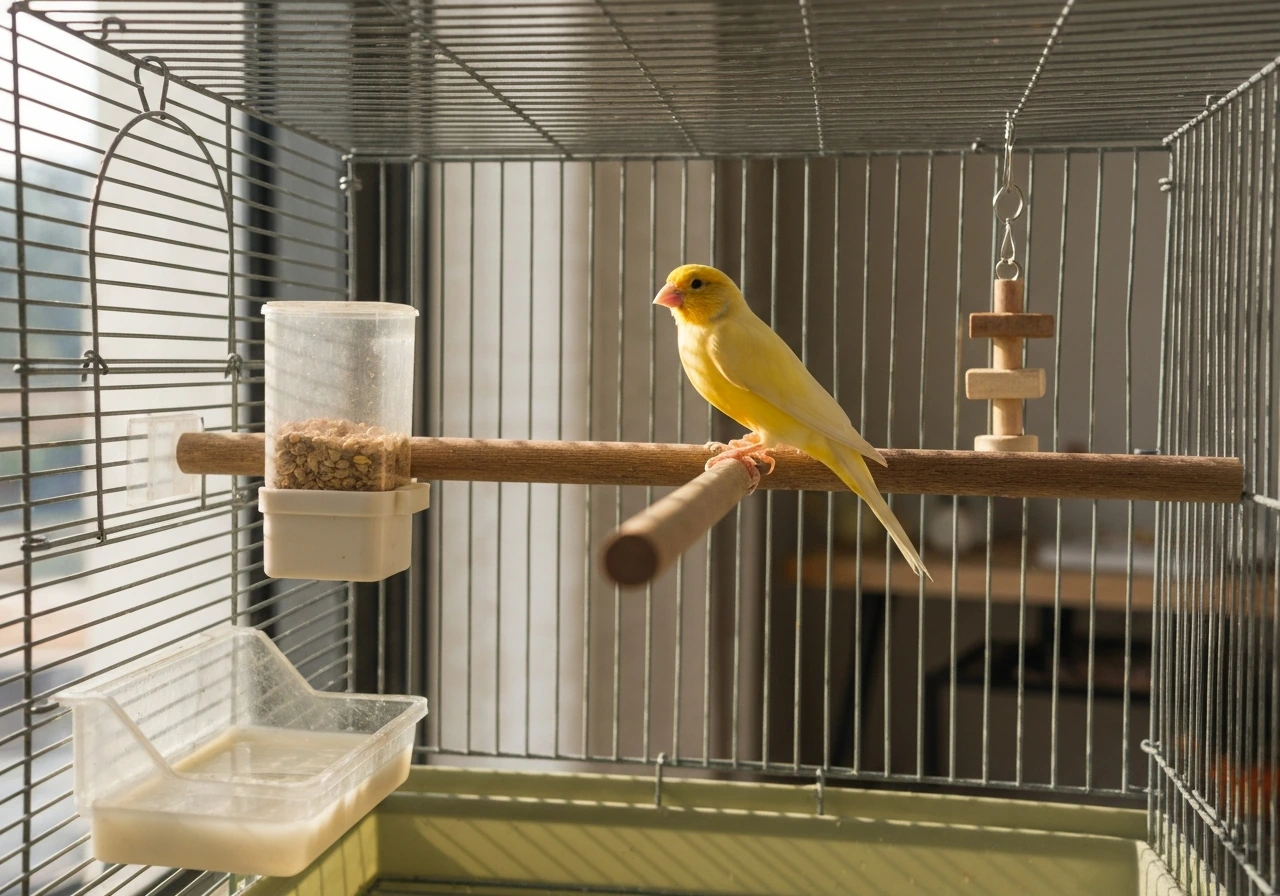
Start with the cage. A good working size is at least 20 × 20 × 30 inches, and bar spacing should not exceed 0.5 inches. Wider bars are a real hazard because a canary's head can get stuck, or it can squeeze through entirely. Horizontal bars on at least two sides are worth looking for since canaries like to climb.
Perches matter more than most people think. Aim for perches between 3/8 and 3/4 inches in diameter so the bird's foot wraps around comfortably without overstretching. Use natural wood perches of varying diameters rather than concrete or sandpaper-covered perches, which can abrade the feet and lead to sores. Set up two or three perches at different heights, but leave most of the cage open so the bird can actually fly between them.
Place the cage in a room where the family spends time, but not directly in a busy traffic path. Canaries do well with social presence but need a sense of security. Avoid putting the cage near a kitchen (cooking fumes are a real danger), in a drafty spot, or in direct sun for hours at a time. One wall of the cage against a wall gives the bird a sense of security.
Temperature should stay between roughly 65 and 75°F. Canaries can handle mild fluctuations, but avoid anything below 50°F or above 85°F, and never let the temperature swing dramatically overnight. Cover part of the cage at night with a breathable cloth to block drafts and dim the environment.
Lighting is something a lot of owners skip, and they shouldn't. Canaries need 10 to 12 hours of full-spectrum UV light every day to support their immune system, calcium metabolism, and overall mood. A dedicated full-spectrum UV light designed for birds, placed near (not directly inside) the cage and run on a timer, handles this reliably if natural window light isn't consistent.
Feeding and hydration
A canary needs roughly 1 to 2 teaspoons of food per bird per day. The best approach is a base of quality pelleted diet mixed with a small amount of seed, rather than a pure seed diet, which is too high in fat and nutritionally incomplete. Think of seeds as a supplement, not a staple.
Fruits, vegetables, and leafy greens should make up about 20 to 25 percent of the daily diet. Safe options include bell peppers, leafy greens, carrots, squash, sweet potatoes, green beans, apples, melon, grapes, kiwi, banana, papaya, and mango. Offer fresh produce in the morning and remove anything uneaten within a few hours so it doesn't spoil. This kind of varied diet is consistent with general bird care principles that apply across most pet species.
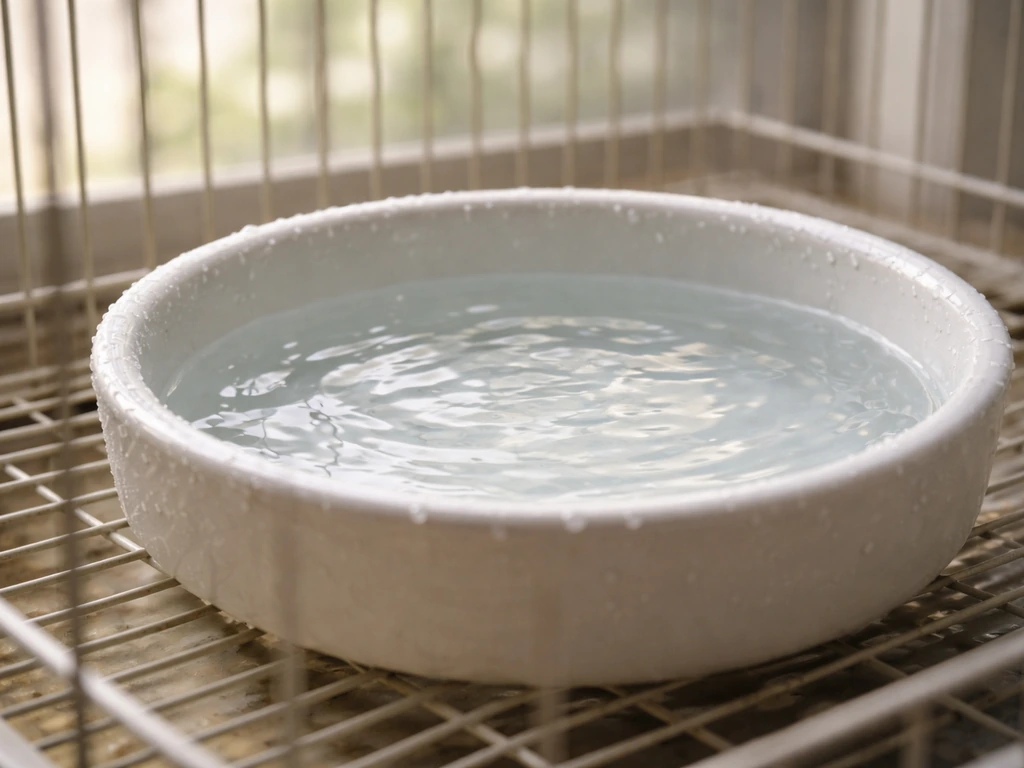
Water is simple but critically important. Change the drinking water every single day, even if it still looks clean. Bacteria build up quickly in a water dish at room temperature, and a canary drinks often. Use a separate, clean bowl of lukewarm water for bathing so the drinking water doesn't become a bath.
Anything that holds water, including the drinking dish and the bath bowl, needs to be washed daily. Residue and biofilm accumulate fast, and a dirty water dish is one of the most common sources of low-grade illness in canaries.
Daily care and enrichment
Canaries are not typically hands-on birds. Unlike parrots, most canaries don't enjoy being held or stroked, and forcing interaction stresses them. Your daily presence near the cage, talking softly or playing gentle music, is genuinely enriching for them without being intrusive. If your canary is singing, that's one of the clearest signals it's comfortable and healthy.
Bathing should happen once a day. Offer a shallow bath bowl with about an inch of lukewarm water in the morning, or use a fine-mist sprayer. Most canaries will eagerly hop in on their own. Remove the bath bowl after 30 to 60 minutes so the cage floor doesn't stay damp. This daily habit supports feather condition and mental well-being.
Sleep matters. Canaries need 10 to 12 hours of darkness and quiet per night. A disrupted sleep schedule leads to chronic stress, which weakens immunity and often suppresses singing in males. Keep the evening routine consistent: dim the lights, cover the cage partway, and avoid loud activity nearby.
For enrichment, add a few simple bird-safe toys (swings, small mirrors, foraging toys) without overcrowding the cage. Rotate them weekly to maintain interest. If you're curious how canary enrichment compares to other small birds, the approach is similar to caring for a maya bird, where mental stimulation through toys and routine is just as important as diet.
Daily cage maintenance means removing droppings and uneaten food every morning. Do a thorough clean of the entire cage, including perches and the cage bottom, at least once a week. Fresh cage liner paper makes spotting dropping changes much easier, which matters a lot for health monitoring.
Spotting stress and common health problems
Canaries hide illness well. By the time a bird looks obviously sick, it's often been unwell for a while. That's why daily observation is the most valuable health tool you have. You're looking for changes from that individual bird's baseline, not just textbook symptoms.
Here are the signs that tell you something is wrong and you need to act:
- Fluffed or ruffled feathers while sitting still, especially with eyes closed (not just after a bath)
- Sitting on the cage floor or unable to perch
- Open-mouth breathing or breathing with the tail bobbing rhythmically with each breath
- Noisy, wheezy, or labored breathing
- Sudden silence in a bird that normally sings
- Changes in droppings: red, yellow, tarry black, pale, or very watery droppings instead of the normal dark green/white combination
- Significant drop in food or water intake
- Swelling around the eyes or face, or discharge from the eyes/nostrils
- Bleeding from any feather or wound
Respiratory signs are the most urgent. Open-mouth breathing and tail bobbing at rest are red-flag symptoms that can indicate respiratory infection, mite infestation, or toxic fume exposure. These are not wait-and-see situations. Canaries are also extremely sensitive to airborne toxins, meaning that anything unusual in the environment, like a recently used nonstick pan, should be considered when a bird suddenly shows breathing trouble.
Cornell notes that PTFE, also known as Teflon, is highly toxic to birds when inhaled and can cause respiratory distress and death airborne toxins.
If you want to understand how respiratory distress patterns differ across small birds, it helps to compare notes with guides like this one on cockatiel care and health monitoring, since many warning signs overlap.
Immediate humane first aid at home
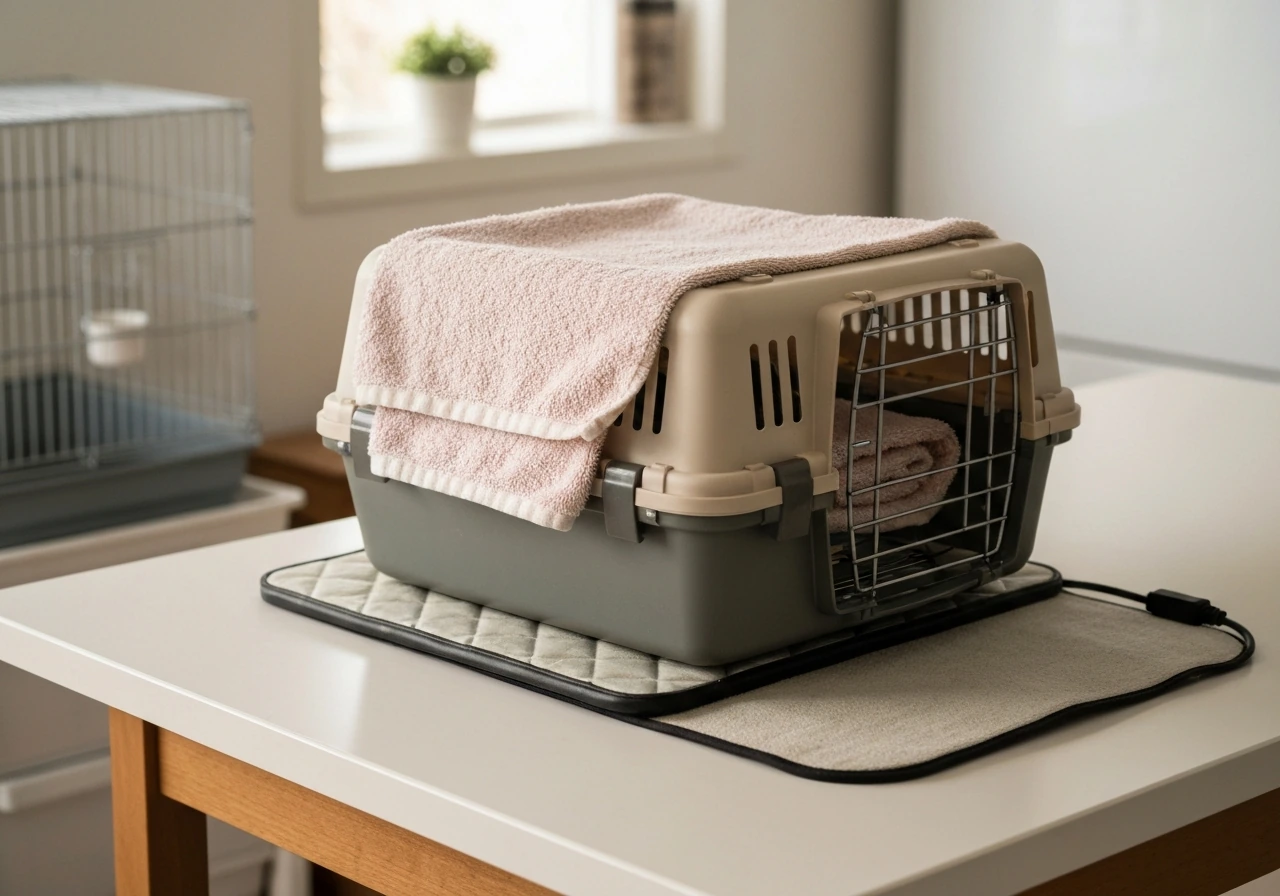
If your canary is showing distress signs, the first priority is warmth, quiet, and reduced stress. Sick birds lose body heat quickly, and because a bird's blank" rel="noopener noreferrer">normal body temperature runs between 103 and 106°F, even mild chilling makes things worse fast.
Move the bird to a small, secure carrier or box lined with a soft towel. Place a heating pad set to low under only half of the enclosure, not the whole bottom. This creates a warm side and a cooler side so the bird can self-regulate. Cover the carrier loosely with a light cloth to dim the environment and reduce stimulation. Do not use a heat lamp directly over the bird, as overheating is just as dangerous as chilling.
Keep the space quiet. Turn off loud music, keep other pets away, and minimize foot traffic near the bird. Stress hormones accelerate decline in sick birds. Less handling is better here: place the bird gently and leave it alone rather than repeatedly checking on it or trying to interact.
Do not try to force food or water into a bird that's in distress. If it's conscious and stable, place a shallow water dish and soft food within easy reach, but don't push it. Forcing fluids or food into a compromised bird can cause aspiration, which can be fatal. The goal of first aid at home is stabilization while you arrange veterinary care, not treatment.
If you believe the bird was exposed to toxic fumes (from overheated nonstick cookware, a self-cleaning oven, an air fryer, or any burning chemical), move it to fresh air immediately, keep it warm and calm, and contact a vet right away. Fume exposure is time-critical.
When and how to get professional help
Contact an avian vet or wildlife rehabilitator immediately if you see any of the following:
- Open-mouth breathing or tail bobbing with each breath
- Wheezing, clicking, or any abnormal breathing sound
- Bird is lying on the cage floor and cannot or will not perch
- Seizures or loss of coordination
- Bleeding that doesn't stop within a couple of minutes
- Broken bone or wound with exposed tissue
- No droppings produced for more than 12 hours
- Suspected exposure to fumes from nonstick cookware, essential oil diffusers, or other chemical sources
When you call, be ready to describe: the bird's normal diet and any recent changes, when symptoms started, what the droppings look like, whether anything in the environment changed recently (new cleaning products, cookware, candles, or diffusers), and the bird's approximate weight if you know it. The more specific you can be, the faster the vet can triage. Keeping this information written down as part of a basic first-aid kit is a genuinely useful habit.
If you found an injured or stray canary rather than caring for your own pet, the process is the same: stabilize with warmth and quiet, then contact a licensed avian rehabilitator or avian vet as quickly as possible. Do not attempt to treat injuries yourself. The principles here apply broadly, whether you're dealing with a canary or getting to grips with parrot bird care in an emergency context, since the stabilization steps are consistent across pet birds.
Search for an avian vet specifically (not just a general small-animal vet), as they have species-appropriate diagnostic tools and treatments. The Association of Avian Veterinarians maintains a directory of certified avian vets. Wildlife rehabilitators licensed in your state can be found through your state's fish and wildlife agency or the National Wildlife Rehabilitators Association.
What not to do
Some of the most common canary care mistakes come from good intentions. Here's what to avoid:
- Do not feed avocado, onion, garlic, chocolate, caffeine, alcohol, or any heavily salted or processed food. These are toxic to canaries.
- Do not use nonstick (PTFE/Teflon) cookware in a kitchen near the bird. Overheating these surfaces releases fumes that can kill a bird within minutes.
- Do not use essential oil diffusers anywhere in the home where a canary lives. Inhaled essential oils are a documented toxicity risk for birds, even at concentrations that seem mild to humans.
- Do not use scented candles, aerosol sprays, or air fresheners near the bird.
- Do not overhandle a sick or stressed canary. Restraint raises the bird's heart rate and cortisol to dangerous levels.
- Do not try to give human medications, herbal remedies, or anything not prescribed by an avian vet.
- Do not delay veterinary care while trying home remedies. Canaries deteriorate quickly once symptoms are visible.
- Do not use a full heating pad under the entire carrier or place a heat lamp directly over the bird.
It's also worth knowing what not to do with the cage itself. Avoid painting the cage with non-bird-safe paints, using galvanized wire that can cause zinc poisoning, or placing the cage in a room with high traffic from other pets. Canaries are prey animals and a cat or dog pacing nearby, even through the bars, is a significant and ongoing stressor.
Feeding routines are another area where mistakes creep in. The dietary principles for canaries are broadly similar to those covered in guides on how to feed a maya bird, particularly around the importance of fresh produce and the risks of an all-seed diet. Avoid the temptation to load up on seeds just because the bird prefers them: a high-seed diet leads to fatty liver disease over time.
Your daily and weekly care checklist
Canary care is mostly about consistency. Here's a quick reference you can actually use:
| Task | Frequency |
|---|---|
| Change drinking water | Daily |
| Wash water dish and bath bowl | Daily |
| Offer fresh produce and check food levels | Daily |
| Provide bath water (lukewarm, shallow) | Daily |
| Remove uneaten food and spot-clean cage liner | Daily |
| Observe droppings, behavior, and breathing | Daily |
| Run full-spectrum UV light for 10–12 hours | Daily |
| Full cage cleaning (perches, bars, floor) | Weekly |
| Rotate toys and enrichment items | Weekly |
| Weigh the bird (baseline and monitoring) | Weekly or biweekly |
Weighing your canary weekly with a small gram scale gives you an early warning system. A loss of even a few grams can signal illness days before other symptoms appear. Keep a simple log. It takes thirty seconds and is one of the most practical things you can do for a small bird's long-term health. If you care for more than one type of small bird, you'll find that this same monitoring approach is recommended in detailed guides like the one on lovebird care, where weight tracking is equally emphasized.
FAQ
How can I tell whether my canary is molting versus being sick?
Molting usually comes with steady, gradual feather loss and no change in breathing. Keep an eye on appetite, droppings consistency, and activity level, and watch for red flags like tail bobbing, open-mouth breathing, or sitting fluffed with low interest, which are not typical molting signs.
What’s the safest way to introduce a new food, like leafy greens or a fruit, without upsetting my canary?
Change one item at a time and start with a small portion offered earlier in the day. Remove leftovers quickly, and if droppings get loose or the bird becomes less active, pause that item and return to the prior base diet for 48 hours before trying again.
Can I use filtered or bottled water instead of plain tap water?
Yes, filtered water is fine if it is properly stored and changed daily. Avoid water that sits open for long periods, and make sure the dispenser or bottle area stays clean, since the key issue is biofilm buildup over time, not the water source.
Do canaries need vitamins or supplements if I already provide pellets and some produce?
In most cases, a high-quality pelleted base plus the stated produce portion reduces the need for extra supplements. If you do consider supplementation, confirm with an avian vet first, because over-supplementing (especially certain vitamins/minerals) can be harmful and can mask the real cause of a health problem.
How often should I clean the food and water bowls, and should I use soap?
Wash each bowl daily, then rinse thoroughly so no residue remains. Mild, unscented dish soap is generally acceptable if you rinse completely, since leftover soap film can irritate the bird’s system; never use harsh cleaners or scented products on bowls.
My canary isn’t singing, is that always a sign something is wrong?
Not always. Singing can vary by age, season, and stress level, and disrupted sleep can suppress it. If your bird is eating, breathing normally, and has steady droppings, first correct routine factors (darkness schedule, noise, temperature) and monitor closely for a change over a few days.
What should I do if my canary becomes quiet and fluffed but is still breathing normally?
Start by stabilizing the environment, keep warmth and quiet, and avoid handling. Offer easy access to water and soft food without forcing anything, and observe breathing, posture, and droppings over the next 1 to 2 hours; if fluffed posture persists or any breathing abnormality appears, contact an avian vet urgently.
Are mirrors safe enrichment, and how do I prevent them from stressing the bird?
Mirrors can be safe, but prolonged exposure may increase territorial behavior in some canaries. Use them briefly or monitor daily at first, remove the mirror if the bird shows frantic behavior or won’t settle, and rotate to foraging toys to reduce fixation.
Can I place the cage near a window if it gets sunlight during part of the day?
Be cautious. Window light can be helpful, but direct sun can cause overheating and uneven temperature swings. Position the cage so only indirect light reaches it, and always ensure the bird has shade and an escape route away from the warmest area.
What’s the best way to transport a canary to an avian vet or emergency clinic?
Use a secure carrier lined with a towel, keep it darkened with a light cloth to reduce stimulation, and avoid placing a heat lamp directly above the bird. Keep the carrier in a stable, draft-free area during travel, and bring a note of recent diet changes, symptom start time, and any toxin exposures you suspect.
How should I set up perches to reduce foot problems over time?
Use natural wood perches with varying diameters and avoid sandpaper or abrasive surfaces. If you notice rubbing, redness, or overgrown nails, adjust perch diameters and add a different height and thickness option rather than changing to a harsher surface, and consult an avian vet if sores appear.
If my canary is injured, can I wrap it in a towel or hold it to move it faster?
You can gently move a canary to warmth and quiet, but avoid restraining it tightly or repeatedly. For injuries, the priority is a stress-minimized transfer to a small carrier for stabilization and prompt professional care, because forcing movement can worsen bleeding or breathing issues.
Next Article
How to Take Care of a Lovebird: Daily Care and Emergency Help
Step by step lovebird care routine plus emergency triage for sick or injured birds, with safe warming and vet guidance.