If you have a mynah bird in front of you right now, the most important things to do immediately are: keep it warm, keep it quiet, and resist the urge to feed or water it until you know what you're dealing with. Whether you found an injured wild mynah or you're caring for one as a pet, the first hours matter most for reducing stress and preventing further harm.
How to Take Care of a Mynah Bird: Step-by-Step Guide
Marcus Holloway
22 May 2026
Quick assessment: what's going on with this bird?
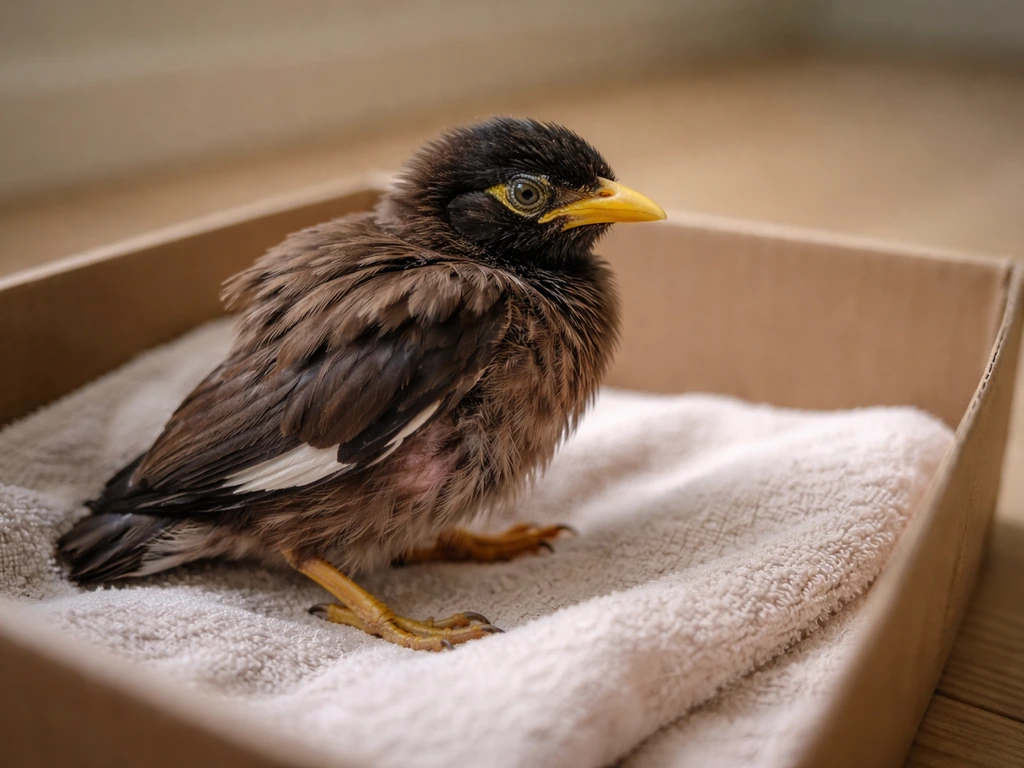
Before you do anything else, take 60 seconds to observe the bird without touching it. You want to figure out whether you're dealing with an injured adult, a sick adult, or an orphaned chick, because each situation calls for a slightly different response.
- Featherless or barely feathered with eyes closed: This is a nestling that fell or was pushed from the nest. It needs a licensed wildlife rehabilitator as soon as possible.
- Has feathers but can't fly or is flopping around on the ground: Could be a fledgling (normal stage) or an injured bird. Look for visible wounds, blood, or a drooping wing.
- Adult bird sitting still and letting you approach: Mynahs are social but not typically tame in the wild. An adult that allows close approach is likely sick or injured.
- Pet mynah acting lethargic, fluffed, or not eating: This is a health concern that needs same-day attention from an avian vet.
If the bird is a fledgling (has most of its feathers, hopping around, eyes open), look around for the parents before intervening. Many fledglings look 'abandoned' but parents are still feeding them from nearby. Leave it alone for an hour and watch from a distance. If parents don't return, or if the bird is visibly injured, it's time to step in.
If the bird is clearly hurt, featherless, or in immediate danger from cats, traffic, or weather, gently pick it up using a light cloth or towel to protect both of you, and move on to containment.
Safe containment, warmth, and keeping stress low
A stressed bird can die from shock alone, so your biggest job in the first hour is to reduce stimulation. Darkness is calming. Warmth is critical. Silence is protective.
Grab a shoebox or similar small cardboard box. Line the bottom with a soft cloth or paper towels so the bird has traction and something to grip. Poke several small holes in the lid and sides for ventilation, then close it. Place the box somewhere quiet and away from kids, pets, noise, and bright light.
Birds have a body temperature around 103 to 106°F, and a sick or injured bird loses heat fast. You want the enclosure to be around 85°F. You can achieve this by placing a warm water bottle (not hot) wrapped in a towel under one half of the box. Leave the other half unheated so the bird can move away from the heat if it gets too warm. Do not use heating pads directly, as they can burn.
Keep the box away from drafts, air conditioning vents, and direct sun. The goal is a stable, gentle warmth in a dark, quiet corner. Check on the bird as infrequently as possible. Every time you open that box, you're adding stress.
If you're caring for a pet mynah that's unwell, the same logic applies. AWARE advises transporting rescue animals to a rehabilitator as soon as possible and providing interim care in a quiet, dark, warm, dry carrier. Move its cage to a quiet room, dim the lights, and reduce handling until you can get it to a vet.
Feeding and hydration: what mynahs need and what to avoid
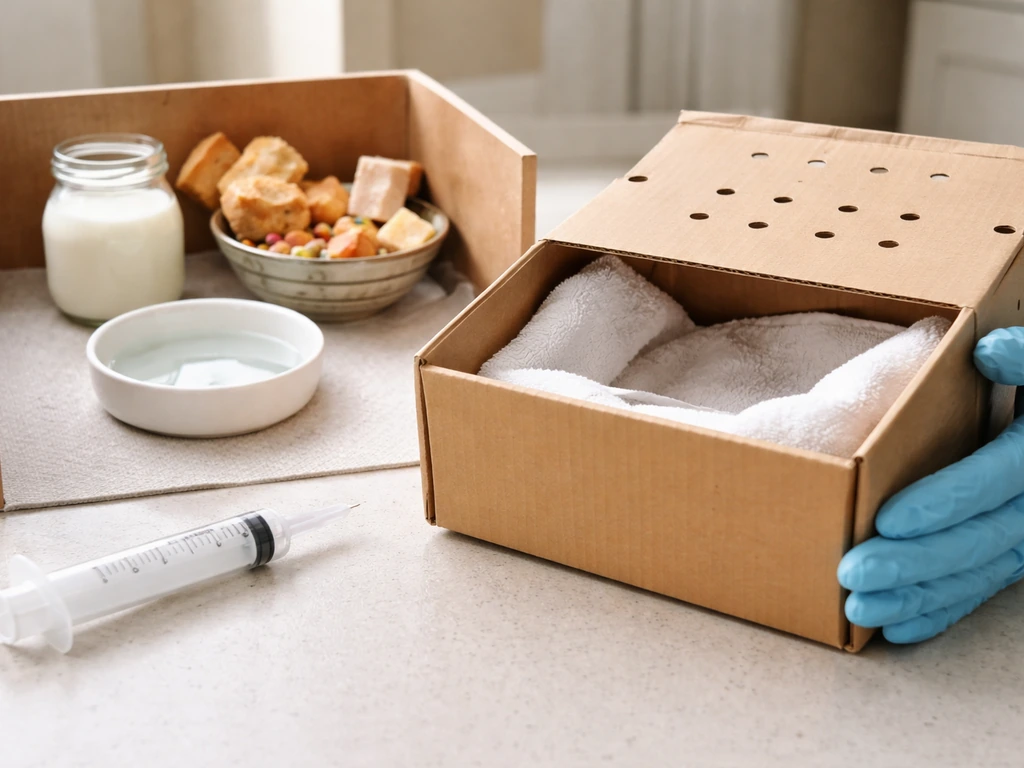
For rescued or injured birds: hold off on feeding
This is the part that surprises most people. For any injured, orphaned, or found wild mynah, do not feed or give water until you've spoken with a wildlife rehabilitator or avian vet. Forced feeding or watering can cause aspiration (fluid in the lungs), make injuries worse, and even kill a bird that might otherwise survive. Most birds can safely go 24 hours without food or water while you arrange proper help.
The only exception is a stable, alert adult bird in temporary care where a rehabilitator has given you specific instructions. Even then, follow those instructions exactly.
For pet mynahs: the low-iron diet is non-negotiable
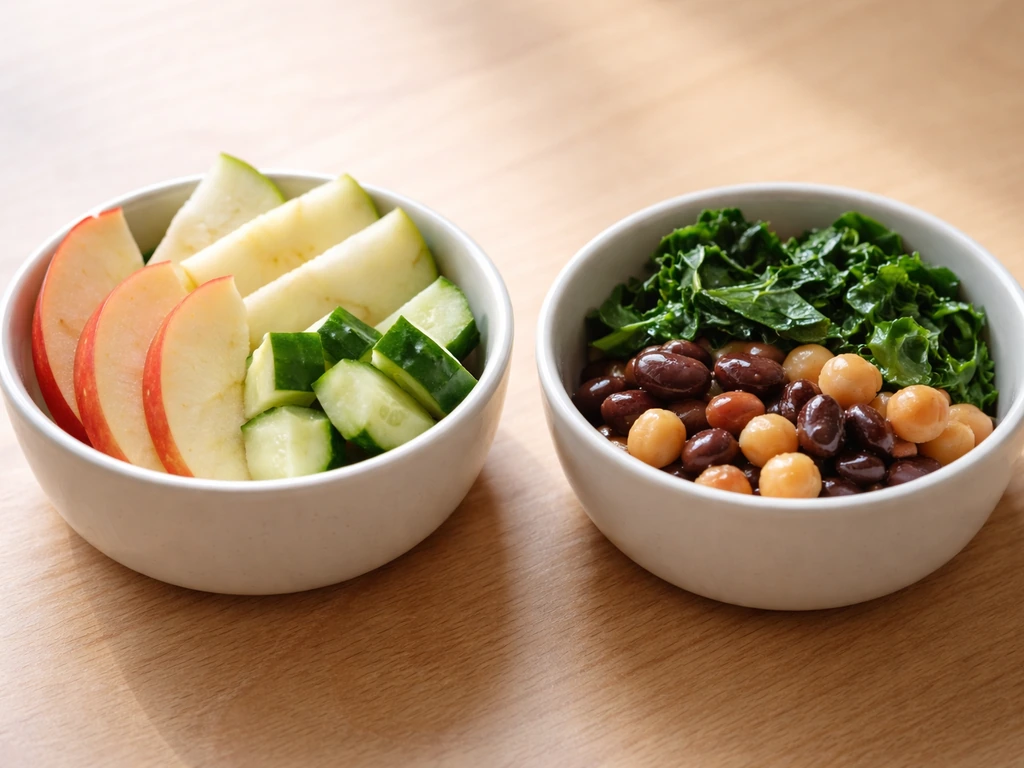
Mynahs are extremely prone to iron storage disease, one of the most common and serious conditions in captive mynahs. Their bodies absorb iron very efficiently, and too much iron in the diet accumulates in their organs and eventually becomes fatal. Because of this, their diet needs to be built around low-iron pellets specifically formulated for mynahs or other iron-sensitive birds, with dietary iron kept below 100 ppm.
Fruit makes up the other major component of the mynah diet. Offer a variety of fruits like papaya, mango, blueberries, melon, and grapes. However, you need to avoid fruits that are high in vitamin C, including oranges, kiwi, strawberries, and tomatoes. This is counterintuitive because vitamin C sounds healthy, but in mynahs it actually increases iron absorption in the gut, which raises the risk of iron storage disease significantly. Merck Veterinary Manual notes that in captivity mynahs are generally fed a low-iron pelleted diet along with fruit, and that fruits high in vitamin C should be avoided because vitamin C facilitates iron absorption.
Insects like mealworms can be offered in small amounts, especially for younger birds, but dust them with calcium powder to prevent nutritional deficiencies. Avoid feeding dog food, canned cat food, or high-iron table foods, which are common well-meaning mistakes that cause long-term harm.
| Food Category | Safe to Offer | Avoid |
|---|---|---|
| Pellets | Low-iron mynah-specific pellets (<100 ppm iron) | Standard parrot pellets, seed mixes |
| Fruit | Papaya, mango, melon, blueberries, grapes | Oranges, kiwi, strawberries, tomatoes (high vitamin C) |
| Protein | Mealworms, crickets (calcium-dusted) | Dog food, cat food, processed meats |
| Vegetables | Small amounts of leafy greens | Foods high in vitamin A in excess |
| Water | Fresh clean water daily | Sugary drinks, flavored water |
Fresh water should be available at all times for a pet mynah. Change it at least once a day, and wash the water dish daily. Mynahs often dip food into their water, which dirties it quickly.
Housing setup and daily hygiene
For a bird in rescue or recovery, a lined box is fine short-term. For a pet mynah or a bird you're caring for longer than a day or two, you need a proper setup.
Mynahs need a cage that's spacious enough to move around freely. A minimum of 24 x 24 x 36 inches is a reasonable starting point for a single bird, but bigger is always better. Mynahs are active and curious, and a cramped cage causes behavioral stress quickly. Bar spacing should be no more than 3/4 inch to prevent injury or escape.
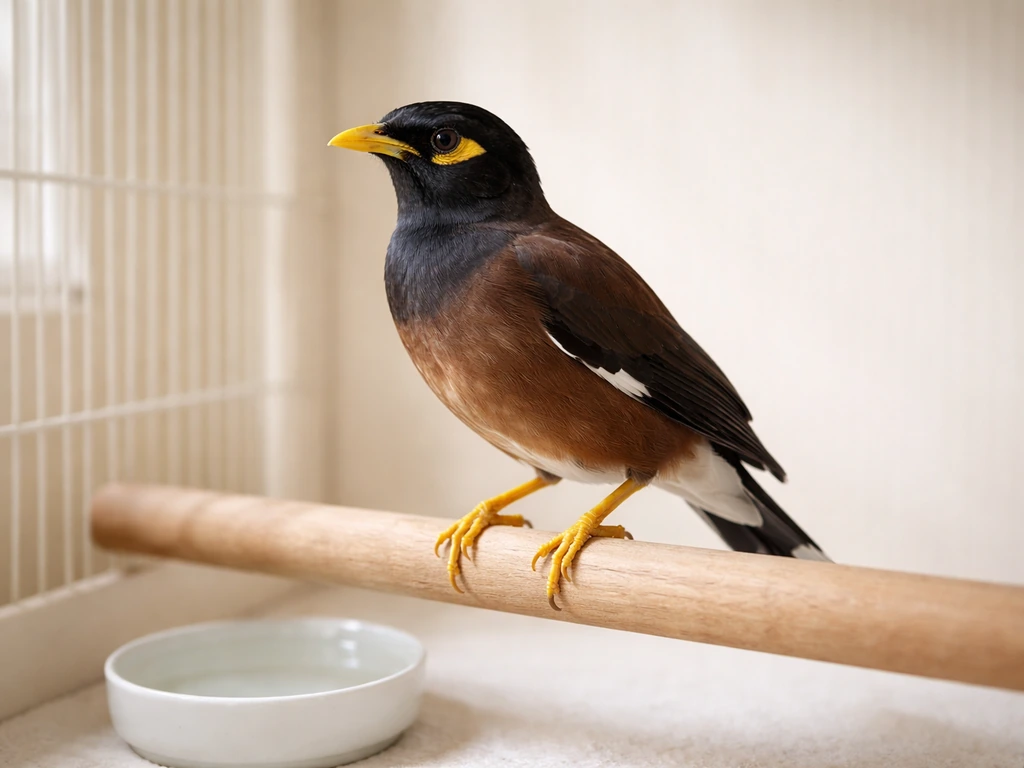
Provide natural wood perches of varying diameter to keep feet healthy. Avoid sandpaper perch covers, which can cause foot sores. Place perches at different heights, but don't put them directly above food or water dishes where droppings will land.
Hygiene is critical. Mynahs produce a lot of soft, wet droppings, which makes cage cleaning a daily task, not a weekly one. Spot-clean the cage floor daily. Do a full wash of the cage, perches, and dishes at least weekly using hot water and a bird-safe disinfectant. Rinse everything thoroughly before putting it back, since residue from cleaning products is toxic to birds.
Keep the cage in a well-ventilated room but away from kitchen fumes, candles, air fresheners, and non-stick cookware fumes, all of which are dangerous to birds. Room temperature between 65 and 80°F is comfortable for a healthy mynah.
Common health problems and what to watch for
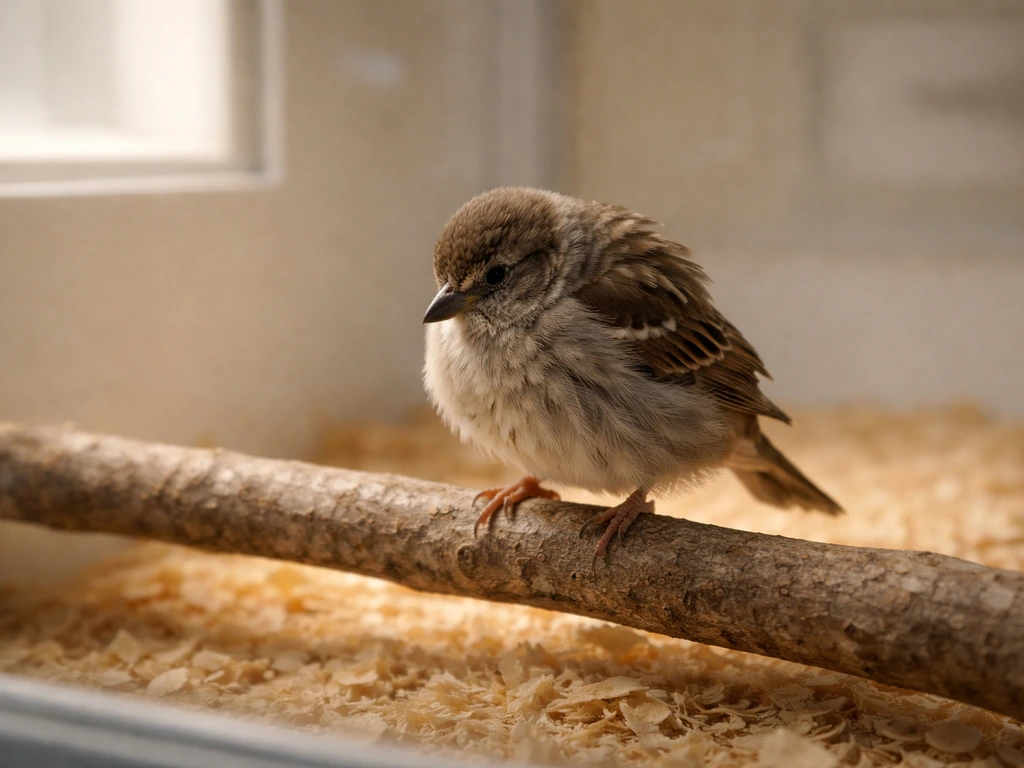
Mynahs can hide illness well, which is a survival instinct in the wild. By the time a bird looks obviously sick, it's often been unwell for a while. Knowing the early warning signs makes a real difference.
- Fluffed or ruffled feathers when the room isn't cold: This is often the first visible sign of illness. A bird fluffing up is trying to retain body heat, which means something's off.
- Changes in droppings: Healthy mynah droppings are dark green/brown with white urates. Watch for droppings that are red, tarry black, pale yellow, watery, or dramatically reduced in volume.
- Open-mouthed breathing or wheezing: Any respiratory distress is serious. If you see a bird breathing with its mouth open, bobbing its tail with each breath, or making clicking or wheezing sounds, treat it as urgent.
- Inability to perch or stand: A bird that can't grip a perch or keeps falling is in serious trouble. This needs veterinary attention immediately.
- Lethargy or unusual stillness: A bird that's hunched, barely moving, and not reacting to normal stimuli is not 'sleeping.' This is a red flag.
- Iron storage disease symptoms: Lethargy, weight loss, and swollen abdomen can indicate this condition in pet mynahs. It's slow to develop but fast to become fatal once advanced.
- Abnormal feathers or feather loss: Patchy feathers, broken shafts, or excessive feather loss (outside of molting) can point to nutritional deficiency, stress, or infection.
If you're caring for a pet mynah, get a baseline weight using a small kitchen scale in grams. Weigh the bird weekly. Gradual weight loss is one of the earliest reliable indicators that something is wrong before any other symptoms appear.
When to call an avian vet or wildlife rehabilitator
Some situations should not wait. If a bird shows any of the following, you need professional help today, not tomorrow.
- Gasping, open-mouthed breathing, or visible effort with each breath
- Bleeding that isn't stopping
- Visible broken bones, drooping wing, or leg dragging
- Seizures or loss of balance and coordination
- Complete inability to stand or perch
- Unconscious or unresponsive
- A featherless nestling with eyes closed
For wild mynahs, contact a licensed wildlife rehabilitator before you do anything else. In the U.S., you're legally allowed to pick up and transport a sick or injured migratory bird to a permitted rehabilitator or licensed veterinarian, but you cannot legally keep or treat it yourself without the proper permits. The intent of the law is exactly this: get the bird to someone qualified as quickly as possible.
To find a rehabilitator near you, contact your state's fish and wildlife agency or search through the National Wildlife Rehabilitators Association (NWRA) or the International Wildlife Rehabilitation Council (IWRC) directories. Many wildlife rehabilitators can give you phone guidance immediately while you're preparing transport.
For pet mynahs showing any of the urgent signs above, call an avian vet, not just any general vet. Avian vets have training specific to birds, and the difference in care quality is significant. If your regular vet doesn't see birds, ask for a referral or search the Association of Avian Veterinarians (AAV) directory online.
Longer-term care and what happens after stabilization
For rescued wild mynahs
If you've handed a wild mynah off to a licensed rehabilitator, your job is essentially done, and that's a good outcome. Rehabilitators are trained to assess injuries, provide appropriate nutrition, and prepare birds for release. The goal is always to return a wild bird to the wild. Release timelines vary depending on the injury, but rehabilitators work toward the point where the bird can fly well, forage independently, and survive on its own.
Do not plan to keep a wild mynah as a pet. Beyond the legal issue of needing permits to possess wild birds, a mynah that becomes too comfortable with humans loses the wariness it needs to survive. Rehabilitators deliberately minimize human contact during recovery for exactly this reason.
For pet mynahs in long-term care
Once a pet mynah is stable and eating well, consistent daily care is what keeps it healthy over the long term. If you want more pet bird care tips, focus on consistent warmth, gentle handling, and daily routines that reduce stress. Stick to the low-iron diet every day, not just occasionally. Mynahs are smart and social birds that need mental stimulation, so offer foraging toys, rotate enrichment items, and spend time interacting with the bird daily.
Schedule an annual wellness exam with an avian vet even if the bird seems healthy. Mynahs benefit from routine bloodwork that can catch iron storage disease and other metabolic issues before they become serious. This is genuinely one of the most important things you can do for a long-term pet mynah.
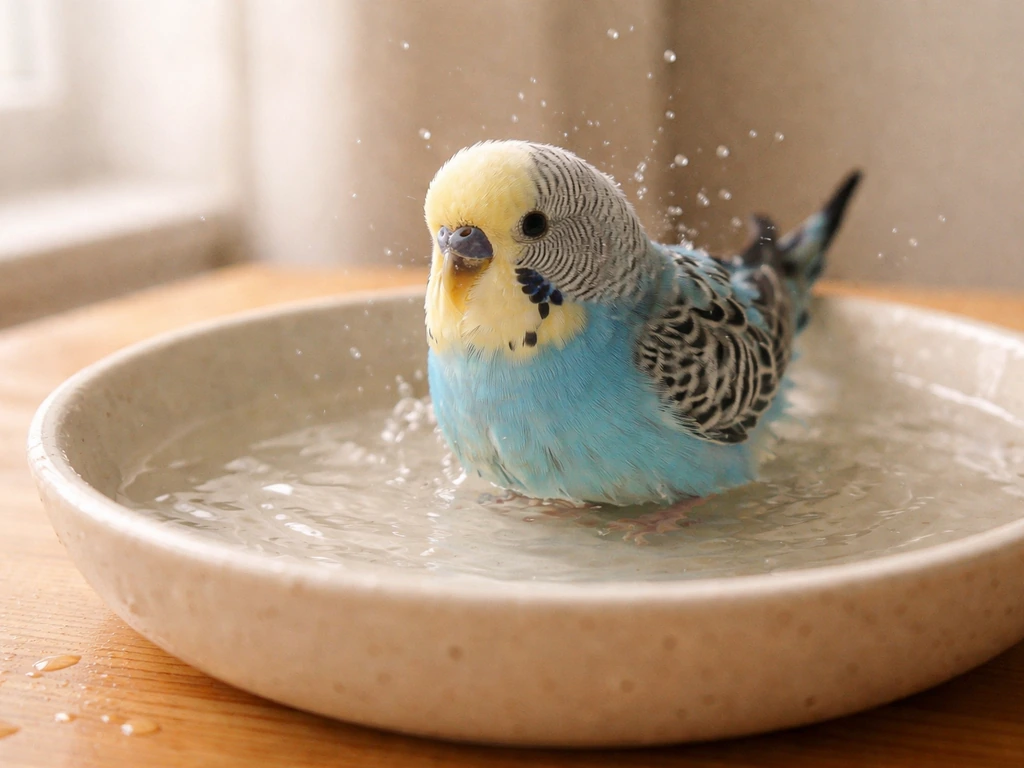
Bathing matters too. Mynahs enjoy a shallow dish of lukewarm water to splash around in, or a gentle misting with a spray bottle a few times a week. Bathing keeps feathers in good condition and gives the bird sensory enrichment. Always let the bird bathe in a warm room so it can dry off without getting chilled.
If you're transitioning a mynah from a temporary care setup (like a recovery box) to a permanent cage, do it gradually. Let the bird explore the new space without pressure, and make sure it can locate food, water, and perches easily. Introducing a mynah to a new environment when it's still recovering from illness or injury can set back progress, so wait until it's eating normally and alert before making big changes.
Caring for a mynah shares some overlap with caring for other softbills and passerines, and if you're managing multiple bird species, many of the same principles around warmth, stress reduction, and hygiene apply. how to care for a budgie bird. If you are also looking for help with bulbul birds, learn how to take care of bulbul bird so you can meet their needs safely.
If you want a broader checklist for a healthy pet bird routine, use these pet bird care tips to guide daily decisions. If you’re caring for a conure instead, the same basics of warmth, stress reduction, and proper setup apply, but the diet and daily care details are different, so it helps to review how to take care of a conure bird. Review how to take care of a conure bird so you can match the right diet, setup, and daily routines to your species.
If you're looking for specific guidance, focus on how to care for a finch bird by meeting their needs for the right diet, housing, and stress-free handling. The iron-sensitive diet is what makes mynahs genuinely distinct from most other pet birds, so keep that front of mind through every stage of care.
FAQ
How can I tell if a baby mynah is truly orphaned?
Look for feeding activity nearby and for warm, full crops in the chick when you check from a distance. If parents do not return within about 1 to 2 hours, or the chick is cold, unusually lethargic, or visibly injured, that suggests intervention is needed. Avoid keeping it warm and feeding it until you confirm it is orphaned, because the wrong action can be fatal.
What should I use to warm a mynah if I do not have a warm water bottle?
Use a warm water bottle or another safe heat source that can be wrapped so it never contacts the bird directly. If you improvise, never use hot items or microwaved pads, and always create a warm side plus a cooler side so the bird can move away. The enclosure target is around 85°F, and you should verify the temperature with a thermometer if possible.
Can I give mynahs seeds or “bird mix” instead of low-iron pellets?
It is risky. Seed mixes and many common pellets often have unpredictable iron levels, which can trigger iron storage disease over time. Stick to low-iron pellets formulated for mynahs or other iron-sensitive species, and if you are unsure of the iron content, consult an avian vet before switching.
Why is vitamin C restriction important even though it sounds healthy?
In mynahs, vitamin C can increase gut iron absorption. That means foods high in vitamin C can raise iron storage risk, even if the overall diet seems nutritious. If you want to vary fruit, prioritize options that are not high in vitamin C and keep a consistent low-iron base.
My pet mynah keeps dipping food into the water, is that okay?
It is normal behavior, but it makes the water dirty quickly. Change the water at least once per day, wash the dish daily, and consider offering food in a way that reduces spillage into the water dish. Dirty water can lead to digestive upset and secondary infections.
How do I reduce droppings mess without stressing the bird?
Do daily spot-cleaning of the cage floor and remove only soiled areas during the day. Reserve full cage washes for once per week, using hot water and a bird-safe disinfectant, and rinse thoroughly so no residue remains. Keeping cleaning brief reduces the bird’s time in a noisy, exposed state.
Can I use sandpaper perches or novelty rough perches?
Avoid them. Sandpaper-style or overly abrasive surfaces can cause foot sores, especially because mynahs are active and spend substantial time standing and shifting weight. Use natural wood perches of different diameters so the feet get healthy, varied pressure.
How often should I weigh a pet mynah, and what numbers matter?
Weigh the bird weekly using a small kitchen scale that measures grams. Focus on trend rather than a single weigh-in, because minor day-to-day fluctuations can happen. Gradual loss is a strong early warning sign, so contact an avian vet if the downward trend continues.
What emergency signs mean I should go to an avian vet immediately?
Treat any obvious breathing difficulty, severe lethargy, inability to perch, uncontrolled bleeding, or a bird that is too weak to eat as urgent. Do not wait for the next appointment, because mynahs can deteriorate quickly once symptoms begin. If in doubt, call an avian clinic for same-day triage.
Is it safe to handle a wild mynah once I move it to a box?
Minimize handling. The box method is intended to reduce stimulation and help the bird conserve energy and heat. If you must transport, keep handling brief and gentle, and avoid feeding or watering because stress plus aspiration risk can quickly become life-threatening.
How should I transition a mynah from recovery to its cage without setbacks?
Wait until it is eating normally and appears alert, then expand its environment gradually. Let it explore at its own pace and confirm it can easily locate food, water, and perches before you leave it to settle. Avoid introducing new diet items at the same time as major environmental changes.
Can I keep multiple mynahs together, and what’s the first risk to watch for?
If you plan on housing pairs or groups, monitor for bullying and resource guarding around food, water, and preferred perches. Provide enough cage space and multiple perching options at different heights so a weaker bird can escape. Aggression can be subtle at first, so check behavior daily during the initial weeks.
Next Article
How to Bathe a Budgie Bird Safely Step by Step
Step-by-step safe budgie bathing: when to bathe, how to mist or shallow-bathe, prevent chilling, dry properly, and red f