If your conure seems healthy, your daily job is straightforward: keep it warm (70–80°F), feed a pelleted diet with fresh vegetables, give it several hours of out-of-cage time, and watch its droppings and energy level every single day. Bulbuls have different needs than conures, but the same basics apply: provide a species-appropriate diet, clean water daily, and watch behavior closely so you can respond early if something seems off how to take care of bulbul bird. If the bird looks fluffed, is breathing with its mouth open, or can't perch, that's an emergency and you need an avian vet today, not tomorrow.
How to Take Care of a Conure Bird: Daily and Emergency Steps
Marcus Holloway
13 May 2026
Quick triage: is your conure healthy or in trouble?
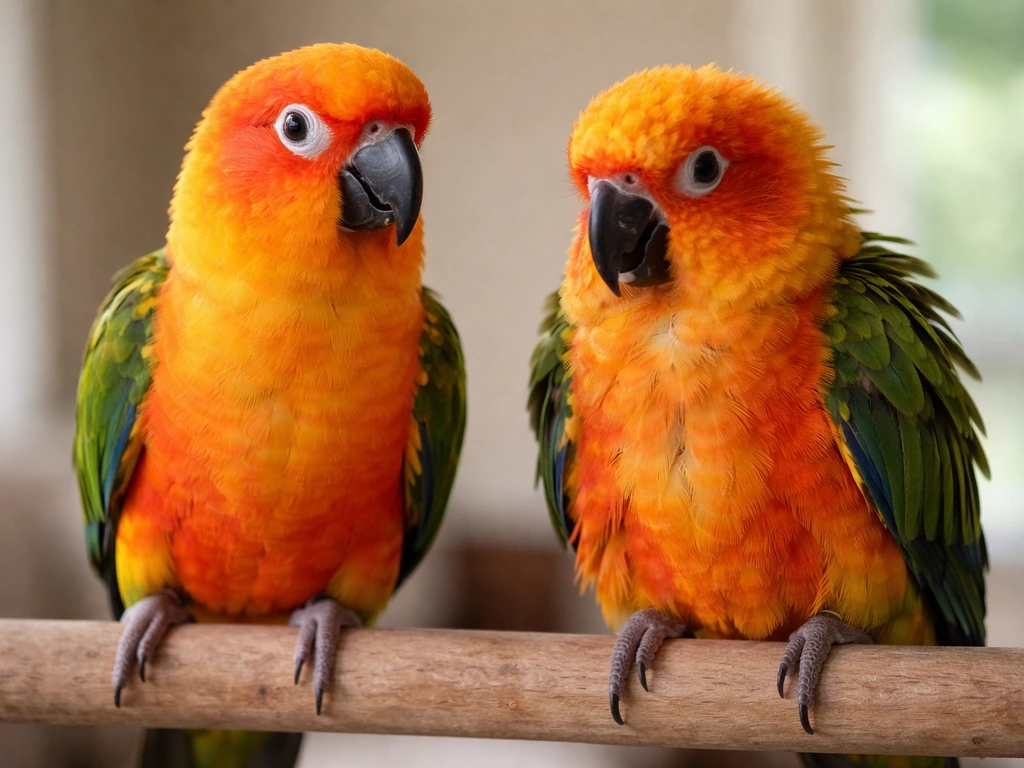
Before anything else, take 60 seconds to assess what you're actually dealing with. A healthy conure is alert, active, eating, and has smooth feathers held close to its body. It reacts to movement, vocalizes, and its droppings look consistent (greenish solid part, white urate, small amount of liquid).
A sick or injured conure will usually show one or more of these red flags. Healthy resting breathing for a small conure runs about 40–50 breaths per minute. If you're counting noticeably fast, labored, or open-mouthed breaths at rest, that's serious. Watch the tail too: a gentle rhythmic tail bob at rest (not after exercise or singing) signals the bird is working hard to breathe and needs immediate attention.
Run through this quick checklist before deciding your next step:
- Feathers: fluffed or ruffled up at rest (suggests chills, fever, or pain)
- Eyes: closed or half-closed when the bird should be awake
- Breathing: open-mouth breathing, wheezing, increased chest movement, or tail bobbing at rest
- Posture: hunched, sitting on the cage floor, or unable to grip a perch
- Droppings: sudden change in color, consistency, or volume
- Visible injury: bleeding, a wing hanging at an odd angle, or a wound
- Behavior: sudden extreme quietness, no interest in food, or stopping preening
If none of those apply, your conure is almost certainly fine and you can focus on regular care. If even one applies, keep reading the emergency sections below before worrying about cage setup or diet.
Immediate first aid and stabilization basics
First aid for a bird is about stabilization, not treatment. Your goal is to keep the bird calm, warm, and safe until you can get it to a professional. Do not try to diagnose or medicate it yourself.
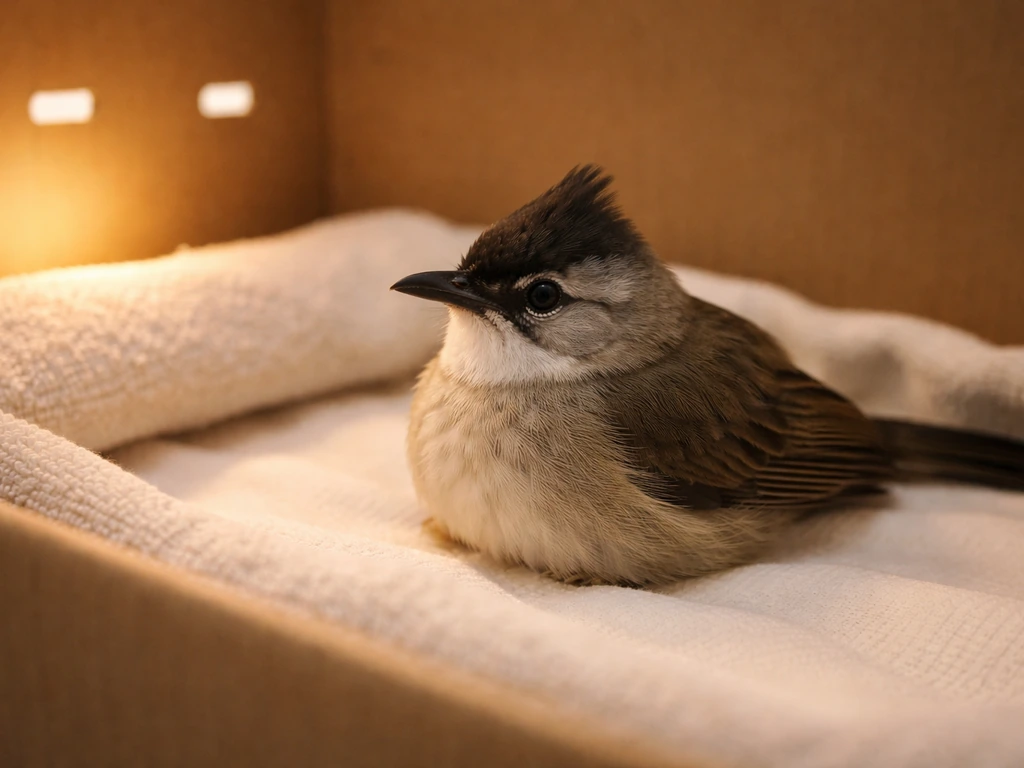
If the bird is in respiratory distress (open-mouth breathing, tail bobbing, wheezing), handle it as little as possible. Stress burns oxygen fast and can push a struggling bird into shock. Gently place it in a small, dark, quiet container lined with a soft cloth, cover the outside with a light towel, and get moving toward an avian vet.
For bleeding, apply light pressure with a clean gauze pad. Most minor skin wounds will clot within about 5 minutes on their own. If bleeding hasn't stopped after 5 minutes, that's a sign it needs veterinary intervention. Do not apply ointments, creams, or powdered clotting agents to feather follicles, as these can cause additional damage.
If the bird hit a window or suffered blunt trauma, cover it gently with a towel (wings tucked against the body, head covered to reduce visual stimulation), place it in a warm, dark, quiet spot, and watch for breathing changes. Don't offer food or water by force; an injured bird can aspirate.
A few firm rules for the first aid phase:
- Do not apply any ointment, cream, or oil to feathers or skin unless a vet has told you to
- Do not force-feed water or food
- Do not keep handling the bird to check on it — every pick-up is a stress event
- Do not use a heating pad directly against the bird's body (burns are a real risk); instead, warm one side of the container only so the bird can move away from the heat source
- Keep the environment dim and quiet — cover the carrier or box with a light cloth
Think of first aid as a bridge. Everything you're doing right now is buying time until a professional can take over.
Housing setup: cage size, perches, temperature, and safety
For a healthy pet conure, the cage is the foundation of its day-to-day welfare. Get this right and a lot of other problems become easier to prevent.
Cage size and bar spacing
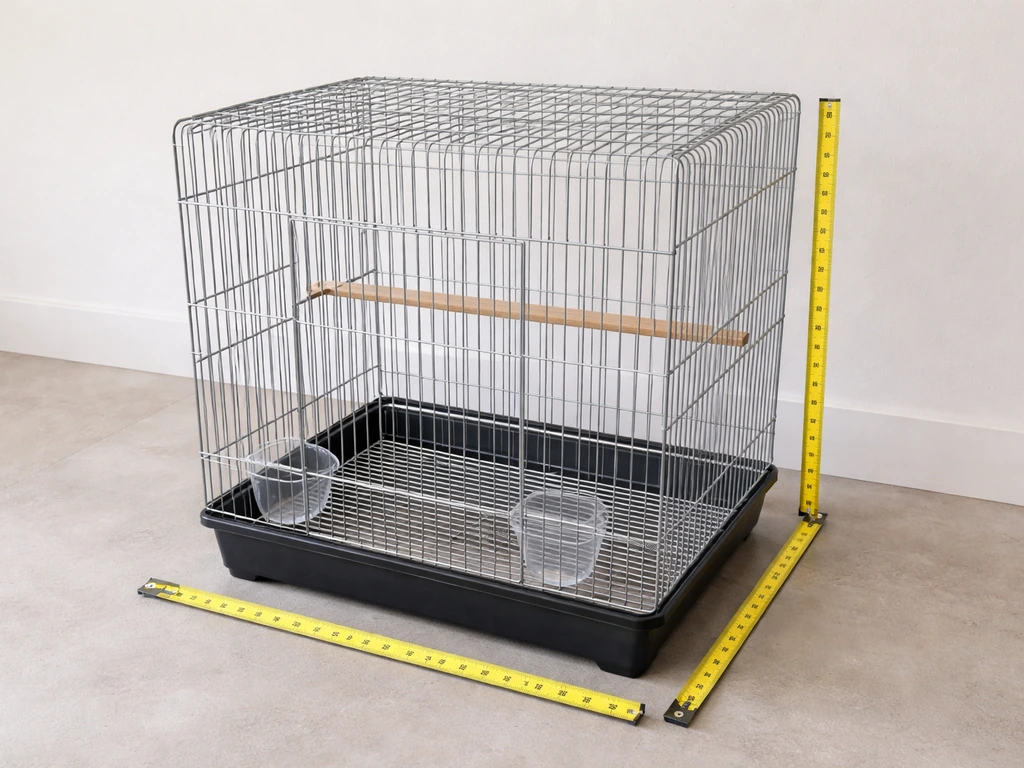
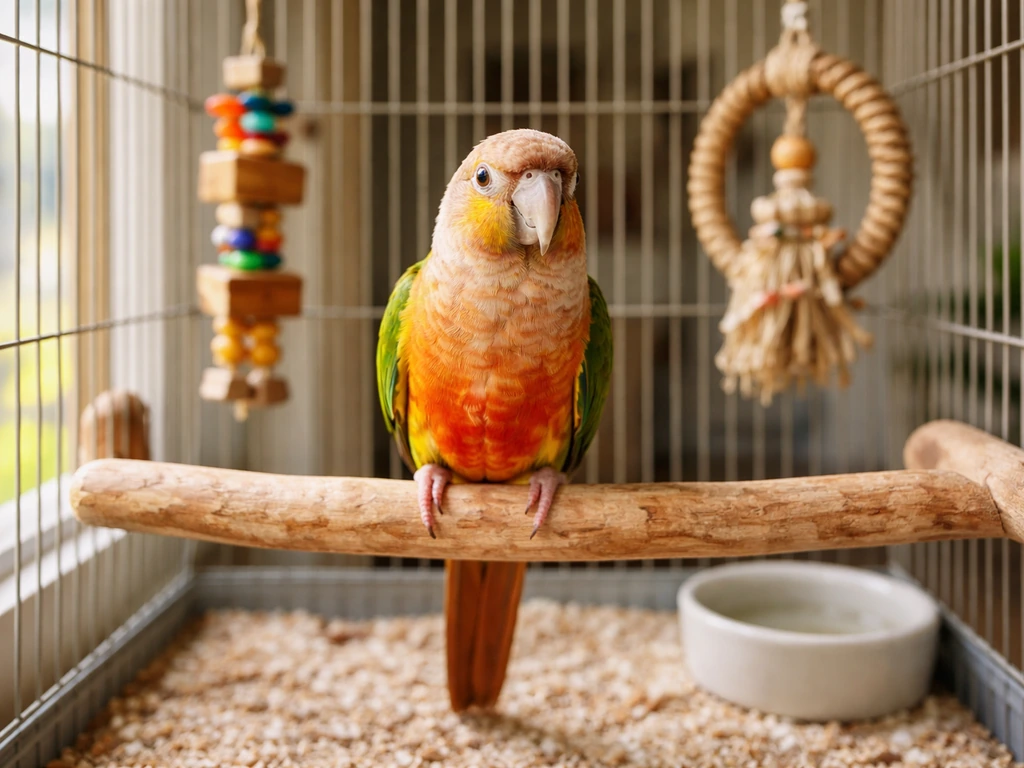
Conures need more space than people expect. A reasonable minimum is around 30 inches long by 24 inches wide by 30 inches tall. Bigger is always better, especially if the bird spends more than a few hours a day inside. Bar spacing matters too: for small conures, stay between 0.5 and 0.75 inches (1.3–1.9 cm). For large conures, 0.75 to 1.0 inch (1.9–2.5 cm) is appropriate. Spacing wider than that creates a head-entrapment risk.
Temperature and placement
Keep room temperature between 70–80°F (21–27°C). Conures handle gradual temperature change reasonably well but are sensitive to sudden drafts or sharp drops. Place the cage away from air conditioning vents, exterior doors, and windows that get cold at night. The CDC specifically recommends a warm, draft-free location for pet birds. Avoid the kitchen entirely if possible: non-stick cookware fumes (PTFE/Teflon) are acutely toxic to birds even at normal cooking temperatures.
Perches and bedding
Use perches of varying diameters (natural wood branches are excellent) so the bird's feet don't grip the exact same position all day. Avoid sandpaper-covered perches, which abrade footpads. Line the cage bottom with paper or a cage liner you can change daily. Keeping the floor clean is one of the simplest ways to monitor health, since droppings are one of the first things to change when a bird is unwell.
Diet and feeding schedule: what to feed, how much, and hydration
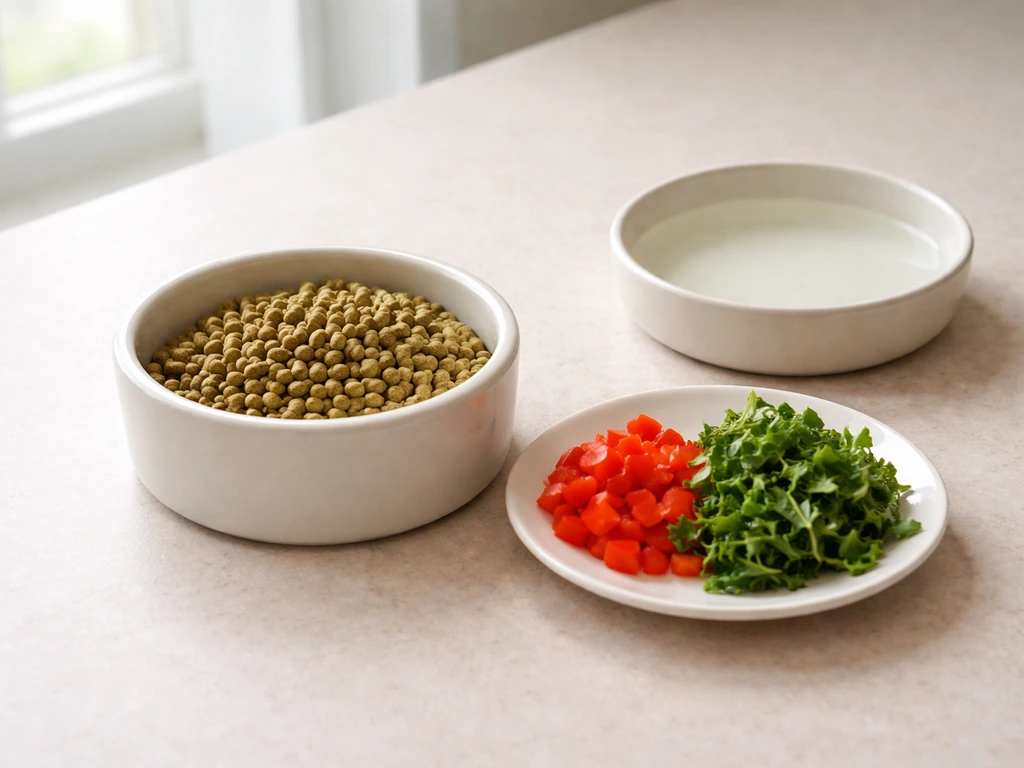
A nutritionally balanced diet for a conure is built around high-quality fortified pellets, which should make up roughly 60–70% of what the bird eats. Fresh vegetables fill out most of the rest, with fruit offered in smaller amounts because of its sugar content. Seeds should be treated more like occasional treats rather than a staple, especially sunflower and safflower seeds, which are high in fat.
If your conure is currently eating a seed-heavy diet, transition gradually. Start replacing a portion of seeds with pellets and increase vegetables, giving the bird time to accept new foods. Forcing a sudden switch often leads to refusal and weight loss.
Fresh water should be available at all times and changed at least once daily. Conures also enjoy and benefit from regular baths or misting, which supports healthy skin and feather condition. Some birds prefer a shallow dish of water for bathing; others prefer a light spray from a clean misting bottle.
These foods are toxic to conures and must never be offered:
- Avocado (all parts, including the flesh)
- Onions and garlic
- Chocolate
- Caffeine (coffee, tea, energy drinks)
- Alcohol
- Fruit pits and apple seeds (contain cyanogenic compounds)
A practical daily routine is to offer fresh food in the morning, remove uneaten fresh items after a few hours to prevent spoilage, and keep pellets available throughout the day. Weigh your bird weekly on a small kitchen scale and note the number. Unexplained weight loss is often the earliest sign of illness, appearing before behavioral changes are obvious.
Handling, stress reduction, and keeping your conure mentally healthy
Conures are social, high-energy birds. They need daily interaction with you, and they need mental challenges to stay psychologically healthy. A conure that sits alone in a cage with nothing to do will become stressed, and chronic stress suppresses immune function and leads to feather-destructive behavior.
Aim for at least 2–3 hours of supervised out-of-cage time daily. This doesn't all have to be structured interaction; simply being near you while you go about your day counts. Conures are curious and often want to be part of whatever is happening in the room.
For handling, especially with a new or rescue bird, go slow. Let the bird come to you rather than reaching in and grabbing it. Speak calmly and move without sudden gestures. A bird that's been through trauma (a window strike, a predator encounter, or neglect) will need more time to trust. Don't rush it.
Toys are genuinely important for conures. Conures are avid chewers, so rotate foraging toys, shreddable wood toys, and puzzle feeders regularly. A bored conure is a loud and often destructive one. Keep toys varied and change them out every couple of weeks to maintain novelty.
One thing that often surprises new conure owners: these birds can be loud. That's normal. Sudden changes in vocalization patterns (going unusually quiet, or an abrupt shift in call type) are worth paying attention to as a possible health signal.
Common health problems in conures and what to watch for
Conures are generally hardy, but they can develop a range of health issues that are worth knowing before you need to deal with them. Because birds instinctively mask illness (a survival mechanism against predators), symptoms often appear late. Daily observation is your best diagnostic tool.
| Condition | Key signs to watch for | Urgency level |
|---|---|---|
| Respiratory infection | Open-mouth breathing, tail bobbing at rest, wheezing, nasal discharge | Same-day vet visit |
| Psittacosis (chlamydiosis) | Fluffed feathers, appetite loss, nasal discharge, swollen abdomen, conjunctivitis, respiratory difficulty | Same-day vet visit |
| Feather-destructive behavior | Chewed, missing, or damaged feathers on the body (not the head) | Vet evaluation within days |
| Gastrointestinal issues | Sudden change in droppings (color, volume, or consistency), regurgitation, weight loss | Vet evaluation, urgency depends on severity |
| Trauma / injury | Bleeding, limping, drooping wing, inability to perch, disorientation | Same-day emergency vet |
| Toxin exposure | Sudden collapse, seizures, extreme weakness, difficulty breathing after fume exposure | Emergency vet immediately |
| Nutritional deficiency | Dull feathers, poor feather quality, lethargy over weeks | Vet evaluation, non-emergency unless severe |
Psittacosis deserves a specific mention because it's a zoonotic disease, meaning it can pass from birds to people. If your conure shows the symptoms listed above, especially nasal discharge combined with respiratory difficulty and fluffed appearance, see an avian vet promptly and mention the possibility to your own doctor if you develop flu-like symptoms afterward.
The signs most commonly missed until they're serious are quiet lethargy (owners often mistake reduced activity for the bird just having a calm day), gradual weight loss, and subtle changes in droppings. Building a habit of quick daily observation takes about 30 seconds and makes a real difference in catching things early.
When to call an avian vet or wildlife rehab, and how to transport safely
Some situations cannot wait. Get to an avian vet or emergency animal clinic the same day if you see any of the following:
- Open-mouth breathing or wheezing at rest
- Pronounced tail bobbing at rest (not after exercise)
- Collapse, seizures, or tremors
- Sudden inability to stand or grip a perch
- Uncontrolled bleeding that doesn't stop within 5 minutes
- Suspected toxin exposure (non-stick fume inhalation, smoke, chemicals)
- Severe trauma from a window strike, cat attack, or fall
- Fluffed-up bird with closed eyes that isn't responding normally
If the conure is a wild bird you found rather than a pet, contact a licensed wildlife rehabilitator. Wildlife rehab specialists are trained to handle wild conures (and related parrots) safely and legally, and they have the tools for proper diagnosis and recovery. Your local animal control office or a web search for 'avian wildlife rehabilitator' plus your city or state will get you to the right contact quickly.
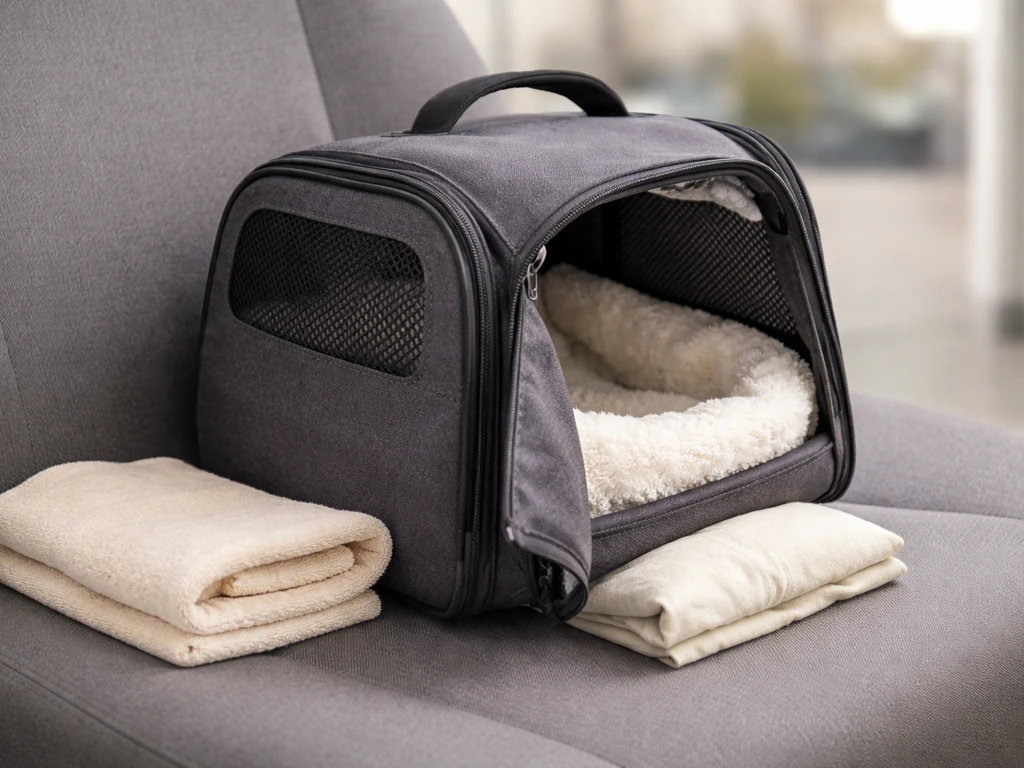
For transport, use a small, secure plastic carrier or a ventilated box. Line it with a non-slip surface like a folded cloth. Lower any perches to reduce the risk of falls, and place food and water low enough to access easily. Partly cover the outside of the carrier with a light-colored towel to reduce visual stress without blocking all airflow.
Temperature during transport matters. blank" rel="noopener noreferrer">In cold weather, warm your car for several minutes before putting the bird inside. In hot weather, make sure there's good ventilation and never leave the bird unattended in the vehicle, as temperature can spike dangerously fast. For specifics on finches, including diet, cage setup, and daily care routines, see our guide on how to care for a finch bird. Keep the environment calm and quiet throughout the drive, and try to minimize stops and turns.
One final point worth repeating: birds in respiratory distress should be handled as little as possible. Every time you pick up a bird that's struggling to breathe, you're adding stress that compounds oxygen deprivation. Do the minimum necessary to get it into a carrier and move directly to care. The best thing you can do in those moments is stay calm and move with purpose.
If you're new to bird care and want to build out your knowledge, the same principles here overlap with what you'd apply to budgies, finches, and other companion parrots. The core framework of triage first, stabilize second, and support daily health third is consistent across species. Conures are just a bit more demanding in terms of social needs and noise, which makes them rewarding when things go well and worth understanding deeply before a crisis hits. If you keep these same fundamentals in mind, you can apply them when learning how to take care of mynah birds too.
FAQ
My conure keeps fluffing up, how do I tell normal sleep behavior from something serious?
If your conure is fluffed for long periods but is still alert, eating, and not breathing with its mouth open, it may be trying to conserve heat. Still, measure the basics first, confirm the room is 70–80°F, check for drafts, and re-check breathing (including whether the tail is bobbing). If fluffed plus any breathing change, inability to perch, or drop in food intake is present, treat it as urgent and call an avian vet the same day.
How often should I change food bowls and remove uneaten vegetables for a conure?
Remove and discard any fresh food that is left uneaten after a few hours, and rinse the bowls daily with hot water and a bird-safe unscented cleaner if needed. Pellets should stay available, but if they get wet or contaminated, replace them. Keeping the floor liner clean is helpful because spoiled food odors and dirty surfaces can increase the chance of digestive upset.
What’s the best way to monitor weight for early illness in a conure, and how frequently should I weigh?
Once-per-week weighing is a good baseline, but if you are transitioning diets, recovering from illness, or notice appetite changes, weigh more often (about every 2 to 3 days) so trends show up sooner. Use the same scale, same time of day, and the same container to reduce variation. If weight keeps dropping despite normal appetite, contact an avian vet even before other symptoms become obvious.
Is it okay to bathe or mist my conure every day, and are there times when I should not?
Yes, but only with a safe routine: mist or offer a shallow bath in a warm room, keep it draft-free, and ensure the bird has time to fully dry before it gets cooler. After bathing, watch for fluffed feathers for a short period, but if breathing looks abnormal or the bird seems weak, stop and seek veterinary advice. Never bathe a sick bird unless a vet instructs you.
What should I do if my conure has a bleeding nail or appears injured on a foot?
A broken or chipped nail can cause bleeding or pain, but you should not clip or try to “fix it” during an emergency. Apply gentle pressure with clean gauze if bleeding is present, keep the bird calm and warm, and arrange an avian vet check if it keeps bleeding, the toe looks deformed, or the bird refuses to perch. Also watch for signs of shock, fast labored breathing, or persistent bleeding.
If my conure is injured, should I force-feed or offer water immediately in the first-aid phase?
Because conures are small and can aspirate, do not force food or water if the bird is injured or having breathing trouble. Instead, focus on stabilization, minimize handling, and get to an avian vet promptly. If the bird is stable and not breathing abnormally, you can offer easily accessible food in the carrier, but only if the bird can swallow comfortably on its own.
My conure hit a window but seems better in 10 to 20 minutes. Do I still need a vet visit?
Window strikes and blunt trauma can look mild at first. Keep the bird in a warm, quiet, dim space, monitor breathing and activity closely, and do not offer food or water by force. Even if the bird seems “okay,” schedule an avian vet visit the same day if there was loss of balance, persistent fluffed posture, abnormal breathing, or continued inability to perch.
Can I include seeds as part of my conure’s diet, and how should I transition if my bird is currently seed-heavy?
If your conure is on pellets plus vegetables, seed can be offered, but it should be occasional because seed-heavy diets increase fat intake and can worsen overall nutrition. If you want to include seeds for training, use tiny amounts and keep track of how often. When switching from seed-first to pellets-first, do it gradually, increasing vegetables while reducing seeds to prevent refusal and weight loss.
How do I safely handle a new or previously traumatized conure without making it worse?
For a new or rescue conure, expect trust to build over weeks, not days. Use cage-door sessions where you sit calmly nearby, offer treats through the bars, and avoid reaching from above. If the bird keeps backing away, regresses after a stressful event, or shows fear-related behaviors, slow down and extend the time between handling attempts. A frightened bird that suddenly becomes quiet or stops eating is a red flag, not just “getting used to you.”
My conure is behaving differently, going quieter than usual. When should I treat that as a health issue?
If your conure becomes unusually quiet, stops vocalizing abruptly, or has reduced activity plus weight loss or altered droppings, treat that as illness until proven otherwise. Because birds mask symptoms, don’t wait for obvious dramatic signs. Contact an avian vet promptly and, if you can, describe the timeline: when the voice changed, how eating changed, and what the droppings looked like.
What are common reasons a conure’s health seems to “decline” even though I didn’t see an obvious injury?
Typical environmental causes include drafts, sudden temperature swings, smoke or fumes, dirty water or food, and inadequate space leading to stress. If any breathing-related signs appear, prioritize emergency guidance and contact an avian vet same day. For non-emergency issues, correct one factor at a time (temperature location, ventilation, water quality, cage cleanliness) and monitor droppings and appetite for 24 to 48 hours.
Besides non-stick cookware, what household fumes or products are especially risky for conures?
Teflon and other nonstick fumes are the big one, and the kitchen is the most common accidental exposure source. Also avoid aerosols and scented products near the cage, including air fresheners, incense, and many candles, because airborne chemicals can irritate a bird’s respiratory system. Keep the bird away from areas where you might spray cleaners, paint, or use strong deodorizers.
Next Article
How to Take Care of a Bulbul Bird: Rescue to Recovery
Step-by-step rescue care for bulbul: assess injury or dehydration, first aid, safe feeding schedule, housing, monitoring