Good pet bird care comes down to five things done consistently: the right cage setup, a balanced daily diet, safe handling and enrichment, early health monitoring, and knowing exactly what to do when something goes wrong. Whether you just brought home a budgie or you're suddenly dealing with a sick or injured bird, this guide walks you through every step in plain language. Once your budgie is settled and healthy, you can also learn how to bathe a budgie safely and comfortably.
Pet Bird Care Tips: Daily Checklist and First Aid Guide
Marcus Holloway
1 May 2026
Choosing the Right Bird and Getting the Setup Right
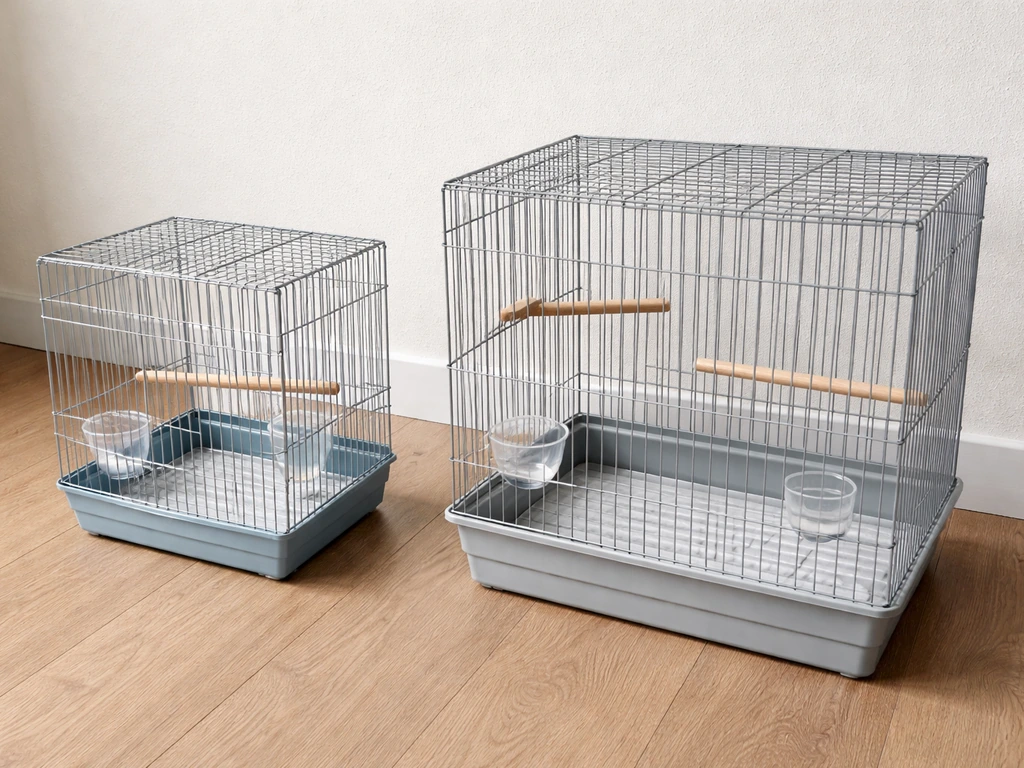
Before anything else, match the species to your lifestyle. Finches and canaries are relatively independent and do well in pairs, but they still need daily attention and a spacious flight cage. Budgies are social and manageable for beginners but need real interaction. Conures and larger parrots are loud, highly social, and need several hours of engagement per day. Mynah birds and bulbuls have specific dietary needs that trip up a lot of new owners. Pick a species whose noise level, lifespan, and social demands genuinely fit your home and schedule.
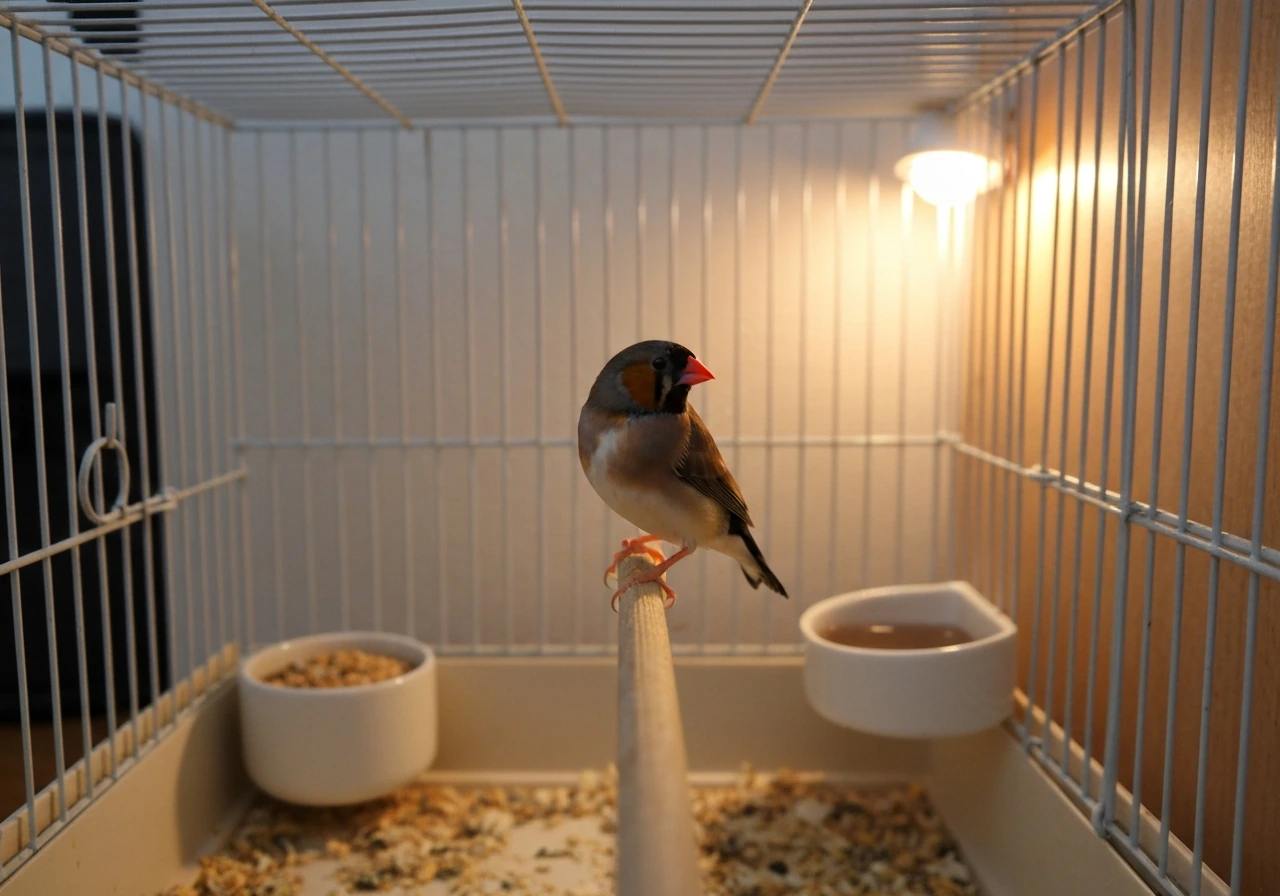
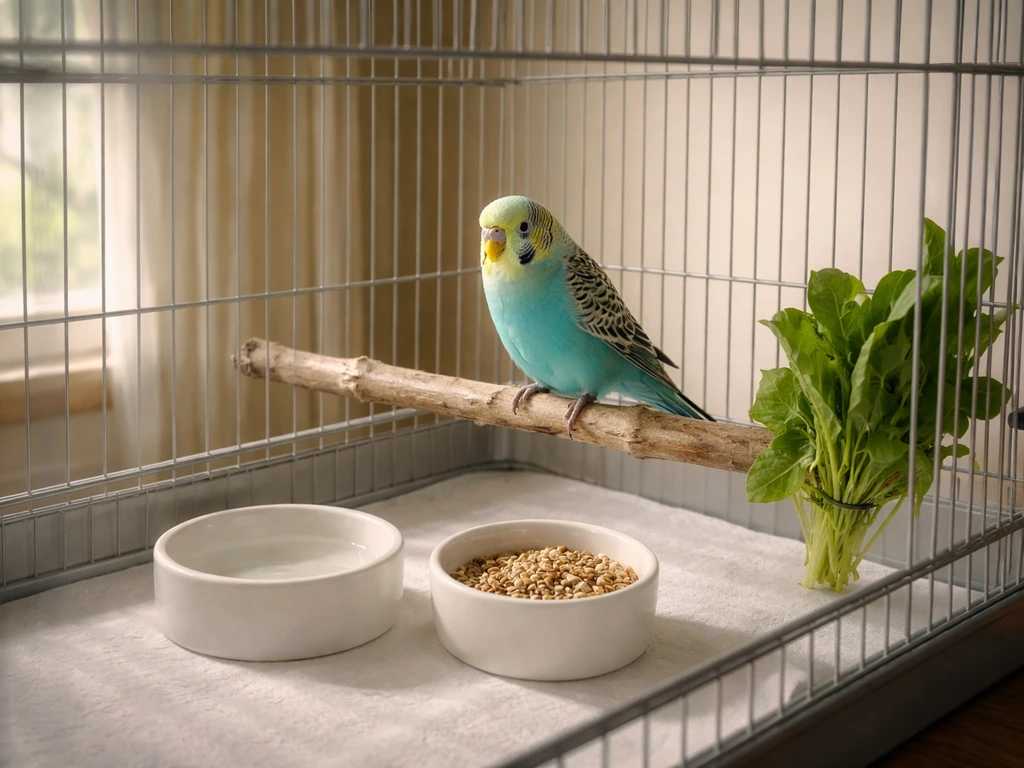
Once you've chosen a species, cage size is non-negotiable. The minimum rule: the cage should be at least one-and-a-half times the bird's wingspan in every direction so it can fully stretch its wings. For a single budgie, that means at least 18 x 18 x 18 inches. A pair of finches needs at least 24 x 14 x 18 inches. A conure or similarly sized parrot needs something closer to 36 x 24 x 48 inches. Bar spacing matters too: no more than half an inch for small birds like budgies, and around three-quarters of an inch for conures and similar species. Bars that are too widely spaced can trap heads or feet.
Perch variety is something people overlook. Use perches of different diameters and textures so your bird's feet get a workout and don't develop pressure sores. Avoid perches so thin that the nails wrap all the way around and overlap, and avoid anything so thick the bird can't grip it properly. For food and water bowls, material matters for some species: plastic bowls may be fine for canaries and finches, but stronger chewers like cockatoos can destroy plastic and ingest pieces, so opt for stainless steel.
Placement is just as important as the cage itself. Keep the cage away from direct drafts, air conditioning vents, and heating units. A corner spot at eye level in a room where the family spends time is usually ideal: safe but still part of the household activity. Avoid the kitchen entirely. Fumes from non-stick cookware and aerosol sprays can cause serious breathing problems and neurological symptoms in birds, sometimes within minutes.
Lighting deserves its own mention. Most windows filter out the UVB rays birds need to synthesize vitamin D, so sunlight through glass doesn't count. If your bird doesn't have access to safe outdoor time, use a UVB lamp made specifically for birds. Position perches at different distances from the lamp so the bird can move toward or away from the light as it wants. Replace bulbs on the manufacturer's schedule even if they still appear to be working, because UV output drops well before the visible light does.
Daily Feeding, Water, and Treats Done Right
A seed-only diet is one of the most common mistakes bird owners make. Seeds are high in fat and carbohydrates and, over time, contribute to obesity, heart disease, and fatty liver disease. A much better daily breakdown for small birds like budgies, cockatiels, and lovebirds looks like this: roughly 40 to 50 percent high-quality pellets, 30 to 40 percent seed mix, 10 to 15 percent fresh vegetables, and 5 to 10 percent fresh fruit. For larger parrots, pellets become an even bigger portion of the diet.
If your bird is currently on seeds only, don't switch cold turkey. Gradual dietary conversion works better: introduce pellets slowly while reducing seeds over several weeks. Many birds resist the change at first because seeds are essentially junk food that tastes great. Patience and persistence matter here.
Fresh water every single day is essential. If you use a water bottle instead of a bowl, check daily that the ball valve is actually working and the bird can get water out. Change the water regardless, even if it looks clean. Bacteria builds up fast in warm environments.
Some foods are genuinely dangerous and need to be kept out of reach entirely. Avocado is toxic to birds, including the fruit, leaves, stems, and seeds. Avocado can be harmful to birds, with heart muscle damage reported as soon as about 24 to 48 hours after ingestion (Merck Veterinary Manual) heart muscle damage within about 24–48 hours after ingestion. Chocolate contains theobromine and caffeine, both of which are harmful. Onions, garlic, alcohol, caffeine, and very salty foods all belong on the avoid list. When in doubt, stick to bird-safe vegetables like leafy greens, carrots, and bell peppers, and fruits like apple (no seeds), berries, and melon as occasional treats.
| Food | Safe or Unsafe | Notes |
|---|---|---|
| High-quality pellets | Safe (recommended base) | Should make up 40–50% of small bird diet |
| Leafy greens, carrots, bell peppers | Safe | Excellent daily vegetable options |
| Apple, berries, melon | Safe in moderation | Remove apple seeds; limit fruit to 5–10% |
| Seeds and seed mixes | Safe in moderation | High fat; treat as supplement, not staple |
| Avocado (any part) | Toxic | Avoid completely, including leaves and skin |
| Chocolate | Toxic | Contains theobromine and caffeine |
| Onion and garlic | Toxic | Can cause red blood cell damage |
| Salty snacks, alcohol, caffeine | Toxic | No safe amount for birds |
Housing, Temperature, Enrichment, and Safe Handling
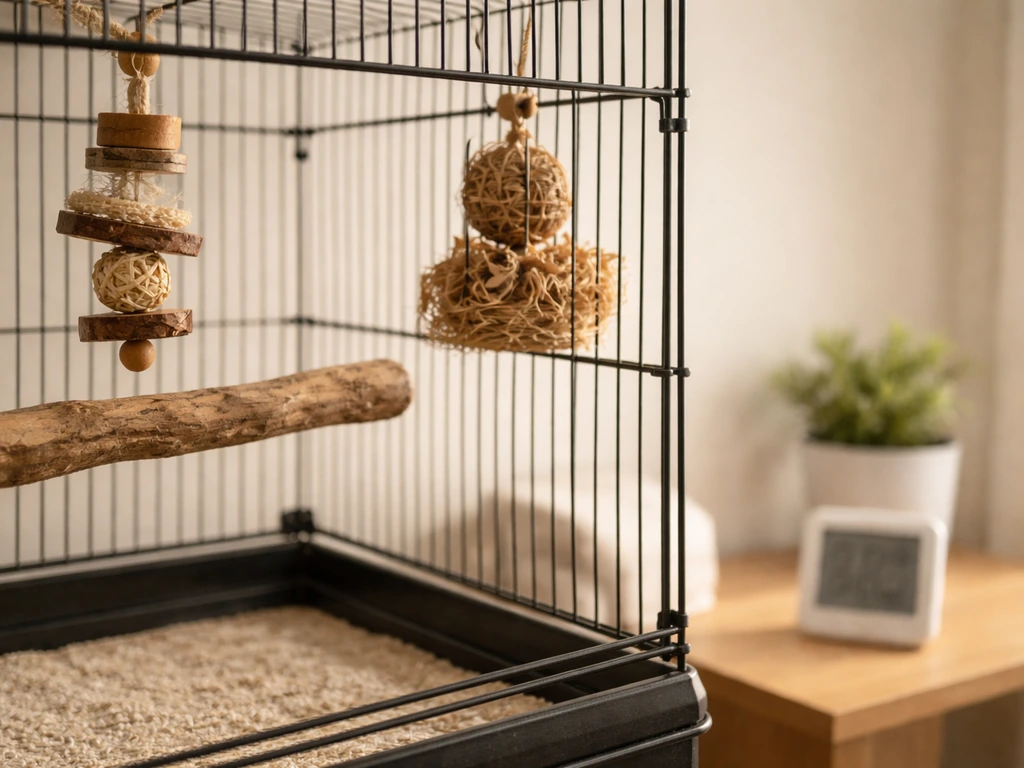
Temperature stability matters more than the exact number on the thermostat. Most companion birds do well in normal household temperatures (roughly 65 to 80 degrees Fahrenheit) as long as conditions are consistent. Sudden temperature swings, cold drafts, or exposure to direct air conditioning are more dangerous than a slightly warm or cool room. Never place the cage near an open window in winter or directly under a ceiling fan.
Enrichment is not optional. Bored birds develop serious behavioral problems: feather plucking, screaming, aggression, and repetitive movements. Rotate toys every week or two so there's always something new. Foraging toys that hide food are excellent because they engage a bird's natural instincts. Mirrors can entertain some birds but can also cause obsessive behavior in others, so watch the reaction. Time outside the cage every day (in a safe, supervised space) is important for most species. Finches are an exception since they tend to be less handleable, but they still need a large enough cage to fly actively.
Social needs vary by species. Finches genuinely need to be kept in pairs or small groups when properly introduced. Budgies bond strongly and can thrive with a companion or with a very attentive owner who spends real time with them daily. Conures, mynahs, and larger parrots need significant social interaction with people or other birds and suffer noticeably when left alone for long stretches.
For handling, use slow, calm movements. Let the bird step onto your hand rather than grabbing at it. When you do need to restrain a bird for health checks or emergencies, a soft towel wrap is the standard approach: drape the towel over the bird, secure the head gently between your thumb and index finger (without compressing the chest), and support the body. Never squeeze the chest since birds breathe differently from mammals and chest compression can be fatal quickly. Practice this occasionally so both you and the bird are calmer when it actually matters.
Health Monitoring: What to Watch Every Day
Birds are prey animals and hide illness instinctively. By the time a bird looks obviously sick, it has often been unwell for a while. Daily observation is your best diagnostic tool. You're looking for changes from that bird's normal baseline, which is exactly why knowing your bird's normal behavior matters so much.
Check these things daily: droppings (normal has three parts: dark solid, white urate, and clear liquid; changes in color, consistency, or smell can signal a problem), activity level, appetite, posture (a fluffed-up bird sitting low on its perch is a warning sign), and breathing. A healthy bird breathes quietly and smoothly. Tail bobbing (the tail pumping up and down rhythmically with each breath), wheezing, clicking sounds, or open-mouth breathing at rest are all serious respiratory signs that need veterinary attention the same day. Dyspneic birds may breathe with their mouths open and can show tail bobbing, and severe dyspnea often requires veterinary attention tail pumping up and down rhythmically with each breath.
- Tail bobbing with each breath (rhythmic up-and-down motion)
- Open-mouth breathing while at rest
- Wheezing or clicking sounds when breathing
- Fluffed feathers and sitting low or on the cage floor
- Sudden drop in appetite or complete refusal to eat
- Abnormal droppings: very watery, blood-tinged, or unusual color for more than 24 hours
- Regurgitation or repeated vomiting (not the same as normal feeding regurgitation between bonded birds)
- Discharge from nostrils or eyes
- Feather plucking, bald patches, or damaged feathers not related to normal molt
- Loss of balance, tremors, or uncoordinated movement
Vitamin A deficiency is one of the most common nutritional problems in pet birds, especially those on seed-heavy diets. Signs include respiratory infections that keep recurring, nasal discharge, and lesions in the mouth. This is one more reason that diet conversion to pellets matters: quality pellets include vitamin A, while seeds contain very little.
First Aid Basics for Injured or Sick Pet Birds
The goal of bird first aid is stabilization, not treatment. You are keeping the bird safe and as calm as possible until you can get it to an avian vet. Attempting to diagnose or treat beyond basic stabilization usually makes things worse. Keep that principle in mind through everything below.
Stabilizing a sick or injured bird
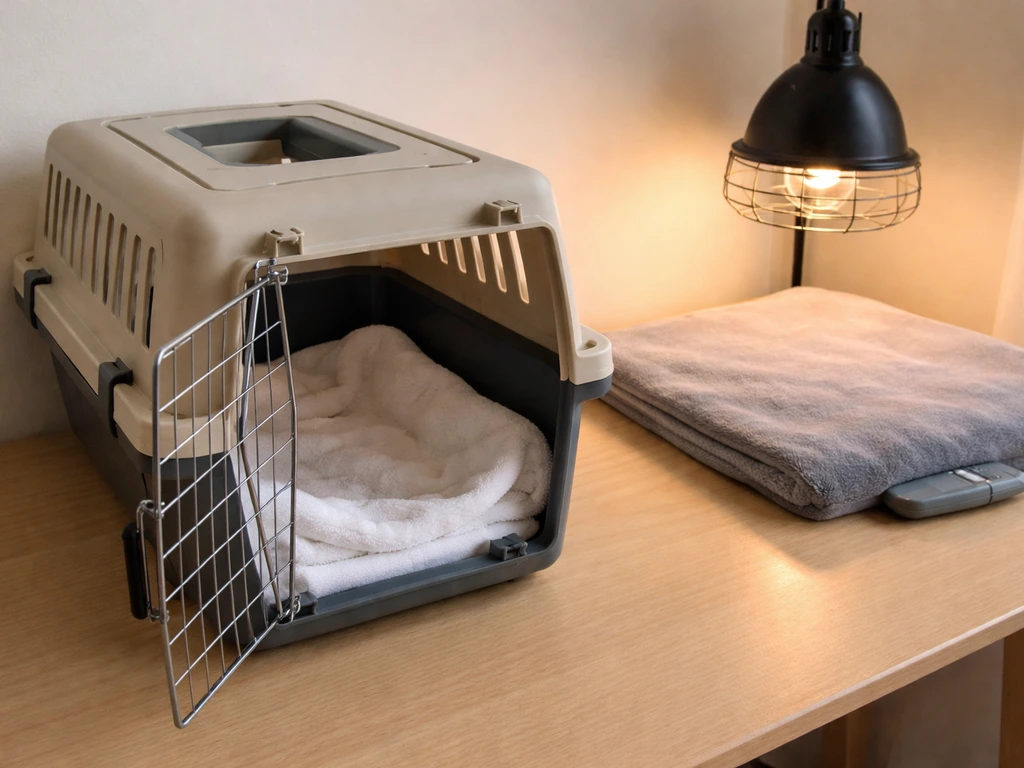
Warmth is the first priority for almost any sick or injured bird. Place the bird in a small, secure container like a shoebox or small carrier lined with a soft cloth. Keep the environment at around 85 to 90 degrees Fahrenheit by placing one end of the container near a gentle heat source (a heating pad on low under half the box works well). This allows the bird to move away from the heat if needed. Minimize handling and keep the bird in a quiet, dark place to reduce stress.
Bleeding
For minor bleeding, apply gentle direct pressure with a clean cloth. If a blood feather (a new feather still with a blood supply) is broken and bleeding, apply styptic powder or gel and hold gentle pressure for one to two minutes. If bleeding doesn't stop within five minutes of applying pressure, that's a veterinary emergency. Do not attempt to pull a broken blood feather yourself unless you've been shown how by a vet, as doing it incorrectly can cause more damage.
Respiratory distress
If your bird is breathing with its mouth open, tail bobbing, or wheezing, don't delay. Move it to a warm, quiet space immediately and call an avian vet. If you suspect fume exposure (from non-stick cookware, cleaning products, or aerosols), move the bird to fresh air right away and ventilate the space. Fume toxicity moves fast in birds.
Egg binding
A hen straining to pass an egg but unable to is in serious trouble. Supportive care while getting to a vet includes warmth (the same 85 to 90 degree environment) and keeping the bird calm and quiet. Do not attempt to manually help the egg out. This is a condition that often requires imaging and veterinary intervention, not home remedies.
What not to do
- Do not force-feed food or water unless an avian vet has specifically instructed you to and shown you how
- Do not give human medications or supplements not prescribed by a vet
- Do not leave a sick bird in the main cage with other birds
- Do not handle the bird more than necessary during stabilization
- Do not use heat lamps or heating pads without a way for the bird to move away from the heat source
When to Call an Avian Vet or Rehab, and What to Do While You Wait
If you're seeing any of the red-flag symptoms listed above, the answer is: call now, not tomorrow morning. Sick birds deteriorate quickly. The CDC recommends identifying an avian-experienced veterinarian before you have an emergency, and that advice is worth taking seriously. Find one now and save the number.
When you call, have the following information ready so the vet or rehabber can triage quickly:
- The species of bird (or your best guess if unknown)
- The bird's age and how long you've had it
- What symptoms you're seeing and when they started
- What the bird has eaten and drunk in the last 24 to 48 hours
- Any possible exposures: fumes, new foods, other animals, outdoor access
- Whether the bird has had any previous health issues or is on any medications
While you wait for the vet appointment or transport, keep the bird warm, quiet, and minimally handled in a secure container. Don't offer unfamiliar foods or supplements. If the bird is a wild species that somehow ended up in your care rather than a true pet, contact a licensed wildlife rehabilitator rather than attempting long-term care yourself. Wild birds have very specific needs and most areas have legal restrictions around keeping them.
For pet bird owners, annual wellness checks with an avian vet are genuinely worth it. Birds hide illness so effectively that many problems are caught first on a routine exam, not when symptoms appear. A vet familiar with your bird's normal baseline is also much better equipped to help in an emergency.
Finally, keep a basic first aid kit stocked and ready: styptic powder, a soft towel for safe restraint, a small secure carrier or box, a digital thermometer, saline solution for wound rinsing, and your avian vet's contact information. The few minutes you spend preparing now can make a real difference if something goes wrong at 10 pm on a Sunday.
Different species have enough variation in their needs that it's worth going deeper on specific care guides once you've got the basics down. Budgies, finches, conures, mynahs, and bulbuls each have quirks around diet, housing, and social needs that general advice only partially covers. The fundamentals here apply across the board, but the details matter when you're caring for a specific bird every day. If you want species-specific guidance, use this how to care for a finch bird guide to dial in the daily details that matter for your finch.
FAQ
Can I use extra seeds as a reward or as a substitute when my pet bird refuses pellets?
Yes, but only as an occasional, controlled supplement, not as a replacement for pellets or vegetables. If you give seed-only treats, choose single-ingredient items (like a small amount of plain millet) and limit the portion so the bird still eats the daily pellet and veggie plan. For fruit, remove any uneaten pieces within an hour or two to reduce spoilage and bacterial growth.
How should I manage pet bird care tips when the cage gets sunlight through a window?
If the cage is near a window, cover it during extreme weather and avoid direct sun spots on the floor or perches. Birds can overheat quickly in a sunbeam, even if the room air feels mild. Use indirect light and make sure there is a shaded retreat inside the cage so they can regulate temperature.
What’s the safest way to clean the cage, bowls, and liners between full cleanings?
Use a clean, removable technique so you can fully dry everything before reuse. For bowls, wash daily with hot water and mild soap, rinse thoroughly, and let them air-dry completely (or dry with a dedicated towel) to prevent residue. For bedding and cage liners, remove droppings promptly and replace the liner at least as often as you see moisture, since warm, wet spots accelerate bacterial buildup.
How do I know whether a toy or perch is unsafe to keep using?
If a toy, food tray, or perch looks damp, sour-smelling, or slimy, remove it immediately and replace it. Some birds also chew at toys that have started breaking down, and loose fibers can irritate the respiratory tract. When in doubt, discard damaged items rather than trying to salvage them.
My bird seems less active than usual, when should I treat it as a health problem?
Do a quick baseline check before deciding the bird is “just quiet.” A quiet bird is normal only if breathing is smooth and posture looks alert and balanced on the perch. If you see fluffed-and-low posture plus reduced interest in food or changes in droppings, treat it as illness and contact an avian vet the same day.
My bird has breathing signs, can I use a steamy bathroom or misting to loosen congestion?
Do not put a sick bird in water baths or misting to “help it breathe.” Even if the bird seems congested, humidity and temperature swings can worsen breathing and stress the bird. For respiratory signs, focus on warmth, minimal handling, and calling an avian vet promptly.
If my bird looks like it has something stuck in the throat or crop, what should I do while waiting for the vet?
For mouth or crop-related issues, avoid home feeding tricks like force-feeding, syringes, or trying to “clear” the throat. Instead, keep the bird warm and quiet, remove access to hard-to-handle foods until evaluated, and call an avian vet for guidance on whether assisted feeding is ever appropriate for that specific condition.
What else should I do if I suspect fume exposure from cleaners or non-stick cookware?
If you notice a possible exposure to fumes, move the bird to fresh air right away, keep it warm, and limit stimulation. Also change your own clothing if you were in the area with aerosols or fumes, since residue can linger on hands and feathers. Call the avian vet immediately even if the bird seems better after ventilation.
How should I respond if I suspect my bird has a broken blood feather but the bleeding seems minor?
For feather or skin injuries, stop and assess whether the bleeding is active and whether the bird can perch comfortably. If bleeding doesn’t stop within the stated time window, treat it as an emergency. If the injury involves a broken blood feather, never pull remaining parts unless a vet has shown you how, because improper handling can cause prolonged bleeding or further damage.
Does first aid for egg-laying problems change for smaller species or breeding birds?
If the bird is a young chick or a species that you keep with specialized breeding protocols, “egg binding” guidance becomes more urgent and more sensitive to species differences. In general, do not attempt manual removal, and keep the environment warm and the bird calm while you contact an avian vet immediately.
How can I prepare financially and practically for avian emergencies before they happen?
Budgeting works best if you set up an emergency fund and a written plan that includes your nearest avian vet, after-hours options, and transport method. Also store the first aid kit where you can reach it quickly, and pre-label a carrier so it is not stressful to assemble during an emergency.
Next Article
How to Care for a Finch Bird: Rescue and Pet Guide
Step-by-step finch care for rescues and pets: assess, warm, feed, cage setup, hygiene, and vet red flags.