Caring for a budgie means covering five non-negotiable areas every single day: a safe cage, the right food and water, social time, enrichment, and a quick daily health check. Get those five things right and your budgie has every chance of living a long, healthy life. Wild budgerigars typically live 7 to 15 years, but well-cared-for captive birds have been recorded living past 18 years. That lifespan gap is almost entirely down to husbandry. This guide walks you through everything, including what to do if your bird looks sick or injured right now.
How to Care for a Budgie Bird: Daily Guide and First Aid
Marcus Holloway
4 Apr 2026
The basics your budgie needs every day
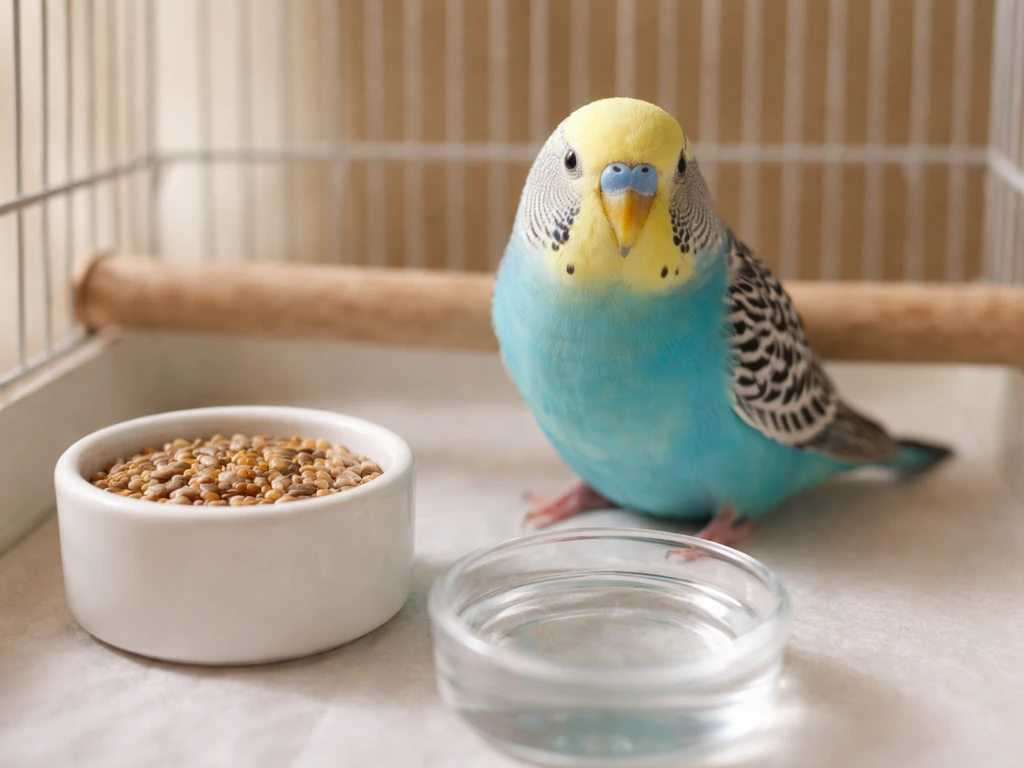
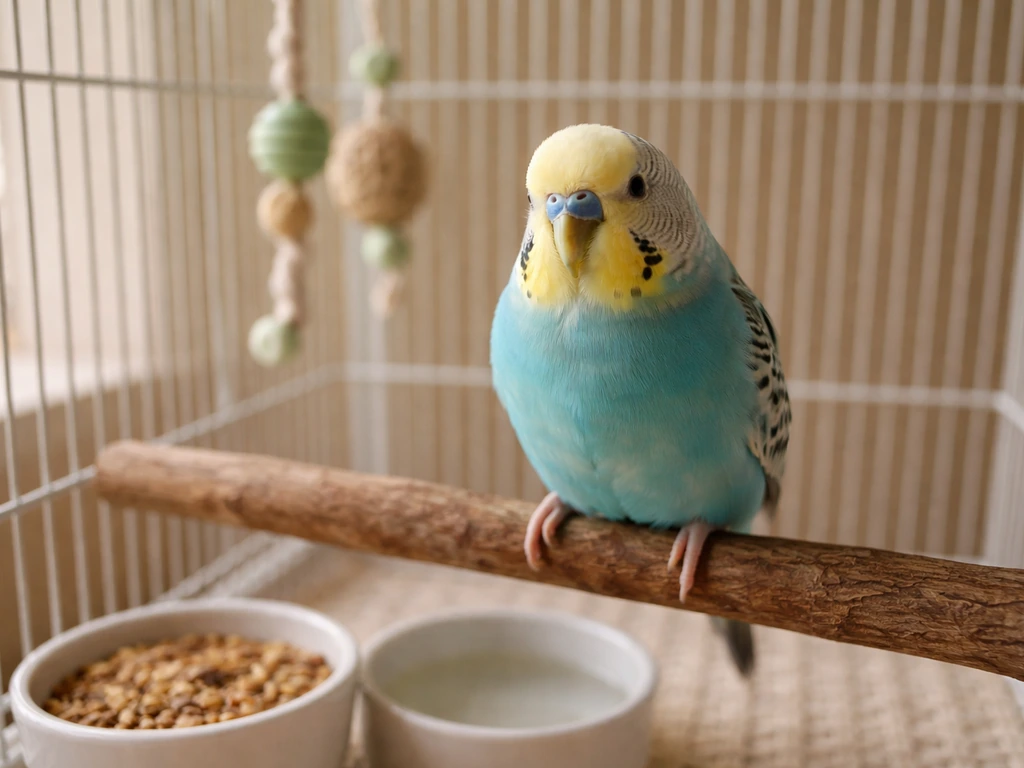
A budgie is a small parrot with a big personality. They're curious, vocal, and highly social. To thrive, they need more than food and a cage. They need mental stimulation, physical space to move, and consistent interaction with you or another bird. Neglect any one of those and you'll start seeing stress behaviors: feather plucking, excessive screaming, lethargy, or aggression. The basics aren't complicated, but they do require daily commitment.
- A properly sized cage with correct bar spacing
- Fresh food and clean water every day
- At least one hour of supervised out-of-cage time or active interaction daily
- Mental enrichment: foraging toys, rotating perches, and safe objects to chew
- A stable, draft-free environment kept between 65 and 80°F
- A quiet, low-stress sleeping space with 10 to 12 hours of darkness per night
If your budgie is housed alone, that daily interaction with you becomes even more important. How you take care of a conure bird shares some overlap here, since all parrots are social animals, but budgies are especially prone to loneliness-related stress when kept without a companion or regular human contact.
Setting up the cage the right way
Cage size and bar spacing
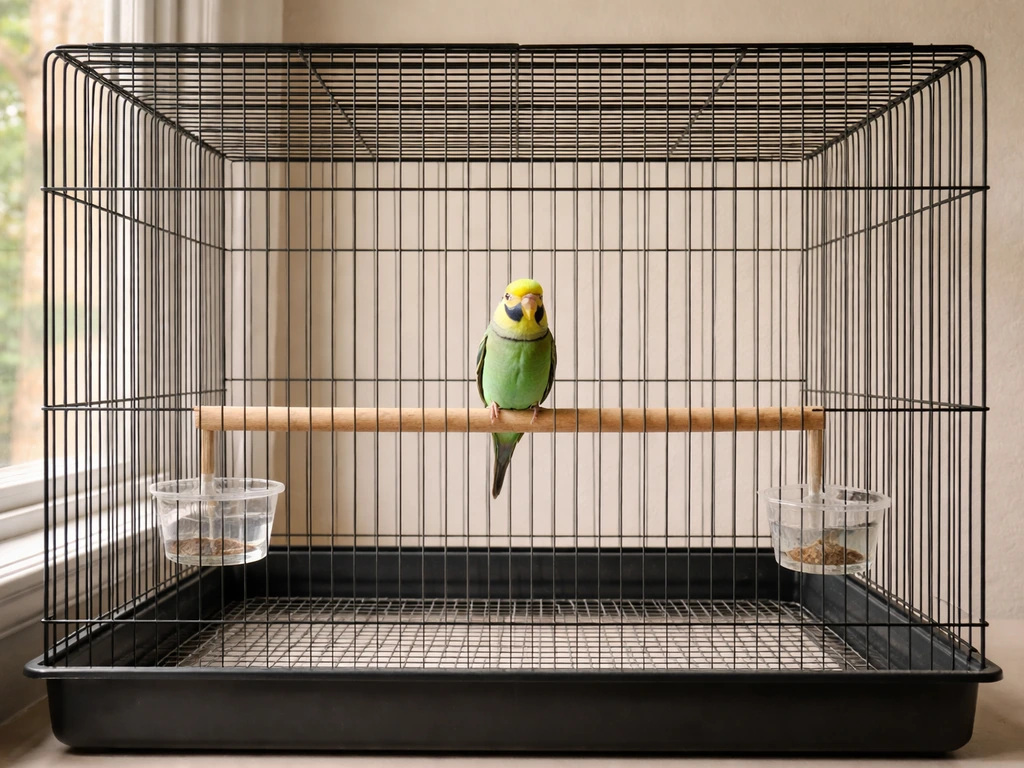
Bigger is always better for a budgie cage. The minimum useful size is 18 x 18 x 24 inches for a single bird, but if you can go larger, do it. A spacious cage lets the bird fly short distances, which is critical for physical health. Bar spacing is a safety issue: the Merck Veterinary Manual recommends no more than 0.5 inches between bars for budgerigars and similarly sized small parakeets. Wider gaps risk head entrapment or escape. Horizontal bars on at least two sides help budgies climb, which they love to do.
Perches, lining, and placement
Use at least two perches of different diameters and textures. Natural wood branches (untreated apple, willow, or manzanita) are ideal because varying grip widths exercise the foot and prevent pressure sores. Avoid sandpaper perch covers entirely. They do not file nails; they cause abrasions. For cage lining, plain white paper or paper towels work best. They're cheap, easy to change daily, and let you see droppings clearly, which matters a lot when you're monitoring health.
Temperature, ventilation, and cage placement
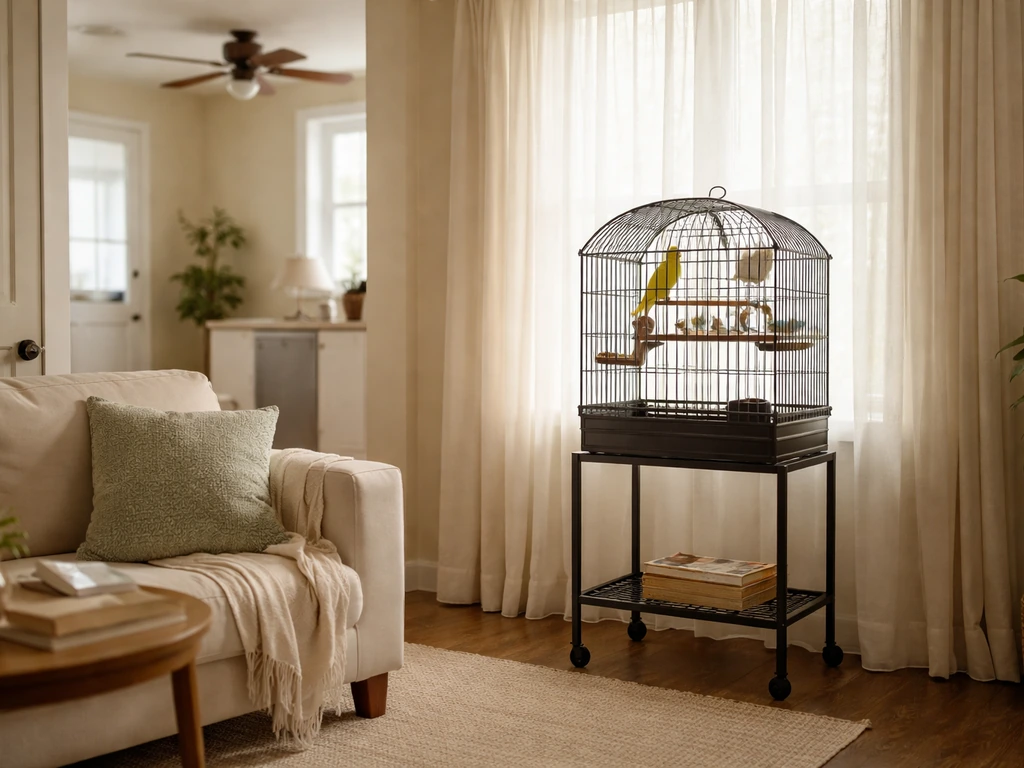
Keep the cage away from windows with direct afternoon sun (overheating risk), kitchens (cooking fumes and Teflon off-gassing are lethal to birds), exterior doors, and air conditioning vents. A consistent room temperature between 65 and 80°F suits budgies well. Good airflow matters, but drafts do not: there's a difference between a well-ventilated room and a cage sitting in a cold breeze. Cover three sides of the cage at night to give the bird a sense of security and block drafts without cutting off air circulation completely.
Feeding your budgie: seeds, pellets, and everything in between
Seeds vs. pellets
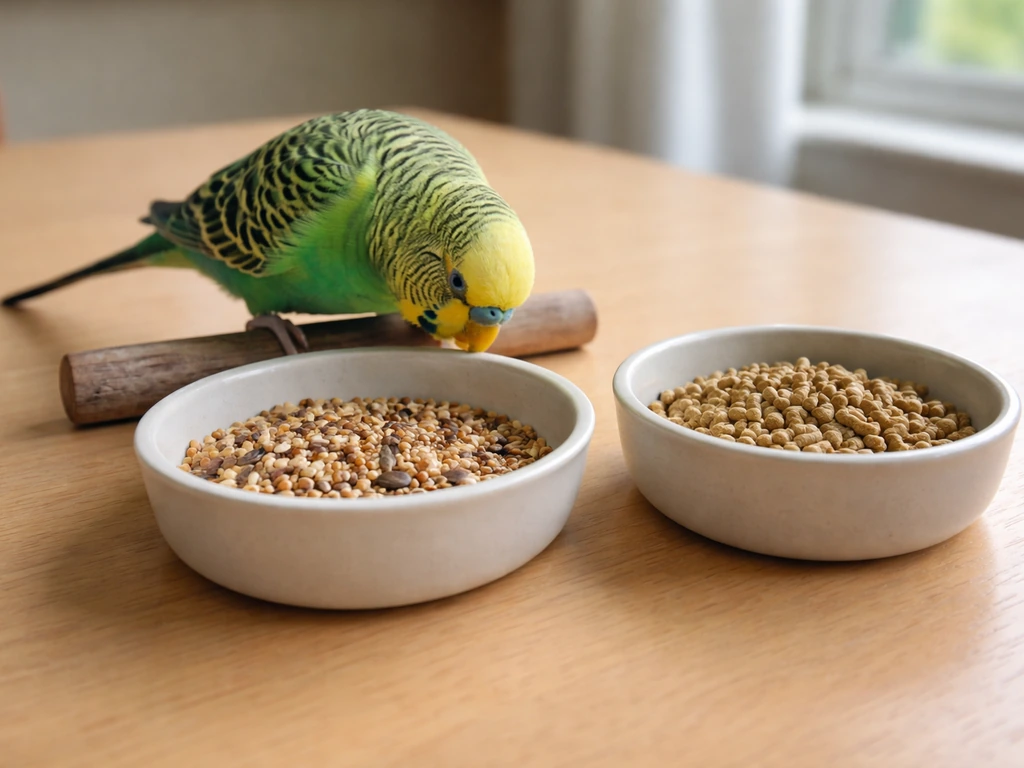
Seeds alone are not a complete diet. A high-seed diet is essentially junk food for budgies: high in fat, low in vitamins and amino acids. The Idaho Humane Society's budgie care guidance recommends that vegetables make up 20 to 35 percent of a budgie's total diet, with seeds playing a smaller role alongside other food types. Pellets offer more nutritional balance, but many budgies raised on seeds refuse them at first. Switching over takes patience and a gradual approach.
To transition from seeds to pellets, slowly reduce the seed portion over several days to a few weeks while introducing pellets alongside familiar foods. Some avian vets suggest temporarily limiting seed access to encourage the bird to try pellets, but this should only be done carefully and for short periods. Never starve a bird into eating. If your budgie is already sick or underweight, do not attempt a diet change without veterinary guidance.
Vegetables, supplements, and what to avoid
Offer fresh vegetables daily: dark leafy greens like kale, spinach, and romaine are good choices. Carrots, broccoli, and bell peppers are also well-tolerated. Wash everything thoroughly. Remove uneaten fresh food after a few hours so it doesn't spoil in the cage. Fruit is fine in small amounts as an occasional treat, but it's high in sugar so keep portions tiny.
For calcium and mineral supplementation, a cuttlebone clipped to the cage bars is one of the easiest options. Shell grit provides some calcium and aids digestion, but it's a poor source of trace minerals on its own. If your budgie is a breeding female or showing signs of calcium deficiency, speak to an avian vet about water-soluble calcium supplements. Avoid avocado, chocolate, caffeine, onion, garlic, and any fruit seeds or pits. These are toxic to budgies.
Water and daily routine
Change the water every single day. Bacteria grow quickly in water dishes, especially when droppings or food fall in. Use a clean dish or water bottle and rinse it before refilling. A simple daily feeding and watering routine, done at the same time each morning, helps your budgie feel settled and makes it much easier for you to notice any changes in appetite or drinking behavior early.
Daily handling, bonding, and keeping your budgie mentally healthy
Budgies are social animals. A budgie kept without a companion bird needs daily one-on-one time with you, not just proximity. Sitting near the cage while watching TV is not enough. Active interaction means talking to your bird, offering treats from your hand, and letting the bird step up onto your finger regularly. Gentle, consistent handling from day one builds trust faster than you'd expect.
For enrichment, rotate toys so the cage doesn't become boring. Foraging toys (where the bird has to work to access food) are especially good. Paper to shred, small bells, and wooden chew toys all appeal to budgie instincts. Keep an eye on toy safety: no zinc or lead parts, no fraying rope that could entangle toes, and nothing small enough to be swallowed whole. You'll find that general pet bird care tips apply well here, since many enrichment principles are consistent across small companion parrots.
Bathing is another enrichment opportunity budgies genuinely enjoy. Some prefer a shallow dish, others like a mist from a spray bottle. If you're not sure where to start, how to bathe a budgie bird covers the safest techniques and how often to do it. Aim for at least two to three times per week during warm months.
How to tell if your budgie is sick or injured
Budgies are prey animals, which means they instinctively hide illness for as long as possible. By the time a budgie looks obviously unwell, the situation is often already serious. That's why a quick daily visual check matters so much. You're looking for changes from the bird's normal baseline: posture, droppings, activity level, and appearance.
Check droppings every morning when you change the cage lining. Normal budgie droppings have three parts: a dark green or brown solid, a white urate, and a small amount of clear liquid. Droppings that are all liquid, bright yellow or green, blood-tinged, or absent for more than a few hours are all warning signs. Check the bird's posture: a healthy budgie sits upright and alert. A bird sitting fluffed at the bottom of the cage or holding one wing at an odd angle is telling you something is wrong.
| Sign | What it might mean | Action needed |
|---|---|---|
| Fluffed feathers, sitting low | Illness, chilling, or injury | Warm the bird; monitor closely; call a vet |
| Open-mouth breathing or wheezing | Respiratory distress | Urgent: seek avian vet immediately |
| Nasal discharge or sneezing repeatedly | Respiratory infection | Vet visit needed soon |
| Crusty, scaly growth around beak or cere | Scaly face mite (Knemidocoptes pilae) | Vet diagnosis and treatment needed |
| Not eating or drinking | Serious illness | Urgent: vet visit same day |
| Unable to perch or falling off perch | Weakness, neurological issue, or injury | Urgent: vet visit immediately |
| Wing held abnormally or dragging | Fracture or dislocation | Handle minimally; vet visit immediately |
| Blood visible (feather or wound) | Injury or broken blood feather | First aid, then vet visit |
| Swollen abdomen or straining | Egg binding (females) or other issue | Urgent: vet visit immediately |
Scaly face disease, caused by the mite Knemidocoptes pilae, is one of the most common conditions specifically seen in budgerigars. It shows up as crusty, honeycomb-like growths around the cere (the fleshy area above the beak), beak, or legs. It's treatable by an avian vet but will not resolve on its own. Egg binding is another budgie-specific emergency to know: a female who is straining, sitting fluffed at the cage bottom, or has a swollen lower abdomen needs immediate veterinary attention.
Safe at-home first aid while you arrange veterinary care
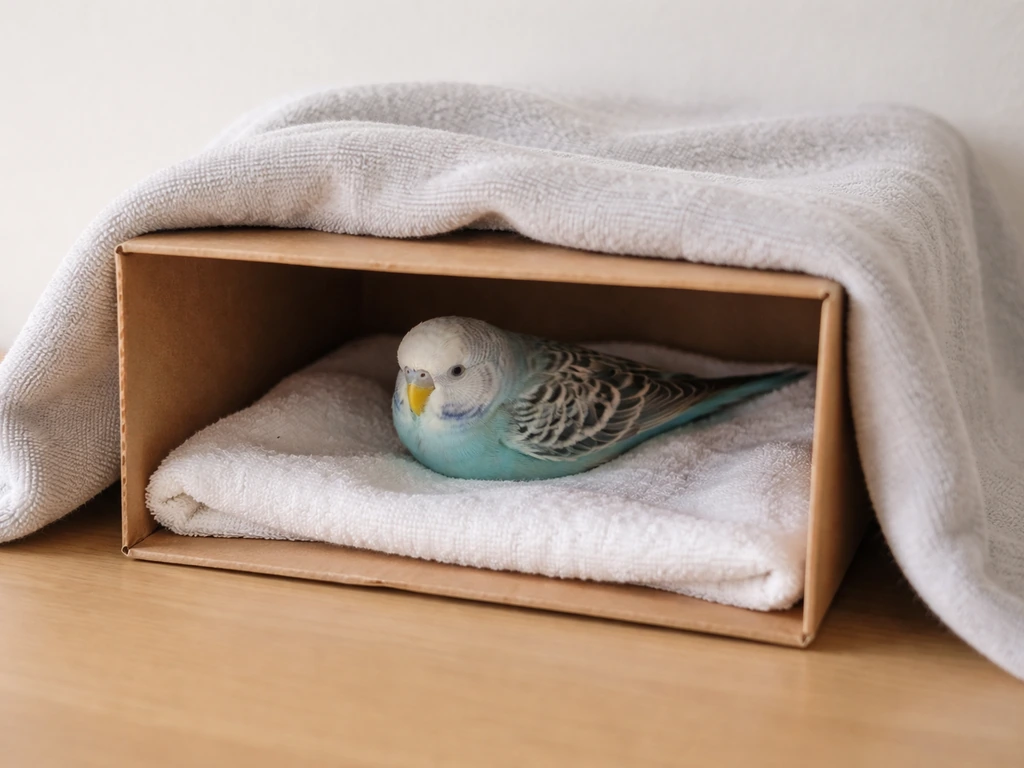
If your budgie seems sick or injured, the most important thing you can do before reaching an avian vet is provide supportive care without causing additional stress or harm. Do not try to diagnose or medicate the bird yourself. Your job at home is to keep the bird stable.
- Move the bird to a small, quiet container: a clean cardboard box with air holes or a small travel cage works. Remove perches so the bird can rest at the bottom without falling.
- Provide warmth: a sick budgie needs a temperature of at least 85°F, with 90°F being preferable according to avian supportive care guidelines. Place the container on a heating pad set to low, covering only half of the base so the bird can move away from the heat if needed. Check the temperature regularly.
- If the bird is showing respiratory distress (wheezing, labored breathing, open-mouth breathing), adding humidity to the air helps keep air passages clear. A humidifier in the room or placing a bowl of warm water nearby can help slightly while you get to a vet. Do not mist a sick bird directly.
- For minor bleeding from a wound or broken blood feather, apply styptic powder to the site with gentle pressure to stop the bleeding. Budgies have a small blood volume, so even moderate bleeding can become critical quickly. If bleeding does not stop within a minute or two, go to a vet immediately.
- Keep the environment dark and quiet. Reduce handling to the minimum needed. Stress worsens any illness in birds.
- Do not offer new foods, supplements, or any over-the-counter bird medications while the bird is unwell. Just keep food and water accessible and get to a vet.
These same principles apply to other small birds you might encounter in distress. For example, how to care for a finch bird covers similar supportive care steps, since finches share many of the same vulnerability factors as budgies when it comes to temperature regulation and stress response.
When to call an avian vet or wildlife rehab right now
Some situations cannot wait for a regular appointment. If you see any of the following, contact an avian vet or emergency wildlife rehabilitator today, not tomorrow. Purdue’s veterinary guidance also lists open-mouthed breathing when at rest as a very serious sign of illness and advises contacting a veterinarian promptly if you suspect bird illness.
- Open-mouth breathing, wheezing, or any sign of labored breathing
- The bird is unable to perch or keeps falling
- The bird has not eaten or drunk anything in 24 hours
- Visible bleeding that does not stop within 60 to 90 seconds
- A wing being held at an abnormal angle (possible fracture)
- A swollen or distended abdomen, especially in a female bird
- Seizure-like movements or loss of coordination
- The bird is found on the ground outside (wild budgies are rare outside Australia, so this is more likely a lost pet in serious distress)
To find an avian vet, search the Association of Avian Veterinarians (AAV) directory or call local veterinary clinics and ask specifically if they see birds. Not all general-practice vets are trained in avian medicine. If the bird is a wild or escaped bird and you cannot locate a vet, contact a local wildlife rehabilitation center. They handle bird emergencies and can point you to the right resource even if they do not take pet species themselves.
It is worth knowing that care requirements vary significantly between bird species, and getting species-specific advice matters. The way you'd approach how to take care of a bulbul bird or how to take care of a mynah bird is quite different from budgie care in terms of diet, housing, and handling needs. When in doubt about a bird's species, describe it to the vet or rehabilitator so they can give you species-specific guidance.
What to do starting today
If your budgie is currently healthy, start with the daily routine: fresh food, clean water, a morning health check, and at least an hour of interaction. Audit the cage setup this week: check bar spacing, perch variety, and placement away from kitchen fumes and drafts. If the diet is mostly seed, start the gradual transition to a more varied diet now, before there's a health problem forcing your hand.
If your budgie is unwell right now, skip the rest of the article and go back to the first aid section. Provide warmth, reduce stress, and call an avian vet today. Birds deteriorate faster than most people expect. Acting quickly is the single most important thing you can do for a sick or injured budgie.
FAQ
How often should I clean the cage beyond the daily paper change and water refresh?
In addition to daily lining and water changes, do a deeper clean on a schedule (for example weekly): remove perches and toys, wash with bird-safe soap, rinse well, and let everything dry completely before returning it. Also spot-clean immediately if food or droppings get smeared on bars, perches, or the floor tray, since damp debris can raise bacterial load quickly.
What temperature range is safe at night, and do I need a heat source?
Budgies generally do well in a steady 65 to 80°F range, but if your home regularly drops below the mid-60s at night, plan a gentle, bird-safe heat source rather than drafts or direct heat from a lamp. Avoid heating units that blow hot air onto the cage, and keep any heat source on one side so your bird can move away if it gets too warm.
My budgie keeps throwing food and splashing water. How do I manage this without sacrificing hygiene?
Use shallow water and heavier dishes that are harder to tip, and offer fresh vegetables in a way that’s easier to remove (for example a small dish you can take out after a few hours). Keep the cage lining clean and replace it daily as described, and wipe nearby surfaces around the bowl if splash becomes frequent, because moisture increases spoilage and odor fast.
Is it safe to use kitchen air fresheners, candles, or sprays near my budgie?
Avoid them in the same room as your bird. Even if you keep the cage away from the kitchen, airborne fumes and aerosols can irritate budgie airways. The safest approach is to use none of these products during the time your budgie is out or housed, and keep the room well ventilated.
How can I tell normal droppings from diarrhea if my budgie is eating lots of greens?
Look at the overall pattern, not a single stool. Normal droppings include a dark solid, a white urate, and some clear fluid. If you see consistently all-liquid output for more than a short period, bright yellow or green watery stools, or a marked change in frequency, that warrants veterinary advice, especially if paired with lower activity or fluffed posture.
Can I let my budgie free-fly in the room?
Only with strict safety steps. Secure windows and doors, remove ceiling fans, cover mirrors or reflective surfaces to reduce collision risk, and eliminate household hazards like open toilets, accessible cords, and nonstick cookware use if any fumes could be present. Start by training step-up and recall-like behavior, and never leave the bird unattended during free-flight.
How do I handle a budgie safely if it’s not used to being touched?
Use short, calm sessions and let the bird choose engagement. Practice step-up with consistent cues, offer a favorite treat at the same spot each time, and stop before the bird gets to the point of frantic flapping or biting. Regular, gentle handling builds trust faster, but forcing contact is stressful and can worsen fear-based aggression.
What’s the safest way to change from seed to pellets if my budgie refuses them completely?
Proceed more gradually than you think you need, introduce pellets alongside familiar foods, and keep the bird from getting long periods of no acceptable options. If you suspect picky eating is becoming risky (weight loss, lethargy, or stubborn refusal), ask an avian vet for a tailored plan, since forced transitions or seed restriction can backfire if the bird is already unwell or underweight.
Can I give millet or treats, and how much is too much?
Treats are okay as training tools, but keep them small and infrequent so they do not replace balanced nutrition. A practical rule is to treat millet as an occasional reward, not a meal, and monitor body condition, since budgies can gain weight or develop nutritional imbalance when treats become the main calorie source.
My budgie has a cuttlebone but still seems to lack calcium. What else should I check first?
First, confirm the bird is eating an appropriate diet overall, including daily vegetables, since overall nutrition affects mineral status. Also check for signs of chronic stress or illness that can reduce intake. If you are seeing symptoms suggestive of deficiency (weakness, abnormal posture, breeding-related issues), contact an avian vet for specific calcium guidance rather than increasing supplements blindly.
What are the most urgent signs that I should not wait for my next appointment?
If you see severe or worsening fluffed posture, difficulty breathing, bleeding, a wing held at an odd angle with ongoing reluctance to move, straining or a swollen lower abdomen in a female, absence of droppings for an extended period, or sudden major behavior change, treat it as urgent. Birds can decline quickly, so call an avian vet or emergency service the same day.
If my budgie might have scaly face disease, can I try home treatment?
Do not attempt DIY mite removal or medications. Scaly face disease requires an avian vet to confirm and guide treatment safely, because crusting and changes around the beak, cere, or legs can worsen if handled incorrectly. Focus on keeping the bird warm, reducing stress, and getting the right diagnosis as soon as possible.
How do I reduce loneliness stress if I cannot have another budgie?
Aim for consistent, scheduled interaction with real engagement, not just being in the same room. Offer brief daily training and hand-stepping, talk to the bird regularly, and consider a mirror only as a temporary training tool, not a long-term substitute, since it can sometimes increase fixation or stress. If the bird is very vocal or plucking, discuss strategies with an avian vet or a certified avian behavior professional.
Next Article
How to Release a Hand-Reared Bird Safely and Humanely
Step-by-step humane release for hand-reared wild birds: species checks, anti-imprinting care, soft vs hard release, afte