If you've found an injured, sick, or orphaned bird, the most important thing you can do right now is stay calm and resist the urge to do too much. The single most effective action in the first hour is stabilization, not treatment. That means keeping the bird warm, dark, quiet, and safe while you figure out the next step. This guide walks you through exactly what to do, in order, from the moment you find the bird to handing it off to someone who can actually rehabilitate it.
How to Rehabilitate a Bird: Step-by-Step First Aid
Marcus Holloway
10 Apr 2026
First steps: assess the situation, stop bleeding, keep the bird warm
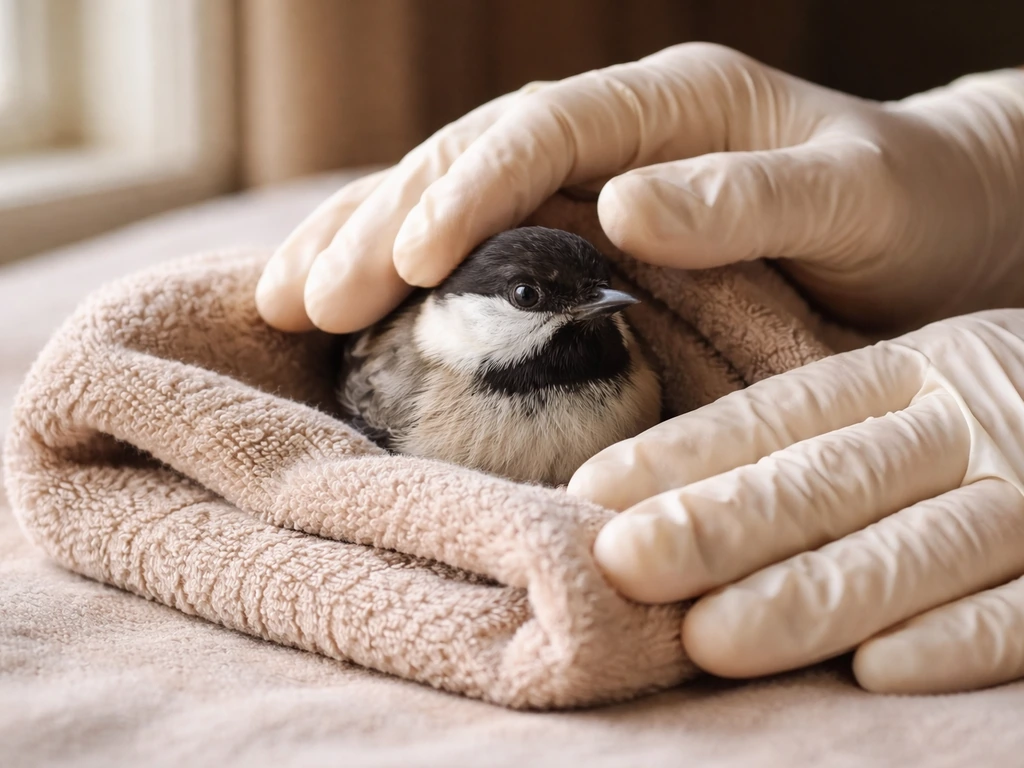
Before you touch the bird, take 30 seconds to assess. Is it bleeding actively? Is it lying on its side, gasping, or completely unresponsive? Trouble breathing, lying on its side, bleeding profusely, or broken limbs are all signs the bird needs urgent professional care, not just a warm box. If any of those apply, skip ahead and start making calls immediately.
If the bird is bleeding from a visible wound, apply gentle, steady pressure with a clean cloth or gauze for a few minutes. Only apply pressure if it's actively bleeding. Do not probe the wound or try to clean it with anything beyond what's needed to control blood loss. Once bleeding slows or stops, leave the wound alone.
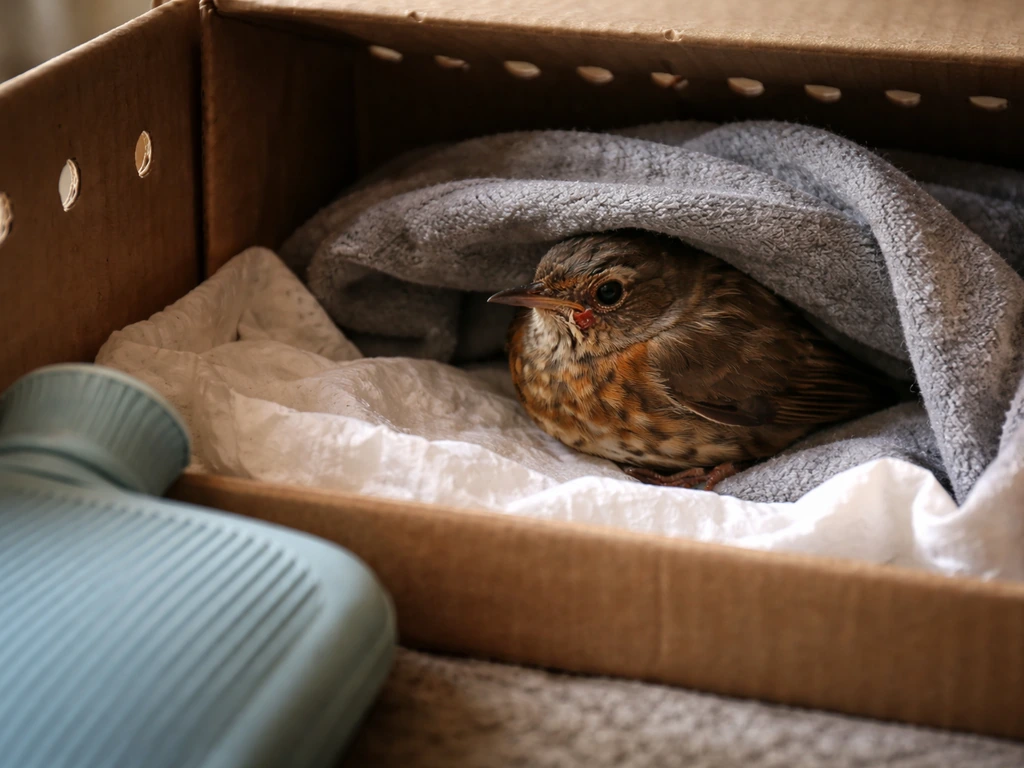
Warmth is your next priority. Hypothermia is a real danger for injured birds, especially small songbirds or nestlings. A cold body and cold skin are key signs a bird is already hypothermic. A safe method is to fill a zip-lock bag or bottle with warm (not hot) water and place it against the outside of the container you're using to hold the bird, wedged so it can't roll and directly contact the bird.
Target temperature inside the enclosure should be around 80 to 90°F (26 to 32°C) for most birds. If you don't have a thermometer, aim for comfortably warm to your hand, never hot. Overheating is genuinely dangerous, especially for nestlings, who can rapidly lose moisture and become more dehydrated when temperatures climb too high.
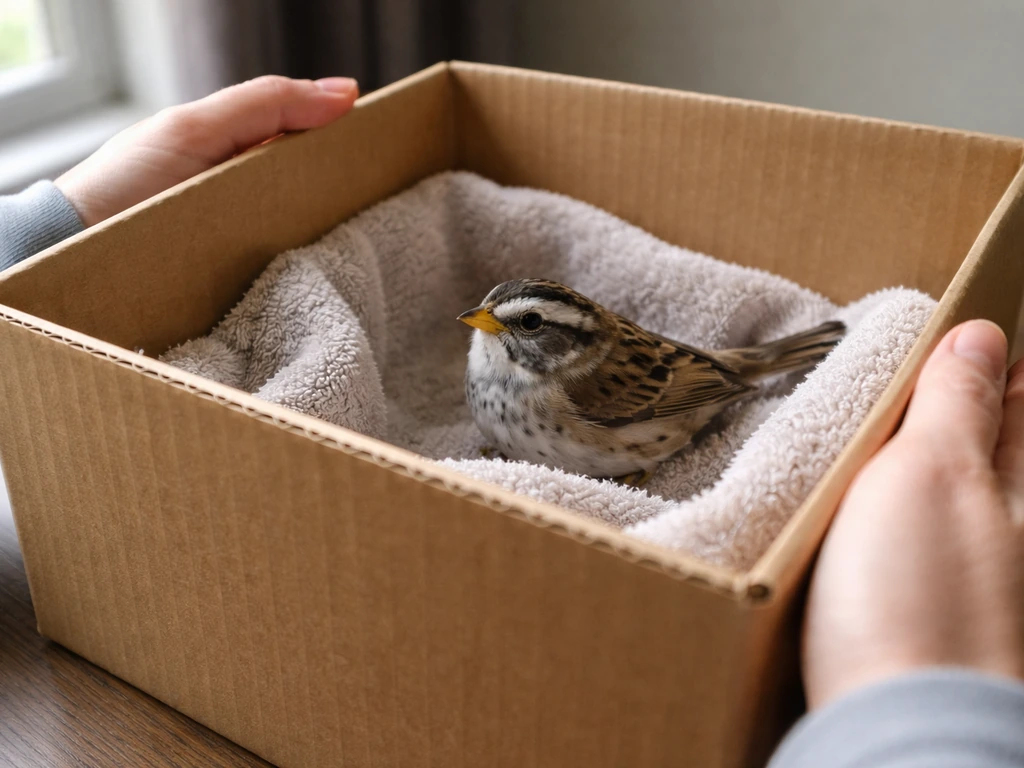
Put the bird in a cardboard box with air holes, lined with a soft cloth or paper towels. Cover the box to keep it dark and quiet. Place it somewhere away from pets, kids, and loud noise. Stress alone can kill a bird in fragile condition, so the less stimulation the better while you work on next steps.
Injured adult, orphaned baby, or sick bird: what changes in your approach
The stabilization basics above apply in all three scenarios, but the situation you're dealing with affects what you watch for and how urgently you need to act.
Found an injured adult bird
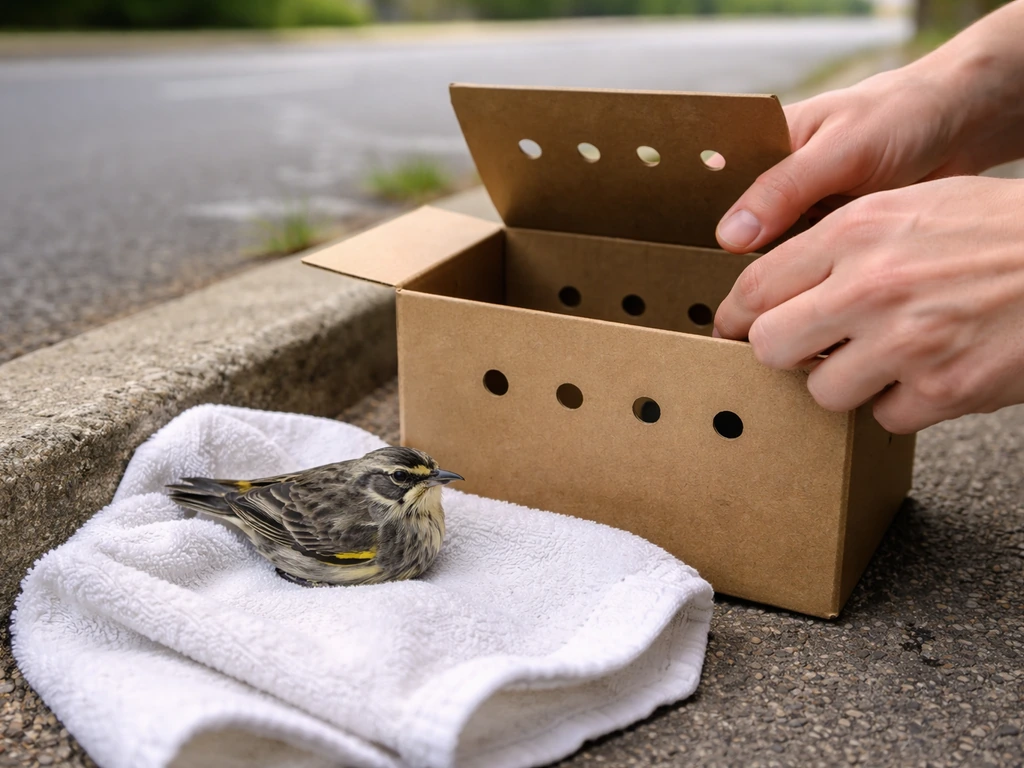
An adult bird that's been hit by a car, struck a window, or attacked by a cat needs professional evaluation even if it looks okay on the outside. Cat bites and puncture wounds introduce bacteria deep into tissue and are almost always fatal without antibiotics. Broken bones, visible deformity, a tilting head, large bubbles under the skin, or any sign of maggots or fly strike all require a licensed wildlife vet or rehabilitator, full stop. Don't wait to see if the bird improves on its own.
Found a baby or juvenile bird
Before assuming a baby bird is orphaned, assess the scene. Fledglings (birds with short tail feathers and some wing feathers) are often on the ground intentionally while learning to fly. Their parents are usually nearby and watching. If the bird is fully feathered and hopping around, it likely doesn't need rescue.
Watch from a distance for about half a day. If a parent doesn't return, or if you know the parent is dead, bring the bird inside to a warm, quiet, dark place and contact a licensed songbird rehabilitator for advice. A naked or downy nestling that's fallen from a nest can be placed back in the nest if you can reach it safely. The parent will not reject it because of human scent.
Found a visibly sick bird
A sick bird is often the trickiest to identify because there's no obvious wound. Signs include puffed-up feathers while resting, discharge from the eyes or beak, labored breathing, loss of balance, or complete loss of the fear response that healthy wild birds always have around humans. A bird that lets you walk up and pick it up without trying to escape is almost certainly in serious trouble. Box it, warm it, keep it quiet, and get it to a rehabilitator the same day if possible. Also worth knowing: given current avian influenza risks, wear gloves when handling any sick wild bird and wash your hands thoroughly afterward.
Do's and don'ts for handling and basic first aid
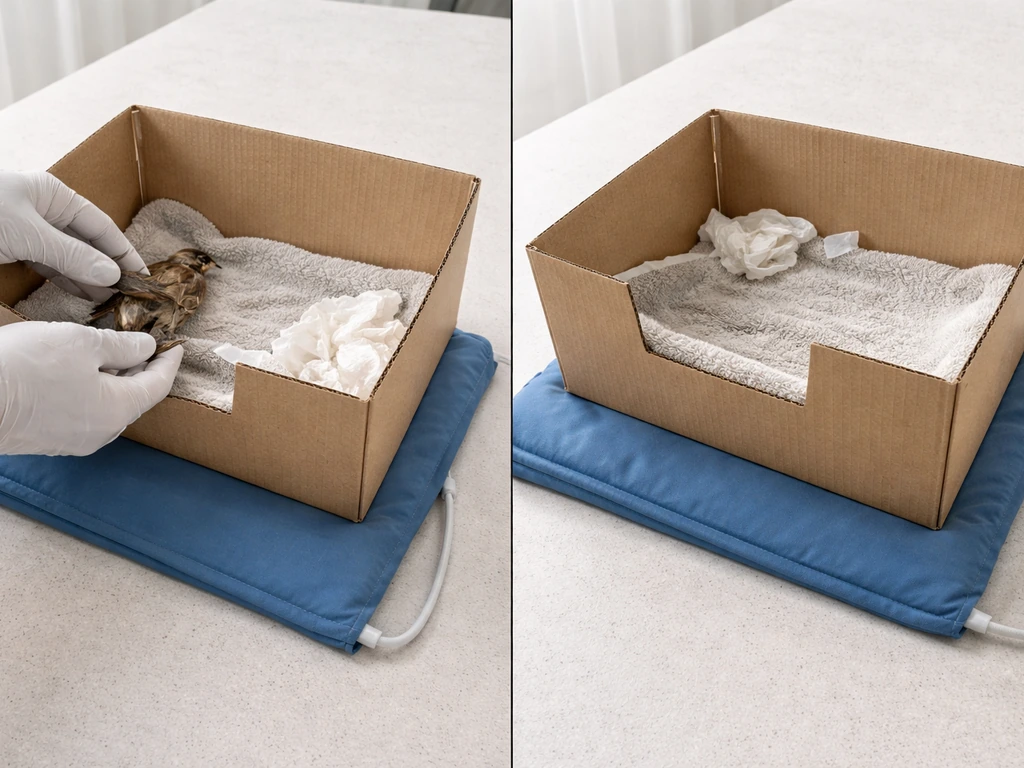
Most mistakes people make when trying to help a bird come from good intentions combined with not knowing that birds have very specific vulnerabilities. The list below is short but important.
- Do wear gloves when handling wild birds, both for your protection and the bird's.
- Do place the bird in a secure, ventilated cardboard box lined with a soft cloth.
- Do keep the box dark, quiet, and warm while you make calls.
- Do apply gentle pressure if the bird is actively bleeding from a visible wound.
- Do wash your hands thoroughly after any contact with a wild bird.
- Don't give the bird food or water. This is the most universally agreed-upon rule from every major wildlife organization. Well-intentioned feeding can cause aspiration, which is when liquid or food enters the airway, and it can be fatal.
- Don't squirt water into the bird's mouth. Even a few drops delivered the wrong way can aspirate directly into the lungs.
- Don't give any medication, including pain relievers, antibiotics, or anything from your medicine cabinet.
- Don't attempt to set broken bones or splint wings at home.
- Don't keep the bird near a heat source hot enough to make the box uncomfortable to your hand.
- Don't handle the bird more than necessary. Every touch adds stress.
The no-food, no-water rule can feel counterintuitive when you're watching an animal suffer, but it's critical. All birds should be correctly identified before any feeding attempt, and the bird's digestive system needs to be functional before any food is introduced. Hand-feeding baby birds is a controlled, species-specific procedure done with calibrated syringes and appropriate formula. It is not something to improvise. If you're trying to help a stressed bird, the best thing you can do is remove stimulation entirely, not add it.
Stabilizing care: temperature, shelter, and what to actually offer
Once the bird is in a box and stabilized from immediate danger, your job for the next hour or two is to maintain that stability. That means managing three things: temperature, darkness, and quiet.
Temperature
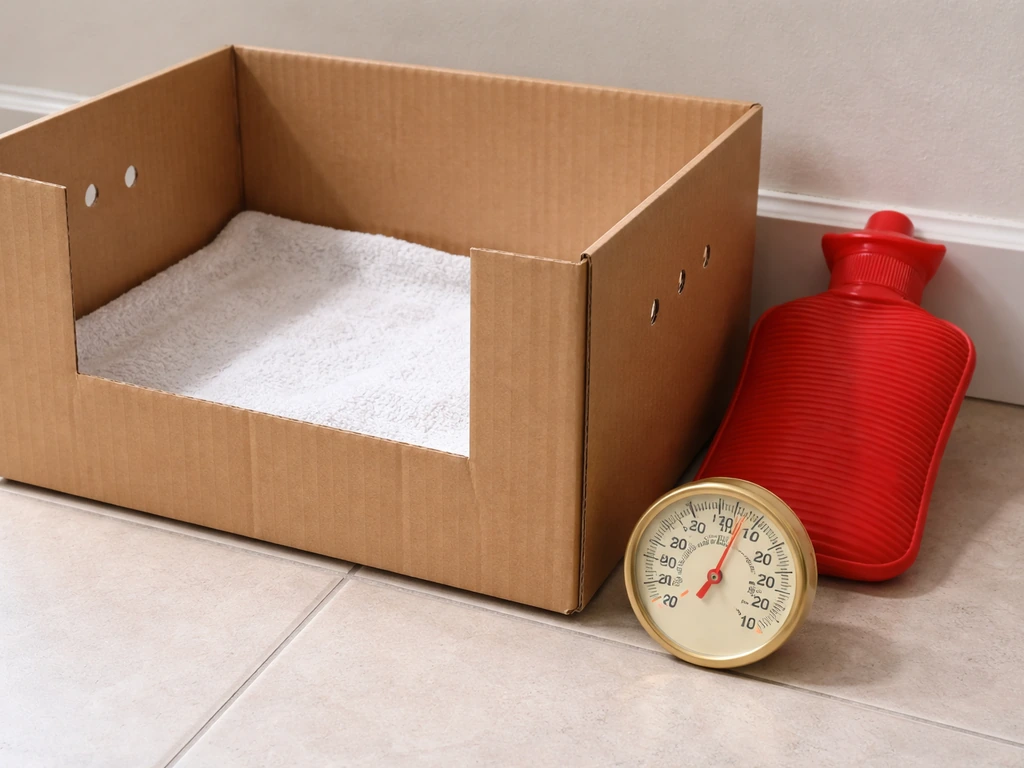
Keep the enclosure between 80 and 90°F (26 to 32°C). A warm water bottle against the outside of the box works well. Never place a heat pad directly under the bird or under its container without a way for the bird to move away from the heat source. Birds cannot regulate body temperature when stressed or injured, and they can't tell you they're too hot. If you notice the bird panting, moving away from the warm area, or holding wings out, it's too warm. Back off the heat source.
Shelter setup
A cardboard box works fine. Punch a few air holes in the sides, not the top. Line the bottom with a non-fraying cloth like a t-shirt or fleece (avoid terry cloth loops, which can catch toenails). Add a small folded cloth in one corner the bird can tuck under or lean against. Cover the top completely to block light. Set the box in a room away from household noise, TVs, other pets, and direct sunlight through windows.
Food and water: what you can actually offer
In most cases, the answer is nothing, until you've spoken to a rehabilitator. If a rehabilitator or avian vet gives you specific instructions for your situation, follow those exactly. Do not improvise based on what seems logical or what you've read online. The digestive and respiratory systems of birds are too sensitive for well-meaning guesswork. If you're told to offer water, it should be placed in a shallow dish the bird can access on its own, not squirted or dropper-fed into its mouth.
When and how to contact a wildlife rehabilitator or avian vet
Contact a professional as soon as the bird is stabilized in a box. When you find an injured wild animal, Washington’s Department of Fish & Wildlife recommends calling a permitted wildlife rehabilitator as soon as possible and verifying they have the proper rehab permit, then following their instructions call a permitted wildlife rehabilitator. Don't wait to see if it gets better. You can call your state wildlife agency's hotline (in Virginia, for example, the wildlife conflict helpline is 1-855-571-9003 during business hours), search for a licensed wildlife rehabilitator through your state fish and wildlife agency's website, or contact a local avian vet. Many humane societies also maintain referral lists.
When you call, have this information ready: the species if you can identify it, where exactly you found the bird (location, habitat, near a road or building), what you observed (the injury or behavior that made you pick it up), how long ago you found it, what you've done so far (including whether you've offered food or water), and your location so they can direct you to the nearest facility.
Licensed wildlife rehabilitators are trained and legally permitted to provide care that you are not. They have the right food, the right medications, and the right setup. Getting the bird to them quickly is genuinely the most useful thing you can do. If there's no one nearby available immediately, ask for specific holding instructions for your situation over the phone.
One thing to be aware of right now: avian influenza is an active concern for wild bird populations. When handling or transporting any wild bird, wear gloves, cover the carrier, and place it on a surface that can be easily cleaned or disinfected afterward. Wash your hands with soap and water immediately after contact.
Monitoring the bird and what to expect from here
While you're waiting to reach a rehabilitator or transport the bird, check on it every 20 to 30 minutes without opening the box fully. You're listening and briefly observing, not handling. Here's what you're tracking:
- Breathing: it should be regular and unlabored. Open-mouth breathing or clicking sounds are warning signs.
- Position: a bird standing or sitting upright is a better sign than one lying on its side.
- Responsiveness: some alertness is good. Complete unresponsiveness is urgent.
- Temperature: the box should feel comfortably warm, not hot, to your hand.
- Bleeding: check the cloth lining for fresh blood. A small amount of dried blood is expected. Fresh, active bleeding needs pressure reapplied.
Do not interpret a bird becoming calmer or less reactive as a sign it's getting better. In many cases, a bird going quiet and still is conserving energy because it's declining. Calm is good. Completely unresponsive is not.
Once you hand the bird off to a rehabilitator or vet, actual rehabilitation can take days to months depending on the injury and species. A window-strike concussion might resolve in a few hours with warmth and quiet. A broken wing may require weeks of cage rest, controlled feeding, and eventually flight conditioning in a larger enclosure before release. Orphaned nestlings require hand-feeding every 15 to 30 minutes during daylight hours and a staged transition to self-feeding. This is why professional care matters. It's not just about the medical treatment. It's about the full arc of recovery.
Keeping the bird calm throughout the process
Stress is a genuine medical threat to birds. An already injured bird can deteriorate rapidly if it's repeatedly handled, exposed to loud noise, or kept in a brightly lit environment. Knowing how to calm a bird down during this period is less about technique and more about doing less. Darkness is calming. Silence is calming. Stillness is calming. Every time you open the box to check on the bird, you're adding stress. Keep checks brief and infrequent.
If a bird is alert and attempting to escape the box, that's actually a positive sign. It means it has energy and a survival instinct. Don't interpret struggling as a sign the bird needs more handling to calm it down. What it needs is to be left alone in a dark, warm space. Learning how to destress a bird in this context is really about creating the right environment, not about interaction.
For birds recovering from shock or a window strike specifically, keeping stimulation minimal for the first hour can make a meaningful difference. If the bird is more alert after an hour, still transfer it to a rehabilitator rather than releasing it prematurely. A bird that looks recovered from a window strike may still have internal injuries or neurological effects that aren't visible to you.
Transport: getting the bird where it needs to go
When it's time to transport, keep the box covered and secured in your vehicle so it can't slide or tip. Place it on a seat with a seatbelt around it, or wedge it securely in the footwell. Don't place it in a hot trunk. Don't play loud music. Don't check on the bird while driving.
Keep the car at a comfortable temperature, not cold and not hot. The carrier should stay covered throughout transport. If you're driving more than 30 to 45 minutes, check in with the rehabilitator by phone to confirm they're expecting you and ask if there's anything specific to do during the drive.
One common mistake: people will roll down the windows or place the box in direct sunlight thinking fresh air or warmth is helpful. Both can cause rapid temperature changes that add stress or cause overheating. Keep the environment in the car steady and moderate.
What comes after: setting realistic expectations
It's worth being honest about outcomes. Not every bird survives. Professional rehabilitators save a high proportion of the birds they receive, but some injuries are too severe, some birds are too young or too compromised by the time they're found, and some species simply don't tolerate captivity well. The fact that you acted quickly and correctly gives the bird its best chance. That's genuinely the most anyone can do.
If you're dealing with a bird that seems emotionally withdrawn or listless beyond what its physical injury explains, that behavioral layer matters too. Birds in prolonged captivity or recovery can show signs of stress-induced behavioral changes. A good rehabilitator will account for this in their care plan. If you're curious about what that looks like, understanding how to cure a depressed bird gives useful context for what full recovery actually involves beyond just physical healing.
Your role in rehabilitation is the critical first chapter: contain, stabilize, minimize stress, and connect the bird with someone qualified to write the rest of the story. Do those four things well, and you've done everything right.
Quick-reference: injured vs. orphaned vs. sick
| Situation | Key signs | Immediate action | Urgency |
|---|---|---|---|
| Injured adult | Bleeding, broken bones, deformity, cat bite, tilting head, bubbles under skin | Box, warm, dark, quiet. Apply pressure if bleeding. Call rehabilitator. | Urgent, same day |
| Orphaned baby (nestling) | Naked or downy, no feathers, out of nest, cold | Box, warm to 80-90°F, dark, quiet. Do not feed or water. Call rehabilitator. | Urgent, same day |
| Fledgling on ground | Short tail feathers, hopping, alert, parents nearby | Observe from a distance for several hours before intervening. | Watch and wait first |
| Sick adult | Puffed feathers, no fear response, discharge, labored breathing, balance issues | Box, warm, dark, quiet. Wear gloves. Call rehabilitator. | Urgent, same day |
Your action plan right now
- Assess: identify what you're dealing with (injured adult, baby, fledgling, or sick bird) before touching anything.
- Contain: place the bird gently in a ventilated cardboard box lined with a soft cloth.
- Stabilize: add gentle warmth (warm water bottle against outside of box), keep it dark and quiet.
- Control bleeding only if actively occurring: apply gentle, steady pressure with clean cloth.
- Do not feed or water the bird under any circumstances unless directly instructed by a professional.
- Call a licensed wildlife rehabilitator or avian vet immediately and provide the details listed above.
- Transport carefully: covered box, secured in a stable position, moderate car temperature.
- Hand off to professionals and follow their guidance from there.
If you're also dealing with a bird that's responding fearfully or is very difficult to approach, knowing how to calm a scared bird can help you get it contained without either of you getting hurt. And once a bird is in your care, even briefly, knowing how to comfort a bird without overstimulating it is a genuinely useful skill. The overarching goal in all of this is the same: do the minimum necessary to keep the bird alive and stable, and get it into professional hands as fast as you can.
FAQ
How can I safely transport a bird to a rehabilitator if I need to move it right away?
If you must move the bird before you can call a rehabilitator, use a shoebox or cardboard box with a few side air holes and keep it covered in transit. Handle with gloves, minimize time out of the dark, and avoid checking its condition repeatedly, because frequent lid opening is a major stress trigger even when the bird seems calmer.
What’s the safest way to handle a sick or injured bird during avian influenza risk?
Use “gloves, but don’t rely on them.” Gloves reduce your exposure, but you still need to wash hands thoroughly after removing them, and you should disinfect surfaces the carrier touches. If the bird is bleeding, use absorbent material in the bottom of the box and keep the bird away from your clothing and vehicle upholstery.
What should I do if the bleeding doesn’t stop after I apply pressure?
If the bird is actively bleeding, continued gentle pressure is appropriate, but once bleeding slows you should stop touching the wound. If bleeding restarts, apply pressure again and escalate urgency, especially for cat bites, punctures, or any wound on the head or feet. Don’t try to “clean” deeper tissue, remove scabs, or use antiseptics unless a rehabilitator specifically directs you.
Can I give water or food to help it regain strength while I’m waiting for a rehabilitator?
For most situations, no. Food and water are withheld until you identify the species and get professional instructions, and hand-feeding is only appropriate when someone qualified tells you exactly what formula, syringe size, and feeding frequency to use. If you’re told to offer water, provide a shallow dish the bird can access on its own, do not force-feed or drip into the mouth.
When is it okay to release a bird back outside after first aid?
Don’t release it outdoors from your car or after a short wait. Even birds that look alert after shock or a window strike can have internal injuries or neurologic effects. The safe rule is, if symptoms were severe enough to rescue, transfer to a rehabilitator first, or at least get advice from one before release.
What if I’m not sure whether the bird is a fledgling or a truly orphaned baby?
Yes, but the guidance depends on whether it’s a nestling versus an obviously mobile bird. Fully feathered fledglings with some tail and wing feathers are often learning and are usually better left alone while you observe from a distance for about half a day. If the bird is completely feathered but still sitting on the ground and you are unsure, treat it as needing professional advice rather than feeding or relocating it.
What signs mean I should skip basic first aid and call for help immediately?
If the bird is lying on its side, gasping, tilting its head, showing visible deformity, or you suspect fly strike or maggots, treat it as an urgent professional case and call immediately. Do not delay for “warm-up time” because some conditions, like puncture infections from cat bites, require antibiotics and can become fatal quickly.
How do I tell whether the bird’s quietness is improvement or decline?
A bird that is calm and still can be conserving energy, but complete unresponsiveness is not a “getting better” sign. During your brief checks, watch for responsiveness to movement or sound, breathing pattern, and ability to maintain posture. If the bird worsens between checks, escalate urgency and contact the rehabilitator sooner.
What should I avoid putting in the rescue box that could harm the bird?
Avoid common “helpful” items in the box, like loose bedding that can tangle feet or wings, towels that shed fibers, and anything smelly or brightly colored. Use non-fraying fabric for footing, keep the box dark, and create one snug corner for the bird to lean against. If you don’t have the right materials, it’s better to use simple safe cloth than to improvise with string, cotton balls, or bath mats.
The bird is very alert and keeps trying to escape, should I calm it by handling it?
If the bird is alert and actively trying to escape, you still shouldn’t open the box to “comfort” it. Instead, keep the enclosure dark, quiet, and appropriately warm, and only briefly check by lifting the lid minimally. Excess handling can worsen stress, which can directly affect breathing and recovery.
How do I adjust transport precautions for a longer trip than I expected?
During transport, keep the box covered and secured to prevent sliding or tipping, and keep cabin conditions moderate. Don’t place the carrier in a hot trunk, don’t leave it in direct sunlight, and don’t use fans that could dry it out or create drafts. If the trip is longer than you planned, call the rehabilitator to confirm how they want you to handle longer delays.
Next Article
How to Calm a Bird Down: Safe Steps and First Aid
Step-by-step humane first aid to calm a stressed or injured bird, reduce panic, and know when to get help.