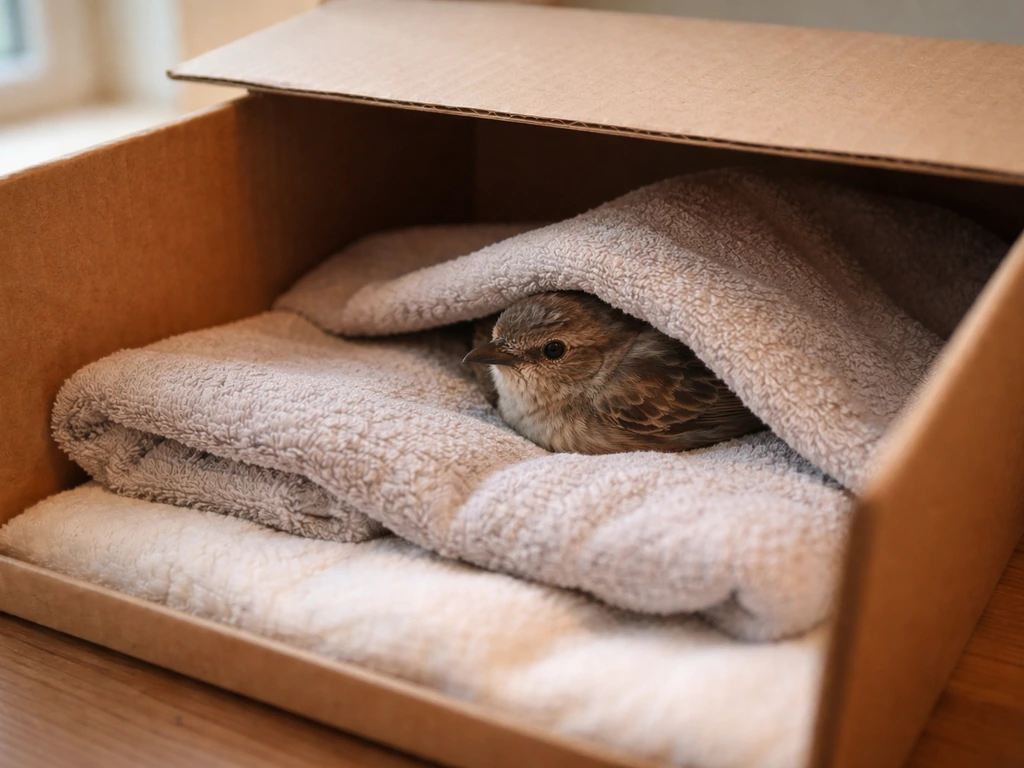
If you've found a bird that needs help, the fastest path to real care is contacting a licensed wildlife rehabilitator in your area. You can find one through the National Wildlife Rehabilitators Association directory at nwrawildlife.org, the Wildlife Rehabber database at wildliferehabber.com, or your state's wildlife agency website (like the NYSDEC in New York, which maintains a statewide Wildlife Rehabilitator Contact List). If no one answers, your local humane society, animal control, or an avian vet can serve as a bridge until a rehab spot opens up.
Where Can I Rescue a Bird? Get Help Today Near You
Marcus Holloway
16 May 2026
First: figure out what you're actually dealing with
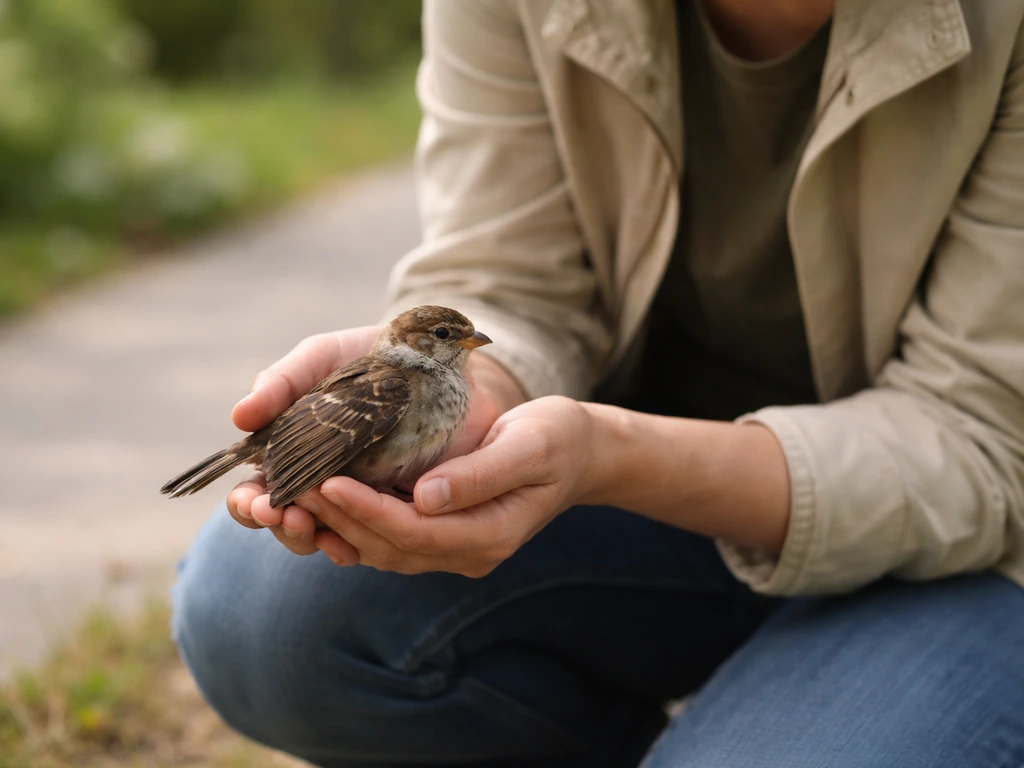
Before you call anyone, spend 60 seconds assessing the bird. The situation changes completely depending on what you're looking at, and calling with the wrong description can slow things down.
An injured bird has an obvious visible problem: a drooping or broken wing, bleeding, a wound from a cat or dog, or it was struck by a window or car. It can't fly away even when approached. This is the most urgent situation and almost always requires contacting a rehabilitator today.
An orphaned bird is a nestling (eyes closed, no feathers, completely helpless) or a fledgling (fluffy, hopping around, short tail feathers) that has ended up on the ground without a parent in sight. If it's a fledgling, it may actually be fine. Fledglings spend days on the ground while their parents continue feeding them nearby. Scooping one up when it doesn't need you is a common mistake.
A grounded bird that looks healthy is the trickiest situation. Some species, like chimney swifts or band-tailed pigeons, can't take off from flat ground and need a gentle lift into the air. Others may be temporarily stunned from a window strike and will recover on their own within an hour. Watch from a distance for 30 to 60 minutes before assuming it needs rescue.
- Injured (bleeding, broken wing, won't flee): act now, call a rehabilitator
- Nestling on ground (naked, eyes closed): get it back in the nest if possible, or call rehab
- Fledgling on ground (feathered, hopping): watch from a distance first, call if a cat is present
- Stunned bird after window strike: contains safely for 1 hour, release if it recovers
- Healthy-looking bird, just sitting there: watch before intervening, many don't need help
What to do on the spot while you find help
The window between finding a bird and getting it into professional hands is critical. Your goal during this time is simple: keep the bird safe, contained, and calm without making things worse. If you are wondering about a rescued bird what to do next, follow the safest steps: keep it warm and contained, then contact a licensed rehabilitator right away.
Containment and warmth
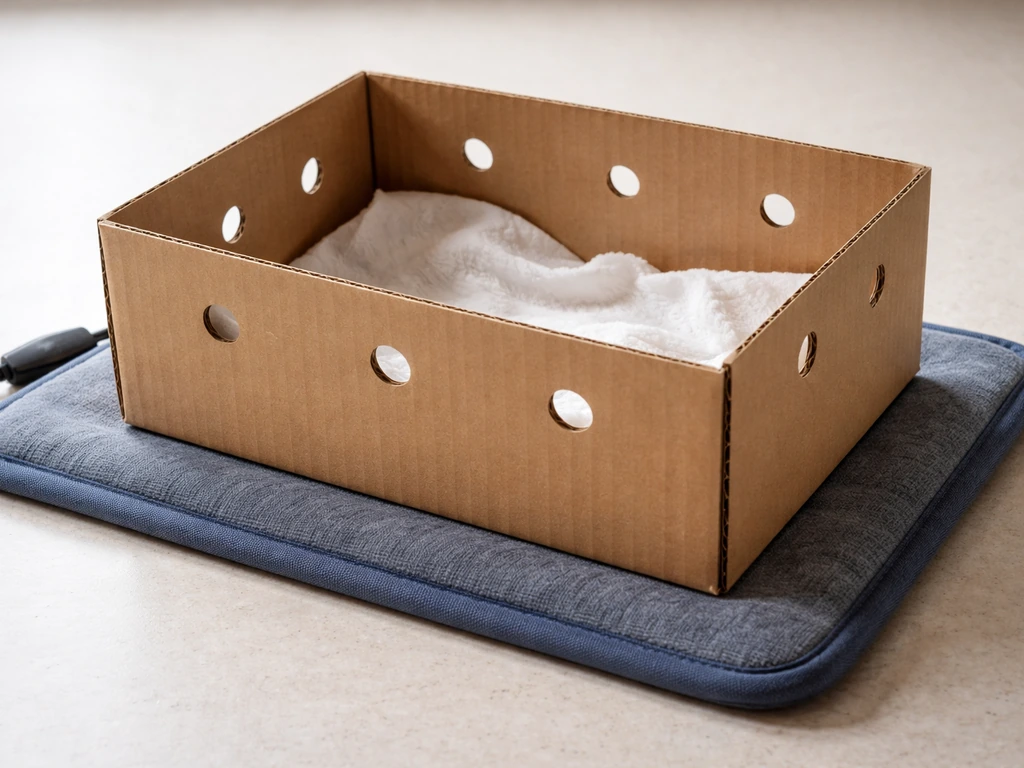
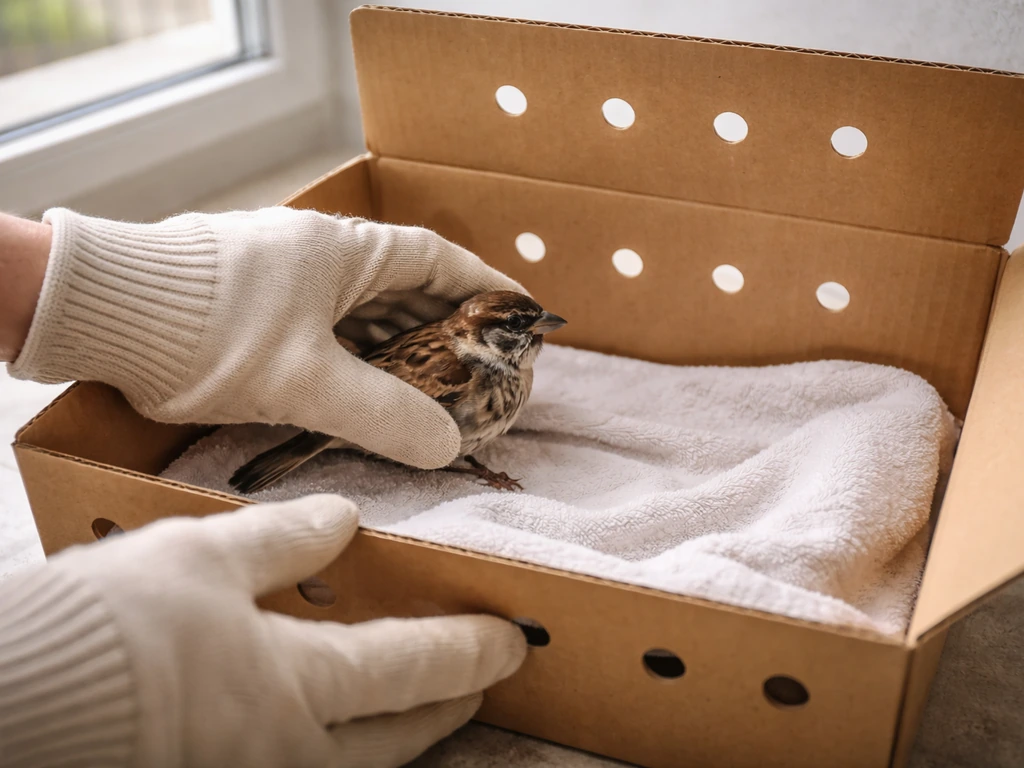
Use a cardboard box with ventilation holes punched in the sides. Line the bottom with a soft cloth or paper towels so the bird has traction. Gently place the bird inside using a light towel or cloth over your hands to protect both you and the bird. Close the box and keep it in a warm, quiet, dark place away from pets, children, and noise. Darkness reduces stress significantly.
If the bird feels cold to the touch, place the box on top of (not directly next to) a heating pad set on low, so one half of the box is warm and the bird can move away from the heat if it wants to. Never put the bird in direct sunlight or a hot car.
The dos and don'ts
- Do wear gloves or use a cloth when handling the bird
- Do keep the box closed and in a quiet room until transport
- Do note where and when you found the bird so you can tell the rehab center
- Don't offer food or water unless a rehabilitator specifically tells you to
- Don't try to splint a broken wing or treat wounds yourself
- Don't let pets sniff or approach the box
- Don't handle the bird more than necessary — stress can be fatal
One thing people often get wrong is offering bread, crackers, or water directly into the bird's beak. Water can cause aspiration in a weak bird, and the wrong food can do real harm. Hold off until you've spoken to a professional.
Who to call first: wildlife rehabilitators
A licensed wildlife rehabilitator is the best first call. These are trained, permitted individuals (sometimes running small operations out of their homes, sometimes part of larger facilities) who are legally authorized to care for wild birds. In most U.S. states, it's actually illegal to keep a wild bird without that permit, so getting the bird to someone licensed matters beyond just the animal's welfare.
One important thing to know: not every rehabilitator takes every species. A rehabilitator who handles songbirds may not accept raptors, and vice versa. When you call, lead with the species (or your best description of it) so they can tell you quickly whether they can help or point you to someone who can.
Here's how to find a licensed rehabilitator near you right now: The NYSDEC also provides a statewide Wildlife Rehabilitator Contact List to help you find licensed rehabilitators near you.
- Go to wildliferehabber.com or nwrawildlife.org and search by your state or zip code
- Check your state wildlife agency's website — many maintain their own contact lists (New York's NYSDEC, for example, publishes a statewide Wildlife Rehabilitator Contact List)
- Search for '[your state] wildlife rehabilitator' plus the species you found (e.g., 'Texas songbird rehabilitator')
- Try the IWRC directory at theiwrc.org for additional listings
Backup options when you can't reach a rehab center
Rehabilitators are often volunteer-run, underfunded, and at capacity. If you hit voicemail or dead ends, don't give up. There are several good backup options.
- Local humane societies: Many will accept wild birds temporarily or can connect you to local resources
- Animal control: Not ideal for wild birds, but in a true emergency they can help or refer you
- Local bird clubs or Audubon chapters: Members often know exactly who's taking birds in your area this week
- Nature centers and zoos: Some accept injured wildlife or have rehab partnerships
- Your state's fish and wildlife hotline: Many states run phone lines specifically for wildlife emergencies
- Facebook groups for local wildlife rescue: These communities often post current intake availability in real time
If you're in a rural area with limited options, calling a nearby avian vet for a referral is often the fastest way to find who's actually operating in your region right now.
How to find help near you today
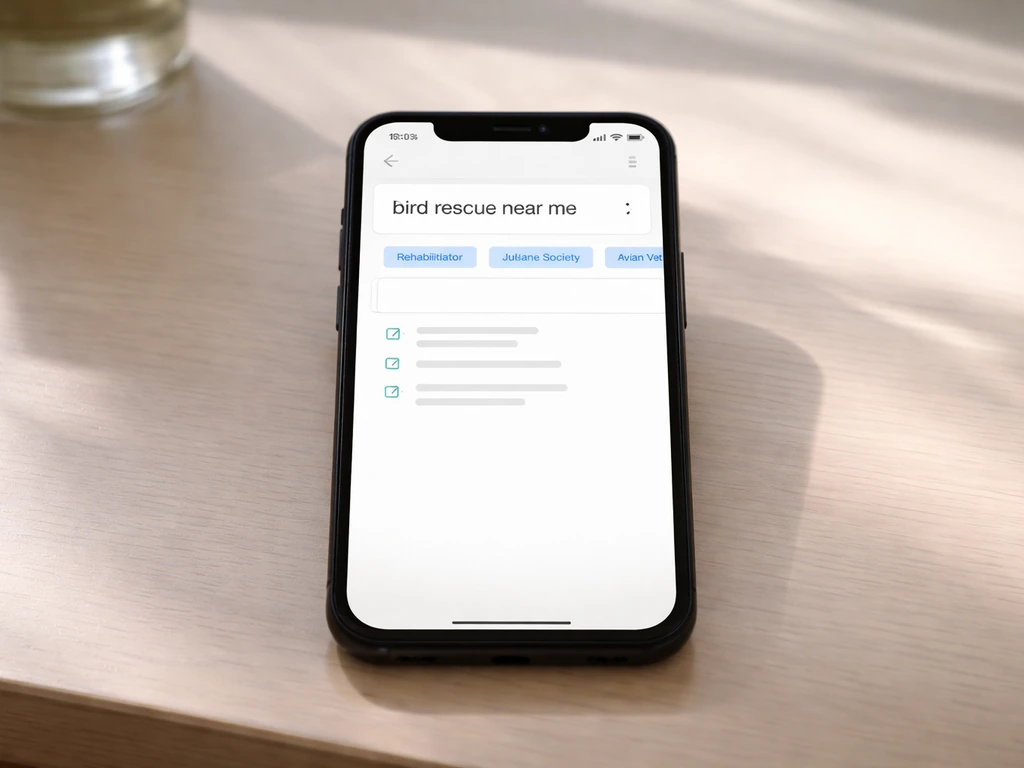
Searching 'bird rescue near me' works, but you'll get better results faster with a few tweaks. If you're wondering how to start a bird rescue, start by using these local search phrases to quickly find a licensed wildlife rehabilitator near you. Search for 'wildlife rehabilitator [your city or county]' or 'injured bird [your state] rehab.' For specific species, try 'raptor rescue [your state]' or 'songbird rehabilitator [your county].'
When you get someone on the phone, have this information ready so the call goes quickly:
- What species the bird is, or your best description (size, color, beak shape)
- Where you found it (outdoor/indoor, city/rural, near a road or window)
- What condition it's in (bleeding, stunned, can't fly, no obvious injury)
- How long you've had it
- Your location and whether you can transport
Ask the rehabilitator: 'Do you have capacity for this bird right now?' and 'Is there someone else I should call if you can't take it?' Most good rehab contacts will give you a second number if they're full.
When to go straight to a vet instead of waiting
Most of the time, keeping the bird contained and warm while you work the phone is the right move. But some situations call for going directly to an avian vet or emergency animal hospital without waiting.
Go to a vet immediately if the bird is actively bleeding and won't stop, is in obvious shock (lying flat, barely breathing, eyes closed), has been attacked by a cat or dog (cat bites inject bacteria that kill birds within hours even without visible wounds), has a severe head injury, or appears completely collapsed and unable to respond. Time matters in these cases in the same way it would for any animal trauma.
Not all vets will treat wild birds, so call ahead. Search for 'avian vet near me' or 'emergency vet that treats wild birds [your city].' When you call, say clearly: 'I have an injured wild bird that needs urgent care.' Some general emergency vets will stabilize a bird for transport even if they don't specialize in avian medicine.
| Situation | Urgency | Best action |
|---|---|---|
| Cat or dog attack (any injury) | Immediate | Vet or emergency clinic now |
| Active bleeding | Immediate | Vet or emergency clinic now |
| Collapse, severe shock | Immediate | Vet or emergency clinic now |
| Window strike, stunned but breathing | Watch 1 hour | Box and observe, call rehab if not recovering |
| Broken wing, no other injury | Same day | Call rehabilitator, transport when arranged |
| Fledgling on ground, parents nearby | Low | Watch from distance, intervene only if in danger |
| Nestling fallen from nest | Today | Return to nest if possible, otherwise call rehab |
Transport and intake: what to bring and what to expect
Once you've arranged a drop-off or intake, getting the bird there safely is straightforward if you're prepared. The goal is minimal stress and a stable temperature throughout the trip.
Your transport checklist
- Cardboard box with ventilation holes, lined with a cloth or paper towels
- The box closed and secured so it won't slide in the car
- No food or water offered during transport unless a vet or rehabilitator told you to
- Car temperature comfortable (not hot, not cold)
- Music off or low, conversation quiet — birds stress easily from noise
- Notes on where and when you found the bird, what happened, and anything you observed
- Your phone in case the intake location needs to give you updated directions
What happens at intake
When you arrive, the rehabilitator or vet will ask you the same questions you prepared earlier: where it was found, how long you've had it, what you observed. Hand over the bird in its box. You may be asked to sign a simple intake form. Most rehab centers are nonprofit and run on donations, so if you're able to leave a small contribution it goes directly toward the bird's care.
Don't expect updates on the bird after drop-off. Rehabilitators are stretched thin, and follow-up isn't always possible. What you can do is check back with the facility in a week or two if you want to know the outcome. Many rehab centers will share a brief update if you ask.
Once the bird is in professional hands, you've done your job. The next steps on caring for what you found, understanding what the rehab process looks like, and knowing how to handle more specific situations (like a newborn bird or a bird that's come in from extreme cold) are all worth reading about before you find yourself in that situation again. If the bird is a newborn, follow these steps for how to rescue a newborn bird before taking it to a licensed professional. If you think the bird has frozen from extreme cold, follow the right thawing and warming steps and get it to a wildlife rehabilitator as soon as possible. If you want a step-by-step guide on what to do when you rescue a bird, review the actions in this checklist from start to finish what the rehab process looks like.
FAQ
What if I can’t find a wildlife rehabilitator who answers the phone right away?
In most places, you can call local animal control or a humane society even if they do not take the bird directly. Ask them for the current wildlife rehabilitator referral for birds specifically, and request guidance on whether the bird should be brought to an avian vet, a rehabber, or left at the capture site for pickup.
Should I try to put a baby bird back in the nest, or is rescue always required?
For a nestling, especially if it is fully helpless (eyes closed, no feathers), do not try to rehome it yourself. Instead, confirm whether it needs to be reunited with its nest (if the nest is nearby and safe) or needs urgent rehab (for injuries, severe cold, or cat or dog contact). If you cannot see or reach the nest safely, contact a licensed rehabilitator.
Can I take a wild bird to the vet first, or should I always call a rehabilitator?
Yes, but only as a temporary bridge. Keep the bird in a ventilated box kept warm and dark, and bring it as soon as possible to a licensed avian vet or wildlife rehabilitator that can legally accept wild birds. Avoid storing it overnight unless a professional has told you to.
What food or water can I give a rescued bird while waiting for help?
Do not feed it bread, crackers, milk, or water into the beak. If you must provide comfort before transport, keep it warm and contained and wait for instructions from the rehabber. Feeding the wrong food or using the wrong method can cause choking and aspiration.
How should I keep the bird warm without overheating it?
Use a ventilated cardboard box, do not use a towel-wrapped container or a plastic tub, and avoid overheating. If the bird is cold, warm only one half of the box with a low heating pad so it can move away. If the bird is already panting or very hot to the touch, stop warming and keep it shaded and calm while you contact a professional.
When is it better to go to an emergency clinic immediately instead of waiting for a rehabilitator?
If the bird is actively bleeding, is collapsed, has trouble breathing, has visible head trauma, or was attacked by a cat or dog, go directly to urgent avian-capable care rather than waiting on rehab intake. Tell them it is a wild bird and that you need stabilization and safe transfer.
Is it ever okay to release a bird once it looks better?
For injured birds, especially those with wing injuries or bleeding, try to limit handling time and avoid “testing” flight by releasing it. If it has a chance to recover on its own (like some window-stunned birds), the safest next step is still contacting professionals for guidance after a short observation window from a distance.
What should I say on the phone so the rehabilitator can tell me the right next step?
Yes. For example, use a distinct phrase like “injured wild raptor” or “injured songbird” and include location, time found, what it was doing, and any hazards (cat attack, window strike, car strike). If you are unsure of the species, describe key traits (size, color, beak shape, hopping versus flying) so they can route you correctly.
If the bird seems frozen or from extreme cold, should I thaw it at home?
If you are in a cold climate, ask whether they want the bird brought in immediately or kept warm while you travel, and whether they accept in-person drop-offs or require curbside intake. For extreme cold, follow rehab guidance, keep the bird warm gradually, and never thaw it by placing it in hot water or direct sun.
Is it legal or safe to keep a rescued wild bird until I can figure out where to take it?
Do not keep a wild bird as a pet. Even if you feed it and it seems okay, legal and medical issues remain (rehabilitators often need permits and specialized care). If you are temporarily unable to transport, keep it contained and contact a licensed facility for instructions rather than making a long-term plan yourself.
Will the rehab center update me after I drop off the bird?
Follow-up varies widely. If you want an update, ask at intake about whether they provide status checks and when (for example, after a certain number of days). If updates are not available, ask for the best way to communicate later (phone call versus email) and what timeline is typical for cases like injuries versus orphan care.
Next Article
How to Revive a Frozen Bird: Step-by-Step First Aid
Step-by-step first aid to gently thaw a chilled bird, avoid harm, and know when to get wildlife rehab help.