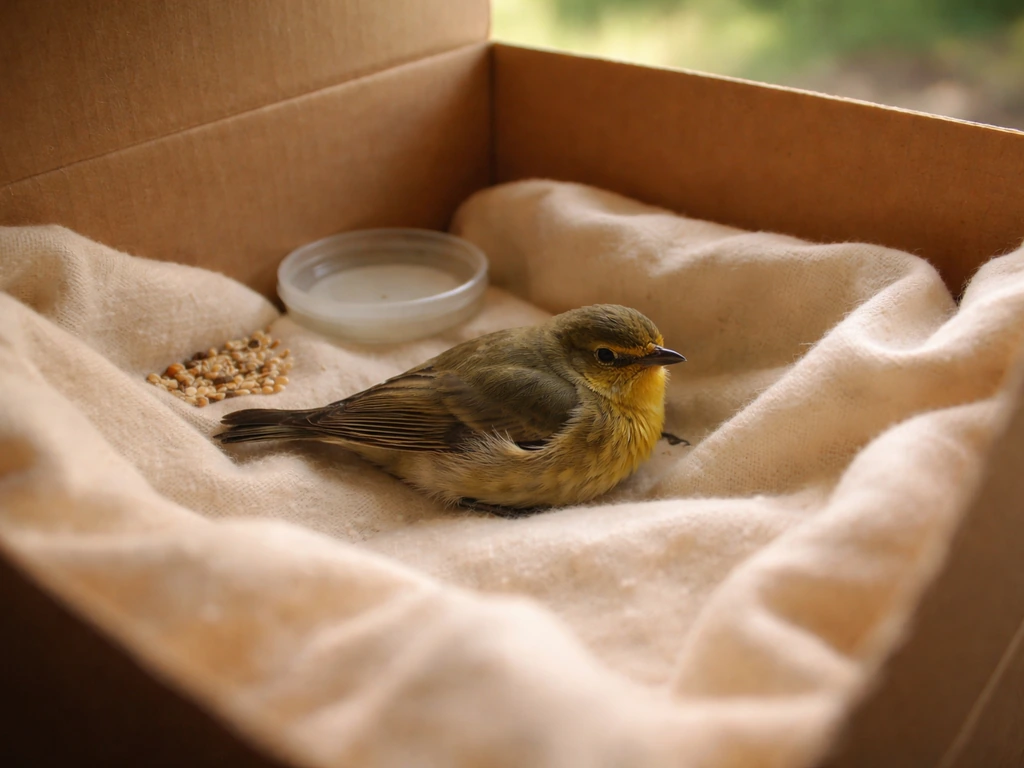
The single most effective thing you can do to calm an injured bird right now is to put it in a dark, quiet, ventilated box and leave it alone. Darkness reduces panic, silence reduces stress, and minimal handling prevents further injury. Everything else flows from that one principle.
How to Calm an Injured Bird: Steps, Triage, and Next Steps
Marcus Holloway
15 May 2026
First: make it safe for you and the bird
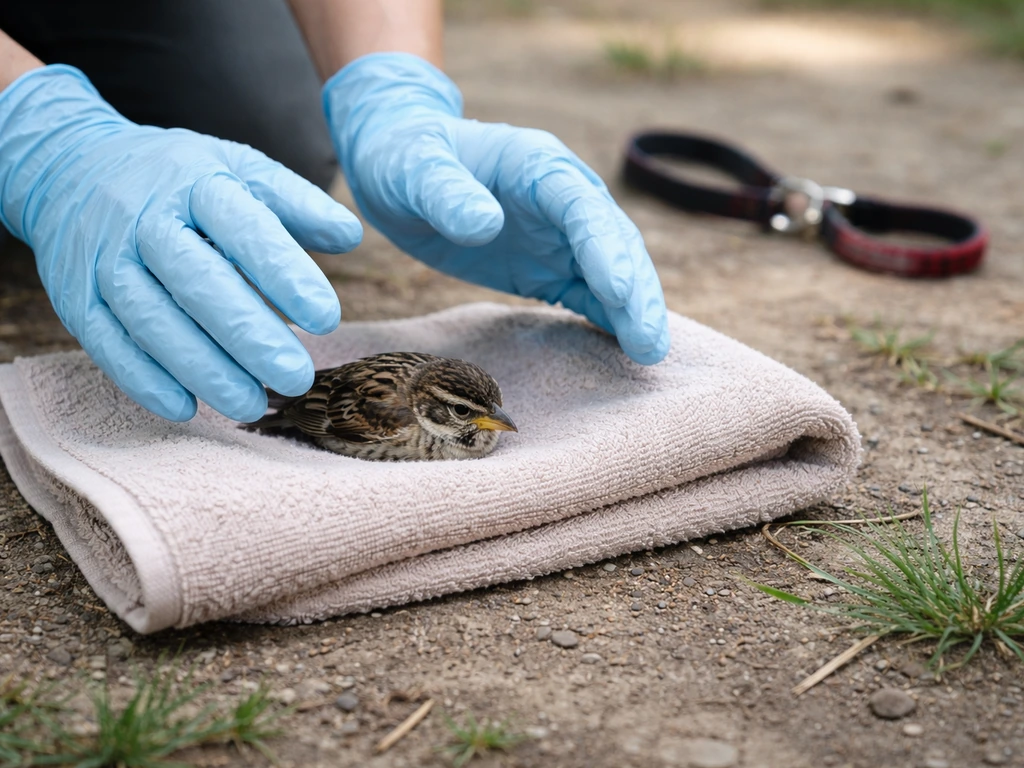
Before you touch anything, protect yourself. Wild birds can scratch, bite, and carry parasites. Grab a pair of gloves if you have them, or grab a towel and use it as a barrier between your hands and the bird. Thick garden gloves work great for larger birds like raptors. Even a t-shirt wrapped around your hands is better than bare skin.
Keep pets and children away from the area immediately. A dog or cat sniffing around a downed bird will send it into a panic and can cause injuries far worse than whatever brought it down in the first place. Once the area is clear, take a breath yourself. A calm rescuer makes a calmer bird.
If the bird is on a road or in immediate danger of being hit or stepped on, you do need to move it. Otherwise, resist the urge to scoop it up right away. A few seconds of assessment first will make the whole process go better for both of you.
How to calm a stressed bird on the spot
Approach slowly and keep your movements small
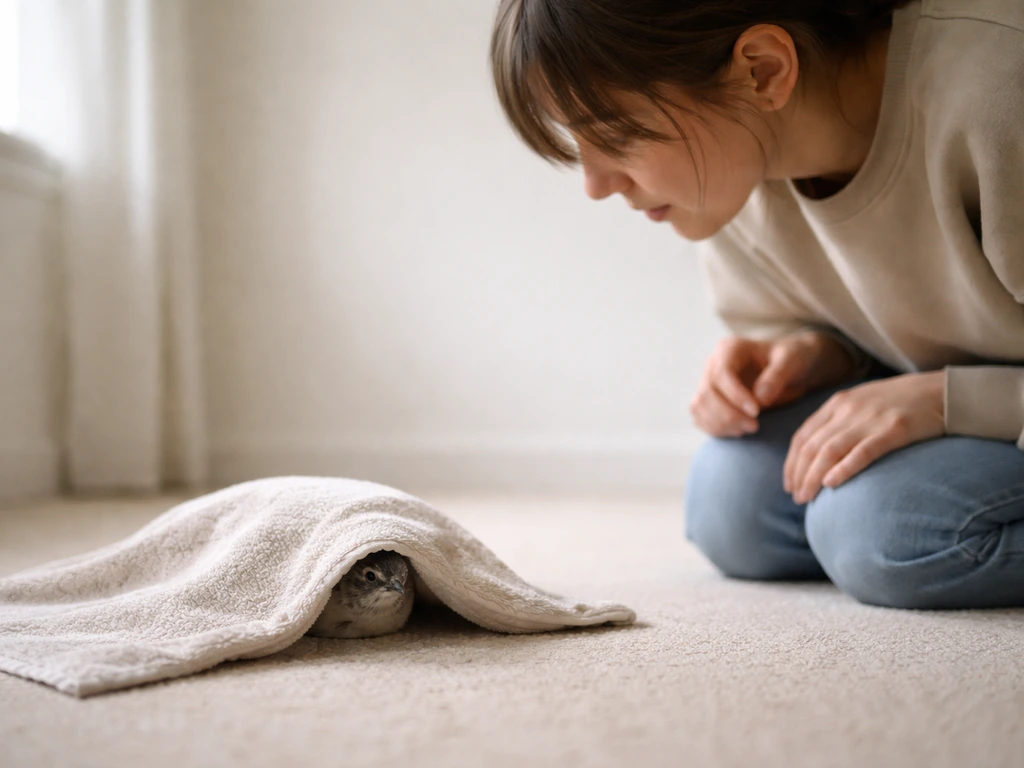
Approach from the side rather than head-on, and move slowly. Crouching low instead of looming over the bird makes you less threatening. Talk softly if you talk at all. The goal is to get close enough to cover or contain it without triggering a desperate flight attempt that could worsen a wing or leg injury.
Use a towel to cover it
Draping a towel or light blanket over the bird is one of the most effective calming moves you can make. Darkness triggers a quieting response in most birds. Once covered, gently place both hands around the bird's body, pinning the wings against its sides. You are not squeezing, just containing. Lift it smoothly and transfer it into a prepared box.
Get it into a secure, dark container
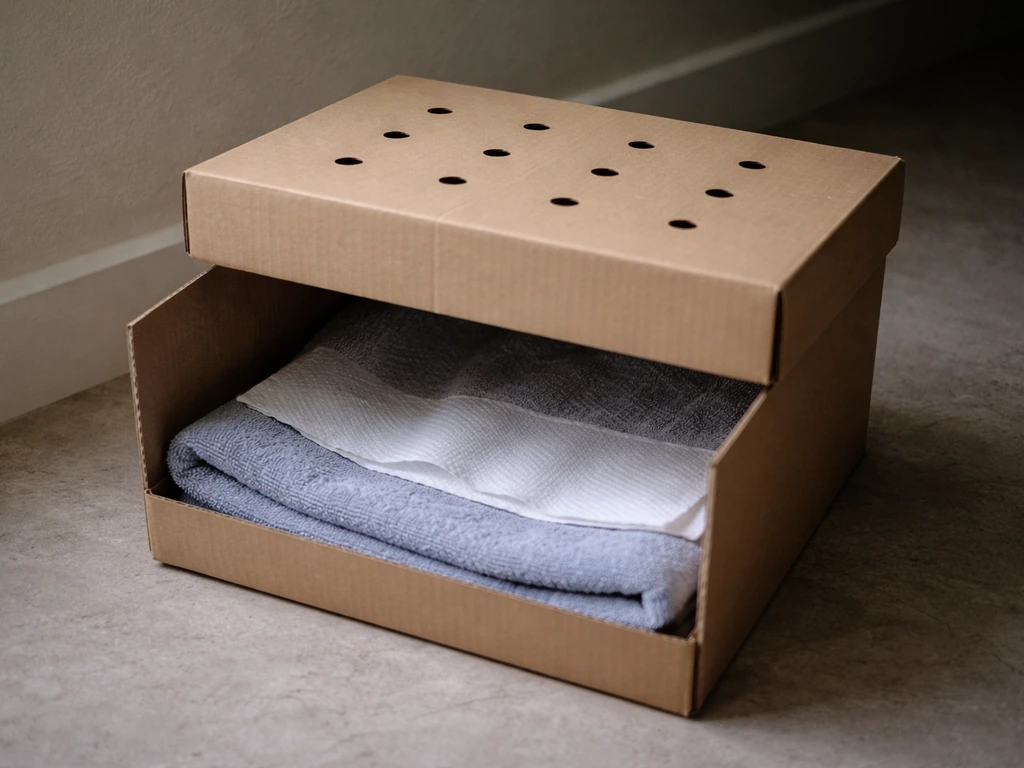
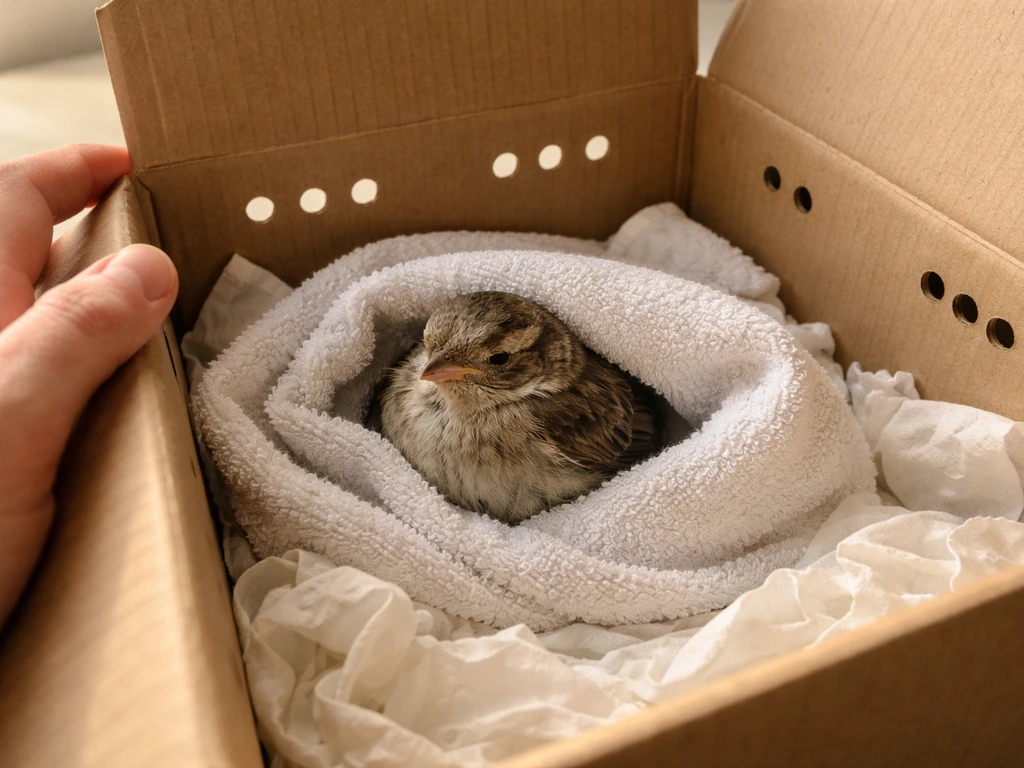
A cardboard box is ideal. Line the bottom with a folded towel or a few layers of paper towels so the bird has traction and won't slide around. Poke several air holes in the lid and sides before you put the bird in. The box should be just big enough for the bird to stand in without room to thrash. Less space means less chance of self-injury during transport.
Put the lid on and place the box in a quiet, semi-dark indoor spot away from noise, kids, pets, and direct sunlight. That dark, quiet environment is doing real work: it lowers the bird's heart rate and reduces shock from stress. Do not keep opening the lid to check on it.
Injured bird or orphaned fledgling? A quick check before you go further
Not every bird on the ground needs rescuing, and getting this wrong can actually harm the bird. Take 30 seconds to figure out what you're dealing with before committing to a full rescue.
Signs of a genuinely injured or sick bird
- Drooping or held-out wing (one wing lower than the other)
- Visible wound, bleeding, or exposed tissue
- Inability to stand or keep its head up
- Labored, open-mouth breathing or tail bobbing with each breath
- Obvious lameness in one or both legs
- Eyes closed or half-closed when awake
- Lying on its side and unable to right itself
Any one of these signs means the bird needs professional help. Contain it and start making calls.
Fledgling vs. nestling: don't rescue a bird that doesn't need rescuing
A fledgling is a young bird with most of its feathers, hopping around on the ground but not yet a strong flier. This is completely normal. The parents are almost always nearby and still feeding it. The right move is to leave it alone, move pets indoors, and monitor from a distance. For fledglings, the RSPCA advises leaving them alone while monitoring from a distance because parents are usually nearby and feeding leave it alone, move pets indoors, and monitor from a distance. Picking it up and boxing it removes it from parental care, which actually hurts its chances.
A nestling is a different story: it's featherless or nearly so, eyes may be closed, and it genuinely cannot survive outside a nest. If you can locate the nest, the best thing is to gently place it back in. The parents won't reject it because you touched it. If the nest is destroyed or unreachable, that bird needs a wildlife rehabilitator.
Watch for signs of shock
Shock is common after a window strike or cat attack and it can look like the bird is dying when it might actually recover with proper stabilization. Signs include fluffed feathers, extreme stillness, glassy eyes, and rapid shallow breathing. A bird in shock needs warmth, darkness, and quiet more than anything else. Do not handle it more than necessary.
Immediate first aid after you've calmed the bird
Warmth comes first
Injured and shocked birds lose body heat fast. blank" rel="noopener noreferrer">A bird's normal body temperature runs between 103 and 106°F, so even a cool room can push a compromised bird into a dangerous state. To provide gentle warmth, fill a water bottle with warm (not hot) water, wrap it in a towel so the heat is indirect, and place it to one side of the box. Critically, leave the other side of the box unheated so the bird can move away from the heat if it gets too warm. A small heating pad on its lowest setting under half the box works the same way. Aim for an ambient temperature in the 75 to 85°F range inside the container.
Controlling bleeding
If you see active bleeding, gentle direct pressure with a clean cloth is your first move. Hold it steadily for several minutes without lifting to check repeatedly. For minor wounds, this is often enough for a clot to form. If you have styptic powder (the kind used for pet nails), it can help stop bleeding on small surface wounds. Do not apply ointments, creams, antiseptic salves, or any oily substance to a bird's feathers or skin unless a vet tells you to. These products can damage feather structure and make things worse.
Keep handling to a minimum
Every time you pick up the bird, you stress it. Once it's in the box and warm, leave it there. Resist the urge to take it out to show others or to check on it constantly. The quiet time in the box is genuinely therapeutic.
What not to do (these mistakes can seriously harm the bird)
- Do not give food or water. This is the most common well-intentioned mistake. Injured birds can aspirate liquids, and feeding the wrong food can cause further harm. Even if the bird looks hungry, wait until a professional advises you.
- Do not force food or water into the bird's mouth under any circumstances.
- Do not use a wire cage or birdcage for transport. Birds will injure themselves on the bars. A cardboard box is safer.
- Do not apply ointments, petroleum jelly, or household antiseptics to wounds or feathers.
- Do not attempt to splint a wing or leg yourself unless a rehabilitator walks you through it over the phone. Improper splinting causes more damage.
- Do not place the bird in direct sunlight or near a vent, fan, or air conditioning unit.
- Do not leave it in a hot car, even briefly.
- Do not let it roam free indoors while you figure out what to do. It can injure itself further and is extremely hard to recapture.
Home care limits and monitoring until help arrives
Your job at home is stabilization, not treatment. You are buying time for the bird until it reaches a professional. Think of it like this: the box, the warmth, the darkness, and the quiet are your entire toolkit. That's it.
Check the box every hour or so by listening, not opening. You want to hear the bird moving around, which is a good sign. If you need to peek, do it quickly and replace the lid. Monitor the temperature in the room and around the heat source to make sure it isn't overheating.
If the bird is a window-strike victim with no visible injuries, give it 30 to 60 minutes in the box in a quiet spot. Some of these birds recover and can be released. If it's still not standing or acting alert after an hour, that's a sign something more serious is going on and you should get it to a professional.
For more detailed guidance on ongoing care at home, the articles on how to make an injured bird comfortable and what to do with an injured bird overnight cover longer-term stabilization in depth. For gentle, practical comfort during that stabilization period, follow the guidance on how to make an injured bird comfortable. For step-by-step help, see our guide on how to nurse a bird.
If you are unsure about any step, follow a reputable how to nurse injured bird guide and contact a wildlife rehabilitator. Once the bird is calm and stable, you can focus on ongoing home nursing steps until it’s seen by a professional. If you need help choosing the right long-term care after an injured bird is calm, see the guidance on ongoing care at home how to care for injured bird.
And if you're wondering specifically what the bird can eat if a rehabilitator advises feeding, what to feed an injured bird addresses that separately. If a rehabilitator advises feeding, follow their instructions and use the right diet for the species; see what to feed an injured bird for specifics.
When to get professional help and how to do it
When calming alone isn't enough
Get professional help the same day if the bird has any of the following: visible wounds or bleeding that won't stop, breathing difficulty, a clearly broken wing or leg, it can't stand, it was caught by a cat (even without visible wounds, cat bacteria cause fatal infection within hours), or it's a baby without feathers. Do not wait overnight for these situations.
How to find a wildlife rehabilitator
In the US, search the National Wildlife Rehabilitators Association directory or call your state's wildlife agency. Many areas have local raptor centers, bird sanctuaries, or humane societies that either take birds directly or can refer you. When you call, tell them the species if you know it, what you observed, when it happened, and what condition the bird is in. They'll tell you whether to bring it in or hold it longer.
If it's after hours, leave a message and follow any recorded instructions. Most clinics will ask you to keep the bird in a secure box in a quiet place overnight and bring it in first thing in the morning. An avian vet is another option for pet birds or when no rehabilitator is available.
How to transport the bird safely
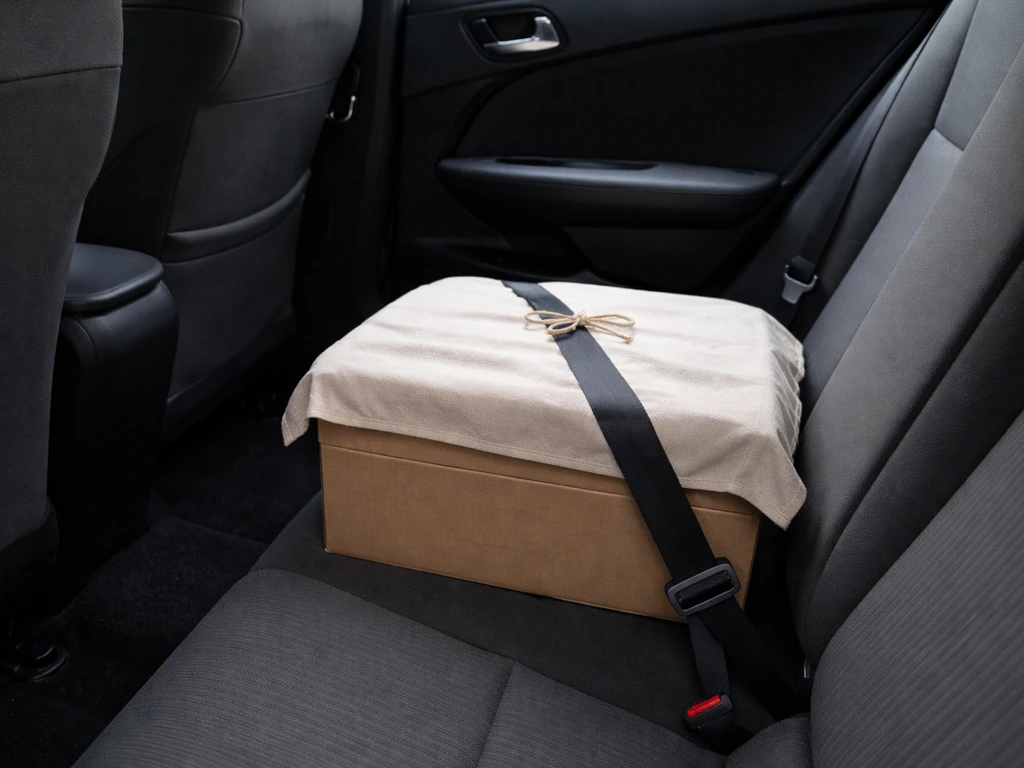
Use the same cardboard box setup you've been using. Keep the car interior quiet: no loud music, no AC blowing directly at the box, no sudden acceleration or braking. Keep the box on a flat surface, not loose on a seat where it can slide. If the trip is long, maintain warmth with the wrapped water bottle inside the box. Do not open the box while driving.
The less time an injured bird spends being cared for at home, the better its chances. Your calming and stabilization steps give it its best shot at survival until the professionals can take over.
FAQ
How long can I leave an injured bird in the dark, quiet box at home?
For most cases, the box period is short-term stabilization until you can contact a wildlife professional. Recheck by listening (no frequent lid opening), and if the bird is not standing or acting alert within about 1 hour, treat that as a sign it needs professional care rather than extended home holding. If you are instructed to keep it overnight, follow that guidance and keep warmth controlled (roughly 75 to 85°F inside the container).
Should I give water or food to calm an injured bird?
Do not offer food or water at home unless a licensed wildlife rehabilitator or avian vet specifically tells you to. Choking and aspiration are common risks, especially if the bird is shocked, breathing rapidly, or not fully coordinated. Keep focus on darkness, quiet, warmth, and containment first.
What if the bird is only dazed and has no visible injuries, should I still warm it?
If the bird is fully mobile and just appears stunned, you can start with the box in a quiet spot for 30 to 60 minutes before deciding next steps, as long as it is warm enough for its condition. If it is fluffed, very still, breathing fast or shallow, or not perching or standing, prioritize warmth and professional guidance rather than waiting longer.
Can I use a towel instead of a box for calming?
A towel alone is usually not ideal because it often allows escape attempts and doesn’t provide stable traction for an injured bird. If you must do a temporary transfer, use the towel to contain during movement, then place the bird into a secure ventilated box with appropriate padding and limited space.
My bird won’t stop flapping or thrashing in the box. What should I do?
First confirm you have reduced space (box just big enough for standing), added traction material, and kept the environment dark and quiet. Avoid opening to “fix” the situation, since extra handling increases panic. If the bird keeps injuring itself or seems unable to steady its breathing, contact a wildlife professional right away.
Is it okay to apply antiseptic or ointment to cuts?
Generally avoid ointments, creams, antiseptic washes, or oily substances unless a vet or rehabilitator directs it. These can harm feather structure or skin and worsen the injury. For active bleeding, use gentle direct pressure with a clean cloth until bleeding slows or stops, then seek professional care for any deeper wound.
How do I stop bleeding if I don’t have styptic powder?
Use steady, gentle pressure with a clean cloth for several minutes without repeatedly lifting to check. If bleeding continues, that’s a reason to escalate to a professional same-day. If you have no supplies, keep the bird contained and warm, and prioritize getting guidance from a wildlife rehabilitator.
What if I suspect a broken wing or leg, can I splint it at home?
Avoid DIY splints. Immobilization that is done incorrectly can cause more harm and interfere with circulation. Instead, focus on calming and stabilization, contain the bird in a limited-space ventilated box, and arrange for same-day professional evaluation, especially if it cannot stand or the limb looks clearly deformed.
Should I cover the bird completely with a towel or leave part exposed for breathing?
In most cases, fully covering with a light towel or blanket is fine, as long as the box still has proper ventilation and the covering is light enough not to press on the bird. The key is darkness and reduced stress, not compressing the body.
How warm should the bird be, and how do I tell if it’s overheating?
Aim for an internal range around 75 to 85°F using indirect heat (wrapped warm water bottle on one side or a low heating pad under part of the box). Overheating signs include the bird moving away from the heat zone, increasing distress, or appearing overly warm and lethargic. Always leave one side unheated so the bird can choose its comfort level.
What’s the difference between a fledgling and a nestling, and how does that change my next step?
A fledgling is usually feathered and capable of hopping, so the recommended approach is to put pets indoors and monitor from a distance, because parents are typically nearby. A nestling is often featherless or nearly so and may be unable to survive outside the nest, so if you can locate the nest safely, gently return it, otherwise contact a wildlife rehabilitator.
The bird was hit by a car or struck by a cat, but it looks okay right now. Do I still need professional help?
Yes, especially for cat-related injuries. Even without visible wounds, cat bacteria can cause severe infection within hours. For car hits, window strikes, or any event with significant force, if the bird is not standing alert within about an hour, has breathing issues, or shows shock signs, contact a professional rather than assuming it will recover.
I can’t find the bird’s species. What information should I give when I call?
Describe size (small songbird, pigeon-sized, etc.), color patterns, beak type if you can see it, where you found it, what happened (window strike, cat, road, unknown), and its current state (standing, breathing rate, bleeding, fluffed stillness). Species helps, but accurate observations often help the rehabilitator decide the urgency and containment instructions.
Next Article
How to Nurse an Injured Bird: Safe First Aid Steps
Step-by-step how to nurse an injured bird safely: assess, warm, handle stress, manage wounds, and get urgent vet help.