If you've found a wild bird that seems dehydrated or distressed, the most important thing to know upfront is this: in most cases, you should contact a wildlife rehabilitator or avian vet before attempting to give the bird water yourself. Almost every major wildlife rescue organization, including the Wildlife Center of Virginia, Tri-State Bird Rescue, and the RSPCA, explicitly says not to give food or water to an injured or sick wild bird unless a licensed professional has instructed you to do so. That's not overly cautious advice, it's based on real risk. A bird that can't swallow properly can aspirate even a small amount of liquid into its lungs, which can be fatal. That said, there are situations where offering water is appropriate, and knowing how to do it safely can genuinely help.
How to Give a Wild Bird Water Safely Today
When giving water is urgent vs. when to call a professional first
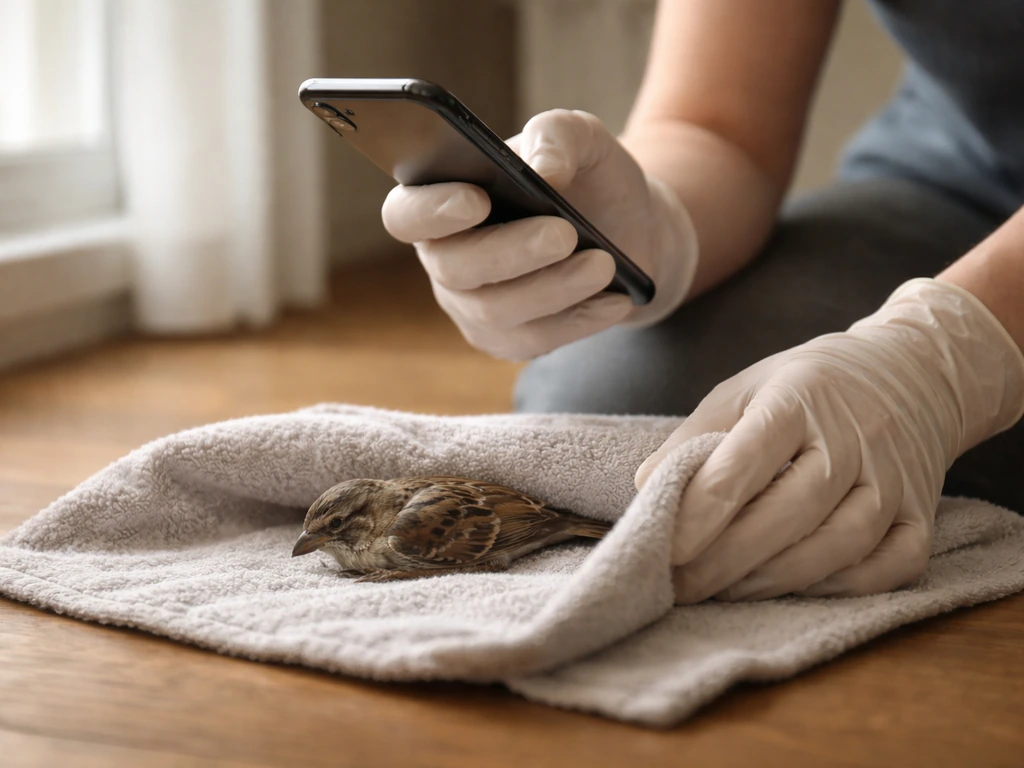
Not every wild bird that looks thirsty actually needs you to give it water. And some birds that desperately need fluids are too fragile for you to hydrate safely without training. So before you do anything, figure out which situation you're actually in.
Call a wildlife rehabilitator or avian vet immediately, before attempting any hydration, if the bird shows any of the following:
- Visible wounds, bleeding, or puncture marks (especially cat bites, which introduce serious bacteria even when the puncture looks minor)
- Head tilting, spinning, or loss of balance
- Labored breathing, open-mouth breathing, or panting for more than a couple of minutes
- Large bubbles or swelling visible under the skin
- Complete inability to move or stand
- It's a baby bird (nestling or fledgling) — the Virginia Department of Wildlife Resources specifically says do not give baby birds anything to drink
- Signs of seizure or trembling
In these situations, getting the bird to a professional quickly is far more important than hydration. Attempting to give water to a bird with a head injury, respiratory distress, or internal trauma can make things significantly worse.
Water can be considered, carefully and in limited amounts, for a bird that is alert, able to hold its head upright, breathing normally, and showing obvious signs of mild dehydration or heat stress with no other injuries. Even then, offering water by proximity (letting the bird drink on its own) is far safer than any attempt to administer it directly. If you want a step-by-step on how to give bird water safely, focus on supervised self-drinking with a shallow dish and only offer limited fluids when the bird can swallow properly give the bird water. If you want a quick overview of the safest approach, review the steps for how to give an injured bird water.
Do a quick safety check before you do anything
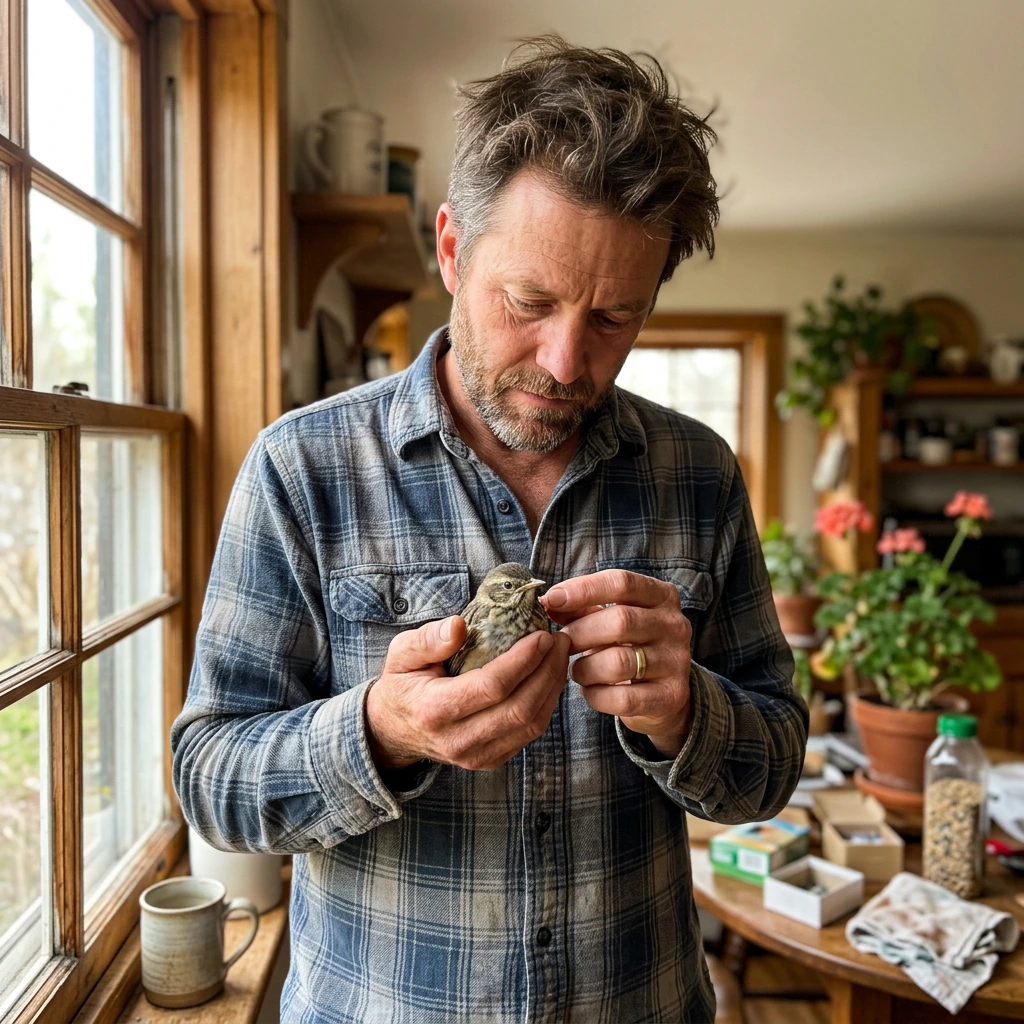
Before touching the bird or offering water, take about 60 seconds to observe it. What you see here tells you whether hydration is even a reasonable next step.
Check breathing
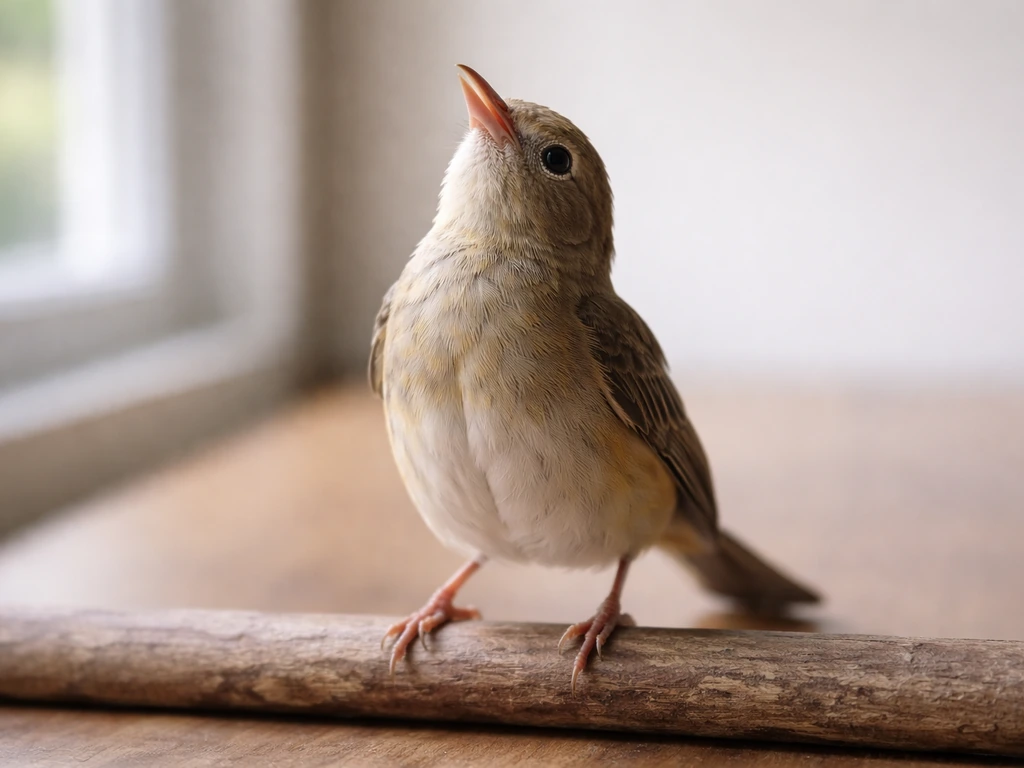
Watch the bird's chest and beak. Normal breathing in a resting bird is quiet and barely visible. If the beak is open, the bird is panting or gasping, or you can see or hear labored breathing, that bird has a respiratory problem and needs a vet, not water. Attempting to give fluids to a bird that can't breathe well risks aspiration.
Check the swallowing reflex
Can the bird hold its head upright on its own? A bird that keeps dropping its head, has a limp neck, or is completely unresponsive cannot swallow safely. Giving any liquid to a bird that can't hold its head up is a choking and aspiration risk.
Check stress level and alertness
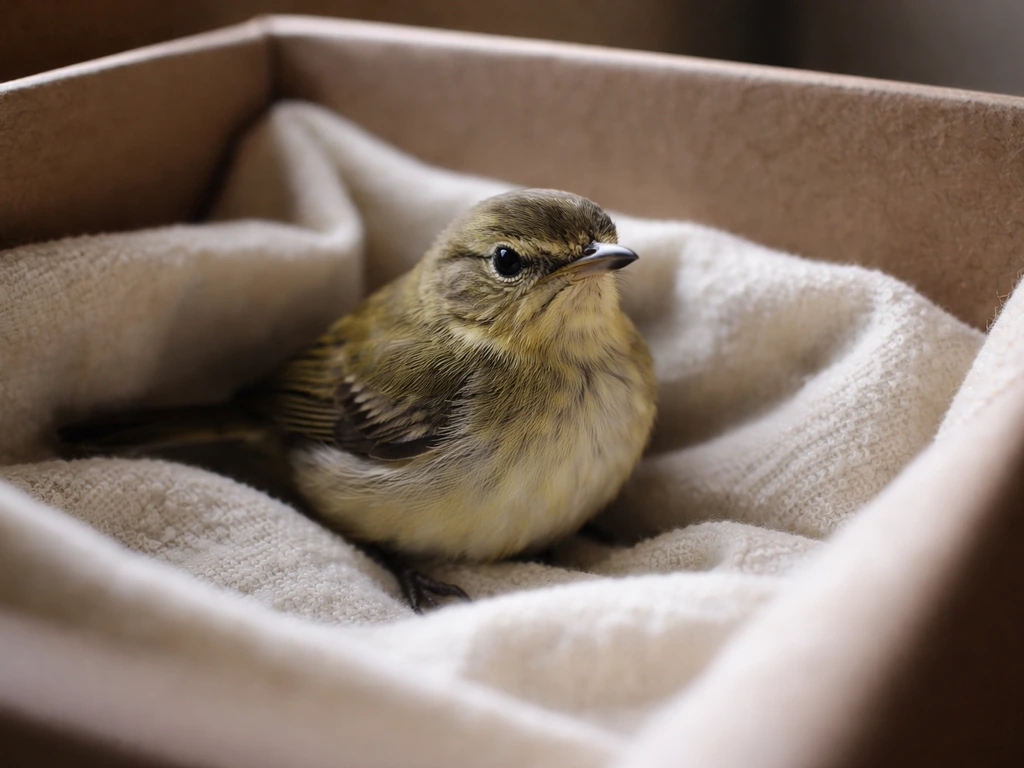
A bird that is alert and reactive, even if it's weak, is a better candidate for supervised self-drinking than one that's completely still and unresponsive. Wild birds go into shock easily from handling, so even a stressed but physically intact bird may need to be left quietly in a box before any hydration attempt. If the bird is deeply lethargic and unresponsive to your presence, that's a sign it needs professional care urgently, not a home hydration attempt.
Check for dehydration signs
Common signs of dehydration in wild birds include sunken eyes, loose or wrinkled skin (especially visible around the legs), extreme lethargy without obvious injury, and a dry or tacky-looking mouth. If you see these signs alongside a bird that is alert and can hold its head up, offering water by proximity is reasonable while you arrange professional help.
The safest ways to offer water
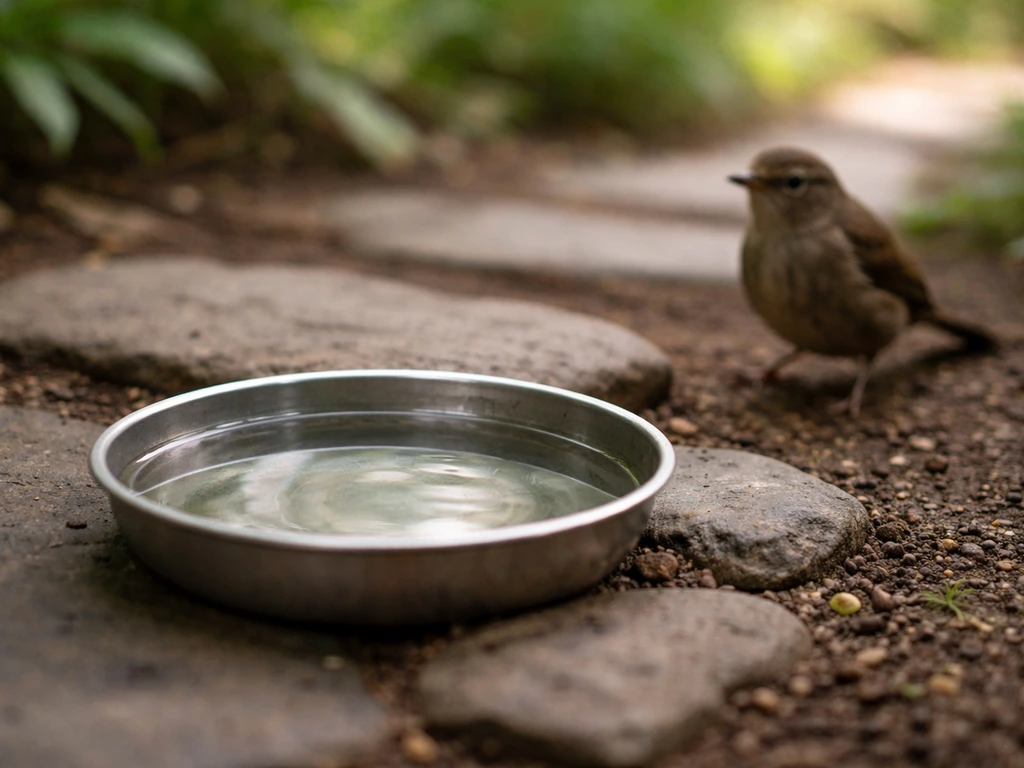
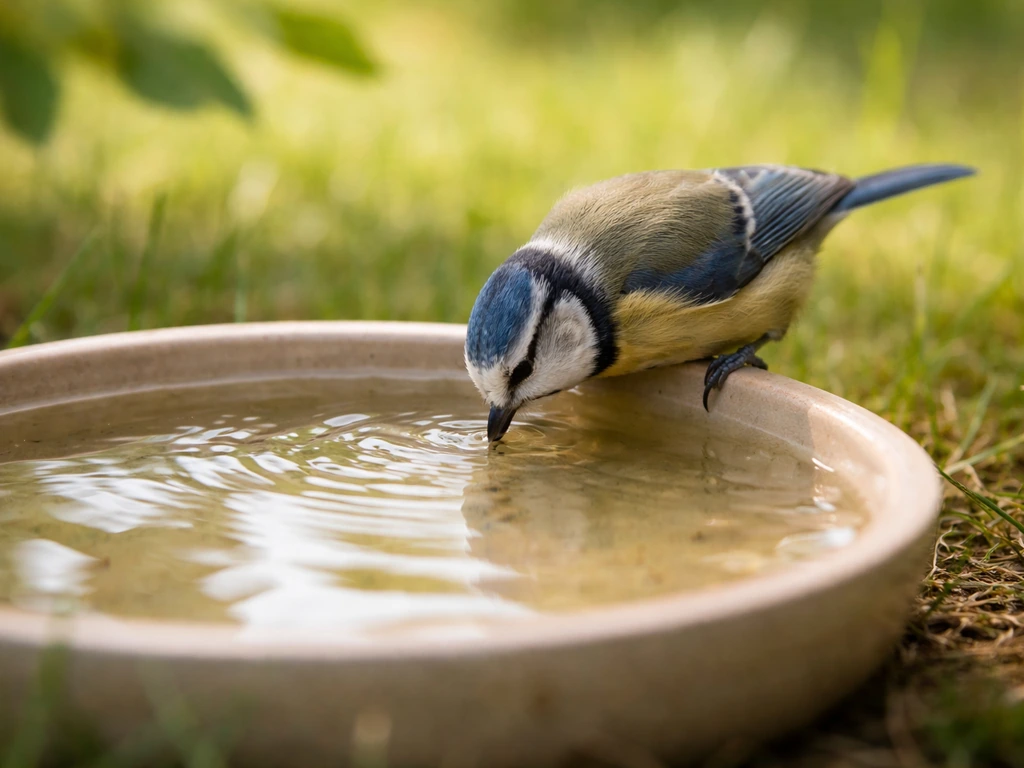
The gold standard for giving a wild bird water is to let it drink on its own terms. Place a shallow container of fresh, plain water near the bird and step back. That's the safest approach by a wide margin.
Shallow dish method (preferred)
Use a small, shallow dish, a jar lid, a bottle cap, or a small saucer. Fill it with about half an inch of clean, room-temperature water. Place it within easy reach of the bird, ideally right in front of it, and then step away and observe from a distance. If the bird is alert and mobile, it may drink on its own within a few minutes. This method carries almost no aspiration risk because the bird controls the entire process.
Dropper or syringe: only in specific circumstances
Using a dropper or syringe to place water into a bird's mouth is significantly riskier than letting it drink on its own. Wild Nest Bird Rehab explicitly instructs: no water or anything liquid from a dropper or syringe. If you've been directly instructed by a licensed rehabilitator or vet to use a dropper, the guidance from professional wildlife care resources is to offer only a few drops at a time on the tip of the beak (not into the mouth or throat), and only if the bird is alert and showing a swallowing response. Never use a syringe to force water into the bird's mouth unless a professional has specifically walked you through how to do it for that bird.
It's also worth knowing that hydration needs are species-specific. What works for a large pigeon is not appropriate for a hummingbird or a tiny warbler. If you're dealing with a hummingbird specifically, some wildlife centers provide guidance on dilute nectar, but plain water is still the starting point for most other species.
Hydrating a weak or dehydrated bird: timing and amounts
If you're working with a bird that is weak but alert, here's a practical approach while you wait to reach a rehabilitator.
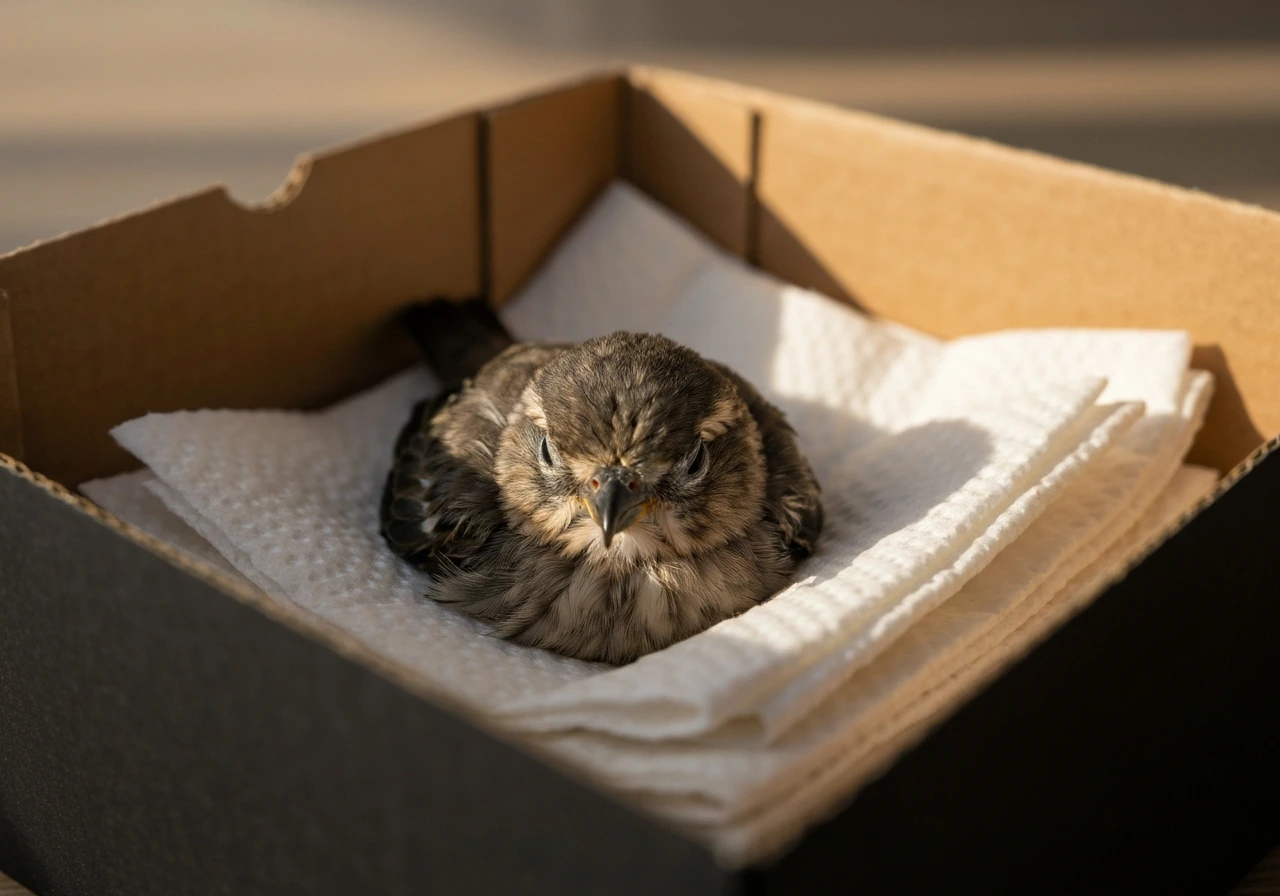
- Place the bird in a small, ventilated cardboard box lined with a paper towel. Keep it in a quiet, warm (but not hot) space away from pets and noise.
- Set a shallow water container (like a bottle cap) inside the box, close to the bird's beak level if possible. Don't force contact.
- Check every 15 to 20 minutes to see if the bird has moved toward the water or attempted to drink.
- If the bird is too weak to move toward the dish on its own but is still alert and holding its head up, you can gently bring the dish close enough that the beak can reach the water's surface — but do not tip the bird's head back or push the beak into the water.
- If you've been instructed by a professional to use a dropper, give only 1 to 3 drops on the tip of the beak at a time, pause, and watch for a swallowing movement before offering more. Wait at least several minutes between small offerings.
- Do not try to give water more than a few times before professional help arrives. Repeated handling increases stress and can cause shock.
The priority throughout is always to minimize handling and stress. Even a dehydrated bird can be pushed into fatal shock by excessive human contact. Less is more.
What not to do when hydrating a wild bird
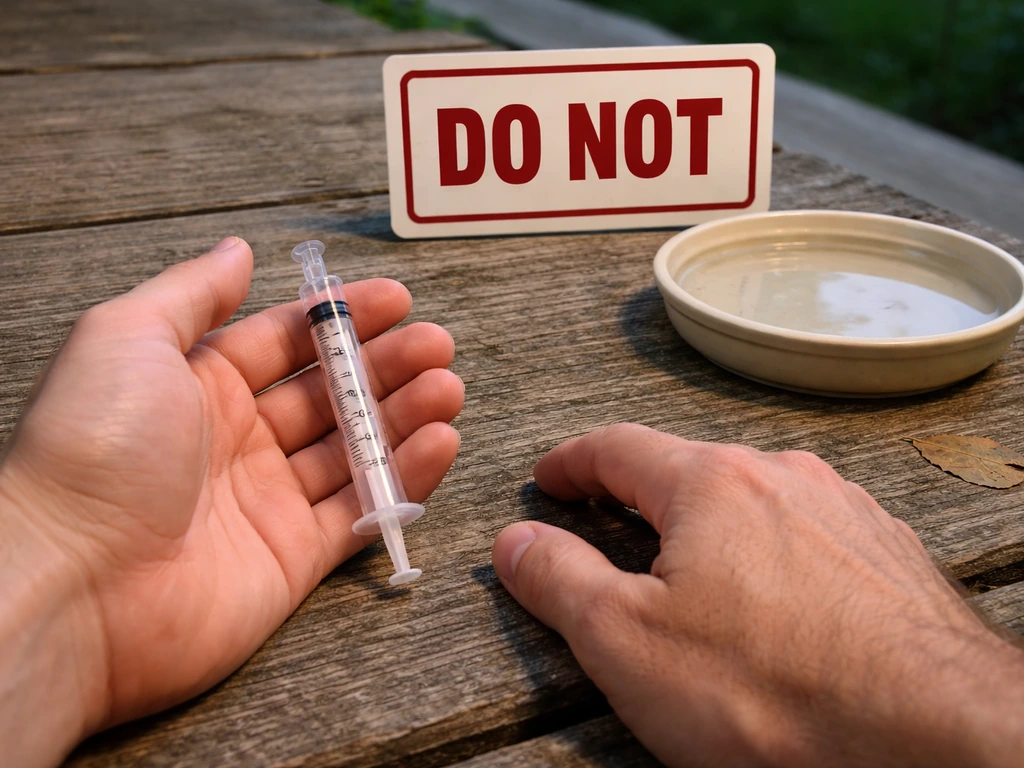
This list matters as much as anything else in this guide. These mistakes are common and can turn a survivable situation into a fatal one.
- Do not force water into the bird's mouth with a syringe, dropper, or any other method unless a licensed professional has specifically instructed you to do so for that bird.
- Do not tilt the bird's head back to administer liquid — this is a direct aspiration risk.
- Do not give anything other than plain, clean water. No milk, juice, sports drinks, sugar water, honey water, alcohol, or any kind of "home remedy." These can cause serious harm.
- Do not give food and water simultaneously — if the bird aspirates food while you're trying to hydrate it, that complicates everything.
- Do not attempt to hydrate a baby bird (nestling or fledgling) on your own. Baby birds have different physiology and can aspirate very easily. Contact a rehabilitator immediately.
- Do not use cold water straight from the refrigerator — room-temperature water is safest.
- Do not give large amounts of water at once. Even a healthy bird can be harmed by too much fluid too quickly if it's already compromised.
- Do not keep the bird in a hot environment like direct sunlight while trying to hydrate it — heat stress compounds dehydration.
What to do if the bird won't drink or seems unable to swallow
If you've placed water near a bird and it hasn't shown any interest after 20 to 30 minutes, or if the bird is attempting to drink but seems unable to swallow normally, do not keep trying. These are both signs that the bird needs professional assessment, not more water.
A bird that refuses to drink when it's otherwise alert may be too stressed to show normal behavior. In that case, the most useful thing you can do is reduce all stimulation: cover the box with a light cloth, keep the environment quiet and dark, and contact a rehabilitator. Many birds will drink on their own once they feel safe, but a stressed bird won't, and forcing the issue doesn't help.
If the bird is making gurgling sounds, gagging, or showing liquid coming back out of the beak after you've attempted to offer water, stop immediately. These are signs of aspiration or an inability to swallow. This bird needs a vet as fast as you can get it there. Aspiration pneumonia can develop rapidly in birds.
If the bird is covered in debris, oil, or mud and you're worried about it being able to drink safely, do not try to clean it yourself before hydrating it. Contact a rehabilitator for guidance on handling a bird in that condition, cleaning a bird incorrectly causes significant additional stress and can strip feathers of essential oils.
After hydration: what comes next
Hydration, if it happens at all, is just one part of stabilizing a wild bird. Once you've done what you safely can, here's what the next few hours should look like.
Keep the bird warm and quiet
Injured and sick birds lose body heat quickly. A bird that's in shock or dehydrated is even more vulnerable to temperature drops. Place the bird in a ventilated cardboard box lined with paper towels (not cotton or terry cloth, which can catch on talons or toenails). You can place a heating pad set to its lowest setting under half of the box, so the bird can move off the heat if it needs to. Do not put the bird in direct sunlight or next to a heat vent. A warm, dim, quiet space is what the bird needs while you make calls.
Keep it safe from predators and children
Even a mild-mannered cat or dog can kill a wild bird through stress alone, without physically touching it. Keep the box in a room that is completely inaccessible to pets. If there are children in the house, explain that the bird should not be looked at, handled, or talked to.
Contact a wildlife rehabilitator or avian vet now
If you haven't already, this is your most important next step. Wildlife Center of Virginia also advises calling for advice before intervening with young wildlife Help & Advice. In the United States, you can search for a licensed wildlife rehabilitator through the National Wildlife Rehabilitators Association (NWRA) or the International Wildlife Rehabilitation Council (IWRC). Your local animal shelter, humane society, or animal control office can also typically connect you with the right resource quickly. In the UK, the RSPCA can direct you to the nearest wildlife centre or vet. Most wildlife vets will see injured wild birds even if you're not a regular client.
When you call, tell them the species if you know it, where you found the bird, what it looks like (posture, breathing, any visible injuries), and what you've already done. They'll walk you through transport and what, if anything, to do before you arrive.
Transporting the bird safely
Use the same ventilated cardboard box for transport. Keep it in the passenger footwell or on the seat (not the trunk, where temperatures swing). Drive smoothly, keep the radio off, and avoid talking loudly. The goal is minimal stimulation from pickup to handoff. Do not keep checking on the bird during transport, every time you open the box, you're adding stress.
If you're also dealing with a bird that needs medicine alongside fluids, that's an additional layer of complexity best handled by a professional. If the bird also needs bird medicine, do not try to dose it yourself unless a vet or rehabilitator has instructed you on the exact medication and dosage. Similarly, if you're dealing specifically with a fledgling that may be orphaned, the situation calls for a slightly different approach, fledglings have very specific hydration and feeding needs that differ from adult birds, and a rehabilitator's guidance is essential. Because fledglings have very specific hydration needs, it helps to review a reliable guide on how to give a fledgling bird water before you offer any fluids.
A quick reference: safe vs. unsafe hydration scenarios
| Situation | Safe to offer water? | What to do |
|---|---|---|
| Alert adult bird, mild dehydration, can hold head up, no wounds | Yes, by proximity (shallow dish) | Place shallow dish nearby, minimize handling, call rehabilitator |
| Bird with open wound, bleeding, or cat bite | No | Skip water, box the bird, call a vet or rehabilitator immediately |
| Baby bird (nestling or fledgling) | No | Do not give water; contact rehabilitator right away |
| Bird with open-mouth breathing or panting | No | Respiratory emergency — get to a vet fast |
| Limp, head-drooping, or unconscious bird | No | Cannot swallow safely; keep warm, get professional help urgently |
| Alert bird that won't drink from dish after 30 minutes | Stop trying | Reduce stimulation, cover box, call rehabilitator for guidance |
| Bird making gurgling sounds after water attempt | Stop immediately | Possible aspiration — vet visit is now urgent |
The clearest way to summarize all of this: your job when you find a wild bird in distress is to keep it safe, warm, and calm while you get a professional on the phone. Offering water by proximity, if the bird's condition allows it, is a reasonable supportive step, but it's never a substitute for professional care, and attempting to force fluids on a compromised bird can do more harm than thirst would. Cold weather makes it harder for birds to hydrate, so use measures that keep the water from freezing.
FAQ
How long should I try letting a wild bird drink on its own before I stop and call a rehabilitator?
If the bird is otherwise alert and safe to hydrate by proximity but shows no interest after about 20 to 30 minutes, stop offering and get professional assessment. Also stop sooner if it tries to drink but seems unable to swallow normally, because that can indicate an underlying problem that water could worsen.
Is tap water okay to use, or should I use bottled water?
Use clean, plain water at room temperature. If you have any reason to suspect your tap water is not safe or could be contaminated, switch to bottled or other safe drinking water. Avoid adding anything to the water (electrolytes, sugar, salt), since these can change fluid balance and increase risk if aspiration occurs.
What container is safest for a wild bird to drink from?
A small, shallow dish or container that the bird can access without tipping or standing in it is safest, such as a jar lid or bottle cap. The water depth should be shallow (around half an inch) so the bird does not submerge its head or struggle for position.
Can I offer water if the bird is cold or has been sitting outside in bad weather?
Do not jump straight to hydrating if the bird is chilled or lethargic. First focus on keeping the bird warm and calm while you arrange professional help, because cold stress can interfere with swallowing. If you do offer water at all, do it only when the bird is alert enough to hold its head up and breathe normally.
Should I warm the water if the weather is cold?
Yes, keep the water at room temperature. Cold water can reduce drinking and may increase stress, while room-temperature water helps the bird drink more naturally if it is capable of swallowing.
Can I use a dropper if the bird seems desperate and won’t drink from a dish?
Generally, no. Administering liquid with a dropper or syringe is significantly riskier because it can be aspirated. Only do anything other than supervised self-drinking if a licensed rehabilitator or avian vet has specifically instructed you for that exact situation.
What should I do if the bird gags, makes gurgling sounds, or liquid comes back out of the beak?
Stop immediately and do not offer more water. Those signs can mean aspiration or an inability to swallow, and aspiration pneumonia can develop quickly. Treat this as an urgent need for professional care and focus on keeping the bird warm and calm while transport is arranged.
If the bird is dehydrated, is it okay to keep refilling the dish and offering more throughout the day?
Only offer limited fluids by proximity when the bird is alert, head-upright, and breathing normally. If it starts drinking normally, you can let it continue briefly, but do not keep repeatedly re-offering if it is not drinking after the initial window or if it shows swallowing trouble.
What if I can’t identify the species, can I still offer water?
Species ID changes hydration strategy, but the safest baseline approach remains supervised self-drinking with plain, room-temperature water for a bird that is alert and able to hold its head up. Avoid specialized mixtures unless a rehabilitator tells you, because small birds like hummingbirds and tiny passerines can have very specific needs.
How do I keep other pets from harming the bird while it’s resting with water nearby?
Put the ventilated box in a room that pets cannot access, and reduce all stimulation. Even without physical contact, cats and dogs can cause fatal stress. Keep the area quiet and dim, and keep people from repeatedly checking in.
Should I cover the bird before or after offering water if it’s stressed?
If the bird is weak but not in immediate danger signals, reduce stimulation. Covering the box with a light cloth and keeping the environment quiet and dark can help it feel safe enough to drink on its own. If it shows respiratory distress, can’t hold its head up, or is unresponsive, do not rely on hydration and instead prioritize professional help.
Is it safe to clean a muddy or oily bird before giving it water?
Do not clean the bird yourself before hydration if it is covered in debris, oil, or mud. Handling and incorrect cleaning can strip essential oils or add stress and feather damage. Instead, contact a rehabilitator for guidance, and keep the bird warm and calm while you arrange transport.
How to Dry a Bird Safely: Humane Step-by-Step Guide
Humane step-by-step on how to dry a wet bird safely, avoid common mistakes, and know when to get help fast.