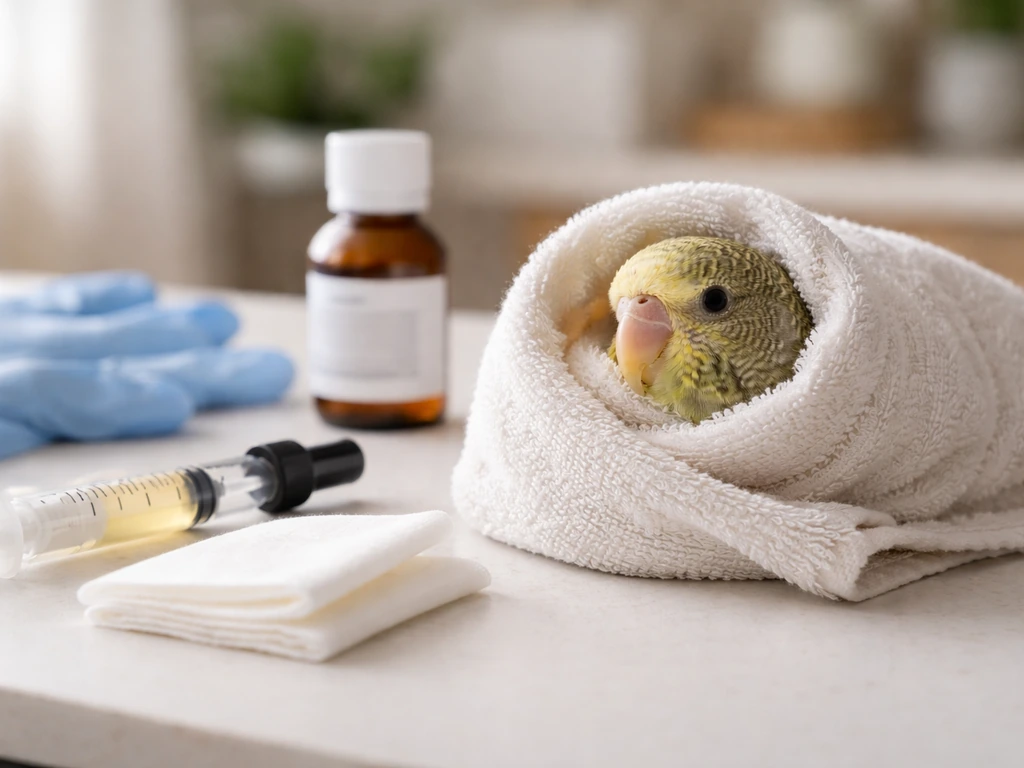
That said, this guide exists because the situation is rarely black and white. There are a handful of scenarios where carefully offering a small amount of water is reasonable, and there are specific techniques that minimize risk. The most important thing you can do right now is read through the checks below before you attempt anything, and get a rehabber on the phone as fast as possible.
First check: is the bird dehydrated, chilled, or in shock?
Before you even think about water, you need a quick assessment. A bird that looks limp, has its eyes closed, is sitting fluffed up with slow reactions, or has cold feet and legs is showing signs of shock or hypothermia, not necessarily dehydration. Trying to give water to a bird in that state can make things much worse. The right response for a chilled or shocky bird is warmth, darkness, and quiet, not fluids.
Dehydration signs are different. A genuinely dehydrated bird may have very dry oral mucosa (the inside of the mouth looks tacky or sticky), sunken eyes, and skin that stays pinched for two to five seconds or longer when gently tented. If you're seeing those signs alongside a bird that is otherwise alert and able to hold its head up, dehydration is more likely to be the primary issue. Even then, the safest move is to call a rehabber and describe what you're seeing before you try anything.
The single most critical check is whether the bird can swallow on its own. A bird that is unconscious, unresponsive, tilting its head, or making gurgling sounds cannot swallow safely. Do not attempt to give water in any of those situations. Aspiration, where water enters the trachea instead of the esophagus, can cause aspiration pneumonia and is potentially fatal. This is why every major rescue organization explicitly warns: never drip water into a bird's mouth.
Safe water options and what to avoid
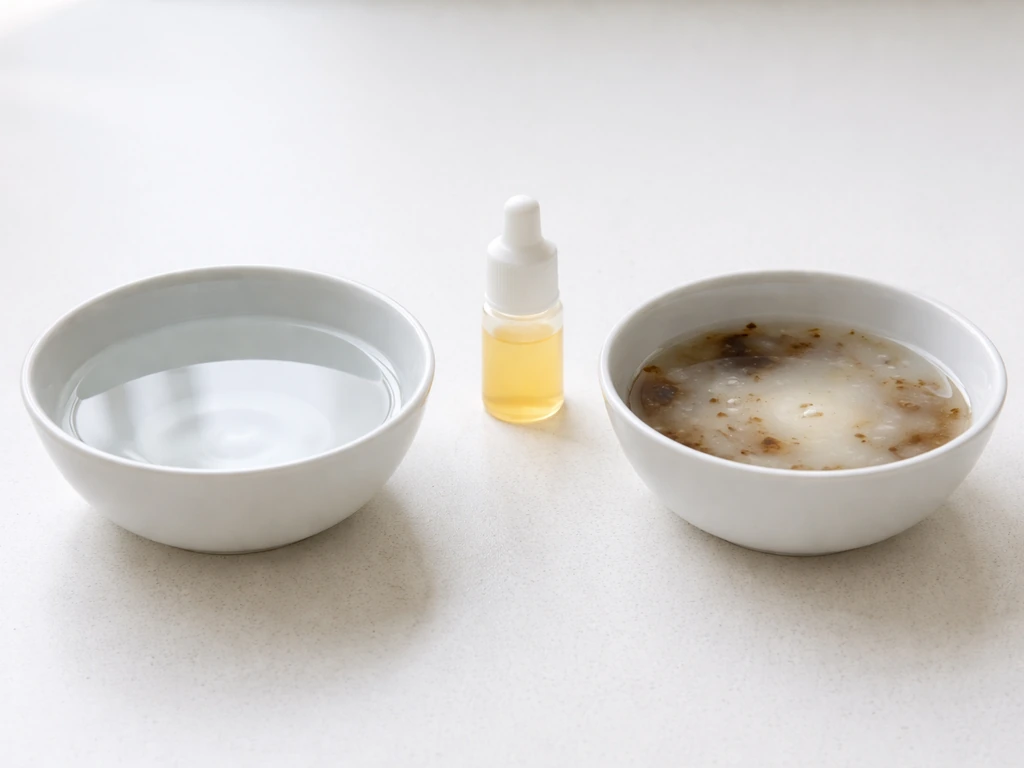
If a rehabber or vet has told you it's okay to offer water, or if you genuinely cannot reach one and the bird is alert and showing dehydration signs, plain water is your safest option. Plain, clean water (distilled or filtered tap water works fine) is what experienced bird rehabilitators typically use. Some rehabbers keep a diluted electrolyte solution like Pedialyte on hand for compromised birds, but that's a professional tool used carefully and in very small amounts to avoid aspiration.
If you're dealing with a hummingbird specifically, the situation is slightly different. Hummingbirds have such high metabolic demands that some wildlife organizations make an exception for them, but even here you need to be careful. The Hummingbird Society specifically advises against feeding sugar water, honey, or water by mouth to an injured hummingbird, so don't assume the hummingbird exception means anything goes.
| Fluid | Safe to offer? | Notes |
|---|
| Plain clean water | Yes, with conditions | Only if bird is alert, upright, and can swallow; never forced |
| Diluted Pedialyte/electrolyte solution | With professional guidance only | Used by rehabbers in controlled amounts; not a DIY first step |
| Sugar water | No | Not appropriate for most species; can cause harm |
| Milk or juice | No | Never appropriate for wild birds |
| Honey water | No | Specifically warned against even for hummingbirds |
| Any flavored drinks | No | No exceptions |
Step-by-step: how to offer water safely
If you've confirmed the bird is alert, able to hold its head up, can swallow, and a rehabber has said it's okay (or you truly cannot reach one), here is the safest way to offer water. The goal is to let the bird drink voluntarily. You are not delivering fluids into the bird's throat.
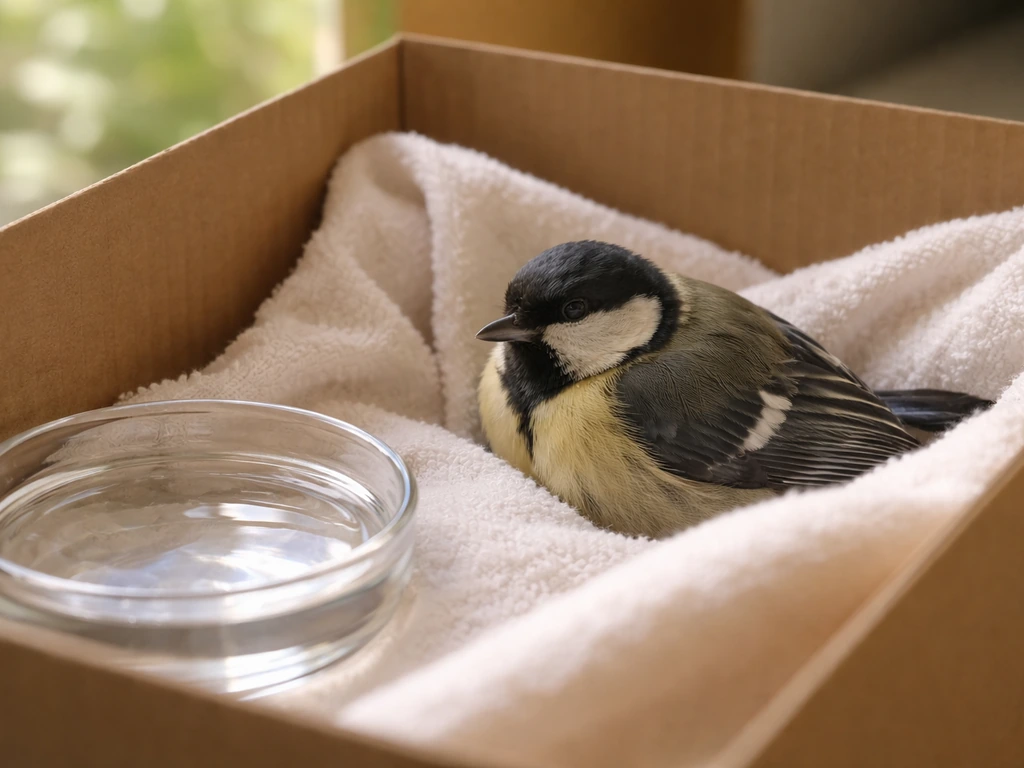
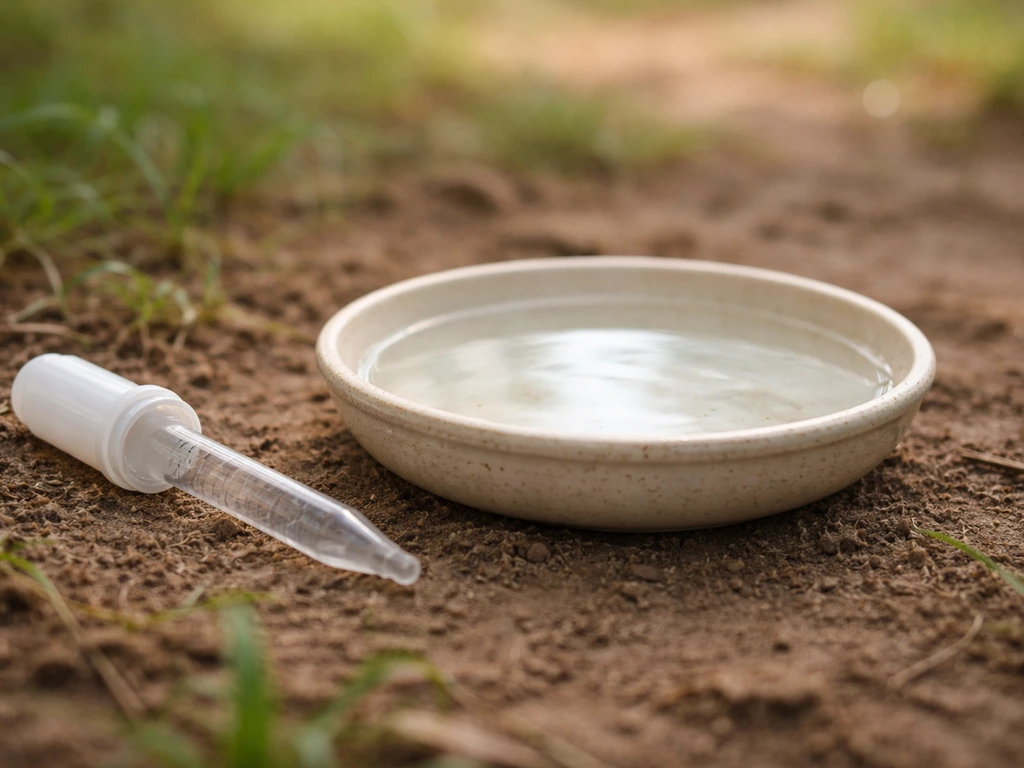
- Use a very shallow container, like a bottle cap or a small jar lid, filled with just a few millimeters of water. The bird should be able to dip its beak in without the water reaching its nostrils.
- Place the container directly in front of the bird and let it drink on its own. Do not hold the bird over the water or tilt its head toward the dish.
- If using a dropper or syringe (only if instructed by a rehabber), place a single small drop at the very tip of the beak, not into the mouth. Let the bird lick it off. Do not squeeze water past the beak or into the throat.
- Offer once, wait and observe. If the bird drinks, allow a few sips maximum, then stop. Over-hydrating a compromised bird is also a risk.
- If the bird does not respond, do not try to force it. Move on to the warming and stabilization steps below.
The technique for giving a fledgling bird water follows the same principles but with even more caution, since young birds are especially prone to aspiration. Fledglings should never have water dripped into their open mouths, even if they are gaping (which is a feeding response, not a request for water).
It's also worth knowing how to give a wild bird water in a non-emergency setting, because the technique for a healthy wild bird is actually more relaxed than what's appropriate here. When a bird is injured, the threshold for caution is much higher.
If the bird won't drink: what to do instead
If the bird refuses water or is too weak to drink on its own, stop trying. Pushing it will only stress the bird further and raise the aspiration risk. At this point, your job shifts entirely to stabilization: keeping the bird warm, quiet, and contained while you get professional help on the line.
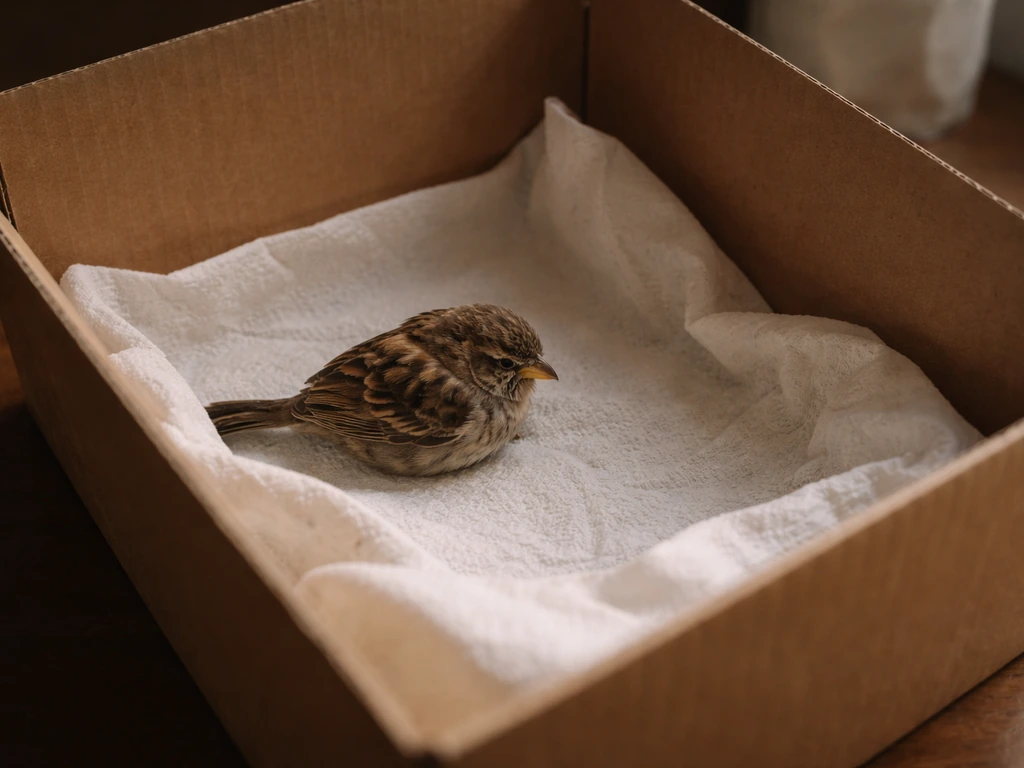
Put the bird in a cardboard box lined with paper towels or a soft cloth. The box should be secure, have a few small air holes, and be dark inside. A dark, quiet environment reduces stress dramatically and can actually help stabilize a bird in shock. Do not use a cage or wire enclosure, where the bird can injure itself further by flapping.
Heat is often more important than water at this stage. Place the box on top of a heating pad set to low, but only under half the box, so the bird can move away from the heat if it gets too warm. This lets the bird self-regulate its temperature, which is critical. Overheating is just as dangerous as chilling. If you don't have a heating pad, a warm (not hot) water bottle wrapped in a towel placed beside the bird works too.
If the bird got wet for any reason during your rescue attempt, getting it dry is a priority before applying heat. There's detailed guidance on how to dry a bird safely without causing further stress or feather damage, which is worth reviewing if that applies to your situation.
Do not give the bird any medication, supplements, or anything other than plain water (if water is appropriate at all). The guidance on how to give bird medicine makes clear that even administering prescribed medication to a bird requires careful technique, so improvised medication at home is never a good idea.
Call a licensed wildlife rehabilitator or emergency vet right now if the bird is showing any of these signs: Please do not feed the bird any food, water or any liquids, and call a wild bird rehabilitator immediately; keep the bird warm until help arrives Call a licensed wildlife rehabilitator or emergency vet right now.
- Unconscious or unresponsive
- Bleeding that hasn't stopped
- A visibly broken wing or leg with bone showing
- Eyes closed and unresponsive to your presence
- Convulsing or trembling repeatedly
- Head tilting or circling behavior (possible neurological injury)
- Has been caught by a cat (even with no visible wounds, cat bacteria cause serious infections fast)
- Has been wet or oil-contaminated
In any of those cases, do not spend time trying to offer water. Secure the bird in a box as described above and focus entirely on getting it to a professional. Time matters much more than fluids at that point.
To find a licensed wildlife rehabilitator near you today, call your state's wildlife agency (in Virginia, for example, the Wildlife Conflict Helpline connects you to permitted rehabbers). You can also search the National Wildlife Rehabilitators Association directory or call a local animal emergency vet, who can often refer you. When you call, describe exactly what you're seeing, including the bird's posture, responsiveness, any visible injuries, and whether it has eaten or drunk anything. The rehabber will give you specific instructions for your situation.
While you wait for guidance or transport, keep the bird's environment stable. One thing that sometimes gets overlooked in warmer or colder seasons: the water in any dish you've placed near the bird needs to stay at a safe temperature too. If you're in a cold environment, knowing how to keep bird water from freezing can matter even in a temporary holding setup.
The bottom line on water and injured birds
The safest default is: don't give water unless a rehabber says to. That's not overcautious, it reflects a real risk. A bird's respiratory anatomy makes aspiration easy to cause and potentially fatal. Warmth, quiet, and darkness do far more good in the short term than anything you can put in a bowl.
If you do offer water, keep it voluntary and minimal: a shallow dish, a single drop at the beak tip, and stop if the bird doesn't engage. Never drip water into a bird's mouth. Never force fluids. And get a professional on the phone as fast as you can. The goal of everything you do in these first minutes is simply to keep the bird stable long enough for someone with proper training to take over.
For reference in calmer situations (like maintaining water for a bird you're caring for longer term), it helps to understand how to give bird water properly so you have a baseline for what safe, voluntary drinking looks like. But in an emergency, stability and professional help always come first.