If you've found a wet bird, the most important thing to know right away is this: warmth comes before drying. A cold, wet bird is at serious risk of hypothermia, and getting it stable and warm is the priority. The actual drying process is gentle and slow, nothing like wringing out a towel. Here's exactly what to do, step by step.
How to Dry a Bird Safely: Humane Step-by-Step Guide
Marcus Holloway
17 Apr 2026
Quick triage: is it safe to handle, and does it even need drying?
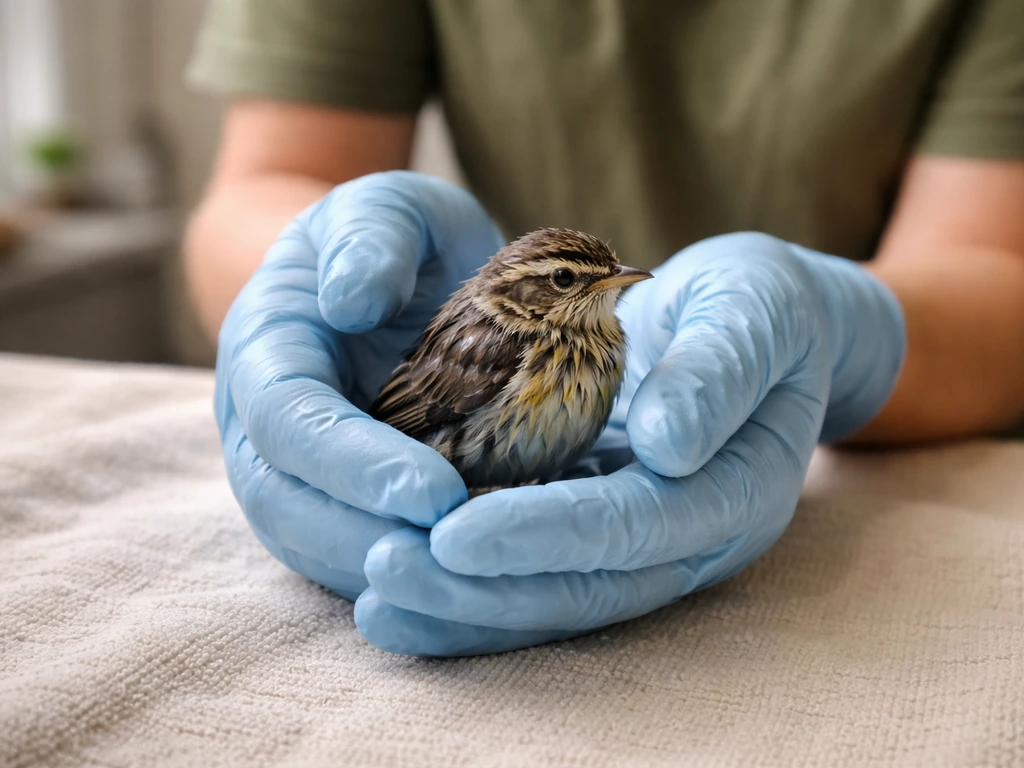
Before you touch the bird, take a moment to assess the situation. First, protect yourself. Small songbirds are generally safe to handle with bare hands, but larger birds like hawks, owls, herons, or crows can cause real injury. Talons and beaks can puncture skin fast. If you're dealing with a bird of prey or a large wading bird, do not attempt to pick it up until you've spoken with a licensed wildlife rescuer. Thick gloves and a towel used as a barrier are the minimum if you must act quickly.
Next, figure out why the bird is wet. Did it fall in water? Get caught in heavy rain? Was it washed by a well-meaning person, or involved in an accident like an oil or chemical spill? The answer matters. A bird soaked in anything other than clean water (oil, chemicals, soap residue) needs professional intervention, not home drying. Don't attempt to wash or dry a bird covered in a contaminant on your own.
Also check the bird's age and condition quickly. A very young bird with few or no feathers (a nestling) loses heat even faster than an adult and needs warmth urgently. A fledgling (feathered but young) or an adult bird that is alert, holding its head up, and trying to escape your hands is in better shape than one sitting limp, eyes half-closed, or unable to hold its posture. If the bird shows any signs of injury, bleeding, a drooping wing, visible wounds, drying is secondary. Stabilization and a call to a wildlife rehabber are the immediate priorities.
Warmth first: stabilizing the bird before anything else
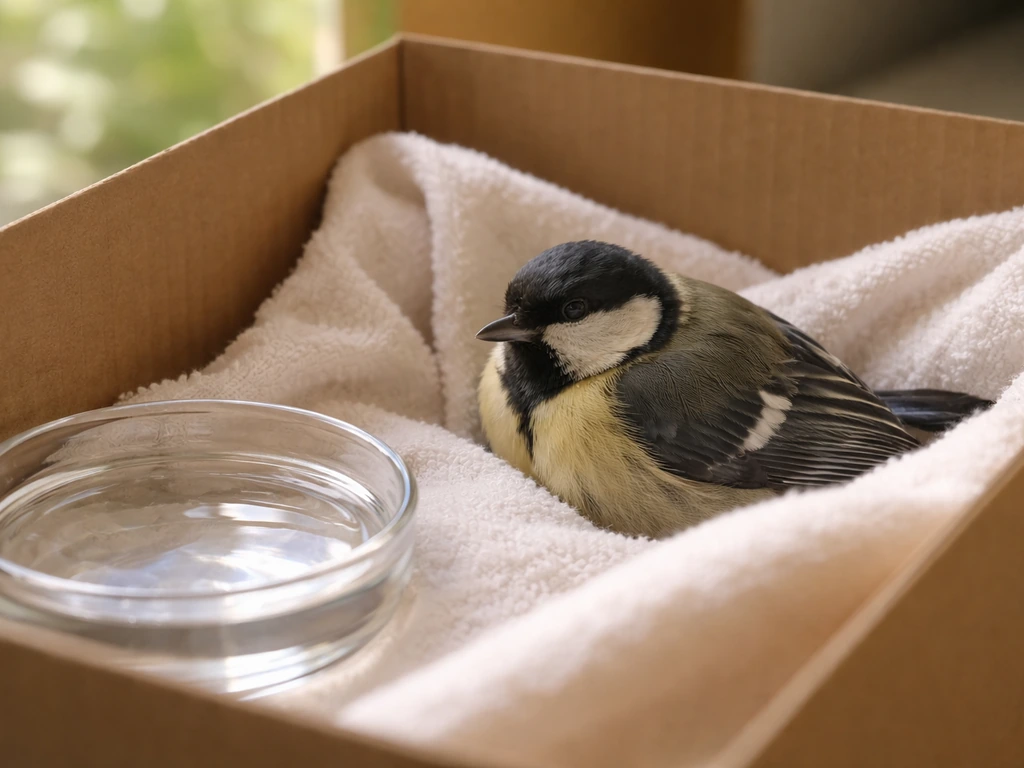
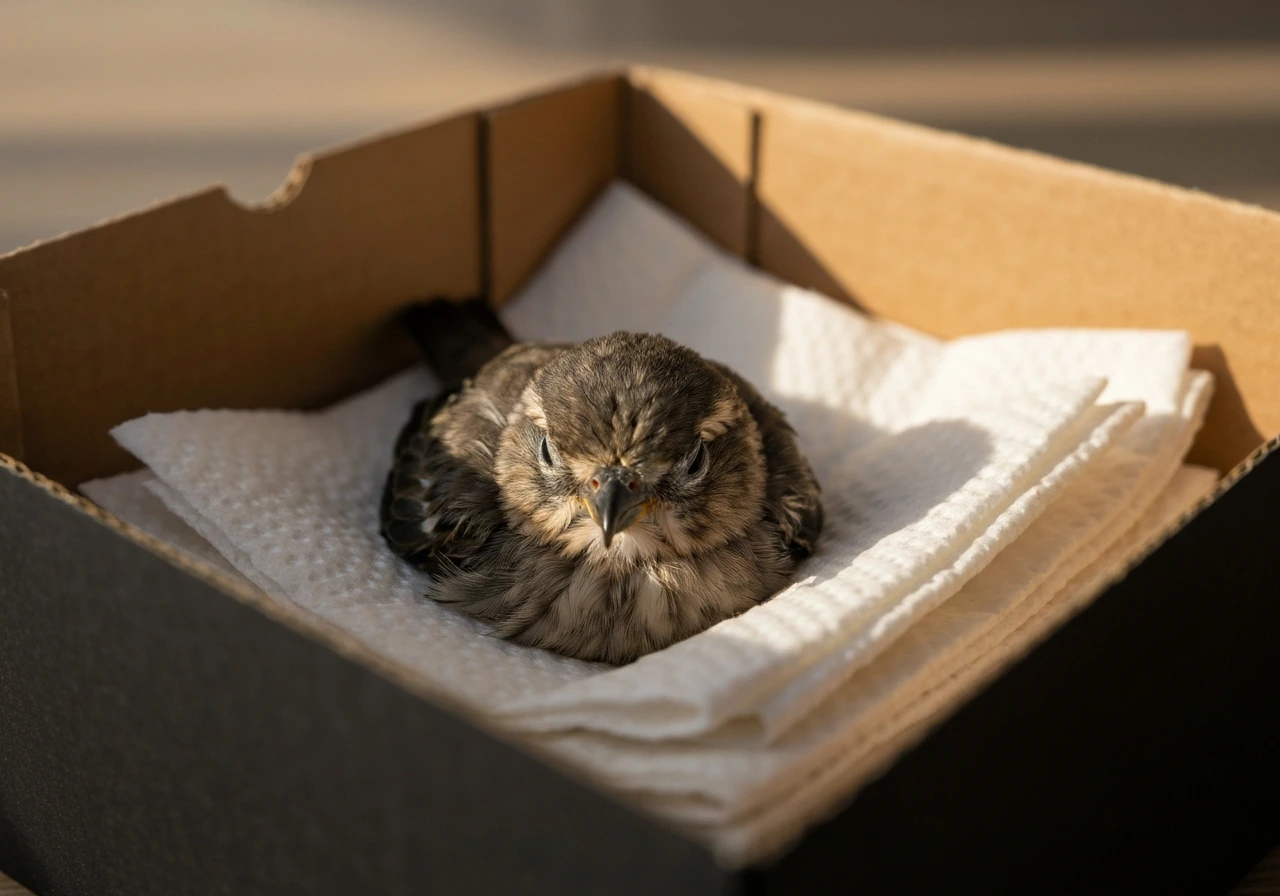
The single most important thing you can do for a wet, cold bird is get it into a warm, dark, quiet space. Golden Gate Bird Alliance advises placing an injured bird in a warm, dark, quiet area like a shoebox, then calling a wildlife rescue group for instructions place the injured bird in a warm, dark, quiet area (for example, a shoebox). Take a small cardboard box and line the bottom with paper towels, not fabric, not terry cloth. Put the bird inside gently, close the lid (leaving small air holes), and place the box somewhere quiet. Away from pets, children, and noise. Darkness helps calm a bird quickly and reduces the stress of handling.
The box itself should feel just warm to the touch on the outside, not hot. You can achieve this by placing the box on top of a heating pad set to the lowest setting, with a folded towel between the pad and the box to buffer the heat. Alternatively, a warm (not hot) water bottle wrapped in a cloth and placed beside (not under) the bird works well. The goal is a stable, gentle ambient warmth, not direct heat. If you're unsure, a room-temperature indoor space is already far better than leaving the bird outside on a cold day.
While you're doing this, call a permitted wildlife rehabilitator or avian vet. Seriously, do it now, not after you've tried everything else. Rehabbers deal with wet, injured, and hypothermic birds regularly and can walk you through species-specific guidance over the phone. Most recommend getting the bird into that warm box and calling immediately rather than attempting extended home care.
How to dry a wet bird safely, step by step
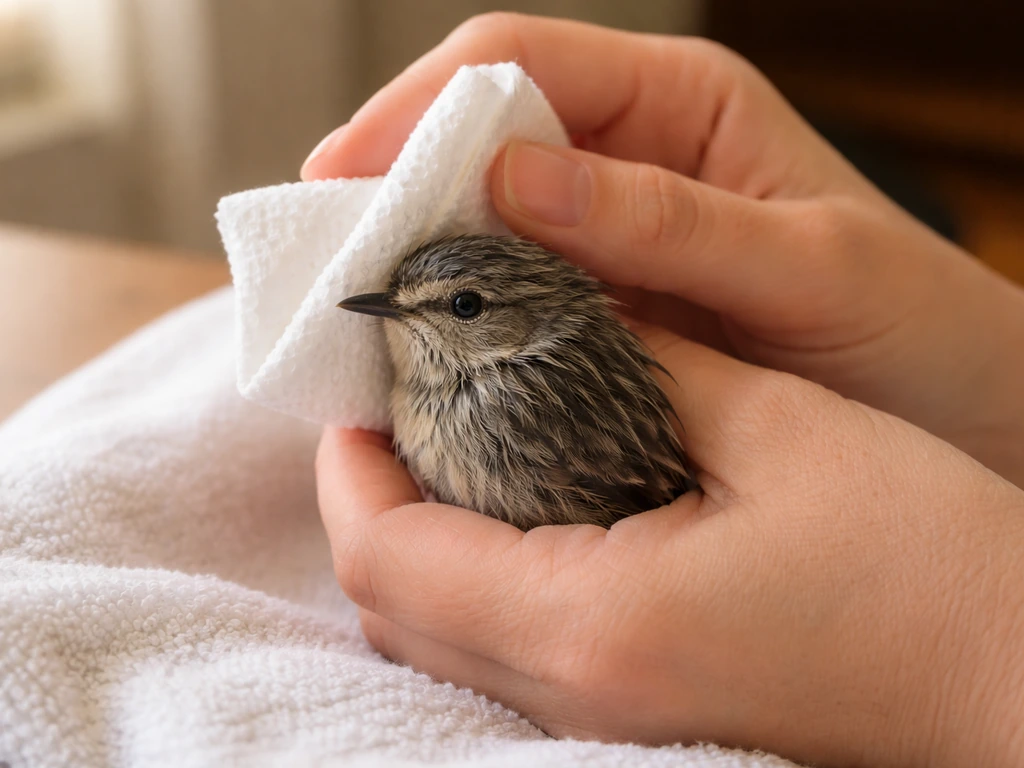
Once the bird is in a warm environment and you've assessed that it's not injured, you can begin the drying process. The key word is gentle. Bird feathers are not just insulation, they're a finely structured system. Rough handling breaks that structure and leaves the bird worse off.
For small birds (sparrows, finches, wrens, small songbirds)
- Cup the bird loosely in both hands to transfer a little body heat while containing it. Don't squeeze.
- Take a dry paper towel and very lightly blot (not rub) the surface of the feathers. Think dabbing, not scrubbing.
- Focus on the head, back, and belly. Avoid the wing joints and tail unless they're visibly soaked.
- Place the bird back in the warm box and let natural body heat and the warm environment do the rest.
- If using a hair dryer, set it to the lowest heat setting and keep it at least 12 to 18 inches away. Use brief, sweeping passes — never hold it in one spot. Watch the bird's reaction constantly. If it opens its beak wide, pants, or flattens itself away from the airflow, stop immediately.
For medium to large birds (pigeons, doves, waterfowl, larger raptors)
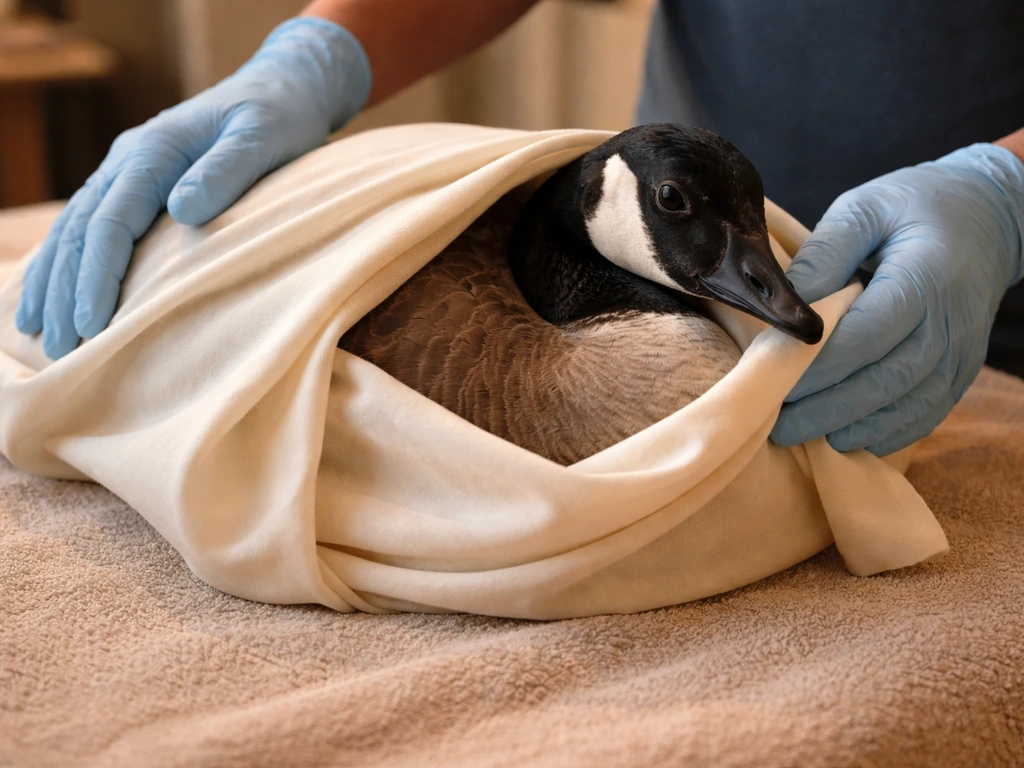
Larger birds need more patience and more caution. Wrap the bird loosely in a dry paper towel or a single layer of smooth cloth (not terry cloth) and blot gently. Don't try to dry a duck or goose thoroughly on your own, waterfowl have specialized feather structures and require professional assessment, especially if their waterproofing has been compromised. The same applies to raptors: if you're dealing with a hawk or owl, minimize handling and prioritize getting it to a rehabber fast.
For any bird larger than a sparrow, warm ambient air from a hair dryer on the lowest, coolest setting can help after the initial blotting. Keep the dryer moving and maintain distance. Stop the moment the bird shows any stress. The warm box is doing more work than the dryer anyway, trust the process.
What not to do: common mistakes that cause real harm
This section matters just as much as the steps above. Well-meaning people can inadvertently hurt a bird by doing things that seem logical but aren't.
- Don't rub the feathers. Rubbing disrupts the microscopic barbs that hold feathers together and destroys their insulating structure. Always blot.
- Don't use a fluffy or textured towel. Terry cloth snags feathers and can pull them out or break them. Use paper towels or a very smooth, dry cloth.
- Don't overheat with a hair dryer. High heat settings can cook the skin, dehydrate the bird rapidly, and cause burns. If it feels warm to you at arm's length, it's too hot for the bird.
- Don't put the bird directly on a heating pad. A heating pad directly under a bird — even on a low setting — can cause burns or dangerous overheating. Always buffer the heat.
- Don't place the bird in a bright, noisy, or open space. Stress is a genuine killer in injured and weakened wildlife. A dark, quiet box does more good than an open cardboard tray where the bird can see everything and try to escape.
- Don't give food or water unless a rehabber or vet has told you to. This one surprises people, but improper feeding or watering can worsen a bird's condition, cause choking, or introduce infection. If you're curious about the right approach to hydration, understanding how to give an injured bird water safely is more nuanced than most people expect.
- Don't keep the bird longer than necessary. Home care is triage, not treatment. The goal is to stabilize the bird until a professional can take over.
Aftercare and monitoring: what to watch for
Once the bird is in the warm box, check on it every 15 to 20 minutes without disturbing it too much. You're looking for specific signs of improvement or decline.
Signs the bird is stabilizing: it's holding its head upright, its eyes are open and alert, it moves away from your hand when you peek in, and its feathers are beginning to fluff out slightly (that's a good sign, fluffing means it's generating body heat). A bird that starts trying to hop or fly in the box is telling you it's feeling better.
On the question of food and water: unless a rehabber has specifically instructed you, don't offer either. Tufts Wildlife Clinic also recommends not giving food or water to a found sick or injured songbird, since an incorrect diet can lead to injury or death don't offer either.
Wild birds have specific dietary needs, and even something as seemingly safe as water can be dangerous if given incorrectly to a bird in a weakened state. giving a wild bird water requires knowing the right technique, a bird that inhales water into its lungs can develop aspiration pneumonia. If you're caring for a fledgling specifically, the risks are even higher, and knowing how to give a fledgling bird water without causing harm is a skill in itself.
If you decide hydration is necessary for a fledgling, follow the specific guidance in how to give a fledgling bird water rather than improvising at home.
If the bird is a pet or domestic bird and you need to offer hydration during a longer monitoring period, how to give bird water safely covers the right methods and tools. And if you're administering any kind of treatment under a vet's guidance, reviewing how to give bird medicine correctly will help you avoid common handling errors that stress the bird further.
When the bird is still in trouble and needs urgent help
Sometimes a wet bird isn't just wet. It's in shock, hypothermic, or injured. Here are the signs that tell you this has moved past home triage and into emergency territory.
- The bird cannot stand or hold its head upright after 20 to 30 minutes in the warm box.
- It's breathing rapidly with an open beak, or the breathing seems labored or irregular.
- You can see visible injuries: bleeding, a broken or drooping wing, wounds, or missing patches of feathers with exposed skin.
- The bird is still cold to the touch after 30 minutes of warmth — this is a sign of severe hypothermia.
- The eyes remain half-closed or sunken, and the bird doesn't respond when you gently open the box.
- The feathers remain completely flat and soaked, with no sign of drying or fluffing, after a reasonable warm-up period.
- The bird was exposed to a chemical, oil, or unknown substance.
Any one of these signs means you should already be on the phone with a wildlife rehabilitator or an avian vet. Don't wait to see if things improve. Hypothermia and shock in birds can escalate quickly, and the window for effective intervention is short. Contact your local wildlife rehabilitation center, Audubon chapter, or avian vet directly. If you're in a cold-weather environment and managing outdoor bird care year-round, it's worth knowing that even seemingly minor issues like keeping bird water from freezing reflect how quickly temperature extremes affect bird health. If a bird is already wet and cold, that window is even smaller.
You don't need to diagnose the problem. Your job is to keep the bird warm, minimize stress, and get it to someone who can actually treat it. That's genuinely the most helpful thing you can do. A permitted wildlife rehabilitator has the training, equipment, and legal authority to provide proper care, and most are reachable by phone within minutes. If the bird was injured during a rescue or transport situation and you need guidance on giving an injured bird water while you wait, always confirm the method with the rehabber first.
A quick comparison: drying methods and when to use them
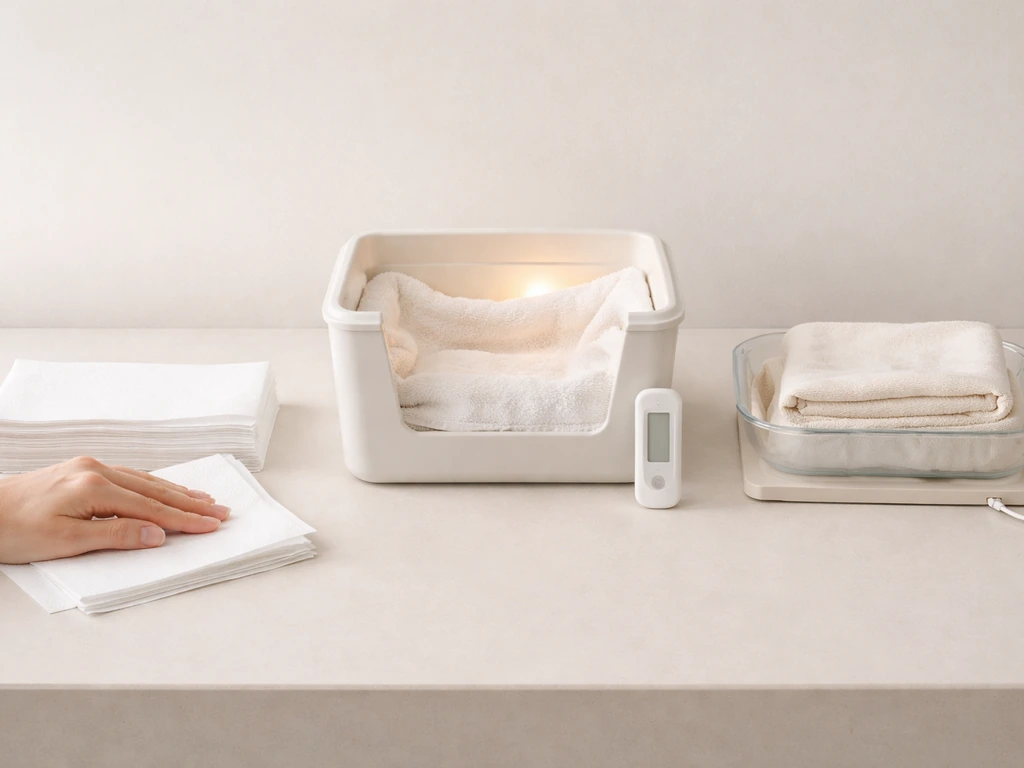
| Method | Best for | Risk level | Notes |
|---|---|---|---|
| Paper towel blotting | All birds, all sizes | Very low | Always the first step; never rub, only dab |
| Warm ambient box (no direct heat) | All birds, especially nestlings and small birds | Very low | Most effective overall method; use as primary approach |
| Hair dryer on lowest/cool setting | Small to medium birds after initial blotting | Moderate if misused | Keep 12–18 inches away; constant movement; stop if bird shows stress |
| Buffered heating pad under box | Cold birds, hypothermia risk | Low if buffered correctly | Never direct contact; always use a folded towel between pad and box |
| Terry cloth towel | Avoid entirely | High | Snags and breaks feathers; use paper towels only |
| High-heat dryer or direct heating pad | Never | Very high | Can burn skin, cause dehydration, and kill the bird |
The bottom line: blot, warm gently, stay calm, and call a rehabber. You don't need special equipment or expertise to get a wet bird through those critical first 30 minutes. You just need to know what not to do, keep the environment warm and quiet, and hand it off to someone trained to take it from there.
FAQ
How long should I keep a bird in the warm box before trying any drying beyond blotting?
Plan on rewarming first, then reassess. Check every 15 to 20 minutes, and only continue gentle blotting or brief low airflow after the bird is alert enough to hold posture and fluff slightly. If you see no improvement after about 1 hour of stable warmth, stop home drying and escalate by staying on the phone with a rehabilitator.
Is it okay to put a wet bird under a lamp or near a fire to dry faster?
Usually no. Focus on gentle ambient warmth, not strong radiant heat. A lamp can create hot spots and overheat the bird while the center remains cold, which worsens shock risk. Use a heating pad on the lowest setting or a warm water bottle beside the bird (wrapped, not under it).
Can I use a hair dryer to dry a small songbird right away?
Not right away. First, rewarm the bird in the warm, dark box and do gentle blotting. Only consider the lowest, coolest dryer setting for a brief finishing step on birds larger than a sparrow, and keep the dryer moving with distance. Stop immediately if the bird stresses, becomes more settled, or shows breathing changes.
What towels are safest for blotting and wrapping during drying?
Use paper towels for the box lining and a dry paper towel or a single layer of smooth cloth to blot. Avoid terry cloth (it can catch feathers) and avoid fabric that sheds lint. Also avoid rubbing, the goal is to blot moisture, not press hard.
Should I brush or comb wet feathers to help them dry faster?
No. Wet feathers are fragile, structured insulation, brushing or combing can break barbules and impair insulation. Keep handling minimal, blot gently, then let the feathers recover while warmth allows normal fluffing and heat generation.
What if the bird is soaked with something that is not clean water, like rainwater from a street or soap residue?
Do not attempt home washing or extended drying if the bird may be contaminated. Even mild residues can strip natural oils or irritate skin, leading to problems you cannot reverse at home. Treat it as a professional-only scenario, keep the bird warm and call a rehabilitator right away.
How do I tell if the bird is becoming stable versus getting worse?
Stabilizing signs include upright head posture, open and alert eyes, movement away when you peek, and mild feather fluffing. Getting worse can look like lethargy that deepens, eyes staying half closed, inability to hold posture, gasping or open-mouth breathing, or the bird becoming colder despite warmth. If any worsening occurs, contact the rehabber and do not continue drying steps.
Can I give a wet bird water or “electrolytes” while I wait for help?
Do not offer food or water unless a rehabber tells you to. Even plain water can be risky because a weakened bird may aspirate it into the lungs, causing aspiration pneumonia. If the bird is a fledgling or you are asked to hydrate, confirm the correct technique before doing anything.
My bird is a domestic pet bird, not wild. Does the same drying process apply?
Warmth before drying still applies, but the next steps can differ based on species, body condition, and whether feathers are water resistant. If it is a household pet and not an outdoor-wild case, still prioritize rewarming in a quiet box, avoid harsh heat, and call an avian vet if there is any injury or breathing difficulty.
What should I do if the bird is a duck, goose, or other waterfowl?
Don’t try to thoroughly dry waterfowl at home. Their feather structures and waterproofing require expert assessment, and improper handling can damage insulation. Keep handling minimal, get them into gentle warmth, and call a rehabilitator for species-specific guidance.
What are emergency signs that mean “stop drying and call immediately” even if the bird is trying to move?
Call immediately if you notice bleeding, a drooping wing, visible wounds, inability to hold posture, limpness, major breathing difficulty, or signs of shock or severe hypothermia (very cold body, extreme lethargy). Time matters because hypothermia and shock can escalate quickly.
Is it okay to keep the bird outside to dry if the weather is sunny?
No. Even on a sunny day, wind and temperature drops can keep the bird cold enough to worsen hypothermia. A quiet warm indoor space is far safer, and your job is to rewarm and minimize stress while the rehabber handles the rest.
How often should I check the bird, and should I open the lid fully each time?
Check every 15 to 20 minutes. Keep disturbance low, open the lid only as much as needed to observe, then close it quickly. Repeated full-open checks cool the bird and increase stress.
What is the most common mistake people make when trying to “dry” a bird?
Rubbing or squeezing the bird with towels, or using strong heat sources. This breaks feather structure and can worsen injury or stress, while direct heat can create overheating at the surface. Gentle blotting plus stable, indirect warmth is the safer approach.
When I should stop home care completely, and hand it off right away?
Stop at once if the bird has any injury signs, cannot regain an alert posture after warming, shows worsening temperature or breathing, or if it is likely contaminated (oil, chemicals, soap). In those cases, your role is to stabilize with warmth and contact the rehabber, not to continue drying.
Next Article
How to Give an Injured Bird Water Safely Today
Learn how to give an injured bird water safely, including dos, don’ts, tiny sips, and when to warm instead.