In almost every situation, force feeding a bird is not the right move, and doing it wrong can kill the bird faster than not feeding it at all. Aspiration pneumonia, crop burns, choking, and fatal tracheal injuries are all real risks when feeding is attempted without training. If you have a bird in front of you right now, the safest first step is warmth, quiet, and a call to a licensed wildlife rehabilitator or avian vet, not food. If you need more detailed guidance, see our article on how to feed a blind bird safely.
How to Force Feed a Bird Safely and When Not To
Marcus Holloway
12 May 2026
When force feeding is (and isn't) the right move
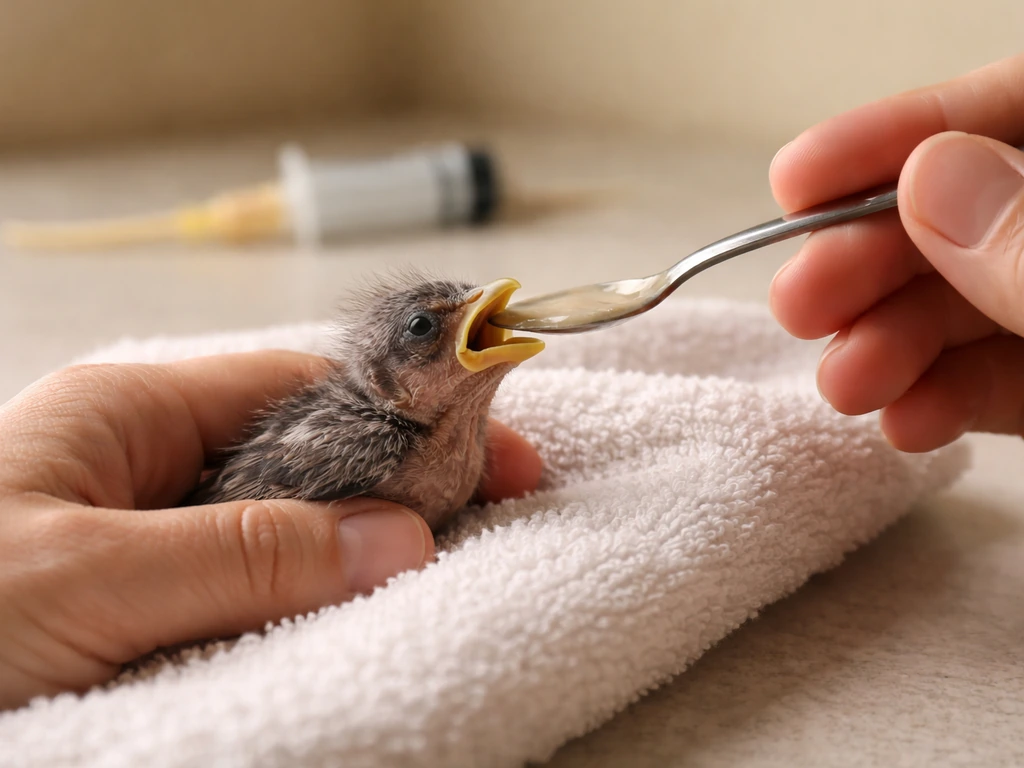
The term 'force feeding' covers a wide range of actions, from nudging food toward a baby bird's beak to full gavage tube feeding directly into the crop. The further along that spectrum you go, the more skill and experience it takes to do safely. For a concerned person who just found a bird, even the gentler end of that spectrum carries real risk.
Force feeding is generally a procedure reserved for licensed rehabilitators and avian vets. Groups like IVIS (a clinical avian medicine resource) are explicit about it: do not attempt to hand-feed birds that are not aggressively feeding on their own. A bird that isn't gaping, begging, or responding is telling you its body isn't ready for food. Pushing ahead anyway can send food or liquid straight into the lungs.
There are very narrow situations where some form of assisted feeding becomes necessary before you can reach a professional, such as a very young nestling that is cold, has no injuries, and is beginning to gape weakly after being warmed. Even then, the goal is a tiny drop placed at the beak tip, not forced down the throat. Full tube or syringe feeding belongs in professional hands.
- Force feeding is not appropriate for injured birds with bleeding, broken bones, puncture wounds, or signs of shock.
- It is not appropriate for birds that are unconscious, limp, or not responding to touch.
- It is not appropriate before the bird has been warmed to a stable temperature.
- It is not appropriate if you cannot identify whether the bird is a nestling, fledgling, or adult, since feeding needs differ significantly.
- Tube feeding and crop gavage are clinical skills with a high fatality risk if done incorrectly and are not DIY procedures.
Quick assessment and red flags: when to call a rehabber now
Before you think about feeding at all, spend sixty seconds assessing the bird. This assessment will tell you whether you are dealing with a stabilization situation or a genuine emergency that needs professional intervention immediately.
Look for these red flags. Any one of them means stop, do not attempt to feed, and contact a licensed wildlife rehabilitator or avian vet right now.
- Visible bleeding, open wounds, or puncture marks (especially cat or dog bites, which introduce dangerous bacteria even when the wound looks minor)
- Broken or deformed wing, leg, or beak
- Head tilting, circling, or seizure-like movements
- Large bubbles or fluid pockets under the skin
- Maggots or fly eggs on or near the bird
- Complete limpness or unresponsiveness
- Labored or open-mouth breathing
- Bird is wet, cold, and not responding to 10 to 15 minutes of gentle warming
If none of those red flags are present, you are likely looking at a bird that needs stabilization and monitoring rather than emergency intervention. A fledgling that is hopping around and vocalizing is probably fine and may not need your help at all. Tufts Cummings veterinary guidance suggests watching from a distance for 30 to 60 minutes to see if a parent returns to feed before concluding the bird is truly orphaned.
To find a licensed rehabilitator in the US, call your state wildlife agency or search the National Wildlife Rehabilitators Association directory. In Canada, contact your provincial wildlife authority. In the UK, the RSPCA or local wildlife rescue centers are your first call. Most have emergency lines.
Humane handling, warming, and stress reduction before feeding
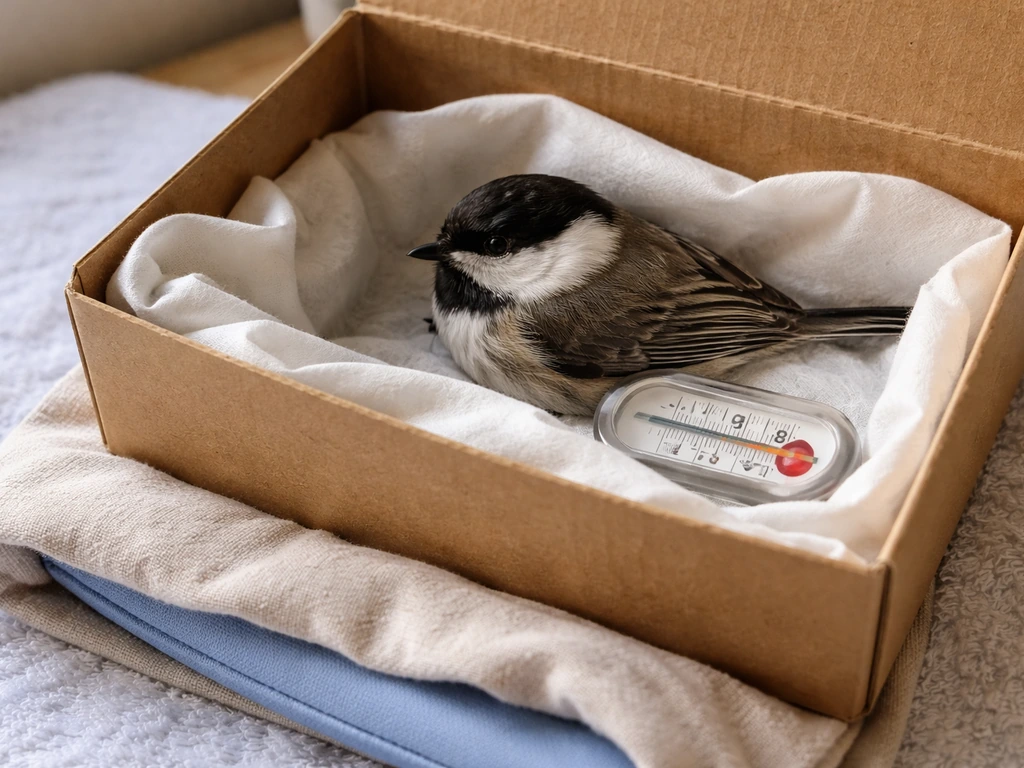
Warmth comes before food. A cold bird cannot digest, and a cold baby bird will not gape or beg even if it is starving. Trying to feed a hypothermic bird is one of the fastest ways to cause aspiration. Warm the bird first, always.
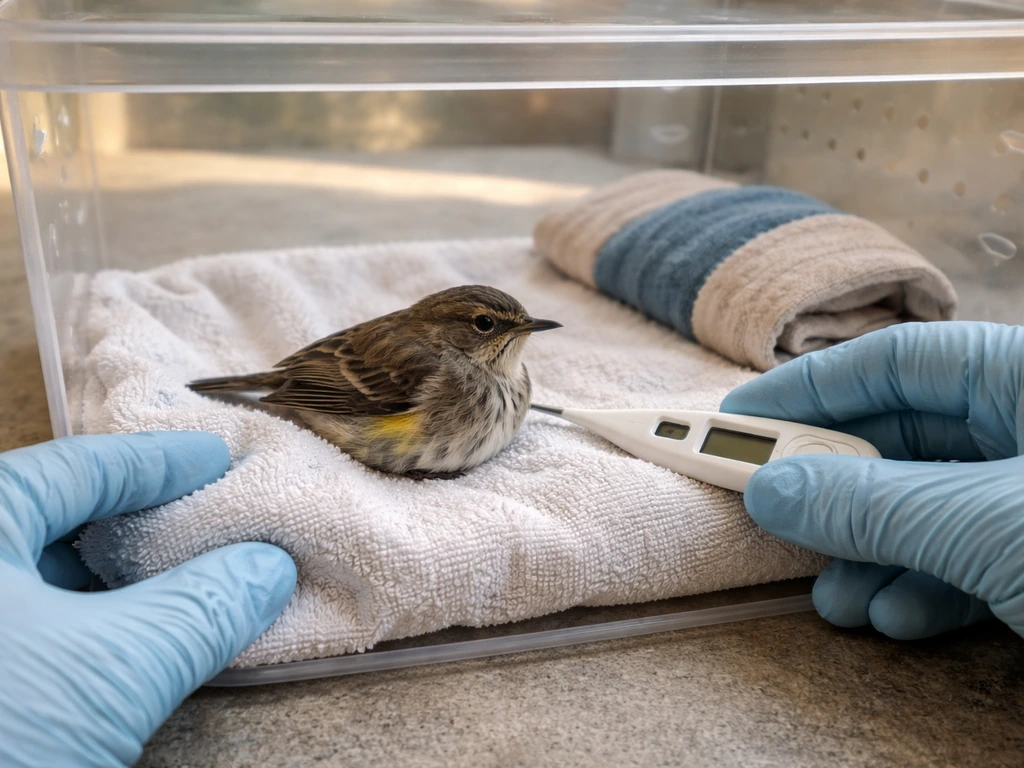
Place the bird in a small cardboard box or paper bag with several air holes punched in it. Line the bottom with crumpled paper towels shaped loosely into a nest-like cup. Do not use grass, leaves, or loose string, which can tangle around limbs or become a choking hazard. Keep the container in a warm, quiet room away from pets, children, and noise.
For supplemental heat, place a heating pad set to low under one half of the box only, so the bird can move away from the heat if it gets too warm. A hot water bottle wrapped in a towel works too. The goal is a warm microclimate around 85 to 90°F (29 to 32°C) for nestlings. Do not use a microwave-heated rice sock or anything that can spike in temperature unpredictably.
Keep handling to an absolute minimum. Even a bird that looks calm is stressed by being touched, looked at directly, and exposed to human voices and smells. Stress alone can cause shock in a small bird. Once the bird is in the box and warming, leave it alone and focus on reaching a rehabber.
Emergency feeding alternatives and how to choose the safest option
The safest option in almost every case is no feeding at all while you arrange a transfer to a professional. Audubon, the Schuylkill Center, Virginia DWR, and many other wildlife organizations say clearly: do not offer food or water to an injured or orphaned bird. The NY State Wildlife Rehabilitation Council public guidance advises that you should not feed wild baby birds and instead contact a licensed wildlife rehabilitator for advice do not offer food or water to an injured or orphaned bird. The aspiration risk alone makes waiting the right call.
If you genuinely cannot reach a rehabber within one to two hours and you have a visibly weak but otherwise uninjured young bird that has been warmed and is beginning to show some responsiveness, hydration comes before food. A very small amount of plain, warm water (body temperature, around 100 to 102°F) can be placed as a single drop at the tip of the beak using a dropper. Never squirt fluid into the mouth. Never tilt the bird's head back. The bird should swallow on its own.
Do not offer cow's milk, bread, water mixed with sugar, human baby formula, or canned pet food. These can cause diarrhea, gut disruption, and aspiration. Do not offer seeds or hard food to a nestling. If you have confirmed the bird is a nestling insectivore (most common songbird babies), a tiny piece of moist, protein-rich food like a mealworm or a small piece of moist dog kibble can be offered at the beak tip once the bird is warm and gaping actively. Do not place food inside the mouth.
| Option | Safe for untrained person? | Risk level | Notes |
|---|---|---|---|
| Warmth and quiet only | Yes | Very low | Always the right first step |
| Single drop of warm water at beak tip | Cautiously, if bird is warm and responsive | Low if done correctly | Never squirt or tilt the head back |
| Moist food offered at beak tip (gaping bird only) | Cautiously, with correct species ID | Moderate | Only if bird is gaping and you've confirmed appropriate food type |
| Syringe or dropper feeding into mouth | No | High | Aspiration risk; seek professional guidance |
| Tube/crop gavage feeding | No | Very high | Clinical skill; fatal if done incorrectly |
If assisted feeding is necessary: harm-reduction preparation and process
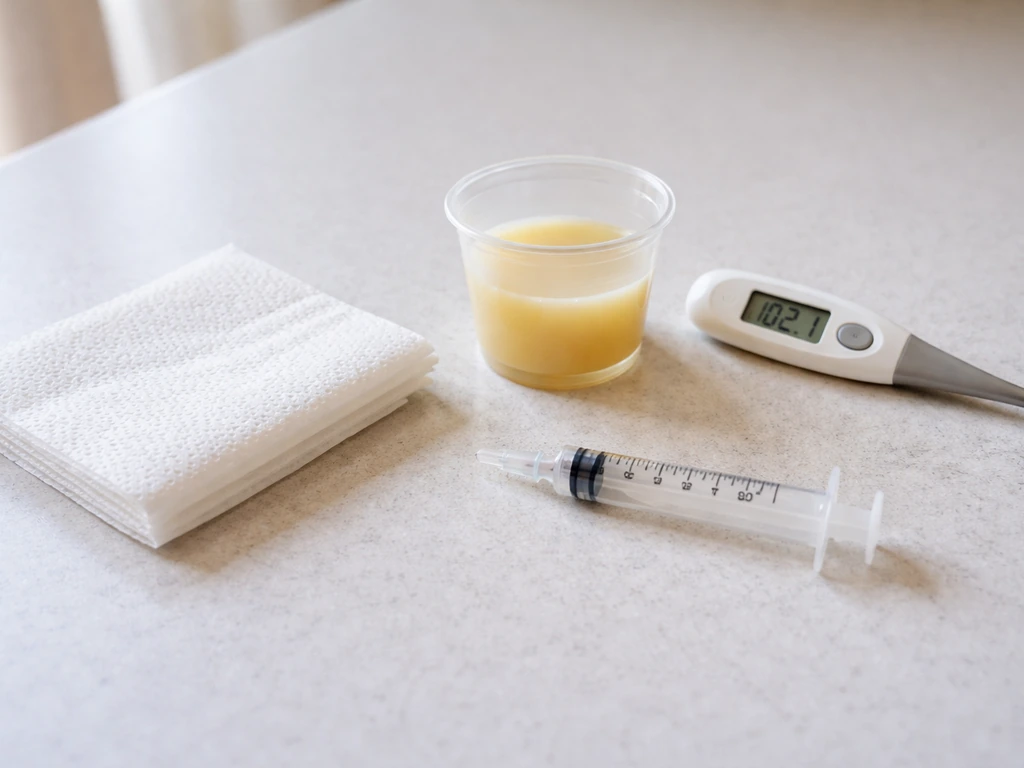
If a wildlife rehabilitator or avian vet has guided you to attempt syringe-assisted feeding while you wait, or if you are in a genuinely remote situation with no professional access and the bird will not survive without intervention, here is how to reduce the risk of serious harm. Understanding how to intubate a bird is advanced, but safe syringe-assisted feeding preparation can help reduce harm while you wait for professional care. This is not a replacement for professional guidance. It is a harm-reduction framework for a last-resort situation.
What to prepare
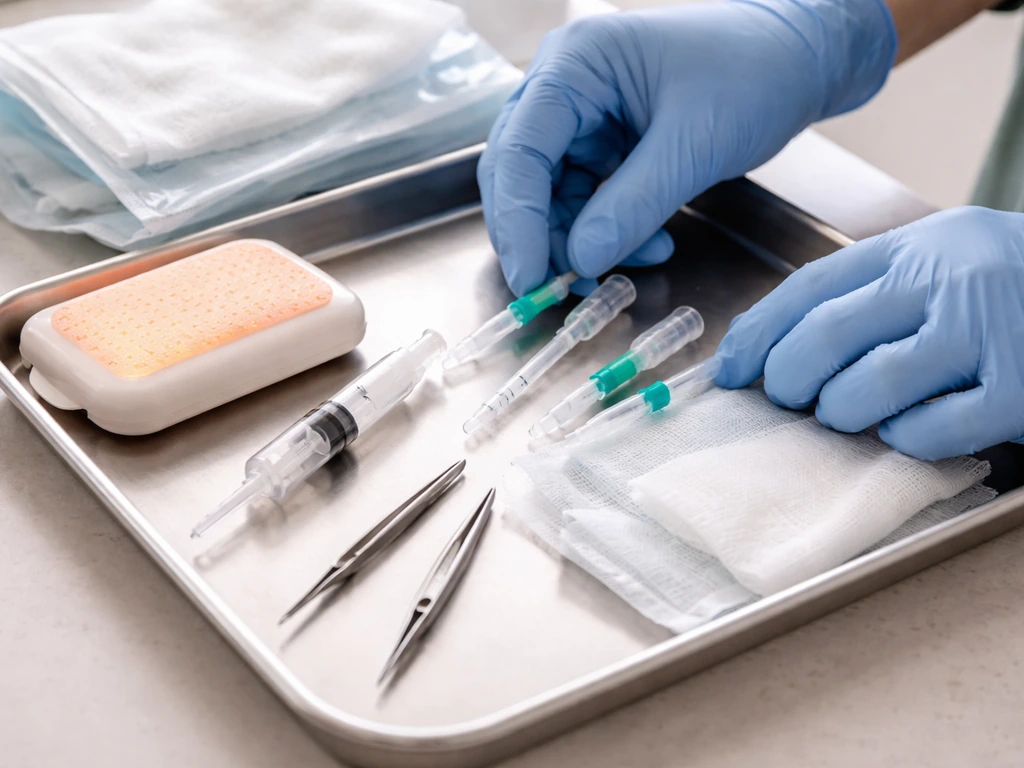
- A 1ml or 3ml syringe without a needle, or a clean dropper
- An appropriate food or formula warmed to 102 to 106°F (39 to 41°C), measured with a thermometer, not guessed
- Paper towels for cleanup
- A calm, well-lit space where you can see what you're doing clearly
How to do it with minimal harm
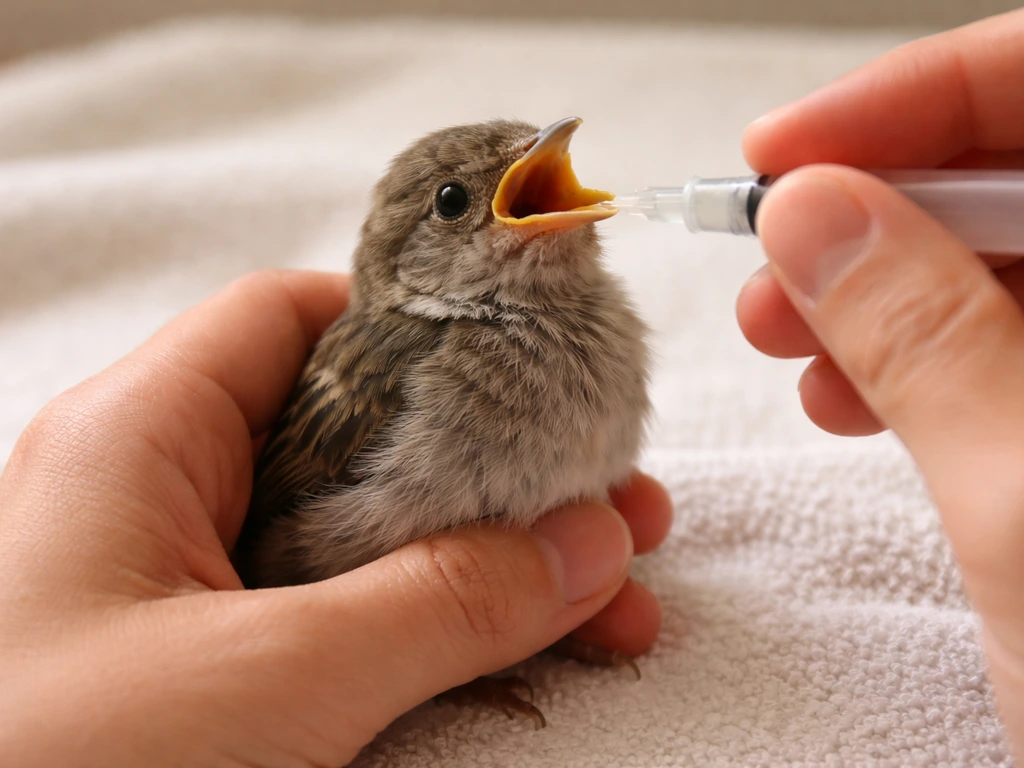
- Confirm the bird is warm, alert, and showing some gaping or begging behavior. If it is limp or unresponsive, do not proceed.
- Hold the bird gently upright in your non-dominant hand, wrapped loosely in a soft cloth to reduce struggle without compressing the chest. Never hold a bird on its back.
- Offer the syringe tip or dropper at the very front of the beak and let the bird take food voluntarily if it will. This is the safest approach.
- If the bird gapes (opens its beak), you can deposit a very small drop onto the back of the tongue. Start with amounts no larger than a single drop for small birds.
- Watch the bird swallow completely before offering another drop. If it does not swallow, stop.
- Stop immediately if the bird struggles, if food appears around the nostrils, or if the bird makes clicking or gurgling sounds.
- Never attempt to advance a tube or feeding device yourself if you have not been trained. Placement errors can send food directly into the trachea, which is almost always fatal.
Tube feeding and crop gavage are covered in more clinical detail in the related guides on how to tube feed a bird and how to feed a bird with a syringe. Both procedures carry significant risk and are best handled by or under the supervision of a licensed rehabilitator.
What to feed, temperature and consistency, and dosing basics
Food choice depends heavily on the species and age of the bird. There is no single emergency formula that works for all birds. Getting this wrong can injure or kill the bird just as surely as the wrong technique.
For baby songbirds (nestlings), moist, protein-based food is appropriate in very small amounts. Mealworms (live or dried and soaked to soften), tiny pieces of moist dog or cat kibble, or a small amount of commercial hand-rearing formula designed for insectivores are reasonable options when no other guidance is available. Commercial formulas like those from Harrison's Bird Foods have species-specific age recommendations and are not interchangeable across bird types.
Temperature is critical and non-negotiable. Food that is too cold causes gut slowdown. Food that is too hot, above 110°F or 43°C, causes crop burns, which are painful injuries that can develop hours after feeding and require veterinary treatment. Always use a thermometer. The target range for hand-feeding formula is 102 to 106°F (39 to 41°C) throughout the mixture, not just at the surface.
Consistency matters too. Food that is too thin increases aspiration risk. Food that is too thick or chunky can obstruct a small bird's throat. For young nestlings, aim for a consistency similar to thin yogurt or runny oatmeal when mixing formula. For older fledglings, slightly thicker is appropriate.
Dosing is where many well-meaning people go wrong. Overfeeding causes regurgitation, and regurgitation leads directly to aspiration pneumonia. The Merck Veterinary Manual also warns that overfeeding in orphaned neonate birds can lead to regurgitation, aspiration pneumonia, or diarrhea overfeeding causes regurgitation. Start with amounts far smaller than you think the bird needs. For a small songbird nestling, a single drop per feeding is a starting point. For larger birds, a licensed rehabber should be directing volume. Stop the moment the bird stops gaping, turns away, or seems full.
Rehydration comes before feeding. If the bird appears dehydrated (sunken eyes, loose skin that does not spring back when gently pinched), fluids take priority. Do not offer formula until the bird has received at least some rehydration, ideally under professional guidance. Subcutaneous fluid administration is sometimes needed in severely dehydrated birds and is a clinical procedure.
Aftercare, monitoring, and preventing future feeding mistakes
Once you have provided any emergency stabilization, the goal is safe transfer to professional care as quickly as possible. In the meantime, monitor the bird closely but without excessive handling.
Check the crop if you can see or gently feel it. In baby birds, the crop is a small pouch at the base of the neck that fills with food. It should empty between feedings. If it feels hard, distended, or has not emptied after two to three hours, stop feeding and contact a rehabber. A sour, foul smell from the beak is another warning sign that the crop is not emptying properly.
Watch the area over the crop for any wetness, redness, or food visible through the skin. These are signs of crop burn from food that was too hot, and the bird needs a vet. Crop burns do not always appear immediately, so check again several hours after feeding.
Hygiene matters more than most people realize. Rinse syringes and droppers between every use. Formula left at room temperature for more than 30 minutes can harbor bacteria. Never reheat formula that has already been cooled. Keep the bird's enclosure clean and dry, as wet or soiled bedding drops body temperature and introduces disease risk.
Track what you fed, how much, and when. This information is genuinely useful to the rehabilitator or vet who takes over. It helps them assess the bird's current condition and decide on next steps without guessing.
The best thing you can do after stabilizing a bird is get it into trained hands. If you are trying to stop hand-feeding a bird, the safest plan is to focus on warming, keeping the bird calm, and arranging transfer to a professional as soon as possible. Contact your nearest licensed wildlife rehabilitator, avian veterinarian, or wildlife rescue center and arrange a transfer. Many rehabilitators will guide you by phone through interim care while you travel to them. If you are looking for how to feed the bird in Granny, skip DIY force-feeding and use interim guidance from a licensed rehabilitator instead. You do not have to manage this alone, and the bird's odds improve significantly once it is in professional care.
FAQ
If a baby bird is not gaping, should I still force feed to prevent starvation?
Not reliably. A bird that is cold or stressed may not gape even when it needs food, and attempting to trigger swallowing can send fluid into the lungs. If it is not actively begging after warming, treat it as a stabilization case and prioritize contacting a licensed wildlife rehabilitator or avian vet.
How do I know when to stop feeding during emergency help?
You should stop and reassess rather than continue. If the bird stops gaping, turns away, seems full, coughs, wheezes, or shows fluid bubbling around the beak, do not offer more. Those signs suggest aspiration risk or that the bird is not ready for intake.
Is there a safe way to give “just a little” food if I’m worried about time before a rehabber arrives?
No. Even “small” volumes can oversaturate a cold or already weak crop, raising the chance of regurgitation and aspiration pneumonia. If you cannot reach help quickly, use hydration-first guidance only (a single drop of warm water as described in the article) and keep warming and minimizing handling.
What if the bird looks dehydrated, should I give formula first or water first?
If you suspect dehydration, look for physical signs like sunken eyes or skin that does not spring back when gently pinched, and then prioritize tiny amounts of warm water before formula. Do not skip rehydration to rush into feeding, and avoid syringing water directly into the throat.
Can I reuse leftover formula or keep reheating it while I wait for help?
Rinse equipment between every use (as covered), and also discard any leftover mixture that has sat out for more than about 30 minutes. Do not top off used formula, and do not reheat cooled food, because both steps increase bacterial growth and crop irritation risk.
What other signs besides crop fullness suggest I made a feeding mistake?
Monitor the crop but also watch breathing quality. A bird can look “stable” yet still have aspiration developing, especially if you notice fast breathing, open-mouth breathing, or wet sounds. If any breathing issue appears, stop attempts and seek professional guidance immediately.
If my formula is at the correct temperature, can I still feed a cold bird?
Warm the food to the target range and verify with a thermometer, but also warm the bird first. Feeding a hypothermic bird delays digestion, increases regurgitation, and can worsen aspiration risk, even if the food itself is at the right temperature.
Is it safer to syringe-feed than to force the food toward the beak?
A syringe or dropper can be used for last-resort, harm-reduction steps only if a vet or rehabilitator has guided you. Without guidance, “pushing” or placing food further into the throat is where severe injury risk rises, including tracheal damage.
How often should I check the bird while it is warming up and I’m waiting for a rehabber?
Use a container that limits movement (small box or paper bag with air holes) and keep it in a warm, quiet area away from pets, children, and noise. After initial warming, you generally should not repeatedly check the bird by holding it out, opening the container often, or addressing it directly with your face close to the beak.
What emergency foods are safest for baby songbirds if I do not have prepared hand-rearing formula?
For songbird nestlings, the article suggests tiny moist protein-based food only when warmed and actively gaping, and only at the beak tip. Avoid seeds, hard foods, and foods that are not appropriate for insectivores, because incorrect diet can cause gut disruption and dehydration.
When does “wait and monitor” change to “get help now” even if I’m tempted to feed?
Yes, there are practical scenarios where assisted care is more urgent than “wait and watch,” such as when the bird is cold and weak, newly found with signs it is likely a nestling (and it has no injuries), or when it cannot maintain normal warmth or responsiveness. If it shows any red flag or injury, do not attempt feeding and contact a rehabber immediately.
Next Article
How to Intubate a Bird: Humane, Safety-First Steps
Safety-first steps to intubate a bird, including when to try, equipment, humane technique, monitoring, and when to stop.