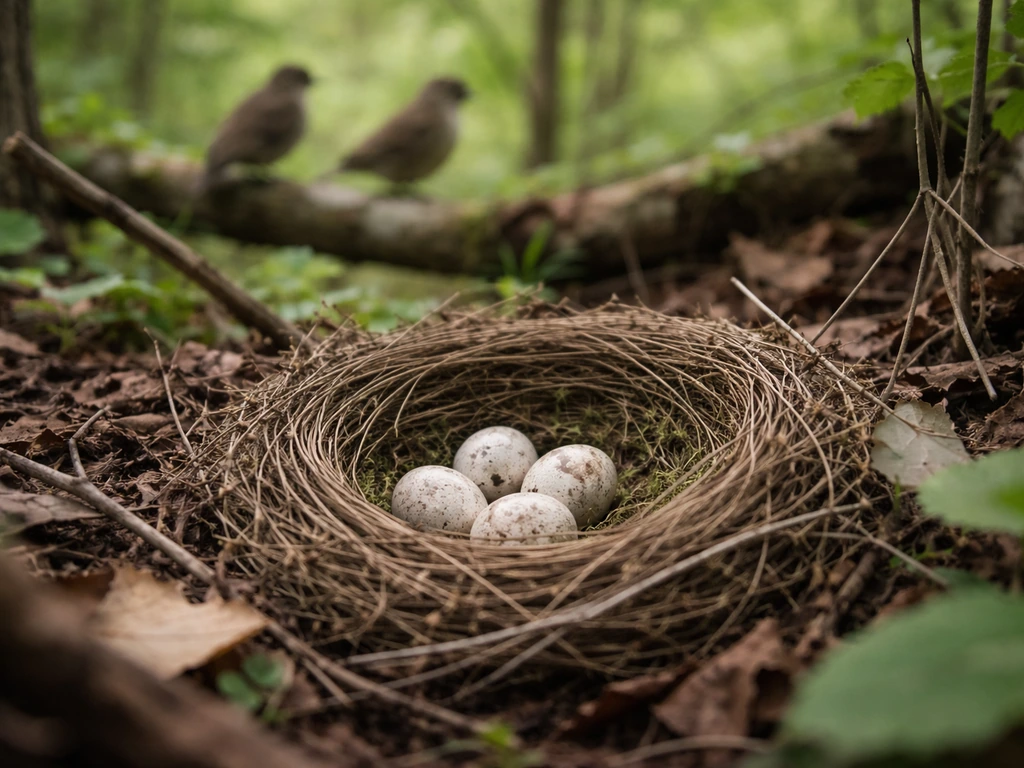
When bird eggs hatch and you're not sure if the adults are around or if the chicks are safe, the single most important thing you can do is stay calm and resist the urge to immediately scoop them up. In most cases, the best outcome happens when the chicks stay in or near their nest and the parents return on their own. Your job in the first hour is to assess the situation carefully, provide warmth only if absolutely needed, and contact a licensed wildlife rehabilitator if something is clearly wrong.
What to Do When Bird Eggs Hatch: Rescue or Reunite Steps
Marcus Holloway
15 May 2026
What to check in the first 5–10 minutes
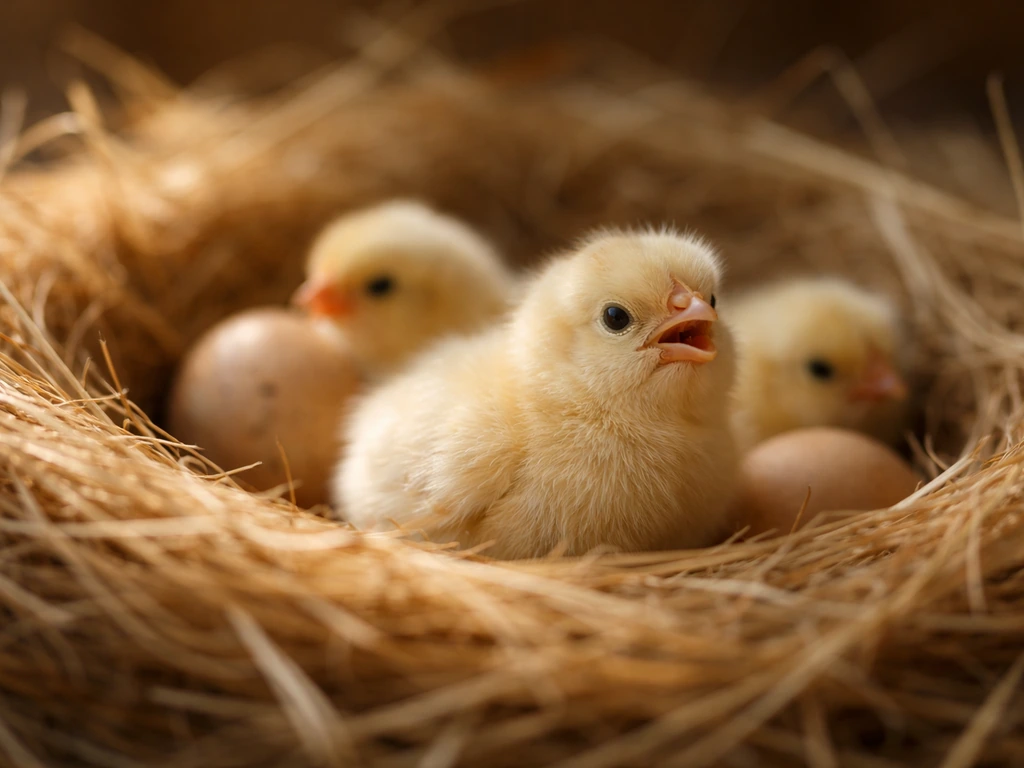
Before you do anything else, take a slow look at the situation without getting too close. You want to answer a few key questions before touching anything.
- Are the chicks moving or making any noise? Healthy hatchlings will twitch, open their mouths (gaping), and make faint peeping sounds. Stillness alone doesn't mean they're dead — newly hatched birds are often exhausted.
- Is the nest intact and in its original location, or has it been knocked down, destroyed, or moved?
- Are any adult birds visible nearby? They may be watching from a branch or fence. Their presence even at a distance is a good sign.
- Are there signs of a predator, cat, dog, or other immediate threat in the area right now?
- Are any chicks visibly injured — bleeding, limbs at odd angles, eyes crusted shut, or a body that feels cold and completely unresponsive to touch?
Keep your distance while you observe. Standing 20–30 feet away and watching quietly for a few minutes tells you far more than a close inspection will. If you approach too quickly, you may scare off the parents who are about to return.
Is this normal hatch behavior or an emergency?
Most hatch situations look more alarming than they actually are. Here's how to tell the difference between a normal post-hatch scene and a real emergency.
| What you're seeing | What it likely means | What to do |
|---|---|---|
| Chicks in the nest, adults not visible but area is quiet | Normal — adults are often foraging and return frequently | Watch from a distance for up to 45 minutes |
| Chicks are moving, gaping, and making noise | Normal healthy behavior in newly hatched birds | Leave them alone; monitor for adult return |
| Chick on the ground near an intact, reachable nest | Likely fell or was nudged out; not abandoned | Return it to the nest if safe to do so |
| Chicks feel cold and limp but are still breathing | Urgent — they need warmth immediately | Provide gentle warmth (see below) and call a rehabber |
| No adult birds for over 45 minutes and chicks are gaping frantically | Possible orphan situation | Contact a wildlife rehabilitator now |
| Visible bleeding, broken limb, or puncture wound | Injury — requires professional care | Contain the bird gently and get vet or rehabber help today |
| Nest destroyed by storm, predator, or human activity | Intervention may be needed | Build a substitute nest; attempt reunion first |
One thing worth saying clearly: touching a baby bird will not cause the parents to abandon it. This is a very common myth, but birds have a limited sense of smell and parent birds are strongly bonded to their chicks. Both the Cornell Lab of Ornithology and Greenwood Wildlife Rehabilitation Center confirm this. Don't let that fear stop you from returning a chick to its nest.
How to protect and stabilize hatchlings right now
If the chicks are in danger, from a cat, cold weather, a destroyed nest, or direct sun, you need to act. The priority is warmth, darkness, quiet, and minimal handling.
Keeping them warm
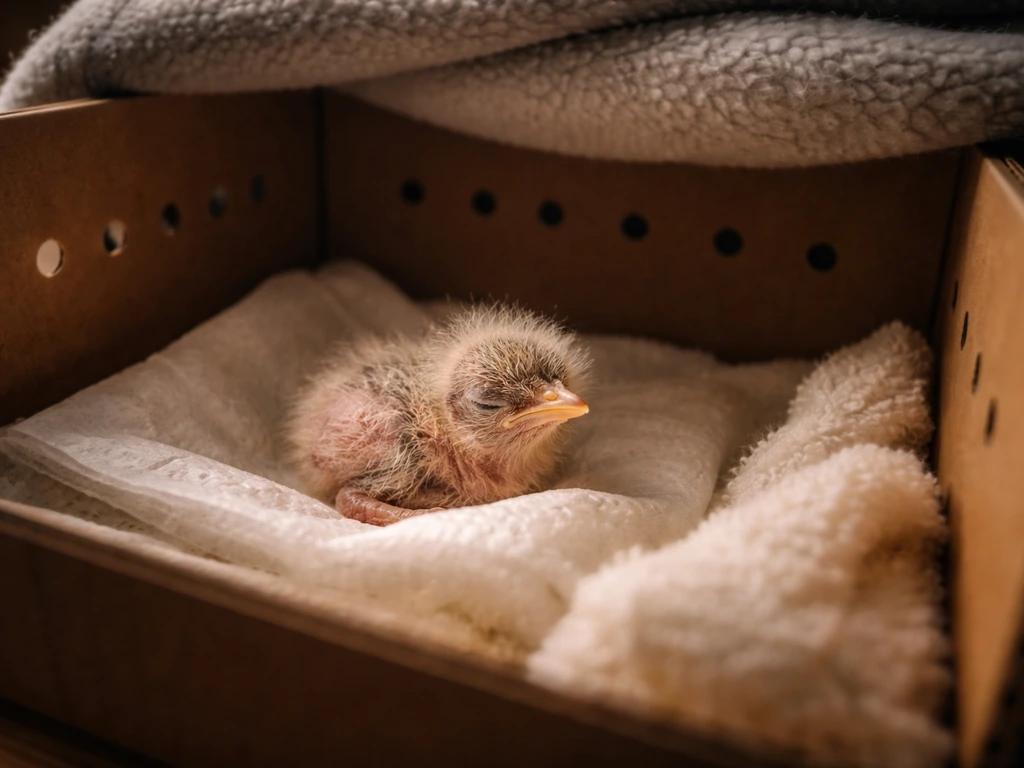
Newly hatched birds (called hatchlings or nestlings) can't regulate their own body temperature. Without feathers, they lose heat fast, especially if it's cool or windy. blank" rel="noopener noreferrer">Nestlings in rehabilitation settings are kept at roughly 90–95°F (32–35°C). At home, you can approximate this safely by placing the chick in a small container lined with tissues or paper towels, then setting one end of the container on a heating pad on its lowest setting. The bird needs to be able to move away from the heat source, so never cover the whole bottom of the container. If you don't have a heating pad, a warm (not hot) rice heat pack placed beside the bird works. Check it frequently, you don't want it to overheat.
Handling and containment
Handle the chicks as little as possible. If you need to move them, scoop gently with cupped hands or use a soft cloth. Don't squeeze or restrain them forcefully. Place them in a small box or container with ventilation holes in the lid, a shoebox works fine. Keep it dark and quiet; covering the box with a light cloth helps reduce stress. Keep the container away from children, pets, loud noise, and direct sunlight. This isn't a situation where you want to observe them closely or show them to others.
Reuniting chicks with the nest vs. when to step in
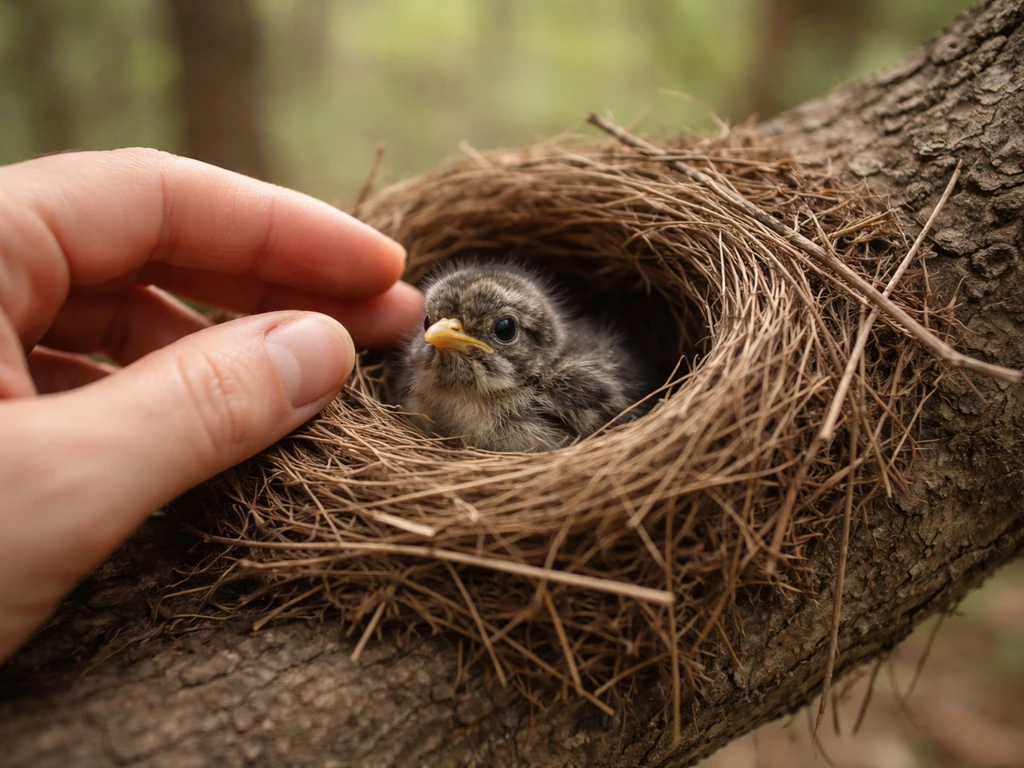
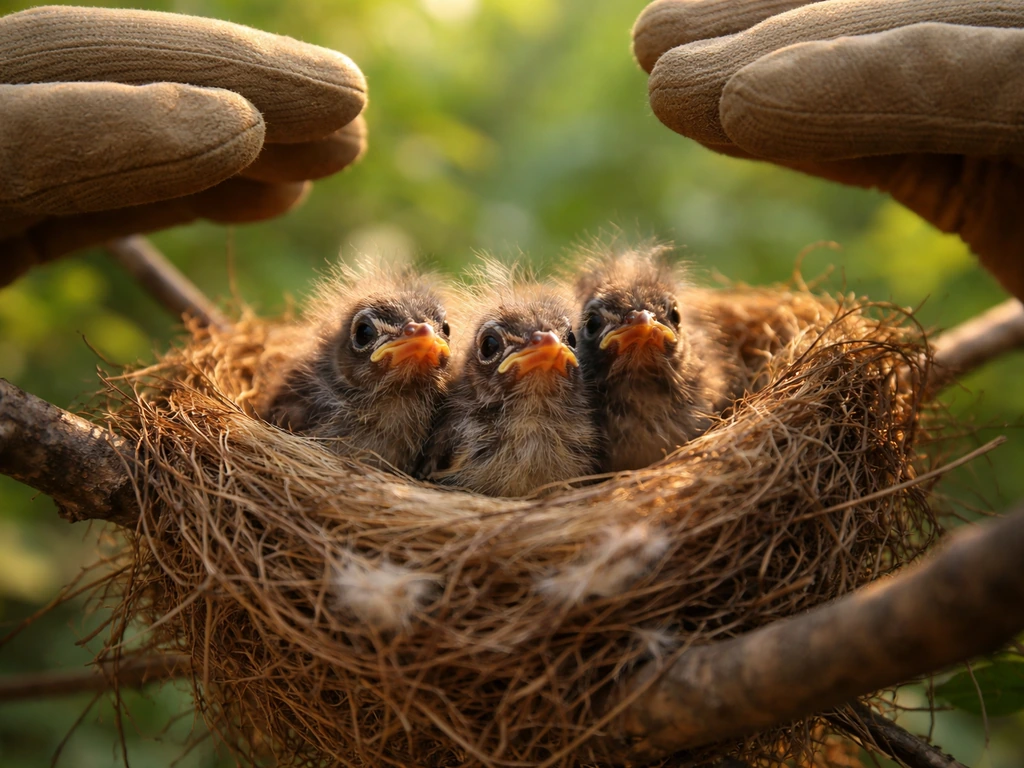
Returning a chick to its nest is almost always the right first move if the nest is intact, reachable, and the adults haven't been gone more than an hour. The U.S. Fish and Wildlife Service recommends this as the best action when the nest is nearby. Here's how to do it properly.
- Locate the nest. Look above or near where you found the chick — most nests are within a few feet of where chicks land.
- Gently place the chick back into the nest. Don't drop it; lower it in carefully.
- Step back at least 30 feet and wait quietly for up to 45 minutes. Watch to see if an adult bird comes to feed the chick.
- If no adult appears after 45 minutes and the chicks are gaping and clearly hungry, call a wildlife rehabilitator.
If the nest is destroyed, you can build a substitute. Give Shelter’s “Nestling Songbirds Reuniting Instructions” also explains that when a nest is destroyed, making a substitute nest and monitoring from a distance can help reunite the nestlings with their parents blank" rel="noopener noreferrer">build a substitute. Use a small plastic container (like a berry carton or margarine tub) with drainage holes punched in the bottom, lined with the original nesting material if you can collect it, or dry grass and leaves. Attach it to the tree or structure as close to the original nest location as possible, place the chicks inside, and then monitor from a distance for adult return.
There are situations where reunion isn't safe or possible. If the parent birds are confirmed dead, if you've waited the full 45 minutes without any adult activity, if the nest is somewhere truly inaccessible or dangerous (like inside a running engine or on a busy road), or if the chicks are injured, then intervention is the right call. Move to the containment steps above and contact a rehabber right away. If you find unhatched bird eggs, the right next steps differ from caring for live hatchlings, so it helps to know what to do with unhatched eggs and when to contact a wildlife professional.
Feeding and hydration: what's safe, what's not, and when to stop
This is the area where well-meaning people most often cause harm. The Washington Department of Fish and Wildlife is direct about this: do not give baby birds water or liquids. Hatchlings get all the hydration they need from their food, and attempting to give them water can cause them to inhale it into their lungs, which can be fatal. Do not give them milk, bread, crackers, or anything from your kitchen.
In general, if you expect to reach a wildlife rehabilitator within an hour, don't attempt to feed the chicks at all. Keeping them warm and contained is enough for that window. If you're in a remote area and professional help is genuinely hours away, a licensed rehabber can sometimes walk you through species-specific feeding over the phone, but this should only happen with their guidance. Different bird species have very different dietary needs, and what's fine for a robin nestling can be harmful to a shorebird chick.
The safest approach: keep them warm, keep them contained, and get them to a professional as soon as possible. Don't let the urge to do something lead you to feeding attempts that could hurt them.
DIY housing and transport prep until you get help
You don't need special equipment to safely house hatchlings for a few hours. Here's a simple setup that works.
- Find a cardboard box or shoebox with a lid. Punch a few small air holes in the lid — not in the sides, which would create drafts.
- Line the bottom with two or three layers of paper towels or soft tissues. Don't use cotton balls or terry cloth; fibers can tangle around tiny legs and toes.
- Place a heating pad on its lowest setting under one end of the box only, so the chick can move toward or away from the heat.
- Set the chick gently in the lined side of the box. Put the lid on.
- Keep the box somewhere quiet, away from pets, children, and direct light. A bathroom counter or laundry room shelf works fine.
- Check every 15–20 minutes to confirm warmth and that the chick hasn't become overheated (panting, holding wings away from body) or too cold (huddled, no movement).
When transporting to a rehabber or vet, keep the box on the car seat rather than in the trunk. Avoid loud music and sudden movements. Don't open the box to check on the bird during the drive, every moment of quiet darkness is helping them stay calm and conserve energy.
When and how to contact wildlife rehab or a vet
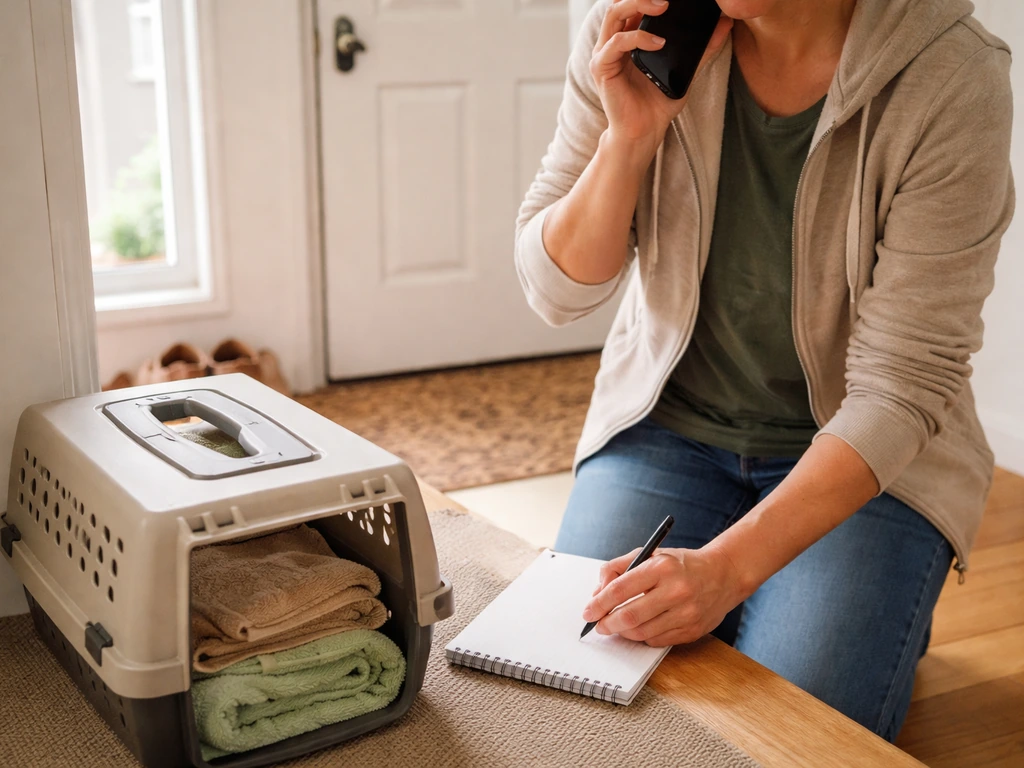
If there's any doubt, call a wildlife rehabilitator. The U.S. Fish and Wildlife Service recommends contacting a professional rather than trying to manage the situation yourself, and this is genuinely good advice. Licensed rehabilitators have the training, permits, and resources to give these birds a real chance. Most of them are also used to getting frantic calls and will walk you through exactly what to do while you wait or travel to them.
How to find help fast
- Search for 'wildlife rehabilitator near me' or use the National Wildlife Rehabilitators Association (NWRA) or Wildlife Rehabilitation Information Directory (WILD) finder tools online.
- Call your local animal control or humane society — they often have direct contacts for wildlife rehabbers even if they don't handle birds themselves.
- Contact a local veterinary clinic. Many will either treat the bird or refer you to someone who can.
- State fish and wildlife agencies (like WDFW or Mass.gov's environmental offices) often maintain lists of licensed rehabbers by county.
What to tell them when you call
When you reach someone, be ready to describe: what species you think it is (or what the bird looks like), approximately how old the chick appears (hatchling with no feathers vs. nestling with pin feathers vs. fledgling with some flight feathers), where you found it and what condition the nest is in, how long the adults have been absent, any visible injuries, and what you've done so far. The more specific you are, the faster they can help you.
Call immediately if you see any of these
- The chick is bleeding, has a broken or drooping limb, or has wounds (from a cat or dog especially — even small punctures are serious and can cause infection rapidly)
- The chick is completely cold and unresponsive
- No adults have returned after 45 minutes of observation and the nest situation can't be resolved
- You found the chick after a cat caught it — cat saliva introduces bacteria that require antibiotic treatment even if there are no visible wounds
- The nest has been destroyed and cannot be replaced in a safe location
A few things you can do after the immediate crisis
Once the chicks are safe or in professional hands, it's worth thinking about how to prevent the same situation from happening again near your home. If you have cats, keeping them indoors during nesting season (typically spring through summer) is one of the most impactful things you can do for local bird populations. If a nest is in a location that's regularly disturbed by people or pets, gently redirecting foot traffic during the nesting period helps enormously.
If you're dealing with a broader nest disruption, like eggs that never hatched alongside the ones that did, or a nest that was found on the ground before anything hatched, the sibling topics on what to do with unhatched bird eggs or what to do with abandoned bird eggs may also be useful for your specific situation.
Your next steps, right now
- Observe from a distance first — 30 feet, for up to 45 minutes — before touching anything.
- If the nest is intact and reachable, return any displaced chicks to it.
- If the nest is destroyed, build a simple substitute and attempt reunion.
- If chicks are cold, set up a warm container (heating pad on low, one end only) immediately.
- Do not feed or give water. Keep them warm, dark, and quiet.
- Contact a licensed wildlife rehabilitator as soon as any of the emergency signs appear — or if adults don't return after 45 minutes.
- Transport the bird in a covered, quiet box and go directly to the rehabber or vet.
Finding a nest full of newly hatched chicks in trouble is stressful, and it's natural to want to do everything you can. If you find a bird egg on the ground, the best next step is to assess the situation calmly and get it back to safety or to a professional if the parents are not returning what to do with a bird egg on the ground. The most helpful thing you can do, after securing their immediate safety, is get them into the hands of someone trained to care for them. You've already done the hard part by taking this seriously and looking for the right information. If you are dealing with an egg or a nest that may contain eggs, use a species-appropriate approach and confirm whether the parents are actively incubating before taking any action how to find a bird egg.
FAQ
How long should I wait before deciding the parents are not coming back?
Watch from a distance for at least 45 minutes without seeing adult activity before assuming abandonment, but act sooner if the nest is in immediate danger (cats, traffic, active construction, direct sun, or sustained cold or wind). If you cannot see the nest location clearly, choose a safer observation spot where you are still keeping distance.
Is it okay to move the chick if the nest is reachable but the chicks are on the ground?
Yes, if the nest is intact and you can place the chick back safely without prolonged handling, returning it is usually the best first step. Avoid “rebuilding” or relocating the nest itself unless it is destroyed or inaccessible, and minimize time the chick is exposed to open air.
Should I wash my hands or use gloves before handling a hatchling?
Use clean, gentle handling, but do not wash the bird itself. If you use gloves, make sure they are clean and avoid leaving any residue, and keep contact brief so the chick stays warm and calm.
What if I find a nest near my home and the parents are around, but the chicks keep falling out?
If the adults are actively returning, focus on preventing further falls rather than removing chicks. The safest approach is to reduce hazards around the nest (keep pets inside, reduce foot traffic, and avoid repeated inspections), and if you cannot stabilize hazards quickly, contact a wildlife rehabilitator for advice specific to the nest location.
Can I use a blanket, towel, or shoebox without ventilation holes for temporary containment?
Ventilation matters. Use a small container with airflow in the lid, a shoebox can work, but cut or puncture vents if the lid is fully solid. Keep the chick in darkness and reduce handling, overheating, or direct sun while waiting for professional help.
Is it safe to place hatchlings directly under a lamp instead of using a heating pad?
Prefer indirect warmth from a heating pad on the lowest setting or a warm heat pack placed beside the chick. Lamps can overheat or create uneven heat, and hatchlings can burn before you notice, especially if the setup is too close or if the chick cannot move away.
What should I do if the chick is wet, muddy, or has sticky material on its skin or feathers?
Do not scrub the bird or try to remove substances with soap or water. Keep it warm and contained, and contact a wildlife rehabilitator promptly, since sticky or contaminated material can require specialized cleaning and may affect breathing.
If the parents do not return, should I raise the chick myself?
Usually no. If adults are not returning after a reasonable wait or the chick is injured or in a dangerous situation, contact a licensed rehabilitator right away. DIY feeding and housing often goes wrong because diet and temperature needs are species-specific and errors can be fatal.
What do I do with a nest or eggs if I accidentally discovered them after the hatch date has passed?
If you are confident some hatchlings have already emerged, focus on the chicks' immediate safety and only consider substitute nests if the original is destroyed. If you are unsure whether embryos are still developing, keep hands-off and contact a professional before moving eggs or rebuilding the nest.
Is it ever okay to give “bird formula” or homemade food if I’m far from help?
Only follow feeding instructions from a licensed rehabilitator. Without species-appropriate guidance, common substitutes (including milk or bread-type foods) can cause aspiration or digestive failure, and even hydration attempts are risky for hatchlings.
Next Article
What to Do With Unhatched Bird Eggs: Step-by-Step Guide
Humane steps for unhatched bird eggs: when to wait, safe checking, reuniting parents, and when to call rehab.