
If you suspect a wild bird's egg is somewhere nearby, the most useful thing you can do right now is slow down, observe quietly, and avoid touching anything until you understand the situation. Most of the time, a nearby egg or nest is safer left alone than handled, and the steps below will help you figure out exactly where to look, what you're seeing, and what to do next.
How to Find a Bird Egg: Safe Steps and Rescue Options
Marcus Holloway
16 Apr 2026
Why you think there's a bird egg nearby
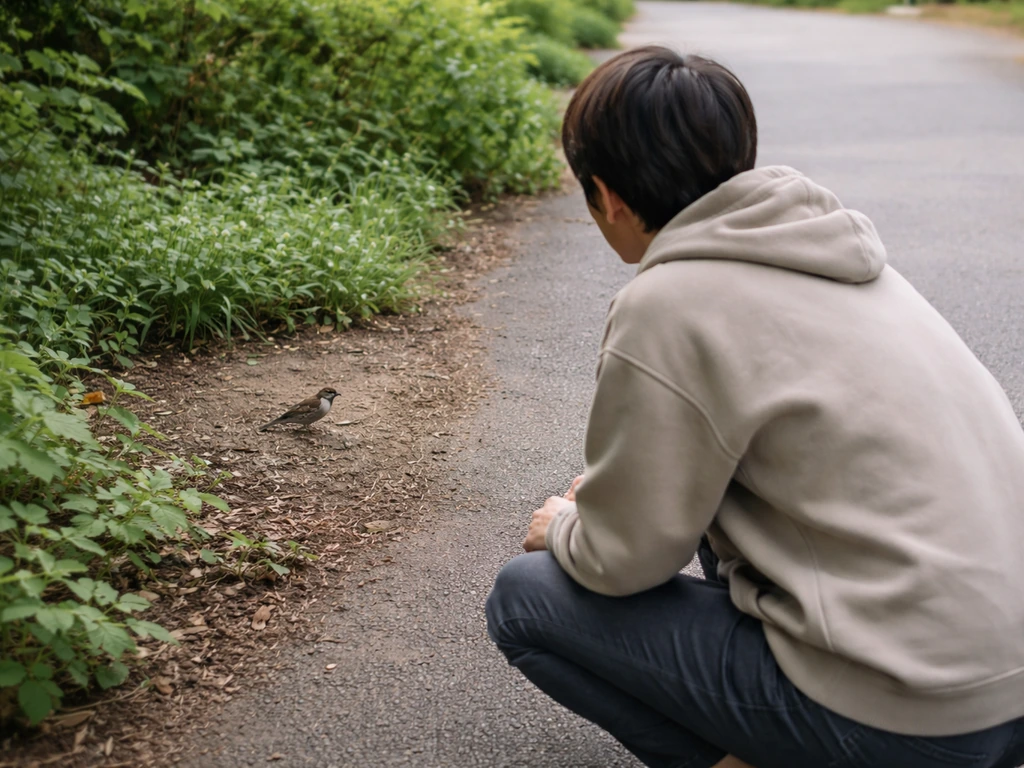
People usually end up searching for a bird egg in one of a few situations: they saw a bird acting strangely and want to understand why, they found a single egg on the ground and want to locate the nest it came from, they noticed a nest and want to confirm whether eggs are in it, or a parent bird seems injured and they're worried about eggs or chicks being left behind. Any of these is a legitimate reason to look carefully, and knowing which situation you're in helps you decide how urgently to act.
The most emotionally charged version of this scenario is when a parent bird appears hurt or dead nearby. In that case, the eggs or chicks may genuinely need help. But if the bird you saw was just flying low or acting territorial, it may simply be protecting a nearby nest, which is completely normal behavior. Start by asking yourself: is this a curiosity search, or is there a real emergency unfolding? Your answer shapes everything that follows.
Signs of nests and eggs: what to watch for
Behavioral clues from the birds themselves
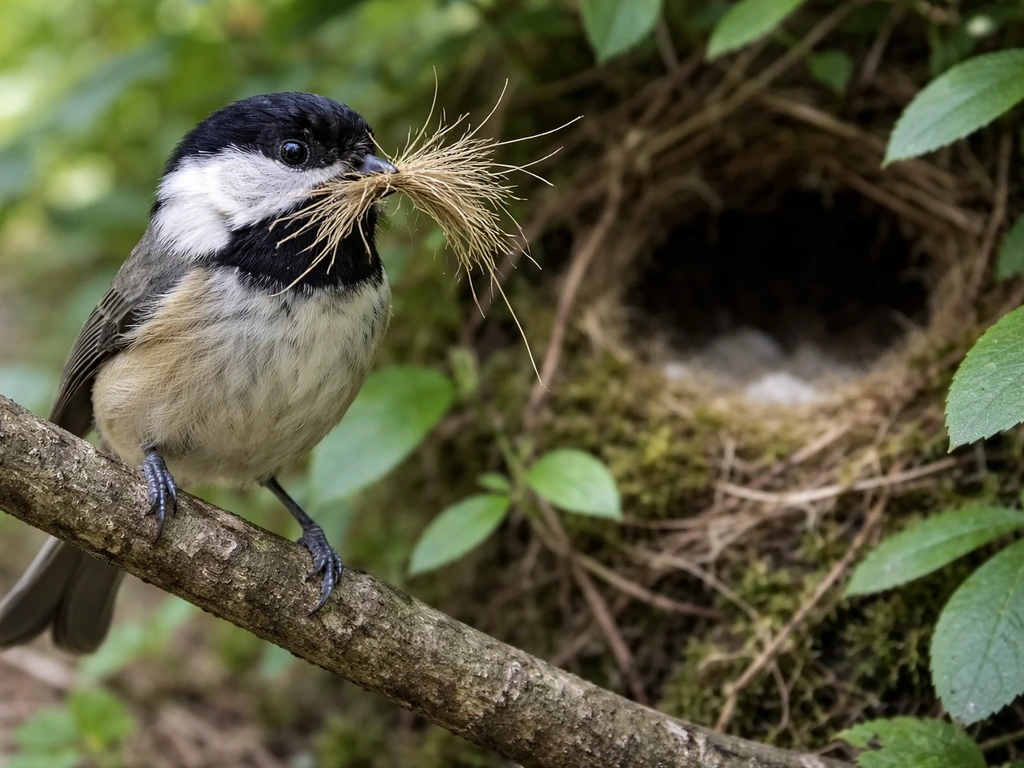
Birds give away a lot if you know what to look for. One of the most reliable signals is watching for birds carrying nesting material: grass, twigs, moss, plant down, feathers, or even mud. If you follow that bird at a safe distance and keep quiet, you'll often find the nest location within a few minutes. NestWatch describes this as building a 'search image,' and it really works.
Another strong behavioral sign is frequent, rapid trips to the same spot. After eggs hatch, adult birds make constant back-and-forth flights to feed their chicks, and that pattern is very obvious once you recognize it. A bird that keeps landing in the same shrub or returning to the same patch of ground is almost certainly tending a nest nearby.
Dive-bombing, alarm calls, or a bird that follows you closely and refuses to leave are all signs of nest defense. That anxious hovering is the bird telling you that you're too close to something it's protecting. Aggressive behavior toward you, your pets, or anyone walking through the area is one of the clearest indicators a nest with eggs or chicks is right there.
Physical clues to look for
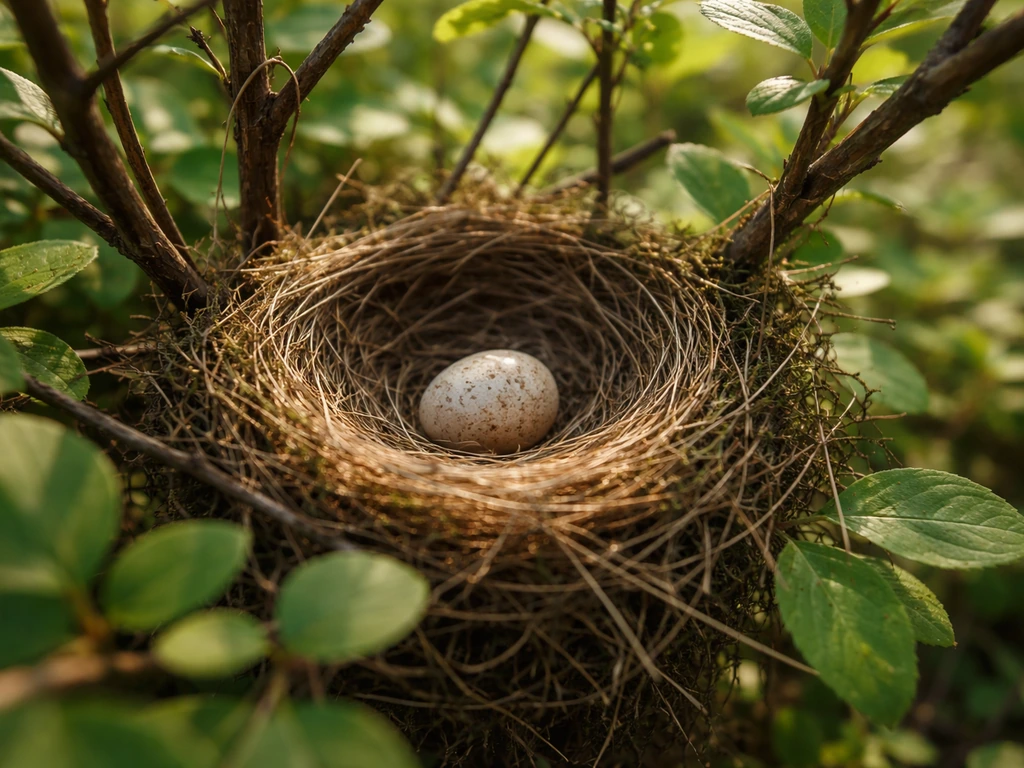
A cup-shaped structure of woven grass or twigs in a shrub is the classic image, but nests come in many forms. Some species build flat platforms of sticks high in trees. Others tuck nests into dense ivy, under roof eaves, inside hollow tree cavities, or directly on bare ground. Eggshell fragments on the ground can indicate a recently hatched or raided nest directly above. Droppings on flat surfaces below a tree branch or ledge sometimes mark a nest site too.
Where to look: likely nesting spots and habitats
Most nesting activity in the U.S. and UK peaks between March and July, though some species nest well into late summer or autumn, so the time of year matters. Ground-nesting birds are especially easy to miss because their nests blend into grass, leaf litter, or heather almost perfectly. Species like lapwings, skylarks, and many shorebirds nest entirely at ground level, which is why the UK's ground-nesting bird season (March through August) gets specific wildlife guidance around avoiding disturbance.
Here are the most common places to find wild bird nests, roughly ordered from most to least likely depending on your environment:
- Dense shrubs and hedgerows at eye level or below (robins, sparrows, thrushes)
- Tree branches and forks, especially in deciduous trees (doves, crows, warblers)
- Hollow tree cavities or nest boxes (owls, chickadees, woodpeckers, starlings)
- Ground-level scrapes in grass, gravel, or bare earth (killdeer, plovers, larks)
- Roof eaves, window ledges, gutters, or inside outbuildings (swallows, swifts, house sparrows)
- Cliff faces, rocky outcrops, or tall grass near water (herons, terns, waterfowl)
If you're searching in a garden or park, start with the dense low shrubs and work outward. If you're in a field or meadow, move extremely slowly and scan the ground ahead of each step. Old nest locations are also worth noting: many species return to the same territory or even the same shrub year after year, so a nest you spotted last season is a good clue for where to look this one.
How to search without causing harm

The number one rule is to move slowly and avoid touching anything. Push branches apart gently with your hands rather than crashing through vegetation. Quick movements startle birds off nests and can cause them to abandon eggs, especially early in the incubation period. In most cases, it is actually illegal to touch or physically disturb an active nest or its contents, so your goal is observation only.
If you spot a bird sitting still on what looks like a nest, don't try to shoo it away to get a better look. If the bird doesn't move on its own, that means it's comfortable staying put, which is exactly what you want. Forcing a bird off a nest raises the risk of nest abandonment and is unnecessary. A quick look from a respectful distance tells you enough.
Keep pets away from the area entirely. Dogs, in particular, can flush ground-nesting birds without you even realizing it. On public land during nesting season, keeping dogs on a short lead and sticking to marked paths is standard guidance for a reason. Even a well-behaved dog can trigger a ground-nesting bird to abandon a clutch just by passing too close.
One more thing worth knowing: if a nest is disturbed, the adult birds may quietly move away and the chicks may go completely silent to avoid detection. This means the disturbance may not be obvious to you. If the area suddenly goes quiet after you've walked through, that's worth noting. It doesn't mean the nest is abandoned, but it does mean you should back off and give the birds time to resettle before assuming anything.
What to do after you find an egg
In most cases, the right answer is: leave it alone. A found egg is almost always better off exactly where it is, especially if it's in a nest. Do not pick it up, move it, or try to warm it yourself. Bird eggs are blank" rel="noopener noreferrer">legally protected in both the U.S. and UK, and even well-intentioned handling can cause harm. Touching eggs with human hands does not, as the myth goes, cause parent birds to abandon them by scent, but moving an egg out of its nest almost certainly will disrupt incubation.
If you find a single egg on the ground and can see the nest it fell from within reach, you can gently place it back, but only if the nest is intact and clearly active. If you can't find the nest, leave the egg in a shaded spot nearby and observe from a distance. The U.S. Fish & Wildlife Service recommends this approach: if you can't locate the nest, place the egg or nestling in a shaded area and step well back to watch whether a parent returns.
For a broader look at your options once an egg is in hand, the guide on what to do if you find a bird egg covers the most common scenarios in detail, including what hatching eggs need and when human intervention crosses from helpful to harmful.
If the nest looks abandoned or chicks are involved
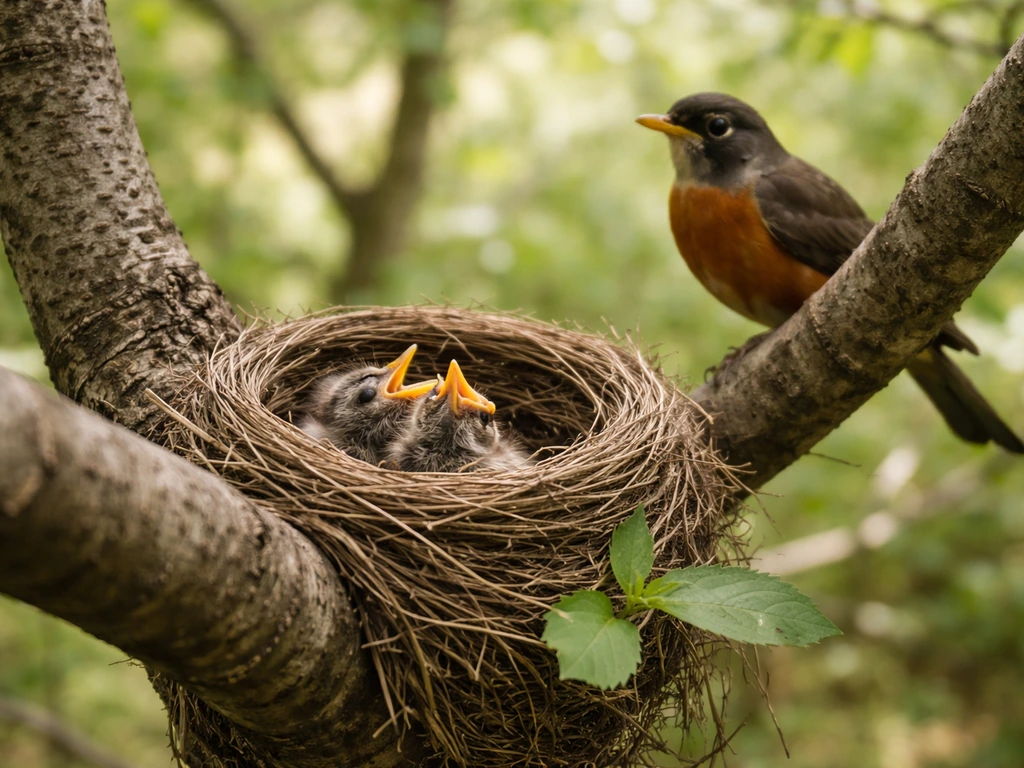
One of the most common mistakes people make is assuming a nest is abandoned when it isn't. Eggs can appear cold or untended for hours, yet adults may still be actively incubating them and returning regularly when humans aren't watching. Before concluding a nest is abandoned, give it several hours of patient, distant observation. What looks like neglect is often just normal adult behavior when people are standing nearby.
If you're dealing with eggs that have genuinely been left behind, the article on what to do with abandoned bird eggs walks through how to make that determination more carefully and what your realistic options are.
If chicks have already hatched and are in the nest, the situation is different from dealing with unhatched eggs. Newly hatched nestlings (eyes closed, few or no feathers) cannot regulate their own temperature and need near-constant brooding and feeding. If those chicks are in a nest that's been damaged or displaced, time matters. For eggs that have not yet hatched but you're worried about, the guide on what to do with unhatched bird eggs covers how to assess viability and when to act.
If you find a nest where eggs have just hatched, the priority shifts quickly. The guide on what to do when bird eggs hatch is worth reading if you're at that stage, because newborn chicks and pipping eggs have very specific and urgent needs.
Fledglings (feathered young birds on the ground) are a separate case. A fledgling that is fully feathered and hopping around on the ground is almost certainly supposed to be there. It is in a normal phase of development where it leaves the nest before it can fly well. The Wildlife Trusts notes these birds typically spend a few days on the ground and should be left alone unless they are in immediate physical danger.
Keep people and pets away, and watch from a distance to confirm a parent is still nearby. The Wildlife Trusts advise that if you see a baby bird in a vulnerable position, you can move it to a safe, sheltered spot nearby (or back into its nest if it’s a nestling), but improper handling can cause injury easily left alone unless they are in immediate physical danger.
A displaced egg or nest on the ground is one of the more urgent situations. If you've found one, the dedicated guide on what to do with a bird egg on the ground covers how to assess whether a parent is coming back and what steps to take in the meantime.
When to call wildlife professionals and what to tell them
There are clear signals that a situation has moved beyond 'leave it alone' territory and needs professional help. Contact a licensed wildlife rehabilitator or your local wildlife veterinarian if you observe any of the following:
- A parent bird is confirmed dead nearby or is visibly injured (bleeding, broken limb, unable to fly)
- Eggs or nestlings have been exposed to rain, cold, or direct sun for more than an hour with no adult return
- A nest has been physically destroyed or knocked to the ground with eggs or chicks inside
- Nestlings are on the ground with eyes closed and no feathers, and you cannot locate or safely access the nest
- Chicks are shivering, very cold to the touch, or completely silent when gently approached
- A cat or other predator has handled the egg or chick (even if it looks uninjured)
When you call, the rehabilitator will need specific information to help you. Have the following ready: the exact location (address or GPS coordinates), the species if you know it, the approximate number of eggs or chicks, the condition of the nest, how long the parent has been absent, and any visible signs of injury or illness. Photos on your phone are genuinely useful here, so take a few from a safe distance before you call.
In the U.S., the Fish & Wildlife Service points people toward state agency wildlife resources to find licensed rehabilitators in their area. In the UK, the RSPCA and The Wildlife Trusts both operate referral lines and can direct you to a local rescue. Do not attempt to hand-rear chicks or incubate eggs yourself. That requires specialist equipment, knowledge of the exact species' needs, and in many cases a legal permit. The risk of doing more harm than good is very high, even with the best intentions.
For a broader overview of your responsibilities and options across different egg and nest scenarios, the article on what to do with bird eggs is a solid all-in-one reference to bookmark once you've stabilized the immediate situation.
Leave it, watch it, or call: a quick reference
| Situation | What to do | Urgency |
|---|---|---|
| Egg in intact nest, parent seen nearby | Leave it alone, observe from distance | None, monitor only |
| Egg in intact nest, no parent seen for 1-2 hours | Continue observing from a distance | Low, watch for return |
| Single egg on ground, nest visible and reachable | Place egg back gently, then step away | Moderate, do it quickly |
| Single egg on ground, nest not found | Move egg to shade nearby, observe from distance | Moderate |
| Eggs in destroyed or displaced nest | Do not move nest; call a rehabilitator | High |
| Naked nestlings on cold ground, no adult | Keep warm (cup in your hands), call a rehabilitator immediately | Very high |
| Parent bird injured or confirmed dead | Do not disturb eggs/chicks; call a rehabilitator immediately | Very high |
| Fledgling (feathered) on ground, hopping | Leave alone, keep pets away, watch for parents | Low unless injured |
The guiding principle throughout all of this is the same one wildlife organizations consistently repeat: birds take better care of their young than humans can, and the best intervention is usually no intervention at all. Your job is to observe carefully, reduce disturbance, and call in a professional when the situation genuinely needs one.
FAQ
How can I tell if I should look for the nest or just back away?
Don’t start by searching blindly inside bushes. First, identify whether you are seeing nest defense (dive-bombing, alarm calls, repeated circling) or a normal flight behavior. If defense signs are present, keep back and locate the activity pattern (the same landing spot or repeated trips to one area) rather than moving deeper into vegetation.
What if the egg looks cold or the parent isn’t sitting on it yet?
Yes, an egg can look cold and still be incubated. Instead of concluding “abandoned,” watch from a respectful distance for several hours and check whether adults return with nesting material or feeding visits. If adults resume normal patterns, the egg was not abandoned.
Can I move a found egg if I think it fell from the nest?
Treat the egg like it belongs where you found it unless you can clearly see an intact, active nest and you are returning the exact egg immediately. If the nest is not clearly active or you cannot locate it, leave the egg shaded nearby and step far back to confirm whether a parent returns.
What should I do if I need to walk through an area where a nest might be?
If you must pass through the area, use the smallest route that avoids disturbing the immediate vegetation (for example, stay on paths or widen your distance). Ground-nesting birds can flush without you noticing, so controlling your path matters as much as your speed.
What does it mean if a bird keeps following or attacking me?
If the bird is actively guarding, you are too close. Back away until the bird stops aggressive behavior, then reassess using observation cues from a distance. Chasing the bird or trying to “corner” it increases the chance of nest abandonment.
The nest looks damaged or knocked over, can I put it back in place?
Avoid handling or stabilizing the nest with your hands, even if it seems like a “quick fix.” A better immediate step is to reduce disturbance, keep pets away, note the location, and call a licensed wildlife rehabilitator if there are clear injury signs or the parent does not return.
How should I interpret it if there’s suddenly no bird activity after I looked?
Use distance-based confirmation instead. If you notice sudden silence after you walked through, that can mean adults and chicks are hiding, not that they are gone. Back off and give the parents time to resettle before deciding anything further.
Is it safe to look for a bird egg at night or with a flashlight?
Don’t use bright lights or approach at night, and avoid bringing tools (flashlights, mirrors, or poles) that increase disturbance. Many species are more easily scared off after disturbances, so keep your actions minimal and focus on contacting local wildlife help if the situation seems urgent.
How do I know whether a “chick on the ground” is actually a fledgling?
It depends on the bird. If you see a fully feathered juvenile hopping on the ground, it is often a fledgling and usually should be left alone while keeping people and pets back. If it appears unfeathered, immobile, bleeding, or in immediate danger, that’s a different case and you should contact a rehabilitator.
What information should I collect if I cannot identify the species?
If you can only guess the species, describe what you observe: nest type (cup, platform, ground scrape, cavity), approximate size, location (tree, ledge, shrub, bare ground), and time of year. Rehabilitators can use this plus photos to determine likely species needs even without perfect identification.
What’s the quickest way to prepare before calling a wildlife rehabilitator?
If you intend to call for help, don’t wait until you’ve made repeated visits or moved the egg multiple times. Take a couple of photos from a safe distance, record the time you found it, and be ready with the exact location and how long you have observed the parents absent.
Next Article
What to Do With a Bird Egg on the Ground: Emergency Steps
Humane emergency steps to assess, protect, and report a bird egg on the ground without handling or harming it.