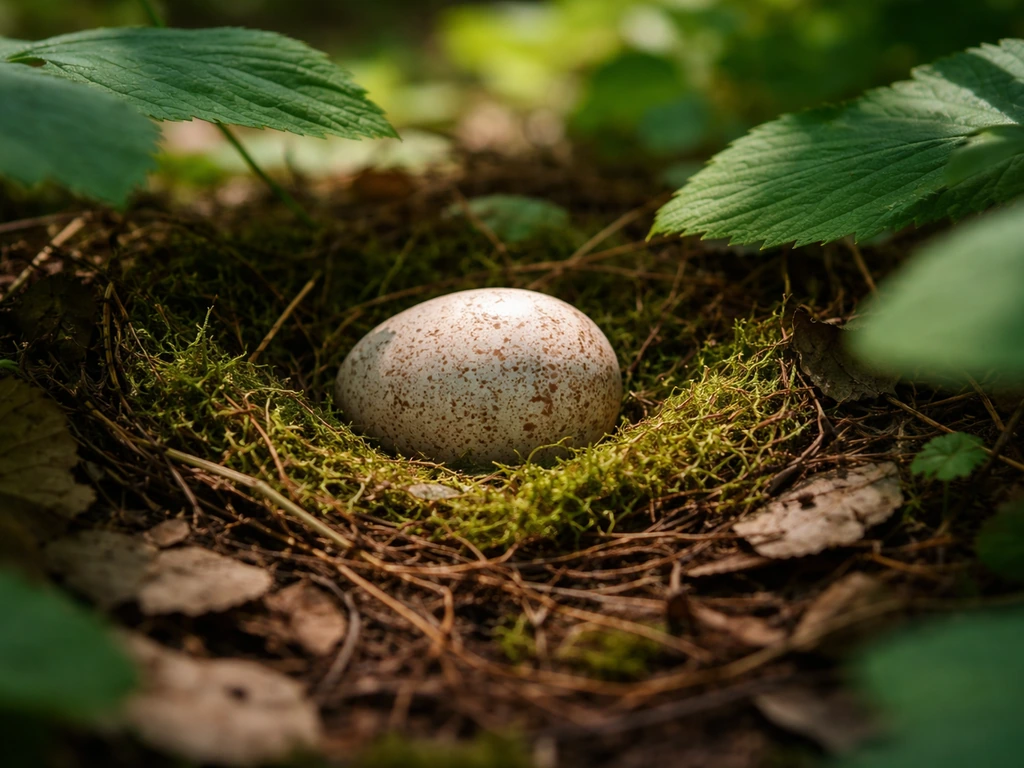
If you've found a bird egg and you're not sure what to do with it, the short answer is: don't move it yet. Take a breath, assess the situation, and then act based on what you actually see. Most eggs are better left alone than handled, but there are real situations where stepping in is the right call. This guide walks you through every common scenario, from a fresh egg on the ground to an old egg collection sitting in a drawer.
What to Do With Bird Eggs Today: Rescue and Cleanup Steps
Marcus Holloway
13 Apr 2026
First: check the egg's welfare before you touch anything
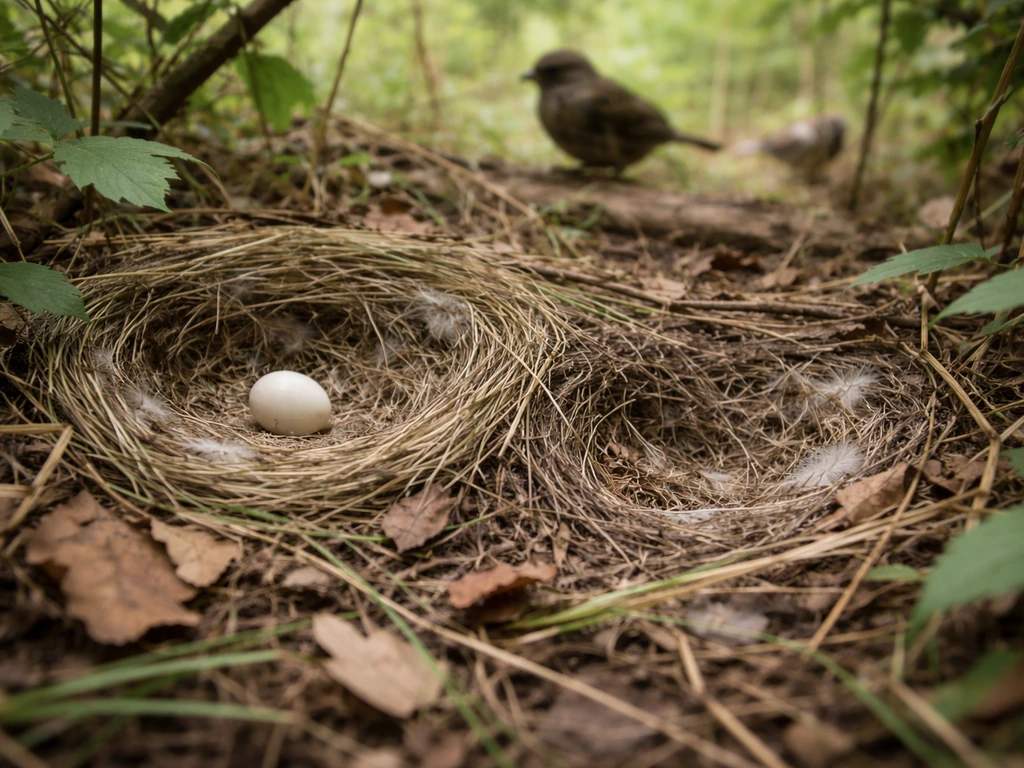
Before you pick up an egg, spend two or three minutes just looking at what's around it. Is there a nest nearby? Is it intact or damaged? Are adult birds in the area? These details tell you almost everything you need to decide what comes next.
A quick welfare check covers three things. First, look at the egg itself: is the shell cracked, leaking, or crushed? A badly damaged egg rarely survives even with expert help. Second, check the temperature by gently placing the back of your hand near (not on) the egg. A cold egg that's been exposed for hours in cool weather is in trouble. Third, look for signs of the parent: droppings near the nest, adult birds calling nervously overhead, or feathers around the site all suggest the nest is still active.
One thing that doesn't matter: whether you've already touched the egg. The old idea that a mother bird will abandon an egg you've handled is a myth. Most birds have a very limited sense of smell and will return to their eggs even after human contact. The U.S. Fish & Wildlife Service addresses this directly in their guidance. So don't let that stop you from replacing an egg you accidentally knocked out of a nest.
Leave it alone or step in? Making the call
The default answer for most situations is to leave the egg where it is and step back. Wildlife agencies consistently recommend minimizing disturbance and observing from a distance rather than immediately intervening. If the nest is intact and adult birds are around, the best thing you can do is walk away and give the parents space to return.
If the egg has fallen from a nest but the nest is still intact and accessible, you can gently place it back. Use a tissue or gloves so you don't transfer as much human scent to the area (though again, smell isn't the main risk), and make the replacement quick and calm.
If you're unsure whether a nest is truly abandoned, wait. If you find nestlings or wildlife alone with no adult nearby, don’t assume they’re abandoned or orphaned, because parents may leave to forage and return. Georgia DNR advises waiting at least 24 hours before assuming an egg or nestling is truly abandoned and in need of rescue. North Carolina Wildlife echoes this: if no parent returns within 24 hours, that's when it's worth contacting a licensed rehabilitator. Patience here isn't inaction, it's the right move.
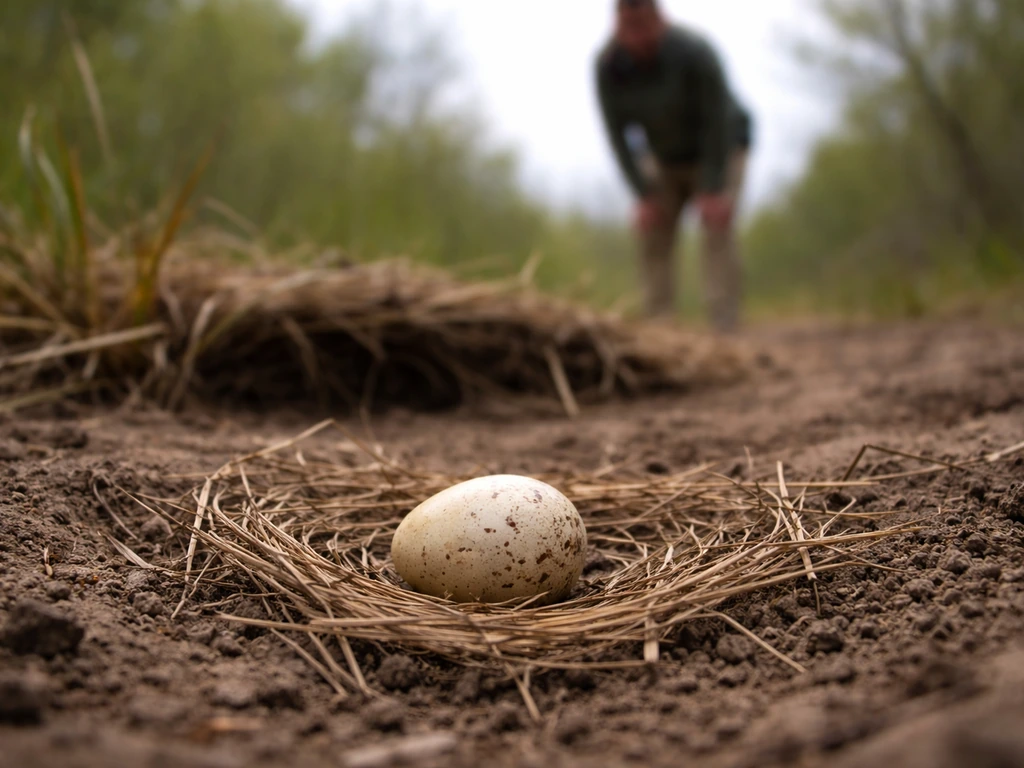
For the specific situation where an egg is sitting on the ground with no visible nest, the decision tree gets a bit more detailed. You can read through the full breakdown in this guide on what to do with a bird egg on the ground, which covers how to assess whether the egg is viable and what your realistic options are.
Signs the egg genuinely needs rescue
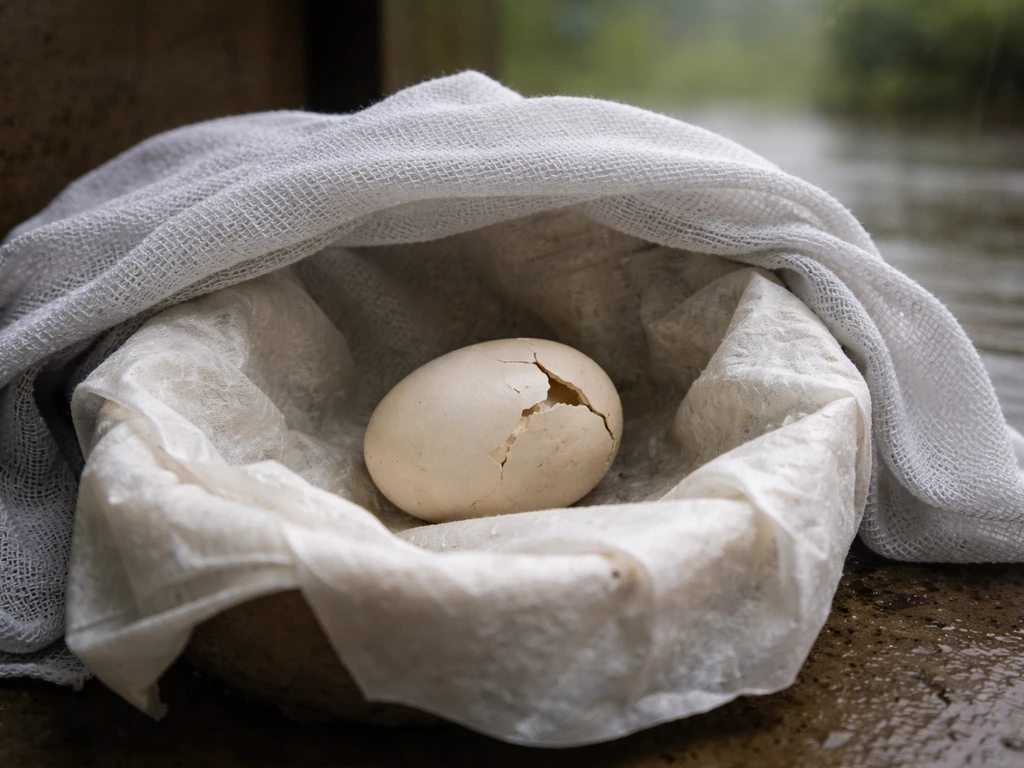
- The egg is cold, cracked, or has been exposed for more than a few hours in bad weather
- The nest has been destroyed and cannot be reconstructed or replaced nearby
- No adult birds have returned to the area after 24 hours of quiet observation
- The egg is in immediate danger: on pavement, near a road, or in reach of a predator with no cover
- You can see a chick attempting to hatch (pipping) with no parent present
How to handle, store, and transport an egg safely
If you've determined the egg needs help and you're waiting to connect with a wildlife rehabilitator, your job is simple: keep the egg stable, warm, and protected. You are not incubating it yourself. You are buying it time until a professional can take over.
Place the egg in a small box or container lined with a soft paper towel or cloth. Don't use cotton, which can snag on a hatching chick's beak or feet. Set the container somewhere quiet, away from pets, children, direct sunlight, and air conditioning vents. If the egg feels cold and you have a heating pad, set it on the lowest setting, place it under half the container (not the whole thing), and put a folded towel between the pad and the box so there's no direct heat contact. The egg should be warm, not hot. Ohio Wildlife Center's transport guidance specifically warns against direct contact with heat sources for exactly this reason.
If you need to transport the egg to a rehab facility, keep the container level and secured so it doesn't roll or tip in the car. Don't keep checking on it. Every time you open the box, you're introducing stress and temperature changes. Put it somewhere stable in the vehicle and leave it alone until you arrive.
Wear gloves when handling an egg you're unsure about, especially if it's a wild bird egg you haven't touched before. Wildcare Oklahoma’s CarKit PDF includes guidance on safer wildlife handling, including using gloves and transferring animals into a box or container CarKit PDF includes instructions for safer handling with gloves and transferring animals into a box or container. This protects you as much as it protects the egg. The Wildcare Foundation recommends including gloves in any basic wildlife rescue kit for exactly this reason.
The legal side: what you're allowed to do
This part matters, so don't skip it. In the United States, the Migratory Bird Treaty Act (MBTA) makes it illegal to take, possess, transport, or harm migratory bird eggs or nests without a permit. That includes well-intentioned rescues. If you pick up a wild bird egg and keep it at home to try to hatch it yourself, you're technically in violation of federal law, even if your intentions are good.
The law exists for good reasons: migratory birds are protected at a federal level, and amateur incubation almost never results in a healthy, releasable bird. The practical implication for you is that your role is temporary caretaker, not rescuer. Contain the egg, make the call, and hand it off.
Federal regulations under 50 CFR § 21.12 create specific exceptions for federally permitted wildlife rehabilitators, which is why getting one on the phone quickly matters. Florida's Fish and Wildlife Conservation Commission also notes that federal MBTA requirements apply even when a species isn't listed under state rules, so don't assume your state's rules are the only ones that count.
When eggs signal a bigger problem: nest disturbance and abandonment
Sometimes finding an egg is a symptom of a larger situation: a nest that was knocked down in a storm, disturbed by construction, raided by a predator, or abandoned because the adult bird was injured. Knowing which one you're dealing with changes your response.
If the nest is disturbed but the eggs appear intact and you know where it came from (for example, it fell from a tree during a storm), you can try to reconstruct it. Use the original nesting material if you can find it, place it in a waterproof container like a small basket or berry container with drainage holes poked in the bottom, secure it near where the original nest was, and put the egg back. Then step back and watch from inside your house or car, not from a few feet away. Your presence may be what's keeping the parents at a distance.
If the nest was disturbed because of ongoing human activity, like a construction project or a landscaping job, the nest has more protection than you might think. Under the MBTA, actively destroying a nest that contains eggs or chicks is illegal. If you're a property owner dealing with this situation, contacting a licensed rehabilitator or your state wildlife agency is the right move before any further work happens.
If the eggs appear to have been abandoned (no parent contact for over 24 hours, eggs are cold, no activity in the area), that's when the situation shifts to something a professional needs to assess. A guide focused specifically on what to do with abandoned bird eggs can help you work through those details if you're in that situation right now.
What to do with an old bird egg collection
This is a different situation entirely. If you've inherited or found an old egg collection, maybe from a relative who collected eggs decades ago, you're dealing with eggs that are almost certainly no longer viable and may carry their own set of concerns.
Legal status of old collections
Here's the uncomfortable truth: possessing wild bird eggs is still regulated under the MBTA even if the eggs are old, non-viable, or were collected long before you were born. Egg collecting was a popular hobby in the 19th and early 20th centuries, but it was prohibited in the U.S. decades ago. If you have a collection and you're not a permitted museum or research institution, possessing those eggs puts you in a legal gray area at minimum.
The safest and most responsible path is to contact the U.S. Fish & Wildlife Service or a local wildlife agency and ask how to properly surrender the collection. Many natural history museums and universities accept donated egg collections for scientific study, and surrendering them to a permitted institution is both legal and genuinely useful for conservation research.
Safety considerations when handling old eggs
Old bird eggs can carry bacteria, mold, and in some cases the residue of pesticides like DDT (which was widely used during the mid-20th century and is embedded in many historic egg collections). Handle old eggs with gloves and wash your hands afterward. If an egg is cracked or leaking, treat it as potentially contaminated and avoid inhaling near it.
If eggs are intact, blown (the contents removed), and dry, they pose less of an immediate biological hazard but still shouldn't be casually discarded in ways that could confuse wildlife. Don't leave them outside where predators might pick them up and associate eggs with easy food near human activity.
Humane and responsible disposal options
- Contact the U.S. Fish & Wildlife Service to ask about surrendering the collection legally
- Reach out to a local natural history museum or university biology department, many actively want historic egg collections for research
- Contact your state wildlife agency for guidance on disposal if the eggs are damaged and not suitable for donation
- If the eggs are clearly non-native species (like domestic chicken or quail eggs from a food source), standard disposal is fine since those aren't covered by the MBTA
What happens after eggs hatch: a quick note
If you're monitoring a nest and the eggs hatch while you're keeping watch, your approach shifts significantly. Hatchlings have different needs than eggs, and the questions you'll face (are they being fed, are they warm enough, what species are they) get more urgent. If you're heading into that situation, it helps to know ahead of time what to expect. A full walkthrough of what to do when bird eggs hatch covers that transition in detail so you're not caught off guard.
Finding the right help and what to tell them
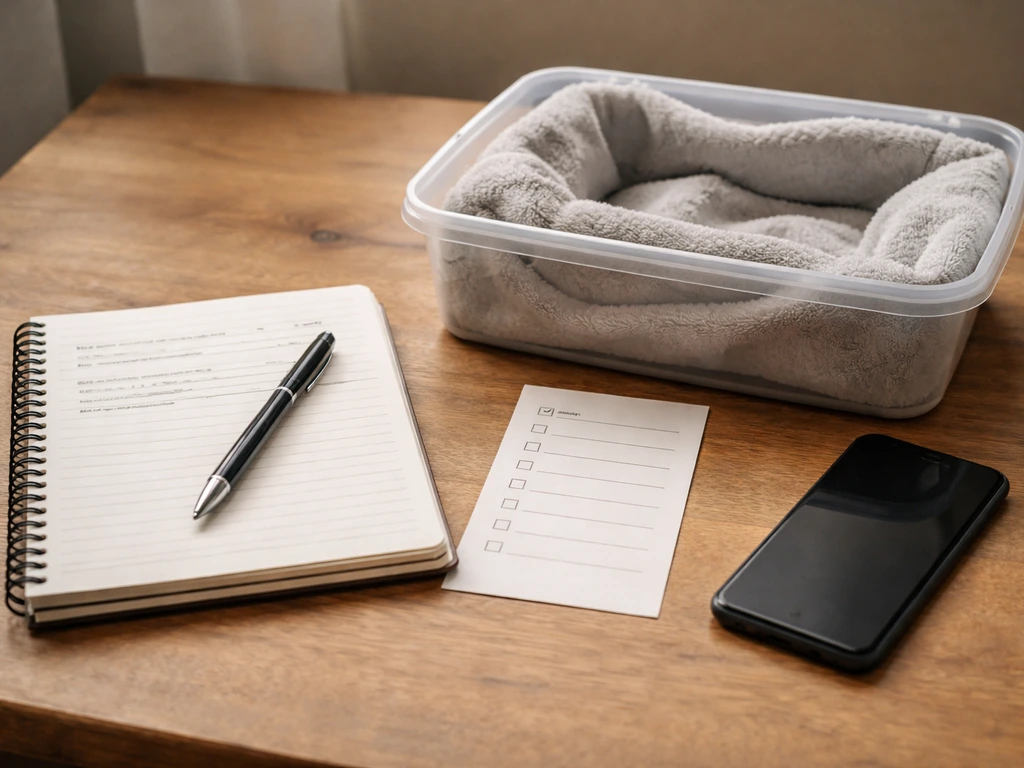
If you've decided the egg needs professional help, finding a licensed wildlife rehabilitator is your next step. In the U.S., you can search the National Wildlife Rehabilitators Association (NWRA) directory or the Wildlife Rehabilitator directory maintained by the National Wildlife Federation. Your state's fish and wildlife agency website will also have a list of permitted rehabilitators by region. The U.S. Fish & Wildlife Service notes that your first search result isn't always the only option, so if one facility is full or doesn't handle birds, ask them to refer you.
When you call, have this information ready so the call goes quickly:
- The species if you know it, or a description of the egg (size, color, markings, pattern)
- Where you found it: exact location, what the habitat looked like, whether there was a nest
- When you found it and how long you've had it
- The current condition: temperature, any cracks or damage, whether you've handled it
- What you've done so far: container, heat source, any attempts to return it
California's Department of Fish and Wildlife specifically recommends contacting a permitted wildlife rehabilitation facility if a nestling or egg can't be returned to its nest or if distress continues, and that guidance applies well beyond California. An avian vet can also help in a pinch, especially if you can't locate a rehabilitator quickly, though they may refer you on.
Don't call and then wait. Once you've made contact and gotten instructions, follow them quickly. Eggs don't have a long window, and the faster you get professional guidance, the better the outcome.
Comparing your main options at a glance
| Situation | Best Action | Contact Help? |
|---|---|---|
| Egg in intact nest, parents nearby | Leave it alone, step back | No |
| Egg fallen from nest, nest intact and reachable | Gently replace the egg | No (monitor for 24 hrs) |
| Egg on ground, no nest visible, parents absent | Keep safe temporarily, observe | Yes, if no parent after 24 hrs |
| Nest destroyed, eggs intact | Reconstruct nest nearby, replace eggs, monitor | Yes, if parents don't return |
| Egg cold, cracked, or clearly damaged | Contain carefully, minimize handling | Yes, immediately |
| Old egg collection (non-viable) | Surrender to museum or wildlife agency | Yes, contact FWS or state agency |
A few things worth knowing if you're still figuring out what you found
If you're still in the early stage of figuring out what you're dealing with, whether the egg is wild, what species it might belong to, or whether it could be viable, there's more detailed guidance available. The article on what to do if you find a bird egg is a good starting point for walking through triage from the very beginning.
If you're trying to identify the egg itself or figure out what bird laid it, that's a useful first step toward knowing what kind of help you need. Understanding how to find a bird egg in its natural habitat context can help you recognize what a normal, active nest situation looks like versus one that's been disturbed.
And if there's any chance the egg you've found simply never hatched and you're not sure what that means for the rest of the nest, the guide on what to do with unhatched bird eggs covers how to read that situation and what, if anything, needs to happen next.
The most important thing across all of these scenarios is this: your instinct to help is the right one, but the form that help takes is almost always restraint first, observation second, and professional contact third. Wild birds are resilient, and parents return more often than people expect. When in doubt, wait, watch, and then make the call.
FAQ
Should I wash off a wild bird egg if I pick it up?
No, avoid rinsing or scrubbing it. Excess moisture can harm the egg’s surface and, more importantly, you can disrupt the incubation conditions you are trying to preserve while waiting for a rehabilitator. If the egg is visibly dirty, place it in a lined container and call for instructions.
What if the egg is cracked but not leaking? Can I still help it survive?
A cracked shell often means the egg is unlikely to survive even with expert care. Handle it as little as possible, keep it warm and stable, and contact a permitted wildlife rehabilitator promptly, since professionals may decide whether it’s safe to attempt care or if it should be euthanized to prevent suffering.
What does “parent should be returning” look like in real life?
Look for adult bird behavior that suggests the nest is still active, such as calls from nearby perches, movement in the area, or brief visits to the nest site. Timing can vary by species and weather, so instead of checking every few minutes, use longer windows and step back as much as possible.
Is it okay to move the egg to protect it from traffic, cats, or lawn equipment?
If you have to choose between leaving it in immediate danger versus disturbing a potentially active nest, prioritize the most immediate threat. If the nest is intact, use the least disruptive action (for example, blocking access to pets or temporarily pausing work) and call a rehabilitator for guidance before moving the egg far.
How far away should I stand when I’m monitoring a nest?
Use the maximum distance that still lets you observe adult activity. If you can, monitor from inside a vehicle or indoors to reduce visual stimulation, and avoid repeatedly approaching or changing your position, since frequent presence can keep parents away.
What if I see adult birds but I also see another predator nearby?
Don’t try to “guard” the nest yourself for long periods. Instead, increase safety around the site from a distance (for example, keep pets inside) and contact a rehabilitator, especially if there are signs of active predation or the eggs are exposed and at risk for long stretches.
What’s the fastest way to cool down a “hot” or warm egg I find?
You generally should not actively adjust temperature without professional direction. If the egg is warm because it was recently exposed, place it in a quiet, protected container away from direct sunlight and heat sources, then call a rehabilitator for next steps.
Can I incubate the egg “just to keep it alive” until I find help?
No, homemade incubation is risky and typically not appropriate. The article covers keeping eggs stable and warm, not incubating them yourself. The safe approach is temporary containment, minimal handling, and rapid contact with a permitted rehabilitator.
What if the nest is in a place where I must work, like a doorway, roof edge, or garden bed?
Pause the work if possible and contact your state wildlife agency or a rehabilitator before removing materials. Under wildlife protections, many nests with eggs or chicks cannot be destroyed or moved during active nesting, and timing restrictions may apply even if it’s “my property.”
If I find a single egg in a yard, how do I know if it’s from an active nest or just an old egg?
Use multiple cues: whether there is a nearby nest site or nesting behavior, signs of adult activity, shell condition, and ambient temperature. If you cannot confirm parent activity and it appears cold or unvisited for about a day, treat it as possibly abandoned and seek professional advice rather than assuming it’s fine.
Are bird eggs from non-migratory species also protected by the Migratory Bird Treaty Act?
Yes, often they are still covered under the MBTA depending on the species. The key practical point is not to assume “not migratory” means “legal to keep,” since coverage can differ by species and circumstance. When in doubt, contact the relevant wildlife authority for confirmation.
What should I do with the container after transporting or surrendering the egg?
Dispose of or thoroughly clean anything that touched the egg after you’ve finished, wear gloves during handling, and wash hands well. For cracked or leaking eggs, treat materials as potentially contaminated and keep them sealed until you can follow local guidance or rehabilitator instructions.
If I have an old egg collection, is it safe to throw it away?
Often, it’s not the safest first step. The article notes that possession is regulated and disposal can create legal and practical issues. The better next move is to contact a wildlife agency or permitted institution about surrender options, and handle items with gloves until you get instructions.
Who should I contact if I cannot find a rehabilitator right away?
Start with your state fish and wildlife agency or an avian veterinarian for triage guidance and referral. Even if an avian vet is not allowed to rehabilitate, they can often advise on containment, temperature, and urgency while you locate the correct permitted facility.
Next Article
What to Do If You Find a Bird Egg: Today Steps
Step-by-step what to do today if you find an unhatched bird egg, including safety, legal limits, and when to call rehab.