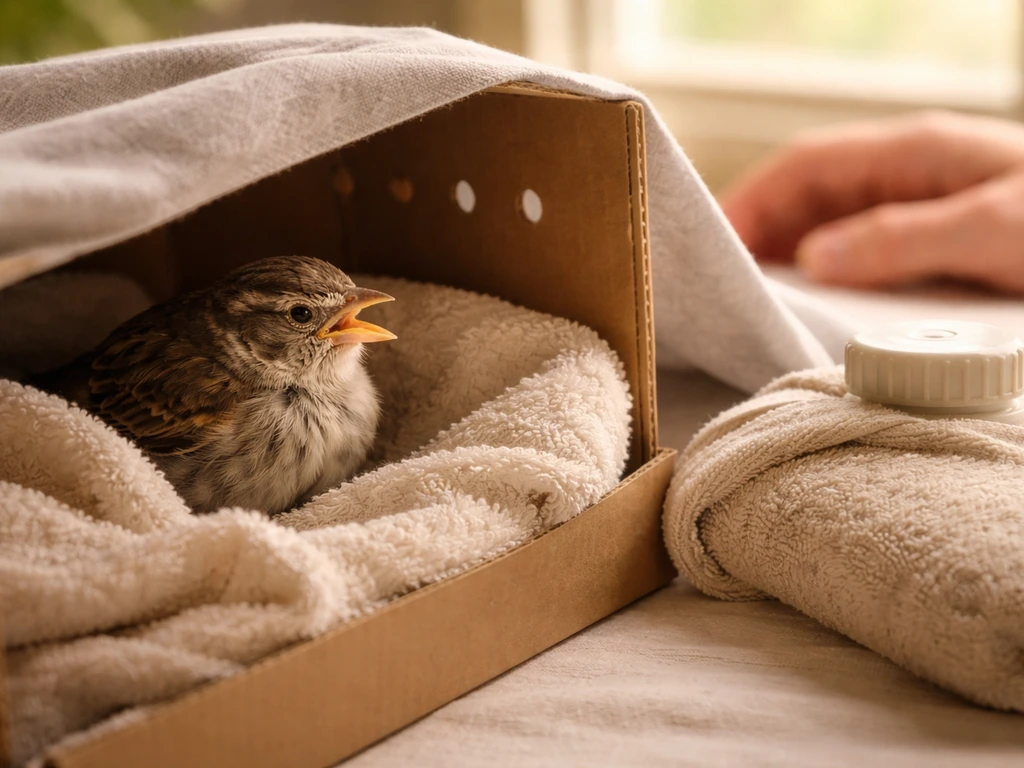
Put the bird in a small cardboard box lined with a dry towel, place the box on one end of a heating pad set to low, and move it somewhere dark and quiet away from pets and kids. That's your most important first move. Everything else, including whether to call a wildlife rehabber, feed it, or attempt to dry it off yourself, depends on what you figure out in the next few minutes.
How to Help a Wet Bird: Emergency Steps Today
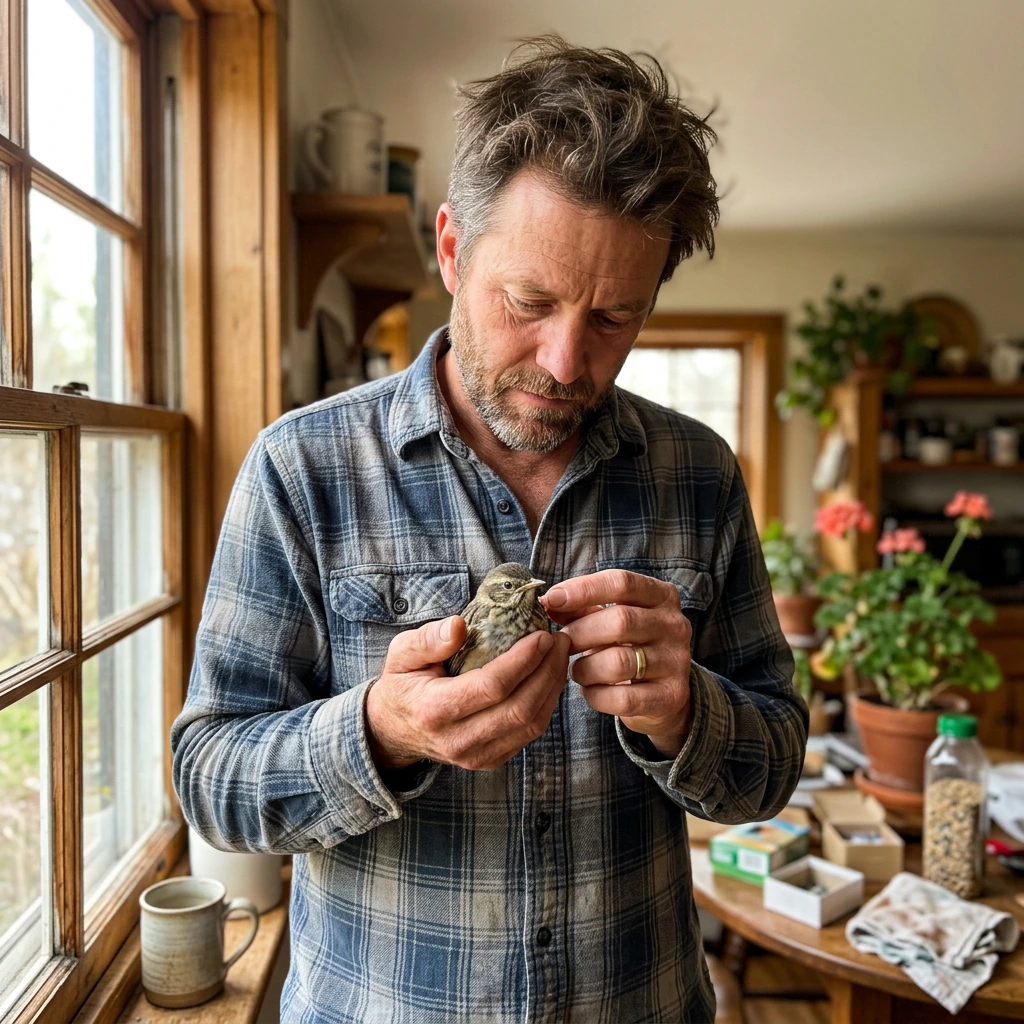
Marcus Holloway
18 May 2026
First: Is the bird just wet, or is something actually wrong?
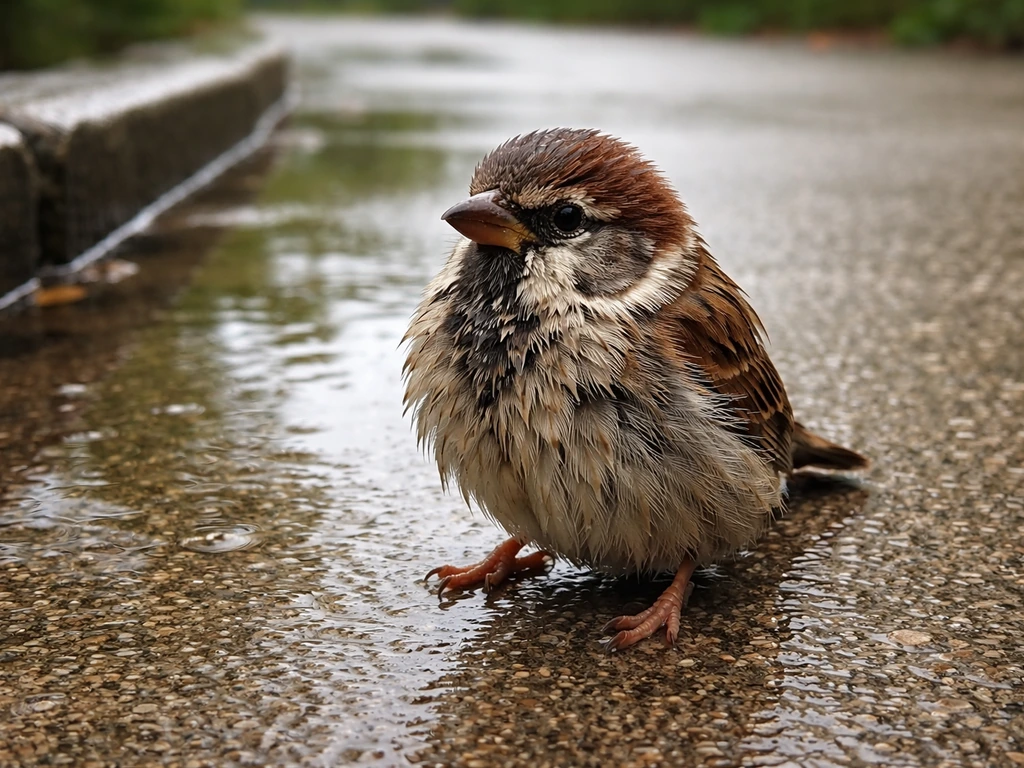
This is the most important question to answer before you do anything else. A bird that's rain-soaked but otherwise healthy will be alert, reactive, and trying to get away from you. It may look miserable and puffed up, but it's aware of its surroundings. A bird that's truly in trouble will be sitting still, unresponsive, unable to stand properly, or allowing you to walk right up and pick it up without much resistance. That last point matters: a healthy wild bird that lets you catch it easily is almost always telling you it needs help.
Run through this quick mental checklist when you first find the bird:
- Is it alert and looking around, or glassy-eyed and limp?
- Can it hold itself upright, or is it tipping over and struggling to stand?
- Is there any visible blood, a drooping wing, or an obviously injured leg?
- Did you find it floating or face-down in water (possible near-drowning)?
- Is it a fledgling (short tail, fuzzy patches) that may have simply left the nest too early?
- Is it a pet bird, or a wild bird?
If the bird is alert and reactive, it may just need to dry off and warm up on its own. If it checks any of the problem boxes above, treat it as an emergency and move through the steps below without delay. Time genuinely matters when a bird is hypothermic or waterlogged.
How to safely pick up and contain the bird
Wear gloves if you have them. A leather garden glove or thick rubber glove works fine. Wild birds can bite and scratch, and some larger species can do real damage. More practically, gloves reduce the amount of human scent transferred to the bird and give you a firmer, more controlled grip without squeezing.
If you don't have gloves, use a dry towel or cloth to pick the bird up. Approach slowly and calmly, toss the towel gently over the bird, and scoop it up from underneath. Keep your hands around the body with the wings held lightly against the sides. You're not gripping tight, just preventing it from flapping and injuring itself or you.
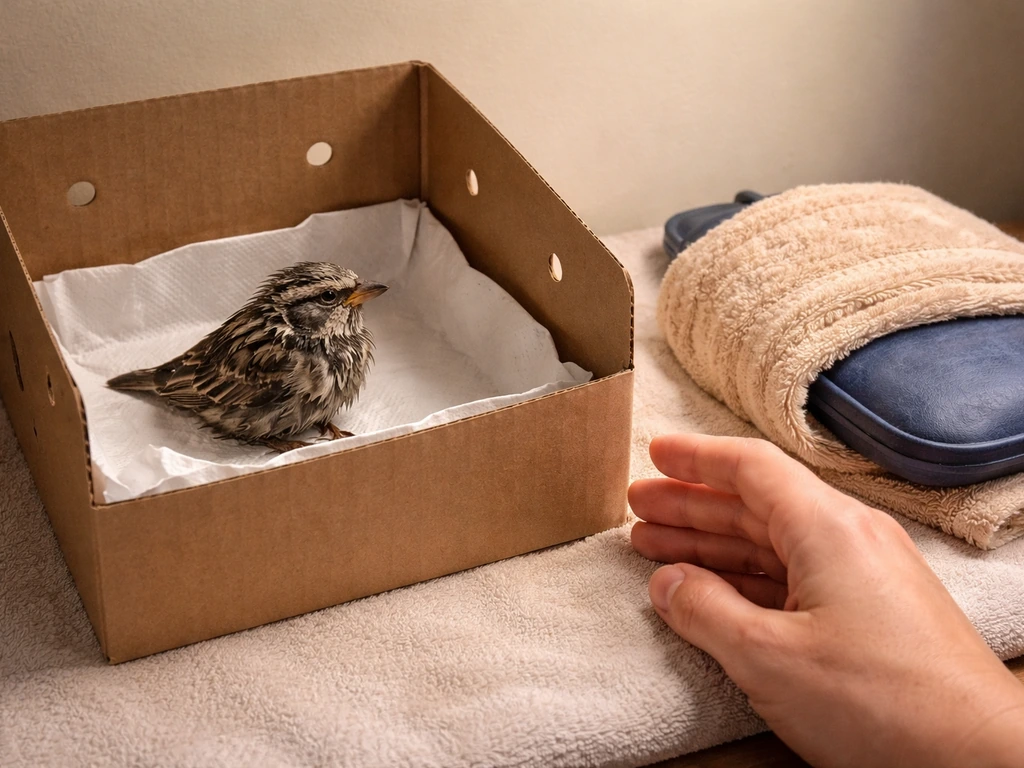
Place the bird in a cardboard box or paper bag with small air holes punched in the sides. Line the bottom with a folded dry towel or paper towels. Keep the bird upright, not on its back. Birds have more difficulty breathing on their backs, so make sure it's resting naturally on its feet or chest. Punch the air holes near the top of the box so light doesn't stream in. Darkness helps reduce stress significantly.
One important rule: do not chase the bird if it can still move. Virginia DWR specifically advises against chasing an injured bird. Running after it causes more stress and can worsen any underlying injury. Corner it gently, or wait for it to tire slightly before approaching.
Setting up a safe stabilization space
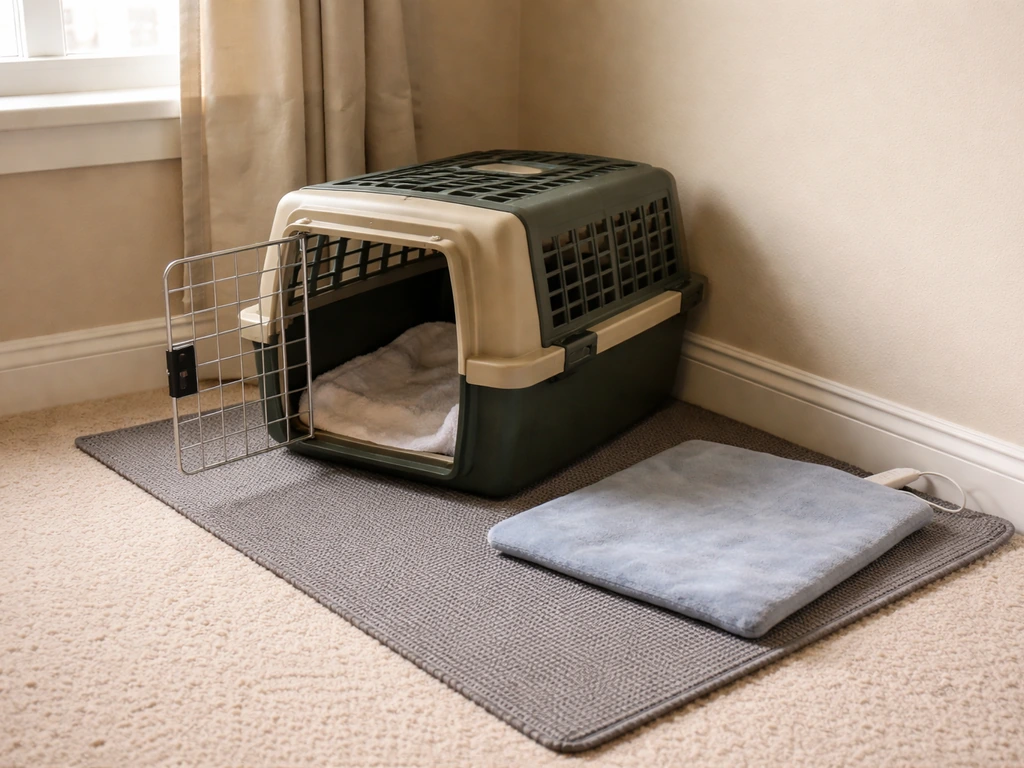
Once the bird is in its box, put the box somewhere warm, quiet, and away from household activity. A bathroom, laundry room, or spare bedroom works well. Keep the space at around 70 to 80 degrees Fahrenheit if possible.
For extra warmth, place a heating pad set on its lowest setting under one end of the box only, not the whole box. This gives the bird the option to move away from the heat if it gets too warm. Overheating is a real risk, especially with small birds, so you never want to wrap the heating pad around the entire container. If you don't have a heating pad, a zip-lock bag filled with warm (not hot) water wrapped in a towel placed beside the bird works as a short-term alternative.
Keep the box in the dark. Resist the urge to keep opening it to check on the bird. Every time you open the box, you're adding stress that works against recovery. Check once every 30 to 60 minutes at most, and do it quietly and quickly.
Do not put the bird near a fan, air vent, open window, or anywhere with a draft. A wet, cold bird loses body heat fast, and airflow makes that worse.
Water, food, and heat: what to do and what to skip
This section is where well-meaning people most often accidentally cause harm, so it's worth being direct about.
Do not give food or water
Both the U.S. Fish & Wildlife Service and Tufts Wildlife Clinic are firm on this: do not give food or water to an injured or cold wild bird. Feeding the wrong diet can injure or kill a bird. A cold or weakened bird also cannot properly swallow, and attempting to give water can cause it to aspirate liquid into its lungs. Even if your instinct is to help by offering seeds or water, hold off until a professional has assessed the bird.
Drying the feathers
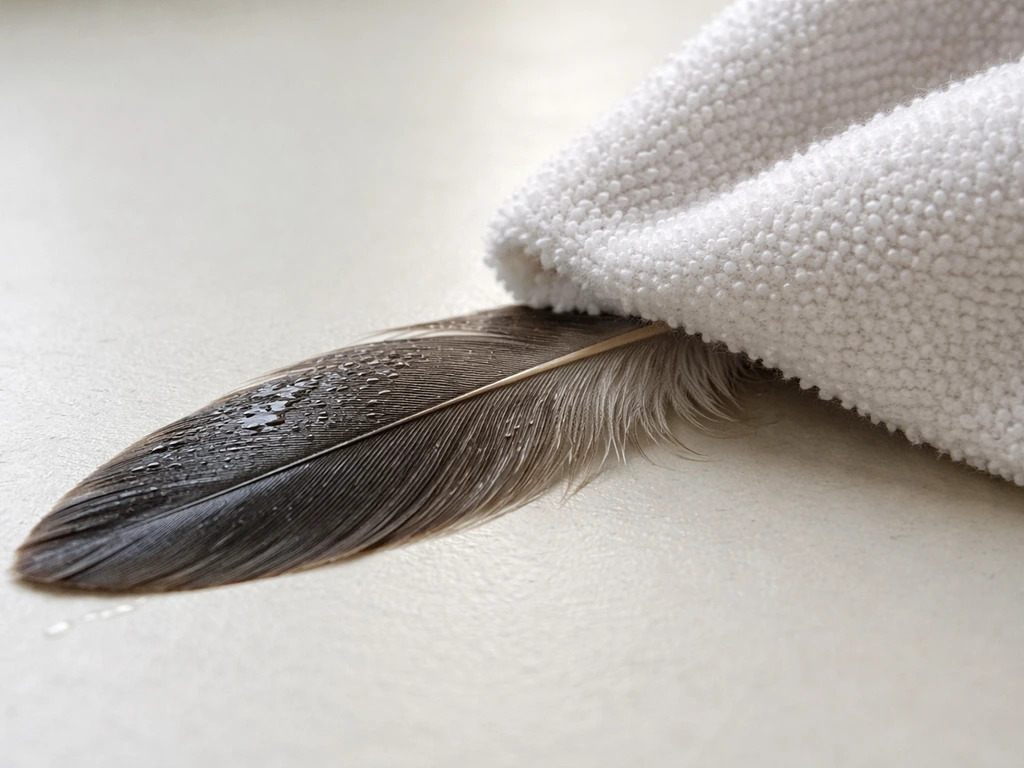
You can gently blot excess water from the feathers with a dry towel, but don't rub or scrub. Rubbing disrupts the feather structure and can make waterproofing worse over time. If the bird is a waterbird (duck, goose, heron) whose plumage has been soaked through due to oil exposure or illness, do not attempt to clean or dry it yourself. That's a job for a rehabber with the right equipment and products.
Heat: gentle and indirect only
Warmth is the one thing you can and should provide. But keep it indirect and low. A heating pad on high, a heat lamp too close, or a hair dryer pointed at the bird can cause burns or overheating very quickly. Low heat under one end of the box is the safe approach. If the bird is shivering, the setup is working. If it's panting or holding its wings away from its body, it's too hot.
Signs the bird needs urgent professional help
Some situations go beyond what first aid at home can address. Call a licensed wildlife rehabilitator or an avian vet as soon as you can if you notice any of the following:
- Visible blood, an open wound, or a broken bone
- The bird cannot stand upright at all after 30 minutes of warmth
- It was found floating face-down or submerged in water (possible drowning)
- It appears to have been caught by a cat or dog (puncture wounds from animal bites cause serious internal infections even when they look minor)
- The bird is completely unresponsive or limp
- It is actively gasping or breathing with its mouth open
- It has been wet and cold for more than an hour with no improvement in alertness
- You notice signs of oil or chemical contamination on the feathers
Don't wait to see if things improve on their own when any of these are present. Birds mask illness and injury well, and by the time problems are obvious, the window for intervention can be very narrow.
How to find a wildlife rehabilitator
In the U.S., rehabilitating most wild birds is regulated under federal and state law, and it requires permits. The U.S. Fish & Wildlife Service also notes that state and federal permits and approved facilities are often required to rehabilitate wildlife federal and state law requires permits to rehabilitate most wild birds. That means you legally need to hand a wild bird off to a licensed professional if it needs ongoing care. To find one, you can search the National Wildlife Rehabilitators Association directory online, contact your state wildlife agency directly, or call a local wildlife conflict helpline. In Virginia, for example, the Department of Wildlife Resources runs a helpline at 1-855-571-9003 (Monday through Friday, 8:00 AM to 4:30 PM). Many states have similar resources. Your local animal shelter or humane society can also point you toward a licensed rehabber in the area.
While you're making calls, have this information ready: the exact location where you found the bird, the approximate species or a description if you don't know, what it was doing when found, whether it can stand or fly, and any visible injuries. Photos taken at a safe distance are also genuinely helpful for the rehabber to assess the situation before they arrive or advise you further.
What recovery looks like, and when it's safe to release
If the bird was simply wet and cold rather than injured, you should see real improvement within 30 to 60 minutes in a warm, quiet space. A bird that's recovering will start holding its head up, moving around the box, and reacting to sounds. It may ruffle its feathers and then smooth them down again as it warms up. That's a good sign.
A bird is ready to be released when it is fully alert, able to stand firmly on both feet, and actively trying to escape. Open the box in the same outdoor area where you found it, step back, and let it leave on its own terms. Don't toss it into the air or force it out. If it flies off immediately, that's the best possible outcome. If it hops around for a minute before flying, that's fine too.
If after an hour or two of warming the bird is still lethargic, off-balance, or showing no interest in leaving, that's your sign to call a rehabber even if there's no obvious injury. Something more may be going on, including illness, internal injury, or severe hypothermia that needs professional treatment. Lethargy that doesn't lift with warmth alone is not something to wait out at home.
For pet birds that have gotten soaked (a parrot caught in rain, a bird that fell into a sink), the process is similar but you have more options. Gently towel-dry the bird and use a hair dryer on the lowest setting at least 12 inches away if your bird tolerates it, keeping it moving constantly. Get your bird to an avian vet if it remains cold, shivering, or lethargic after warming, or if it shows any of the respiratory symptoms described in guides covering birds with breathing problems.
Preventing this from happening again
Most encounters with wet, grounded birds happen because of specific, avoidable outdoor hazards. A few changes at home can reduce the chances of finding yourself in this situation again.
- Keep cats indoors during and after storms, when birds are grounded and vulnerable
- Cover water features and decorative ponds with netting during heavy rain events to prevent birds from becoming waterlogged or trapped
- If you have a pool, make sure there's an exit ramp or textured edge where birds can climb out if they fall in
- Position bird baths and feeders in sheltered spots where birds can take cover quickly if weather turns
- After a storm, walk your yard and check for birds sheltering under shrubs or near fences before mowing or letting dogs out
If you found a bird near a window, a reflective surface, or a road, those are separate hazards worth addressing. Window strikes, in particular, are one of the most common reasons birds end up grounded and stunned on the ground. Window decals, screens, or UV-reflective tape applied to the outside of glass can reduce collisions significantly.
The core takeaway from this whole guide is simple: warmth, quiet, and darkness buy you time. They reduce stress, help a cold bird stabilize, and give you the window you need to get a professional involved if that's what the bird needs. Don't try to feed it, don't keep checking on it, and don't delay calling for help if the signs point to something more than a passing soaking. If you suspect the bird is sick, follow guidance specific to sick birds outside so you do the safest next steps while waiting for a professional how to help a sick bird outside.
FAQ
What should I do if the bird is wet but also has bright, fast breathing or open-mouth “gasping”?
Treat it as an emergency. Keep it warm in the dark, but do not feed or offer water, and do not try to blow warm air on it. Call an avian vet or licensed wildlife rehabber right away because open-mouth breathing can indicate respiratory distress that first aid at home may worsen.
Can I use a towel to fully dry the bird, or is blotting only better?
Blotting is the safer approach. Use a dry towel to remove visible surface water, then stop. Rubbing, scrubbing, or repeatedly wet-drying can damage feathers and interfere with waterproofing, which can make the bird colder again.
If the bird is a young fledgling, is it still safe to warm it and wait, or should I call sooner?
Warmth and darkness still help, but call sooner if the fledgling is unable to stand, is sitting motionless, or cannot right itself. Chicks and fledglings can look hunched and fragile even when not fully alert, so the key decision point is whether it can sit up, bear weight, and respond normally after warming.
What if I see a wet bird that is also tangled in something (string, fishing line, net, or oil)?
Do not pull at the material yourself and do not attempt to clean oil or soaked waterbird plumage. Put the bird in a box to limit movement and call a wildlife rehabber or avian vet, because attempts to remove line or clean oil can cause further injury or feather damage.
How long should I try warming it before concluding it is not improving?
For a bird that is only cold and wet, you should expect noticeable improvement within 30 to 60 minutes. If it remains lethargic, off-balance, or shows no interest in leaving after about an hour or two, contact a rehabber even if you do not see an obvious injury.
If the bird looks alert after warming, when is it safe to release?
Release only when it is fully alert, can stand firmly on both feet, and actively tries to escape. Open the box in the exact outdoor area where you found it, step back, and let it leave. If it cannot move normally or repeatedly collapses, that is a sign to call for professional care instead of releasing.
Should I put the bird near a window or outside at the same time I’m warming it?
No. Keep it indoors, dark, and away from drafts (no fans, vents, or open windows). If it was grounded, moving it near sunlight and airflow too early can trigger stress and rapid heat loss before it stabilizes.
What’s the best way to transport the bird to a rehabber if I have to leave?
Keep it in an upright, ventilated box lined with a dry towel, with warmth provided indirectly under one end. Minimize handling, keep the car ride quiet and still (no extra light, no vent blowing directly at the box), and make sure the lid or opening stays closed to reduce stress.
Is it ever okay to offer food or water if the bird seems calm once warmed?
In general, no. Do not feed or water until a professional assesses it, because many birds cannot swallow safely when cold or stressed, and the wrong diet can cause harm. A calm bird can still be hypothermic or internally injured, so warming and professional evaluation come first.
What temperature should I aim for, and how do I tell if it’s overheating?
Aim for about 70 to 80°F in a warm, quiet room, and use a heating pad on the lowest setting under one end only. Overheating signs include panting or holding wings away from the body. Shivering typically means the setup is still appropriate, but contact a rehabber if symptoms do not improve.
If I suspect it hit a window or is dazed, should I treat it differently than a rain-soaked bird?
Use the same “warmth, quiet, darkness” approach to stabilize first, but call sooner if it is unable to fly, has coordination problems, or does not become responsive after warming. Window injuries can involve concussion or internal damage that you cannot diagnose at home.
Next Article
How to Help a Bird With Respiratory Problems Today
Step-by-step help for a bird breathing hard now: triage red flags, safe warmth, what to avoid, and urgent vet transport