If a bird in your care is breathing with its mouth open, bobbing its tail with every breath, or wheezing audibly, that is a respiratory emergency. Get the bird into a calm, warm, quiet space right now, stop handling it, and start arranging professional help. Most birds in respiratory distress need a vet or wildlife rehabilitator within hours, not days. Everything below will walk you through exactly what to do in the right order.
How to Help a Bird With Respiratory Problems Today

Marcus Holloway
25 Apr 2026
Quick triage: recognize respiratory distress and red flags
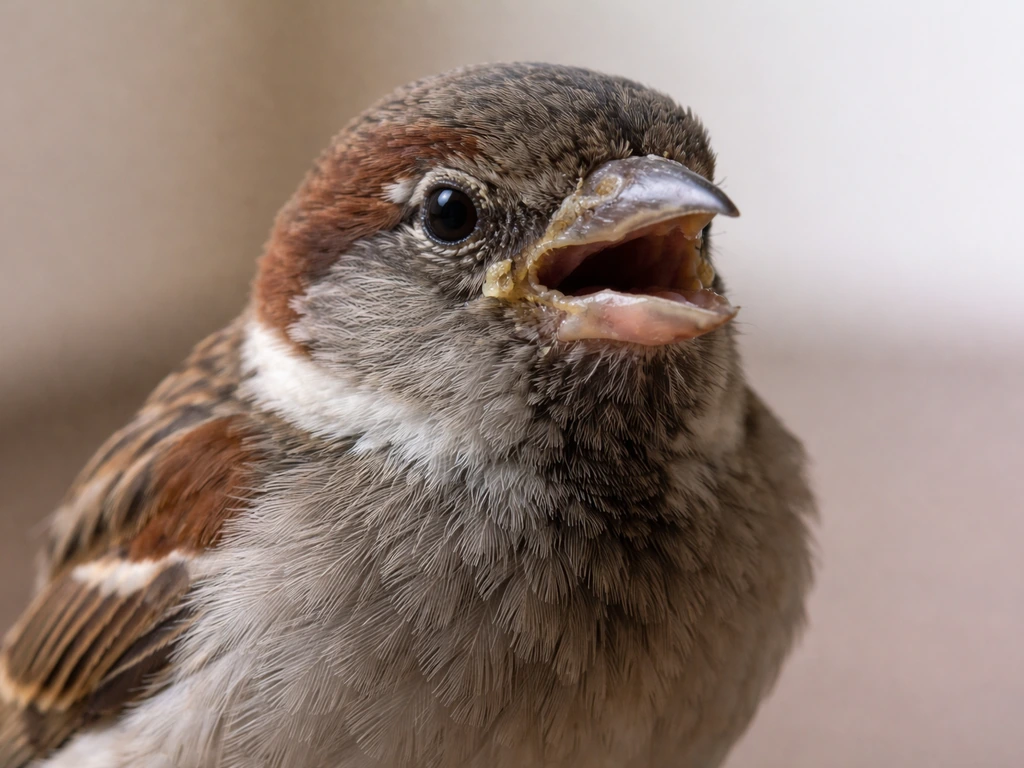
Before you do anything else, take 30 seconds to observe the bird without touching it. Respiratory distress has some very clear signs. Open-mouth breathing is the most obvious one. Birds breathe through their nostrils by default, so a bird sitting with its beak open is almost always struggling. Watch the body too: visible tail bobbing with each breath, exaggerated movement of the chest or sternum, and a hunched, fluffed-up posture all point to labored breathing. You might also hear a wheeze, a click, or a raspy sound with each inhale or exhale.
Look at the face and nostrils. Discharge from the nostrils or eyes, crusting around the nares, or swelling around the eyes are signs of upper respiratory involvement. A bird that is also lethargic, unable to perch, or unresponsive to your presence is in serious trouble.
These are the red flags that mean you need professional help immediately, not later today:
- Open-mouth breathing that does not stop after the bird is calm and at rest
- Audible wheezing, clicking, or gurgling sounds with each breath
- Visible tail bobbing or exaggerated chest movement on every breath
- Blue or dusky coloring around the beak or skin (cyanosis)
- Collapse, inability to stand, or complete loss of coordination
- Bloody discharge from the nostrils or mouth
- Seizure-like muscle tremors combined with breathing difficulty
If you are seeing any of these, skip straight to the section on contacting a vet or rehabilitator. Every minute matters at that point.
Immediate steps to stabilize the bird right now
The single most important thing you can do in the first few minutes is reduce stress. A bird in respiratory distress that is also panicking burns through its reserves extremely fast. Pick it up gently using a soft cloth or small towel, supporting the body so it feels secure, and move it once to a quiet space. Do not keep handling it after that.
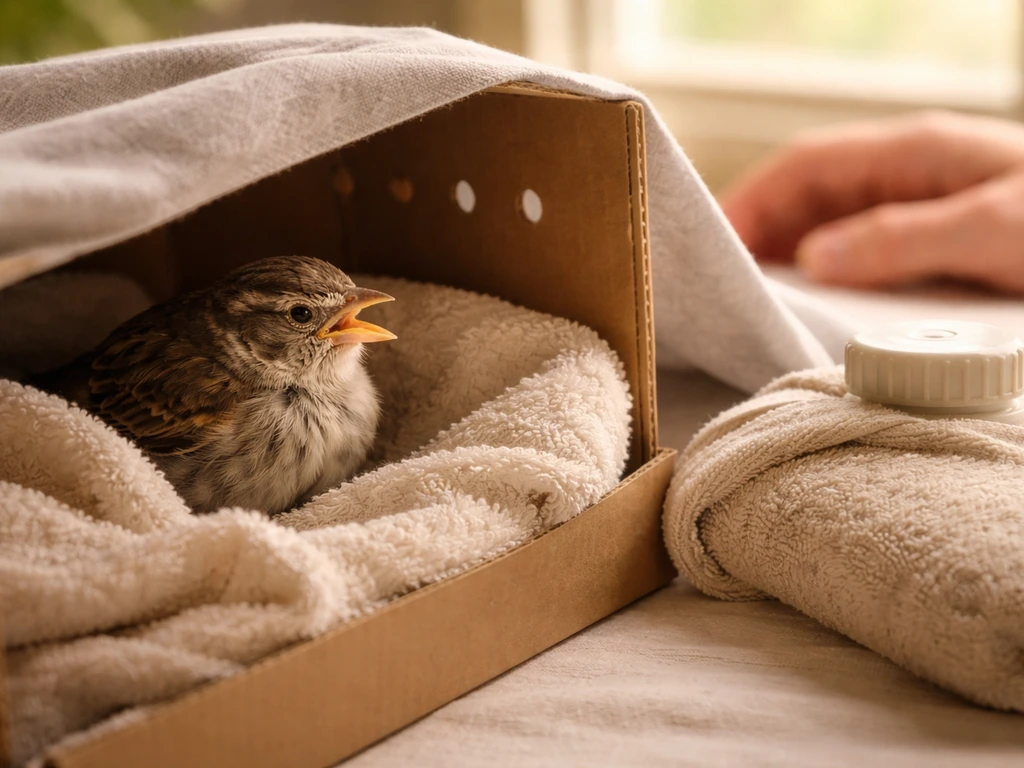
Warmth is critical. A sick bird loses body heat quickly, and cold stress makes breathing harder. Place the bird in a box or carrier with a heat source on one side only, so the bird can move away from the heat if it gets too warm. A heating pad on the lowest setting under half the box works well. Aim for a box temperature of around 85 to 90 degrees Fahrenheit for most small birds. If you do not have a heating pad, a warm water bottle wrapped in a cloth does the job.
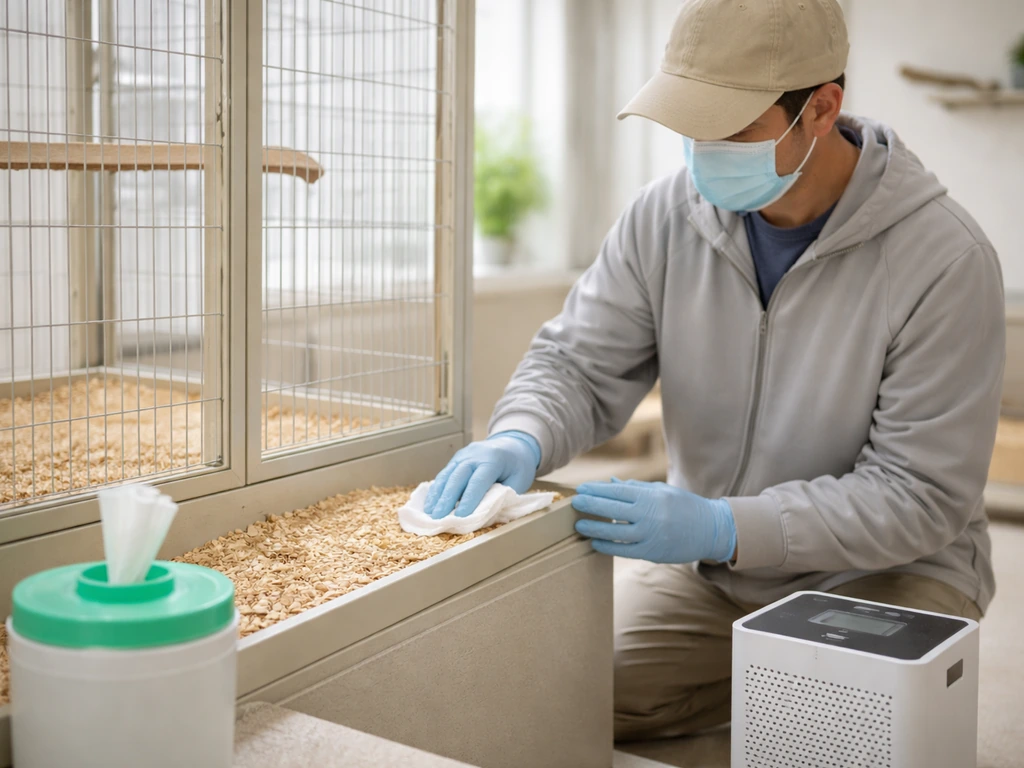
Airflow matters, but drafts do not help. The space should have gentle ventilation, not stagnant air, but you do not want cold air blowing directly at the bird. A box with small ventilation holes near the top, kept in a room with clean air, is ideal. Make sure there are no aerosols, candles, cigarette smoke, blank" rel="noopener noreferrer">non-stick cookware fumes, or strong chemical smells in the area. Birds have extremely sensitive respiratory systems and these can make the situation dramatically worse in minutes. If you keep birds at home, the best prevention is controlling dust, fumes, and environmental irritants that can trigger breathing problems prevent bird keepers lung.
Keep the environment dark and quiet. Covering the box with a light cloth reduces visual stimulation, which lowers stress. Turn off loud music or TV nearby. The goal is to get the bird's nervous system as calm as possible so it can direct energy toward breathing.
What not to do: common well-meaning mistakes
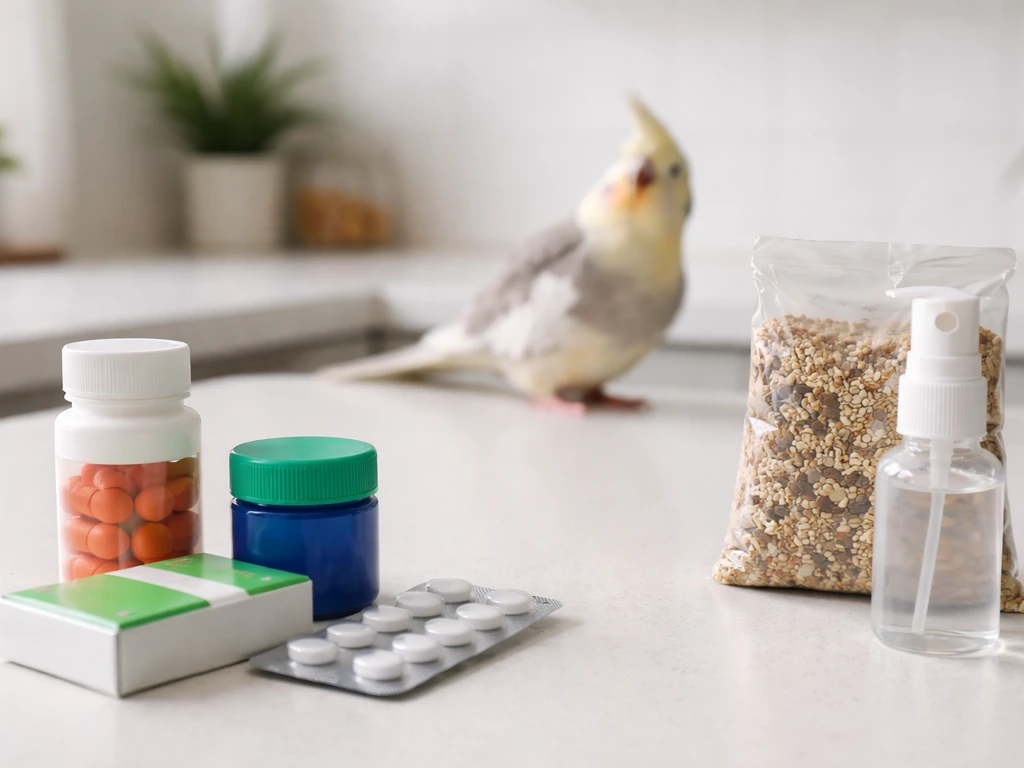
People want to help, and that instinct sometimes leads to actions that make things worse. Here is what to avoid:
- Do not give human medications. Ibuprofen, antihistamines, Vicks VapoRub, and similar products are toxic to birds. There is no safe over-the-counter human medicine you can give a bird.
- Do not force water or food into its mouth. A bird in respiratory distress can aspirate liquid into its lungs, which can be fatal. If the bird is not eating or drinking on its own, leave it alone and get it to a vet.
- Do not use steam or a humidifier without veterinary guidance. While steam is sometimes used in a clinical setting, doing this at home with the wrong temperature or duration can cause harm.
- Do not expose the bird to essential oils, Febreze, aerosol sprays, or non-stick cookware. These are acutely dangerous to avian respiratory systems.
- Do not keep checking on it by opening the box repeatedly. Every peek is a stress event. Check once every 30 to 45 minutes unless there is an obvious emergency.
- Do not try to "air out" the bird by holding it near a window or fan. Cold air and sudden temperature changes are harmful.
- Do not delay contacting a professional because you think it might get better on its own. Respiratory problems in birds rarely resolve without treatment.
Supportive at-home care while you arrange help
Once the bird is in a warm, quiet box, your job is to keep conditions stable while you make phone calls. There is a limited amount of additional care you can safely provide at home, but these things do matter.
For positioning, let the bird choose its own posture if possible. If it is too weak to stand and keeps falling to one side, gently pad the interior of the box with soft cloth or paper towels so it can rest in a semi-upright position without tipping over. Do not lay a bird flat on its back. Upright or slightly leaning forward is easier on the airways.
On hydration: if the bird is conscious, alert, and capable of swallowing on its own, you can place a very shallow dish of clean water within reach. Do not attempt to drip water into its beak or use a syringe unless you have been specifically trained to do this. Aspiration is a serious risk. If the bird is too weak to drink independently, leave the water available but do not force it.
Minimize your interactions. I know it is hard to just sit with a sick animal and not do more, but constant checking, talking to the bird, or moving the box around are all stressors. Set a timer, check once, and spend the time in between making calls to find help.
When to contact a vet or wildlife rehabilitator (and what to tell them)

For any bird showing signs of respiratory distress, the answer to "when should I call?" is now. This is not a wait-and-see situation. Avian patients decline fast, and respiratory problems almost always have an underlying cause that requires diagnosis and treatment, whether that is a bacterial infection, fungal disease, parasites, trauma, or something environmental.
If this is a wild bird, contact a licensed wildlife rehabilitator first. You can find one through the National Wildlife Rehabilitators Association (NWRA) directory or your state's fish and wildlife agency. Many areas also have wildlife rescue hotlines. If this is a pet bird, call an avian vet. General practice vets often have limited avian experience, so ask specifically for someone with bird expertise.
When you call, be ready to give them this information:
- Species if you know it, or a description (size, color, beak shape)
- Whether it is a pet or wild bird
- Exactly what symptoms you are seeing and when they started
- Any known history: trauma, exposure to fumes or chemicals, recent illness in other birds in the house
- What you have already done: warmth, enclosure setup, any attempted treatments
- Your location so they can advise on the nearest available help
The more specific you can be, the faster they can triage over the phone and prepare for the bird's arrival. Do not downplay symptoms to seem less alarmed. Give them the full picture.
How to transport the bird safely
Use a cardboard box or a small pet carrier with ventilation. Line the bottom with a non-slip surface like a folded cloth or paper towels. If you are using a cardboard box, punch several small holes near the top for air circulation. The box should be just large enough for the bird to sit comfortably but not so large that it can flap and injure itself during transport.
Keep the heat source in place during the drive. If you are using a heating pad, keep it under one side only. If the drive is more than 20 minutes, check the box temperature at the start and end. The interior should feel warm but not hot to the touch of your hand.
Cover the box completely during transport. Darkness reduces panic. Keep the car quiet, drive smoothly, and avoid sudden stops or sharp turns. Put the box on the floor of the passenger seat or secured on the back seat where it will not slide.
Do not stop to check on the bird mid-journey unless something sounds very wrong. Opening the box in a moving car adds stress and risk. Get to the vet or rehabilitator as directly as possible.
Time matters. For a bird in active respiratory distress, every additional hour without professional care reduces the chances of a good outcome. If you cannot transport the bird yourself, call the rehabilitator or vet back and ask if they can connect you with a volunteer transporter, which many wildlife organizations maintain.
Symptoms to note and possible underlying causes
You are not expected to diagnose the bird. That is the vet's job. But observing and recording specific symptoms helps the professional enormously, especially if the bird deteriorates before it reaches care. Here is what to look for and what it might suggest, without reading too much into it.
| Symptom | What it may indicate | Report to the vet |
|---|---|---|
| Open-mouth breathing at rest | Lower airway involvement, infection, obstruction | Yes, note duration and severity |
| Nasal discharge (clear or colored) | Upper respiratory infection, bacterial or viral | Yes, note color and consistency |
| Swelling around eyes or face | Sinusitis, upper respiratory infection | Yes, describe location and size |
| Wheezing or clicking sounds | Airway obstruction, lower tract infection or fluid | Yes, describe the sound |
| Sneezing repeatedly | Upper respiratory irritation or infection | Yes, note frequency |
| Discharge from eyes | Systemic infection, respiratory virus | Yes, describe amount and color |
| Lethargy, fluffed feathers, not eating | Systemic illness, often accompanies respiratory disease | Yes, note how long |
| Tail bobbing with each breath | Dyspnea, significant respiratory effort | Yes, describe how visible it is |
| Trauma history (window strike, cat attack) | Injury to chest, internal bleeding | Yes, critical to mention |
| Recent fume or chemical exposure | Toxic inhalation injury | Yes, name the substance if known |
Respiratory problems in birds can originate in the upper airways (nasal passages, sinuses, trachea) or the lower respiratory tract (lungs and air sacs). Upper tract issues often show up as nasal discharge, sneezing, and swelling around the face. Lower tract problems tend to produce more severe breathing difficulty, wheezing, and tail bobbing. Both can become life-threatening quickly, and many conditions involve both at once.
Common causes include bacterial infections, fungal infections (aspergillosis is one of the most frequent in birds), viral disease, parasites, and inhaled toxins. In some cases, the issue is entirely environmental: non-stick cookware fumes, cigarette smoke, mold, or dust can trigger acute respiratory distress in otherwise healthy birds. If you think this might be the case, mention it immediately when you call for help, because the treatment approach is different.
If you are a bird owner dealing with a sick pet, it is also worth thinking about whether other birds in the household are showing similar signs, since many avian respiratory infections are contagious. Keeping the sick bird isolated while you arrange care is a sensible precaution. If you want more context on recognizing general illness in birds before it reaches a crisis point, the broader topic of how to help a sick bird covers early warning signs worth knowing. If you want more context on recognizing general illness in birds before it reaches a crisis point, the broader topic of how to help a sick bird covers early warning signs worth knowing how to help a wet bird.
The bottom line
A bird with respiratory problems needs professional help. Your job right now is to get it warm, calm, and stable, avoid doing anything that makes things worse, and get it to an avian vet or wildlife rehabilitator as fast as possible. Your job right now is to get it warm, calm, and stable, avoid doing anything that makes things worse, and get it to an avian vet or wildlife rehabilitator as fast as possible how to prevent bird keepers lung. Follow the steps above in order, make the calls, and transport the bird safely. That combination gives the bird the best realistic chance at recovery.
FAQ
Can I give my bird a nebulizer treatment or over the counter meds to help it breathe?
Do not give any medication, including human cough medicine, antibiotics, steroids, essential oils, or nebulizers, unless a licensed avian vet specifically prescribes it. Many respiratory conditions in birds require targeted diagnosis, and several common drugs or vapors can worsen breathing or mask symptoms needed for triage.
What if the bird’s breathing looks better for a few minutes, can I wait?
A bird with ongoing open-mouth breathing, tail bobbing, wheezing, inability to perch, or lethargy should be treated as urgent even if it seems to pause for a minute. If breathing effort returns after calm breathing, that still counts as a problem, call for professional help right away.
Should I steam the room or mist my bird to loosen mucus?
If the bird is actively struggling to breathe, you should not place it in water or mist it. Focus on warmth, quiet, gentle airflow, and rapid transport. If you suspect dehydration, offer shallow water only if it can swallow normally, otherwise leave water available but do not force fluids.
If I have other birds, do I need to isolate them too?
Yes, isolation matters. Move other birds away from the sick bird, ideally into separate rooms with minimal airflow sharing, and wash your hands and change clothes after handling the patient. Avoid sharing food bowls, cages, or cleaning tools until the sick bird has been diagnosed and cleared.
What should I do if the respiratory issue might be from smoke, mold, or non-stick fumes?
If you suspect inhaled irritants like smoke, mold, dust, or non-stick fumes, leave the bird in fresh air immediately and keep the area free of any aerosol or chemical scent. Tell the vet or rehabilitator exactly what the bird was exposed to (source, how long, and when), because that changes likely causes and treatment priorities.
How warm is too warm for a respiratory bird, and how can I prevent overheating?
Use a warm, controlled environment, not overheating. Check the box temperature with your hand or a thermometer if you have one, target warm but not hot, and ensure only one side is heated so the bird can move away.
What information should I record or bring to the vet or rehabilitator?
Take a quick symptom video or short audio clip if you can do it without delaying care, because describing “wheeze” or “clicking” is often less precise than sound. If the bird worsens on the way, note the time it started, what you observed (tail bobbing, nostril discharge, posture), and any suspected triggers.
How should I hold or position my bird while I’m waiting for help?
Do not change the bird’s posture aggressively. Let it choose a comfortable semi-upright position, and if it keeps tipping, lightly pad the box floor so it can rest without falling. Avoid laying it flat on its back, since that can make breathing harder.
What if the bird is too weak to stand or keeps falling over?
If the bird cannot hold itself upright, do not try to prop it with hands continuously. Use padding in the carrier to create a stable semi-upright resting angle, keep the carrier covered for calm, and minimize movement while you transport or wait.
How do I manage warmth during a longer car ride without stressing the bird?
When transport exceeds about 20 minutes, check that the warmed area remains warm enough and not overheated. Reassess only if you hear or see a sudden change in breathing, otherwise keep the carrier covered and avoid repeated opening.
What are the safest transport practices if I must drive to care?
Prepare the carrier before you pick up the bird, reduce noise, secure the carrier so it cannot slide, and drive smoothly. Avoid opening the carrier mid-journey to check it, because opening plus motion can trigger panic and increase aspiration risk.
Could household products or air fresheners make my bird’s breathing worse?
If your household uses humidifiers, fragrances, candles, incense, aerosol cleaners, or air fresheners, stop them immediately and ventilate the room. Even “clean-smelling” products can irritate bird airways and make acute respiratory signs worse.
I found a wild bird, should I try to care for it at home first?
In most cases, if a wild bird is breathing abnormally, you should prioritize getting it to a licensed wildlife rehabilitator quickly rather than attempting home feeding or treatment. If it is cold, you can keep it gently warmed in a covered, quiet carrier while arranging the call, but do not delay professional intake.
Next Article
How to Prevent Bird Keepers Lung: Step-by-Step Guide
Step-by-step prevention for bird keepers lung: reduce airborne dust and choose safe cleaning, filtration, bedding and ma