Bird keepers lung is a real and serious condition, but it is largely preventable if you make the right changes to how you clean, ventilate, and handle birds around you. If you are already noticing symptoms after spending time with birds, the most important thing you can do right now is reduce your exposure, starting today, not after the next cage clean. This guide walks through exactly what is happening in your lungs, what warning signs to watch for, and the practical steps that will actually make a difference.
How to Prevent Bird Keepers Lung: Step-by-Step Guide
Marcus Holloway
22 Apr 2026
What bird keepers lung is and why it happens
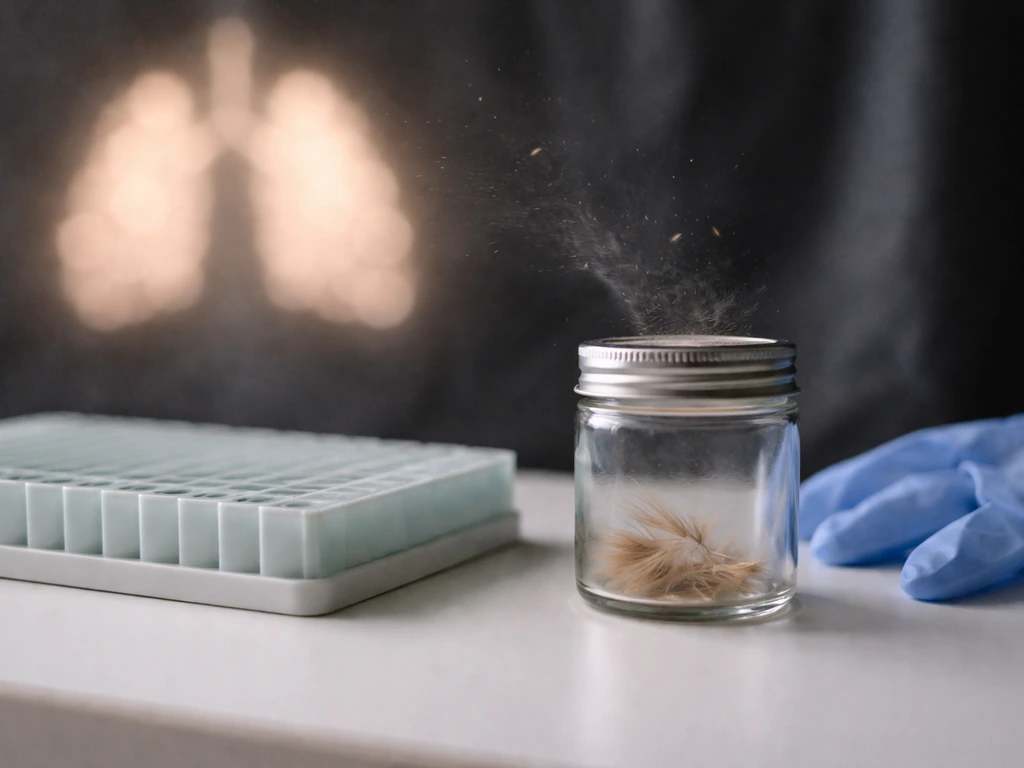
Bird keepers lung is a form of hypersensitivity pneumonitis (HP), which means your immune system mounts an inflammatory response inside your lungs after you repeatedly breathe in tiny protein particles from birds. These particles come from dried droppings, feather dust, dander, and other biological material that becomes airborne during normal bird care. The immune system treats these proteins as a threat, and over time, that repeated immune response causes inflammation in the lung tissue.
The critical word is repeated. A single exposure usually does not cause lasting damage, but ongoing exposure over weeks, months, or years can lead to chronic inflammation and, eventually, permanent lung scarring. NHLBI describes hypersensitivity pneumonitis as lung inflammation that can lead to pulmonary hypertension and permanent lung damage if not properly treated hypersensitivity pneumonitis inflammation can lead to pulmonary hypertension and permanent lung damage. The lungs have a limited ability to heal once scarring has set in, which is why prevention and early action matter so much.
This condition affects pet bird owners, wildlife rescuers, and anyone who regularly handles birds indoors. Parrots, cockatiels, and pigeons are particularly associated with high levels of fine feather dust, but any bird species can trigger it in a sensitized person. Crowded spaces, poor ventilation, and dry cage cleaning habits dramatically increase the risk.
Red flags and early symptoms to watch for
Acute bird keepers lung tends to follow a recognizable pattern: symptoms usually begin around 4 to 8 hours after you have been around birds, not immediately. That delay is one of the reasons people often miss the connection. You might feel fine during the cage clean, then feel unwell later that evening.
The acute symptoms can look a lot like a flu or chest infection, which is another reason it gets misdiagnosed. The condition has genuinely been confused with pneumonia in clinical settings. Knowing the symptom pattern is the first step to catching it early.
- Dry cough or cough with mucus appearing hours after bird contact
- Shortness of breath or feeling like your chest is tight
- Fever, chills, or general flu-like malaise without an obvious illness cause
- Fatigue that appears specifically after spending time in the bird area
- Symptoms that ease when you are away from birds for a day or two, then return when you go back
The pattern of symptoms improving when you leave and returning when you come back is one of the clearest signals that bird exposure is the trigger. If you are noticing a chronic dry cough or progressive shortness of breath that has been building over months, that is a sign the condition may have moved into a subacute or chronic phase, and you should not wait to see a doctor.
Recurrent episodes without changes to your exposure routine are particularly concerning, because each episode carries the risk of adding more permanent damage. If symptoms are getting worse over time rather than fully resolving between exposures, that urgency goes up.
Cutting dust and allergens in the bird area, starting today
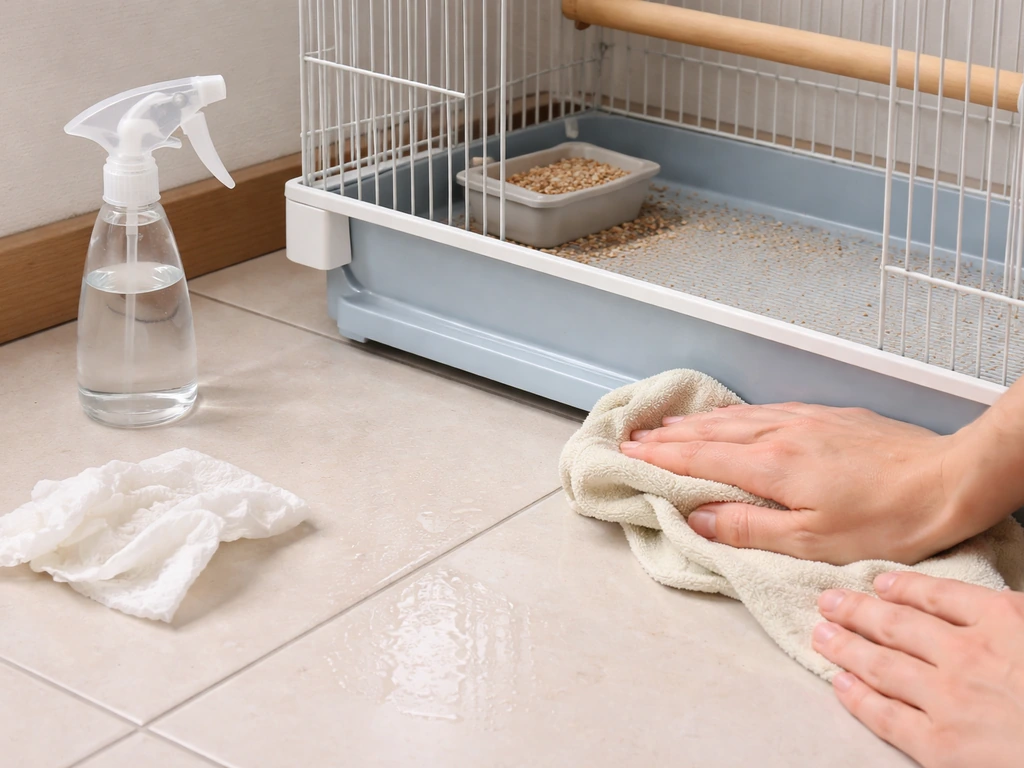
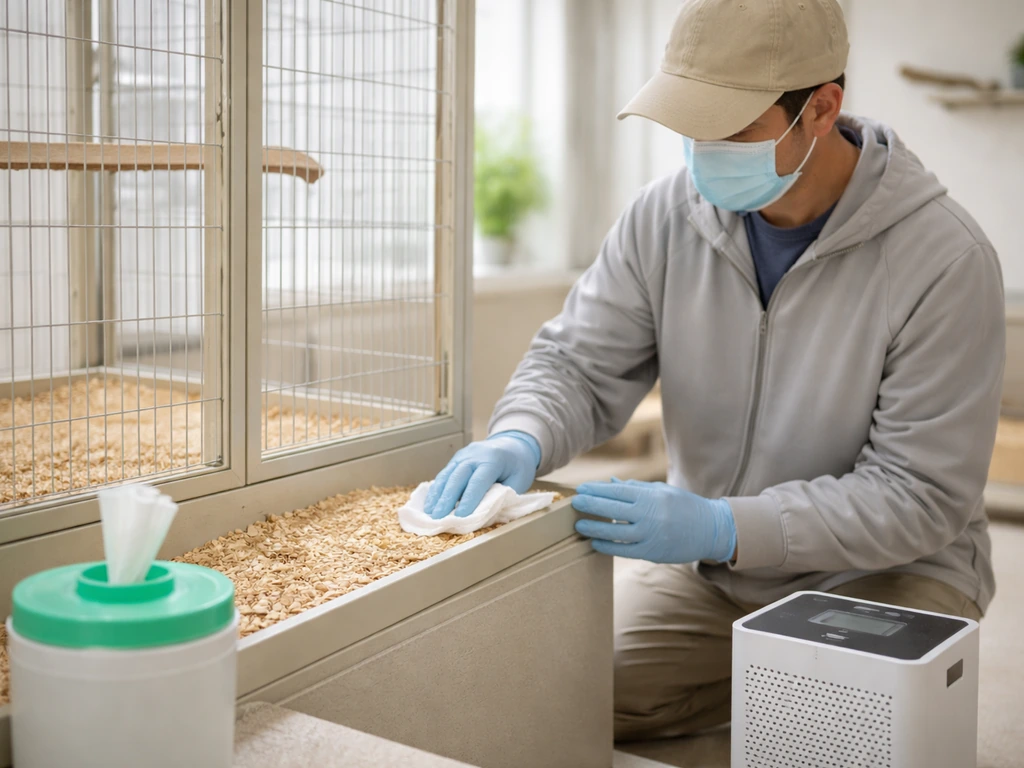
The single most effective thing you can do immediately is change how you approach dry material in your bird space. Dry sweeping, vacuuming up feathers, and shaking out dusty cage liners are among the worst things you can do because they throw fine particles directly into the air you are breathing. Switch to wet cleaning methods from this point forward.
Before you clean any cage surface, tray, or floor, dampen it first. Spraying droppings and debris with water or a diluted bird-safe disinfectant before wiping them away keeps the particles stuck to the surface instead of floating up into your airspace. CDC guidance on preventing bird-related illness specifically advises wetting surfaces before cleaning and avoiding dry sweeping or vacuuming entirely because vacuuming can aerosolize particles just as effectively as sweeping can.
For floors around the bird area, wet mopping with a damp mop and a mild disinfectant is the right approach. Do it frequently, ideally daily in high-traffic bird zones. If you have been using paper liners or other dry cage-bottom materials, change them with care: lightly mist before removing to keep loose particles down.
Seed hulls, loose feathers, and dry droppings are your biggest airborne allergen sources during daily care. Choose seed mixes with lower hull scatter if possible, and consider switching to pelleted diets where appropriate for your bird species. Store seeds and supplements in sealed containers and avoid pouring them in dry, drafty areas. Even small daily habits like these reduce your total daily allergen load meaningfully over time.
Ventilation, air filtration, and what actually works
Good ventilation is not just about keeping the bird comfortable. It is about moving contaminated air out of your breathing zone. If your bird lives in a room with poor airflow, the fine particles that become airborne during feeding, bathing, and normal activity have nowhere to go except into your lungs.
Open windows when weather allows, and keep bird enclosures out of rooms where airflow is restricted, like small windowless spaces or walk-in closets. Avoid placing the cage in a central air return pathway, because that pulls feather dust through your HVAC system and distributes it throughout your home.
A true HEPA air purifier placed in the bird room is one of the most practical long-term investments you can make. HEPA filters are rated to capture at least 99.97% of particles at 0.3 microns, which covers the fine feather dust and dried protein particles that drive HP. Place the unit close to the bird enclosure and run it continuously, not just during cleaning sessions. For larger spaces, you may need a unit rated for a higher square footage than the room size to maintain adequate air changes per hour.
If you need supplemental air cleaning during heavy cleaning tasks, a portable industrial-grade HEPA unit can help move contaminated air out faster. CDC notes this kind of supplemental air cleaning can accelerate removal of airborne contaminants alongside proper ventilation.
Keeping indoor humidity between roughly 40 and 50 percent also helps. That range discourages mold growth and reduces dust-related particle suspension, two things that both contribute to airborne allergen load. A basic hygrometer in the bird room lets you monitor this without guessing.
| Method | What it does | Works for daily use? | Notes |
|---|---|---|---|
| HEPA air purifier | Captures fine feather dust and protein particles continuously | Yes | Run continuously, size for the room or larger |
| Wet mopping / damp wiping | Prevents particle aerosolization during cleaning | Yes | Replace dry sweeping entirely |
| Window ventilation | Dilutes and removes airborne particles | Yes, when weather allows | Avoid drafts directly over the bird |
| Humidity control (40–50%) | Reduces suspended dust and mold growth | Yes | Use a hygrometer to monitor |
| Standard vacuum cleaner | Suctions debris from surfaces | No | Exhausts fine particles back into air — avoid |
| Dry sweeping / feather dusting | Moves debris visually | No | Aerosolizes exactly the particles you need to avoid |
| HVAC system only | Circulates air throughout home | Partial | Add HEPA filtration to unit or use standalone purifier |
Protective gear and safe handling habits
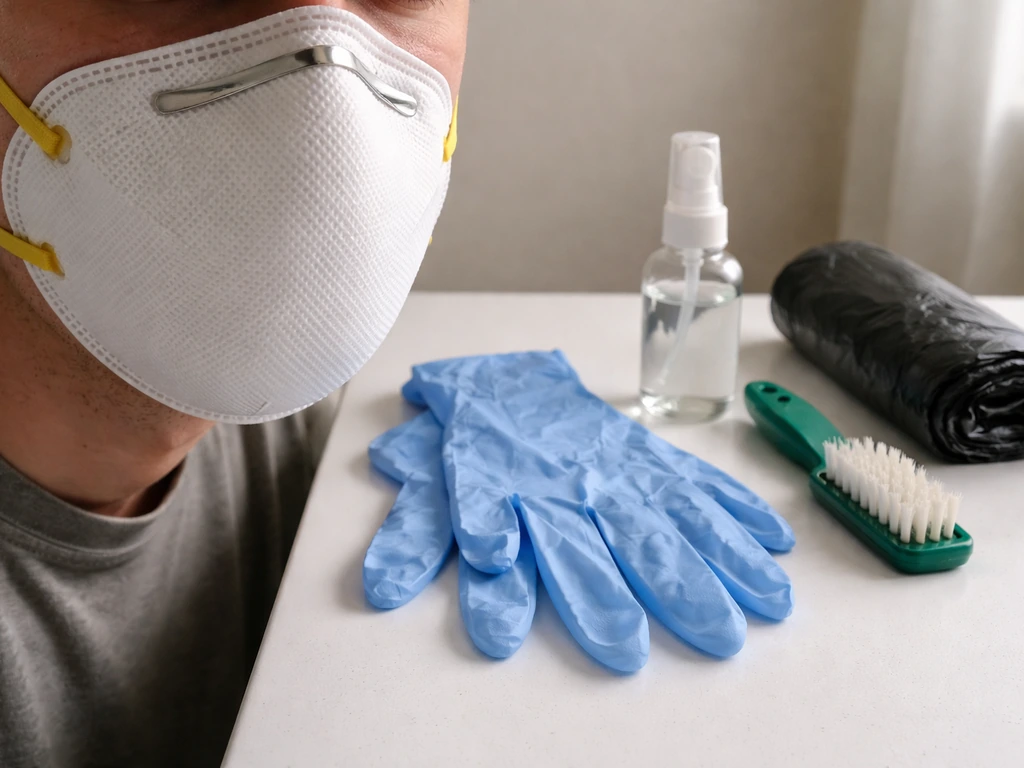
Wearing respiratory protection during cleaning is not overkill. An N95 respirator filters at least 95% of airborne particles when worn correctly, and it provides a meaningful barrier during the highest-exposure tasks: deep cage cleaning, changing liners, handling heavily soiled materials, or working in enclosed spaces with multiple birds.
The fit matters as much as the filter. An N95 that sits loosely on your face or has gaps around the nose bridge is not giving you the protection you think it is. Particles go around the edges, not through the filter. A tight-fitting respirator helps create a seal so particles are filtered rather than leaking around gaps, which is why proper fit checking matters tight-fitting respirators create a seal. When you put one on, press the metal nose piece to your face, do a quick seal check by exhaling sharply and feeling for air escaping around the edges, and adjust before you start work. Disposable N95s are single-use for a reason: moisture and debris degrade the filter over time.
For especially high-dust situations, like handling a bird that produces a lot of feather powder (cockatoos and African greys are notorious for this), a P100 respirator offers even higher filtration performance, rated at 99.97% efficiency for particles. CDC and NIOSH acknowledge the P100 class as providing the same or better particle filtration than N95 when properly worn.
Beyond the mask, gloves and a dedicated cleaning apron or smock are practical. Change clothes after extended bird care sessions, especially before sitting in living areas or sleeping spaces. Feather dust clings to fabric and can off-gas allergens into your home environment long after you have left the bird room. Washing your hands and face after handling birds, before touching your face or eating, reduces a secondary exposure route.
Try to keep bird care time concentrated rather than spread in short bursts throughout the day. Multiple brief exposures add up to a significant cumulative allergen load. One focused, properly protected cleaning session is better than five quick unprotected ones.
Quarantine, rehab, and rescue setups that reduce your risk
If you take in injured, orphaned, or sick birds for rescue or rehabilitation, your exposure risk is higher than a typical pet keeper's, because sick birds often produce more droppings, may have respiratory infections, and you may be handling them in improvised spaces without ideal ventilation.
Any new bird coming into your home or facility should be kept separate from existing birds for at least 30 to 45 days. Maryland public health guidance specifically recommends this quarantine window. This is standard disease-control practice, but it also benefits you: it limits the physical space where you have high-allergen contact and makes it easier to maintain a controlled cleaning environment for that one area.
Set up your rescue or quarantine space with the same tools you would use in a permanent bird room: a dedicated HEPA air purifier, easy-to-clean surfaces, a supply of wet-cleaning materials, and your PPE within arm's reach. Do not use carpeted rooms or spaces with fabric furnishings for bird rehabilitation if you can avoid it. Hard surfaces are far easier to damp-clean and do not trap allergens the way soft materials do.
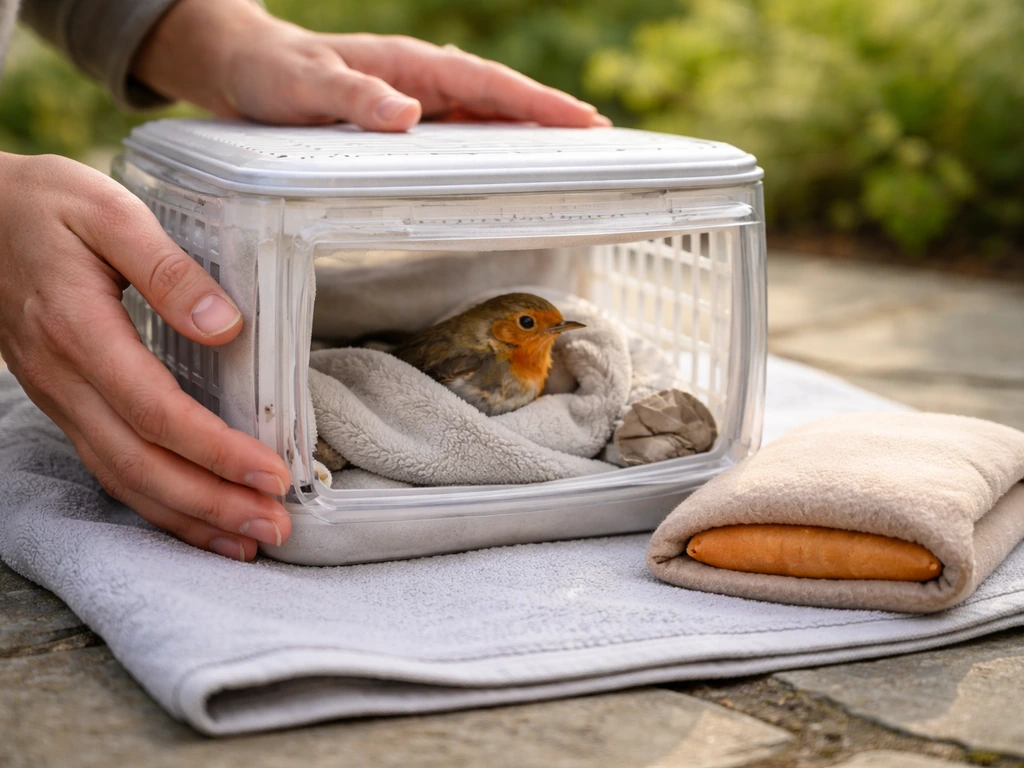
If you are managing a bird with a respiratory illness, the stakes for your own protection go up. If you need help with a sick bird, focus on reducing stress, keeping the bird warm, and using a vet or wildlife rehab center for safe guidance help sick bird. If you find a sick bird outside, use the same principles and get prompt guidance from a vet or wildlife rehab center for safe, low-exposure help help sick bird.
If you are also wondering how to help a bird with respiratory problems, get guidance from a qualified vet or wildlife rehab center before attempting home treatment. Sick birds may be shedding higher loads of biological particles, and if the bird has a bacterial or fungal infection, some of those pathogens can be a direct respiratory hazard to humans as well.
Wear your N95 or P100 during all handling and cleaning sessions involving a sick bird, and clean the quarantine space with the same wet-method approach every day.
If you regularly handle birds with respiratory problems or wet, stressed birds, those situations also call for careful attention to your own breathing environment. Wet birds flap and shake, redistributing whatever is on their feathers into the air. After the wet bird is stable and safe, the same wet-cleaning approach you use for your bird area can help reduce airborne particles in your breathing zone. Work in a well-ventilated space and have your mask on before you start, not after.
One practical layout tip: keep the quarantine area physically separated from your main living space by a door, and consider keeping a dedicated set of clothes, shoes, and tools for that area. Cross-contamination between the quarantine zone and the rest of your home is an easy way to spread allergen exposure without realizing it.
When to get medical help and what happens next
If you are having any respiratory symptoms, get checked out. Do not wait to see if they go away on their own. The reason this matters so much is that each acute episode of bird keepers lung carries the potential to add cumulative damage, and chronic HP can lead to progressive, irreversible lung scarring. Catching it early, when exposure is still the main driver and the lungs have not yet scarred, is when intervention is most effective.
See a doctor if any of the following apply to you right now:
- You have had a cough, shortness of breath, chest tightness, or flu-like symptoms that reliably appear hours after being around birds
- Symptoms have recurred more than once and you have not changed your exposure routine
- You have had a persistent cough lasting more than a few weeks that no other cause explains
- You feel progressively more short of breath during activities that did not bother you before
- Symptoms did not fully resolve after an acute episode
When you see a doctor, be specific about your bird exposure history: how many birds, what species, how long you have been keeping them, what your cleaning routine looks like, and what your symptoms are doing in relation to exposure timing. A clinician evaluating suspected HP will typically consider your exposure history alongside imaging (high-resolution CT is the main tool) and may order blood tests to look for specific antibodies your immune system has produced in response to bird proteins. In some cases, bronchoalveolar lavage, a lung-fluid sampling procedure, may be used to look at immune cell patterns in the airways. The ATS 2020 clinical practice guideline integrates all of these data points into a structured diagnostic approach rather than relying on any one test alone.
Ask specifically for a pulmonologist or, if available in your area, a pulmonologist with experience in interstitial lung disease or hypersensitivity pneumonitis. Your regular GP or family doctor can start the evaluation, but HP diagnosis and management often benefits from specialist input. If you have an avian vet for your birds, they may also be able to point you toward practitioners familiar with bird-related respiratory illness in humans.
The most important thing to understand is that avoidance is the central treatment. Reducing or removing exposure is not optional advice, it is the core of preventing the condition from progressing. Medical treatment can help manage inflammation, but it cannot substitute for fixing the environment. If you are already symptomatic and you do not change your exposure routine, no medication will fully protect your lungs long term.
Your prevention checklist to act on right now
- Stop dry sweeping and vacuuming in the bird area immediately. Switch to damp wiping and wet mopping for all surfaces.
- Mist cage trays, liners, and droppings with water or diluted bird-safe disinfectant before removing or wiping them.
- Place a HEPA air purifier in the bird room and run it continuously.
- Wear a properly fitted N95 respirator (or P100 for high-dust species) during all deep cleaning sessions.
- Change clothes after extended bird care and wash hands and face before moving to other areas of your home.
- Keep indoor humidity between 40 and 50 percent and monitor it with a hygrometer.
- Quarantine any new or sick bird in a dedicated, hard-surfaced room with its own cleaning supplies and PPE.
- Store seeds and dry supplements in sealed containers and avoid pouring in drafty or unventilated areas.
- If you are having respiratory symptoms after bird contact, see a doctor now and describe your exposure timing and history clearly.
- Ask for a pulmonologist referral if symptoms are recurring or persistent.
FAQ
If I only get symptoms after I clean cages, do I still need to change day-to-day bird care habits?
Yes. Even when the strongest symptoms follow cleaning, everyday activities like feeding, bathing, and floor/liner changes can keep airborne particles elevated between cleanings. The most protective approach is to reduce dry dusting during all daily care, not just the scheduled deep-clean day.
What’s the difference between an allergic reaction and bird keepers lung, and why does it matter?
Allergies typically cause itching, sneezing, and watery eyes, while bird keepers lung is inflammation deep in the lungs that can cause shortness of breath and cough with a delayed onset after exposure. Because mislabeling can delay diagnosis, any recurring chest symptoms that worsen after returning to the bird area should be evaluated as possible hypersensitivity pneumonitis.
How can I tell if my HEPA air purifier size is adequate for my room?
Look at the unit’s stated Clean Air Delivery Rate (CADR) and compare it to your room size, aim for enough airflow so the purifier effectively changes the air frequently during the time you spend in the bird space. If you notice persistent dustiness in the breathing zone, the purifier is often undersized or not placed close enough to create effective air cleaning.
Can I use a regular vacuum to clean bird areas instead of wet cleaning?
Avoid it. Standard vacuums often exhaust fine particulate back into the room, which can aerosolize the same biological material you are trying to remove. If you ever must vacuum, use only equipment designed for very fine particulate filtration (sealed system) and still prioritize wet cleaning first, because avoidance of airborne generation is the core prevention strategy.
Do I need to wear a respirator only while cleaning, or also while I’m just sitting in the room?
If you experience symptoms based on time spent around birds, consider using respiratory protection during the higher-exposure periods, especially when birds are active, dust is likely to become airborne, or ventilation is limited. For people who are highly sensitized, protection may need to extend beyond active cleaning to cover the time you are breathing the same air.
What’s the safest way to change dry cage liners and paper bedding?
Mist lightly before removal so dust stays down, remove slowly without snapping or shaking, and keep the liner close to the surface rather than carrying it through the air. Place removed materials directly into a sealed bag, then damp-wipe the tray and surrounding area to pick up residue.
Is humidity control actually helpful, or could it worsen things like mold and birds’ health?
Humidity in the target range (about 40 to 50 percent) can reduce particle suspension and mold risk, but you should monitor rather than guess. Use a hygrometer, and if you see condensation on windows or damp smells in the bird room, adjust dehumidification or ventilation to avoid creating a problem for both lungs and the birds.
Can moving my bird to a different room eliminate risk completely?
It can reduce exposure substantially, but only if the new space is also well-ventilated and cleaning practices are adjusted. Dust can transfer through HVAC pathways or laundry and clothing, so keep bird-related tools, clothes, and cleaning items separated and avoid placing the enclosure where airflow distributes particles across your home.
What should I do if symptoms start the evening after bird exposure?
Treat it as a warning signal, not a normal delayed cold. Start by reducing exposure immediately, especially the wet-cleaning and no-dry-sweeping changes, and arrange medical evaluation if symptoms recur or include progressive shortness of breath. Keeping a short log of exposure timing and symptom onset can help a clinician connect the trigger pattern.
If I want to test changes, what’s a practical way to verify they are working?
Track symptoms and timing for at least several exposure cycles while keeping other variables stable. If symptoms consistently improve when you reduce bird exposure and persist when you increase it, that strongly supports the trigger. If symptoms continue or worsen despite better controls, escalate to clinician evaluation rather than trying new home adjustments.
How long should I avoid exposure after I become sensitized or have symptoms?
You should assume ongoing exposure can worsen the condition until you have a clinician-directed plan. Practically, the key decision is to stop the specific exposure pattern that provokes symptoms, maintain strict wet-cleaning and filtration, and seek evaluation promptly so you do not accumulate additional lung inflammation during repeated episodes.
What details should I tell a doctor to speed up evaluation?
Include the exact timing pattern (hours after exposure), symptom trajectory (do they fully resolve between exposures), number and types of birds, how you clean (wet vs dry), whether you use HEPA or a respirator, room ventilation status, and any past lung issues or smoking history. This helps distinguish HP from infections or other lung conditions and supports more targeted testing.
Next Article
How to Help a Sick Bird Outside: Emergency First Aid
Humane step-by-step first aid to rescue a sick or injured bird outside: assess, capture safely, keep warm, and when to c