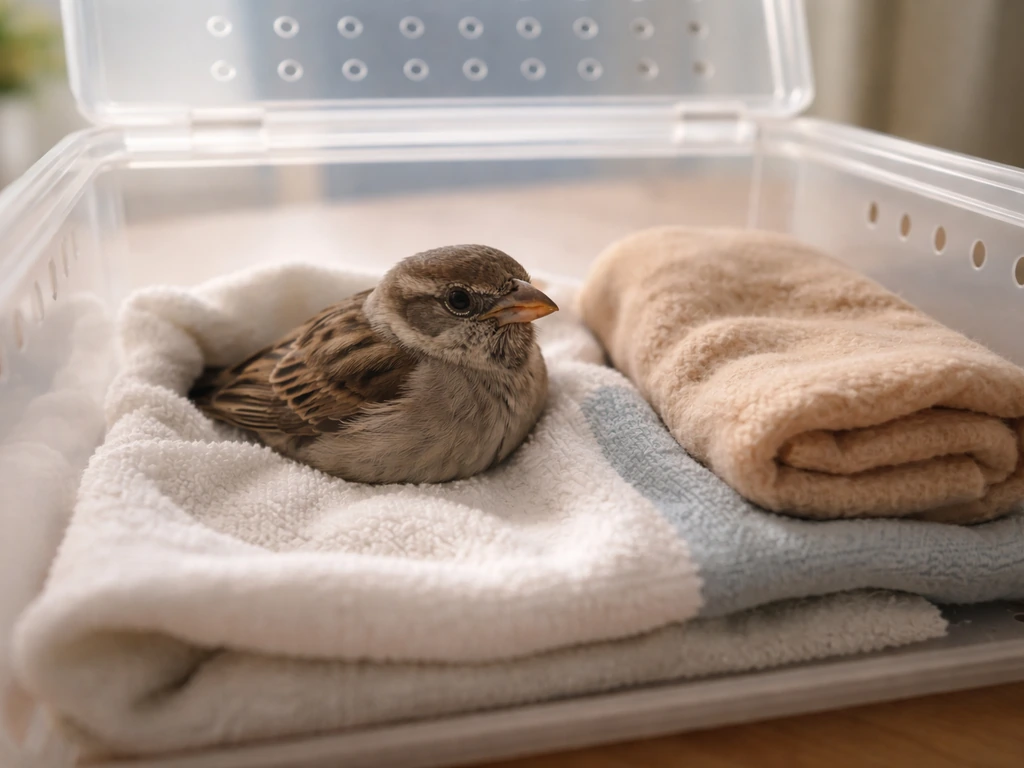
If you find a wild bird that looks injured, sick, or abandoned, the single most important thing you can do right now is contain it safely, keep it warm and dark and quiet, and contact a licensed wildlife rehabilitator as soon as possible. If you are wondering how to save bird life in the first minutes, safe containment and quick professional help make the biggest difference contact a licensed wildlife rehabilitator. That's the whole plan. Everything else on this page is about doing those steps correctly so the bird has the best possible chance.
How to Save a Wild Bird: Humane Steps and Next Actions
Marcus Holloway
14 May 2026
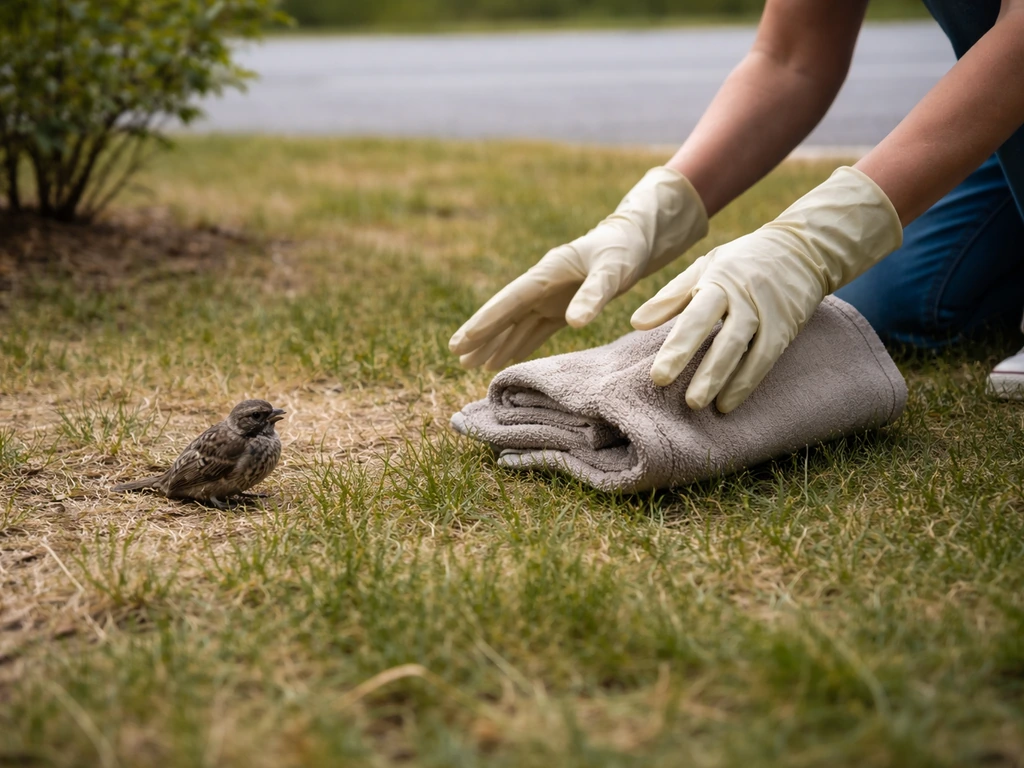
First, make sure you and the bird are safe
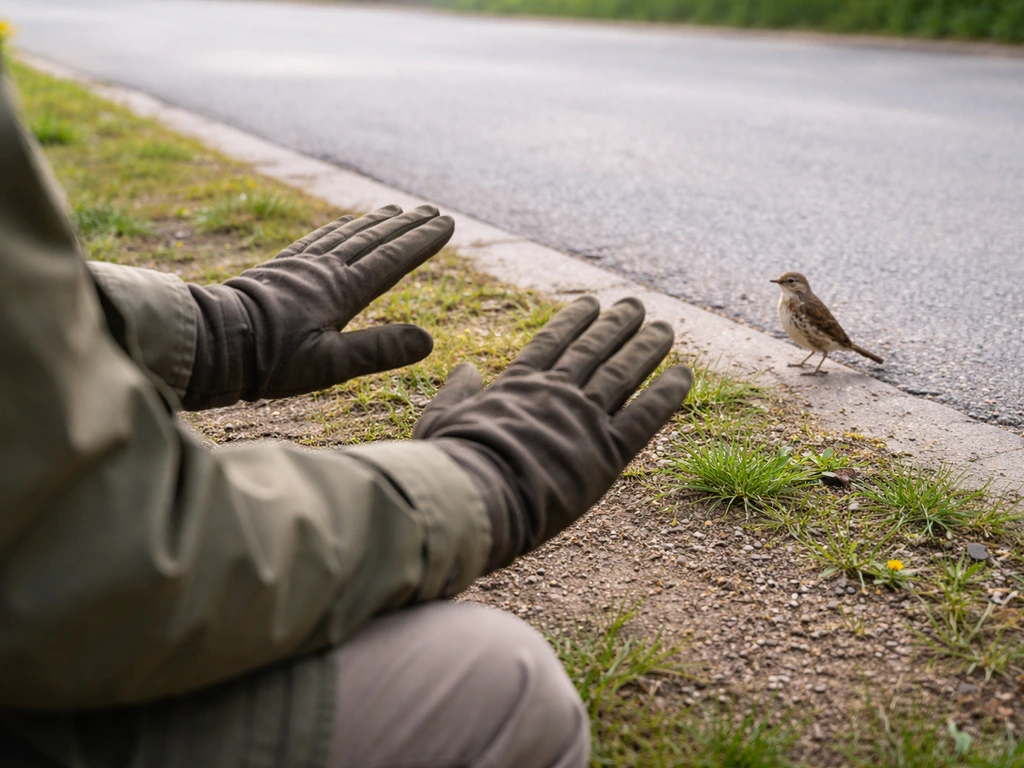
Before you touch anything, pause for a moment. Wild birds can scratch, bite, and carry parasites, so protecting yourself matters too. If the bird is a large raptor like a hawk or owl, those talons can cause real injury. Put on gloves if you have them, even a pair of kitchen or garden gloves, before you handle any bird.
Look at the bird's surroundings first. Is it on a busy road? Near a cat or dog? In a dangerous spot where you could get hurt reaching for it? Get yourself to a safe position before you go any closer. If a cat is nearby, get the cat indoors immediately. Cat saliva is toxic to birds and even a small puncture wound can be fatal within 24 to 48 hours without treatment.
Approach the bird slowly and quietly. Stress alone can kill an already compromised bird. The goal during the approach is to cause as little additional panic as possible. Move calmly, crouch low, and avoid making sudden movements or loud sounds.
Quick assessment: injured, sick, or orphaned, what signs to look for
Watch the bird from a short distance for two to three minutes before touching it. What you see will tell you a lot about what kind of help it needs.
Signs that a bird clearly needs rescue and professional help include:
- Blood on feathers or an open wound
- A wing or leg that droops or drags
- The bird is on the ground and you can easily walk up and pick it up (a healthy wild bird will almost always fly away)
- It's been in a cat's mouth, even briefly
- It has hit a window and is lying on its side or unresponsive
- Its eyes are closed or partially closed and it is not sleeping
- It is shaking, convulsing, or unable to hold its head up
If a bird can run but cannot fly when you approach, that is also a strong indicator it needs help. A bird that simply flutters a short distance and lands again is not behaving normally.
Now the trickier situation: baby birds on the ground. A very young bird with no feathers or just sparse downy fuzz is a nestling and it genuinely needs help. If you find a baby bird that is injured or orphaned, [contact a wildlife rehabilitator for instructions rather than trying to treat or keep it yourself](https://www. fws.
gov/office/pacific/migbirds/found-sick-injured-or-dead-bird). A bird that is mostly feathered, a little fluffy looking, and hopping around is likely a fledgling, and fledglings are supposed to be on the ground. Their parents are almost always nearby and still feeding them. Unless a fledgling is clearly injured, the right move is usually to leave it where it is, move any pets or people away, and watch from a distance to see if a parent returns within an hour or two.
Humane short-term care at home while you arrange help
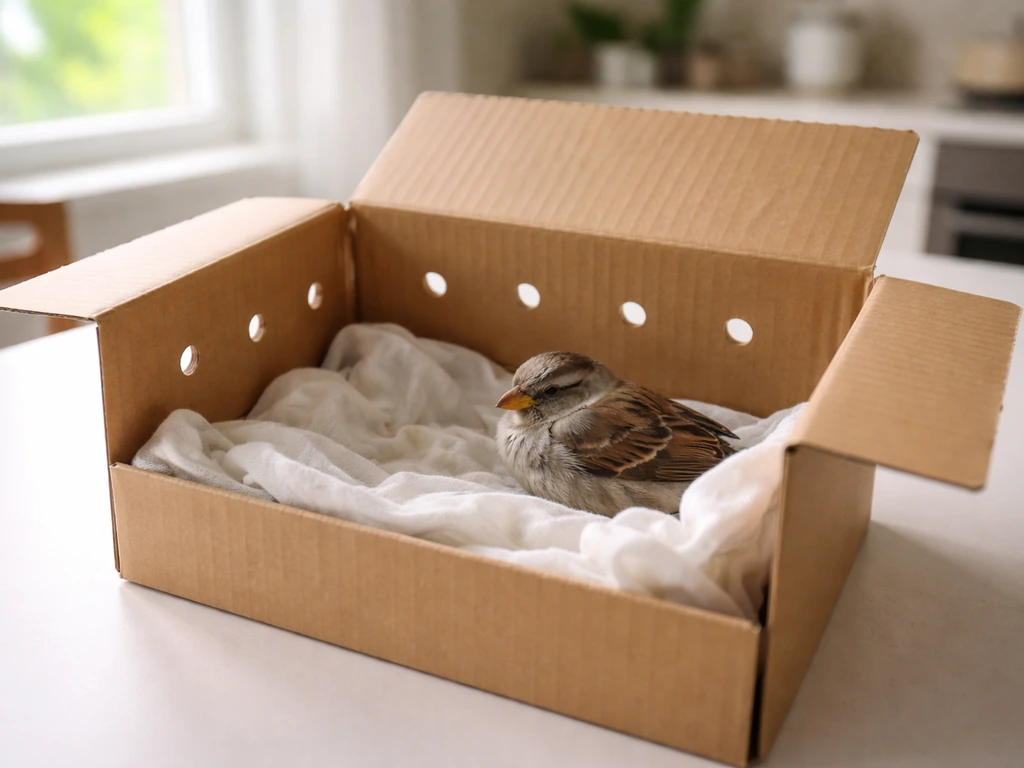
Your job right now is not to treat the bird. Your job is to stabilize it and keep it calm until a professional can take over. Here is how to do that properly.
Prepare a safe container
Find a cardboard box or a paper bag with air holes punched in the top. It should be big enough for the bird to stand up in but not so large that it can flap around and injure itself further. Line the bottom with a paper towel or a soft cloth (avoid terry cloth or anything with loops that small feet can get caught in). Do not use a wire cage or a plastic tub with a lid, as the bird can break feathers or injure its beak trying to escape.
Warmth and darkness
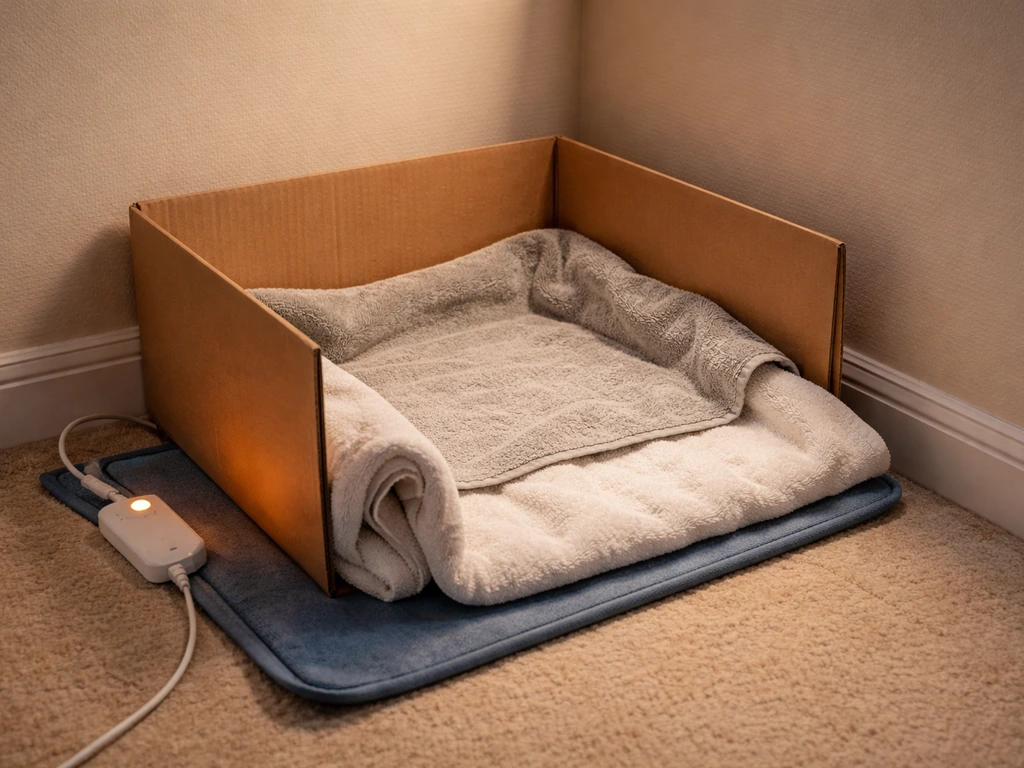
Place the box in a warm, quiet room away from pets, children, and noise. If the bird feels cold to the touch, you can place a heating pad set to low under half of the box (not the whole bottom, so the bird can move off the heat if it gets too warm). A small hand warmer wrapped in a cloth works too. The target is roughly 85 to 90 degrees Fahrenheit for small injured birds, but the key is warmth without overheating. Keep the box dark by keeping the lid closed. Darkness calms birds and reduces stress significantly.
Water, carefully
Do not try to give an injured or stunned bird water by dropper or syringe. You can easily cause it to aspirate the liquid into its lungs, which will kill it. If the bird is alert and upright, you can place a very shallow dish of water in the box. But do not force fluids on any bird.
What NOT to do
This section matters as much as everything above. Well-meaning people accidentally cause serious harm by doing the wrong things with rescued birds.
- Do not feed the bird. This is the most common mistake. Giving the wrong food can choke a bird, cause digestive problems, or be toxic. Even 'safe' foods like bread, milk, or worms can be wrong for a given species. Let the professionals handle feeding.
- Do not give milk or cow's milk-based formula. Birds cannot digest lactose and it is harmful to them.
- Do not give water by dropper or syringe to a bird that is not fully alert. Aspiration is a real and common danger.
- Do not handle the bird more than necessary. Every time you pick it up, you cause stress. Stress can be fatal on top of an existing injury.
- Do not keep the bird in a wire cage where it can damage its feathers or face.
- Do not place the box in direct sunlight or near a heat vent. Overheating can kill a bird in minutes.
- Do not release the bird back outside if it is injured. Even if it seems to 'perk up,' an injured bird released too soon will usually not survive.
- Do not attempt to set a broken wing or splint a leg yourself. You will almost certainly cause more damage.
- Do not keep the bird longer than necessary. The longer it stays with you, the more it habituates to humans, which reduces its chances of surviving in the wild.
How to contact a wildlife rehabber or vet and prepare for transport
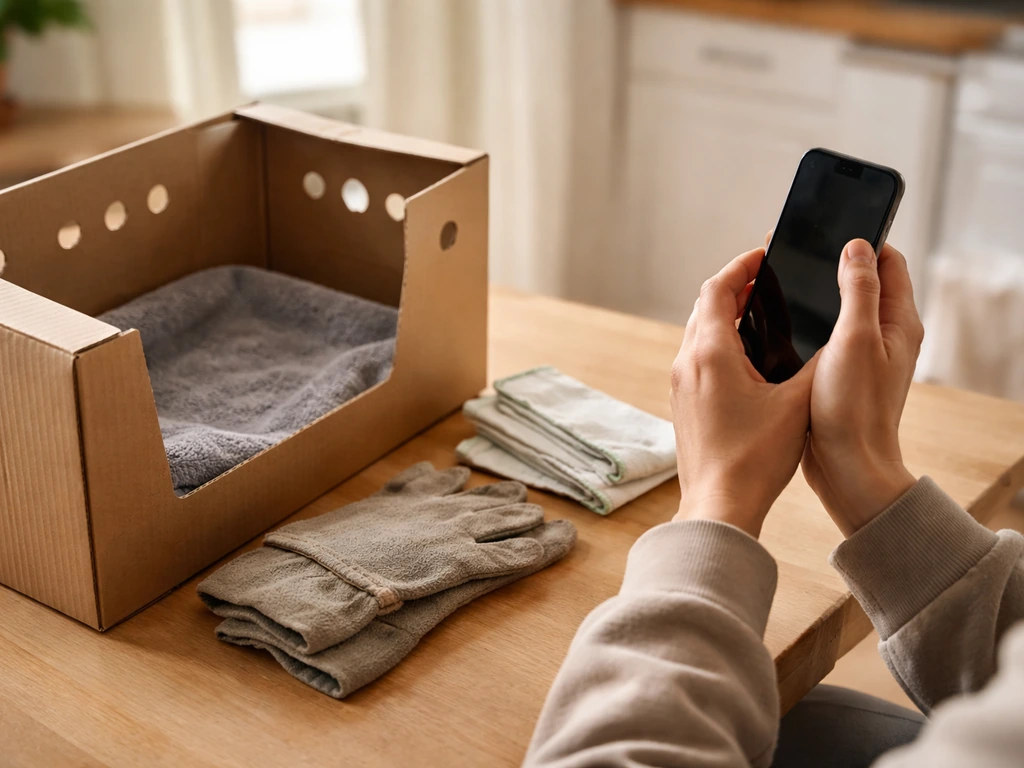
The fastest way to find a licensed wildlife rehabilitator near you in the U.S. is to search the National Wildlife Rehabilitators Association (NWRA) or the Wildlife Rehabilitators directory at wildlifehotline.org. You can also call your local veterinary clinic, the nearest humane society, your state fish and wildlife agency, or your local animal control office, they all typically keep a list of permitted rehabilitators. In many areas you can also call 211 for local resource referrals.
When you call, have this information ready:
- The species of bird if you know it (or a description: approximate size, color, beak shape)
- Where exactly you found it (location, habitat type)
- What condition it's in (visible injuries, behavior, responsiveness)
- How long you've had it
- Your location so they can advise on the nearest intake point
Be aware that wildlife rehabilitators are licensed and permitted for specific species. A songbird rehabber may not be permitted to take raptors, and vice versa. If the first person you contact can't help, ask them who else to try. Don't give up after one call.
For transport, keep the bird in the secure cardboard box with ventilation holes. Put the box in a quiet, dark part of your car, not in the trunk if it's very hot or cold. Drive smoothly. Do not talk to the bird, play music loudly, or let passengers handle the box. The goal is to keep it calm and still the entire way.
One important note: in the United States, it is illegal to keep most wild birds without a permit under the Migratory Bird Treaty Act. This law covers nearly all native bird species. Contacting a licensed rehabilitator is not just the best thing for the bird, it also keeps you on the right side of federal wildlife law.
Scenario-based next steps: nestlings, fledglings, and injured adults
What you do next depends a lot on which type of bird you are dealing with. Here is how the three main scenarios break down.
| Scenario | Key signs | Immediate action |
|---|---|---|
| Nestling (baby, no or few feathers) | Naked or barely fuzzed, eyes may still be closed, cannot stand or hop | Try to locate the nest and gently place it back if reachable. If no nest is found or it is destroyed, contain it and contact a rehabber immediately. Do not attempt to feed it. |
| Fledgling (juvenile, mostly feathered, on ground) | Fluffy feathers, short tail, hopping but not flying | Check for injuries. If uninjured, leave it and keep pets away — parents are likely nearby. Watch for 1 to 2 hours. If parents don't return or the bird is injured, contact a rehabber. |
| Injured or sick adult | Bleeding, drooping wing, lethargic, can be approached and picked up easily | Carefully contain in a box, keep warm and dark and quiet, contact a wildlife rehabber or vet urgently. This bird needs professional care today. |
A note on the 'my hands will leave scent' myth: birds have a very limited sense of smell and will not reject a chick that has been touched by human hands. If you find a nestling and can locate the nest, it is perfectly fine to put the bird back. A parent returning to find its chick is a far better outcome than the chick spending days in a cardboard box.
If you're dealing with a very young bird with no feathers, the guidance for saving a newborn bird or a hatchling bird overlaps significantly with what's described here, the core rules are the same: warmth, no feeding, and professional help fast. If you think you have found a newborn bird, follow the same steps for keeping it warm and getting professional help right away how to save a newborn bird. A cat attack scenario follows the same immediate steps but is even more urgent, since internal puncture wounds may not be visible and the bacterial risk is severe. If the bird was attacked by a cat, speed matters because unseen internal injuries can worsen quickly without prompt care cat attack.
Aftercare and monitoring until professional help takes over
Once the bird is in its box, your job is mostly to leave it alone. Check on it every 30 to 60 minutes, but keep those checks brief and quiet. Open the box, observe whether the bird is breathing, whether it has moved, whether its posture has changed, then close the box and step away. If the bird was attacked by a cat, follow these same monitoring steps and prioritize getting it to a wildlife rehabilitator as soon as possible how to save a bird after cat attack.
Keep a simple log of what you observe: time, whether the bird is upright or lying down, any visible changes, whether it reacted to you opening the box. This information is useful when you hand the bird off to a rehabilitator.
Signs the bird is stabilizing: it is sitting upright, its eyes are open, it reacts when the box is opened by moving away. Signs that it is deteriorating: it is lying flat, its breathing is labored or rapid, it is not reacting to anything around it. If the bird seems to be getting worse, escalate your efforts to reach a rehabber or emergency vet immediately.
Do not offer food. Do not handle the bird to comfort it. Do not let family members or children take it out of the box to look at it. Every well-meaning interaction adds stress. The single most helpful thing you can do in this waiting period is give the bird warmth, darkness, and silence while you work the phones to get it to someone who can actually treat it.
Once you hand the bird off to a rehabilitator or vet, ask if there is a way to get an update on its condition. Many rehabilitation centers will provide a brief follow-up if you leave your contact information. It gives closure, and it also helps you understand what happened so you are better prepared the next time you encounter a bird in trouble.
FAQ
If the wild bird seems only stunned, should I still treat it like an emergency?
Yes. If the bird is just stunned, you still should use the same stabilization steps (warm, dark, quiet containment) and contact a licensed wildlife rehabilitator. The difference is you should not assume it will fully recover on its own, because concussion, internal injuries, and shock can worsen after the initial period.
What’s the safest way to warm a bird, can I use a heat lamp?
Do not use a heating lamp. Heat lamps can overheat the bird, dry out its skin, and create burn risks because birds cannot regulate temperature well when stressed. Use a low heating pad under half the box (or a hand warmer wrapped in cloth) so the bird can move off heat if it gets too warm.
Can I give an injured wild bird water or food while I wait for help?
For most situations, skip it. Only offer a shallow dish if the bird is alert and upright, not drowsy. Never force fluids, and do not put food or supplements in the box, because aspiration and incorrect diets are common causes of death in rescued birds.
How can I protect myself and my home after I handle a wild bird?
Wear gloves, keep your face away, and minimize contact. Avoid washing the bird or spraying disinfectants, and sanitize your hands and any surfaces after handling. If the bird is a raptor (hawk or owl) or you suspect it has been exposed to parasites, treat it as higher risk even if it looks calm.
I found a fledgling on the ground, what if I’m worried it’s abandoned?
If it is a fledgling with no obvious injury, the best intervention is usually leaving it where it is and moving pets and people away. After an hour or two, if there is still no parent activity, the bird is in immediate danger (road, predators), or it seems weak or hurt, contact a wildlife rehabilitator for guidance.
What should I do if I find a nestling but I cannot find the nest?
If you find a nestling (very little or no feathers) and you can locate the nest, the better option is often to place the chick back in the nest rather than keeping it long-term in a box. If you cannot find the nest, the chick is cold or injured, or you suspect the nest was disturbed, switch to containment and call a rehabilitator right away.
Can I transport the bird in any container I have at home?
Do not use wire cages, closed plastic tubs, or anything without ventilation. Also avoid placing the bird in direct sunlight, even briefly. Shade and air flow reduce overheating and panic, and the bird should ride in the box with the lid closed.
How should I handle transport timing and the car environment?
Drive to the rehabilitator or vet as quickly as possible, keep the box in a quiet, dark area of the car, and do not let passengers handle it. Open-air movement and frequent stops increase stress, and in hot or cold weather, the wrong car location (like a trunk) can push the bird out of its safe temperature range.
What if I can’t reach a wildlife rehabilitator quickly?
If you cannot reach a rehabilitator promptly, escalate to an emergency vet or animal control, especially if the bird is actively bleeding, has obvious trauma, cannot stand, has cat damage, or has trouble breathing. While you wait, keep it warm, dark, and undisturbed, and continue calling until someone with the proper permissions can accept it.
What should I say when I call, and what if they can’t take my bird type?
Yes. Rehabilitators are often species-specific. When you call, state the bird type (found where, size, and whether it is a raptor, songbird, or waterfowl) and ask who is permitted for that species if they cannot take it. Keeping the same containment setup lets you respond quickly to the correct intake.
How often should I check the bird once it’s in the box?
When you check, you should only open the box briefly, look for breathing and posture changes, then close it again. If the bird seems to be getting worse (lying flat, labored or very rapid breathing, no response), contact an emergency provider immediately rather than waiting for another scheduled check.
Is it legal for me to keep a wild bird until it recovers?
If you suspect an illegal or inappropriate scenario (for example, someone keeping a wild bird as a pet, or the bird is being used for breeding), do not assist. Instead, contact local animal control, humane society, or a wildlife agency for appropriate handling and reporting. For your own situation, avoid feeding, housing long-term, or trying to “raise it,” because permits are required for most native species.
Next Article
How to Save a Small Bird: Immediate Steps and Red Flags
Immediate steps to save a small bird: assess, warm safely, avoid mistakes, feed correctly, and call help fast.