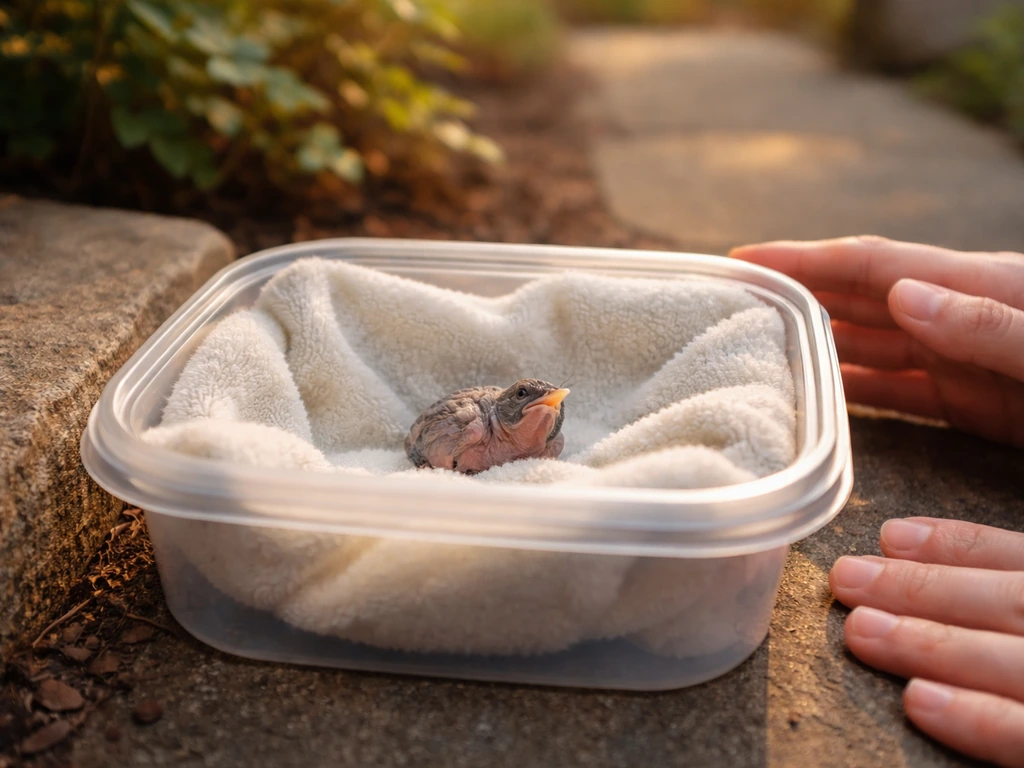
If a cat has just attacked a bird and you're looking at it right now, here's the short version: remove all pets from the area, pick the bird up with a cloth or towel using minimal handling, put it in a ventilated box in a warm, dark, quiet spot, and call a wildlife rehabilitator or avian vet immediately. Cat bites are a medical emergency for birds, even when the injuries look minor. Every minute counts, so the goal of the next few minutes is stabilize, contain, and get professional help, not treat the bird yourself.
How to Save a Bird After a Cat Attack: First Aid Steps
Marcus Holloway
20 Apr 2026
Step one: secure the scene before you touch anything
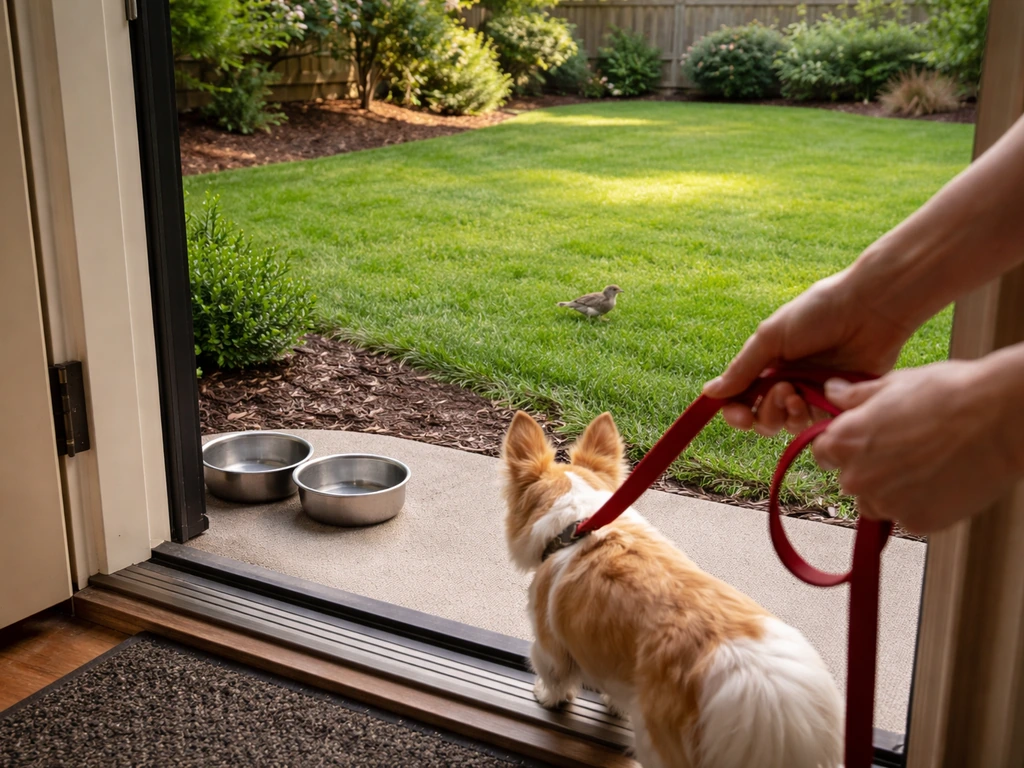
Before you approach the bird, get every cat, dog, and other pet out of the area. This sounds obvious, but people often rush to help the bird while the cat is still circling. A second attack can happen in seconds and will make things much worse. Bring pets inside, close doors, and make sure the space is clear.
Once the area is safe, take five seconds to observe the bird from a short distance before touching it. Look for the main injury signals: drooping or hanging wing, inability to stand, labored or open-mouth breathing, eyes closed with fluffed feathers, visible wounds, or a bird that is simply sitting still and not trying to flee. Any of these tells you the bird is in distress and needs immediate help, not just a moment to recover on its own.
A bird that has just been attacked by a cat is also likely in shock. Shock causes stillness, not just injury, so do not assume a quiet bird is fine. A bird in shock may look calm but is actually in a critical state. Triage quickly and move on to containment.
How to pick up the bird without making things worse
Use a light towel, cloth, or even a jacket to pick the bird up. Never grab a bird with bare hands if you can avoid it. Draping a towel over the bird first and then scooping it up from underneath is the safest approach. This reduces the bird's visual stimulation and panicking, protects you from scratches and bites, and keeps the bird from thrashing and injuring itself further.
Wrap the bird gently but securely enough that it cannot flap or fall. Hold it against your body in a cupped hold, keeping the wings against its sides. Do not squeeze. The goal is to prevent movement, not restrict breathing. Handle it only as much as needed to move it into temporary containment.
One practical note: birds can carry bacteria including Chlamydia psittaci, which can cause a respiratory illness in humans. After handling birds or bird supplies, wash your hands right away to help reduce the risk of germs spreading blank" rel="noopener noreferrer">bacteria including Chlamydia psittaci. blank" rel="noopener noreferrer">Wash your hands thoroughly after handling any wild bird, and avoid touching your face while you're handling it.
Quick wound check: what to look for
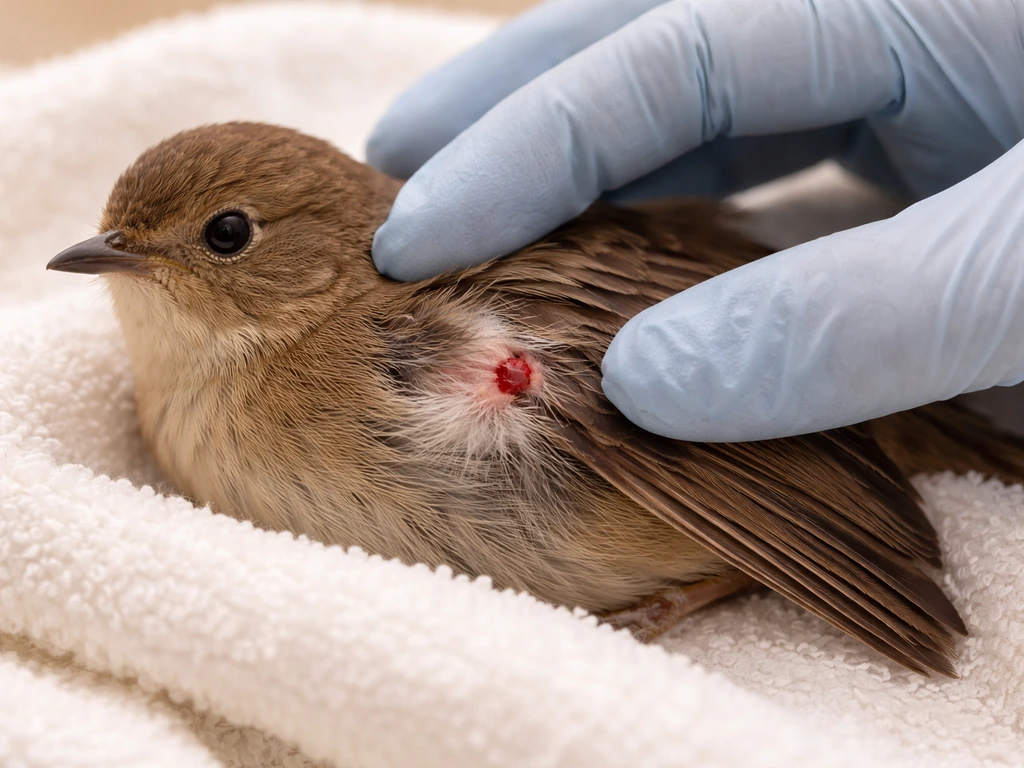
You are not doing a full medical exam here. You are doing a fast visual check to understand what you're dealing with, because that information will help when you call a rehabilitator or vet. Look for these things:
- Puncture wounds: small, deep holes from cat fangs, often harder to see than they are serious
- Scratches: visible claw marks on skin or where feathers are torn away
- Bleeding: any active blood, especially around the head, body, or wing joints
- Broken or drooping wing: one wing hanging lower than the other or held at an odd angle
- Breathing problems: labored, rapid, or open-mouth breathing
- Inability to stand or perch: legs giving way or the bird lying on its side
- Eye injuries: closed eyes, swelling around the eye, or obvious damage
Do this check quickly. You are looking, not prodding. Avoid turning the bird over repeatedly or extending injured limbs to get a better view. The less handling at this stage, the better.
Controlling bleeding and basic wound care
If there is active bleeding, apply gentle, direct pressure with a clean cloth or a piece of sterile gauze. Hold it firmly in place for a few minutes without peeking too often, since lifting the cloth repeatedly disrupts clot formation. Do not use a tourniquet on a bird. The goal is steady, gentle pressure, not forceful compression.
If the bleeding stops, leave the wound alone. Do not try to flush it out or bandage it yourself beyond keeping light pressure on if needed. If you have sterile gauze, you can place a small piece lightly over an open wound before placing the bird in its box.
Here is the critical rule for cleaning: do not use hydrogen peroxide, rubbing alcohol, or any antiseptic product on the wound. These substances damage healthy tissue in birds and can make things significantly worse. Plain water, used very gently if absolutely needed to clear debris away from the skin around a wound, is the outer limit of what you should do. In most cases, leave the wound alone and let the vet or rehabilitator clean it properly.
Cat puncture wounds are especially dangerous because the small entry point can seal over quickly while bacteria are trapped deep under the skin. What looks like a tiny scratch can become a life-threatening abscess within 24 to 48 hours. This is the main reason a cat-attacked bird needs professional care even when it looks like it might be okay.
What not to do (this list really matters)
There are a handful of well-meaning mistakes that people make when they find an injured bird, and several of them can be fatal. Here is what to avoid:
- Do not give the bird food or water. An injured bird will not eat, and forcing food or water can cause aspiration (liquid entering the lungs) and kill it. This applies even if the bird seems alert.
- Do not give any medication, including over-the-counter pain relievers. These are toxic to birds.
- Do not use hydrogen peroxide, alcohol, or any antiseptic cleanser on wounds.
- Do not try to splint or bandage broken wings or legs yourself unless you have wildlife first-aid training.
- Do not keep the bird in a cardboard box with no ventilation, or in direct sunlight or near a direct heat source like a heating pad placed under the bird.
- Do not let children or other pets near the box once the bird is contained.
- Do not decide to nurse the bird back to health yourself. Cat bites almost always require antibiotics, and that means professional care.
The impulse to do more is understandable, but for a cat-attacked bird, the most effective thing you can do is stabilize and transport, not treat.
Setting up safe temporary housing
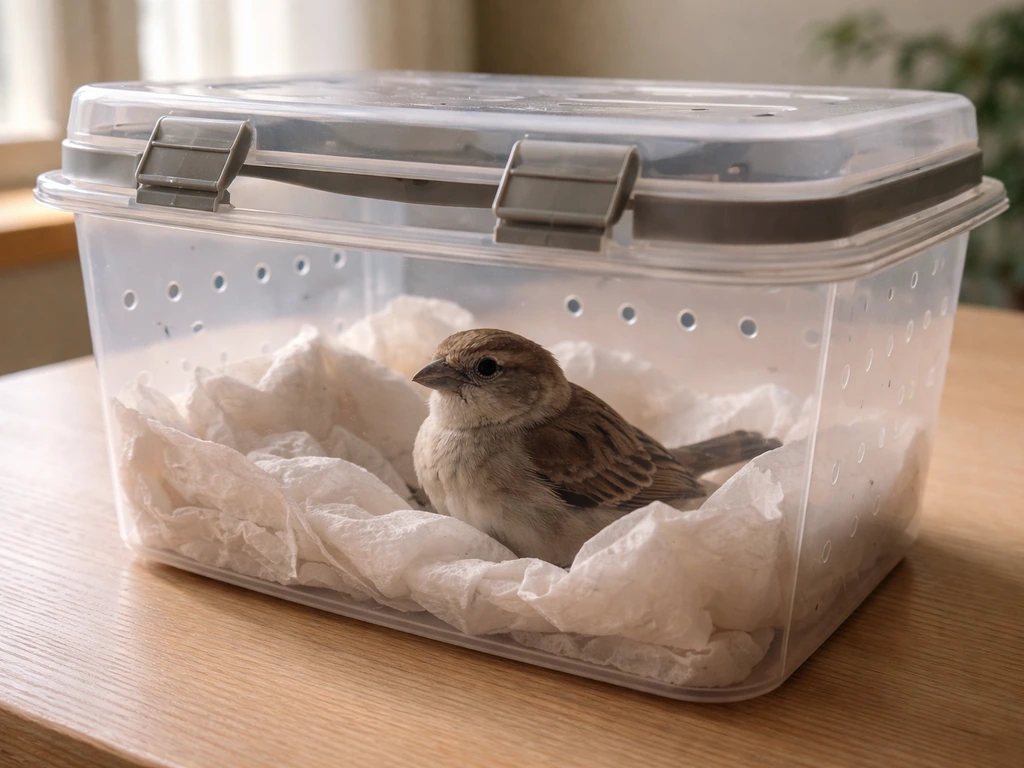
While you make calls, the bird needs to be in a container that keeps it calm, warm, and unable to injure itself further. Here is how to set that up correctly.
The right box
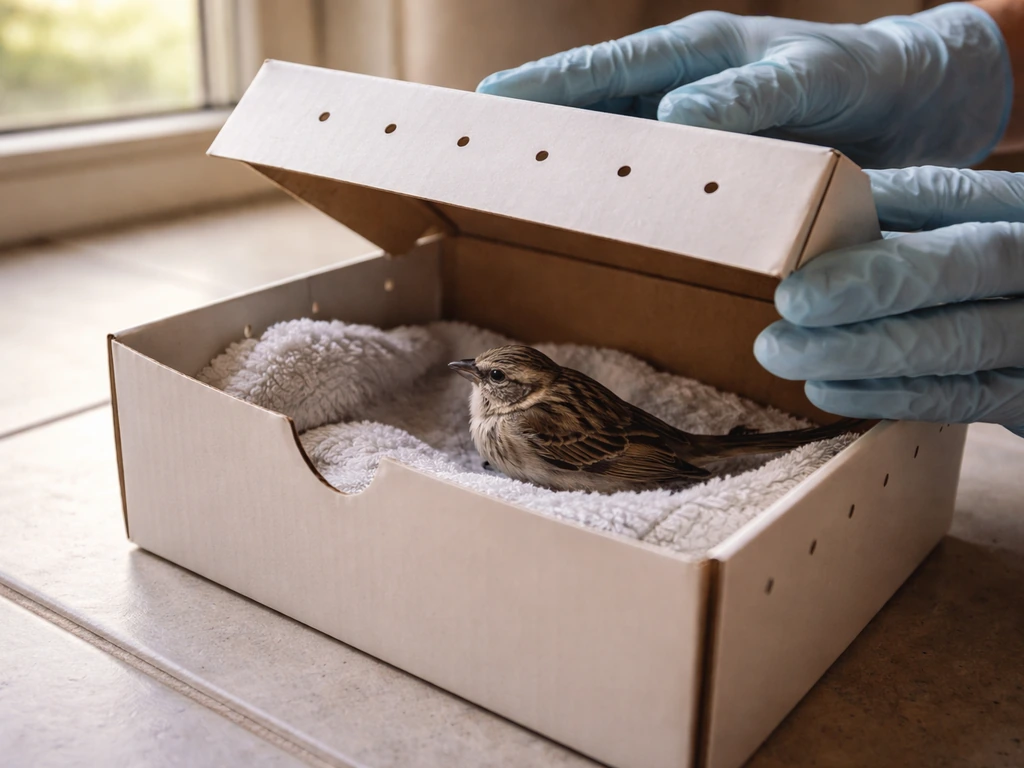
Use a cardboard box or plastic container with a lid. Punch or cut several small holes in the sides for ventilation, keeping the holes small enough that the bird cannot get a wing or foot caught. Line the bottom with a soft, non-looped cloth like a t-shirt or paper towel. Avoid terrycloth towels with loops, since bird feet can catch in the loops.
Temperature and environment
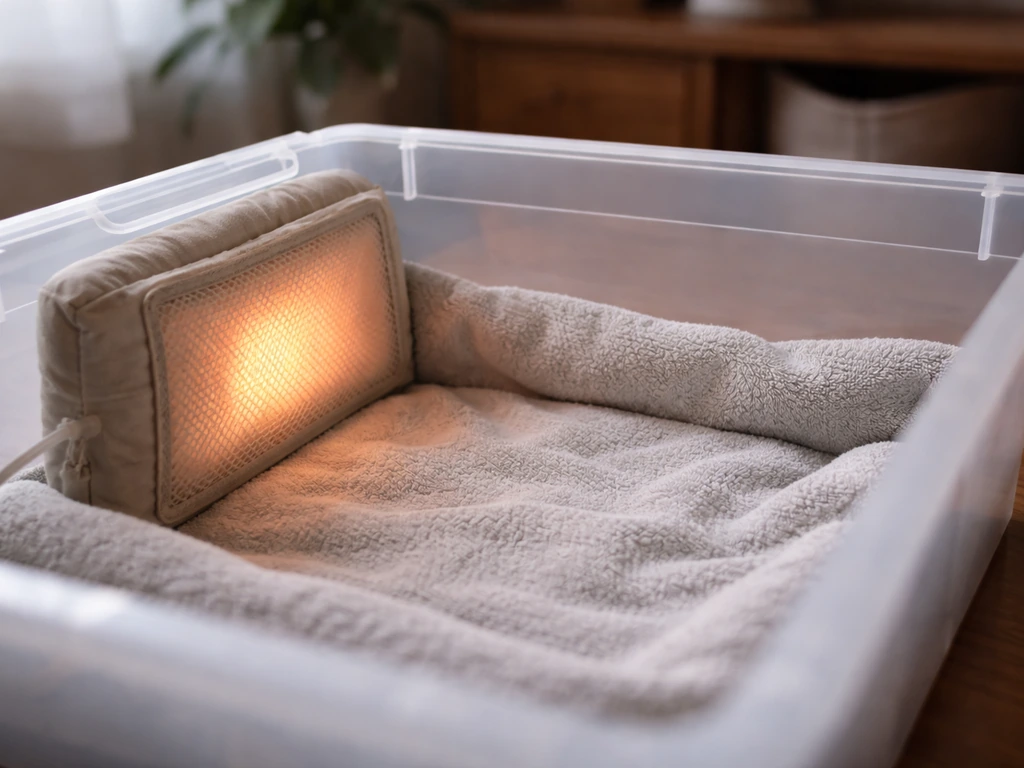
Aim for a box temperature of around 80 to 90 degrees Fahrenheit for a small injured bird. The easiest way to achieve this safely is to place a hand warmer or a heating pad on the lowest setting under one half of the box, not the entire bottom. This lets the bird move to a cooler section if it gets too warm. Never place the bird directly on a heat source, and never put the box in direct sun. Cover the box with a light towel or cloth to darken the interior.
Location
Put the box in a quiet, indoor room away from pets, children, loud music, and foot traffic. Darkness calms birds and reduces the stress response that can worsen shock. Once the bird is in the box, leave it alone. Resist the urge to check on it every few minutes. Every time you open the box, you are adding stress.
Getting professional help, and how fast to move
You need to make these calls now, ideally while someone else is setting up the box. Cat-attacked birds deteriorate fast, and a wound that looks minor can become septic within hours.
- Search for a licensed wildlife rehabilitator in your area. In the US, the National Wildlife Rehabilitators Association (NWRA) and the Wildlife Rehabilitators directory on the USFWS website are good starting points. Many states have wildlife hotlines.
- Call your nearest avian veterinarian if you cannot reach a rehabilitator immediately. Not all general practice vets treat wild birds, so specify it is a wild bird and a cat attack.
- If it is after hours, leave a message explaining you have a cat-attacked bird and ask about emergency intake. Some clinics have emergency contacts or can refer you to someone on call.
- Animal control agencies and local humane societies sometimes have wildlife contacts or can take the bird for transport to a rehabilitator.
When you call, give the person this information: what kind of bird it is if you know, that it was attacked by a cat (this tells them to expect puncture wounds and infection risk), what injuries you can see, how long ago the attack happened, and your location. That is everything they need to advise you on next steps and prioritize intake.
If you get through to a rehabilitator or vet, ask whether they want you to bring the bird immediately or hold until morning. In most cat-attack cases, they will want the bird the same day. Cat bites carry bacteria like Pasteurella multocida that can cause septicemia in birds within 24 to 48 hours, so time genuinely matters here in a way that it might not for, say, a window-strike injury.
Cat attack vs. other bird injuries: why this one is urgent
It is worth understanding why cat attacks get special urgency compared to some other bird emergencies. If you have read about helping birds in other situations, such as a bird that has flown into a window or a fallen nestling, the advice there often includes giving the bird an hour to recover on its own in a quiet place.
If the bird is a newborn or a fallen nestling, the same emergency timing applies, and you should focus on safe containment and quick professional help rather than home care how to save a newborn bird. If the bird is a hatchling, the timing and safe handling priorities are similar to how to save a hatchling bird, even though the underlying situation may differ. how to save a newborn bird.
If you are dealing with a small bird that cannot be left alone, the safest approach is the same: safe containment and quick professional help how to save a small bird. That approach can work for concussion-type situations.
Cat attacks are different because of infection. Cat claws and teeth introduce bacteria deep into tissue. Even a bird that seems to stabilize and appears more alert after an hour can be in serious trouble from infection developing below the surface. The general guidance to wait and see does not apply here. A cat-attacked bird should be seen by a professional the same day, period. Learning how to save a newborn bird is similar in urgency and handling, but the safest steps depend on whether the bird is truly a nestling or an injured fledgling.
Monitoring the bird until help takes over
Once the bird is boxed, warm, and quiet, your job shifts to monitoring from a distance while you arrange transport. Here is what to watch for without disturbing the bird constantly.
| What to monitor | What's okay | What signals a crisis |
|---|---|---|
| Breathing | Steady, regular breaths with beak closed | Open-mouth breathing, gasping, or gurgling sounds |
| Posture | Upright or resting naturally | Lying on side, unable to right itself |
| Temperature | Box feels warm but not hot | Bird feels cold or is shivering; box is overheating |
| Movement | Minimal movement, resting | Seizure-like trembling or thrashing in the box |
| Eyes | May be closed while resting | Eyes sunken, or bird is completely unresponsive |
If you notice breathing problems, seizures, or the bird becoming unresponsive, call the vet or rehabilitator back immediately and describe what you are seeing. Do not wait until your scheduled transport time.
During transport, keep the box on the seat next to you or on the floor, covered, away from vents blowing directly on it. Drive smoothly. Keep the car quiet, no loud music. The box should not be sliding around.
After you hand the bird off
Once the bird is with a professional, your role is essentially done. Ask the rehabilitator or vet if they take calls for updates, since some facilities can give brief progress reports and others cannot due to caseload. If they do not take follow-up calls, respect that and understand that the bird is in the best possible hands.
If you have a cat that was responsible for the attack, this is a good moment to think about keeping it indoors, or supervising outdoor time. Cats are highly effective bird hunters and a single cat can injure many birds before it is ever noticed. It is not a judgment, it is just a practical fact worth acting on.
Finding an injured bird can be upsetting, especially when it happened because of a pet. You did the right thing by stopping to help. The best outcome for the bird is almost always getting it to a trained rehabilitator as quickly as possible, with minimal handling and no misguided home treatment in between. That is exactly what this guide is designed to help you do.
FAQ
Should I keep the bird in a ventilated box even if it seems alert after 10 or 20 minutes?
Yes. After a cat attack, infection can develop under the skin even if the bird looks calmer later. Keep it warm, dark, and contained, and continue to plan for same-day care. Re-checking constantly is discouraged, but if breathing worsens or the bird goes limp, call the vet or rehabilitator again immediately.
What if the bird is bleeding and I can’t get a clean cloth or sterile gauze right away?
Use the cleanest available material that will not shed fibers (a freshly washed soft cloth or clean gauze). Apply steady, gentle pressure to the bleeding site for a few minutes. Avoid soaking the wound, and do not use peroxide or alcohol. If bleeding is heavy or won’t slow, prioritize urgent veterinary or rehabilitator direction.
Can I give the bird water, food, or antibiotics at home while I wait?
Do not. Do not offer food or water, because many injured birds cannot swallow safely and fluids can worsen breathing problems. Do not give human or pet medications. If the bird is responsive enough to drink, a professional should still decide, since hydration and dosing depend on species and injury type.
What if the bird has no obvious puncture wounds, just a small scratch from the cat?
Still treat it as urgent. Cat bites and punctures can be tiny and may seal over while bacteria remain deep, turning into an abscess within 24 to 48 hours. Plan on same-day professional care even if the surface injury seems minor.
Is it okay to flush the wound with water to remove dirt or cat saliva?
Only as a last resort, very gently, and only around debris on the outer skin. The usual rule is to avoid cleaning the wound yourself, because many antiseptics and disinfectants damage tissue. If you can leave it alone and transport quickly, that is safer than repeatedly rinsing.
How warm should the bird be if it is panting, or if I’m not sure whether it’s too hot or too cold?
Aim for about 80 to 90°F in the box, with heat coming from only part of the base so the bird can move to a cooler section. If the bird is very hot or panting with mouth open, move the heat source so it is less intense, or remove the warmer and let the bird use room temperature in the box. Do not place the bird directly on heating pads or hot objects.
Can I use a hair dryer, heat lamp, or sun-warming to keep the bird alive while I transport it?
No. Do not use direct heat sources or sun exposure, because overheating can happen quickly and worsen shock. Use indirect warmth under one half of the container (hand warmer or low heating pad placed beneath part of the box) and keep the bird covered to darken the interior.
How do I handle the bird if it is flapping or trying to escape from the towel?
Stabilize it with minimal handling. Use a towel or cloth to scoop it up, then hold it in a cupped grip with wings against its sides, without squeezing. Keep it secure enough that it cannot flap or fall, then place it immediately in the ventilated box. If it is thrashing, avoid repeated repositioning, and focus on getting it contained fast.
What if I can’t identify the bird species, or I only have a vague idea?
You can still call. Provide size estimate (small songbird, sparrow-sized, pigeon-sized), color patterns if you noticed them, and where you found it. Even without species certainty, professionals use the cat-attack context plus visible injuries, time since attack, and location to advise next steps.
Should I attempt to bandage the wound or close it with glue or tape?
No. Do not bandage like you would for a human, and do not close puncture sites yourself. After a cat attack, the priority is stabilization and transport, gentle external pressure for active bleeding only, then leaving the wound alone so a professional can clean and treat correctly.
How can I tell if the bird is worsening while it’s in the box, without opening it repeatedly?
Use limited checks at a distance. Watch for changes you can see through the covering, such as labored breathing, sudden drooping, repeated open-mouth breathing, or becoming unresponsive. If you notice breathing problems, seizures, or loss of responsiveness, call the rehabilitator or vet right away instead of waiting.
Is there anything I should do about my cat after the attack incident?
After the bird is safe, supervise or keep your cat indoors to prevent further hunting. Also consider cleaning up where the cat attacked and washing your hands before touching your face or other pets, since saliva and bacteria can spread.
Next Article
How to Save a Newborn Bird: Humane Step-by-Step Care
Humane step-by-step care for newborn birds: identify nestling vs fledgling, keep warm, safe feeding, reunite, and when t