If you just found a small bird and need to act now: don't panic, don't feed it, and don't assume it needs rescuing yet. Most small birds found on the ground are fledglings that are supposed to be there.
How to Save a Small Bird: Immediate Steps and Red Flags
Marcus Holloway
24 Apr 2026
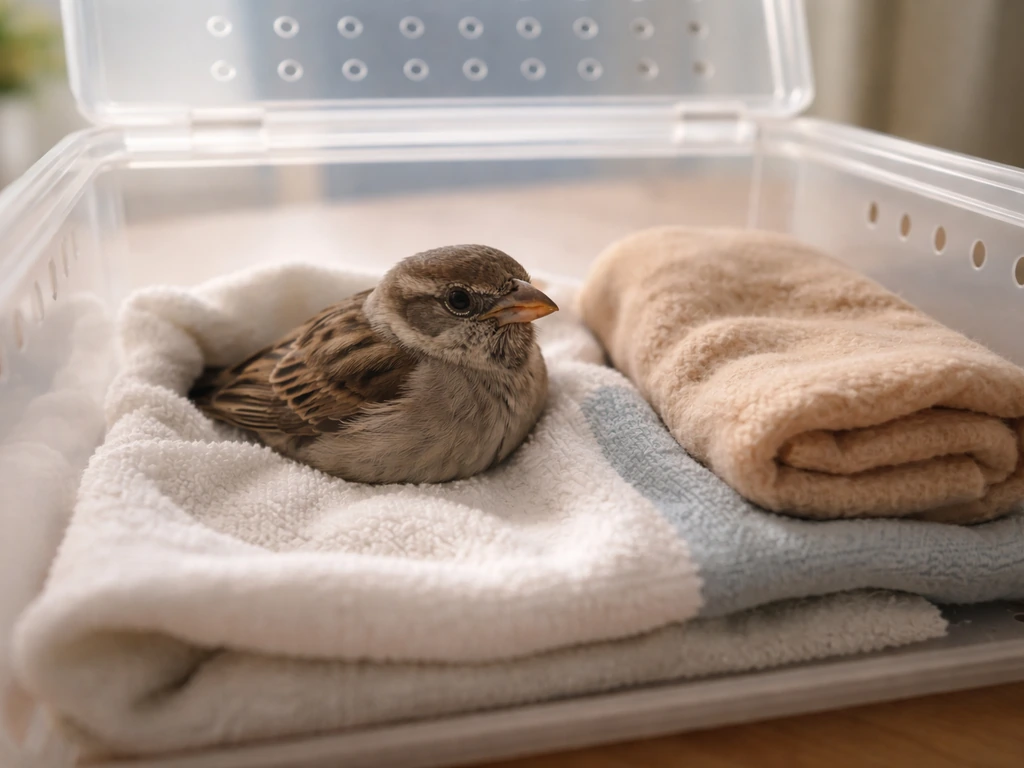
The RSPCA notes that fledglings typically have nearly all their feathers, leave the nest, and it can be normal to see them on the ground fledglings have nearly all their feathers and it can be normal to see them on the ground.
Your job in the first few minutes is to assess whether the bird is genuinely in danger, keep it safe from immediate threats, and get it to a licensed wildlife rehabilitator as quickly as possible. Everything else comes after that.
First: is the bird actually in trouble?
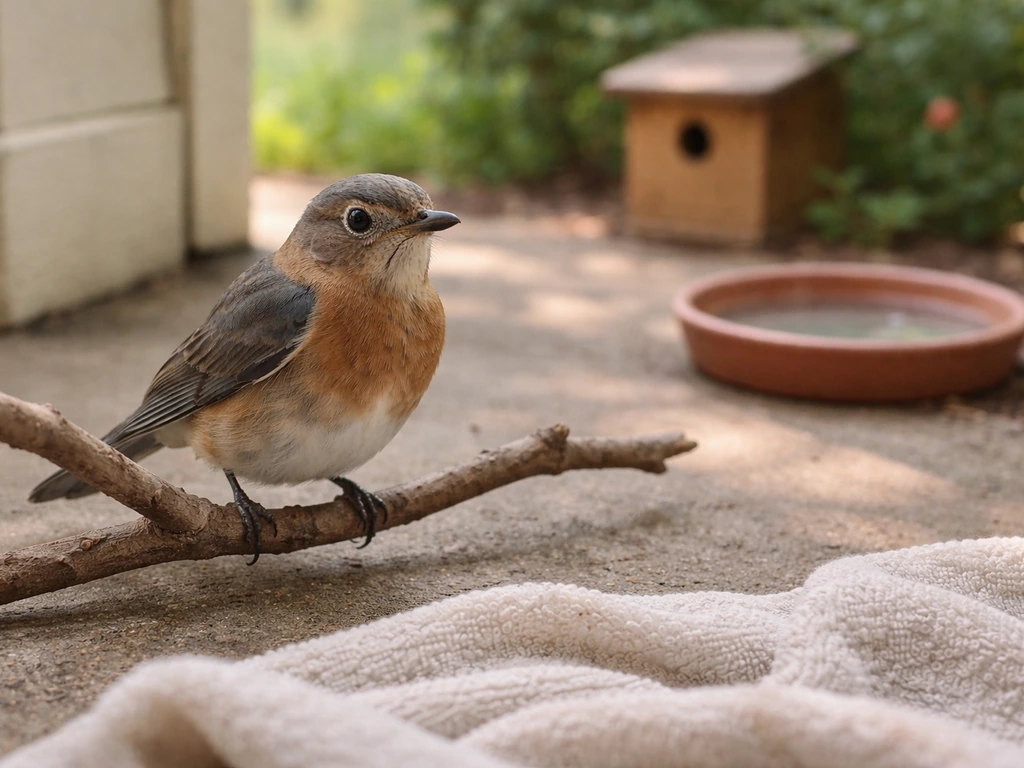
Before you touch anything, take 60 seconds to look at the situation. A lot of well-meaning rescues turn into unnecessary stress for birds that were perfectly fine. The U.S. Fish and Wildlife Service is direct about this: most baby birds do not need your help unless they are featherless or have their eyes closed.
Ask yourself these questions quickly:
- Does the bird have feathers? A fully or mostly feathered bird hopping on the ground is almost certainly a fledgling learning to fly. Its parents are likely watching nearby and will continue to feed it on the ground for days. Leave it alone.
- Is it featherless or covered only in fluff, with eyes closed? That is a nestling that has fallen out of the nest. It does need help.
- Is it bleeding, holding a wing at an odd angle, or unable to move? Those are signs of injury regardless of age.
- Was it attacked by a cat or dog? Even if it looks fine, cat and dog bites carry bacteria that are almost always fatal without immediate treatment.
- Is it sitting in the open in traffic, near a predator, or in another immediate danger? Then you need to act, even if the bird seems otherwise okay.
If the bird is feathered and hopping around, the RSPCA recommends watching from a distance for at least an hour before intervening. Parents won't return if you're standing over the bird. Step back, watch quietly, and see if an adult bird comes to feed it. More often than not, the family is already there.
Immediate safe actions at the scene
If the bird does need help, your first priority is reducing immediate danger, not picking it up. Survey the area. Is there a cat, dog, or open road nearby? Move the hazard or the bird before anything else.
If the bird has fallen from a visible nest and appears uninjured, you can gently place it back. The myth that parent birds will reject a baby that has been touched by humans is completely false. Birds have a very poor sense of smell and will not abandon a chick because you handled it.
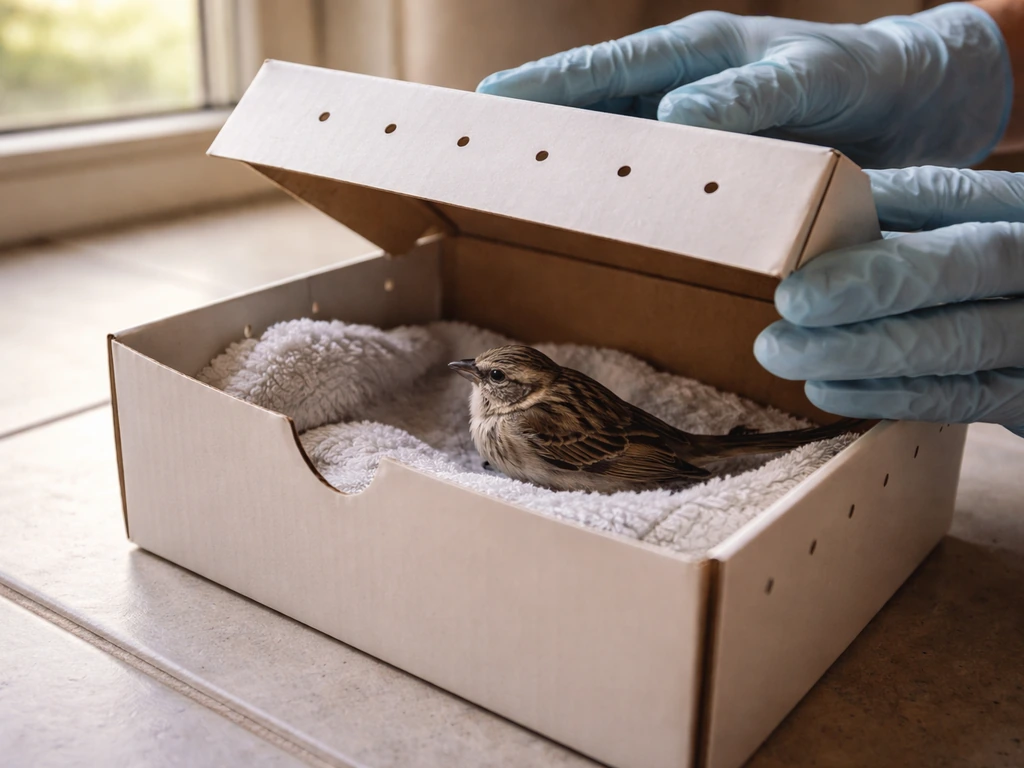
If you can't reach the nest, or the bird is injured, contain it safely. Use a small cardboard box with a few air holes poked in the lid. Line the bottom with a paper towel or a soft cloth. If you need to pick the bird up, use gloves or a light towel and handle it as little as possible. Avoid squeezing, and keep the bird upright. Minimize noise and movement around it. Stress alone can kill a small bird.
Keep pets and children away from the area immediately. This is not optional. A cat that re-grabs a bird you just rescued can undo everything in seconds.
Temporary housing and warmth (done right)
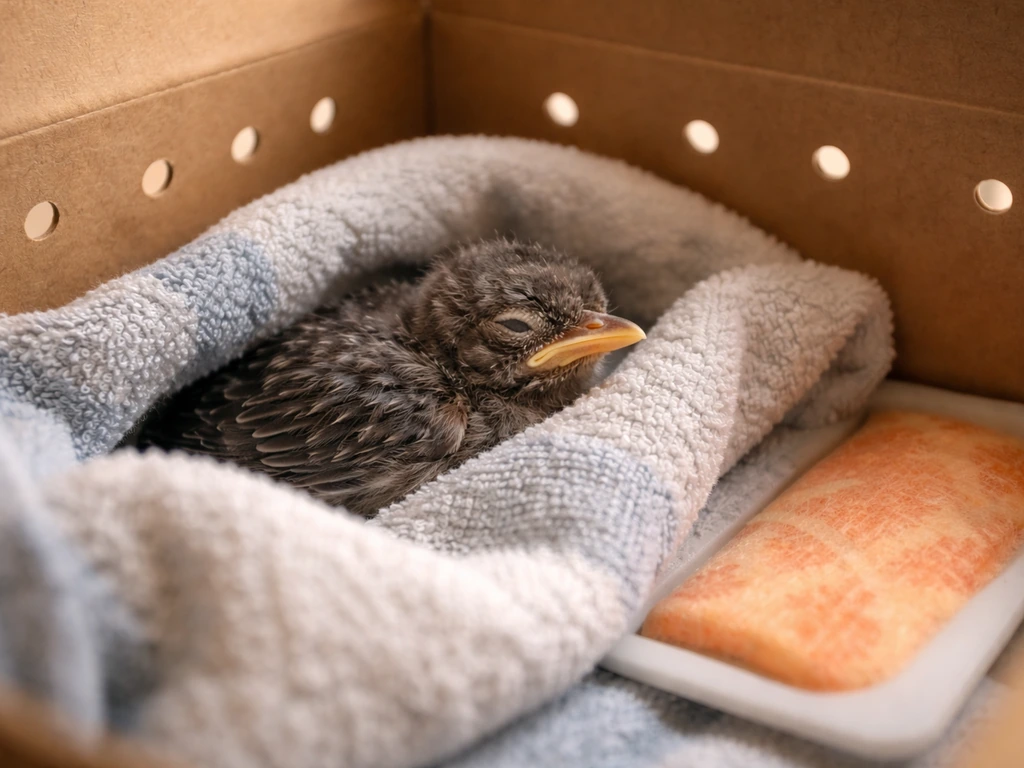
Small birds, especially nestlings, lose body heat very fast. Getting a chilled bird warm is genuinely life-saving. But it needs to be done carefully so you don't overheat or stress the bird further.
Use a ventilated cardboard box, not a wire cage or glass tank. Wire cages cause feather damage and let too much heat escape. A sealed glass tank traps CO2. A cardboard box with a few small air holes punched in the sides is ideal. Line it with a paper towel or a thin cloth, not newspaper, which is slippery and can injure feet.
For warmth, place a heating pad set to its lowest setting under half of the box, or use a microwaveable rice sock or a hot water bottle wrapped in a towel and placed next to the bird inside the box. The key is giving the bird a warm side and a cooler side so it can regulate its own temperature. Never place the heat source directly under the bird with no cooler escape area. A good target temperature is around 85 to 90 degrees Fahrenheit for a featherless nestling.
Once the bird is contained, keep the box in a dark, quiet room, away from TVs, kids, other pets, and loud conversations. Dark and quiet dramatically reduce stress. Do not keep checking on it every few minutes. Set it up, then leave it alone while you make calls.
Food and water: what the experts all agree on
This is where most people make the biggest and most dangerous mistake. Do not feed the bird. Do not give it water. This applies to almost every situation you will encounter with a found wild bird, and the reasoning is solid.
Audubon, the RSPCA, Carolina Waterfowl Rescue, and virtually every licensed rehabilitator say the same thing: feeding a bird the wrong food, or giving water to a bird that is in shock or too weak to swallow properly, can cause irreversible harm. Birds can aspirate water directly into their lungs. Feeding bread, milk, worms pulled from a lawn, or random seeds to the wrong species at the wrong developmental stage can cause injury or death. The gut of a stressed, chilled, or injured bird often isn't working properly anyway, which means food sits and causes harm instead of helping.
The only exception is if you are specifically instructed to feed by a licensed wildlife rehabilitator who knows the species and stage of the bird. Carolina Waterfowl Rescue also advises that you do not offer found animals water or food unless you are instructed by a trained rehabber if you are specifically instructed to feed. Even then, they will tell you exactly what to offer and how. Until you have that conversation, keep the box closed and your hands away from the food.
If you're dealing with a very young bird (a hatchling or nestling with no feathers), the feeding situation is even more specialized. Topics like how to save a newborn bird or how to save a hatchling bird get into more detail on the specific needs of those youngest stages, because they require very different handling than a fledgling or an injured adult.
Quick reference: what not to do with food and water
- Do not give water by dropper, syringe, or dipping the beak
- Do not offer bread, crackers, seeds, or dog/cat food unless instructed
- Do not offer milk of any kind
- Do not try to replicate what you think the bird eats in the wild without expert guidance
- Do not assume a bird looks hungry and needs food urgently — warmth and quiet are more immediately important
Handling, transport, and reaching the right help
Your goal is to blank" rel="noopener noreferrer">get this bird to a licensed wildlife rehabilitator as fast as possible. If you are wondering how to save a bird, the fastest path is contacting a rehabilitator instead of trying to treat it yourself get this bird to a licensed wildlife rehabilitator. These are trained, permitted professionals who know how to stabilize, feed, and eventually release wild birds. They are not the same as a general vet, though many emergency vets can help in a pinch.
To find a rehabilitator near you, try these steps:
- Search online for 'wildlife rehabilitator near me' or 'bird rehab [your city/county]'
- Call your state or regional wildlife agency — they maintain lists of licensed rehabilitators by county
- Contact your local animal control or humane society and ask for a referral
- Try national directories like the Wildlife Rehabilitators Association in your region, or check with your state fish and wildlife department's website
- If you're in the US, the USFWS maintains a list of wildlife rehabilitators by location
When you call, be ready to describe the bird's approximate size, whether it has feathers, how you found it, and any visible injuries. The rehabilitator will walk you through the next steps for your specific situation, including whether to bring it in immediately or hold it overnight.
For transport, keep the bird in the ventilated box with its heat source. Place the box on the seat next to you rather than the trunk if you can, so you can monitor for unusual sounds. Drive calmly, keep the radio off, and avoid sudden stops. The quieter and darker the ride, the better the bird's chances.
If you found the bird after a cat attack specifically, speed matters even more than usual. Cat saliva contains bacteria (particularly Pasteurella) that can kill a bird within 24 to 48 hours even from a puncture wound you can barely see. Do not wait to see how it does. Call a rehabilitator or emergency vet the moment you have the bird contained.
Red flags: when to stop DIY and get help immediately
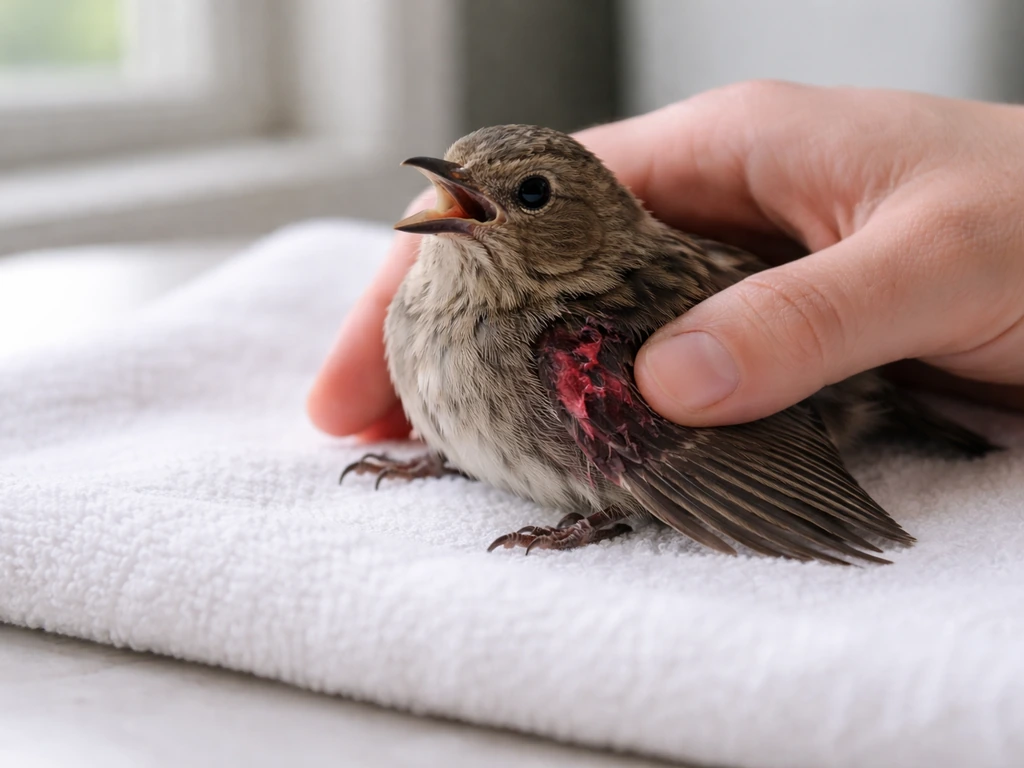
There are situations where home stabilization is not enough, and waiting even a few hours to reach a rehabilitator may cost the bird its life. These are the signs that require you to call for emergency help right now, not tomorrow morning.
| Red Flag | Why It's Urgent |
|---|---|
| Active bleeding that doesn't stop | Blood loss and shock can kill a small bird in minutes |
| Visible broken bone or deformity | Needs proper splinting and pain management immediately |
| Cat or dog bite or puncture wound (even small) | Bacterial infection is almost always fatal without antibiotics within hours |
| Maggots or fly eggs visible on the bird | Indicates the bird has been there for some time and is in serious condition |
| Head tilting, circling, or seizure-like movements | Points to neurological injury or severe illness |
| Large bubbles under the skin | May indicate a serious internal injury or air sac rupture |
| Bird is completely unresponsive to touch | Deep shock — needs professional intervention urgently |
| Featherless nestling that has been cold for more than 30 minutes | Hypothermia in nestlings becomes life-threatening quickly |
Virginia's Department of Wildlife Resources lists broken bones, bleeding, deformity, cat puncture wounds, maggots, head tilting, and large skin bubbles as signs requiring immediate care from a wildlife veterinarian or rehabilitator. If you see any of these, call before you do anything else.
If you can't reach a rehabilitator and the bird is in one of these states, call an emergency vet clinic and explain what you have. Many will advise or treat on an emergency basis. Stopping bleeding by applying gentle, steady pressure with a clean cloth is one of the few things you can do safely at home while you make those calls.
The hardest thing to accept is that not every bird can be saved, even with the right help. But giving a small bird warmth, quiet, safety from predators, and fast access to expert care gives it the best possible chance. If you want a simple checklist version of these steps, see the guide on how to save bird for what to do first and what to avoid. That is genuinely the most useful thing you can do. Follow the steps in this guide to learn how to save a wild bird safely and avoid common mistakes.
FAQ
How do I tell if a feathered bird on the ground is a fledgling that should be left alone?
If it is feathered and acting alert, it is often a fledgling. A useful rule is to watch from a distance for around an hour while keeping people and pets away, then step in only if it is clearly threatened (road, predators, severe cold, or obvious injury). If you cannot safely watch, contain it only when you must, then call a rehabilitator right away.
What if I warm the bird and it seems too hot?
Yes, overheating can be as dangerous as being too cold. Use a warm side and a cooler side in the box, check that the box is not hot to the touch, and start with the lowest heat setting. If the bird seems overheated (very alert, unusually restless, or panting), turn the heat source down or remove it while you continue contacting help.
Can I give antibiotics, vitamins, or pain relief to help a found bird?
Do not attempt to give medications or vitamins, and do not try to trim, clean, or “treat” wounds. A wound can bleed internally, or cleaning agents can worsen tissue damage. The safest home action is to keep the bird contained, warm, and quiet, and then follow the rehabilitator or emergency vet’s instructions.
What is the safest way to house a small bird temporarily while I call for help?
For containment, avoid wire cages and glass tanks, because they increase stress and temperature problems. Also avoid placing the bird on loose fabric where it can get its feet tangled. Use a ventilated cardboard box, keep it dark, and ensure the bird stays upright or supported without squeezing.
Does the advice change if the bird is hatchling or nestling with no feathers?
If the bird is featherless (hatchling or nestling), it is more sensitive to temperature and needs faster expert guidance. Contact a wildlife rehabilitator immediately, keep it warm with a warm-side setup, minimize handling, and keep the box closed so it stays calm and warm while you arrange delivery.
What should I do if the bird hit a window or shows signs of concussion?
If you suspect a window strike, do not feed or give water, and treat it as urgent because internal injuries and concussion can worsen quickly. Keep it in a dark, quiet ventilated box, reduce handling, and contact an emergency vet or wildlife rehabilitator, especially if the bird is staggering, has broken feathers, or cannot stand.
I found a wet bird, should I dry or “drain” it manually?
If you find a bird in a pool, pond edge, or wet ground, first prevent chilling by containing it in a ventilated box with gentle warmth on one side, then call for help. Do not force water out of the beak with your hands, and do not try to dry it with a hair dryer or towel rubbing, since both can increase stress and injury.
Can I keep a small bird at home until it recovers enough to release?
Do not try to keep it for weeks or “rehabilitate yourself.” If you cannot reach a rehabilitator immediately, your goal is short-term stabilization only (warm, quiet, contained, safe from predators) until a licensed facility can take over. Many areas also have legal requirements that protect wildlife.
Should I always put a fallen baby bird back in the nest?
If the bird is injured or has visible deformity, do not try to re-seat it into a nest. For nest falls that appear uninjured, you can gently place it back if you can access the nest, but for anything injured, keep it contained and contact a rehabilitator to prevent worsening injuries.
What’s the fastest action if I suspect a cat attack?
For a cat attack, time is critical because bacteria can act within a day even with tiny punctures. Contain it, keep it warm and quiet, and contact an emergency vet or wildlife rehabilitator immediately. Do not wait for symptoms to “show up,” and keep the box away from other animals during transport.
What can I safely do at home if the bird is bleeding?
If the bird is bleeding, apply gentle, steady pressure with a clean cloth to slow bleeding while you call for emergency help. Avoid soaking the wound, applying powders, or bandaging too tightly. Once help is arranged, the rehabilitator or vet should assess for deeper injuries.
What if the bird is vocal and keeps trying to move toward hazards?
If the bird is calling loudly in the yard, that can mean parents are nearby or the bird is in distress. Instead of rushing in, watch from a distance first while checking for obvious dangers like traffic, cats, or dogs. If it is repeatedly in danger, contained, and then you call the rehabilitator, you are balancing protection with reduced stress.
Next Article
How to Save a Bird After a Cat Attack: First Aid Steps
Step-by-step humane first aid to save an injured bird after a cat attack, including triage, wound care, and when to get