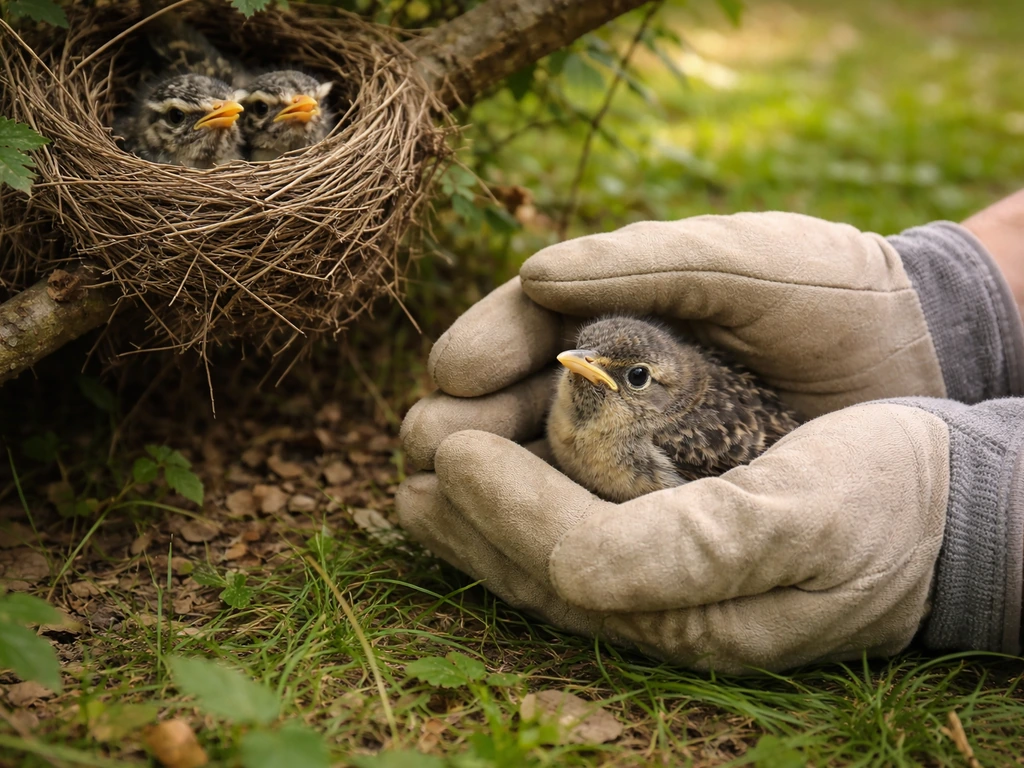
If you just found a fledgling bird, here is the short answer: in most cases, the best thing you can do is leave it alone. Fledglings are not helpless babies, they are young birds that have left the nest on purpose, and their parents are almost always nearby, watching and still feeding them. That said, sometimes a bird really does need help, and knowing the difference can save its life. Here is a step-by-step guide to walk you through exactly what to assess and what to do right now.
What to Do If You Find a Fledgling Bird: Emergency Steps
Marcus Holloway
17 Apr 2026
Is it actually a fledgling, or something else?
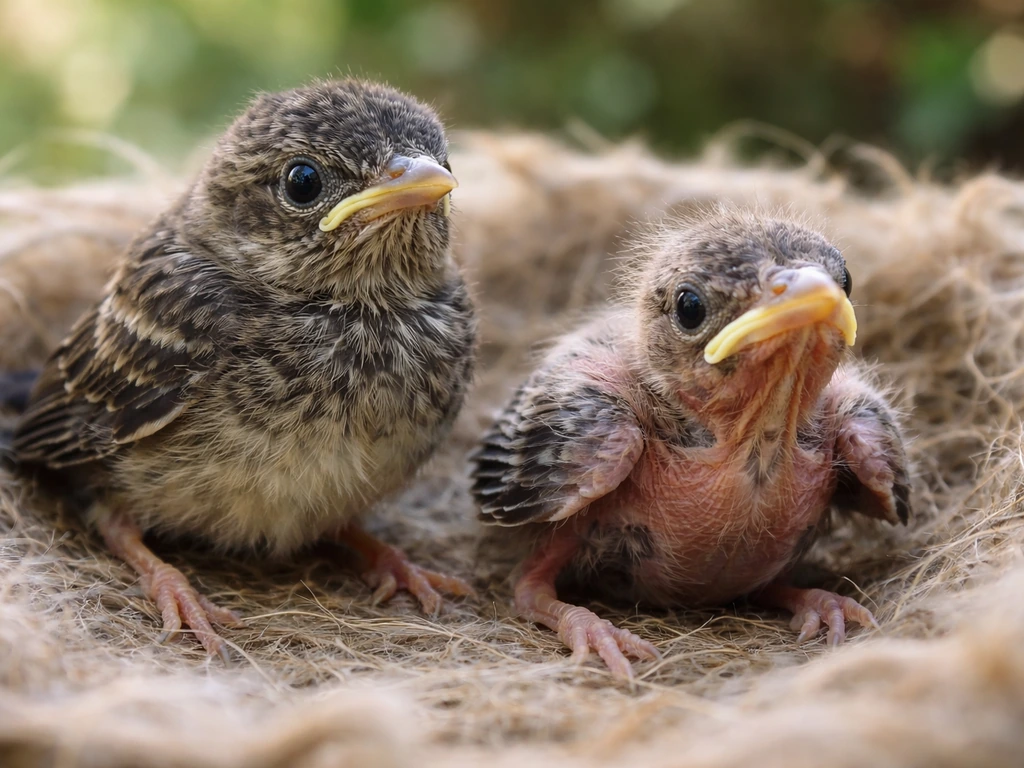
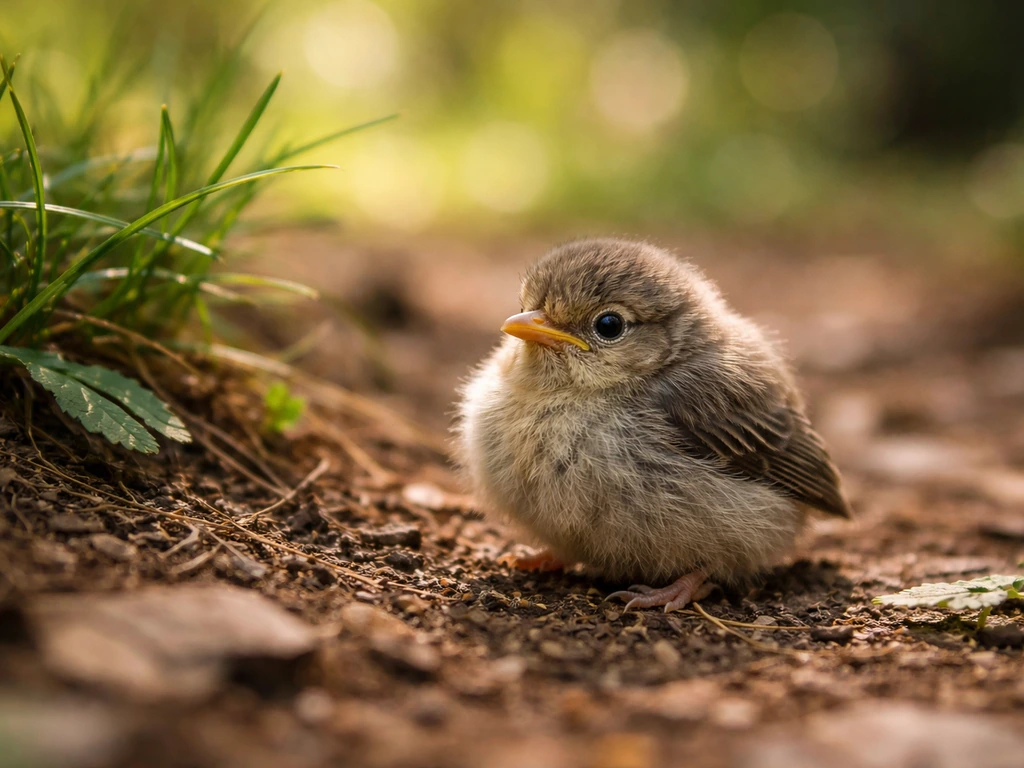
Before you do anything else, figure out what you are dealing with. A fledgling is a young bird that has grown most of its feathers and has voluntarily left the nest. It can hop, grip a branch, and flap its wings, even if it cannot fly well yet. Songbird fledglings often leave the nest two to five days before they can fly, which is completely normal. This is the bird that looks like a small, slightly fluffy version of the adult, sitting on the ground or a low branch, looking lost.
A nestling is a different situation entirely. Nestlings are mostly naked or covered in sparse down, with eyes that may still be closed. If you find a bird like that, it has genuinely fallen or been displaced, and you need to read up on what to do with a bird fallen out of its nest rather than following the fledgling guidance here.
Now, even if the bird you found is a fledgling, you still need to quickly check whether it is injured. Look at it from a short distance first, do not rush in and pick it up. Ask yourself these questions:
- Is there visible bleeding or an open wound?
- Does a wing hang at an odd angle, lower than the other?
- Is the bird shivering, gasping, or lying flat and unable to right itself?
- Is there a dead adult bird nearby (a possible parent)?
- Was it caught or struck by a cat, dog, or other predator?
- Has it been sitting in the same spot, not moving at all, for more than two hours during daylight?
If the answer to any of those questions is yes, the bird likely needs help and you should move to the care and contact steps below. If the answer to all of them is no, and the bird is alert, upright, and has feathers, the most humane thing you can do is back away and leave it alone.
Immediate do's and don'ts when you spot the bird
The single biggest mistake people make is assuming the bird needs rescuing and picking it up right away. Fledglings on the ground are not orphaned just because you cannot see the parents. Adults are often watching from a tree nearby and will come back to feed the bird. Handling stresses the bird, can cause injury, and may actually reduce its chances of survival.
Here is what to do in the first few minutes:
- Step back at least 10 to 15 feet so the bird is not in immediate distress from your presence.
- Keep children and pets away from the area — this is not the time for a closer look.
- Reduce noise around the bird, including loud conversations, music, or phone speakers.
- Watch quietly from a distance for signs of injury (listed above).
- If the bird is in immediate danger from a road or an active predator, gently move it to the nearest safe patch of vegetation using a light cloth or gloves to reduce stress.
Here is what not to do:
- Do not give it food or water — not bread, not worms, not anything. Wrong food can be fatal.
- Do not try to put a fledgling back in a nest — fledglings typically do not return to the nest, and this usually does more harm than good.
- Do not assume it is orphaned just because it is sitting alone on the ground.
- Do not try to raise it yourself — that requires a licensed rehabilitator, not a well-meaning person at home.
- Do not place it in a cage and bring it inside unless you have confirmed it is injured or in danger.
How to make it safe while you figure out next steps
If the bird is clearly injured, has been caught by a predator, or is in immediate danger, you will need to contain it temporarily while you contact a wildlife rehabilitator. This is also the right move if the bird has been observed for two or more daylight hours with no sign of a parent returning.
Use a cardboard box or small pet carrier. Poke several ventilation holes in the sides. Line the bottom with a paper towel or a piece of cloth. Gently place the bird inside using a light towel to cover it as you pick it up, covering the bird reduces panic and stress. Once it is inside, cover the box loosely with a light towel or sheet to keep it dark and calm.
Temperature matters a lot. If the bird feels cold to the touch, place one end of the box on a heating pad set to its lowest setting. This lets the bird move away from the heat if it gets too warm, which prevents thermal injury, a real risk if you use too much heat directly under the whole container. Do not use a heat lamp for this purpose and do not wrap the bird tightly in a warm cloth.
Put the box somewhere quiet and away from household activity. No TV, no radio, no people checking on it every five minutes. Stress alone can kill a wild bird, so the quieter and darker the space, the better until you can get it to a professional.
If the bird appeared healthy and you moved it only because it was in a dangerous location (like a road), consider placing the box or a small open container near the original spot so parents can still locate it. For more detail on handling this specific scenario, this guide on what to do with a fledgling bird on the ground covers the placement decisions in more depth.
The feeding and hydration question
The general rule, backed by nearly every wildlife rehabilitation organization, is: do not feed or water the bird yourself. I know that sounds hard when you are looking at something that appears hungry and helpless, but wrong food and incorrect feeding technique cause more harm than going without food for a short time. Bird diets are highly species-specific, and even a seemingly harmless food like bread or fruit can cause choking, crop impaction, or nutritional injury in baby birds.
The one exception is if you are in a genuinely remote location with no access to a rehabilitator for many hours and the bird is clearly dehydrated or weak. Even then, do not attempt to drip water directly into the mouth, aspiration is a serious risk. Contact a wildlife rehabilitator or emergency vet by phone first and ask for specific guidance before doing anything.
If you are wondering whether the situation calls for how to raise a bird that fell from a nest on your own, the honest answer for most people is that it does not. Raising a wild bird to a healthy, releasable state takes trained foster care, the right diet, and proper socialization. The fastest and kindest path to a good outcome is getting it to a rehabilitator, not attempting to raise it at home.
When to get professional help right now
Some situations require urgent action, not a two-hour wait-and-see. Get the bird to a wildlife rehabilitator or emergency avian vet as soon as possible if you see any of the following:
- Active bleeding or an open wound
- A wing or leg hanging at an abnormal angle (possible fracture)
- The bird was caught in a cat's or dog's mouth, even briefly — cat saliva carries bacteria that cause fatal infection within hours
- The bird is shivering, unresponsive, or cannot hold its head up
- A dead adult bird is nearby and no other adults have been seen
- The bird has been on the ground all day with no parental contact observed
To find a licensed wildlife rehabilitator near you, your state wildlife agency is the best starting point. Most states publish a directory of licensed rehabilitators. You can also use a national database like AnimalHelpNow, which lists wildlife professionals by location. If you are unsure where to take a fledgling bird in your area, that resource covers the options in detail, including emergency vet clinics that handle wild birds when no rehabber is immediately available.
When you call, be ready to tell them: the species if you know it, the approximate age (fledgling with feathers versus naked nestling), what signs of injury you observed, how long it has been since you found the bird, and your location. The more specific you are, the faster they can advise you.
What if you are not sure yet? Monitor first
If the bird shows no signs of injury and you simply are not sure whether the parents are around, give it a couple of hours during daylight and watch from a distance. Parent birds are cautious and will not approach the fledgling if you are standing nearby. Go inside, watch through a window, and give the adults a real chance to come back. If no adult returns within two hours of daylight monitoring, treat the bird as orphaned and contact a rehabilitator.
It helps to understand the difference between fledglings and other young birds at this stage. If you are still uncertain about what you are looking at, this overview of what to do with a juvenile bird explains the age stages more clearly and helps you identify where yours falls in that spectrum.
Release, aftercare, and preventing the problem again
If the bird you found was healthy and uninjured, and you left it in place with parents nearby, the best aftercare is simply keeping the area safe. Keep cats and dogs indoors or supervised in that part of the yard for the next few days. Fledglings spend several days on the ground or in low vegetation before they can fly reliably, so the threat window is longer than most people expect.
If the bird was taken to a rehabilitator, release planning is handled by the professionals caring for it. Do not attempt to reclaim and release the bird yourself before it has been cleared as flight-ready and healthy. A premature release can undo weeks of rehabilitation work.
Once the bird is released or has naturally moved on from your yard, here is what to monitor over the following days:
- Watch for the same bird returning to the ground repeatedly and unable to move to higher perches — this can indicate an injury that was not obvious at first.
- Check that adult birds are still present and actively defending or feeding in the area.
- Look for signs of predator activity, especially cats, which can repeatedly return to the same hunting spot.
- If nesting activity is ongoing in your yard, consider temporary fencing or deterrents around nest trees during fledging season.
To prevent re-injury during the fledging period, the most effective step is keeping pets away from the area. A single brief encounter with a cat, even without visible injury, can be fatal due to bacterial infection. If you know you have an active nest in your yard, check out guidance on what to do with a fledgling bird during nesting season so you can set up your yard ahead of time rather than responding in a crisis.
A quick reference: fledgling vs. nestling vs. injured bird
| What you see | What it likely is | What to do |
|---|---|---|
| Fully feathered, hopping, alert, no injury | Normal fledgling | Leave alone, keep pets away, monitor from distance |
| Naked or sparse down, eyes closed or barely open | Nestling out of nest | Attempt nest replacement or contact a rehabilitator |
| Feathered but bleeding, limp wing, shivering, or attacked by predator | Injured fledgling | Contain in a box, keep warm and quiet, contact a rehabilitator immediately |
| Feathered, on ground all day, no adult seen | Possibly orphaned fledgling | Monitor two hours, then contact a rehabilitator if no adult returns |
| Very small, eyes open, some pin feathers | Young nestling/fledgling boundary | Contact a rehabilitator for guidance before doing anything |
The bottom line
Most fledglings you find do not need your help beyond being left alone. The instinct to rescue is kind, but in most cases the parents are nearby and doing their job. Your job is to make the area safe, watch from a distance, and only intervene if there is a clear sign of injury, predator attack, or genuine abandonment. If something does look wrong, contain the bird carefully, keep it warm and quiet, and get it to a licensed wildlife rehabilitator as quickly as you can. Do not try to feed it, do not try to raise it yourself, and do not wait too long if the injury signs are there.
If the bird you found turns out to be younger than a fledgling, the steps differ significantly. For that situation, guidance on what to do if you find a newborn bird walks through the specific considerations for very young birds that have not yet developed feathers. And if you are dealing with a scenario where the bird clearly fell rather than fledged, this resource on what to do when a bird fell out of its nest covers the nest-replacement steps in more detail.
FAQ
I found a small bird on the ground, should I bring it inside to “warm it up” right away?
If it is a true fledgling (feathers present, able to hop or perch) and you do not see bleeding, a limp, or obvious predator damage, the safest move is to keep it where it is and observe from a distance. For the next step, go inside and watch from a window, if no parent returns within about two hours of daylight, then contact a wildlife rehabilitator.
The bird looks cold and I want to hold it. What’s the safest way to help fast?
Don’t keep it in your hands or carry it around for “just a minute,” that handling can stress it and increase injury risk. If it needs containment, use a ventilated cardboard box or small carrier, place it in a quiet, dark spot, and only handle long enough to get it into the box, then contact a rehabilitator.
How can I tell if it’s a nestling (needs different help) versus a fledgling?
Birds with closed or half-closed eyes, little to no feathers, or a mostly naked look are typically not fledglings and may be nestlings, in that case follow nestling guidance instead of fledgling steps. The key difference is that fledglings usually left the nest on purpose, nestlings often require different care if displaced.
What should I do if the fledgling is in my driveway or near traffic?
If the bird was on a road, driveway, or another immediate danger, temporarily contain it and then place it near the original spot once you can do so safely. Use an open container or box that is stable and ventilated, and do not move it far, parents are more likely to locate it when it is close to where it was.
Can I feed the fledgling bread or fruit, or give it water from a bottle?
Don’t give bread, fruit, milk, or anything from a human snack box. If you must respond to urgent dehydration or weakness, call a wildlife rehabilitator or emergency avian vet first, because giving water directly into the mouth can cause aspiration.
Why doesn’t the parent bird come back when I’m nearby?
Watch your own behavior, if you are standing nearby, the parents may stay away. Give them real space by moving out of sight, monitor from inside, and only intervene if injury signs appear or if no parent returns after two hours of daylight.
What if it keeps getting disturbed and I’m tempted to relocate it repeatedly?
If the bird is not injured but keeps ending up in the same hazardous spot (for example, a walkway where it gets stepped on), you can make the area safer rather than picking it up repeatedly. The practical option is to create a temporary barrier to keep people and pets away, and let the bird remain in the safest nearby natural cover.
If I can keep it safe for a day, can I release it back where I found it?
Do not attempt to “reunite” it by holding it near you or bringing it to your porch. Reunification is best left to distance and the original location, after you contain and transport for injury, the rehabilitator handles the return to the wild and will assess health and release readiness.
What if a cat or dog might have attacked it, even if there are no obvious wounds?
If you suspect a predator (for example, visible teeth marks, feathers missing suddenly, blood, or the bird looks stunned after an attack), treat it as an urgent case. Contain it in a ventilated box, keep it warm but not overheated, and contact a licensed wildlife rehabilitator or emergency avian vet as soon as possible.
How long should I monitor the spot after I leave the fledgling alone?
Fledglings can be on the ground for days, so the monitoring window is longer than most people expect. Recheck daily for worsening condition (limping, inability to stand, visible blood) and keep cats and dogs indoors or supervised until the bird can reliably fly and move out of the immediate area.
What should I do if I’m not sure what kind of young bird it is?
If you cannot identify the age with confidence, use the decision rule in your call: describe whether it has feathers and can perch or hop, and whether the eyes look open and active. When unsure, err on the side of contacting a rehabilitator, they can guide you based on your observations.
What information should I have ready when I call a wildlife rehabilitator?
When you call, include species if known, your location, how long you have had the bird, and the exact signs you noticed (bleeding, one wing drooping, inability to stand, extreme weakness). If you already placed it in a dark ventilated box, mention that too, it helps staff advise on timing and next steps.
Next Article
Bird Fell Out of Nest: What to Do Right Now
Step-by-step first aid for a chick on the ground: check injury, keep warm, reunite or call rehab fast.