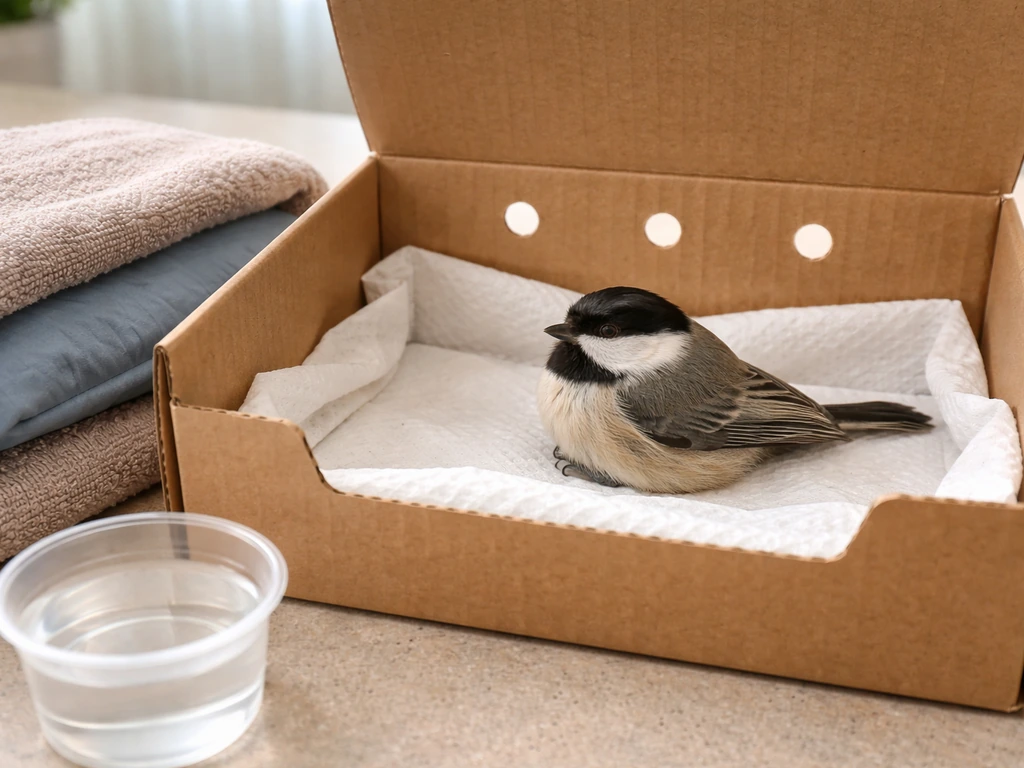
If you've found a sick or injured bird and want to give it water, stop for a moment before you do anything. The safest first step is usually warmth and calm, not fluids. Many well-meaning people accidentally drown birds by dripping water into their mouths. Whether oral hydration is even appropriate depends on the bird's age, condition, and ability to swallow, and in many cases, the right move is to skip DIY hydration entirely and get the bird to a wildlife rehabilitator or avian vet as fast as possible.
How to Hydrate a Bird Safely: Step-by-Step First Aid
Marcus Holloway
14 May 2026
Quick safety check: when hydration is an emergency
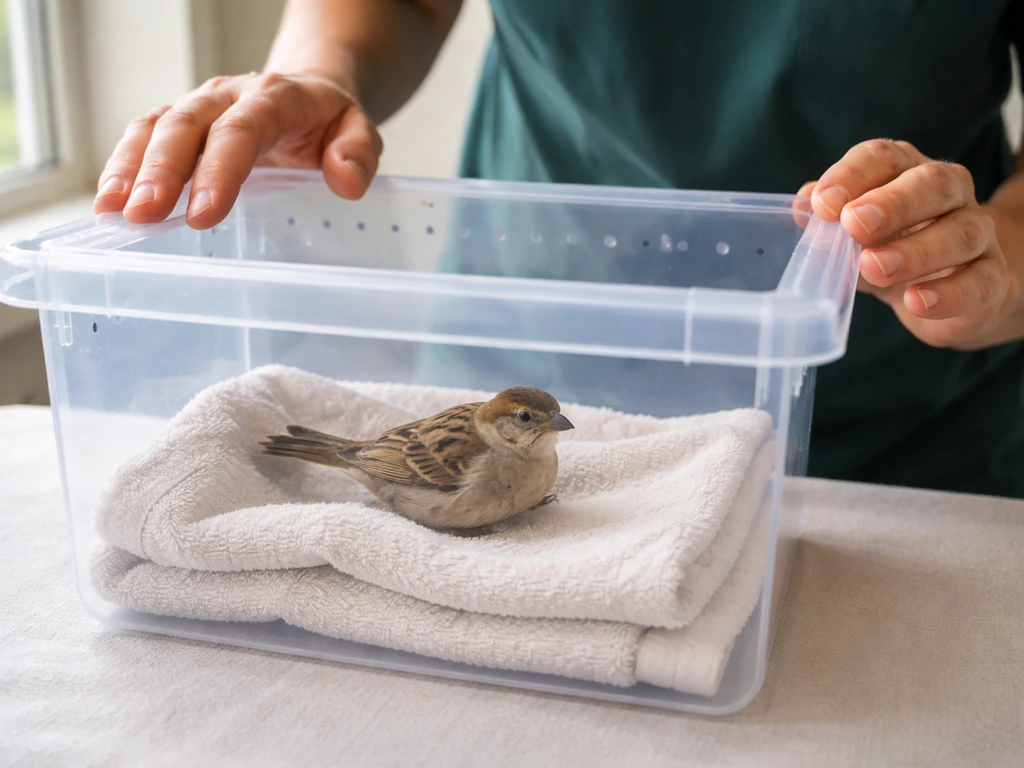
Before anything else, scan the bird for red-flag signs that mean you need professional help right now, not later. These signs mean the bird is in crisis and no amount of water you can safely offer at home will fix the underlying problem.
- Open-mouth breathing or tail bobbing with every breath (breathing is labored)
- No visible breathing at all, or very slow shallow breaths
- Active bleeding that isn't stopping
- The bird cannot hold its head up on its own
- Seizures, tremors, or the bird is completely limp
- Obvious broken bones, especially wings hanging at wrong angles
- The bird was caught by a cat (cat saliva carries bacteria fatal to birds within hours)
If any of these apply, skip the rest of this guide for now. Place the bird in a ventilated box lined with a paper towel, keep it warm and dark, and call a licensed wildlife rehabilitator or avian emergency vet immediately. You can find a rehabber through the National Wildlife Rehabilitators Association or your local animal control. The bird needs veterinary fluids, not a dropper of water from you.
How to assess dehydration and whether the bird can even drink
If the bird passed that safety check and seems alert enough to hold its head up, you can assess how dehydrated it might be. Vets look at several physical signs together rather than relying on any single one. For fluid deficit or dehydration assessment, Merck Veterinary Manual notes that clinicians use visible clinical parameters such as mucous membrane moisture and eye appearance, with severity increasing when the eyes retract Vets look at several physical signs together rather than relying on any single one..
- Mucous membranes (inside the mouth): moist is normal; slightly dry or sticky suggests mild dehydration; very dry or tacky with thick stringy saliva suggests moderate to severe dehydration
- Eyes: bright and round is normal; sunken or dull eyes suggest significant dehydration
- Skin around the legs or neck: in healthy birds it snaps back quickly when gently moved; slow rebound or wrinkled-looking skin suggests fluid loss (though the 'skin tent' test is less reliable in birds than in mammals)
- Overall posture: a dehydrated bird is often fluffed up, weak, and slow to react
The single most important question before offering any oral fluid is: can this bird hold its head up and swallow on its own? If the answer is no, do not attempt oral hydration. Giving water to a bird that cannot control its swallowing is one of the most common ways rescuers accidentally cause aspiration pneumonia or drown the bird. This is not a risk worth taking.
Fastest safe hydration methods for alert birds
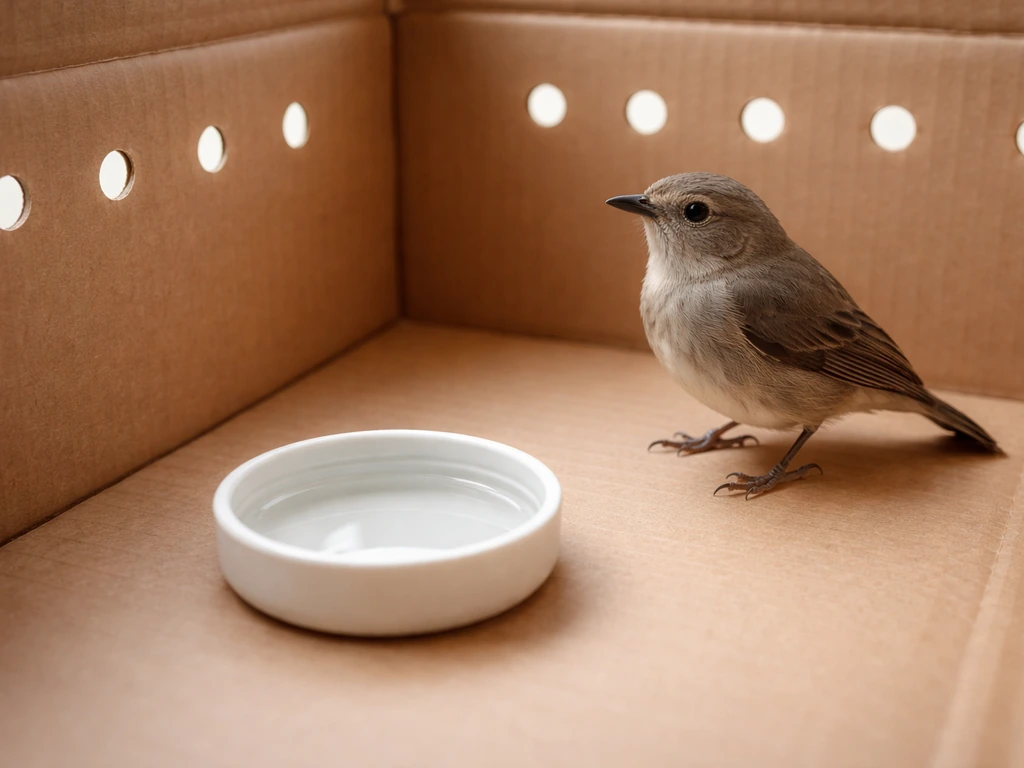
If the bird is alert, holding its head up, and showing signs of mild dehydration, the safest approach is to offer water, not force it. Here's how to do that without making things worse. If you are unsure whether oral hydration is appropriate, focus on rehydration only after warming the bird and consider getting a wildlife rehabilitator’s guidance right away how to rehydrate a bird.
- Get the bird into a quiet, contained space first. A cardboard box with air holes works well. Stress alone can kill a bird faster than dehydration.
- Place a very shallow dish of plain, clean water (no deeper than a bottle cap) inside the box. A truly alert bird will often drink on its own when it feels safe.
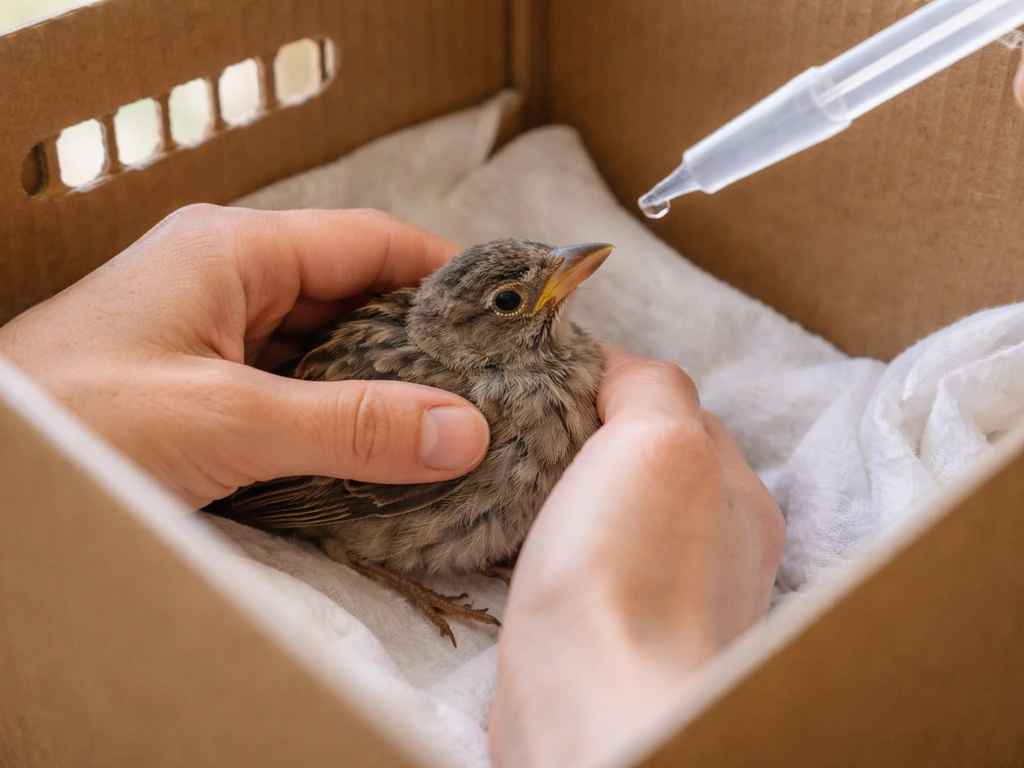
- If the bird is not drinking on its own but is clearly alert and swallowing, you can try placing a single small drop of water on the tip of its beak and letting it drip naturally toward the mouth. Watch to confirm the bird swallows before offering another drop.
- Never use a syringe to squirt water into the back of the throat. Place any dropper or syringe tip at the very side of the beak, release one small drop at a time, and pause between drops.
- Stop immediately if you hear any clicking or gurgling sounds, or if the bird shakes its head repeatedly — these can indicate fluid going the wrong way.
This process should be slow and patient. A few drops every few minutes is enough to help a mildly dehydrated bird without putting it at risk. If the bird is too weak to respond to this approach or refuses after a few attempts, stop and focus on warmth and getting professional help.
Baby bird and nestling hydration: what's safe by age
This is where things get really important, because the rules are completely different for young birds. The short version: do not give water orally to very young birds. Multiple wildlife organizations and veterinary guidelines are clear on this, young birds should never be given liquid directly into the mouth because the aspiration risk is extremely high. Baby birds can drown from a single misplaced drop.
Nestlings (no feathers or only pin feathers)
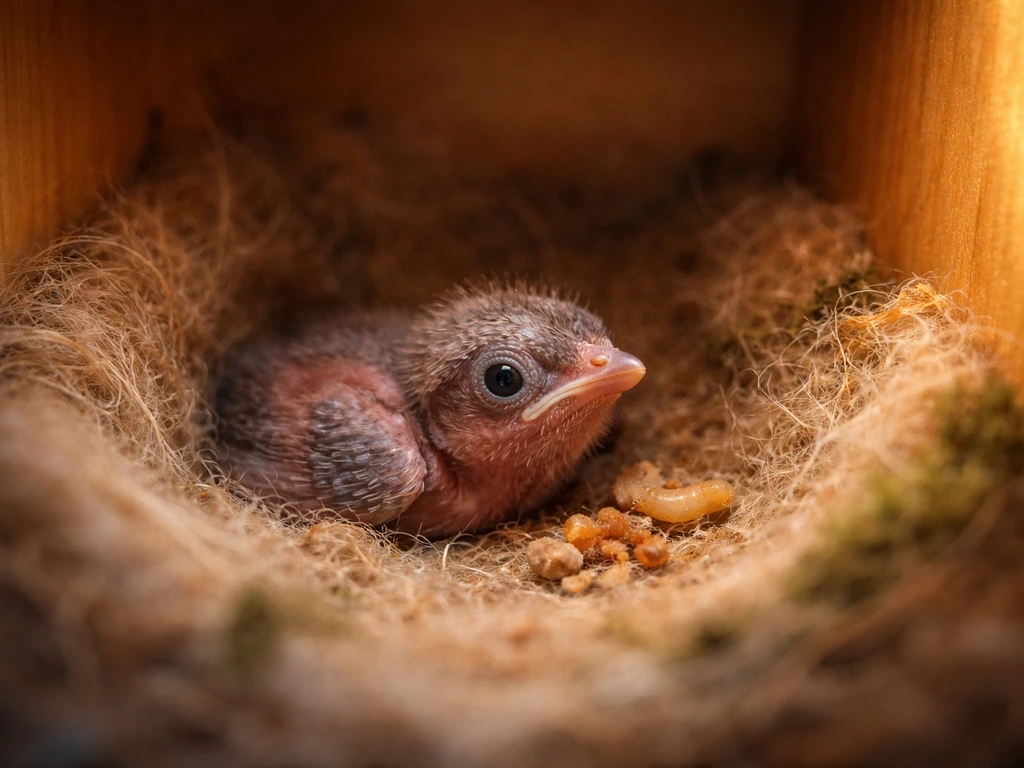
Nestlings cannot swallow water safely. Their hydration at this stage comes entirely from the food their parents bring, insects, regurgitated material, and similar high-moisture foods. If you have a nestling, do not attempt to give it water at all. Keep it warm (more on that below), and contact a wildlife rehabilitator immediately. This is not a case where you wait and see.
Fledglings (partially feathered, hopping around)
A fledgling is a little more capable, but oral fluids are still risky unless the bird is visibly alert, responding normally, and able to hold its head up steadily. Even then, the same drop-at-a-time approach described above applies, and the safest move is still to offer a shallow dish and let the bird choose to drink rather than trying to administer water yourself. When in doubt, don't.
Adult birds
Adult birds that are alert and responsive are the best candidates for careful oral hydration using the method above. Even so, if a bird was hit by a car, caught by a cat, or has been down for an unknown length of time, professional assessment is still the right call. Internal injuries are invisible.
Temperature first aid before you think about fluids
Temperature regulation has to come before hydration. A bird that is too cold or too hot cannot properly swallow, digest, or absorb fluids, and attempting oral hydration on a bird in shock can kill it faster than the dehydration would.
For a cold or hypothermic bird
A cold bird will be lethargic, unresponsive, and feel cool or cold to the touch. Warming comes first. Place the bird in a cardboard box lined with paper towels. Put one end of the box on top of a heating pad set to the lowest setting, so the bird can move away from the heat if it gets too warm. You can also use a heat lamp positioned to one side, not overhead. Aim for gentle, gradual warming over 20 to 30 minutes. Do not put a cold bird in a hot environment suddenly. Do not offer any fluids until the bird has warmed and is showing signs of alertness.
For an overheated or heat-stressed bird
A bird found on hot pavement in summer, panting with wings held out from the body, needs cooling first. Move it to shade immediately. You can mist it very lightly with cool (not cold) water or gently place its feet in a shallow bowl of cool water. Do not submerge the bird. Once it is in a cooler environment and begins to calm down, you can offer a shallow dish of plain water. An alert, heat-stressed bird may drink on its own once it feels safe.
What to use and what to avoid
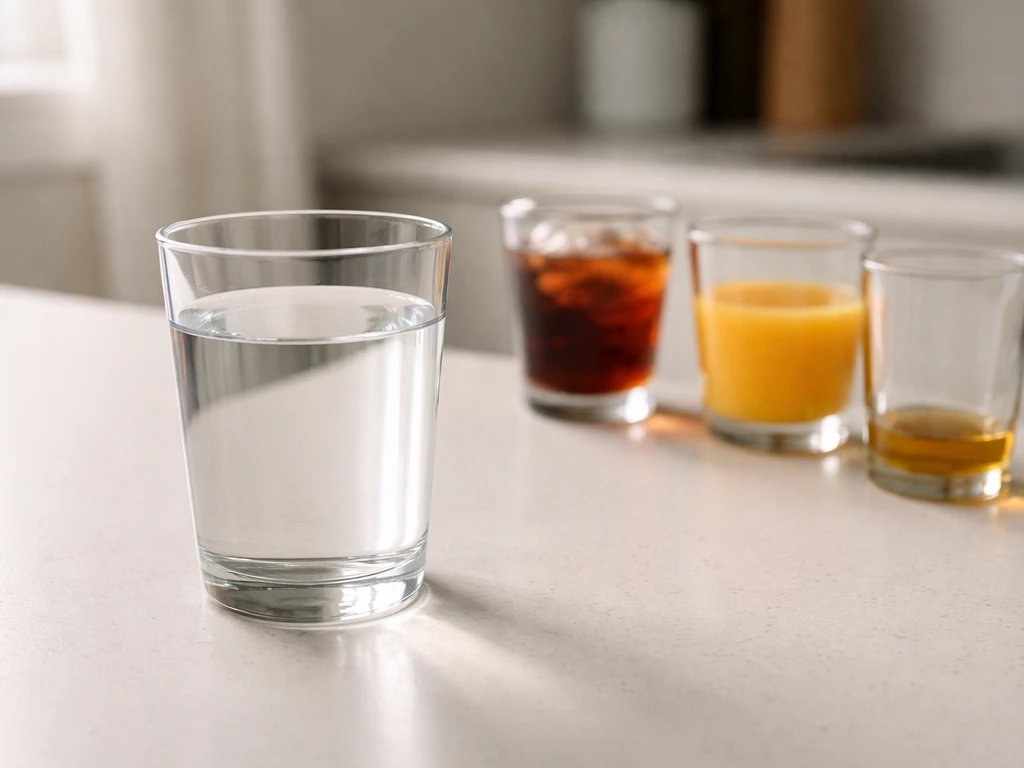
Plain, clean water is the right choice for field hydration. That's it. Many people reach for sports drinks, Pedialyte, sugar water, honey water, or fruit juice thinking electrolytes will help faster. In reality, these can cause more harm than good in small birds whose digestive systems cannot handle the sugar load or salt concentrations designed for humans or larger animals.
| Option | Safe to use? | Notes |
|---|---|---|
| Plain clean water (room temp) | Yes | Best and safest choice for any alert bird |
| Pedialyte (unflavored, diluted) | With caution only | Some rehabbers use it, but only under guidance — not a first-line DIY option |
| Sports drinks (Gatorade, etc.) | No | Too much sugar and sodium for birds |
| Sugar water or honey water | No | Can cause dangerous bacterial growth and stress the kidneys |
| Fruit juice | No | Too high in sugar and acid |
| Milk or dairy | No | Birds cannot process lactose at all |
| Alcohol-based or herbal tonics | No | Toxic to birds |
On the equipment side: if you do attempt careful oral hydration, a 1ml or smaller syringe without a needle gives you the most control. An eyedropper works too. The key is releasing one tiny drop at a time at the side of the beak, never squirting into the throat. Force-feeding or flooding the mouth even with plain water is dangerous. If you’re wondering how to give liquid medicine to a bird, the safest option is to follow an avian vet’s instructions and never use DIY dosing or forced delivery. Subcutaneous or intravenous fluids, which are what a severely dehydrated bird actually needs, can only be administered safely by a vet or trained rehabilitator.
When to stop DIY and call for professional help
Honestly, for most injured wild birds, calling a wildlife rehabilitator should happen at the same time you're doing the basic stabilization steps above, not after you've spent an hour trying to hydrate the bird yourself. If you have found an injured bird, RSPCA wildlife guidance recommends contacting a wildlife rehabilitator for advice rather than trying to treat it yourself, and suggests taking photographs or videos if needed. DIY hydration is a bridge measure for mild cases, not a treatment plan.
Stop your hydration attempts and escalate immediately if any of the following apply:
- The bird is not improving after 15 to 20 minutes of warmth and a couple of careful water offers
- The bird is deteriorating (becoming more limp, less responsive, or breathing changes)
- You cannot confirm the bird is swallowing properly
- The bird has any visible injury, was caught by a cat, or was involved in a window or car strike
- It's a nestling or very young fledgling
- You're unsure about anything at all
When you call a rehabilitator or avian vet, be ready to report: what species the bird appears to be (or describe it), where you found it and what the conditions were (heat, cold, near a road, etc.), what you've observed (behavior, posture, breathing), what you've already done (warming, water offered), and how long the bird has been in your care. This information helps the professional triage the situation before you even arrive.
You can find a licensed wildlife rehabilitator through the National Wildlife Rehabilitators Association directory, the Wildlife Rehabber directory, or by calling your local animal control or humane society. Many areas also have avian-specific vets who handle emergencies.
Aftercare and monitoring until help arrives
Once you've done what you can, the best thing for the bird is to leave it alone in a quiet, dark, warm space and resist the urge to keep checking on it. Repeated handling adds stress that can genuinely be fatal, especially for wild birds that are not accustomed to human contact.
- Keep the box somewhere quiet, away from pets, children, loud noises, and direct sunlight.
- Maintain gentle warmth if the bird was cold, but make sure there's always a cooler area in the box so the bird can regulate.
- Check on the bird visually every 20 to 30 minutes without opening the box if possible — a small hole or crack is enough to see breathing and posture.
- Do not offer food unless directed by a rehabilitator. Getting the wrong food into an injured bird can cause additional problems.
- If you've placed a shallow water dish inside, that's fine to leave in. But don't push more oral fluids.
- Note any changes in the bird's condition to report when professional help arrives.
If the bird becomes more alert, starts moving around, and seems to be recovering, that's a good sign, but still follow through with the rehabilitator contact. A bird that looks better after 30 minutes may still have internal injuries or be in early shock that will worsen without proper care.
Hydration is just one piece of the picture. Injured birds often also need treatment for shock, infection, and underlying injuries. If you want to go deeper on related aspects of bird first aid, it's worth understanding how dehydration is formally treated by professionals, since what a vet does is quite different from what's possible at home. In many cases, calcium support is something a vet or rehabilitator will advise rather than giving on your own dehydration is formally treated by professionals. Temperature, stress management, and knowing when to use medications are all part of the same picture of getting a bird through a crisis safely. Giving bird antibiotics is a medication decision that should be made only by an avian vet or wildlife rehabilitator after they diagnose the cause when to use medications.
FAQ
How do I tell if a found bird is safe to give any water to?
If the bird cannot keep its head up and swallow on its own, do not give oral fluids at all. In that situation, focus on warmth and quiet containment, then contact a wildlife rehabilitator or avian emergency vet immediately. Oral fluid delivery for an uncoordinated swallow greatly increases the risk of aspiration into the lungs.
Can I use Pedialyte, sports drinks, or sugar water to hydrate a bird faster?
For field hydration, plain clean water is the safest option. Avoid electrolytes and sweet liquids like sports drinks, Pedialyte, honey water, and fruit juice, because the sugar or salt levels can worsen dehydration or upset digestion in small birds.
What should I do if the bird won’t drink or gags when I offer water?
Do not force the bird’s beak open, do not squirt into the throat, and do not repeatedly drip if the bird refuses or becomes too weak to respond. Stop after a few small attempts, then switch fully to warming and professional care.
Is oral hydration safe if the bird was hit by a car or attacked by a cat?
If the bird is lethargic, cannot hold posture normally, or you suspect head trauma (for example, a collision, fall, or cat damage), escalation should be immediate rather than trying more oral hydration. Internal injury and impaired swallowing are common in trauma cases and are not reliably visible at home.
When should I offer water if the bird is cold or overheated?
Do not use oral fluids while the bird is still too cold or too hot. Warm a cold bird gradually until it shows alertness, and for a heat-stressed bird, cool it in shade and only offer water after it calms and feels safe enough to drink.
How can I cool a heat-stressed bird without making things worse?
Do not submerge the bird for cooling. Instead, use shade, gentle misting, or a shallow water bath for the feet only, then wait until the bird is calm before offering a shallow dish of water.
Why is it dangerous to give water to baby birds?
For a nestling or any very young bird, do not give water directly into the mouth. Their hydration should come from parents’ food and regurgitated high-moisture nutrition, and giving liquid can cause drowning even from a single misplaced drop.
If the bird looks better after warming, should I keep trying to hydrate it?
If the bird seems to be improving after warming, you still should not keep checking and handling frequently. Keep it in a quiet, dark, warm space, limit interventions, and follow through with contacting a rehabilitator even if it looks better after a short period.
What if I’m not sure whether the bird can swallow?
If you believe the bird is dehydrated but you are unsure it can swallow safely, treat it as not safe for oral hydration. Use warmth and calm as stabilization, then get guidance from a wildlife rehabilitator.
What symptoms mean I should stop and get emergency help after offering water?
If you suspect aspiration signs such as coughing, wheezing, trouble breathing, open-mouth breathing, or gurgling after any water attempt, stop hydration and escalate right away. Aspiration can worsen quickly and needs professional treatment.
If the bird is dehydrated and in shock, what’s the safest next step?
If the bird is in shock, repeated attempts at oral hydration can distract from the priority task and may further destabilize it. Warm, keep it quiet, and contact a professional as soon as possible, since severely dehydrated birds typically need fluids the home setup cannot provide.
Next Article
How to Treat a Dehydrated Bird: Safe First Aid Steps
Identify bird dehydration and give safe, step-by-step rehydration, warmth, and red flags needing an avian vet.