You can safely give liquid medicine to a bird by using a small syringe, placing the tip at the corner of the beak, and dripping the medication slowly in tiny amounts while the bird swallows. Never shoot fluid straight back into the throat. The biggest risk is aspiration, where liquid goes into the airway instead of the stomach, and it can happen faster with birds than with most other animals because their glottis (the airway opening) sits very close to the front of the mouth. Slow, patient delivery is the entire game.
How to Give Liquid Medicine to a Bird Safely

Marcus Holloway
26 Apr 2026
Confirm the right medicine and dose before you open anything
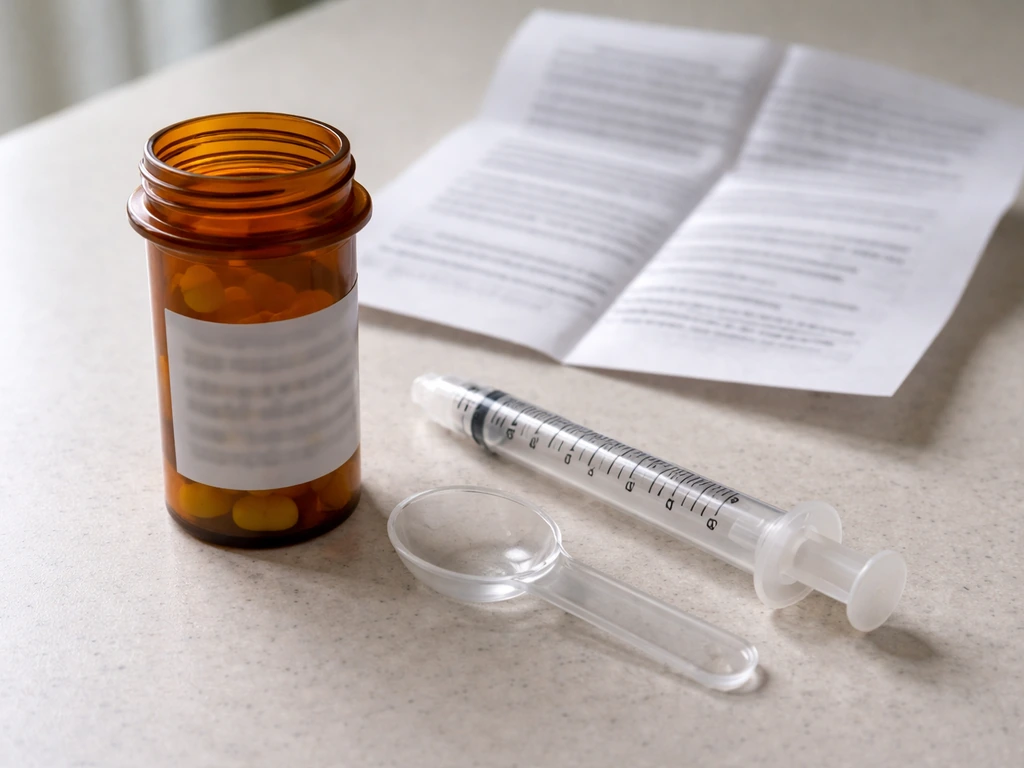
Before you touch a syringe, look at the prescription label or the instructions from your avian vet or wildlife rehabilitator. You need four things confirmed: the medication name, the concentration in mg per mL, the dose in mg per kg of body weight, and the dosing schedule (how often, for how many days). If any of these are missing or unclear, call the vet or rehab contact before proceeding.
To figure out the volume you actually draw into the syringe, use this formula: Volume (mL) = Dose (mg) divided by Concentration (mg/mL). So if the bird weighs 100 grams (0.1 kg), the dose is 10 mg/kg, and the medication is 50 mg/mL, you need 0.02 mL. These are very small volumes, which is exactly why a correctly sized syringe matters.
Never use a medication prescribed for humans or another animal without explicit direction from a vet. Many drugs that are safe for mammals are toxic to birds, and concentrations are often wildly different. If you found an injured bird and are waiting to reach a rehabilitator, hold off on giving any medicine unless a professional has specifically told you what to give and how much.
Gather your supplies and set up a calm space
Getting everything ready before you pick up the bird reduces handling time, which reduces stress on the bird and reduces the chance of a mistake mid-dose. Stressed birds are harder to medicate safely, and prolonged restraint can cause oxygen deprivation in an already weakened animal.
Here is what you want on the table before you start:
- A 1 mL syringe (or the smallest size that fits your measured dose). Avoid syringes with tips that are too long or too wide for a small beak; a standard oral dosing tip or a cut-down needle-less syringe tip works well for most small birds.
- A soft, clean towel for gentle restraint.
- Tissues or a paper towel to wipe spills from the beak immediately.
- Gloves, especially if you are handling a wild bird. Wash hands before and after regardless.
- A heat source nearby if the bird is cold or weak: a heating pad on low under half the enclosure, or a warm water bottle wrapped in a towel. Do not place the bird directly on heating elements.
- Good lighting so you can clearly see the beak and where the syringe tip is going.
- A second person to help hold the bird if possible, especially for larger or more energetic birds.
Work in a quiet room with no sudden noises, no pets around, and minimal movement. Close windows and doors before you bring the bird out, just in case it escapes your grip.
How to give the liquid medicine: technique step by step
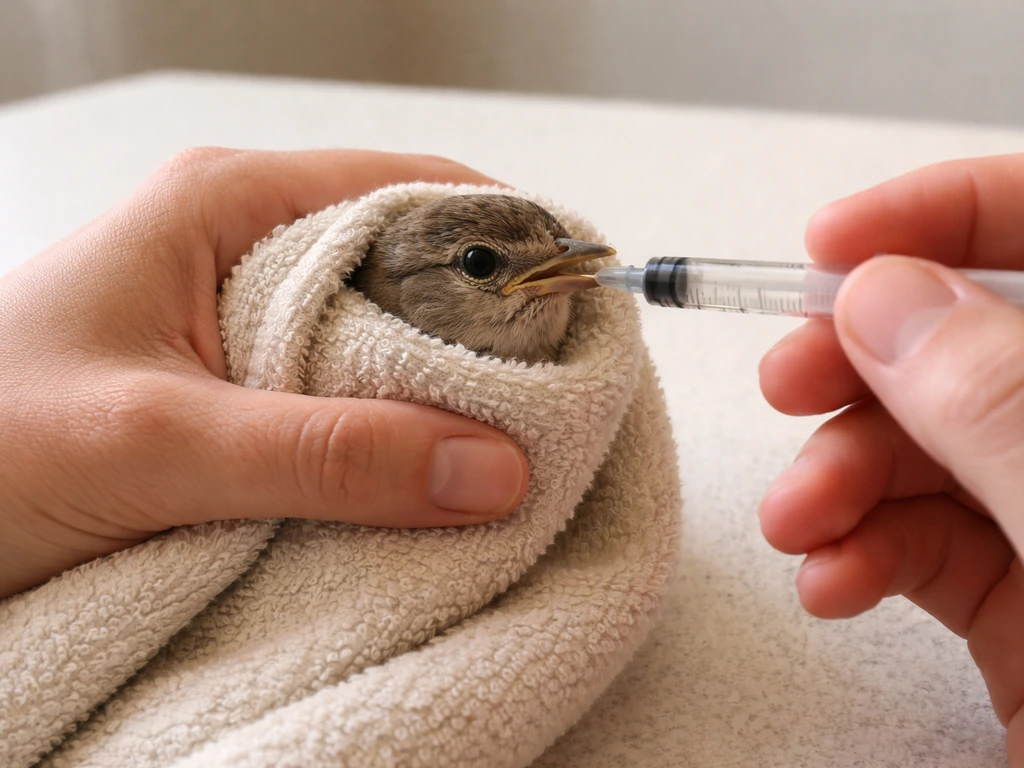
Draw the correct volume of medication into the syringe before picking up the bird. Calcium dosing for birds depends on the species, diet, and the type of calcium you’re using, so it is best to confirm dose and schedule with an avian vet how to give your bird calcium. If the medication needs to be shaken or warmed to body temperature (around 37 to 38°C or 99 to 101°F), do that now. Cold liquid can shock a sick bird and may cause it to refuse to swallow.
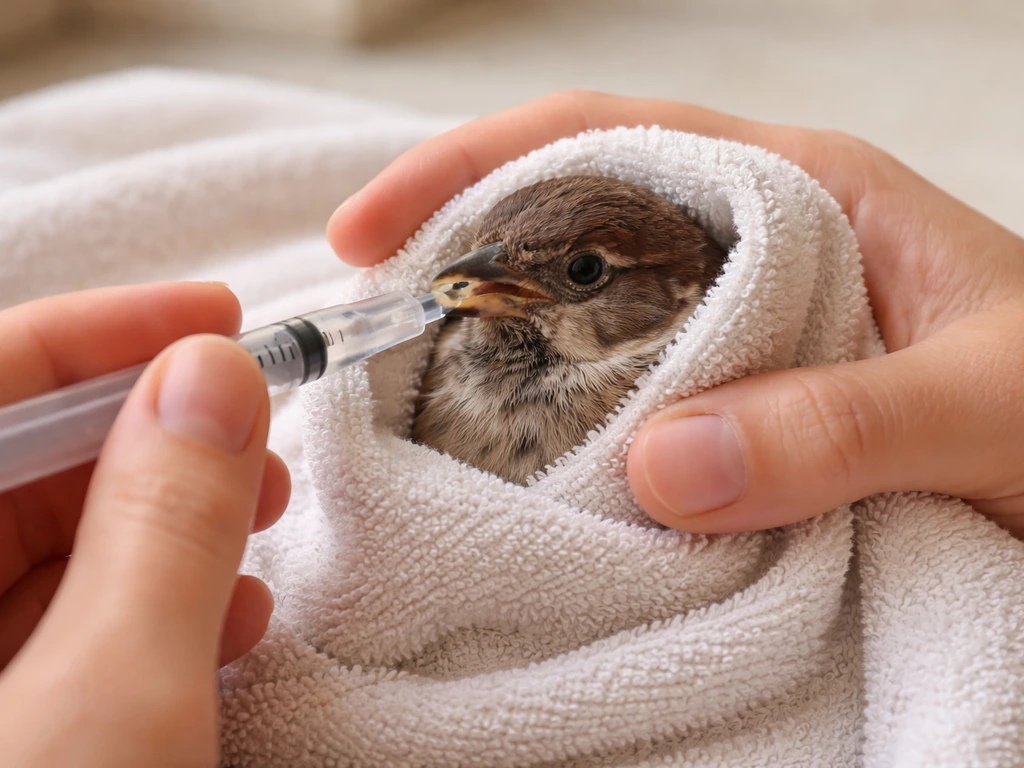
- Wrap the bird gently but firmly in the towel, leaving the head free. The towel controls the wings and feet without squeezing the chest. Birds breathe by expanding their body wall, so never compress the torso.
- Hold the bird upright or slightly tilted with its head level. Do not tilt the head back. A level or very slightly forward head position keeps gravity from pulling fluid toward the airway.
- With your free hand or with a helper's assistance, gently hold the head still using your thumb and forefinger along the sides of the skull, behind the beak.
- Position the syringe tip at the corner of the beak, aiming toward the side of the mouth, not straight back into the throat. The goal is to let the liquid roll onto the tongue.
- Deliver a tiny drop, then pause. Watch the bird swallow. Then deliver the next drop. Keep the rhythm tied to the bird's swallowing, not to your own pace.
- If the bird opens its beak voluntarily, that is ideal. If it does not, you can gently slide the syringe tip into the corner gap between the upper and lower beak.
- Once the full dose is delivered, gently wipe any excess from the beak with a tissue and return the bird to its enclosure immediately.
The entire process should take as little time as possible. For most small birds, medication delivery should be done in under two minutes. The longer you hold the bird, the more stress accumulates.
Restraint tips and how to avoid choking or aspiration
Aspiration is the most serious risk when medicating a bird orally. Oral medications are typically given “by mouth,” and are intended to produce systemic effects after GI absorption blank" rel="noopener noreferrer">Aspiration is the most serious risk when medicating a bird orally.. Birds have a glottis that sits very close to the front of the mouth, which means a misdirected stream of liquid can go straight into the airway. Some Reddit bird health users also emphasize blank" rel="noopener noreferrer">keeping the bird’s head upright and positioned correctly during syringe administration to help prevent choking. This is why you never squeeze a large bolus of liquid into a bird's mouth at once, and why you never aim the syringe tip at the back of the throat.
If the bird is very weak or barely responsive, aspiration risk goes up significantly. A bird that cannot hold its head upright or that has labored breathing before you even start is not a safe candidate for oral medication at home. At that point, contact an avian vet or wildlife rehabilitator immediately rather than attempting to dose the bird yourself.
For more active birds that are struggling, do not force the beak open. A bird that is fighting hard is also breathing hard, and forced oral delivery during that state is high risk. Pause, let the bird settle for a minute, and try again. If it continues to resist after two calm attempts, call your vet rather than escalating force.
Always keep restraint gentle on the body. The towel wrap should be snug enough to prevent wing flapping but loose enough that you can see the bird's chest rising and falling. If the bird goes quiet very suddenly or seems limp, stop immediately and check that it is still breathing normally.
What to do if the bird won't swallow, spits it out, or seems worse
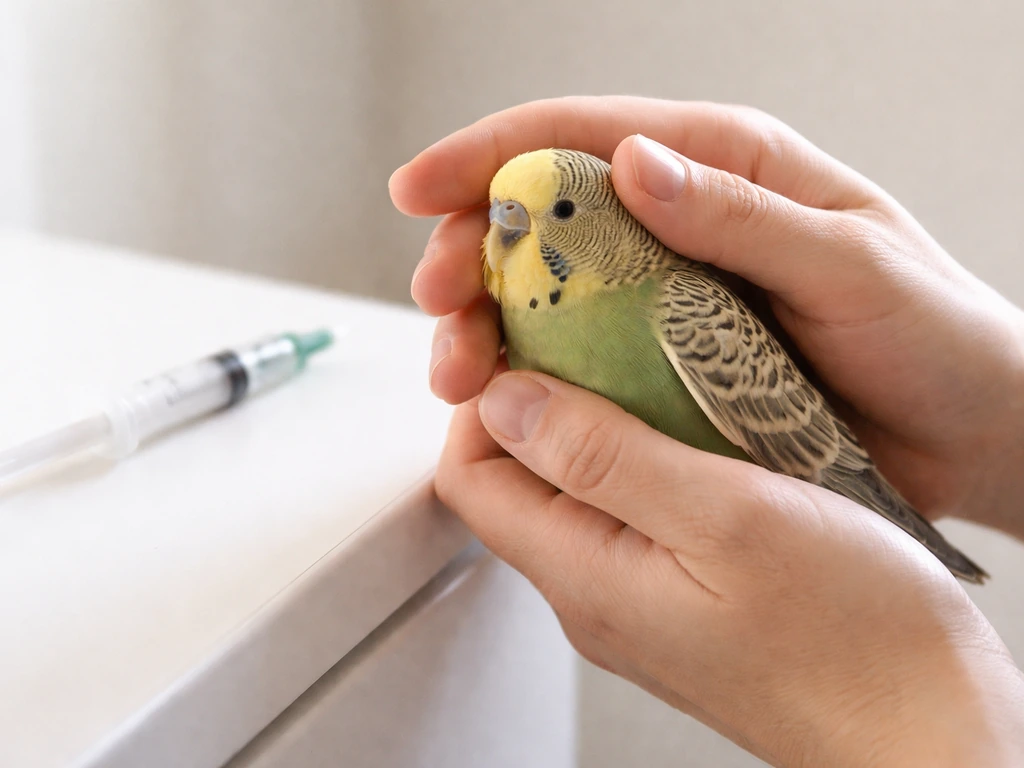
Spitting or shaking the head after a dose is common and frustrating. If the bird gets most of the dose out before swallowing, do not immediately re-dose. Wait for your next scheduled dose time and note what happened. Giving a double dose to compensate is dangerous. If this keeps happening across multiple doses, call the prescribing vet and describe exactly what you are seeing, including how much you think was swallowed.
If the bird refuses to open its beak at all, try slipping the syringe tip gently into the natural gap at the corner of the beak. Most birds have a small space there even when the beak is closed. A tiny amount of liquid placed there will often prompt a swallow reflex. Do not try to pry the beak open with force.
If the bird seems more lethargic after a dose than before, or shows any of the warning signs listed in the next section, stop medicating and contact a vet. A bird that is getting worse after medication may be having an adverse reaction, or may have aspirated some of the liquid.
After the dose: what to watch for in the next hour
Once the bird is back in its enclosure, leave it alone as much as possible. Return it to a warm, quiet space. If the bird has been dehydrated or is recovering from illness, supporting warmth and minimal disturbance matters as much as the medication itself. If you are working with an injured or very weak bird, rehydration guidance matters, so use a veterinarian-approved plan for how to rehydrate a bird rehydration safety how to treat a dehydrated bird. If your bird is dehydrated, treat it with the same careful, vet-guided approach and prioritize rehydration safety how to treat a dehydrated bird.
Normal post-dose behavior includes the bird ruffling its feathers briefly, then settling, perching if able, or resting quietly. Some birds will drink water shortly after. These are good signs.
Watch for these warning signs in the first 30 to 60 minutes after dosing:
- Open-mouth breathing or panting that doesn't stop after a minute or two of rest.
- Clicking or high-pitched sounds when breathing.
- Tail bobbing with each breath, which indicates labored respiration.
- Bubbles or liquid visible at the nostrils.
- Sudden limpness or inability to perch or hold the head up.
- Coughing, head-shaking, or repeated swallowing as if something is stuck.
- Any dramatic change in droppings, especially within a few hours of the dose.
These signs can indicate aspiration, a severe medication reaction, or a bird that was already too critical for oral medication. Any of them means you need professional help immediately, not at your next convenient moment.
For ongoing monitoring across multiple days of treatment, track whether the bird is eating, drinking, and producing droppings at a normal rate. Droppings that are entirely liquid, or that stop appearing, are both reasons to call your vet. So is a bird that shows no improvement after 48 hours of a prescribed antibiotic or other treatment course.
When to stop and get professional help
There are situations where home administration of liquid medicine is not appropriate, no matter how careful you are. A key part of that decision is confirming the correct antibiotic for your bird and using the prescribed dose and timing how to give bird antibiotics. Knowing when to hand off is part of giving the bird the best possible chance.
- The bird is too weak to hold its head up or swallow on its own.
- The bird is showing labored or open-mouth breathing before you even begin.
- You do not have a confirmed dose from a vet or licensed wildlife rehabilitator.
- You have tried twice and cannot get the medication into the bird without it being spat out or without causing visible distress.
- The bird shows any aspiration or respiratory warning signs after a dose.
- The bird has not improved or is getting worse after 48 hours of treatment.
- You are unsure whether the medication is appropriate for the species.
When you call an avian vet or wildlife rehabilitator, have this information ready: the bird's species (or your best description), its approximate weight if you have weighed it, the name and concentration of the medication, the dose you were given, and a description of exactly what you have observed. The more specific you are, the faster they can help.
If you are caring for a rescued wild bird, a licensed wildlife rehabilitator is the right long-term contact, not a general veterinarian. Many species have different physiological needs, drug tolerances, and legal handling requirements. Connecting with a rehabilitator early in the process, even before the bird is stable, is almost always the right move.
Medicating a bird is stressful for both of you. But done carefully, with the right dose confirmed, the right syringe in hand, and a slow and patient delivery technique, it is something a non-expert can do successfully. Take it one drop at a time.
FAQ
What syringe size should I use to give such tiny liquid doses to a bird?
Use a small, low-volume oral syringe that matches the expected dose, so you can deliver in very small increments. If your total calculated dose is around 0.02 mL, a syringe that can measure tiny graduations (rather than one with coarse markings) helps prevent accidental over-dosing.
How can I tell if my bird actually swallowed the medicine?
Look for a swallow shortly after the droplet hits the beak corner, then a brief pause in head bobbing. Light spitting can happen even when some is swallowed, so do not try to “top off” immediately. If you see repeated expulsion or the bird is not swallowing at all, stop and contact the prescriber.
Can I mix liquid medicine into food or water instead of giving it by syringe?
Usually avoid mixing unless the vet specifically told you to, because the full intended dose may not be consumed and concentrations can change as the liquid disperses. Syringe delivery is more reliable for precise dosing, especially for antibiotics or meds with narrow safety margins.
Is it okay to warm the medication in my hands, and how warm is safe?
Yes, you can gently warm the bottle/syringe so it feels closer to body temperature, but avoid hot water or microwaving, which can create hot spots. Aim for roughly the bird’s normal body warmth range (about 37 to 38°C), and test on your wrist before dosing.
What should I do if I accidentally miss a dose or give it late?
Do not automatically double the next scheduled dose. Call the avian vet or rehabilitator for timing guidance, because some medications should be spaced differently and some can be harmful if re-stacked. Have your start time, dose amount, and how late it was ready to report.
Can I use the same syringe for multiple days of dosing?
Only if the prescribing instructions specifically allow it. In most cases, syringes should be discarded after use or replaced per your vet’s protocol, since dried residue can change delivered dose accuracy and contamination risk increases over time.
What if the bird’s beak won’t accept the syringe tip even at the corner?
First, slow down and let the bird settle rather than forcing. If it still won’t allow the tip to enter the natural gap, stop and contact the prescriber, because repeatedly attempting can raise aspiration and stress. Do not pry the beak open.
Is it safer to restrain the bird in a towel or to hold it without a wrap?
A towel wrap is often safer because it limits flapping while still letting you monitor breathing through the chest movement. If you cannot clearly see respiration or the bird seems to go limp, stop and reassess immediately, since sudden quietness can be a red flag.
My bird seems very lethargic right after dosing, but it’s breathing. Should I continue doses?
Stop further dosing and call the avian vet or rehabilitator promptly if lethargy is more than expected post-dose behavior. Even with normal breathing, increased weakness can indicate aspiration or an adverse reaction, and waiting until the next dose could worsen outcomes.
How soon should a bird improve after starting a prescribed antibiotic or other medication?
Improvement timing depends on the condition, but if there is no sign of improvement after about 48 hours of a prescribed course, you should contact the vet for reassessment and possibly a different plan. Also report any feeding or droppings changes, since those often show response earlier than behavior.
What’s the safest way to store the medication between doses?
Follow the label for storage temperature and light exposure, and keep the medication from freezing or overheating. If you warmed it to administer, do not reheat repeatedly, and discard any medication left out longer than the manufacturer or vet instructions allow.
Next Article
How to Release a Hand-Reared Bird Safely and Humanely
Step-by-step humane release for hand-reared wild birds: species checks, anti-imprinting care, soft vs hard release, afte