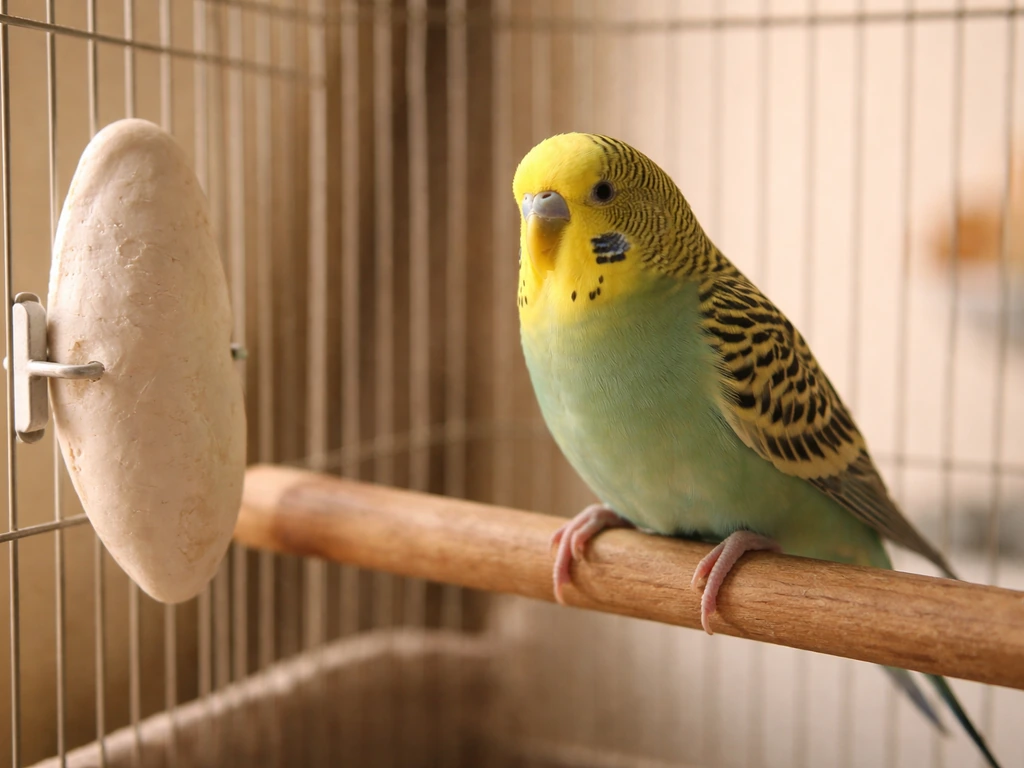
If you have a sick or injured bird in front of you and antibiotics on hand, the most important thing to know right now is this: do not give them yet. Before any medication enters the picture, you need to stabilize the bird, assess what's actually wrong, and get a vet or licensed wildlife rehabilitator involved. Antibiotics can help a bird with a confirmed bacterial infection, but they can also cause serious harm if the drug, dose, or timing is wrong. This guide will walk you through exactly what to do, in the right order.
How to Give Bird Antibiotics Safely: First Aid and Dosage
Marcus Holloway
5 May 2026
When antibiotics are (and aren't) appropriate for birds
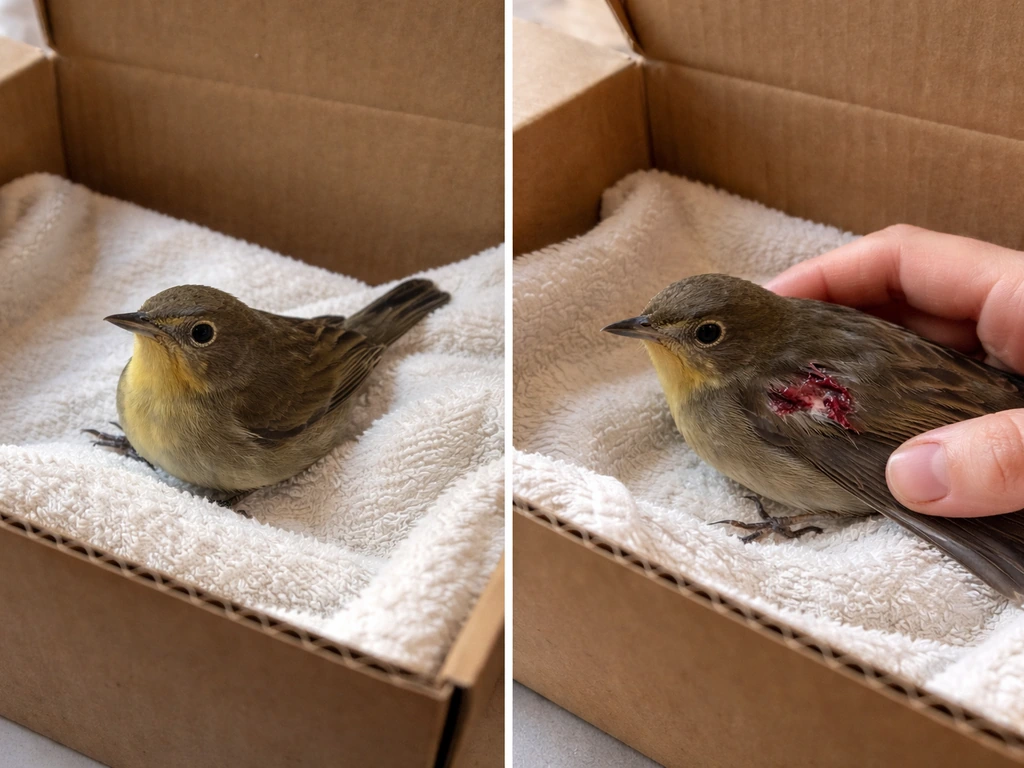
Antibiotics treat bacterial infections. That sounds obvious, but it matters enormously in practice. A bird that flew into a window and is sitting stunned in a box does not need antibiotics. A bird with a minor feather injury doesn't either. Antibiotics do nothing against viral infections, fungal diseases, parasites, or trauma-related shock, and giving them unnecessarily disrupts the bird's gut bacteria and can make recovery harder.
Situations where antibiotics may genuinely be appropriate include bite wounds from cats or other animals (cat saliva carries Pasteurella bacteria that are rapidly lethal to birds), infected wounds with discharge or visible swelling, confirmed respiratory bacterial infections, and some cases of pneumonia or crop infections diagnosed by a vet. The key word is confirmed. A vet or rehabber decides this, not you, because the symptoms of bacterial illness overlap heavily with viral, fungal, and nutritional problems that require entirely different treatments.
Wildlife rehabilitators and avian vets operate under strict professional and legal guidelines around medication use. Using prescription antibiotics on a wild bird without veterinary direction isn't just risky medically; in most places it's also legally complicated. The framework that exists, including oversight from organizations like the National Wildlife Rehabilitators Association, exists because unsupervised medication in wildlife has caused real harm.
Red flags that mean you need professional help right now
Some symptoms tell you this bird cannot wait for a phone call tomorrow. If you see any of the following, your job is to get the bird to a vet or wildlife rehabilitator as fast as possible, not to treat it at home.
- Open-mouth breathing, tail bobbing with each breath, or wheezing: these are signs of respiratory distress (dyspnea), and birds in this state can die quickly. Minimizing handling and getting to a vet fast is the priority.
- Neurological signs: seizures, spinning, head tilting to one side, inability to perch or stand, loss of balance.
- Active bleeding that won't stop with gentle pressure.
- Cyanosis (bluish color to the skin around the beak or feet), audible stridor, or signs of airway obstruction.
- The bird is huddled, completely unresponsive, lying flat on the ground, or unable to hold its head up.
- Suspected cat or animal bite, even if the wound looks minor: cat saliva bacteria act fast and a bird that looks okay now can be dead within 24 to 48 hours without antibiotics started by a vet.
If the bird is weak, lethargic, or sitting low and puffed up but is still alert and breathing normally, that's still a vet-required situation, just slightly less immediate. Don't try to manage these signs with home antibiotics while waiting to see if things improve.
Supportive first aid comes before any medication
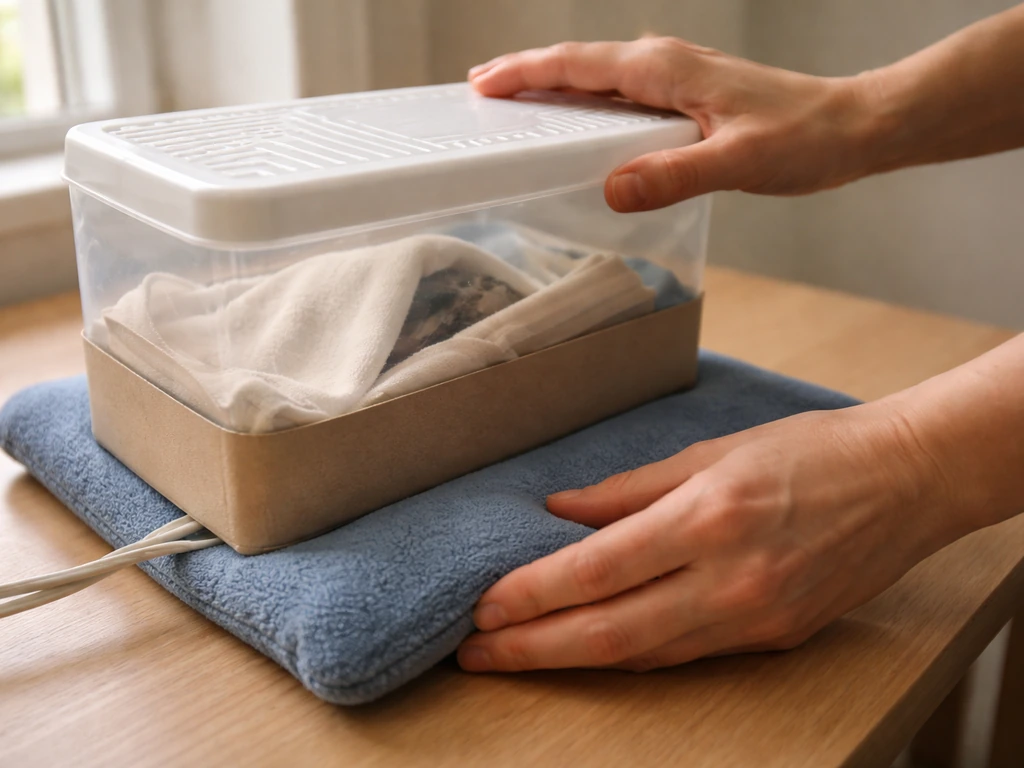
Before you even think about antibiotics, do these things. They make a bigger difference than medication in the first few hours, and they keep the bird alive long enough for a vet to actually help.
Warmth
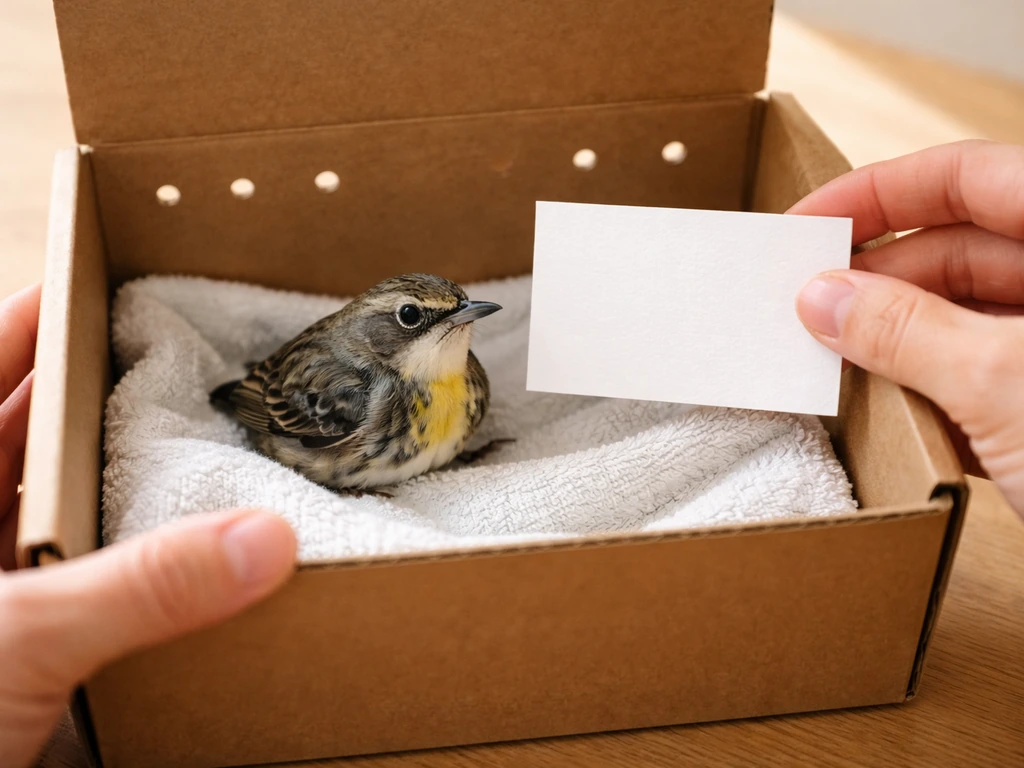
A sick or injured bird loses body heat fast, and hypothermia kills. Place the bird in a ventilated cardboard box lined with a soft cloth or paper towel. Put one end of the box on a heating pad set to low, or use a warm (not hot) water bottle wrapped in a towel placed under one side of the box. The bird needs to be able to move away from the heat source if it gets too warm. Tiny unfeathered chicks need temperatures around 100°F (37.8°C); larger feathered birds can manage around 85-90°F (29-32°C). Watch for overheating signs like persistent open-mouth panting or drooping posture.
Keep it dark and quiet
Stress is genuinely life-threatening for birds. A dark, quiet box dramatically reduces stress hormones and gives the bird a chance to stabilize. Keep the box away from pets, children, loud noises, and direct sunlight. Handle the bird as little as possible. This is one of the most important things you can do.
Food and water: be careful here
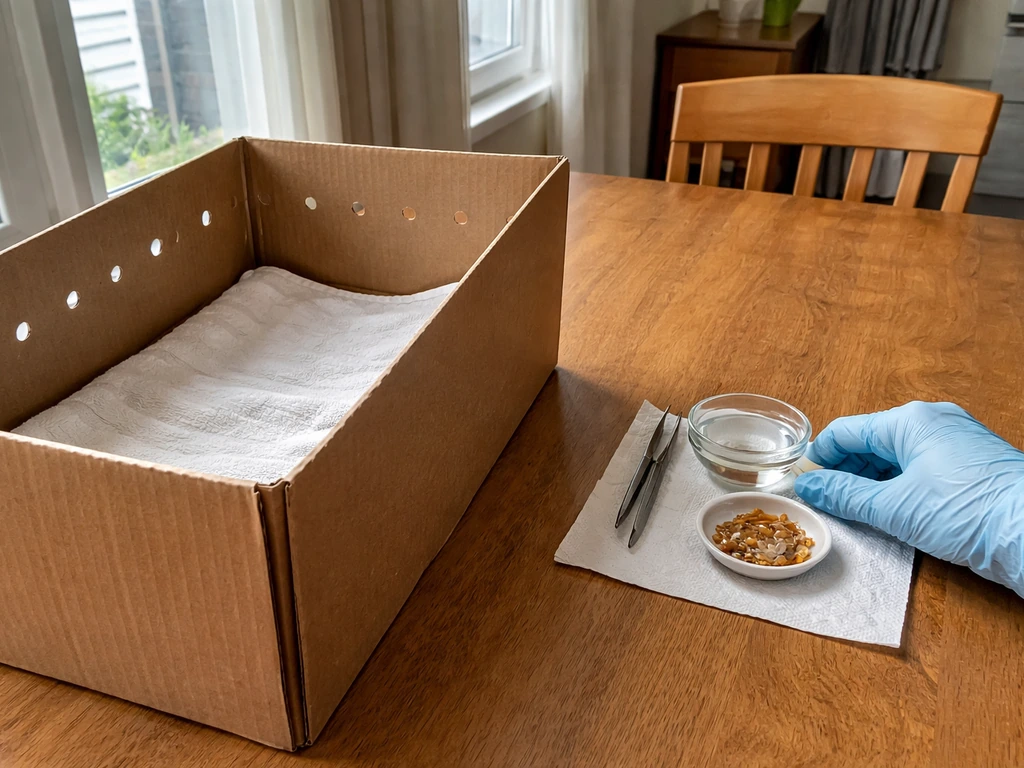
This surprises people, but the standard guidance from Tufts Wildlife Clinic, Mass Audubon, and Audubon is: do not offer food or water to an injured wild bird until you've spoken to a rehabber or vet. Incorrect feeding can cause aspiration (fluid into the lungs), choking, or metabolic problems that make the situation worse. A bird that just hit a window needs quiet rest for about an hour, not water dripped into its beak. Hydration assessment and fluid support, when needed, are best handled by a professional. For more on reading dehydration signs, the guidance on how to treat a dehydrated bird covers what to watch for while you're waiting for professional help.
Wounds
If there's active bleeding, apply gentle direct pressure with a clean cloth. Do not use topical antiseptics near the eyes, mouth, or ears. If the wound looks contaminated (dirt, debris, visible infection), keep the area clean and dry and let the vet handle wound management. Do not try to close or bandage wounds yourself unless you've been specifically instructed by a rehabber or vet.
Getting the right antibiotic: this has to go through a vet
Antibiotics for birds are not one-size-fits-all. The right drug depends on the species, the bird's age and size, the likely or confirmed infection type, the bird's hydration and temperature status (you should not medicate a severely dehydrated or hypothermic bird before stabilizing it), and how the drug needs to be given. A dose that's therapeutic in a 500-gram parrot can be toxic in a 20-gram finch.
Merck Veterinary Manual provides weight-based dosing examples in its table of antimicrobials used in pet birds, illustrating how dosing varies by species and size A dose that's therapeutic in a 500-gram parrot can be toxic in a 20-gram finch. .
Some antibiotics that are safe for mammals are dangerous to birds. Doxycycline, enrofloxacin, trimethoprim-sulfamethoxazole, and amoxicillin are all used in avian medicine, but the dose and indication are completely different across species and infection types.
If you've found an injured wild bird, call a licensed wildlife rehabilitator first. They often have access to vets and can guide you immediately. If you have a pet bird, call your avian vet. When you call, be ready to describe: the species (or your best guess), the bird's approximate size and age, what symptoms you're seeing, how long it's been sick, whether it's eating and drinking, and any wounds or injuries. This information helps them triage quickly and give you the right instructions.
To find a licensed wildlife rehabilitator in your area, the National Wildlife Rehabilitators Association and your state's wildlife agency both maintain directories. Many rehabbers will talk you through immediate steps by phone even before you can transport the bird.
How to give prescribed liquid antibiotics safely
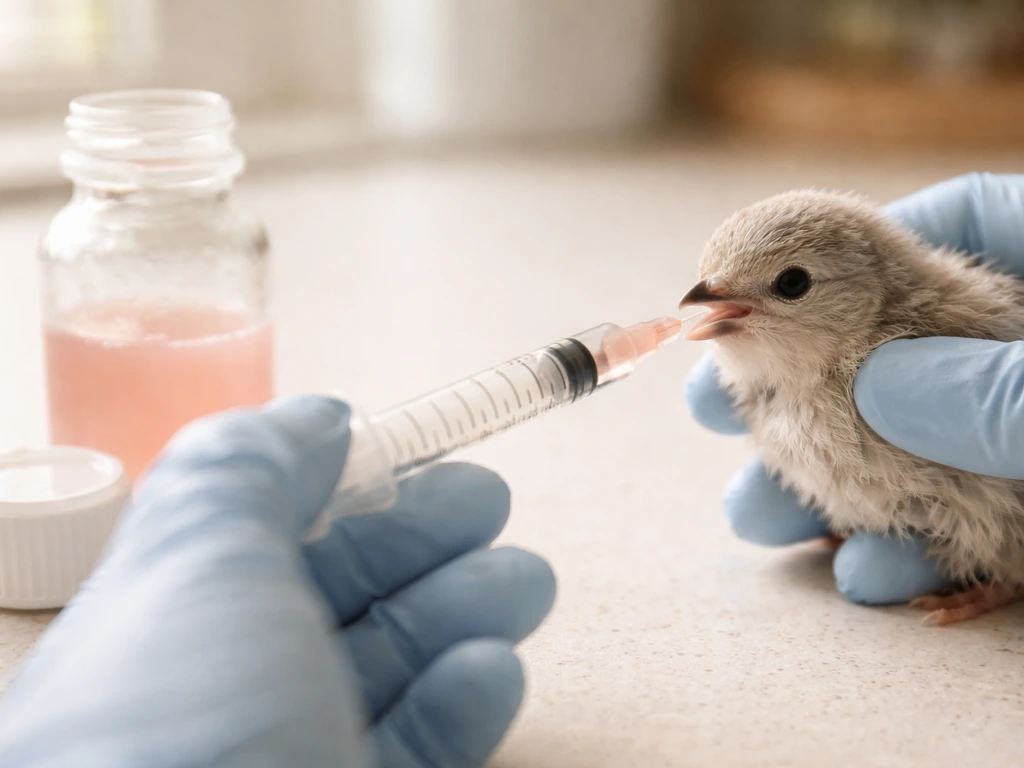
If a vet has examined the bird, confirmed a bacterial infection, and prescribed an antibiotic with specific dosing instructions, here's how to administer it as safely as possible. Most avian antibiotics are given orally as a liquid, measured in tenths of a milliliter, using a small syringe (no needle).
- Use the exact syringe your vet provides or recommends. Avian doses are tiny; a standard kitchen measuring spoon is completely unusable for this.
- Draw up the exact prescribed dose. Double-check it against your vet's written instructions before you approach the bird.
- Wrap the bird gently but firmly in a soft towel (called a 'burrito wrap') to control wing flapping without compressing the chest. Birds breathe using chest muscles, and squeezing the chest can suffocate them.
- Hold the bird upright, not on its back. Never medicate a bird that's lying flat or poorly responsive.
- Place the tip of the syringe at the side of the beak, aimed toward the opposite side of the mouth (not straight down the throat). This directs the liquid across the tongue and away from the airway opening (glottis) at the base of the tongue.
- Dispense the liquid slowly, in small amounts, and watch for the bird to swallow. Do not push the full dose in at once.
- If the bird starts coughing, sputtering, or shaking its head, stop immediately. Return it to its box and let it recover before trying again.
- Keep the session as brief as possible. Stress itself is dangerous. Get in, give the dose, and let the bird settle.
- Give the medication at the same times each day as prescribed and complete the full course.
The biggest aspiration risk comes from going too fast, using too large a syringe tip, or trying to medicate a bird that's too weak to swallow properly. If the bird is too weak to sit upright or to show a swallowing reflex, tell your vet before attempting oral medication. There may be a safer route available.
If your vet has prescribed liquid medicine for a non-antibiotic purpose as well, the same technique applies. The guidance on how to give liquid medicine to a bird covers this method in more detail and is worth reviewing before your first attempt. If you are not sure how to give liquid medicine to a bird, focus first on the vet’s instructions for dosing and safe delivery.
Mistakes that can seriously hurt or kill a bird
This section matters a lot, because the impulse to help can lead to real harm if the wrong choices are made.
- Using human antibiotics without vet approval: never do this. Drugs like amoxicillin from a human prescription, old tetracycline capsules from your medicine cabinet, or anything not specifically prescribed for this bird at this dose are potentially toxic. The Merck Veterinary Manual is explicit: never give human medicines to birds without direct veterinary approval.
- Using the wrong spectrum: broad-spectrum antibiotics used without a diagnosis can kill off beneficial gut bacteria and lead to secondary yeast or fungal overgrowth, which is a serious complication in birds.
- Under-dosing or over-dosing: both are dangerous. Under-dosing creates antibiotic resistance and doesn't clear the infection. Over-dosing causes organ toxicity. Dosing must be weight-based and species-specific.
- Stopping early because the bird 'looks better': bacterial infections need the full course to be eliminated. Stopping early almost always leads to relapse with a harder-to-treat strain.
- Giving antibiotics to a bird with a viral or fungal infection: this does nothing for the infection and adds unnecessary stress and gut disruption.
- Medicating a dehydrated or hypothermic bird: fluids and warmth come first. Giving medication to a severely compromised bird before it's stabilized can accelerate organ failure.
- Forcing medication into a bird that can't swallow: aspiration pneumonia from fluid in the lungs is often fatal in birds.
Watching for progress and knowing when to escalate
Once antibiotics are started under veterinary guidance, here's what to track each day.
| What to monitor | Signs of improvement | Signs to escalate immediately |
|---|---|---|
| Activity level | More alert, holding head up, moving around | More lethargic, unresponsive, unable to perch |
| Breathing | Normal quiet breathing, no tail bobbing | Open-mouth breathing, wheezing, tail pumping |
| Droppings | Regular, formed, normal color for species | Absent, watery, bloody, or very dark green |
| Eating/drinking | Returning interest in food and water | Complete refusal for more than 12-24 hours |
| Wound appearance | Dry, clean edges, no odor | Swelling, discharge, bad smell, spreading redness |
| Weight (if measurable) | Stable or gaining | Continued weight loss despite treatment |
Contact your vet or rehabber immediately if symptoms worsen at any point during the course of antibiotics, if the bird stops eating entirely, if you see neurological signs develop, or if a wound is not improving after 48 hours of treatment. Don't wait for a scheduled follow-up if something looks wrong today.
Do not stop the antibiotics on your own if the bird seems better. Do not extend the course beyond what was prescribed without checking in with the vet. And if the bird is a wild species and recovers enough to be releasable, make sure to coordinate the release timing and conditions with the wildlife rehabilitator, not just on your own schedule.
Supporting recovery often involves more than antibiotics. Calcium support can also be important for some birds, so it helps to know how to give your bird calcium safely when needed. Making sure the bird stays well hydrated is a parallel concern throughout treatment, and the guidance on how to treat a dehydrated bird can help you recognize when that's becoming a problem.
If you suspect the bird is dehydrated, follow a trusted, species-appropriate plan for how to hydrate a bird and check with a rehabber or avian vet for guidance how to treat a dehydrated bird. Rehydrating a bird safely is a key part of supportive first aid and should match the bird's temperature and hydration status dehydrated bird.
The goal the whole way through is to get the bird stable, treated correctly, and either returned to the wild or healthy in its home. Doing that well means working with professionals, not around them.
FAQ
Can I give antibiotics to a bird I’m “pretty sure” has an infection, even if I have not seen a vet yet?
No. Similar symptoms occur with viral illness, fungal disease, parasites, dehydration, and nutritional problems, so starting antibiotics without a diagnosis can delay the correct treatment and worsen gut health. If you cannot reach a professional immediately, focus on warmth, quiet, and safe first aid, then call a vet or licensed rehabilitator for case-specific guidance before administering any antibiotic.
What’s the safest way to measure an avian antibiotic dose at home?
Use the exact syringe type and measurement method the prescribing vet specifies, and double-check units (many avian doses are in tenths of a milliliter). If the medication label uses concentration that you do not fully understand, stop and confirm with the vet or rehabber before drawing up a dose. Never “eyeball” the amount or swap syringes if the tip size or graduation changes.
Is it okay to mix bird antibiotics into food or water?
Usually no. Many antibiotics must be delivered as a measured dose to ensure the bird receives the full amount and to reduce aspiration risk. Mixing into food or water can lead to underdosing, uneven intake, and contamination of the food source. Ask the vet whether your specific drug can be administered mixed, and only do so if they instruct you that way.
What should I do if the bird cannot swallow or gags during dosing?
Stop and contact your vet or rehabber immediately. Gagging suggests aspiration risk, especially if the bird is too weak to sit upright or lacks a consistent swallowing response. There may be an alternative administration route, a different schedule, or a different medication strategy that reduces choking and fluid entering the lungs.
How long after starting antibiotics should I expect improvement?
Some improvement can occur, but you should not wait passively if the bird is getting worse. Contact the prescribing professional right away if symptoms worsen at any point, if the bird stops eating entirely, if neurologic signs appear, or if a wound shows no improvement after 48 hours. Use “worsening or not improving by 48 hours” as a decision point, not “it should get better soon.”
Can I stop the antibiotic early if the bird looks better?
Do not. Stopping early can allow remaining bacteria to regrow and can contribute to more difficult-to-treat illness. Continue the full course exactly as prescribed unless the vet tells you to change or discontinue it, then follow up for reassessment if needed.
Do I need to protect the bird’s gut or prevent diarrhea while giving antibiotics?
You may need supportive guidance, but do not self-prescribe probiotics or anti-diarrheal medicines unless the avian vet approves them. Antibiotics can disrupt normal gut flora, so if you notice new watery droppings, loss of appetite, or abdominal discomfort, call the vet promptly for a plan tailored to the species and antibiotic.
What if the antibiotic bottle is old, opened long ago, or looks different?
Do not use it until you confirm with the prescribing vet or pharmacy. Storage conditions, expiration dates, and whether the medication was refrigerated or protected from light can affect potency and safety. If you already started, stop and call for instructions so you do not give an ineffective or degraded dose.
Are human antibiotics ever appropriate for birds if I can’t get a prescription?
Never assume a human antibiotic is safe for a bird or that the human dose will translate. Birds can respond differently, and some antibiotics that are tolerated in mammals can be dangerous in birds. Use only the specific medication and dosing instructions provided by an avian vet or licensed wildlife professional.
How should I handle a wound before antibiotics, and can I use antiseptic to clean it?
Apply gentle direct pressure with a clean cloth if bleeding is present. Avoid topical antiseptics near the eyes, mouth, or ears, and if the wound appears contaminated, keep it clean and dry while you get professional wound care. Do not close or bandage wounds yourself unless the vet or rehabilitator explicitly instructs you, because incorrect bandaging can worsen infection.
When is emergency help required, even if the bird seems stable enough to medicate?
If the bird is weak or lethargic but still alert and breathing normally, it still needs professional help, and home antibiotics are not the solution. Seek urgent care immediately for breathing difficulty, persistent open-mouth breathing, seizures, severe weakness, inability to swallow, or any rapid decline. In these cases, prioritize transport and real-time triage guidance over attempting medication.
Do antibiotics replace supportive care like warmth and hydration?
No. Antibiotics work best only after the bird is stabilized. Hypothermia and dehydration can make illness worse and can also change how safely medications can be given. Keep the bird warm in a ventilated box, minimize stress, and coordinate hydration support with a vet or rehabilitator rather than trying to “medicate your way out” of a stabilization problem.
Next Article
How to Give Your Bird Calcium Safely and When to Ask a Vet
Step-by-step safe ways to give your bird calcium, dosing basics, and when to seek an avian vet or rehab help.