The safest way to give a bird calcium depends entirely on what kind of bird you have and what situation you're dealing with. For most pet birds, the best approach is dietary: offer cuttlebone, a mineral block, or calcium-rich foods alongside a quality pelleted diet. For injured or orphaned wild birds, skip the home supplementation entirely and get the bird to a licensed wildlife rehabilitator, because giving supplements incorrectly can cause as much harm as the deficiency itself.
How to Give Your Bird Calcium Safely and When to Ask a Vet
Marcus Holloway
28 Apr 2026
When a bird actually needs calcium (and when not to supplement)
Not every bird that looks weak or unsteady is calcium-deficient. Before you reach for a supplement, it's worth knowing which situations genuinely call for extra calcium and which ones don't.
Calcium supplementation may be appropriate in a few specific scenarios: a pet bird on a seed-only diet (seeds are notoriously low in calcium), a bird actively laying eggs or recovering from heavy laying cycles (frequent egg production drains calcium fast), a bird diagnosed by a vet with hypocalcemia (low blood calcium), or a young bird showing signs of metabolic bone disease. In wildlife rehab settings, certain diet compositions, like feeding insects alone without gut-loading them, can put birds at real risk for metabolic bone disease unless calcium is added.
Here's the thing though: supplementation without a confirmed need is risky. Too much calcium, especially combined with excess vitamin D3, can cause soft-tissue calcification and kidney damage. Some parrot species, macaws in particular, are notably sensitive to vitamin D toxicosis. If you're guessing rather than responding to a confirmed deficiency or a vet's recommendation, you could accidentally cause hypercalcemia, which is elevated blood calcium that creates its own serious health problems.
If you found an injured or orphaned wild bird, the general rule is: don't feed it anything, including calcium supplements, until a licensed rehabilitator or avian vet evaluates it. Well-meaning feeding is one of the most common ways people accidentally harm birds they're trying to help. If the bird is a fledgling hopping around outside, it likely doesn't need your help at all; it's probably being cared for by its parents nearby.
Safe calcium sources by situation
For pet birds: food-first approach
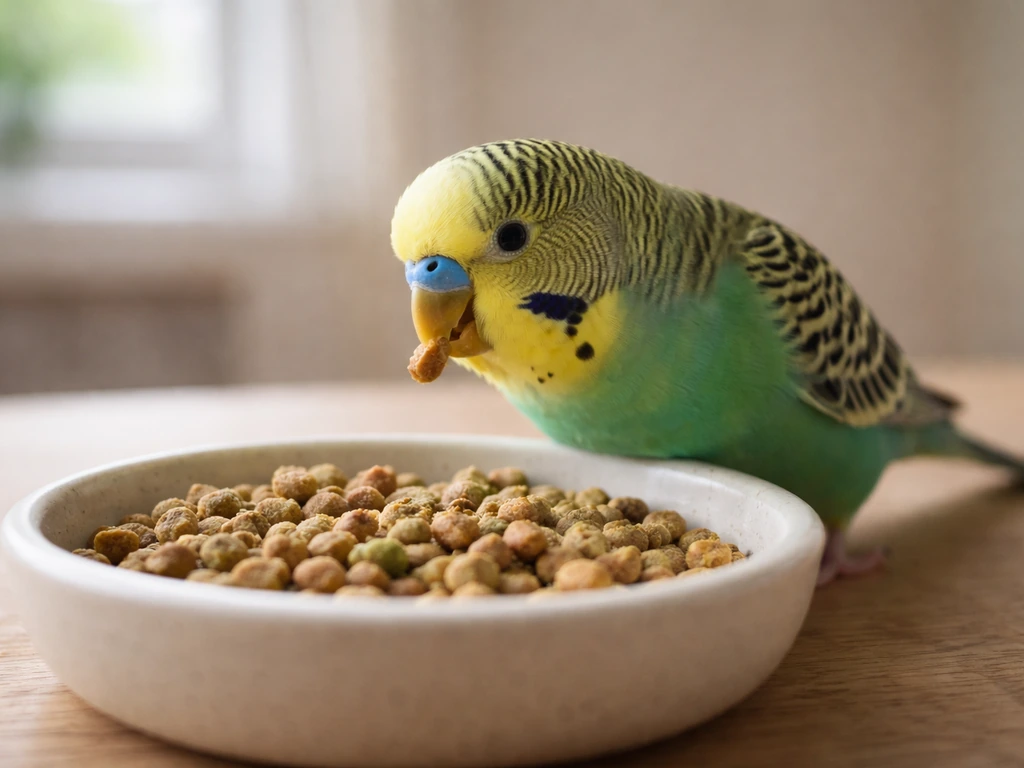
The most reliable and safest way to ensure a pet bird gets enough calcium is through its everyday diet. A quality pelleted diet is far more nutritionally complete than seed mixes, which are often calcium-poor. If your bird is still eating mainly seeds, switching to or supplementing with pellets is one of the most impactful changes you can make.
Calcium-rich foods you can add to a pet bird's diet include dark leafy greens like kale, bok choy, and collard greens, as well as broccoli and cooked legumes. Dairy isn't appropriate for birds, but small amounts of plain low-fat yogurt are occasionally recommended by vets in specific circumstances, so check before offering it.
Cuttlebone and mineral blocks
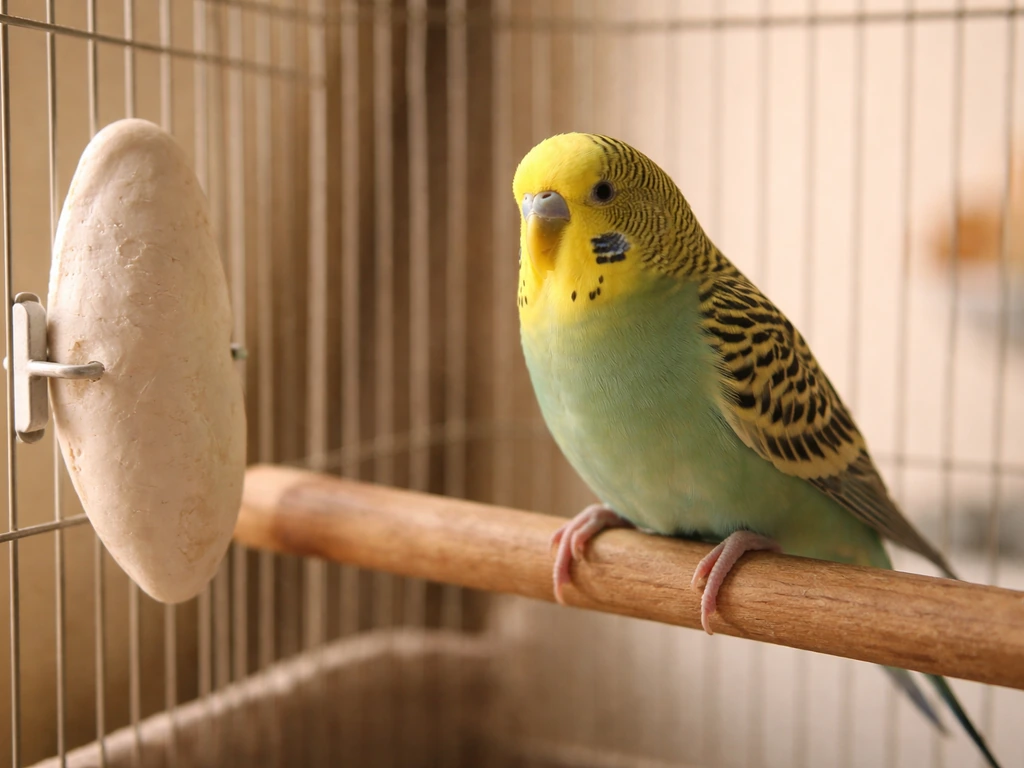
Cuttlebone is one of the most practical and widely recommended calcium sources for pet birds. It's the internal shell of a cuttlefish, and birds can gnaw on it at their own pace, which makes it a low-stress option. Attach it to the cage bars with the softer side facing inward so the bird can easily chew it. Mineral blocks work similarly. The catch is that not every bird will use them, so don't assume the bird is getting calcium just because the cuttlebone is in the cage; check whether it's actually being chewed.
Calcium supplements (use only with vet guidance)
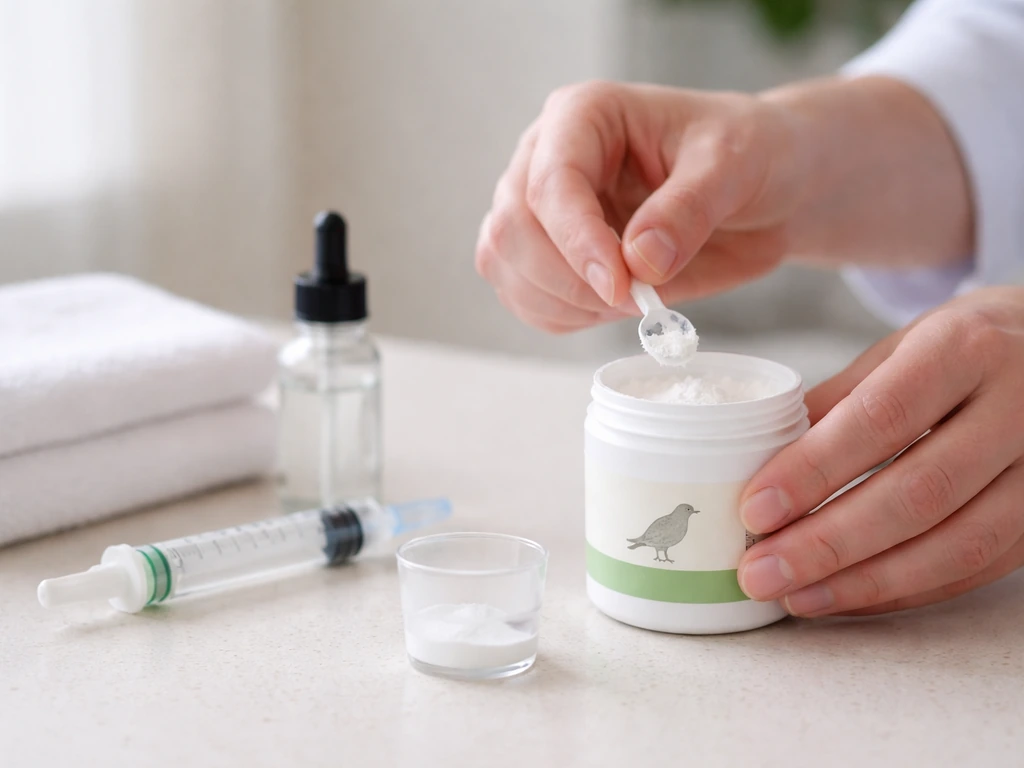
Liquid or powdered calcium supplements formulated for birds do exist. If you need to give liquid medicine, ask a vet for the exact dosing and the safest method for your bird’s species and condition. These should only be used when a vet or wildlife rehabilitator has specifically recommended them and told you the correct dose. If you are wondering how to give bird antibiotics, start by getting professional guidance, because the right medication and dosing depend on the exact condition and species specifically recommended them and told you the correct dose. The right product, the right dose, and the right timing all matter. This is not a situation where more is better.
For injured or orphaned wild birds
If you're dealing with a wild bird, please do not attempt to supplement calcium at home. Wildlife rehabilitators have the training, diagnostic tools, and appropriate formulas to address deficiencies safely. Your job in the meantime is to keep the bird warm, quiet, and in a ventilated box, and contact a licensed rehabilitator as quickly as possible.
How to give calcium safely: humane, low-stress methods
The method you use matters as much as the source. Stress itself is harmful to sick or injured birds, so keeping things calm and handling the bird as little as possible is a real part of the treatment.
- Attach cuttlebone to the cage bars and let the bird access it on its own terms. This requires zero handling and causes no stress.
- Mix powdered calcium (vet-recommended only) into soft foods like cooked sweet potato or mashed greens that you know the bird already eats. This is the gentlest way to deliver a supplement.
- If a liquid calcium supplement has been prescribed, it can be offered in a small amount of a favorite liquid food, or administered carefully by syringe only if the bird is alert, responsive, and you've received specific instructions on technique.
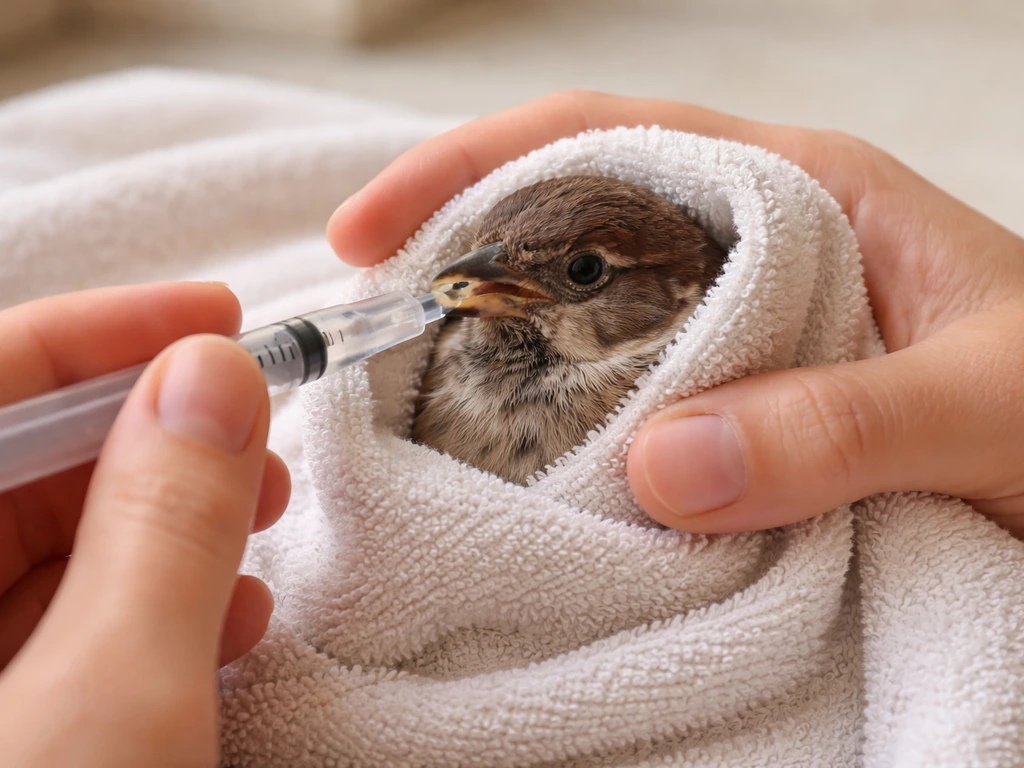
- Keep handling sessions short. Wrap the bird loosely in a towel if you need to hold it, and work quickly.
- Never mix calcium supplements into the water dish unless a vet has specifically told you to. Dosing becomes unpredictable and the bird may drink more or less than intended.
Dosing basics and timing
There is no universal calcium dose for birds, and anyone who gives you a flat number without knowing your specific bird's species, weight, diet, and health status is guessing. Dosing varies significantly based on species size: a small finch needs a fraction of what a large macaw might require, and the underlying condition driving the deficiency affects the target dose too.
What you can keep in mind generally: calcium works alongside phosphorus and vitamin D3, and imbalances in any one of these affect how well calcium is absorbed and used. A diet adequate in calcium but deficient in phosphorus can still result in abnormal bone development. This is why a vet's guidance matters so much: they look at the whole picture, not just the calcium number.
If a vet or rehabilitator has given you a dosing schedule, follow it exactly, including the timing. Calcium is often given with meals to help absorption, but again, defer to whoever assessed the bird. Keep a simple log of what you gave, when, and how the bird responded. That information is genuinely useful at the next vet check.
If the bird won't eat or is injured: oral methods and what not to do
If the bird is too sick, weak, or stressed to eat on its own, delivering calcium becomes a much more delicate situation. A bird that isn't showing a strong feeding response should not be syringe-fed by an untrained person. Aspiration, where food or liquid goes into the airway instead of the digestive tract, can be fatal, and the risk goes up sharply when a bird is debilitated.
If you've been instructed by a vet or rehabilitator to syringe-feed a supplement, here's the basic technique: use the smallest syringe that works for the dose, support the bird's head gently, and place the tip of the syringe at the side of the mouth angled toward the back of the throat. Deliver the liquid slowly and in small amounts. Stop immediately if the bird struggles, gurgles, or shows any sign of distress. Sick or debilitated birds are especially prone to regurgitation and aspiration, so if you're not confident, wait and get professional help rather than risk making things worse.
Rehydration often needs to happen before any oral feeding or supplementation in a critically ill bird, since a dehydrated bird handles oral intake poorly. If you want step-by-step help, focus on safe rehydration guidance first, then follow species-appropriate advice from an avian vet for how to hydrate a bird. If you need guidance on how to rehydrate a bird safely, use veterinary instructions because dehydration can quickly become life-threatening rehydration. If you're also dealing with a dehydrated bird, that's a priority that needs veterinary guidance as well.
Things to avoid
- Do not force food or liquid into a bird that is not actively responding or swallowing.
- Do not use human calcium supplements (like Tums or calcium carbonate tablets crushed up) without explicit vet instruction. Formulations, fillers, and concentrations differ from bird-safe products.
- Do not give milk or dairy-based calcium sources to wild birds or most pet species.
- Do not assume that more calcium is safer. Overdose causes real and serious harm.
- Do not combine calcium supplementation with high-dose vitamin D3 products unless specifically directed. The combination dramatically increases toxicosis risk.
- Do not attempt tube (gavage) feeding at home unless you have been trained and cleared by a vet or rehabilitator to do so.
Common calcium-related problems in birds and signs to watch
Calcium problems in birds show up in a few distinct patterns, and recognizing them helps you know what you're actually dealing with.
| Problem | What you might see | Common cause |
|---|---|---|
| Hypocalcemia (low calcium) | Trembling, weakness, seizures, folding fractures in young birds | Seed-only diet, inadequate UVB exposure, illness affecting absorption |
| Metabolic bone disease | Soft or deformed bones, splayed legs in young birds, pathological fractures | Chronically low calcium or phosphorus, poor diet, insufficient vitamin D3 |
| Egg binding (calcium-related) | Straining, fluffed feathers, tail bobbing, inability to pass an egg | Calcium depletion from frequent laying, nutritional deficiency impairing oviduct contractions |
| Hypercalcemia (too much calcium) | Lethargy, loss of appetite, increased thirst/urination, weakness | Over-supplementation, excess vitamin D3 intake |
| Vitamin D toxicosis | Similar to hypercalcemia; kidney damage signs over time | Excessive vitamin D3 combined with high calcium intake |
One important note on egg binding: the symptoms overlap significantly with other serious illnesses. A bird that looks egg-bound might not be, and a bird that actually is egg-bound needs veterinary care urgently. Do not attempt to manually help a bird pass an egg at home. The oviduct is fragile and this can cause life-threatening internal injury.
When to get veterinary or wildlife rehab help immediately
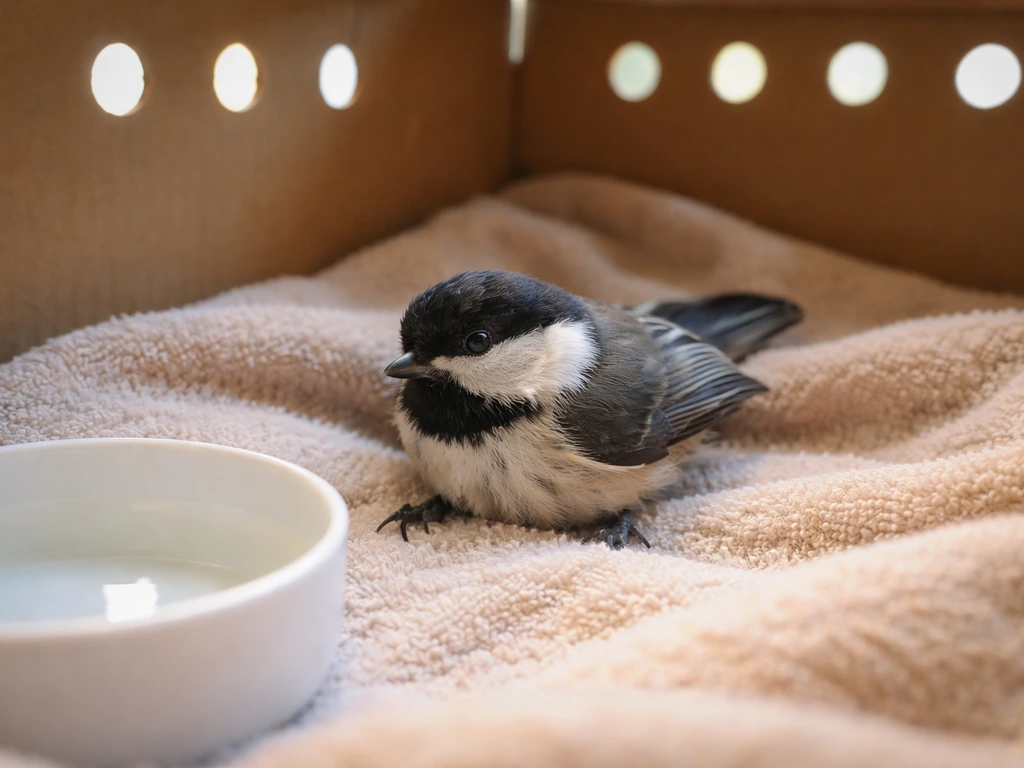
Some situations need professional intervention right away. Don't wait and watch if you're seeing any of the following.
- The bird is having seizures or muscle tremors.
- The bird has collapsed or cannot stand.
- You suspect egg binding: the bird is straining repeatedly and no egg has been passed.
- The bird has stopped eating entirely.
- You've started calcium supplementation and the bird is suddenly weaker, trembling, or more unwell.
- The bird has an obvious fracture, wound, or injury.
- The bird is a wild species, regardless of what condition it appears to be in.
- A baby wild bird is featherless, has its eyes closed, or is clearly injured (as opposed to a fledgling hopping around, which usually does not need intervention).
To find a licensed wildlife rehabilitator near you, contact your state fish and wildlife agency or search the U.S. Fish and Wildlife Service's wildlife rehabilitator directory. For pet birds, call an avian vet rather than a general practice vet when you can: avian medicine is a specialty and the difference in care quality is significant. If you're also managing concerns like dehydration alongside a possible calcium deficiency, those issues need to be assessed together rather than treated separately at home.
The goal of giving calcium safely is to support the bird's recovery, not to replace professional care. When in doubt, the safest thing you can do is keep the bird warm, quiet, and unstressed while you arrange proper help. Hypocalcemia can cause neurologic signs like tremors, twitching or spasms, and even seizures, so get prompt veterinary or rehabilitator guidance when those signs show up.
FAQ
If my bird is unsteady or weak, how can I tell whether calcium is actually the problem?
Start by ruling out the most common diet issue first. If your bird is on seed-only, increasing pellets alongside offering cuttlebone or mineral blocks is safer than trying to “dose” a liquid or powder yourself, unless a vet has confirmed hypocalcemia.
What symptoms mean I should not try calcium first?
Avoid giving calcium products “just in case” when you see symptoms like ruffled feathers plus lethargy, breathing difficulty, seizures, or not eating. Those can be caused by infections, toxins, or other metabolic problems, and the safest move is avian-vet or urgent wildlife assessment rather than supplementation.
Can I give calcium with a multivitamin or vitamin D supplement to boost absorption?
Do not give extra vitamin D3 along with calcium unless your avian vet instructs it. Many calcium supplements already include vitamin D3, and combining sources raises the risk of vitamin D toxicosis, especially in sensitive species like macaws.
My bird has cuttlebone in the cage, but I do not see it chew it. Should I still add supplements?
For cuttlebone and mineral blocks, assume they are not helping until you confirm chewing. If the bird ignores them for days or they are too hard for the beak, switch to additional safe calcium foods and schedule an avian vet consult if weakness continues.
How much calcium-rich food should I add if my bird refuses pellets?
Yes, but choose a practical approach. Use small, consistent portions of dark leafy greens and cooked legumes, and remove uneaten food promptly to prevent spoilage. If your bird is picky and still not eating enough greens, pellets or vet-guided supplementation is usually more effective than trying to force large amounts of one food.
Is yogurt or other dairy ever a safe way to add calcium?
Plain low-fat yogurt is not a general rule for birds. If a vet has not specifically recommended it for your bird’s condition, skip dairy entirely, because many birds do poorly with dairy-based feeding and it can worsen dietary imbalance.
What should I do for a hen that has been laying frequently?
With egg laying or recovering from heavy laying, focus on diet quality first and keep water intake normal. If the bird is laying repeatedly, acting weak, or has softened bones or difficulty using the legs, treat it as a medical issue and contact an avian vet, since egg-related problems can be urgent and calcium alone may not solve the underlying cause.
I found a wild bird in trouble, can I give calcium to help it recover?
In general, home “rescue feeding” is risky for wild birds. Keep the bird warm and minimize handling until a licensed rehabilitator or avian-experienced wildlife professional evaluates it, because wrong supplementation can worsen metabolic bone disease or mask a different illness.
What if I was told to syringe-feed calcium, but I am unsure about the exact dose or technique?
If a vet instructed syringe feeding, the safest next step is to confirm the exact method and dose in the same format your vet used (concentration matters). If you do not have clear instructions, do not attempt syringe feeding yourself, since aspiration risk is higher in debilitated birds and dosing mistakes can quickly become dangerous.
Do I need to rehydrate first before giving calcium to a very sick bird?
Before trying oral supplementation in a critically ill bird, prioritize rehydration guidance from a vet. Dehydration can make oral intake unsafe and ineffective, and swallowing issues can increase aspiration risk.
How do I know when syringe-feeding is too risky at home?
If the bird is too weak to eat on its own, do not syringe-feed unless you have been trained and given explicit instructions for that species and condition. If you are seeing gurgling, regurgitation, or struggling, stop and seek professional help immediately.
When a vet says “low calcium,” what other tests should I ask about?
A single calcium number is not enough. Ask the vet whether they are checking phosphorus and vitamin D status, and whether they suspect dietary deficiency versus another cause (like metabolic bone disease drivers or kidney issues), because those determine what “more calcium” actually means.
What should I do if I think my bird is egg-bound?
If you suspect egg binding, do not try to manually remove or push an egg yourself. Egg-binding can look similar to other emergencies, and internal injury can occur quickly, so prioritize urgent avian or wildlife medical care.
What should I log to help the vet if I start calcium?
Keep calcium therapy consistent with the plan that was given, and record time, product name, and how much the bird actually consumed. Also note eating behavior, activity level, and any coughing or gurgling, since those details help the next clinician adjust therapy and assess aspiration risk.
Next Article
How to Give Liquid Medicine to a Bird Safely
Step-by-step humane guide to safely dose and give liquid medicine to an injured or sick bird, avoiding choking.