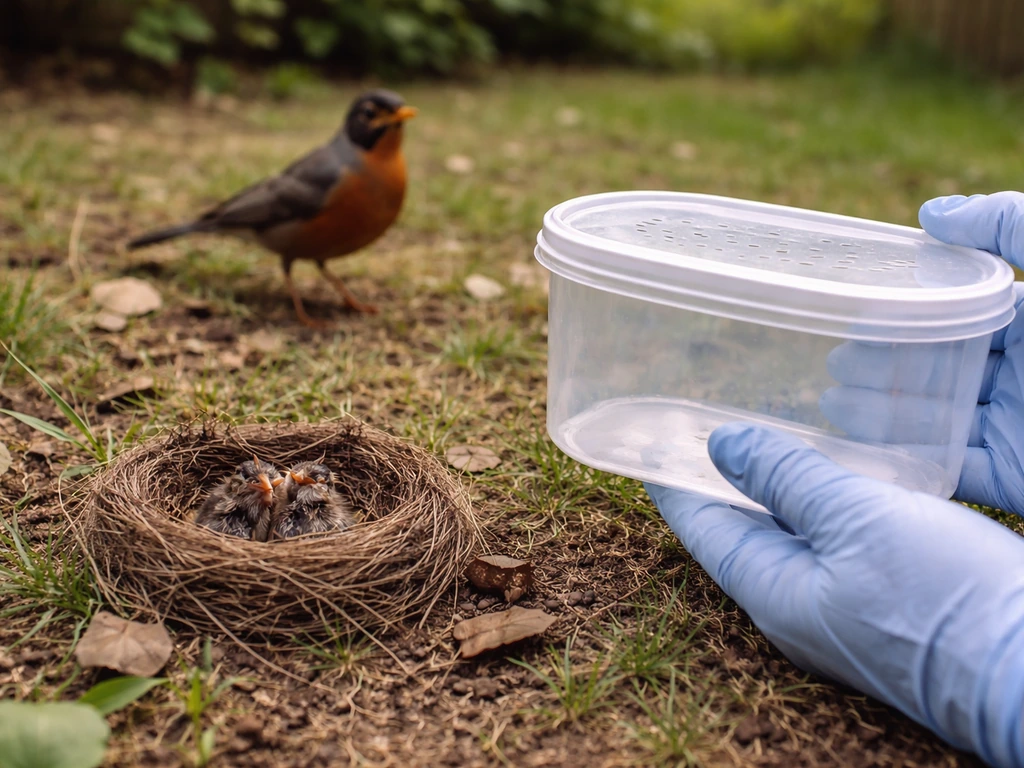
If you find an injured or sick wild bird today, the single most helpful thing you can do is contain it safely, keep it warm, dark, and quiet, and contact a licensed wildlife rehabilitator or vet as fast as possible. Don't feed it, don't give it water, and don't try to treat it yourself. Beyond that one bird, there are also concrete things you can do at home and in your neighborhood that genuinely improve survival odds for bird populations over time.
How to Help Bird Populations: Rescue, Care, and Prevention
Marcus Holloway
12 May 2026
What to do in the first minutes when you find an injured wild bird
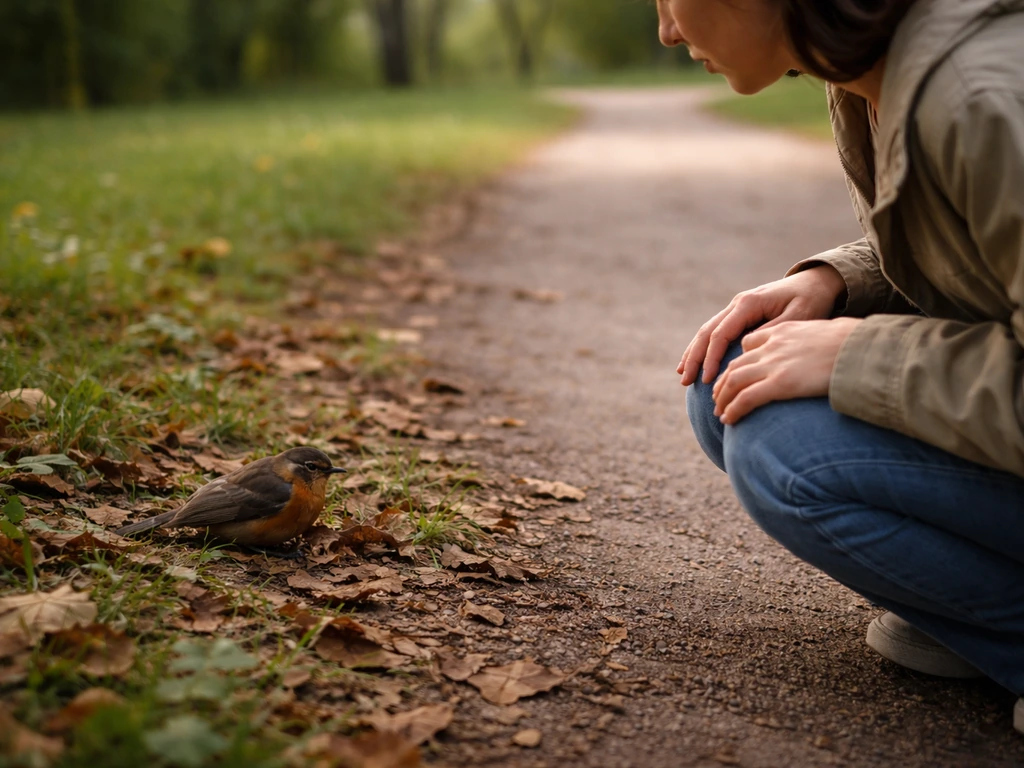
Speed matters, but so does staying calm. Birds go into shock easily, and a lot of well-intentioned handling makes things worse. Here's what to do right away.
- Observe from a distance for a moment before touching anything. Is the bird actually injured, or just stunned? Does it have a parent nearby?
- If the bird is clearly hurt (visible wound, bleeding, dragging a wing, unable to move), gently pick it up using a light towel or cloth to cover it. This reduces struggling and the risk of bites or scratches.
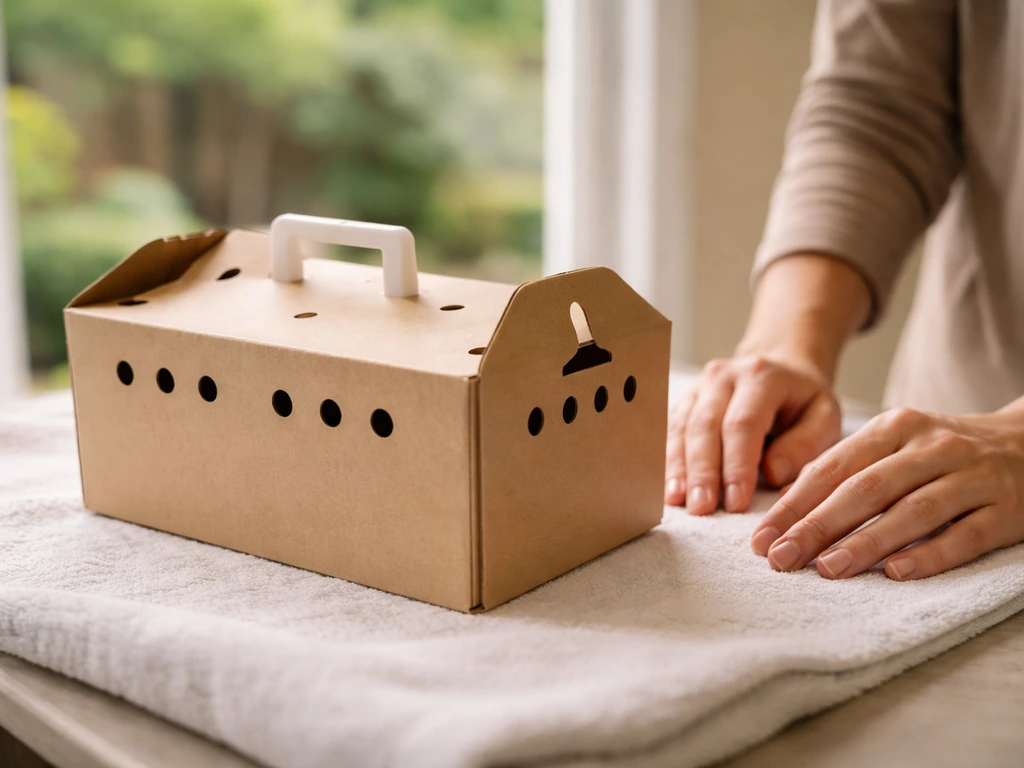
- Place the bird in a cardboard box or paper bag with air holes punched in the top. Line the bottom with crumpled paper towels to give it something to grip. A shoebox works perfectly.
- Close the box and put it somewhere warm and quiet, away from pets, children, and noise.
- Call a licensed wildlife rehabilitator or your local vet immediately. In the US, the US Fish and Wildlife Service maintains a Migratory Bird Rehabilitation Facility list to help you find one near you.
Do not linger over the bird or keep peeking into the box. Every time you open it, you reset the bird's stress response. Once it's contained and somewhere quiet, your job is to make phone calls, not to watch it.
Humane rescue and stabilization: safe handling, warmth, and the food and water rules
Handling safely
Always use a cloth or gloves when picking up a wild bird. This protects you and reduces the amount of human scent and skin contact the bird is exposed to. Wrap the bird loosely so it can breathe but can't flap. Hold it gently but firmly enough that it doesn't injure itself trying to escape. Keep handling to an absolute minimum.
Keeping the bird warm
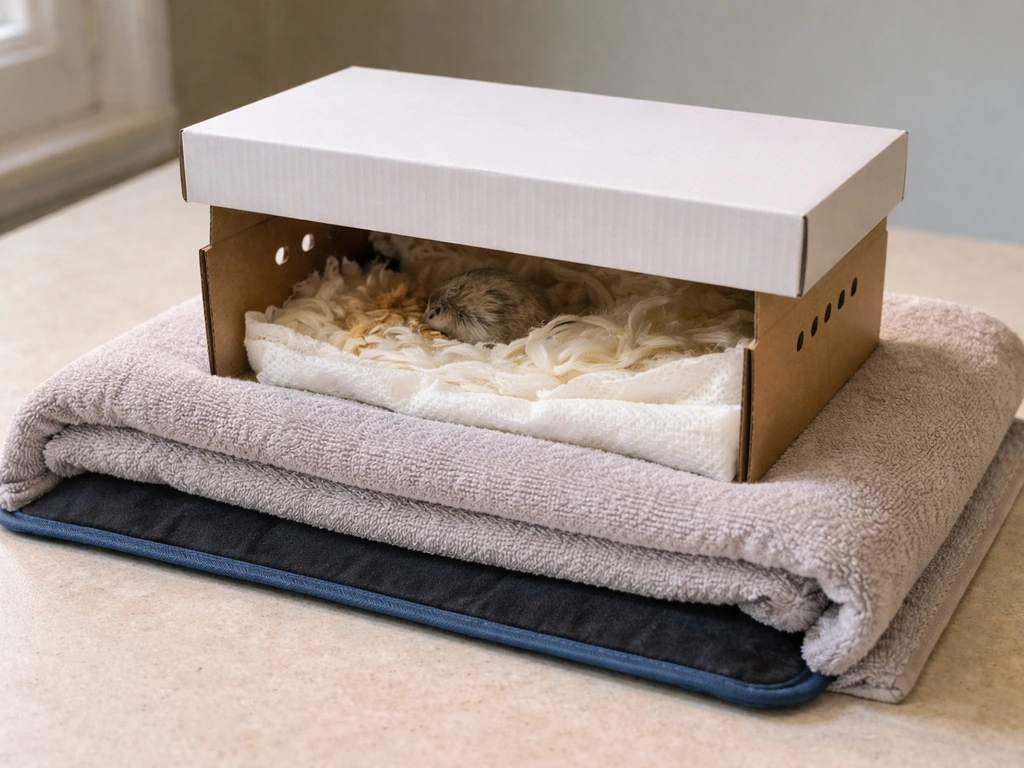
Cold is a serious threat, especially for baby birds and birds in shock. Tufts Wildlife Clinic recommends placing one end of the shoebox on a towel draped over a heating pad set to its lowest setting. This creates a warm end and a cooler end so the bird can self-regulate. Alternatively, fill a plastic bottle with hot water, wrap it tightly in a towel, and tuck it next to the bird. The key is that the heat source should never be in direct contact with the bird, and the box should never be fully heated with no escape route.
The food and water rule: don't
This one is hard for people because feeding feels like helping. But multiple wildlife clinics, including Tufts Wildlife Clinic and the Wildlife Rescue Association of BC, are consistent on this: do not give food or water to an injured or sick wild bird without professional guidance. An incorrect diet can injure or kill. Baby birds are especially at risk because it's easy to accidentally suffocate them with food that is too large or the wrong texture. Bread is a particularly common mistake and causes real harm. Wait until a rehabilitator tells you what, if anything, to give.
Figuring out what you're actually dealing with: injury, illness, or orphan
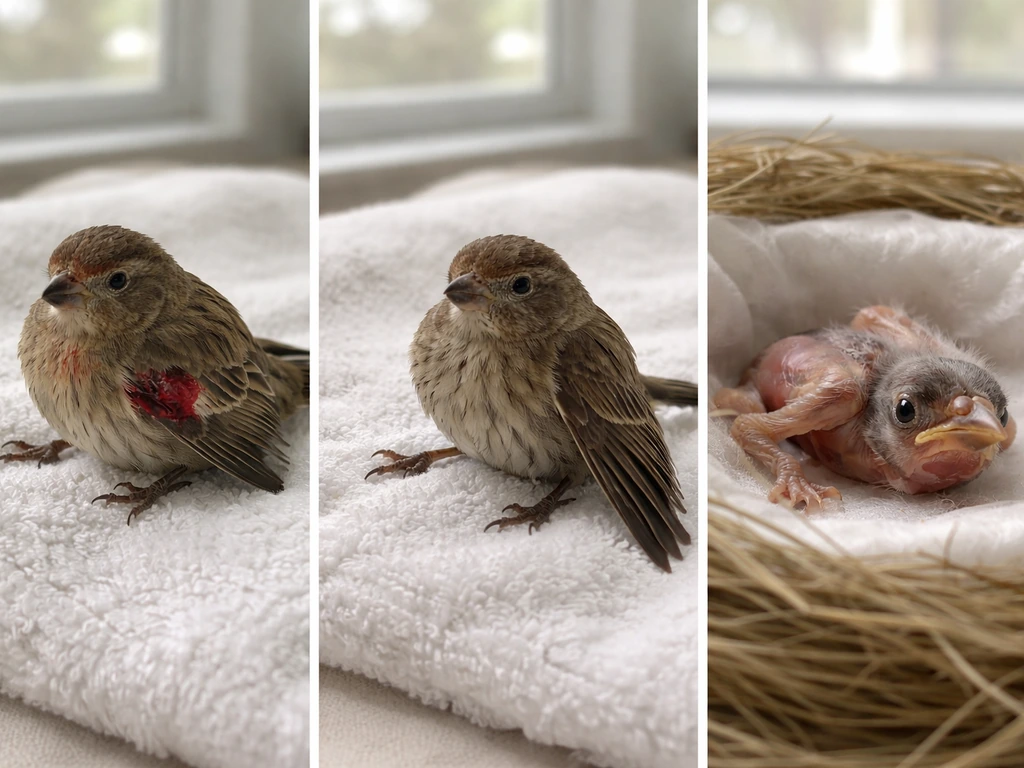
The right response depends heavily on what you're seeing. These situations look similar but require different approaches.
| What you see | What it likely means | What to do |
|---|---|---|
| Bleeding, broken or drooping wing, visible wound, unable to stand | Injured adult bird | Contain and call a rehabilitator immediately |
| Bird sitting still, eyes open, otherwise appears intact | Stunned (possible window collision) | Place in a dark box for up to an hour; release if it recovers, call rehab if not |
| Tiny bird with no feathers or just downy fluff, helpless, barely moving | Nestling (too young to be out of the nest) | Try to locate and return to nest if safe; if not, call a rehabilitator |
| Small bird with short tail, some feathers, hopping on the ground | Fledgling (normal developmental stage) | Leave it alone; parents are usually nearby and feeding it |
| Bird lethargic, fluffed up, not flying away when approached | Sick or seriously compromised | Contain and call a rehabilitator or vet right away |
The fledgling situation trips people up most often. A fledgling hopping around on the ground looks abandoned, but it almost certainly isn't. If you find a nesting bird, the approach is a bit different, so it's important to know how to help a nesting bird safely. Its parents are watching and feeding it. Unless a cat has been at it or it's in immediate danger, the right move is to leave it alone and keep pets indoors. The RSPB similarly advises that a garden fledgling that is fully feathered and not sick or injured is usually best left undisturbed, with pets and people kept away so its parents can care for it blank" rel="noopener noreferrer">best left alone, keeping pets indoors. The RSPCA is clear on this: handling healthy fledglings disrupts parental care and does more harm than good.
For baby birds where you genuinely can't find the nest and the parents haven't returned within a couple of hours, call your local wildlife rescue for advice. Wildlife Aid Foundation notes that parent birds feed their chicks constantly through daylight hours, so a long gap in parental visits is a real signal that something is wrong.
When to call wildlife rehab or a vet (and how to get there)
Call immediately if you see any of these
- Visible bleeding or open wounds
- A wing drooping or held at an odd angle
- The bird cannot stand or walk
- The bird is unresponsive or nearly so
- A cat or dog has had contact with the bird (even without visible wounds, puncture wounds from claws cause fatal infections)
- A baby bird with no feathers or only down that you cannot return to its nest
- Any raptor, swift, or seabird on the ground (these species need specialist care and are not situations for beginners)
In the US, many migratory birds are protected under the Migratory Bird Treaty Act, which means that legally, rehabilitation should go through a licensed facility. The US Fish and Wildlife Service maintains a Migratory Bird Rehabilitation Facility list. In the UK, the RSPCA and local wildlife hospitals are the right contacts. You can also call your nearest vet, who can often stabilize the bird or direct you to the right rehab center.
Transporting the bird safely
Keep the bird in the closed, ventilated box for the whole trip. Don't open it to check on the bird in the car. Keep the car warm but not hot, and minimize loud music or voices. If the bird is cold, bring the heating setup with you. Do not give food or water during transport. If you want to know how to help a wild bird safely, focus on keeping it calm and warm and getting it to the right licensed professionals. The calmer and darker the environment, the better the bird's chances of surviving the journey.
What to do while you wait for help to arrive
Once the bird is in its box and you've made your calls, your role is mainly to do nothing. That sounds passive, but it's genuinely the most helpful thing. Here's the setup to maintain while you wait:
- Keep the box in a warm room, away from direct sunlight, drafts, and heating vents
- Keep pets and children completely away from the area
- Don't play music or have loud conversations near the box
- Check the warmth of the environment (not the bird itself) every 20 to 30 minutes
- Do not open the box to feed, water, or observe the bird
- Keep the box on a stable surface where it won't tip or get bumped
Wildlife Aid Foundation suggests keeping a bird in a quiet dark box for no longer than one hour before getting it to a rescue. That's a useful frame: your goal is to stabilize the situation and get the bird to professional help quickly, not to provide extended care yourself.
Long-term actions that actually help bird populations
Rescuing one bird at a time is meaningful, but if you want to help bird populations broadly, the real leverage is in reducing the everyday hazards that injure and kill birds by the billions each year. Most of these are things you can do at home.
Make windows safer
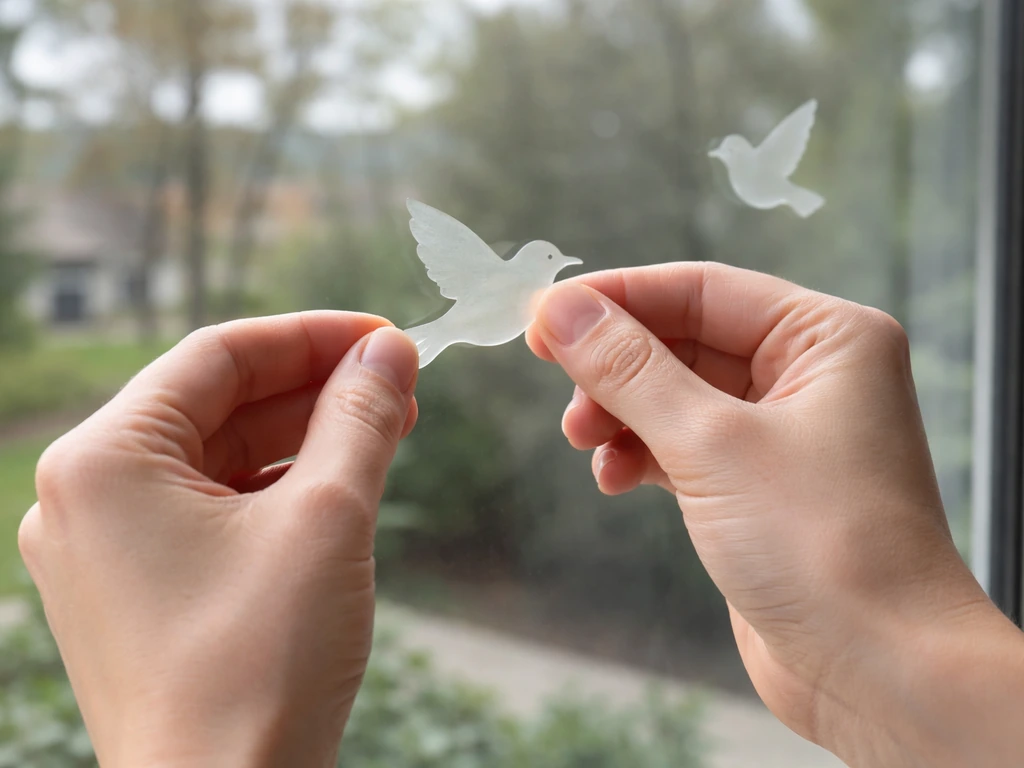
Window collisions are one of the leading causes of bird death in North America. Birds can't see glass as a barrier. You can dramatically reduce collisions by applying window decals, tape, or screens in a pattern of marks spaced no more than 2 inches apart (horizontal) or 4 inches apart (vertical). Keeping lights off or dimmed at night during migration seasons also helps. Audubon's Lights Out program is built around exactly this principle: unnecessary nighttime lighting disorients migrating birds and increases collision risk.
Manage outdoor cats
Outdoor and feral cats are responsible for killing an estimated 1 to 4 billion birds annually in the US alone. Keeping pet cats indoors, or using a supervised outdoor enclosure, is one of the highest-impact individual actions you can take for bird populations. If you're already rescuing birds injured by cats, this is the upstream fix.
Feed and water birds the right way
Feeders and birdbaths help birds but also carry real disease risks if they're not maintained. Audubon and Cornell Lab of Ornithology recommend cleaning seed feeders at least every two weeks, and more often in warm weather. Always let feeders dry completely before refilling. Change birdbath water daily or every other day to prevent algae, bacteria, and mosquito breeding. If you see sick birds at your feeder, stop feeding entirely for at least three weeks and clean or remove the birdbath. The RSPB explicitly recommends this break to prevent disease spread.
On food: use species-appropriate seed, avoid bread entirely (it has no nutritional value for birds and causes health problems), and don't put out more food than birds consume in a day or two to avoid mold and rotting.
Create better habitat
- Plant native trees, shrubs, and flowers that provide natural food and nesting sites
- Leave some leaf litter and brush piles, which support insects that birds need to feed their young
- Avoid pesticides, which remove the insect prey base and can poison birds directly
- Install nest boxes appropriate for local species
- Keep bird feeders and baths away from areas where cats can hide and ambush
Common mistakes that hurt more than they help
Most people who cause accidental harm to wild birds are genuinely trying to help. If you still want to improve outcomes, the best approach is to focus on practical, evidence-based steps rather than the impulse to intervene in ways that can backfire, which is a big part of how to help the bird life is strange. These are the most common errors to avoid.
- Feeding bread, milk, or human food to any wild bird: bread especially causes nutritional problems and can kill baby birds. Never feed bread to birds you're trying to help.
- Giving water to a sick or injured bird: aspiration (inhaling water into the lungs) is a real risk, and it can be fatal. Wait for professional advice.
- Attempting to raise a baby bird yourself: this requires specialized knowledge, a specific diet, and often a federal permit. Birds raised by untrained humans frequently die or become imprinted and unable to survive in the wild.
- Keeping a wild bird too long: the longer you keep it without professional care, the worse its prognosis. Your goal is to get it to rehab within hours, not days.
- Handling a healthy fledgling: a fledgling on the ground is almost always being cared for by its parents. Picking it up disrupts that care.
- Assuming a stunned bird is dead: birds stunned by window strikes often recover within an hour in a dark, quiet box. Don't discard or bury a bird that is still warm.
- Legal caution: in the US, most wild birds are protected under the Migratory Bird Treaty Act. Possessing, keeping, or attempting to rehabilitate a protected bird without a permit is illegal. Basic first aid containment while you get the bird to licensed help is fine, but extended DIY rehab is not.
The pattern across all of these is the same: contain, warm, quiet, and hand off. That's your job. The rehabilitators and vets handle everything else. Following that principle closely is genuinely the most effective way to help both the individual bird in front of you and bird populations more broadly over time.
FAQ
What should I do if the bird is bleeding or visibly injured, but I also don’t have a wildlife rehabilitator on hand right away?
Keep the bird in a closed ventilated box, minimize handling, and focus on warmth and quiet while you make calls. If bleeding is active, do not apply home bandages or ointments, instead transport as soon as possible to the nearest vet or licensed rehab, since many injuries require professional pain control and safe stabilization.
Is it ever okay to place an injured bird outside on a towel to “rest,” instead of calling for help immediately?
Avoid leaving it outdoors unattended. Even short delays can worsen shock, predation risk, and exposure to cold, heat, or rain. The more practical approach is to contain it safely indoors, keep it dark and warm, then contact the right rehab or vet without waiting for it to “come around.”
Can I feed a baby bird if I know what species it is and I have bird formula at home?
Do not rely on home feeding, even if you think you know the species. Correct diet type, texture, feeding volume, and technique vary widely, and incorrect feeding can cause aspiration, starvation, or death. Use waiting time to locate a licensed rehabilitator and follow their instructions only.
What if I can’t tell whether a bird is a fledgling or a nesting bird?
Use the most conservative, low-disruption option: if it is on the ground but otherwise alert, it is likely a fledgling, and parents may be nearby. Keep pets away and observe from a distance. If you see clear nest-building context or the bird is cold, very weak, or you cannot locate parent activity for several hours, then contact local wildlife rescue for guidance.
Should I put the bird in a regular cardboard box or something I have around the house?
A simple shoebox or similar container works, but it should be ventilated and allow heat to be managed safely. Avoid items with loose fibers, strong odors, or gaps that let the bird flap its head into hard surfaces. Also, do not cover the box tightly, instead provide a dark, stable environment with airflow.
How do I keep the bird safe in a vehicle if the trip is going to take more than an hour?
Keep it in a closed ventilated box and do not open it to “check.” Maintain a gentle temperature, avoid direct sun, and reduce noise. If it’s going to be longer, call the rescue or vet en route for timing advice, since prolonged waiting without professional care can increase stress and exposure to worsening conditions.
Is it dangerous to touch a bird, and should I wear gloves every time?
Gloves help reduce human scent and skin contact and protect you from stress and possible bites or scratches. If you must handle it, use minimal contact, support the body securely, and avoid washing the bird yourself or applying anything to its feathers. If you get bitten or exposed to blood, seek medical guidance promptly.
What if the bird is clean and active, but it seems disoriented or flying into windows repeatedly?
Window collision can happen even when a bird looks intact. If it appears uncoordinated, stunned, or cannot right itself normally, treat it as an injury case, contain it, keep it warm and dark, and contact a rehabilitator. If it is fully alert and can fly normally, avoid handling and instead focus on correcting the window hazard.
How often should I clean feeders and baths to prevent disease, and what’s the safest way to disinfect?
Clean feeders at least every two weeks, and more frequently in warm weather. Let feeders fully dry before refilling. For birdbaths, change the water daily or every other day. Disinfecting agents vary by product and can be hazardous to birds if used incorrectly, so follow the label directions and rinse thoroughly before reintroducing fresh water.
If I stop feeding to prevent disease spread, how long until I can restart?
If you see sick birds at a feeder, pause feeding for at least a few weeks before restarting, then clean and remove contaminated equipment first. When you resume, start with thorough cleaning and monitor for signs of illness. This waiting period reduces lingering risk and helps prevent repeated outbreaks.
What’s the best strategy to reduce cat predation without completely giving up outdoor time?
The highest-impact option is keeping pet cats indoors. If you want outdoor access, use a supervised enclosure, a secure catio, or consistent supervision with physical barriers that prevent hunting. Avoid relying on deterrents that cats can learn around, since supervision and controlled access are more reliable.
How do I place window decals or screens correctly to actually prevent collisions?
Apply markings in a pattern that a bird can perceive as a barrier, with spacing of no more than about 2 inches horizontally and 4 inches vertically. Consider both sides of the window if feasible, and also keep nighttime interior and exterior lights reduced during migration periods because reflected and attraction lighting can raise collision risk.
Next Article
How to Help a Nesting Bird: Step-by-Step Rescue Guide
Step-by-step humane rescue for nesting and nestling birds: triage, warm dry care, reunite safely, know when to call reha