If you've found a sick or injured wild bird, the most important things you can do right now are: keep it calm and contained, blank" rel="noopener noreferrer">don't feed it or give it water, minimize handling, and contact a licensed wildlife rehabilitator as quickly as possible. If you are wondering how to help a bird beyond the first moments, focus on safe containment and getting it to a licensed rehabilitator quickly. Most of what helps a wild bird in distress is doing less, not more, while you get it to someone qualified to treat it.
How to Help a Wild Bird: Sick or Injured First Aid
Marcus Holloway
24 Apr 2026
Immediate do's and don'ts when you find a sick wild bird
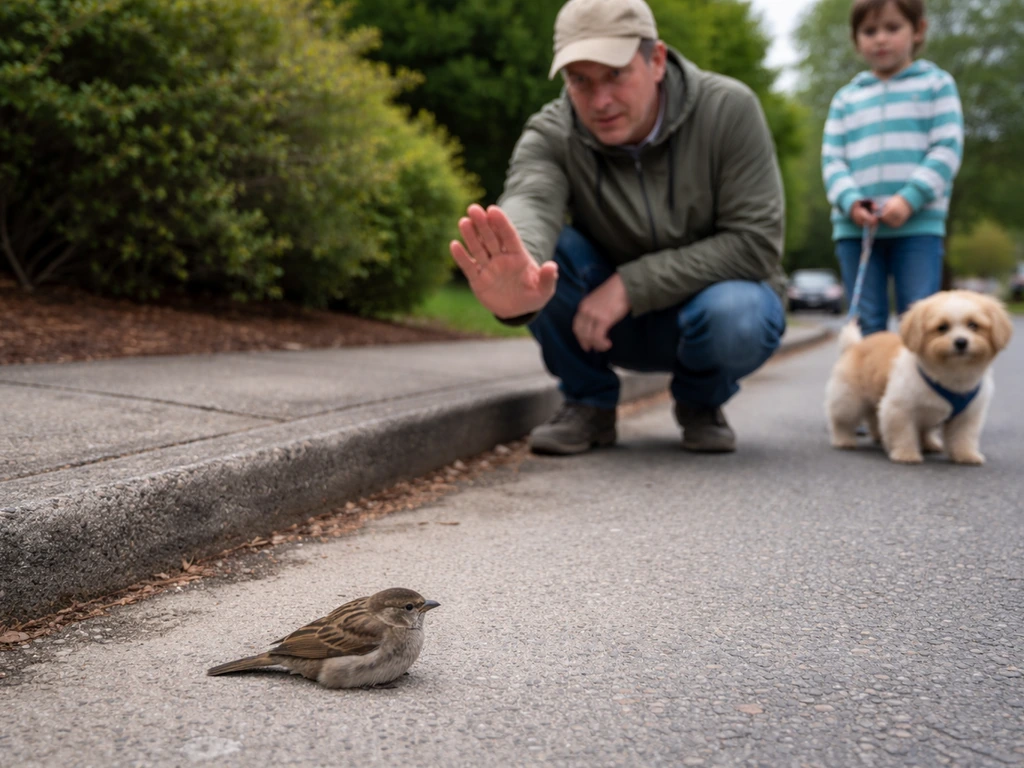
Your instinct will be to help right away, and that's a good instinct. But the way you help in the first few minutes matters a lot. Wild birds go into shock easily, and well-meaning actions like trying to feed them or holding them too long can make things worse fast.
- Do keep pets and children away from the bird immediately.
- Do observe the bird from a short distance before touching it to assess its condition.
- Do wear gloves if you need to handle it. Thick gardening gloves work well.
- Do place it in a secure, ventilated container as soon as you decide it needs help.
- Do keep the bird in a quiet, dark, warm place while you arrange transport or wait for a rehab contact.
- Don't feed it anything. This is one of the most common and damaging mistakes people make.
- Don't give it water, especially by dropper or syringe. Liquid in the airway can kill a bird quickly.
- Don't keep checking on it or handling it out of concern. Every interaction adds stress.
- Don't attempt to treat injuries yourself unless you have specific training.
- Don't try to trap the bird before calling a wildlife rehabilitator if you're unsure how to handle it safely.
If you're not sure whether the bird actually needs help, pause and watch for a few minutes before intervening. A bird sitting quietly on the ground isn't always in crisis. Context matters, and the triage section below will help you decide.
Quick triage: signs of shock, injury, illness, or orphaning
Not every bird you find needs rescuing. The first real skill in helping wild birds is telling the difference between a bird that genuinely needs intervention and one that's fine on its own. Here's how to read what you're seeing.
Signs the bird clearly needs help
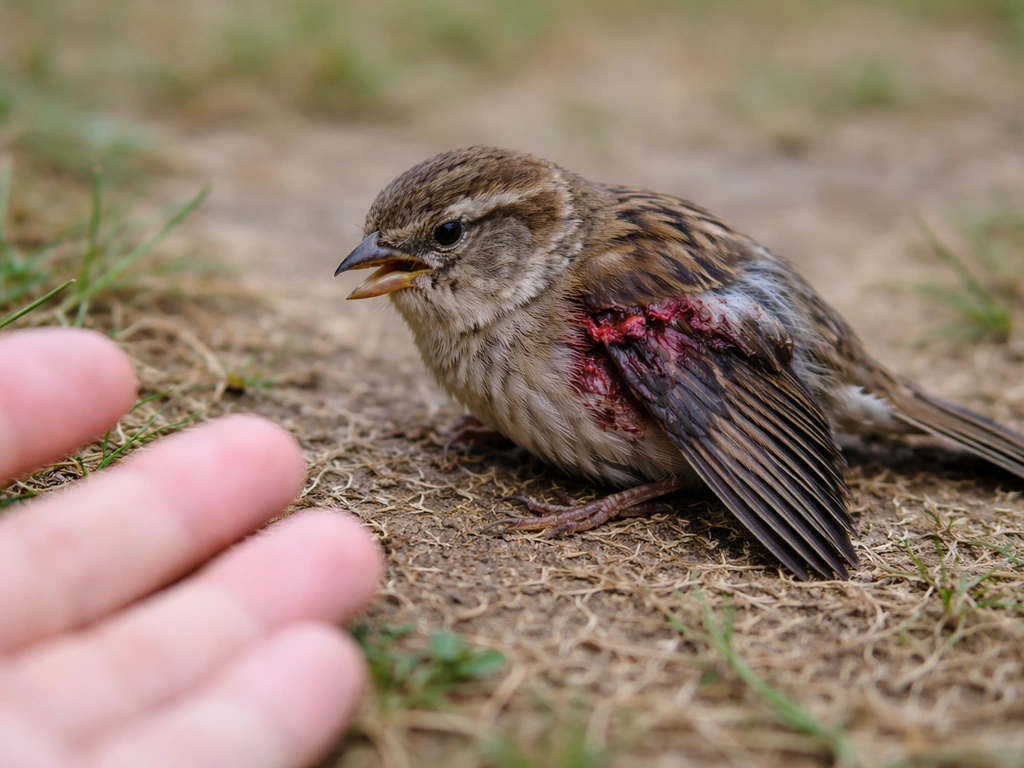
- Visible wounds, bleeding, or lacerations
- A drooping or obviously broken wing
- Inability to stand or keep its head upright
- Labored or open-mouth breathing
- The bird allows you to walk up and pick it up without any resistance (a healthy wild bird will not let you do this)
- Lameness or dragging a leg
- Eyes closed or partially closed during daylight hours
- Entanglement in string, fishing line, netting, or wire
The fledgling question: is it actually orphaned?
A huge number of birds brought to rehab centers every spring are fledglings that didn't need rescuing at all. A fledgling is a young bird that has left the nest but is still learning to fly. It will look scruffy, hop around on the ground, and may not be able to fly well yet. That's completely normal. The parents are almost always nearby and still feeding it. Unless you see a physical injury (a broken wing, bleeding, or it can't move away from you at all), the best thing to do is leave it alone and keep pets away.
A nestling is different: it's a very young bird with few or no feathers, and it genuinely cannot survive on the ground. If you find a nestling and the nest is accessible, put it back. Parent birds will not reject a baby because you touched it. If the nest is destroyed or unreachable, contact a rehabilitator. If no nest is visible, you can place the bird gently in a bush or low branch near where you found it as a temporary measure while you make calls.
Signs of shock
A bird in shock may sit very still, feel cold to the touch, have a rapid or barely visible heartbeat, or seem unresponsive. Shock can follow a window strike, a cat attack, or any sudden trauma. These birds need warmth, quiet, and a dark container immediately, then professional care as fast as you can arrange it.
Safe handling and temporary housing
If you've decided the bird does need help, here's how to handle and contain it safely. The goal is to secure the bird with minimal stress to both of you.
How to pick up an injured bird
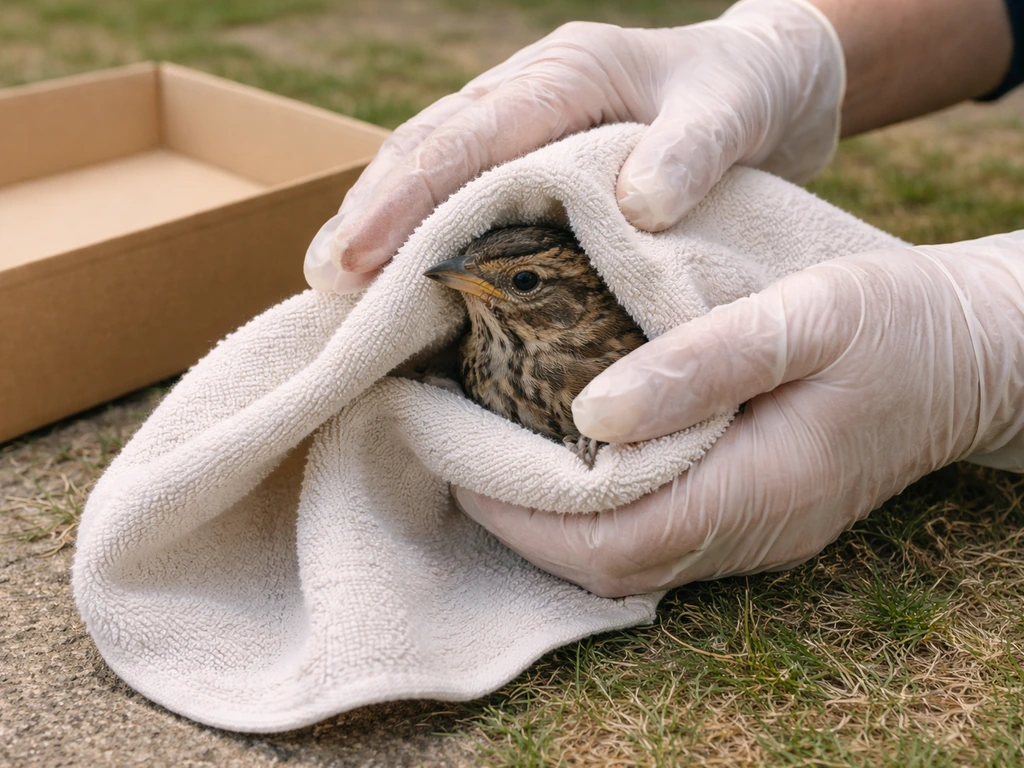
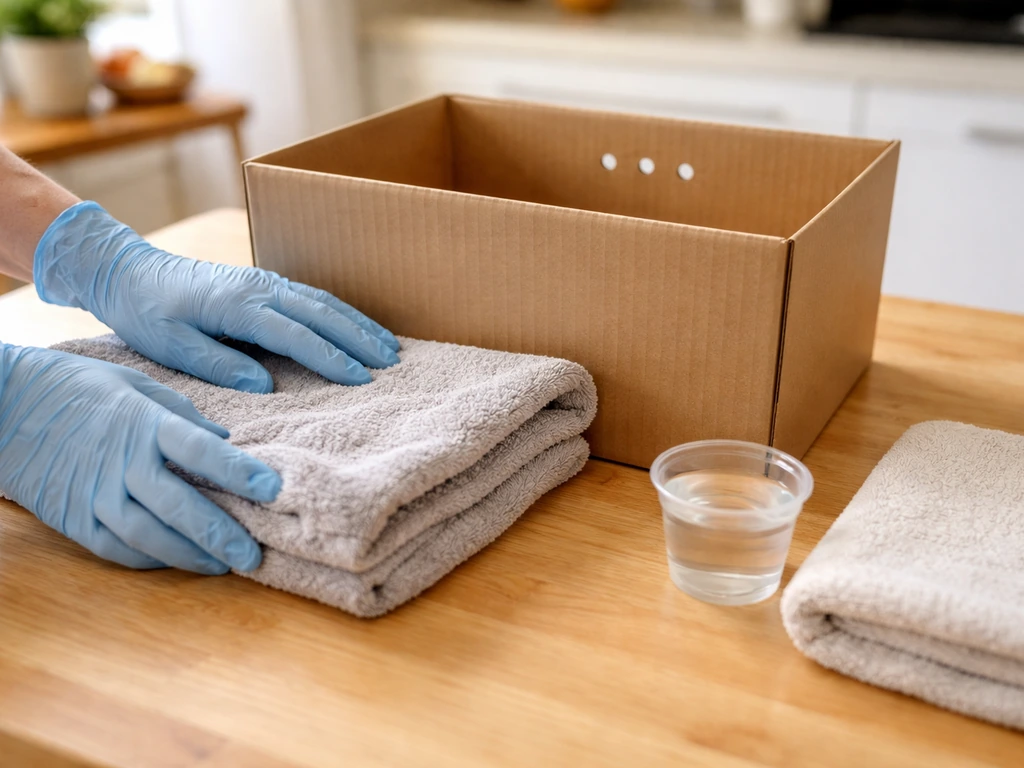
Put on gloves first. Then drape a light towel or piece of cloth gently over the bird. This immediately calms most birds because it removes visual stimulation. Scoop the bird up through the towel, keeping its wings held gently against its body. Don't squeeze. Use soft, ravel-free fabric if you have a choice, like fleece, a pillowcase, or a clean t-shirt.
Setting up a temporary container
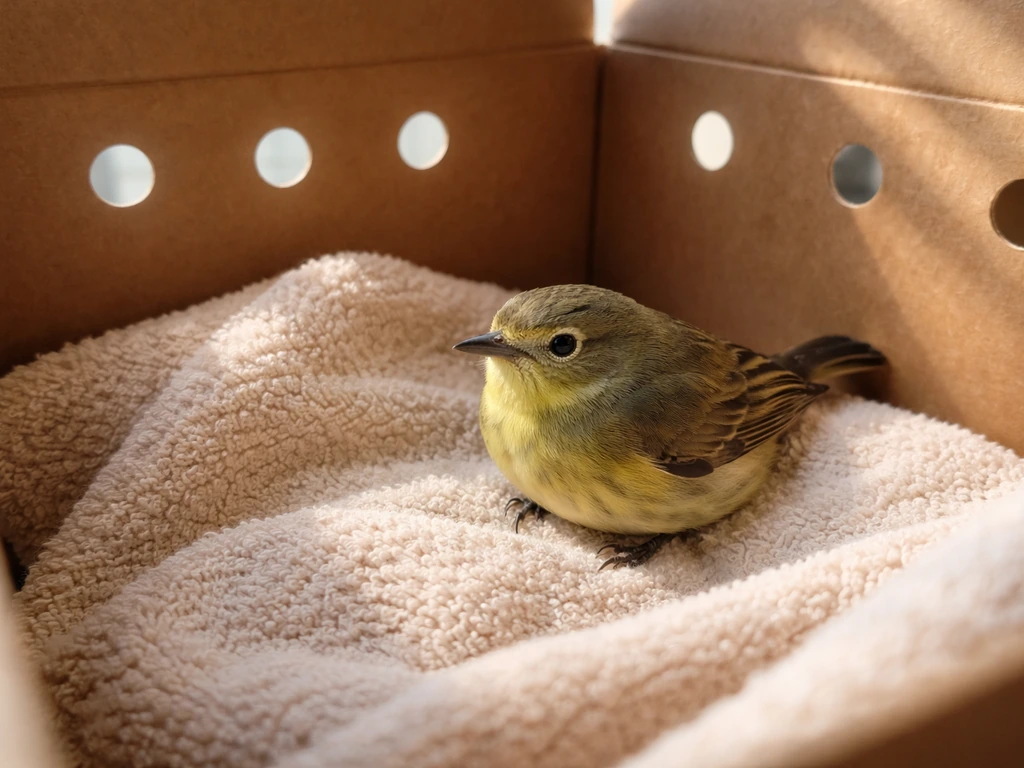
A cardboard box with a lid works perfectly. Line the bottom with a towel or several layers of paper towels. Use a pen or pencil to poke small air holes in the sides of the box (about 10 to 15 small holes is plenty). Do not cut large openings or slots in the box, because the bird's head, wings, or feet can get caught in them. Place the bird gently inside, still wrapped loosely in the towel, and close the lid.
For most injured songbirds, a target temperature inside the box of around 85°F is appropriate while you wait for help. You can achieve this by placing the box half on and half off a low-heat heating pad, so the bird can move away from the warmth if needed. Don't put the heating pad directly under the whole box. Fully feathered adult birds generally don't need added heat, but cold, wet, or nestling birds do.
Keep the box in a quiet, dark room away from pets, loud sounds, and foot traffic. Resist the urge to open it and check on the bird frequently. Darkness reduces stress significantly.
Entanglement: a special case
If the bird is tangled in fishing line, string, netting, or wire, do not attempt to cut or remove it yourself unless you're specifically directed to by a rehabilitator. Entanglement can cut off blood supply to a limb, and removing it incorrectly can cause further damage that may require medical intervention. Contain the bird carefully and get it to a professional as quickly as possible.
Humane first aid basics you can safely do on the spot
Honest answer: there isn't much you should do in terms of active treatment. The most effective first aid for a wild bird is stabilization, not intervention. But here are the safe, practical steps that genuinely help.
- Get the bird off the ground and away from predators (cats, dogs, other birds) immediately.
- Use a towel to cover and calm it before and during handling.
- Place it in a secure, ventilated, dark box lined with a soft cloth.
- Provide gentle warmth if the bird is cold, very young, or in shock, using the half-pad method described above.
- Minimize noise, vibration, and light around the container.
- If there is active bleeding from a small wound and you can see it clearly, very gentle pressure with a clean cloth for a minute or two can help, but don't probe the wound or try to clean it with antiseptics.
- If the bird struck a window and appears stunned but has no visible injuries, place it in a box in a quiet spot. Many window-strike birds recover on their own within an hour or two and can be released if they're fully alert and flying normally.
That's really the list. Warmth, darkness, quiet, and containment. Everything else is a job for a rehabber or vet.
What not to do: feeding, water, medication, and stress pitfalls
This section matters as much as any other, because the most common mistakes people make with wild birds are all about doing too much. Every wildlife rehabilitator and veterinary organization is consistent on these points.
Don't feed the bird
Do not give a sick or injured wild bird any food unless a licensed rehabilitator has specifically told you what to give and how. This applies to bread, seeds, fruit, worms, cat food, dog food, and everything else. Improper food can be dangerous, especially for young birds with sensitive digestive systems. Even the right food given incorrectly can cause aspiration or injury. If you're waiting to hand the bird off to a rehabber within a few hours, it genuinely doesn't need to eat right now.
Don't give water
This is the one that surprises people most. Giving water to an injured or sick bird using a dropper, syringe, or even a shallow dish is one of the most dangerous things you can do. Birds have a tracheal opening at the base of their tongue, and it's very easy to get liquid into their airway. Aspiration pneumonia can kill a bird quickly. Do not get any liquid on the bird during temporary care. If a rehabilitator advises you that the bird needs hydration, they'll tell you exactly how to do it safely.
Don't give any medication
No pain relievers, no antibiotics, no antiseptic sprays, no anything. Human and pet medications are toxic to birds in ways that aren't always obvious. Even topical treatments that seem harmless can be dangerous. Leave medical treatment entirely to the professionals.
Minimize stress at every step
Stress is genuinely life-threatening for wild birds. A bird can die from capture myopathy, a condition where extreme stress causes muscle damage and organ failure, if it's handled too much or kept in a stimulating environment. Once the bird is in the box, leave it alone. Don't take it out to show people. Don't let kids or pets near it. Don't play music or have the TV on nearby. Quiet and dark are your best tools.
When to call a wildlife rehab or vet, and how to prepare for transport
Call a wildlife rehabilitator as soon as you've secured the bird in a safe container. Don't wait to see if it improves on its own if it has obvious injuries, is in shock, or is a very young nestling. For window-strike birds with no visible injuries, you can wait up to an hour or two and attempt release if the bird is fully alert, but if there's any doubt, call anyway.
How to find a licensed rehabilitator
In the US, your state's wildlife agency maintains a list of permitted wildlife rehabilitators. For example, the Michigan Department of Natural Resources provides a directory of licensed wildlife rehabilitators with contact information by region and capacity your state's wildlife agency maintains a list of permitted wildlife rehabilitators. You can also search through the National Wildlife Rehabilitators Association (NWRA) or the Wildlife Rehabilitators Association's online directories. The Humane Society and local animal control offices can often refer you to someone quickly. If you're in Virginia, the DWR operates a wildlife conflict helpline at 1-855-571-9003 (Monday through Friday, 8am to 4:30pm). In other states, your closest wildlife center or avian vet is a reliable first call.
What to have ready when you call
- Where you found the bird (specific location, habitat type, whether it was near a road or building)
- What species it appears to be, or your best description if you don't know
- What you observed: symptoms, behavior, any visible injuries
- What you've done so far (contained it, applied heat, etc.)
- Whether it's a nestling, fledgling, or adult bird
- Any photos or short video you took, which can help the rehabber assess remotely
Transporting the bird safely
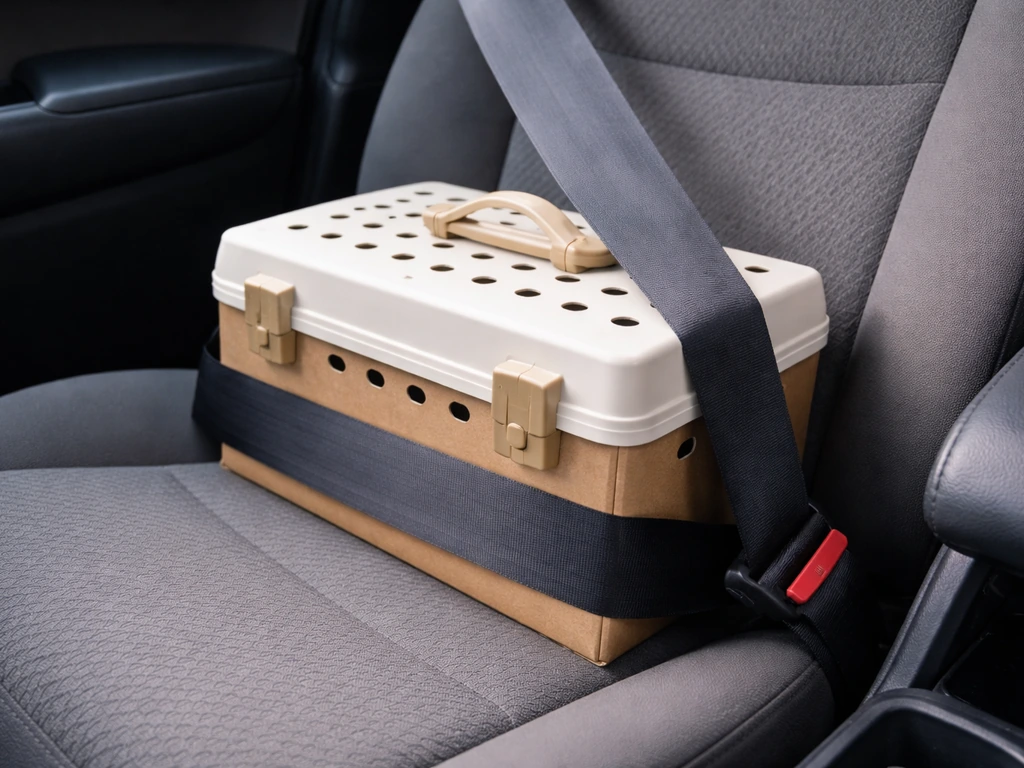
Keep the box in the passenger area of the car rather than the trunk, and have someone else drive if possible so you can monitor for any sounds of distress. Don't open the box during transport. Keep the car quiet, avoid blasting heat or air conditioning directly at the box, and drive calmly. A bird that has been properly contained in a dark, quiet box is usually much calmer during transport than one that's been handled repeatedly.
Once you've handed the bird off to a licensed professional, you've done everything you can do, and that's a genuinely good outcome. Knowing when to step back and let an expert take over is the most important skill in wild bird rescue. If you're also wondering about helping nesting birds, supporting bird populations more broadly, or what to do when you find a bird in a different situation, those scenarios each have their own set of considerations that are worth exploring separately. If you are feeling unsure about what to do next in the moment, use this guide on how to help the bird life is strange to choose the safest option for the bird.
FAQ
How can I tell if a bird I found actually needs help?
Before you do anything, check if the bird is truly in distress. If it can stand normally, preen, and fly (even clumsily), it may just be resting or learning. If it is fully alert and the only issue is a brief window strike, you can keep it dark and contained while you assess, but if it is weak, uncoordinated, bleeding, or you are unsure, calling a rehabilitator is the safer choice than waiting.
What should I do if I can’t easily catch the bird?
Yes. If you need to pick the bird up, use a soft towel, minimize handling time, and keep it wrapped and secure. Avoid catching it repeatedly to “get it right,” repeated grabs can worsen shock. Once in the box, do not keep opening it to check breathing or posture, let the darkness and quiet do the work until help arrives.
Is it okay to keep the bird in an open container so it can breathe?
For a wild bird, do not try to “tether” the box with string or leave it open for ventilation. Small birds can injure themselves by reaching into gaps or getting feet stuck. Use a lidded cardboard box with small air holes, keep the bird loosely wrapped, and close the lid firmly.
What if the bird seems to stop moving or won’t respond?
If the bird is breathing but appears unresponsive, keep it warm (when appropriate), dark, and quiet, and contact a rehabilitator immediately. Do not attempt CPR, blow into the bird’s mouth, or use household warming methods like hot water bottles, which can overheat or burn.
When is it safe to release a wild bird on my own?
Do not release a wild bird you find unless it is fully alert and able to move normally after the initial shock period, and only if you are confident it is not injured. For window-strike birds with no visible injuries, the article suggests a short waiting period, but if there is any doubt about alertness, posture, balance, or wing function, take it to a licensed rehabilitator instead of releasing.
Can I move the bird to get to my phone or call someone?
If you must move the bird to call for help, place it in the prepared dark box first, then transport it as quickly as possible. During calls, stay with the box, keep it out of sight of pets and kids, and do not leave the bird unattended in a garage, balcony, or yard where it can be disturbed.
What if the wild bird seems dirty, coated, or oiled?
If the bird is oiled (common with petroleum contamination), do not attempt to wash it yourself, and do not use cooking oils, dish soap, or random cleaners. Oiled feathers lose insulation and water resistance, and DIY cleaning can worsen stress and ingestion risk. Contain it and contact a wildlife rehabilitator right away.
What should I do if the bird is inside my house and won’t leave?
If the bird is trapped in a building, you can help it by reducing threats rather than handling it. Turn off bright lights, close interior doors that limit escape, open a window or exterior door near a path to outside, and allow it to leave. Only capture if it is in immediate danger where it cannot escape safely.
Do I need to bandage or splint a bleeding wing?
If the bird has a visible injury but no obvious bleeding, still treat it as potentially serious. Do not apply tape, splints, or wraps unless a rehabilitator instructs you, because incorrect bandaging can restrict circulation or worsen fractures. Contain, keep dark and quiet, and get professional care.
What if I find a baby bird but I can’t find the nest?
If the bird is in a nest area and you suspect it is a nestling, use the safest placement option based on what you can see. If the nest is accessible, return the nestling. If the nest is unreachable or destroyed, or you cannot locate a nest, place it in a nearby bush or low branch and call a rehabilitator.
How long can I keep the bird before someone arrives?
If you have to wait longer than a short handoff window, keep the bird’s box in a consistently quiet, dark room, avoid temperature extremes, and keep handling to an absolute minimum. The key is stabilization, not “checking progress,” and you should still contact a rehabilitator as soon as it is secured.
Next Article
How to Help Bird Life: Rescue, Triage, and Next Steps
Step by step rescue and triage for injured or orphaned birds: safe handling, feeding do's and don'ts, and next 30 minute