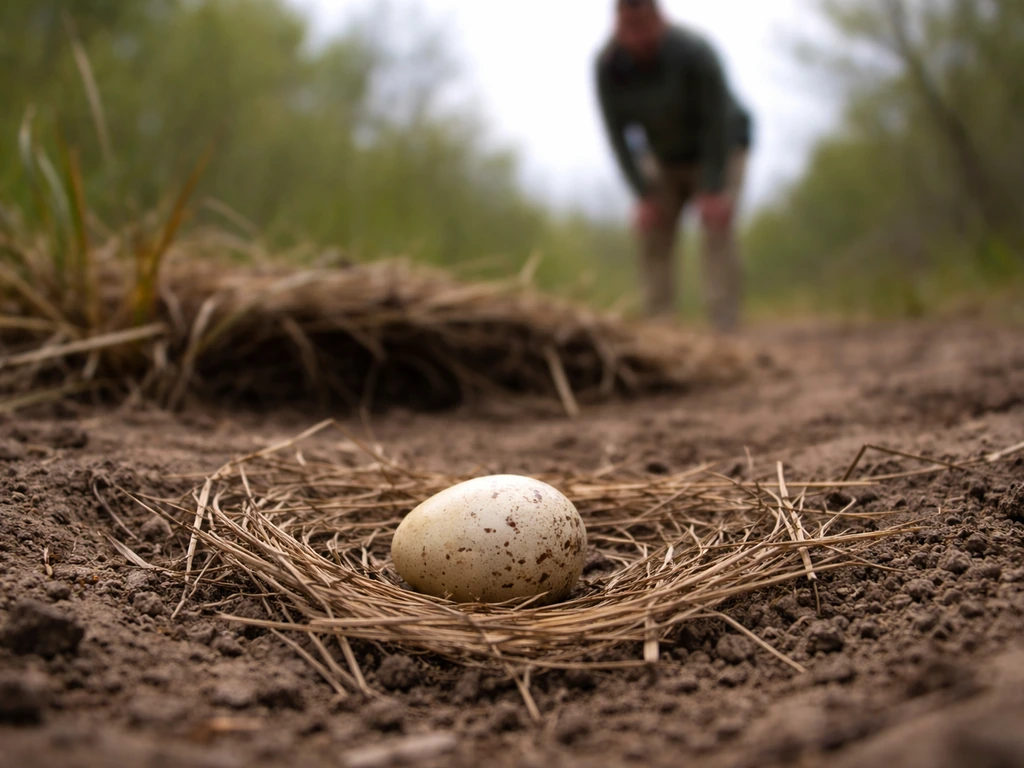
If you just found a bird egg on the ground, the most important thing you can do right now is slow down and resist the urge to immediately pick it up. Most of the time, the best action is observation first, intervention second. That said, there are real situations where acting quickly matters, and this guide will walk you through exactly how to tell the difference and what to do at each step.
What to Do With a Bird Egg on the Ground: Emergency Steps
Marcus Holloway
14 Apr 2026
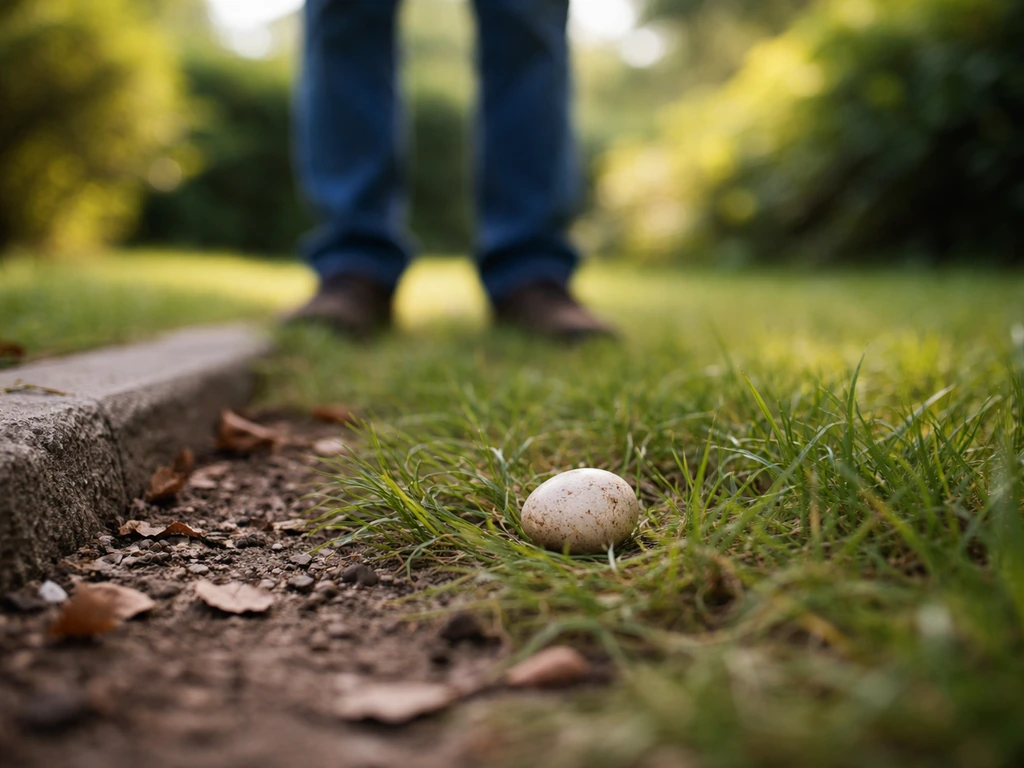
Quick first checks: the egg, any nearby nest, and immediate safety
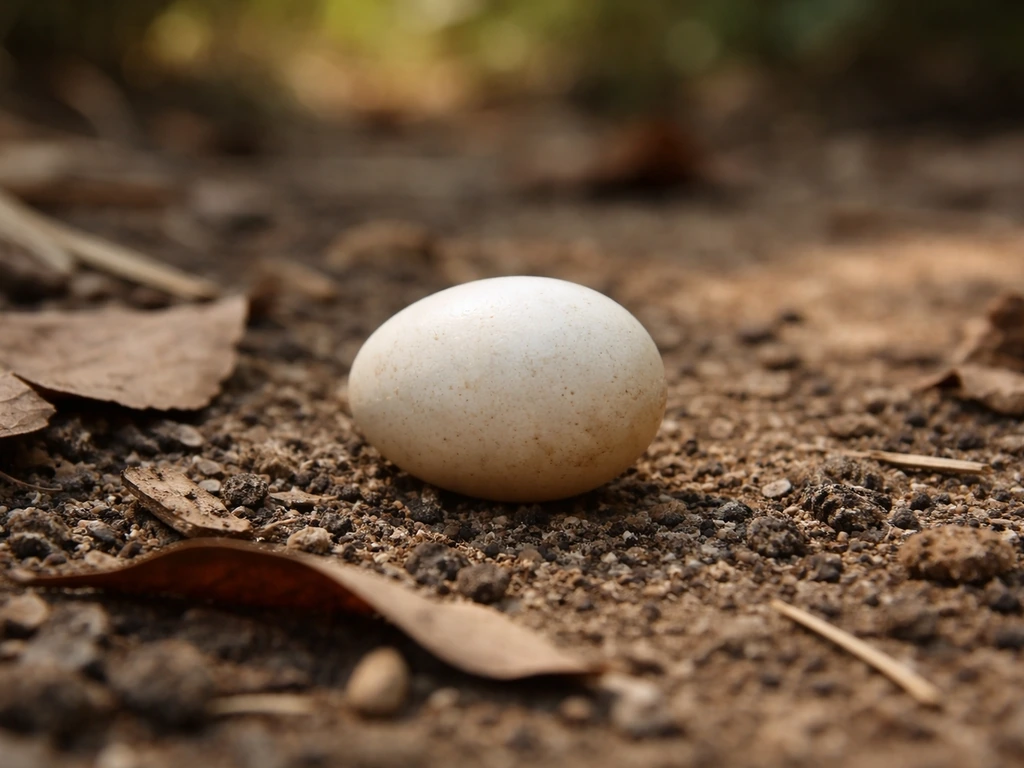
Before you touch anything, take 60 seconds to assess the situation from where you're standing. Look for these things:
- Is the egg intact? No cracks, no leaking fluid, no strong smell?
- Is there a nest visible nearby, whether in a tree, bush, on a ledge, or on the ground?
- Are adult birds in the area? They may be watching from a distance and will often stay back while you're close.
- Is there any sign of a predator, storm damage, or human disturbance like a fallen branch or mowed area nearby?
- Is the egg in immediate danger from foot traffic, a lawn mower path, pets, or direct sun?
These answers drive everything that comes next. A warm, intact egg near a visible nest is a completely different situation from a cracked egg in a driveway far from any tree. Try not to hover over the egg for more than a minute or two. Parent birds often won't return while you're standing close, and eggs can lose temperature quickly, especially in cooler morning air.
Should you pick it up or leave it alone?
The honest answer for most people: leave it alone if you possibly can. The U.S. Fish and Wildlife Service, the Migratory Bird Treaty Act, and state laws in places like Michigan, Virginia, and California all restrict unauthorized possession or disturbance of wild bird eggs. You don't need to memorize wildlife law to do the right thing here. The guiding principle is simple: if it doesn't need your help right now, don't intervene.
Here's a practical decision framework:
| Situation | Recommended action |
|---|---|
| Egg is intact, nest is visible nearby, no immediate danger | Leave it alone; back away and observe from a distance |
| Egg is intact, nest is visible but high up and egg fell out | You may gently return it if you can safely reach the nest |
| Egg is intact but in a dangerous spot (traffic, mower path, pet) | Move it a short distance to safety and contact a rehabber |
| No nest visible, egg appears healthy and warm | Back away, watch for returning adults, then call a wildlife rehabber |
| Egg is cracked, leaking, or smells | Do not move it; contact a wildlife professional for guidance |
| Egg is cold, in an exposed spot, with no adults in sight for hours | Shelter it carefully and call a wildlife rehabilitator immediately |
The myth that parent birds will abandon an egg if you touch it is mostly just that, a myth. Most birds have a limited sense of smell and won't reject an egg because a human handled it briefly. But that doesn't mean you should handle it freely. The risks are about embryo damage from jostling, temperature loss, and the legal reality of possessing a wild bird egg without authorization.
How to move or protect the egg safely if you have to
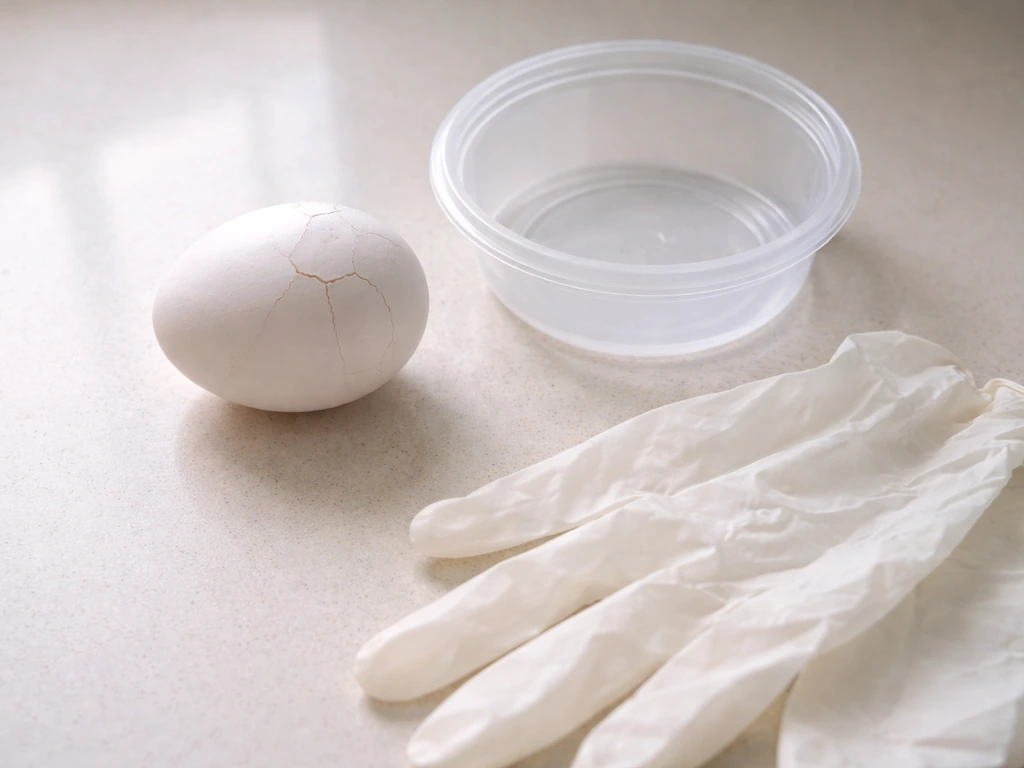
If the egg is in immediate physical danger and you've decided it must be moved, here's how to do it without causing more harm:
- Wash your hands or use clean gloves. You want to minimize contamination from sunscreen, insect repellent, or anything else on your skin.
- Cup the egg gently in your palm. Don't pinch it between fingers. Support its full weight from below.
- Keep the egg level and move slowly. Shaking or tilting can damage the embryo inside.
- If you're returning it to a nest, place it as close to the original position as you can and step back immediately.
- If you can't return it to a nest, place it in a small container lined with a soft material like a paper towel or dry leaves, in a shaded, sheltered spot away from foot traffic and direct sun.
- Do not add water, food, or anything else to the container.
Temperature is a real concern. Eggs need to stay warm (most songbird eggs incubate around 98 to 100 degrees Fahrenheit) but you should not try to replicate this yourself with a heating pad or lamp unless a wildlife professional specifically walks you through it. Getting the temperature wrong, even slightly, can be fatal to the embryo. Your job right now is to minimize further harm and get the egg to someone qualified, not to hatch it.
If you're curious about how to recognize a viable egg versus one that's been abandoned for too long, understanding the basics of what to do if you find a bird egg can help you make that call more confidently before you touch anything.
Get wildlife professionals involved fast
This is not a situation where it's worth spending an hour Googling before you make a call. The sooner a licensed wildlife rehabilitator or avian vet hears about the situation, the more options they have. Here's who to contact and in what order:
- Search 'wildlife rehabilitator near me' or use the National Wildlife Rehabilitators Association (NWRA) or Animal Help Now directories to find someone local.
- Call your local animal control or humane society if you can't reach a wildlife rehabber quickly. They can often refer you or dispatch someone.
- Contact an avian vet if you have one nearby. They can assess viability and either care for the egg or direct you to someone who can.
- If none of these work, your state's fish and wildlife agency will have a wildlife assistance line or list.
When you call, have this information ready: the species if you know it (size and color of the egg help), where you found it (yard, driveway, near a nest), the condition of the egg (intact, cracked, cold, warm), and whether adult birds were seen in the area. The more specific you are, the faster they can help.
Don't wait to see if the parents come back for more than a couple of hours, especially if the egg is in an exposed location. Wildlife rehabbers are used to fielding calls like yours. It's genuinely what they're there for.
What not to do (this list matters)
There are a handful of well-meaning mistakes that people make in this situation that actually hurt the egg's chances. Avoid these:
- Don't try to incubate it yourself at home unless a wildlife professional specifically instructs you to and walks you through it. Temperature, humidity, and turning schedules are precise, and getting them wrong kills embryos.
- Don't put it under a heat lamp, on a heating pad, or in a warm oven. These improvised methods are almost never calibrated correctly.
- Don't feed it anything. Eggs don't eat, and if it does hatch, a hatchling bird has extremely specific dietary needs that are not met by any common household food.
- Don't keep it as a pet or attempt to raise the chick if it hatches without professional guidance. Birds that imprint on humans have severely reduced survival chances in the wild.
- Don't put it in water to 'float test' it for viability. This can damage the egg membrane and introduce bacteria.
- Don't leave it near other pets, especially cats and dogs, even briefly.
Home incubation attempts almost always fail, and not because people don't care. It's because successful incubation requires very controlled conditions that are hard to replicate without the right equipment and training. This is one of those cases where doing less is genuinely doing more.
If you're wondering whether an egg has been abandoned long enough that intervention is warranted, the guidance on what to do with abandoned bird eggs goes deeper into how to make that assessment and when to act.
If the egg is damaged or the nest itself was disrupted
Nest disruptions happen, whether from storms, lawn equipment, predators, or construction. If you find a fallen nest with eggs still in it, the nest itself can sometimes be repositioned. Place it as close to the original location as possible, ideally in a sheltered spot in the same tree or shrub, and secure it so it won't fall again. A small plastic container with drainage holes can substitute for a nest if the original is too damaged to hold the eggs.
If the egg itself is cracked or damaged, the situation is more serious. A small crack doesn't always mean the embryo is dead, but a leaking egg is unlikely to survive and can contaminate healthy eggs nearby. In that case, your best move is to separate it from any intact eggs and contact a rehabber immediately. They may be able to assess whether the crack is superficial and advise whether any intervention makes sense.
For eggs that simply haven't hatched and you're not sure whether they're still viable, the resource on what to do with unhatched bird eggs covers how to read the signs and what next steps look like in that scenario.
After a nest disruption, give the parents time to return before assuming they've abandoned the site. Adult birds may retreat when humans or pets are nearby and come back once the area is clear. Step away, give it at least an hour or two, and watch from a window or a comfortable distance. Parent birds are usually more resilient than we expect.
While you wait: protecting the egg from further harm
If you're waiting for a callback from a rehabber or trying to observe whether parents return, here's how to keep the egg as safe as possible in the meantime:
- Keep pets indoors or away from the area entirely.
- Don't let children handle or repeatedly check on the egg.
- If it's in an exposed spot, place a lightweight box or basket with ventilation holes nearby to provide shade without trapping heat. Don't enclose it completely.
- If the weather is very cold (below 50 degrees Fahrenheit), a rehabber may advise you to bring it inside to a warm room while you wait, but confirm this before acting.
- Mark the spot so you can describe the exact location to the professional you contact.
- Avoid posting on social media or sharing the location publicly in ways that might attract more human foot traffic to the area.
Once you've made contact with a professional, follow their instructions over anything you've read here. They'll know your local species, local laws, and what's actually feasible. Your job as the finder is to stabilize the situation and hand it off to someone with the right training and legal authority to help.
Understanding the broader picture of what to do with bird eggs in different contexts can also help you feel more confident when a situation like this comes up again. And if the egg does hatch successfully under professional care, you may find yourself wondering what comes next, in which case the guide on what to do when bird eggs hatch is a useful next read.
The bottom line
Finding a bird egg on the ground is stressful, and the instinct to help is a good one. But the most helpful thing you can do is assess carefully, avoid unnecessary handling, contact a wildlife professional quickly, and resist the urge to improvise. The egg's best chance is almost always in the hands of someone trained to handle exactly this situation. Your job is to keep it safe until they can take over.
If you're not sure whether the egg you've found is truly on its own or still being tended to, the article on how to find a bird egg covers what active nest sites typically look like, which can help you read the signs around you more accurately.
FAQ
If the egg looks cold, should I warm it up right away by myself?
Do not warm it with a heating pad, lamp, hot water, or by putting it in your pocket. Eggs can die from temperature swings, overheating, or uneven warming. If it is in immediate danger, the safer move is to limit handling, place it only if instructed by a professional, and contact a wildlife rehabilitator or avian vet so they can tell you what temperature and method (if any) are appropriate for that species and climate.
What if I accidentally picked it up for a few seconds, is it too late?
Usually a brief, careful touch does not automatically doom the embryo, but the risk is increased if you jostle it, change its position, or keep it off-warm for long. After any contact, stop further handling, avoid cracking it, keep it in a stable container per professional guidance, and call a rehabber promptly, especially if the egg was exposed to sun or wind.
Can I put the egg back in the nest myself?
Only do this when the egg came from a nest that was disrupted and you can return it close to the original spot, with protection from further falling. If the nest was likely disturbed by ongoing activity (lawn work, construction) or you cannot identify the original nest location, it is better to contact a rehabber first rather than guessing where it belongs.
Should I move a whole nest if I find eggs on the ground after a storm?
If you find a fallen nest that is still holding intact eggs, moving it as close as possible to the original location in the same tree or shrub can be appropriate. Stabilize it so it will not fall again, and use a ventilated container with drainage if the original nest cannot hold eggs. If the eggs are leaking or the nest is badly compromised, skip handling and call a professional.
Is it safe to wash the egg or remove dirt and debris?
No. Washing or scrubbing can remove protective coatings and increase contamination risk, especially with cracked eggs. If an egg is dirty, leave it as-is and focus on minimizing handling and getting help from a wildlife professional.
How long can I wait before contacting a wildlife rehabber?
For exposed or cool conditions, do not wait for many hours. The article emphasizes calling quickly and not assuming abandonment after a short period. In practice, contact a rehabber as soon as you have assessed whether it is in danger, because options narrow if the egg loses temperature for too long.
What information should I gather for the caller so they can help faster?
Bring specifics like the estimated species (or similar birds you see nearby), the egg size and coloration, exact location (yard, driveway, near a specific tree), egg condition (intact, hairline crack, leaking), whether parents were seen nearby recently, and whether pets or people are likely to disturb the site. Clear details reduce back-and-forth and help them advise the safest next move.
If adult birds return while I’m nearby, should I keep watching instead of intervening?
If the adults come back and the egg appears protected from immediate hazards, stepping back and observing from a distance is often the best option. Avoid hovering or blocking the area, because repeated disturbance can keep parents away even if the egg is not injured.
What if the egg is cracked or leaking, can I separate it from intact eggs?
Yes, if eggs are together and one is leaking, separating it from intact eggs is generally the safer immediate step, because leaking eggs can contaminate others and are unlikely to be viable. Treat the cracked egg as the higher risk item, and call a rehabber right away for species-specific guidance.
Do legal rules apply even if I found the egg on my property?
Often yes. The article notes that possession and disturbance of wild bird eggs are restricted under federal and state laws. Even if it seems like a good-faith rescue, transporting or keeping the egg without authorization can create legal risk, so contact a licensed rehabber or avian vet instead of taking custody yourself.
What should I do with the egg while waiting for a callback?
Keep it stable and protected from sun, wind, pets, and foot traffic, and avoid further handling. Follow the professional’s instructions for containment and placement, since the right approach depends on species, weather, and whether the egg is intact. If you do not receive instructions quickly, prioritize limiting movement and exposure rather than attempting DIY incubation.
Next Article
What to Do With Bird Eggs Today: Rescue and Cleanup Steps
Step by step rescue and cleanup for found or old bird eggs: when to leave, handle safely, and contact wildlife help.