If you have a Goliath bird-eating spider (Theraphosa blondi) in your care right now and you're not sure what's wrong with it, here's the priority order: keep it calm and contained, don't handle it unless absolutely necessary, and get its enclosure conditions stable before worrying about food. Most 'sick spider' situations improve dramatically once temperature, humidity, and a proper hide are in place. This guide walks you through every step from triage to feeding to knowing when you need a professional.
How to Take Care of a Goliath Bird Eating Spider
Marcus Holloway
23 Apr 2026
Quick triage: is it injured, sick, or molting?
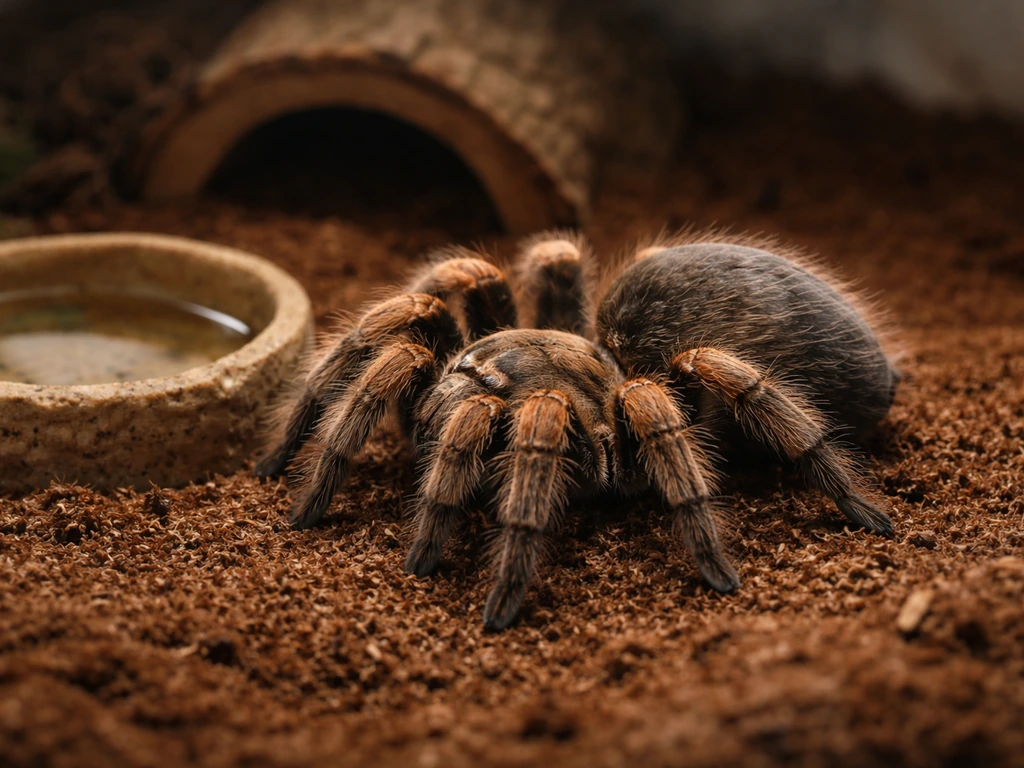
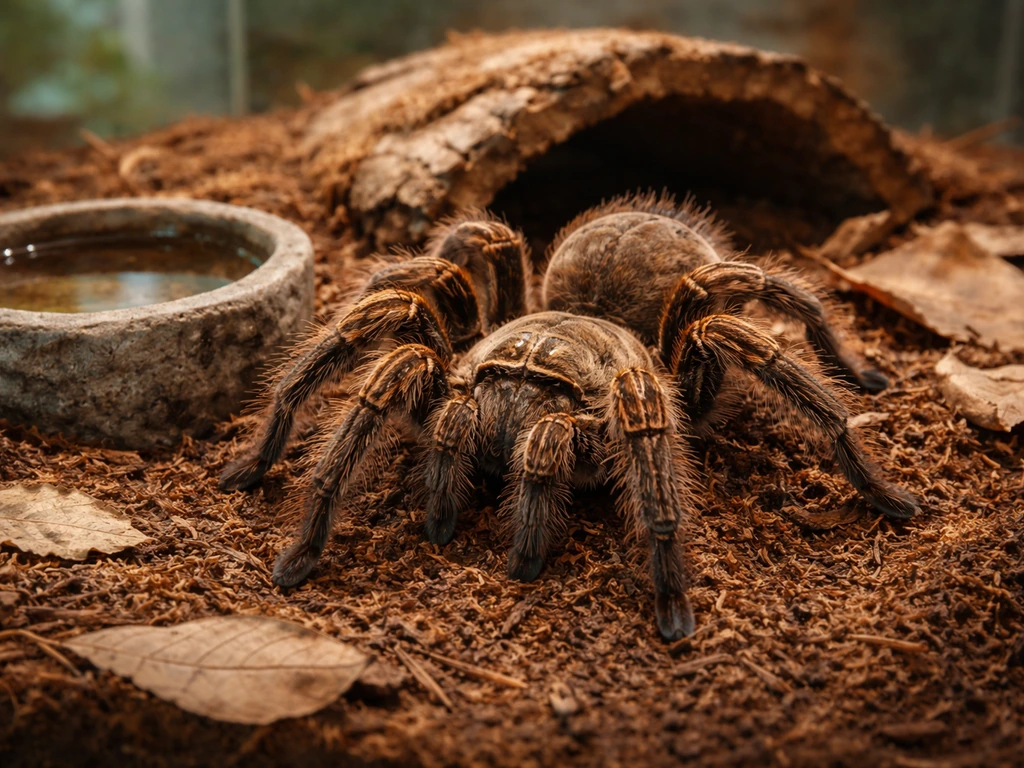
Before anything else, figure out what you're actually dealing with. A Goliath bird-eating spider that looks 'off' could be in premolt, dehydrated, injured, or genuinely ill, and the response is different for each.
Premolt is the most common reason a tarantula goes quiet. The spider will stop eating (often for weeks before the actual molt), move very little, and may spin a silk mat or web bed on the substrate. The abdomen often looks darker than usual and may shrink slightly. This is completely normal, and the worst thing you can do is intervene.
The actual molt looks alarming if you've never seen it: the spider flips onto its back with legs curled in the air. Environmental Literacy Council guidance notes that tarantulas on their backs can be part of molting behavior, and molt timing and progression can vary, so this can help you tell molt from emergencies the spider flips onto its back with legs curled in the air. This is normal. Do not touch it, flip it back over, or put food in the enclosure. The process can take several hours, and the spider is completely vulnerable the whole time. Any live prey left in the enclosure during this stage can injure or kill it.
What you're watching for instead are the signs that something else is going on. Run through this checklist:
- Dragging one or more legs rather than moving them normally
- Stuck in an upside-down position but not progressing through a molt (no leg movement, no visible exoskeleton separation)
- Sitting directly on or over the water dish for extended periods
- Abdomen looks severely shrunken and wrinkled (not just slightly smaller from premolt)
- Visible wounds, missing leg segments, or fluid leaking from the body
- Uncontrolled twitching or trembling outside of molting posture
- Refusing food outside a normal multi-week premolt pattern, combined with other symptoms
Any of those signs warrant action beyond just leaving the spider alone. Work through the rest of this guide in order.
Immediate safety and handling (and how to avoid a bite)
Theraphosa blondi is the world's largest tarantula by mass, and it has real defensive tools: urticating hairs it can flick from its abdomen, and a bite that, while not medically dangerous to most healthy adults, is physically painful from a spider this size. Handle it only when you have to, and when you do, minimize stress for both of you.
Never pick up a Goliath bird-eater from above. That overhead approach triggers a defensive response. If you need to move it, use a soft paintbrush or a piece of cardboard to gently guide it into a secure container. If you must use your hands, cup from the sides and support the full body, because a fall from even a modest height can rupture a tarantula's abdomen. If your bird-eating spider does fall, the safest next step is to treat it like a potential injury and keep it calm and contained while you assess for damage a fall from even a modest height can rupture a tarantula's abdomen.
Wear close-fitting gloves and avoid touching your face during and after any handling. The urticating hairs cause a persistent, irritating rash on skin and are extremely unpleasant if they reach your eyes. Wikipedia’s summary of urticating hair notes that the hairs can embed in skin or eyes, causing irritation, so handlers should use eye protection blank" rel="noopener noreferrer">persistent, irritating rash on skin and are extremely unpleasant if they reach your eyes. Wash hands thoroughly after contact. Keep the room quiet and movements slow. Stress alone can kill a weakened tarantula, so every unnecessary interaction makes the situation worse.
If the spider is mid-molt, put a 'do not disturb' note on the enclosure and walk away. Seriously. Interference during a molt causes more spider deaths than almost anything else.
Housing basics: what the enclosure needs right now
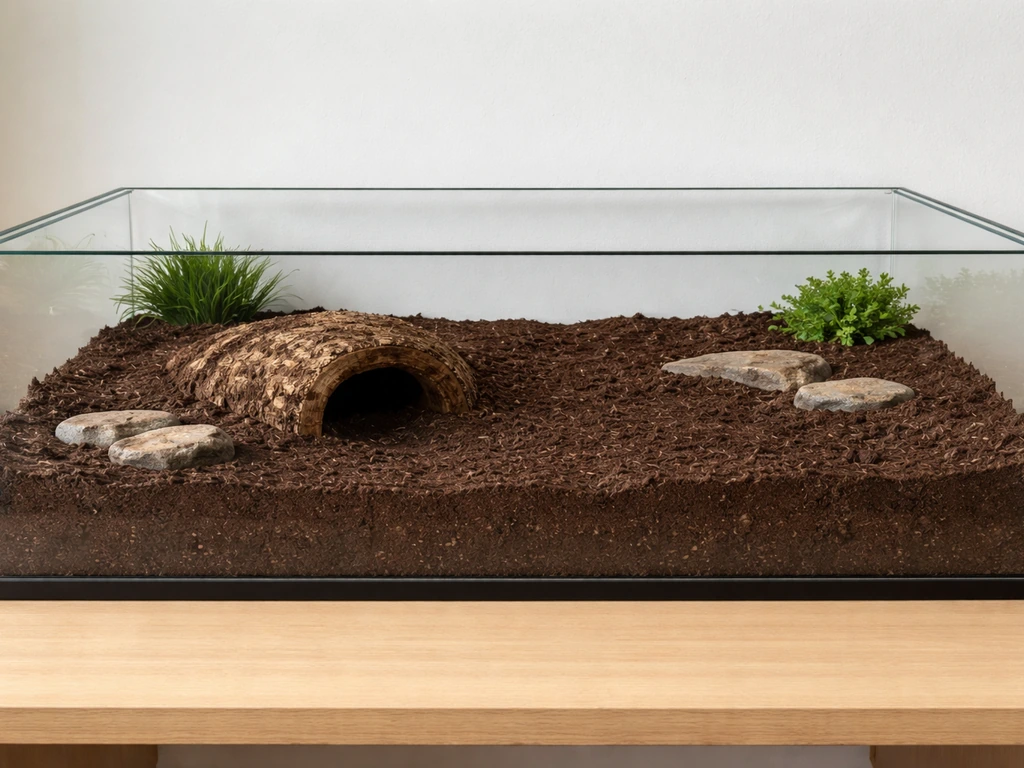
Goliath bird-eaters are terrestrial burrowers. They need floor space, not height, so a flat, wide enclosure is better than a tall one. A 20-gallon long tank or a purpose-built enclosure around 18 x 18 x 12 inches works well for an adult. More importantly, it needs to be escape-proof with a secure, ventilated lid.
Substrate
Use a mix of coconut fiber (coco coir) and peat moss at a depth of at least 4 to 6 inches for an adult spider. This allows burrowing behavior, which is important for the spider's sense of security. Avoid substrates with fertilizers, pesticides, or added chemicals. No sand, gravel, or reptile-carpet products.
Temperature and humidity
Aim for an ambient temperature between 78 and 82 degrees Fahrenheit (25 to 28 degrees Celsius). Do not use heat rocks or undertank heaters directly beneath the substrate, since these dry out the substrate too fast and can overheat a burrowing spider. A small space heater or room temperature adjustment is safer. If the room drops below 70°F at night, a radiant heat panel on the side of the enclosure works well.
Humidity should stay between 75 and 85 percent. Keep one side of the substrate slightly moist by pouring water slowly into that corner, not across the whole floor. The other side should stay drier. This gradient lets the spider choose its comfort zone. A digital hygrometer inside the enclosure is worth buying.
Ventilation and hide
Good cross-ventilation prevents mold, which is a real risk with high-humidity enclosures. Mesh panels on two sides of the enclosure (top and one side wall) are ideal. Avoid fully sealed tanks with only a tiny air hole. The enclosure should feel humid but not stuffy.
Provide a hide: a cork bark tube, a half-log ornament, or even a clean terracotta pot tipped on its side. Place it toward the moist side of the enclosure. A spider that has a secure hide to retreat to is dramatically less stressed than one left fully exposed.
Hydration and water setup
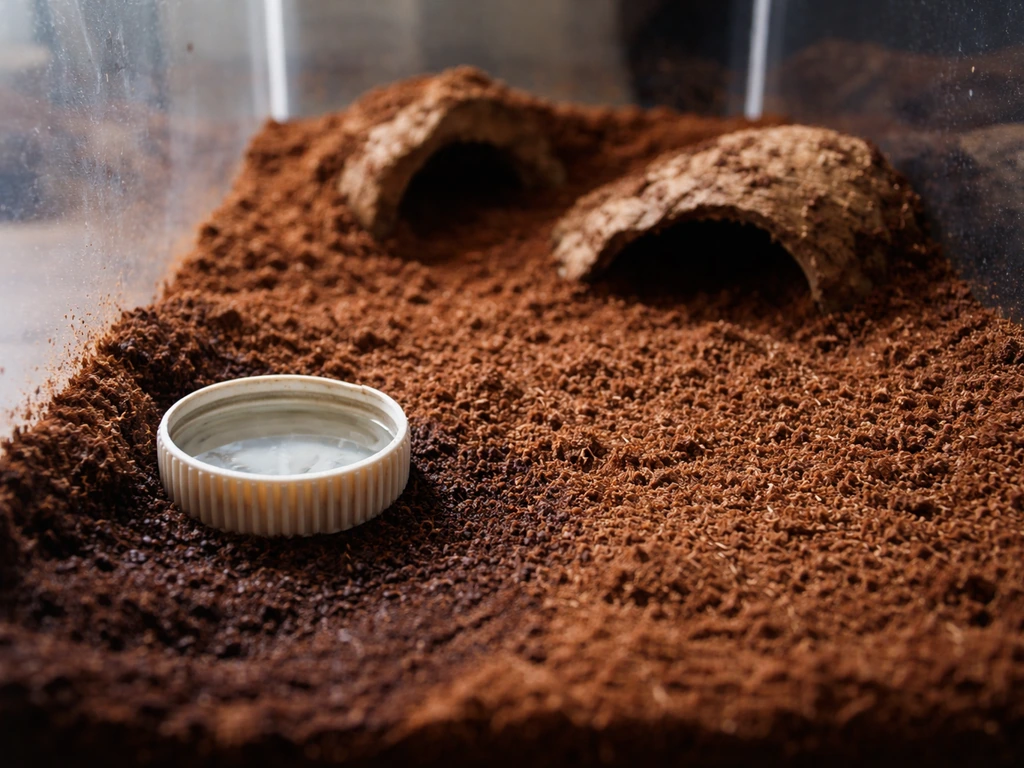
Dehydration is one of the most common reasons tarantulas become weak or lethargic. A shrunken, wrinkled abdomen is the clearest sign. The fix is not to drip water on the spider directly. Instead, provide a shallow water dish at all times and keep one section of the substrate moist.
Use a bottle cap or a very shallow plastic dish as the water bowl for smaller specimens, and a dish no deeper than half an inch for adults. Tarantulas can drown in deep water. Add a small stone or piece of cork to the dish so the spider can right itself if it tips in. Change the water every two to three days, or sooner if it gets contaminated.
If the spider is visibly dehydrated and not drinking on its own, try gently overflowing the water dish so water runs into the substrate beside it. Many tarantulas will drink from the substrate surface rather than a dish. Do not mist directly onto the spider. Do not oversaturate the enclosure trying to rush rehydration, since standing water and waterlogged substrate cause mold and respiratory issues fast.
Feeding guidance and what to do when it won't eat
Goliath bird-eaters are ambush predators that eat large prey in the wild. In captivity, they eat gut-loaded crickets, dubia roaches, mealworms, and occasionally pinky mice or small feeder fish as a treat. Gut-loading means feeding your feeder insects nutritious food (leafy greens, carrot, sweet potato) for 24 to 48 hours before offering them to the spider.
Feed adults every 7 to 10 days. One or two large crickets or roaches per feeding is enough. Juveniles can be fed every 5 to 7 days with appropriately sized prey (nothing wider than the spider's abdomen). Always remove uneaten prey within 24 hours. A live cricket wandering around the enclosure while the spider is resting or molting can bite and injure it.
If the spider won't eat, first check whether it's in premolt. Weeks of food refusal combined with a darkening abdomen and webbing activity means the spider is preparing to molt, and you should simply stop offering food until after the molt is complete and the new exoskeleton has hardened (wait at least two weeks post-molt before trying to feed again).
If the spider is refusing food outside a clear premolt context, check the temperature and humidity first. A cold enclosure suppresses appetite immediately. If conditions are right and it still won't eat after two or three weeks, note any other symptoms and consider contacting an exotic vet.
Common problems and how to fix them
| Problem | Signs | What to do |
|---|---|---|
| Dehydration | Shrunken, wrinkled abdomen; lethargy; not moving toward food | Ensure moist substrate corner and shallow water dish; do not mist directly on spider |
| Leg injury or drag | One or more legs dragging, bent at odd angle, or not being used | Minimize handling; keep enclosure clean; consult exotic vet if not improving |
| Mites | Tiny moving dots on spider or substrate; spider rubbing or over-grooming | Replace all substrate; clean and disinfect enclosure with plain hot water (no chemicals); use fresh substrate |
| Fungal or mold growth | White or gray fuzzy patches on substrate, hide, or spider's body | Improve ventilation immediately; remove and replace affected substrate; reduce moisture on the wet side |
| Weakness or immobility | Spider won't move when gently prompted; cannot right itself; legs curled inward | Check temperature; offer water; document symptoms and contact exotic vet or rehabilitator |
A note on mite infestations: don't use any chemical miticide, essential oil, or pesticide product in or near the enclosure. These are almost universally toxic to tarantulas. A full substrate replacement with a thorough enclosure scrub using hot water and drying completely before reintroducing the spider is the only safe approach.
When to get professional help
Some situations are beyond what good husbandry alone can fix. Contact an exotic vet or an invertebrate/reptile rehabilitator if you see any of the following:
- Fluid actively leaking from the abdomen or any body segment
- The spider cannot right itself and has been on its back for more than 24 hours without molting progression
- Visible wound, missing limb, or puncture injury that isn't improving
- Uncontrolled trembling or twitching lasting more than a few minutes
- No movement, no response to water or environmental correction after 48 hours
- Mold or fungal growth appearing on the spider's body itself
When you call, be ready to describe the spider's size, approximate age if known, how long it's been in your care, what the enclosure conditions are (temperature, humidity, substrate), what it has eaten and when, and exactly what you're observing. Photos and a short video showing the spider's posture and movement are extremely helpful for a vet to make an initial assessment remotely.
Not every vet treats invertebrates, so call ahead. Search specifically for 'exotic vet invertebrate' or 'reptile and invertebrate vet' in your area. Wildlife rehabilitators who handle reptiles sometimes have tarantula experience as well. If you're in the US, the Association of Reptilian and Amphibian Veterinarians (ARAV) can point you toward qualified professionals.
A few things to avoid while you're waiting for help: don't try to force-feed, don't use any over-the-counter medication, don't spray the spider with water, don't use bleach or disinfectant sprays near the enclosure, and don't expose it to direct sunlight or drafts from air conditioning. These all make things worse, not better.
If you found yourself here because you're also helping a bird or another small animal, the same principle applies across species: stable environment first, professional assessment second. If the bird you found has been abandoned, use the same approach: stabilize conditions first, then seek professional help if you are unsure about its condition how to care for an abandoned bird.
If you’re also helping an abandoned wild bird, use the same principle: stable environment first, then professional assessment, and follow how to take care of wild bird for species-appropriate care. Many of the same calm, methodical steps that apply to caring for a fallen or injured bird also translate to invertebrate rescue situations.
If you are also learning how to take care of a dove bird, those same ideas about stability, gentle handling, and getting expert guidance when needed can help you keep your animal safe caring for a dove. If you want the same kind of step-by-step, low-stress approach for a starling, follow this guide on how to take care of a starling bird.
If you want more specific guidance on how to take care of a dove bird, focus on proper housing, nutrition, and gentle daily handling. If you want, you can follow the dove-specific guidance here to support proper housing, nutrition, and gentle handling how to take care of a dove bird. The instinct to act quickly and provide a safe, low-stress environment is exactly right. The same instinct to act quickly and provide gentle care is key when you’re learning how to take care of a fallen bird.
If you are caring for a sparrow instead, the same approach works, but use species-appropriate food, housing, and handling steps how to take care of a sparrow bird. If you are caring for a sparrow instead, follow a species-appropriate step-by-step plan for how to take care of a sparrow bird, including proper food, housing, and gentle handling.
FAQ
Should I quarantine a goliath bird-eating spider if I think it’s sick?
Quarantine is mainly about reducing stress and avoiding contamination, not because the spider is contagious. Put it in a separate, escape-proof enclosure for 2 to 3 weeks, keep the same temperature and humidity targets, and only share tools like tongs or paintbrushes after washing and drying. If you notice mites or unexpected mold, do a full substrate and enclosure scrub before reintroducing it to its usual setup.
What should I do if my spider keeps refusing food, should I feed more often?
No. A Goliath bird-eater can go a long time without eating, and the most common reason is premolt. Instead of offering food daily, stick to the feeding schedule (about every 7 to 10 days for adults) and only increase attempts if the spider is upright, alert, and not in obvious premolt (webbing, darkening abdomen, very still posture).
How do I know what prey size to use for my goliath bird-eating spider?
Replace prey size with a safety rule: for juveniles, the prey should be no wider than the spider’s abdomen, and for adults you want prey large but not overpowering. If the spider repeatedly ignores prey, check temperature and humidity first, then consider that it may be in premolt or that the prey is too large, too small, or not moving correctly. Always remove uneaten prey within 24 hours.
Is it safe to leave water in the enclosure all the time, and how deep should it be?
A correctly sized, shallow water dish prevents most drowning risk. For adults, keep the water depth at or below about half an inch, use a stone or cork so the spider can right itself if it tips, and refill frequently enough to avoid contamination (every 2 to 3 days, sooner if dirty). If the spider is actively trying to avoid the dish, focus on keeping one substrate corner moist instead of adding more water.
How can I tell if my humidity is too high or too low?
Measure humidity and substrate moisture indirectly, not by feeling the air. Use a digital hygrometer for the enclosure, and confirm the moist gradient by checking one side of the substrate is damp but not soggy. If the enclosure smells musty, feels stuffy, or you see visible mold, improve cross-ventilation and let the drier side dry slightly before changing anything else.
My spider looks dehydrated, can I mist it or drip water on it?
Don’t attempt to force “hydration” by dripping water directly on the spider. For dehydration, provide a shallow water dish plus a slightly moist substrate section, and if the spider is not drinking normally, you can gently overflow the dish so water runs into the substrate beside it. Excess moisture sprayed or pooled around the spider increases mold and respiratory problems.
What should I do if I think my spider is molting, and how long should I leave it alone?
If it’s actively flipping onto its back and legs are curled upward, treat it as mid-molt and do not feed or move it. During and right after molting, avoid major enclosure changes, including substrate stirring and heat adjustments. Wait until the new exoskeleton hardens, then reassess feeding only after at least two weeks post-molt.
Can I use a fully sealed tank for humidity control?
Use ventilation to manage condensation risk. Full sealed containers with tiny holes can trap humid air and trigger mold, especially when substrate stays wet. Aim for mesh on two sides (top and one side wall), maintain the humidity target range, and if condensation forms on the lid, reduce standing water and allow the drier substrate side to dry a bit.
What’s the safest way to move my spider if I need to relocate it?
Handle only when necessary, and never from above. If you must move it, use a soft paintbrush or a cardboard guide into a secure container. If you use hands in an emergency, support the full body from the sides and minimize height or fall risk, because an abdominal rupture is a fast, fatal injury.
My spider has mites, what is the safest way to treat them?
Don’t use essential oils, miticides, or disinfectant sprays near the enclosure, even if diluted, because tarantulas are sensitive to residues. For mites, the safe approach is full substrate replacement plus thorough enclosure cleaning with hot water and complete drying before reintroducing the spider. If the spider is weak or mid-premolt, prioritize husbandry stability first and consult an exotic vet.
Are there common environmental mistakes that can make the spider worse even if temperature and humidity look okay?
Avoid bright light schedules. Keep the room lighting steady and indirect, and do not place the enclosure where it can receive direct sun or sudden drafts from HVAC vents. During recovery from illness or dehydration, even small temperature swings and air movement can worsen lethargy.
Next Article
How to Take Care of a Sparrow Bird: Emergency Steps
Humane step-by-step rescue and first aid for injured or orphaned sparrows, with clear do nots and vet handoff.