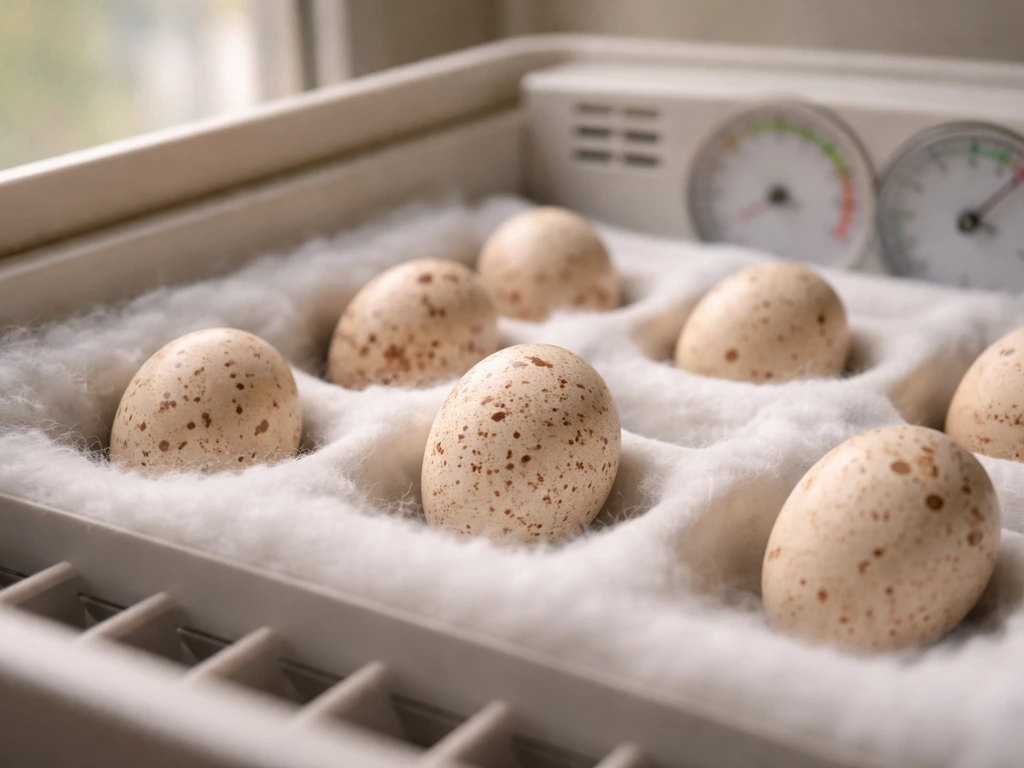
If you've found a robin egg today, the most important thing to do first is not to incubate it yourself, but to figure out whether it actually needs your help. American robins incubate their eggs for 12 to 14 days, and the parents are usually far more capable of hatching that egg than any DIY setup you can build at home. That said, if the egg is truly abandoned, chilled, or the nest is destroyed, there are steps you can take right now to give it a real chance. This guide walks you through the full decision path: from assessing the situation, to emergency stabilization, to incubation and post-hatch care, to knowing when to hand things off to a professional.
How to Hatch a Robin Bird Egg: Humane Steps and Incubation
Marcus Holloway
25 Apr 2026
Robin egg basics and what to realistically expect
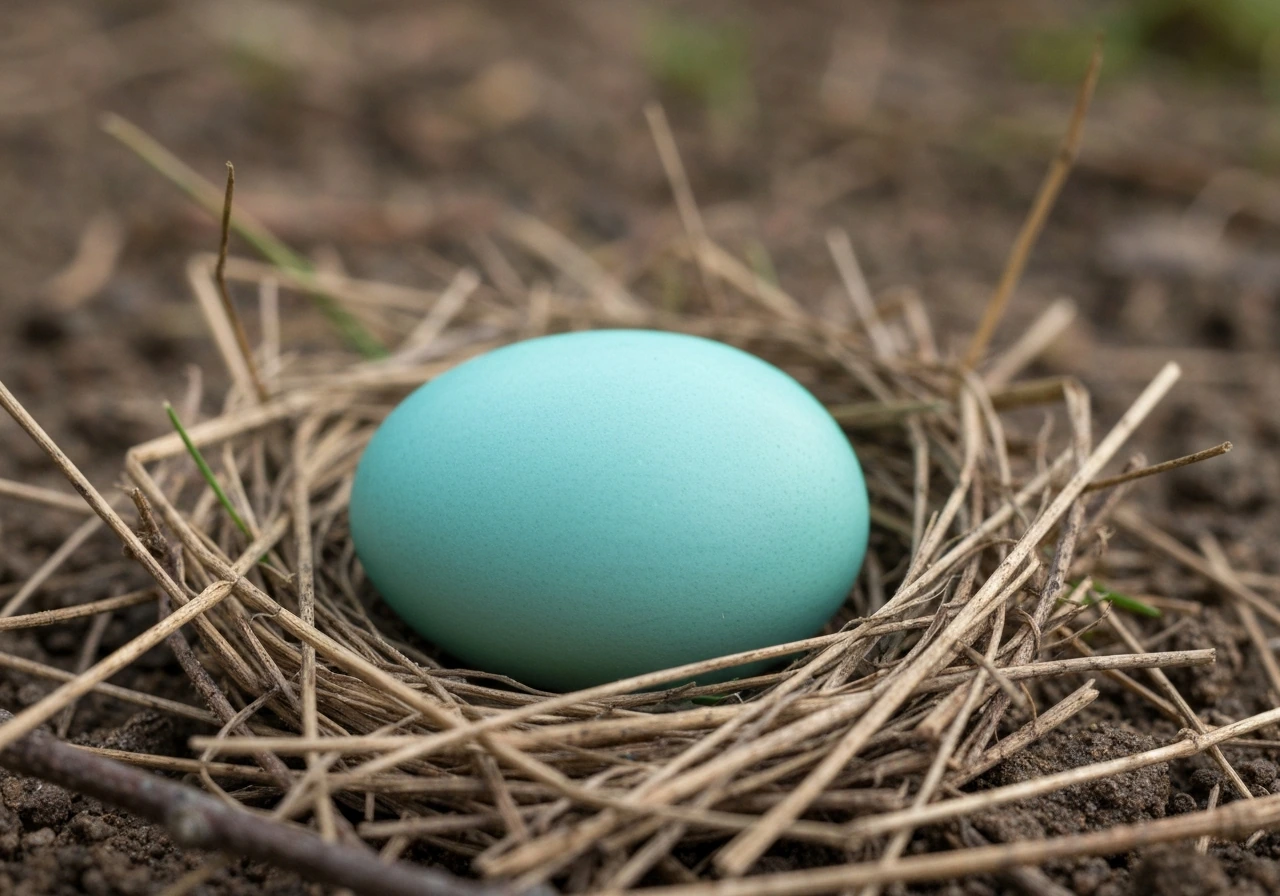
American robin eggs are distinctive: smooth, oval, and that well-known sky blue color (sometimes with a slight greenish tint). A typical clutch is 3 to 5 eggs, with 4 being the most common. The female does essentially all the incubating, sitting on the eggs for about 12 to 14 days after the last egg is laid. Both parents then pitch in to feed the nestlings once they hatch, and the chicks fledge (leave the nest) roughly two weeks after hatching.
Here's the honest reality about DIY hatching: robin eggs are wild bird eggs, and they're fragile. Even professional wildlife rehabilitators often decline to incubate abandoned eggs because the success rate is low and the resources required are significant. Eggs that have been chilled, partially incubated without the right humidity, or left for more than a few hours without heat are unlikely to survive. That doesn't mean you shouldn't try if there's genuinely no other option, but you should go in with clear eyes about the odds.
When to intervene: nest disturbance vs. true orphan
Before you do anything else, watch the nest from a distance, at least 15 to 20 feet away, for 30 to 60 minutes. Robin mothers do leave the nest periodically, especially in warm weather. An unattended nest does not mean an abandoned one. If you see the female return within that window, the eggs are fine. Walk away and leave them alone.
One thing that doesn't matter: your scent. It's a persistent myth that touching a bird egg will cause the parents to abandon it. Birds don't rely on smell the way mammals do, and wildlife experts including Alaska Department of Fish and Game confirm that human scent alone is not expected to drive robin parents away. So if you've already handled the egg, that's not what caused any problem.
A true orphan situation looks like one of these:
- The nest was physically destroyed (blown down in a storm, knocked off a ledge by a predator) and cannot be repaired or relocated nearby.
- You witnessed both parents being killed or you find them dead nearby.
- The nest has been completely unattended for several hours in cold or wet weather.
- The eggs are cold to the touch and have been exposed for a known extended period.
- The parent has not returned after 2 hours of patient, distant observation.
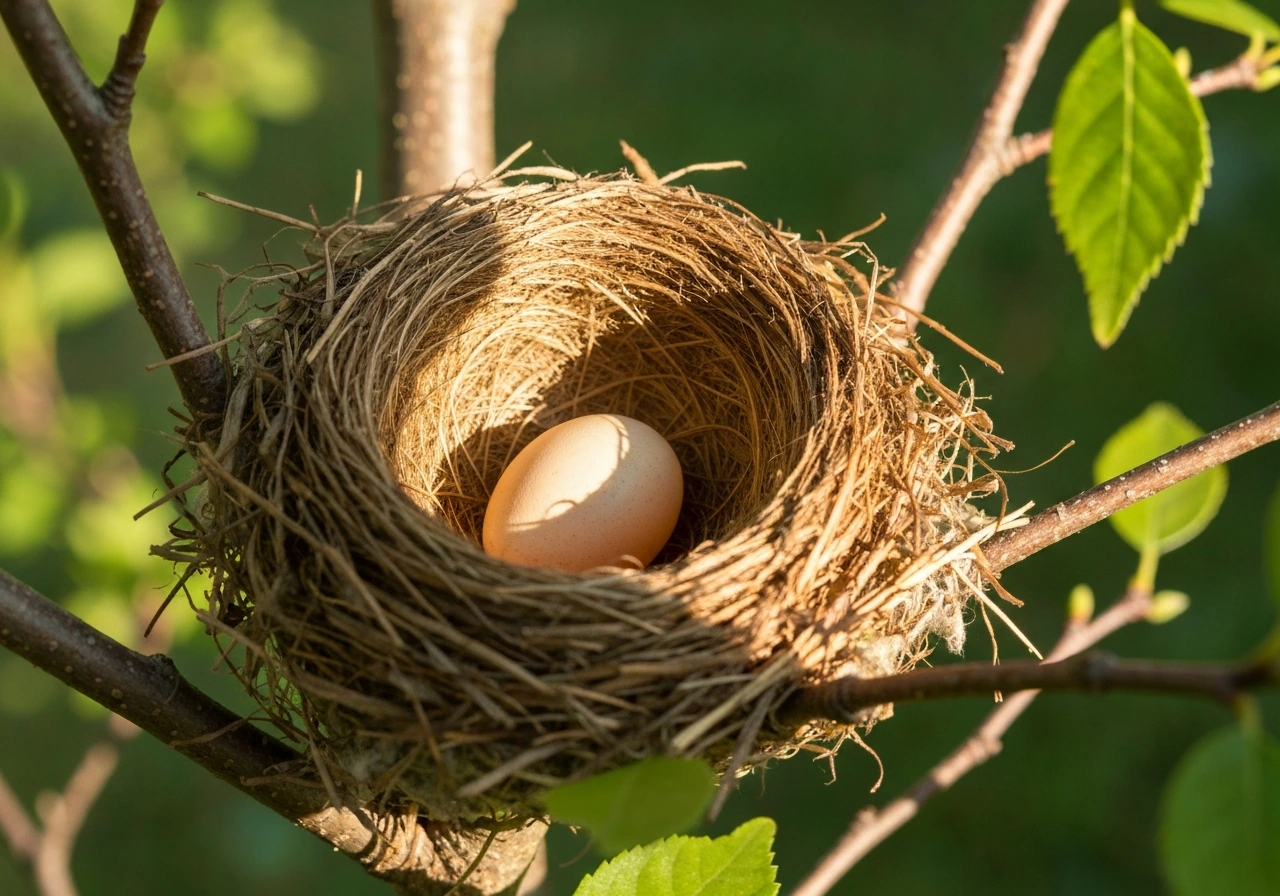
If the nest fell but is intact, you can often wire or tape it back to the same branch, or place it in a small container (like a berry basket) secured nearby. The parents will almost always return. This is the best outcome and requires no incubation on your part at all.
Humane emergency options before you think about incubating
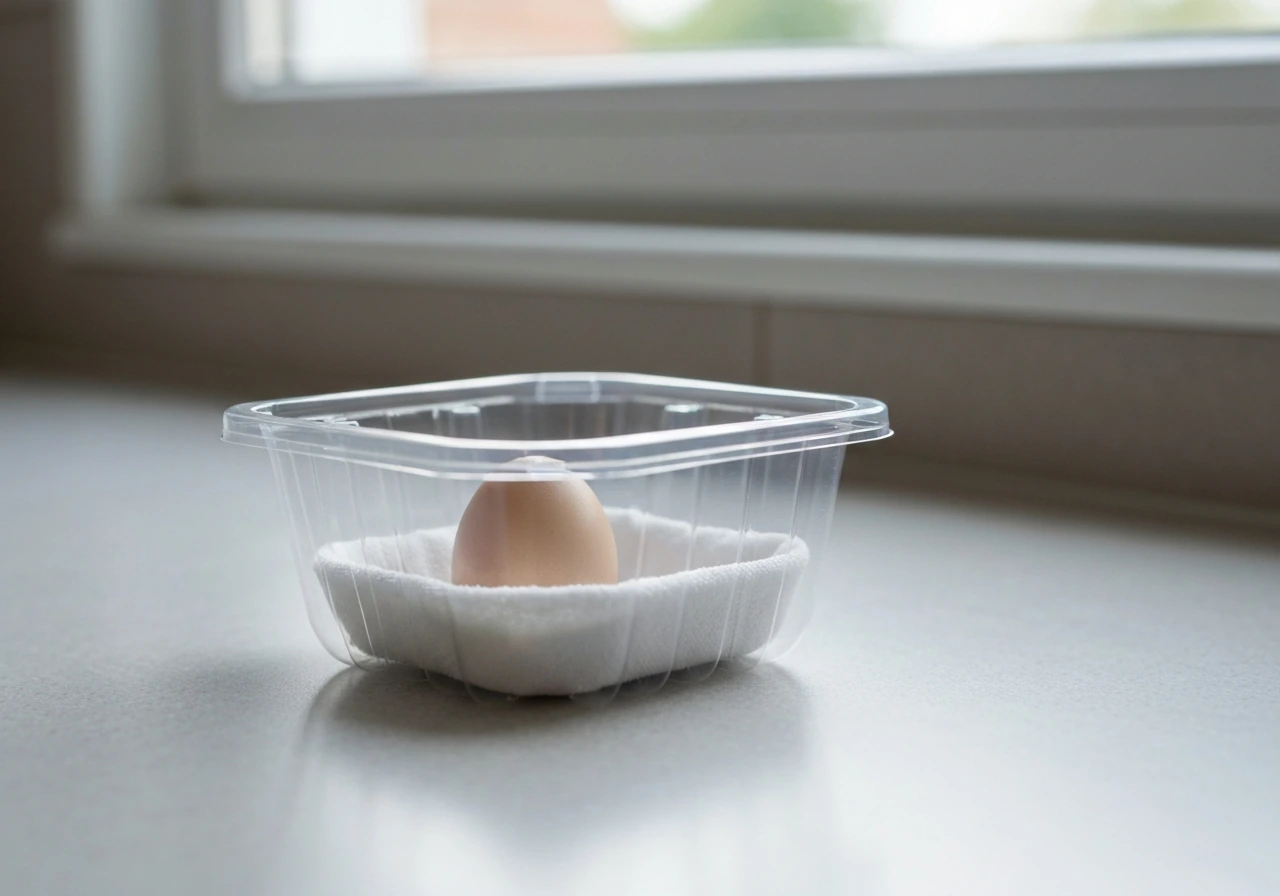
If you've confirmed the eggs need help, your first call should be to a licensed wildlife rehabilitator, not your incubator setup. Use the USFWS website or call your state wildlife agency to find the nearest certified rehabilitator. Many can give you guidance over the phone immediately. While you're making those calls, here's how to stabilize the egg safely in the meantime.
- Place the egg gently in a small container lined with a soft cloth or paper towels. Don't use cotton balls, as fibers can tangle.
- Put a heating pad set on its lowest setting under half of the container, not under the whole thing. This gives the egg warmth without risk of overheating. Alternatively, fill a zip-lock bag with warm (not hot) water, wrap it in a thin cloth, and place it beside the egg.
- Never place a bird egg or chick directly on top of a heat source. The heat should warm the air around it, not cook it from below.
- Keep the container in a quiet, dark, warm room, away from pets, children, and loud noise.
- Do not feed it, mist it, or try to crack it open to help it hatch. Just keep it warm and call for help.
If you need to transport the egg to a rehabilitator, use a secure, well-ventilated container lined with soft cloth. Keep it as still and warm as possible during transit. Ohio Wildlife Center recommends towel-lining and avoiding crowding so fragile contents aren't jostled.
Setting up DIY incubation: temperature, humidity, and turning
If you've exhausted all other options and you're committed to attempting DIY incubation, here's what you actually need to get right. If you want a complete, step-by-step DIY plan, follow the guidance on how to hatch bird eggs at home. For the full, step-by-step approach to hatching a wild bird egg, see our guide on how to hatch a wild bird egg. If you want a more general step-by-step overview of incubating and hatching smaller eggs, this guide on how to hatch small bird eggs can help. This is more demanding than most guides let on, especially for a wild passerine egg like a robin's.
Temperature
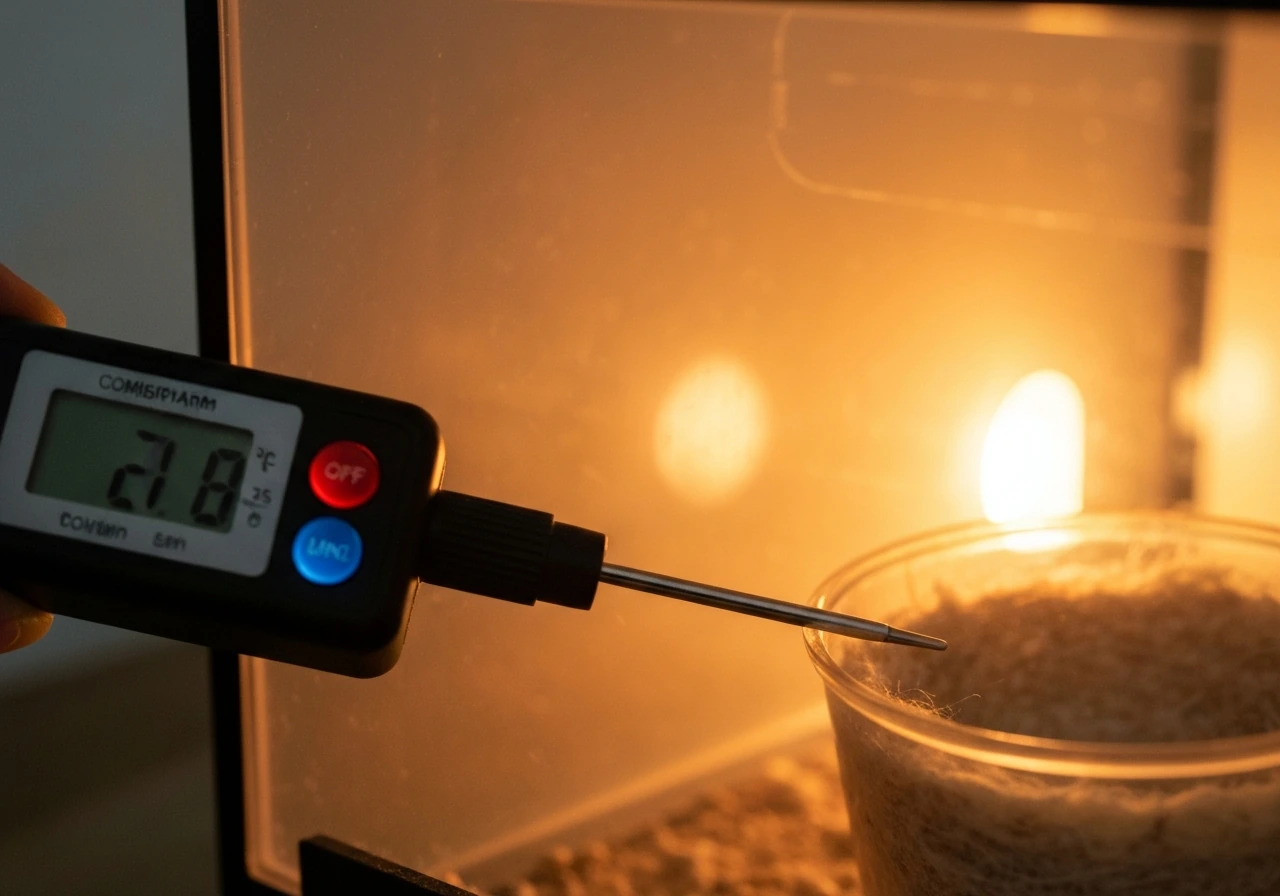
The target incubation temperature for most small songbird eggs is around 99 to 100°F (37.2 to 37.8°C). Research on American robins specifically found that temperatures around 37.8°C (100°F) supported better hatch rates and nestling development than cooler temperatures. Even a few degrees too high for a sustained period can kill the embryo. You'll need a small, reliable incubator (even an inexpensive hovabator-style unit works better than a DIY box with a bulb) and a separate digital thermometer to verify the temperature independently from the incubator's built-in gauge.
Humidity
Humidity is the most commonly mishandled variable in DIY incubation. A general target for small bird eggs during incubation is around 45 to 55% relative humidity (RH). The practical goal of humidity management is to allow the egg to lose the right amount of moisture during development, roughly 13 to 15% of its starting weight by hatch time. Too low, and the chick dehydrates inside the shell. Too high, and it can drown. You'll need a small hygrometer inside the incubator to monitor RH. Adjust humidity by adding or removing small open containers of water from inside the incubator. In the last day or two before the egg is expected to hatch (sometimes called lockdown), increase humidity to around 65 to 70% to help the chick pip through the shell without the membrane drying out and shrink-wrapping it.
Turning
In the wild, parent birds rotate their eggs frequently throughout the day. This prevents the embryo from sticking to the inside of the shell membrane and ensures even heat distribution. In a DIY setup, you need to turn the egg at minimum 3 times per day (an odd number so it doesn't rest on the same side two nights in a row), ideally 5 times. Mark one side of the egg with a small pencil X so you can track which side is up. Stop turning the egg about 1 to 2 days before the expected hatch date, when the chick needs to position itself to pip.
Candling to check development

Around day 5 to 7, you can candle the egg to check for signs of development. In a dark room, hold a small flashlight snugly against the large end of the egg. A developing egg will show a visible network of blood vessels and a dark shadow (the embryo) inside. An unfertilized or dead egg will look uniformly clear or show a faint ring of blood (called a blood ring) without spreading vessels. If there's no development visible by day 7 to 8, the egg is very unlikely to hatch. Handle the egg as briefly as possible during candling and return it to the incubator quickly.
After hatch: feeding, brooding, and growth milestones
If the egg hatches, you now have a nestling robin on your hands, and the work intensifies significantly. If you want a complete, practical walkthrough of how to raise a hatchling bird from the moment it hatches, use the hatchling-focused guidance in our dedicated guide nestling robin on your hands. A newly hatched robin is completely helpless, naked, eyes closed, and unable to regulate its own body temperature. This is also the point where handing the bird to a licensed rehabilitator becomes even more critical, because feeding a robin nestling correctly is genuinely difficult without training.
Keeping the chick warm
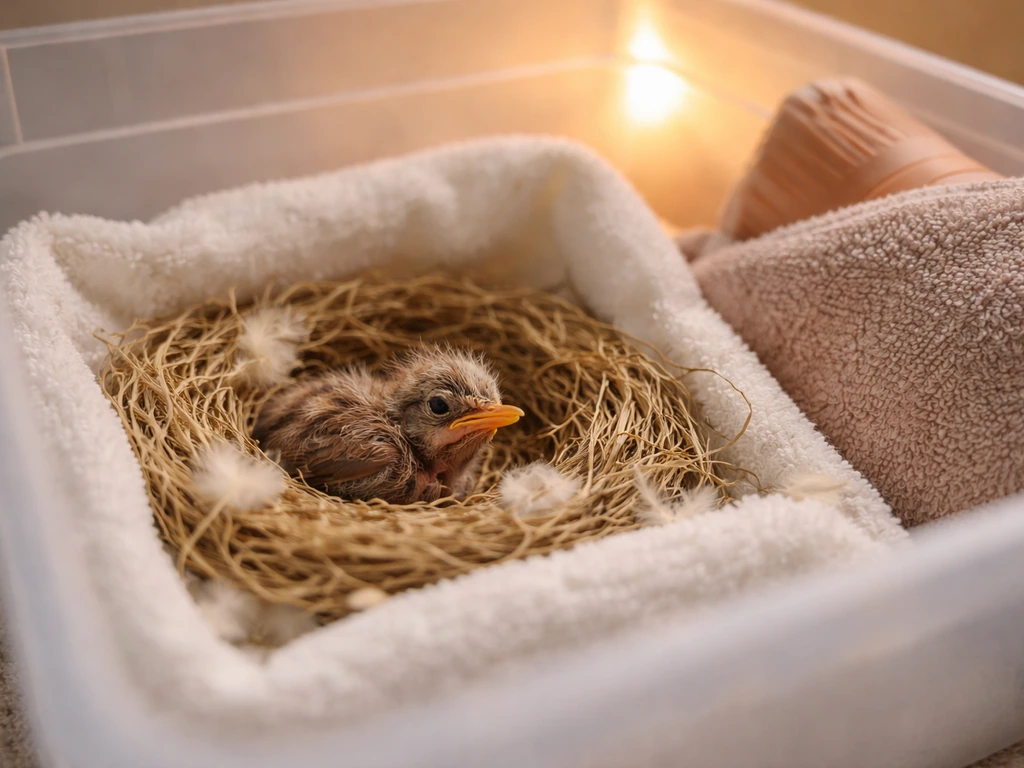
A newly hatched nestling needs to be kept at around 85 to 90°F (29 to 32°C) in the first days of life. Use the same heating pad or warm water bottle setup described above, with the heat source warming one side of the container so the chick can move toward or away from it. A small, snug nest substitute made from soft cloth or paper towels shaped into a cup helps the chick feel secure and conserves heat. Check temperature with a thermometer regularly. As the chick develops feathers (pin feathers appear around day 5 to 6, and the bird is mostly feathered by day 10 to 12), you can gradually reduce supplemental heat.
Feeding a robin nestling
This is where most DIY attempts fail. Robin nestlings need to be fed every 30 to 60 minutes from sunrise to sunset, every single day. The diet in the wild is primarily earthworms and insects, which provide the right protein, moisture, and nutrient balance for fast-growing songbirds. Rehabilitators typically use a species-appropriate formula or blended soft foods designed for insectivorous nestlings. Feeding the wrong food, including bread, milk, mashed fruit, or dry dog food, can cause serious nutritional deficiencies or aspiration. The HSVMA wildlife care handbook is clear that improper feeding is one of the most common causes of nestling death in care.
If you are bridging the gap while getting the bird to a rehabilitator, small pieces of moist, soft earthworm (not dried or preserved) can be offered with tweezers every 30 minutes, but only if the chick is warm and gaping (opening its mouth). Never force feed a cold or lethargic chick.
Growth milestones to watch for
A healthy robin nestling progresses quickly. Here's a rough timeline from hatch:
| Age | What you should see |
|---|---|
| Day 1 to 3 | Eyes closed, naked or barely downy, gapes strongly when warm and stimulated |
| Day 4 to 6 | Pin feathers emerging on wings and back, eyes may begin to crack open |
| Day 7 to 9 | Eyes fully open, feathers unfurling, more alert and mobile in the nest |
| Day 10 to 13 | Mostly feathered, starting to stand and flap, louder and more demanding |
| Day 13 to 14 | Ready to fledge; bird leaves the nest and parents continue to feed it on the ground for another week or two |
If the chick is not gaping when warm, not growing visibly heavier each day, or is listless and quiet when it should be active, something is wrong. Contact a rehabilitator immediately.
Common problems and how to troubleshoot them
Egg won't develop or candling shows no progress
If the egg shows no blood vessels by day 7 and looks uniformly clear or yellow when candled, it's almost certainly infertile or the embryo died early. This happens frequently with eggs found away from the nest, and there's nothing you did wrong. Eggs that were chilled significantly before incubation often don't develop. At this point, continuing incubation is unlikely to help, and it may be time to accept that this egg can't be saved.
Chilling
If an egg or newly hatched chick gets cold, warm it up slowly, not by placing it directly on a hot surface, but by gradually raising the ambient temperature of its container over 30 to 60 minutes. A chilled chick that warms up and starts gaping again can sometimes recover. One that was cold for hours with no movement after warming is unlikely to make it.
Overheating
An egg exposed to temperatures above 104°F (40°C) for even a short period can suffer embryo death. If your incubator malfunctions and overheats, candle the egg the next day to check for development. If blood vessels are still visible and moving, there may still be hope. If the egg smells bad or shows dark discoloration, discard it carefully.
Low humidity and dehydration
An egg losing too much moisture will have an oversized air cell (visible when candling) and the chick can die trying to pip because the membrane becomes too dry and tough. If you notice the air cell is unusually large early in incubation, increase your humidity slightly. A chick that has pipped but isn't making progress after 12 hours may be shrink-wrapped in dry membrane. Do not pull the shell off yourself; this is a job for a rehabilitator.
High humidity and mold
Too much humidity and you'll see mold developing on the shell's surface, or the egg will float high if placed in water (a sign of too much retained moisture). If mold appears, gently wipe the shell with a barely damp cloth and reduce humidity. Mold inside the incubator can also spread to the egg interior and kill the embryo.
Incorrect turning
If you forget to turn the egg for a day, the embryo may stick to the membrane. Don't panic if you miss a session, but do not try to aggressively rotate the egg to compensate. Just resume the normal turning schedule. If you miss multiple days in a row, the odds of a live hatch drop significantly.
When to stop the DIY approach and call a professional
Here's a honest truth: most people who find a robin egg should contact a wildlife rehabilitator before attempting any incubation at all. This isn't a criticism. It's just that licensed rehabilitators have proper equipment, species-appropriate diets, proper permits, and experience with exactly this situation. They also have a much better track record with robin eggs and nestlings than first-time rescuers.
Call a rehabilitator or avian vet immediately if any of these apply:
- The egg has pipped (cracked) but the chick isn't progressing after 12 to 24 hours.
- The chick hatched but is limp, cold, or not gaping after warming.
- The nestling is losing weight, not growing, or is silent and flat instead of upright and begging.
- You don't have time to feed every 30 to 60 minutes during daylight hours.
- The chick shows any sign of injury, discharge from the eyes or beak, or labored breathing.
- You're simply unsure what you're doing and want the bird to have the best possible chance.
Many rehabilitators can provide guidance by phone even if they can't take the bird immediately. The USFWS recommends contacting a professional as the first step, not the last resort. You can find licensed rehabilitators through the National Wildlife Rehabilitators Association (NWRA) or Wildlife Rehabilitators of North America directories online, or by calling your state wildlife agency.
The legal side: what you need to know before handling a robin egg
American robins are protected under the Migratory Bird Treaty Act (MBTA), a federal law. Under the MBTA, it is illegal to take, possess, transport, or attempt to hatch migratory bird eggs without the appropriate federal and state permits. 'Take' includes picking up eggs or nests. This means that technically, incubating a robin egg in your home without a permit puts you in a legally gray area, even if your intentions are good.
In practice, federal enforcement focuses on commercial and intentional violations, not on someone who found a cold egg on the sidewalk and tried to save it. But it does underscore why getting the egg to a licensed rehabilitator as fast as possible is the right call. Licensed rehabilitators hold both state wildlife rehabilitation permits and federal permits under the MBTA that allow them to legally possess and care for protected birds. You do not have those permits.
The moment you hand the bird or egg to a licensed professional, you're on the right side of the law and the bird is in better hands. Think of your role as the first responder who stabilizes the situation until qualified help arrives, not the long-term caregiver.
Staying safe: hygiene and biosecurity when handling wild birds
Wild birds, including robin eggs and nestlings, can carry bacteria, parasites, and occasionally other pathogens that can affect people and pets. The risks are real but manageable with basic precautions.
- Wash your hands thoroughly with soap and water after any contact with the egg, nest, or nesting material. The CDC recommends this as the primary defense against zoonotic transmission.
- If soap and water aren't immediately available, use a hand sanitizer with at least 60% alcohol as a temporary measure.
- Keep the egg or bird away from pet food, water bowls, and areas where your pets or young children spend time.
- Wear disposable gloves if you have them, especially when handling a sick or dead bird.
- Clean and disinfect any surfaces, containers, or tools that contacted the bird.
- Do not allow household pets near the egg or chick, both for the bird's safety and to avoid pathogen transmission.
These precautions aren't meant to scare you. Millions of people pick up injured birds each year without getting sick. But a few simple hygiene steps protect you, your family, your pets, and the bird you're trying to help.
If you're interested in going deeper on the broader process of hatching and raising wild bird eggs, topics like general wild bird egg incubation, caring for hatchling birds, and the specifics of small bird egg care all intersect with what's covered here. If you want the full, step-by-step process, there are also general guides on how to hatch a bird egg from start to finish. The most important thread running through all of it is the same: get professional help as soon as you can, keep the bird warm and quiet in the meantime, and know that a good outcome for the robin is the whole point.
FAQ
Can I keep trying to hatch a robin egg at home if I cannot find a rehabilitator right away?
It is illegal in many places and also high-risk biologically. If you suspect the egg is still viable, the safest next step is to contact a licensed wildlife rehabilitator before starting any home incubation, then keep the egg warm and stable (in a ventilated, lined container) until they advise you.
What if the egg has already been out of the nest for several hours, is it still worth incubating?
For a robin, a long gap without incubator warmth is usually the main problem. If the egg has been out for more than a few hours, viability drops sharply. Your decision aid should be, if it has cooled significantly or you are unsure how long it was unattended, treat it as low odds and prioritize immediate professional guidance rather than extending incubation time.
Should I wash a robin egg before incubating it?
No, do not wash the egg. Washing removes protective coatings and can introduce germs into the shell pores. If the egg is dirty, simply leave it alone or gently wipe only the outside with a barely damp cloth if a rehabilitator specifically instructs you to clean it.
What should I do if I forget to turn the egg for a day?
A “few hours” without turning is different from “multiple days.” Missing one turning session is usually survivable, but multiple missed days can lead to the embryo sticking and reduced hatch rates. Resume the schedule normally, do not try to “catch up” by over-turning.
How reliable is candling for deciding whether a robin egg is actually going to hatch?
Candling can suggest development, but it cannot confirm species-specific viability beyond what you see. If you see active blood vessels and an embryo shadow on day 5 to 7, continue. If there are no spreading vessels by day 7 to 8, stop investing effort and contact a rehabilitator for next-step advice on whether to discontinue.
How do I avoid messing up incubation when my humidity readings seem inconsistent?
Humidity control is crucial, but “chasing numbers” too often can backfire. Instead, make small changes, let the incubator stabilize, and keep RH consistent between adjustments. If you do not have an independent hygrometer, rely on equipment verification before continuing.
What should I do if I see mold or a bad smell on the egg during incubation?
If an egg develops a moldy surface or odors that seem foul, that is a serious warning sign. Remove it carefully from the incubator, isolate it, and contact a rehabilitator for disposal or handling instructions, since opening or scrubbing the egg interior can spread contamination and harm the embryo.
Can I help a robin chick if it pips but seems stuck in the shell?
Do not pull shells or membranes, even if the chick seems stuck. “Assisted hatch” is one of the easiest ways to cause bleeding and death. If the chick pipped but has not progressed after about 12 hours, the correct move is to contact a rehabilitator immediately.
What should I check to make sure my incubator temperature is not dangerous?
Yes, overheating is a common hidden cause of failure. If your incubator runs above the safe range, the embryo can die even after brief temperature spikes. The practical fix is to verify with a separate thermometer, then check again after power cycles and during hot weather.
What is the safest way to handle feeding if the chick seems weak or not gaping?
Feeding should only be done when the chick is warm and gaping, since cold or sleepy chicks cannot digest and are prone to aspiration. If the chick is not responding normally, your first priority is restoring safe warmth and then getting species-appropriate feeding help.
How quickly should I contact a rehabilitator if the nestling’s behavior seems off?
If the nestling is lethargic, not gaining weight, not gaping when warm, or not active when it should be, do not wait for “another day.” Immediate contact with a rehabilitator improves outcomes because correct temperature and diet adjustments are time-sensitive.
Can I feed a robin nestling something I have at home while waiting for help?
Because robin nestlings need intensive, frequent feeding and correct insect-based nutrition, over-the-counter foods are not a safe substitute. Even if you want to bridge time, feeding the wrong items can cause deficiencies. The best bridge is to follow a rehabilitator’s exact instructions, and otherwise focus on warmth and keeping the bird calm.
What legal risk am I taking by incubating a robin egg at home?
Robin eggs and nestlings are protected under federal law in the US, so the safest compliance step is to transfer possession to a licensed rehabilitator as soon as possible. Even if federal enforcement is uncommon for accidental finds, you should not attempt to keep or hatch the egg yourself without permits.
How do I tell the difference between abandoned and temporarily unattended robin eggs?
If the nest is intact but parents are temporarily away, the best action is to leave it alone and monitor from a distance. If you see a parent return in the next hour, it was likely normal incubation behavior. Only escalate when the nest is destroyed or the egg is clearly chilled and abandoned after checking safely.
Next Article
How to Hatch Small Bird Eggs: Incubation Guide and Timeline
Step-by-step incubation and hatch timeline for tiny bird eggs, with temperature, humidity, turning, candling, and safety