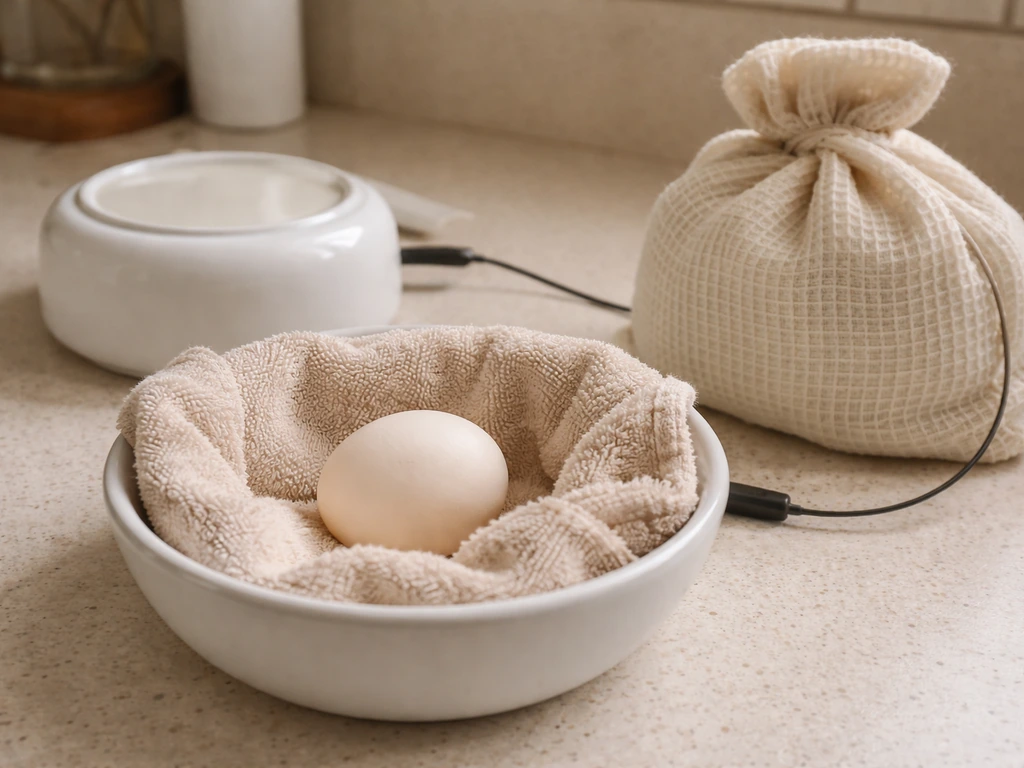
If you've found a wild bird egg that looks abandoned, the most important thing to do first is not touch it, not move it, and not start building an incubator. There are real legal risks involved, and rushing into DIY incubation is one of the leading reasons these eggs never hatch. This guide walks you through every step: confirming whether the egg actually needs help, understanding your legal obligations, exploring foster and rehab options, and only then explaining how to attempt incubation and care if it truly comes to that.
How to Hatch a Wild Bird Egg: Humane Step by Step Guide
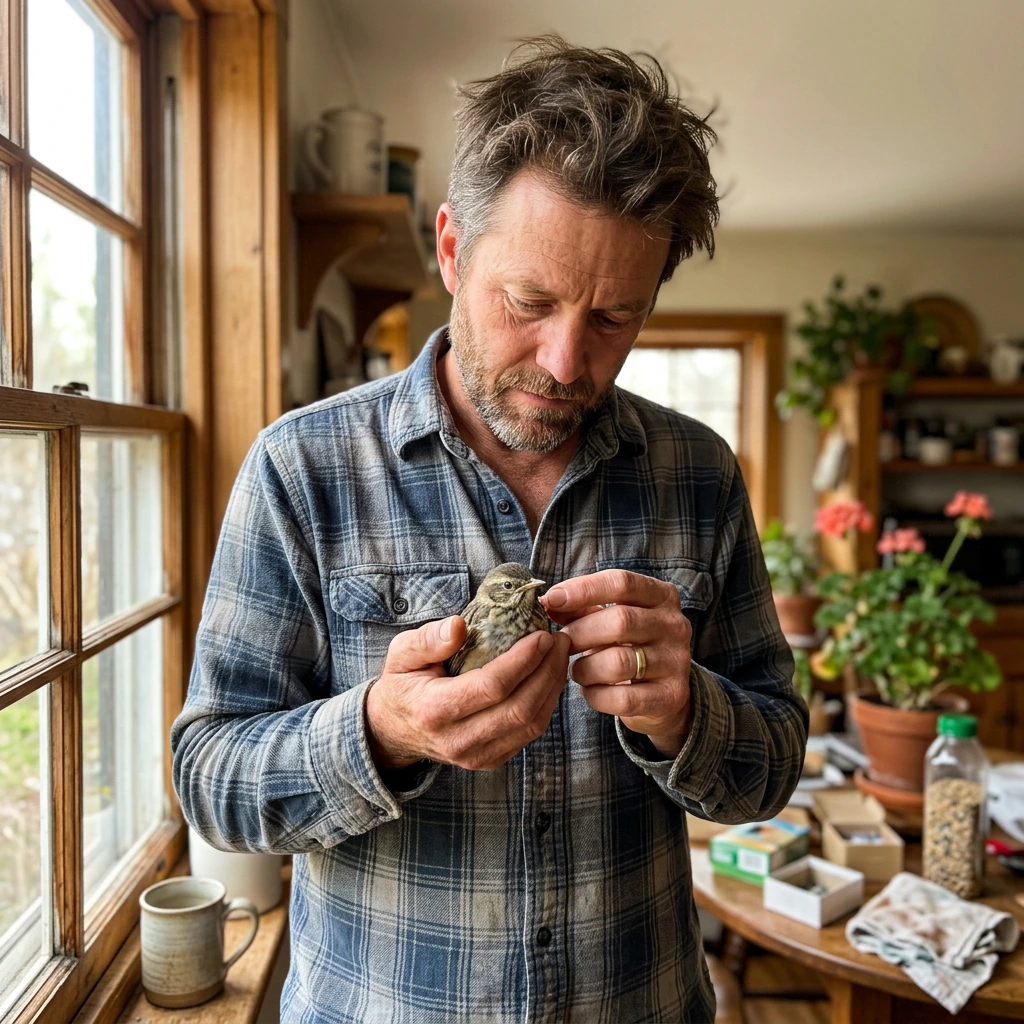
Marcus Holloway
12 Apr 2026
Is the egg really abandoned? Check this first
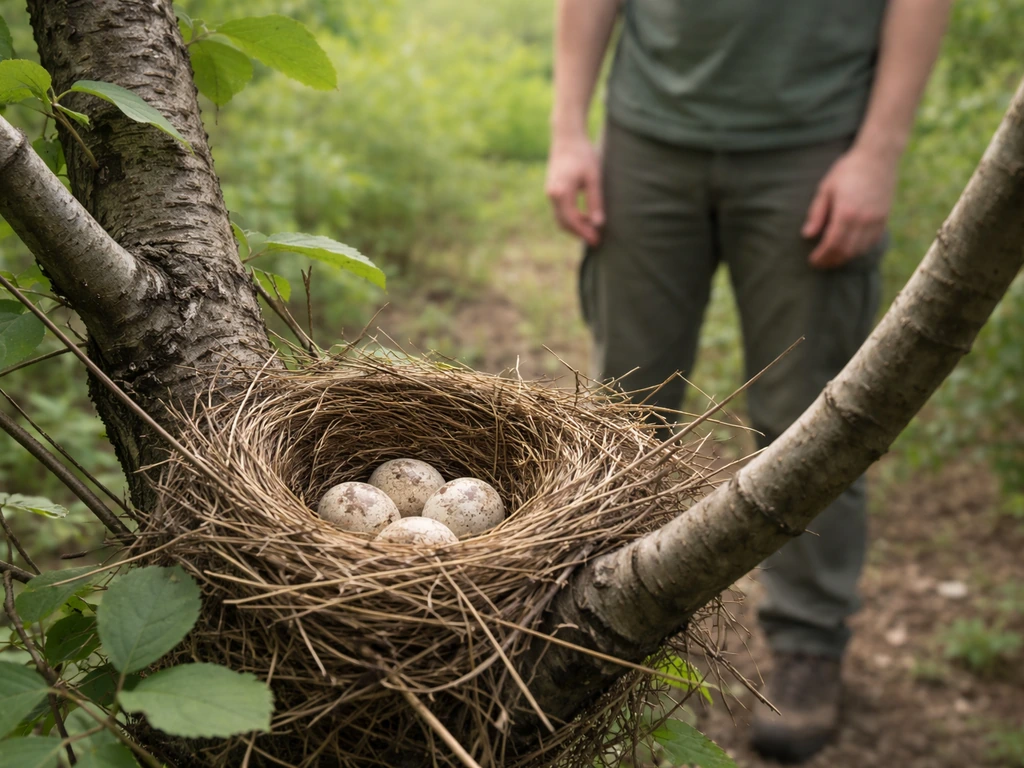
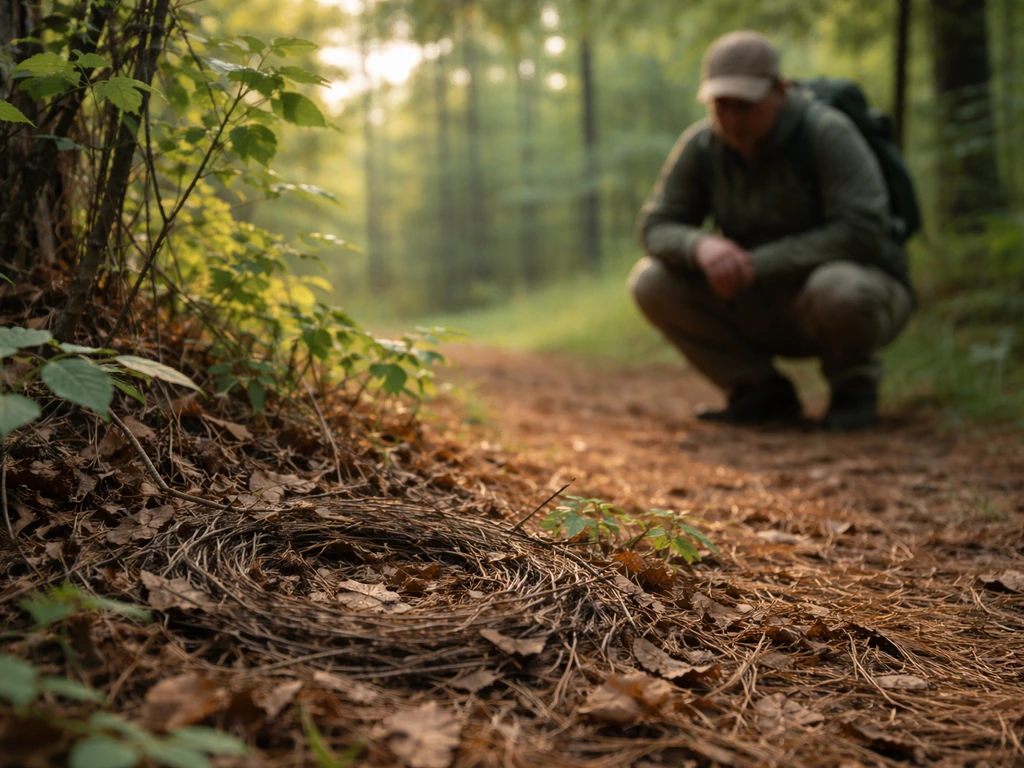
Most eggs that look abandoned are not. Parent birds leave nests for hours at a time to forage, and they won't return if a human is standing nearby. Before you do anything, back away from the nest and watch from a distance of at least 30 feet for two to three hours. If you can, set up a phone camera so you don't have to stand there. You are looking for a parent returning to incubate or tend the eggs.
A nest is genuinely abandoned if the parents don't return after a full day of observation, the eggs are cold and have been exposed to weather for more than a few hours, or the nest has been physically destroyed by a predator or storm with no sign of the parents anywhere near the area. Even then, one more check matters: is the nest reachable? If so, try to restore it. A parent bird will usually return to a repositioned nest if you can place it back in or very close to its original spot.
One situation that truly warrants intervention is a fallen nest after a storm where the tree is damaged and the parents are not returning. Another is an egg found completely alone on the ground with no nest nearby. In those cases, you have a real decision to make.
The legal reality you need to know before you touch anything
This is the part most guides gloss over, and it matters. In the United States, most wild birds are protected under the Migratory Bird Treaty Act (MBTA), a federal law that makes it illegal to take, possess, or interfere with migratory birds, their nests, or their eggs without proper authorization. That protection applies even if your intentions are completely good.
Maryland's Department of Natural Resources is explicit: attempting to incubate wild bird eggs, or even keeping a nest for show and tell, is illegal without permits. Ohio's revised code similarly prohibits possessing, disturbing, or destroying eggs and nests of wild birds except as specifically permitted. Florida requires a Wildlife Rehabilitation permit from the Fish and Wildlife Conservation Commission (FWC) before you can do anything beyond transporting a wild animal to a licensed rehabilitator. Washington state has its own licensed wildlife rehabilitator framework with specific rules and conditions. If you're unsure what applies in your state, contacting the U.S. Fish and Wildlife Service (USFWS) Migratory Bird Permit Office for your region is the right call.
The bottom line: unless you are a licensed wildlife rehabilitator or have been directed by one, keeping and incubating a wild bird egg is likely illegal in your state. The safest and most ethical first step is always to contact a local wildlife rehabilitator or your state's wildlife agency before you do anything else.
What to do right now: safe handling, temporary storage, and keeping the egg stable
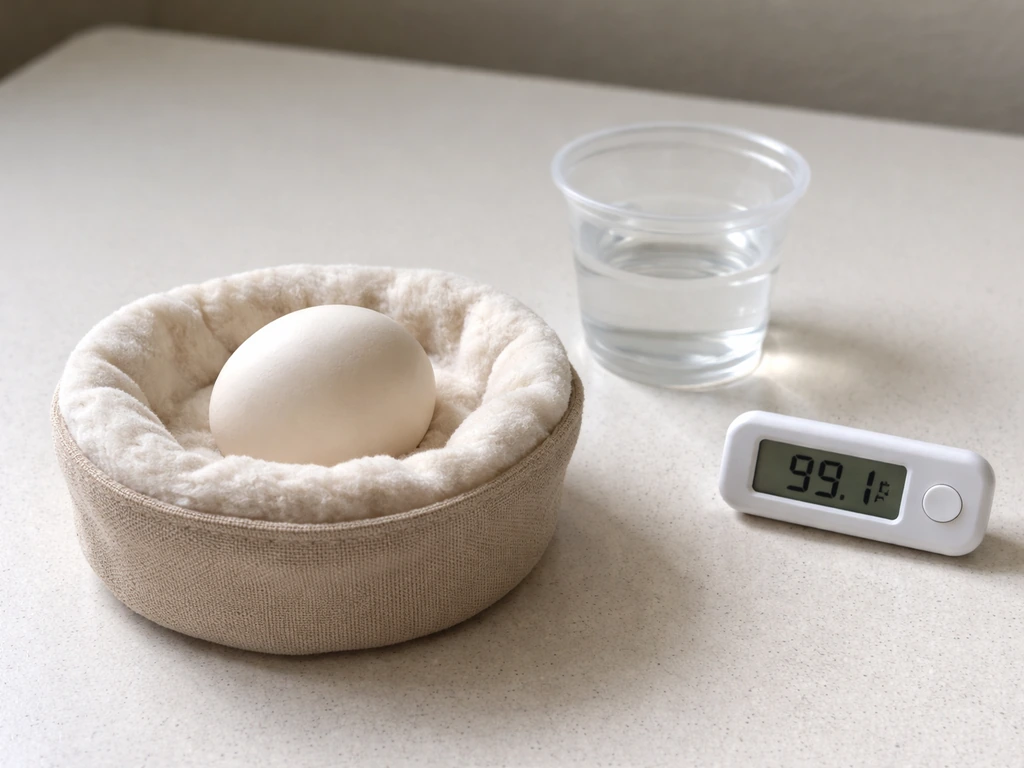
If you've confirmed the egg is genuinely at risk and you're actively seeking a rehabilitator (which is the right move), you may need to keep the egg alive for a few hours. Here's how to handle that window safely.
First, handle the egg as little as possible. Wash your hands, then cup the egg gently in your palm. Never shake it or turn it upside down rapidly. Avoid touching the blunt end (the wider end), which is where the air cell sits. If the egg is cold, warm it slowly by holding it in your cupped hands for a few minutes before placing it in a container.
For short-term storage of a few hours, place the egg in a small container lined with dry tissue or paper towel. Keep it slightly tilted at about a 45-degree angle with the blunt end up. Place that container on top of a heating pad set to low, or near (not over) a warm lamp, so the egg stays around 99 to 100 degrees Fahrenheit (37 to 38 degrees Celsius). Do not wrap the egg tightly or seal it in a plastic bag, it needs some air exchange.
Keep humidity moderate. If your home is very dry, place a small damp (not wet) piece of paper towel inside the container but not touching the egg. This matters more for longer incubation attempts, but even during a short holding period, an egg left in dry warm air can lose moisture too quickly.
Rehab first, incubate only if you have no other option
The honest truth is that a licensed wildlife rehabilitator gives the egg a far better chance than almost any DIY setup. Anyone who wants to provide care and treatment for rehabilitation and release of orphaned, sick, or injured wildlife in Maryland must first obtain a Wildlife Rehabilitator Permit/License from the Maryland Department of Natural Resources blank" rel="noopener noreferrer">licensed wildlife rehabilitator. Rehabilitators have species-specific incubators, experience reading candled eggs, and the legal authority to care for the animal through to release. Your first phone call should be to a local wildlife rehab center. WDFW’s resources for wildlife rehabilitators include permit guidance for situations involving injured wildlife, including birds, and highlight state and federal requirements that may apply legal authority to care for the animal through to release. The USFWS maintains a directory, and most state wildlife agencies have a referral hotline.
If the egg is from a species where fostering is possible (placing the egg under a brooding wild bird of the same species), some rehabilitators can arrange that. This is the gold standard outcome. A foster parent provides natural warmth, turning, humidity, and feeding cues that no incubator can fully replicate.
Only attempt incubation yourself if you genuinely cannot reach a rehabilitator within a reasonable time window, the egg is at immediate risk of dying without warmth, and you understand the legal situation in your state. If you do proceed, the general process of hatching a bird egg provides a useful foundation, but wild bird eggs have narrower tolerances than domestic species, so treat every parameter as critical.
DIY incubation vs. wildlife rehab placement: a quick comparison
| Factor | DIY Incubation | Wildlife Rehab / Foster |
|---|---|---|
| Legality | Often illegal without permits | Legal with licensed rehabilitator |
| Equipment needed | Incubator or improvised heat source, thermometer, hygrometer | Provided by rehabilitator |
| Success rate | Lower, especially without species-specific knowledge | Significantly higher |
| Species-specific care | Difficult for non-experts | Rehabilitator has training |
| Post-hatch care | Extremely demanding, requires ongoing expertise | Handled by rehab staff |
| Best for | Emergency bridge while seeking professional help | All situations where reachable |
How to actually incubate a wild bird egg if you have no other choice
Wild bird eggs are not all the same. A robin egg and a sparrow egg have different incubation temperatures, humidity needs, and turning schedules. If you know what species you're dealing with, look up the specifics. If you don't, use these general parameters as a baseline, understanding they are approximate.
- Temperature: 99 to 100°F (37.2 to 37.8°C) for most songbirds; larger birds like waterfowl or raptors may tolerate slightly lower temperatures around 98 to 99°F
- Humidity: 50 to 55% relative humidity during incubation, rising to 65 to 70% in the final 2 to 3 days before hatching (the 'lockdown' period)
- Turning: Turn the egg gently at least 3 times per day (5 times is better) through the first two-thirds of incubation; stop turning during the final 2 to 3 days
- Ventilation: The container or incubator must allow some air exchange; a fully sealed environment will suffocate the developing embryo
- Sanitation: Keep the incubator clean; bacteria are a leading cause of egg failure
If you're setting up a home incubation situation, hatching bird eggs at home covers the equipment and setup process in more detail. For smaller species like finches or warblers, the tolerances are tighter and the eggs are more fragile, so read up on incubating small bird eggs before you proceed.
Mark one side of the egg with a small pencil dot before you begin turning. This helps you track rotation and avoid accidentally returning it to the same position. Always turn an odd number of times per day so the egg rests on alternating sides overnight.
Monitoring the egg: what viability looks like and when to worry
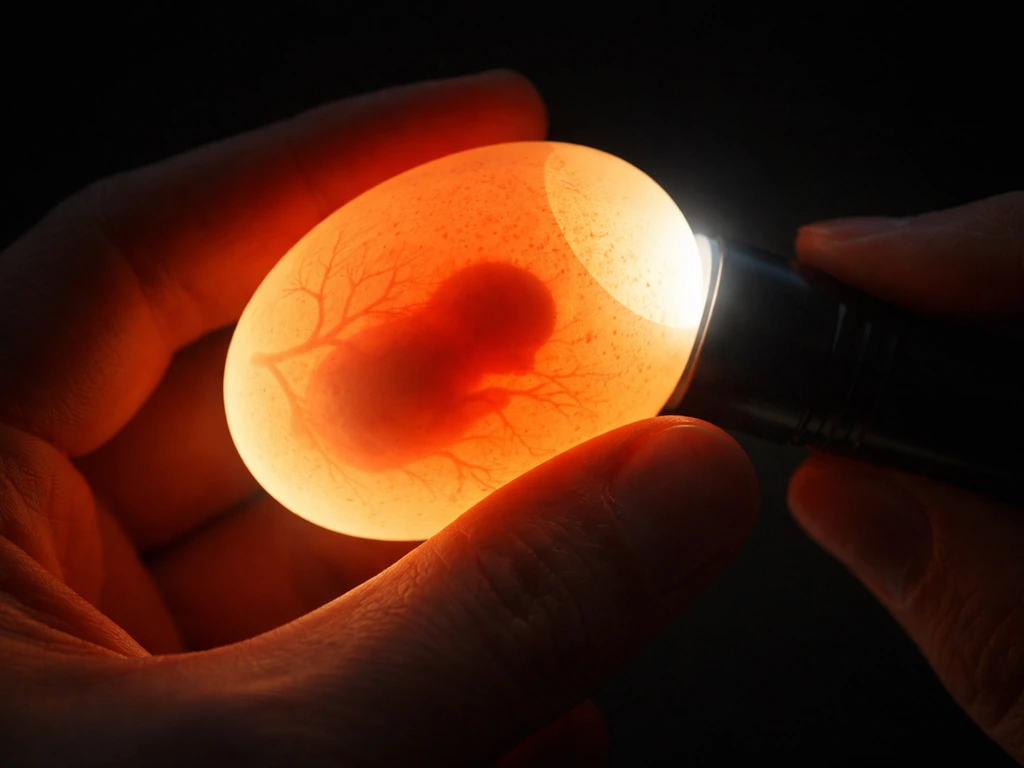
Candling is the most useful tool for checking whether an egg is developing. Hold a small, bright flashlight against the blunt end of the egg in a dark room. In a viable egg, you should see a network of blood vessels spreading from a central dark spot (the embryo) within the first few days of incubation. By the midpoint, the egg should look mostly dark from the developing chick, with a clear air cell at the blunt end.
What you don't want to see: a clear egg with no veins after 7 days of incubation (likely infertile or very early death), a "blood ring" which is a faint ring of blood with no spreading vessels (indicates early embryo death), or a completely opaque black egg with a foul smell (bacterial contamination, remove it immediately from any other eggs).
For robin eggs specifically, the process looks a bit different given their distinctive blue shell color, and you can read more about the nuances of hatching a robin bird egg to understand what to expect at each stage.
If the egg rolls freely with a lot of sloshing movement, or if the air cell seems to have shifted to the side rather than sitting at the blunt end, those are signs of a problem. A healthy egg near the end of incubation will feel slightly heavy and still, with the chick taking up nearly all the space inside.
The hatching window: what to do and what not to do
When hatching begins, you'll first notice a small hole or crack called a pip. This is the chick breaking through the air cell and starting to breathe. Do not help unless there is a serious problem. Hatching can take 12 to 24 hours from first pip to the chick fully emerging, and intervening too early causes more harm than good. Humidity should be raised to around 65 to 70% during this period to prevent the membrane from drying and trapping the chick.
If a chick has been pipped (visible crack) for more than 24 hours with no further progress and appears stuck, that is a sign of trouble. Only assist if the membrane around the chick appears dry and brown rather than moist and white, and only very gently, moistening the membrane with a drop of warm water before any attempt to remove shell fragments.
After hatching: brooding setup and keeping the chick warm
A newly hatched wild bird chick is called a hatchling. It cannot regulate its own body temperature for the first week or more of its life. Keeping it warm is not optional, it is the single most critical thing you can do in the first 24 hours.
Set up a brooding box using a small cardboard box or container lined with a soft cloth or paper towel (not fluffy material that can catch tiny toes). Place a heating pad set to low under one half of the box, leaving the other half unheated so the chick can self-regulate if it gets too warm. The warm side should stay around 95 to 98°F (35 to 37°C) for the first few days, dropping a few degrees each week as the chick grows feathers.
Keep the brooding area quiet and dim. Wild hatchlings imprint on what they see and hear, which is a real risk with human-raised birds. Limit handling to feeding times only. Cover the box loosely to block light and reduce visual imprinting. The goal from day one is to minimize the chick's exposure to humans while keeping it alive and growing. For a more detailed look at day-by-day care after hatching, the guide on how to raise a hatchling bird covers what to expect as the chick develops.
Feeding and hydration: what hatchlings need (and what will harm them)
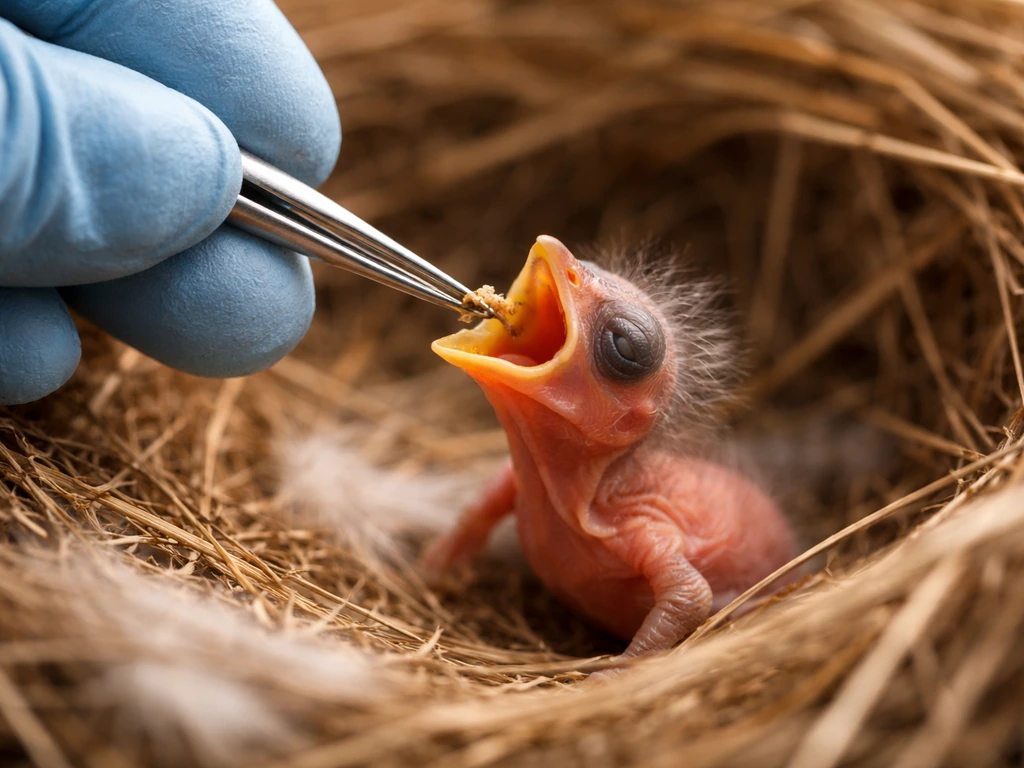
Do not feed or give water to a hatchling in the first few hours after hatching. The chick absorbs the remaining yolk sac before hatching and doesn't need food immediately. Giving water by dropper to a very young hatchling is one of the most common causes of aspiration (fluid in the lungs), which is often fatal.
Most wild songbird hatchlings eat insects and high-protein soft foods. In an emergency situation, a stopgap diet can be made from a small amount of wet, high-protein cat or dog food (no seasoning, no garlic) mixed with a bit of hard-boiled egg yolk. This is not a long-term solution, but it can keep a chick alive for a day or two while you locate proper care.
What to avoid feeding any wild hatchling:
- Bread, crackers, or any cereal-based foods (no nutritional value, can cause crop impaction)
- Milk or dairy products (birds cannot digest lactose)
- Raw meat from unknown sources (parasite risk)
- Fruit juice or sweetened liquids (fermentation risk, wrong nutrition profile)
- Worms as a sole diet for very young hatchlings (worms are for older nestlings and fledglings, not newly hatched chicks of most species)
Feeding frequency matters just as much as what you feed. Hatchlings need food every 15 to 30 minutes during daylight hours, which is roughly 6 a.m. to 8 p.m. That is not a typo. Caring for a wild hatchling is an enormous time commitment. Each feeding should be a small amount placed at the back of the gape (the open mouth), not forced in. The chick should be actively gaping and responsive. If it isn't opening its mouth, it may be too cold, which means warmth comes before food.
As the chick grows over the first week, feeding intervals can extend slightly to every 30 to 45 minutes. By week two to three (depending on species), most hatchlings are nestlings and beginning to develop feathers, and the diet can include small live insects like fruit flies or pinhead crickets. Water should only be provided through food moisture or by a very experienced hand with a dropper angled along the side of the beak, never directly into the throat.
When to stop DIY and get professional help
There are clear signs that a chick needs more than you can provide. If the chick is not gaining weight day to day, appears bloated or has a discolored crop (the small bulge at the base of the neck where food collects), is lethargic between feedings, has labored breathing, or develops any kind of discharge from the eyes or mouth, those are veterinary or rehabilitator emergencies.
Similarly, if you simply cannot maintain the feeding schedule because of work, sleep, or other commitments, please reach out to a rehabilitator immediately rather than extending a care situation that isn't sustainable. A chick that misses multiple feedings will weaken fast.
And if the egg never hatches despite correct conditions and a reasonable timeline (past the typical incubation period for the species by 5 or more days), it is almost certainly not viable. Dispose of it carefully and don't feel responsible. Even professional rehabilitators lose eggs. The biology is fragile, and many eggs that appear abandoned were already compromised before you found them.
The decision to stop DIY care is not a failure. It is the right call for the bird. Wildlife rehabilitators exist precisely for this situation, and getting a chick to one quickly, even after a few days of emergency home care, gives it a real shot at survival and eventual release back into the wild. That outcome is the whole point.
FAQ
How can I tell if I’m dealing with a nest that’s been temporarily abandoned versus one that’s truly lost?
Watch longer than you think you need. If a parent returns during a multi-hour observation window and the parents are actively bringing nesting material or brooding, it is usually not abandoned. If possible, check again at different times of day, because foraging schedules and weather can delay returns.
Is it okay to bring the egg inside to “protect it from temperature” while I wait for a rehabilitator?
Short-term, yes, but only as a bridge, not as a plan to incubate. Keep the egg warm and slightly tilted with gentle air exchange, avoid sealing it in plastic, and limit the time indoors as much as you can. If the egg has been cold for many hours, prioritize contacting a rehabilitator immediately.
What should I do if I accidentally handled the egg or moved it when trying to help?
If you already moved it, your best next step is to stop further handling and contact a rehabilitator right away. If the nest is reachable and intact, placing the egg back close to its original position can be helpful. Avoid repeated repositioning, cleaning, or rotating beyond what you can track carefully.
Can I fix a damaged nest by putting the egg back in or rebuilding it?
Often you can restore a nest if it is safe and the parents still might be able to access it, especially after storms. Do not rebuild with materials that differ drastically from the original or leave human scent all over the site, your hands should be clean and handling should be brief. If the area is predator-exposed or the parents are not returning, skip DIY and call a rehabilitator.
If I’m in a hurry, what’s the fastest way to find the correct legal option in my area?
Call your state wildlife agency or a licensed wildlife rehabilitator and ask specifically about permits and “incubating or possessing wild bird eggs.” If they ask for details, be ready with location, species if known, and how long the egg has been unattended. This reduces the chance you get advice that doesn’t match your jurisdiction.
When should I stop attempting DIY incubation and switch to getting professional help?
Stop if you cannot reliably maintain heat and humidity, cannot follow the turning and monitoring needs, or the egg shows any serious abnormality (for example, foul odor with contamination signs, or prolonged pipping with no progress and no appropriate membrane condition). Also stop if you are past the typical incubation window by about a week or more, since extended attempts are unlikely to be productive.
What are the most common DIY mistakes that cause eggs not to hatch?
Using the wrong temperature range or swing (heat too high or inconsistent), sealing the egg in plastic (reduces necessary air exchange), over-wetting or soaking during holding, and starting incubation without confirming abandonment are big ones. Another frequent issue is mis-tracking turning, which is why marking one side and maintaining a consistent schedule matters.
Is candling safe, and when is the best time to candle?
Candling is best used sparingly and during appropriate stages. Use a dim room, candle from the blunt end, and avoid prolonged exposure. If you see contamination or a bad smell, remove the egg from any other eggs immediately to prevent additional losses.
What should I do if the egg pips but the chick seems stuck?
First, do not interfere early. Wait for the chick to progress unless there are clear signs the membrane is drying and brown rather than moist and white. Any assistance should be minimal (only if you truly must), and should involve gentle moistening with warm water, then careful monitoring afterward.
When a hatchling is out, how do I prevent it from imprinting on humans?
Keep the brooding area dim and quiet, handle only for urgent feeding moments, and cover the box loosely to reduce visual exposure. Avoid talking, bright light, and repeated peeking, because hatchlings can start learning your presence immediately.
How do I know whether a hatchling is too cold or too warm?
If the chick is cool and not responding, warmth is the priority. If it appears overheated (very restless, excessively open-mouthed breathing, or becomes lethargic from heat stress), adjust by using an unheated half of the brooding box so it can self-regulate. Consistent warmth on one side is safer than trying to match an exact number everywhere.
Can I offer water directly to a newly hatched chick?
No for most situations. Avoid direct water drops, because aspiration risk is high. For care, rely on appropriate feeding moisture, and only consider liquid delivery if a rehabilitator has instructed you on technique and urgency.
What if I cannot commit to the feeding schedule for a hatchling?
If you cannot reliably feed every 15 to 30 minutes during daylight hours (and continue at the correct intervals as it grows), contact a rehabilitator immediately. Missing multiple feedings can cause rapid decline, and your best “next step” is escalation, not extending a care setup you cannot sustain.
If the egg never hatches, how should I dispose of it responsibly?
Handle it carefully, since it may contain contaminants, and avoid leaving it where scavengers or children can access it. Use a sealed bag or container for disposal, then contact a rehabilitator for guidance if you are uncertain about what to do next with any remaining nest materials nearby.
Next Article
How to Hatch Bird Eggs at Home Without an Incubator
Step-by-step humane guide to hatch bird eggs at home without an incubator, including warmth, turning, viability, and whe