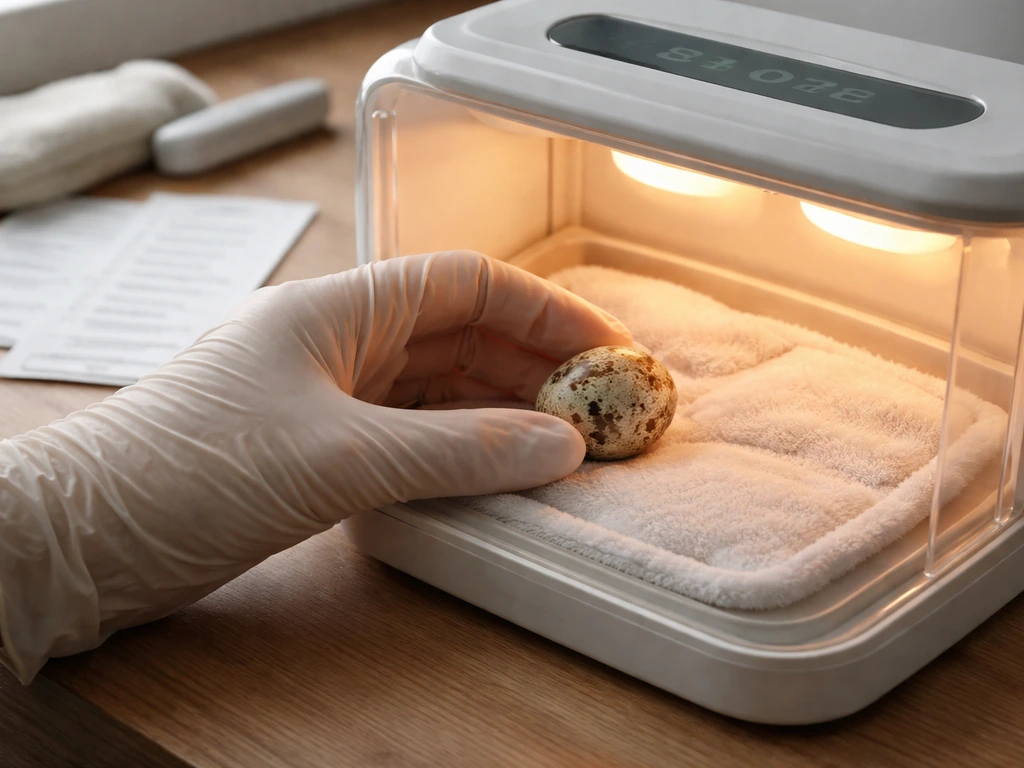
Yes, you can hatch a bird egg at home without an incubator, but it is genuinely hard, and the odds depend heavily on the species, how long the egg has been unattended, and whether you can maintain the right conditions around the clock. This guide walks you through every step honestly, including when to stop trying on your own and call a professional.
How to Hatch Bird Eggs at Home Without an Incubator
Marcus Holloway
9 Apr 2026
Can you really hatch a bird egg at home without an incubator?
The short answer is: sometimes, for domestic or pet-species eggs, with a lot of effort. For wild bird eggs, the answer is almost always no, and not just because it is difficult. Even wildlife rehabbers rarely incubate found eggs because the hatchability is so uncertain and the demands are so intense. The realistic success rate for a home setup without proper equipment is low, and that is before you factor in the legal and welfare issues around wild eggs.
If the egg came from a pet bird (like a parakeet, dove, or backyard chicken) and you know roughly when incubation started, you have a reasonable shot. If you found the egg outside in a nest or on the ground, the situation is more complicated, and the first question to answer is whether home incubation is even the right move. Before you warm anything up, read through the next section.
Handling, identifying, and checking viability before you start
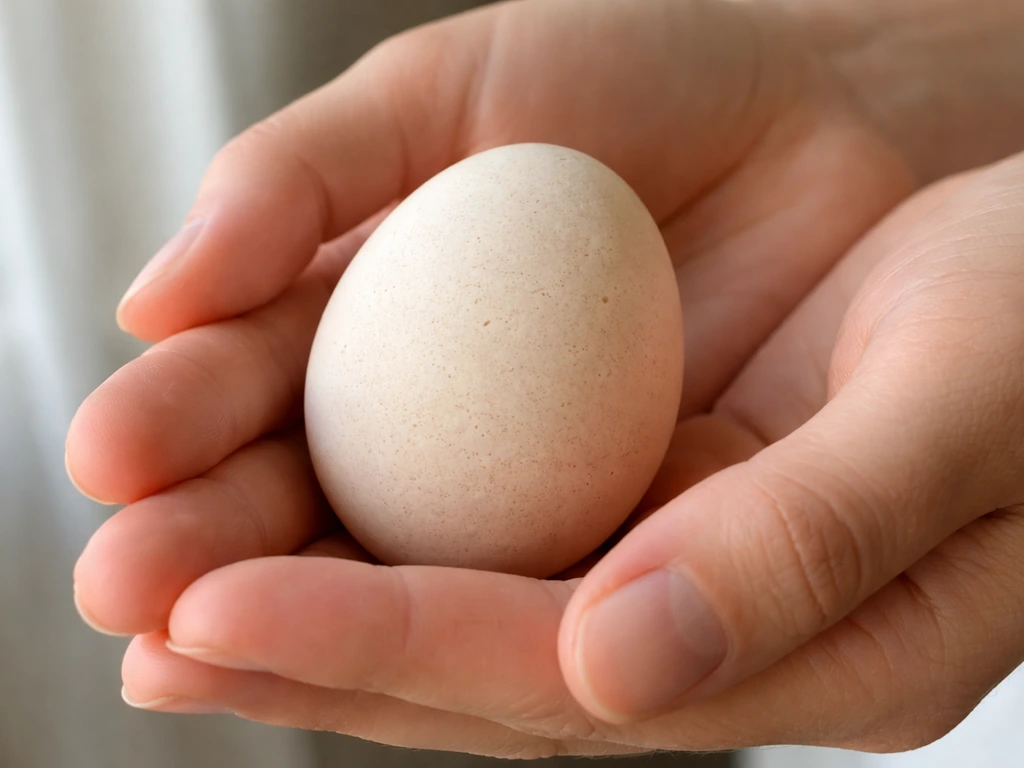
Pick up the egg gently with clean, dry hands. Do not shake it, and do not wash it, since the egg has a natural protective coating called the bloom. If the egg smells strongly rotten, that is a clear sign the embryo has already died and decomposition has started. A rotten egg can actually burst, so set it aside carefully. If there is no smell, the egg may still be viable.
The best no-equipment viability check is candling. Hold a small flashlight or phone torch directly against the large end of the egg in a dark room. A viable egg with a developing embryo will show a dark mass with visible veining after the first few days of development. A clear egg, or one with a dark ring (called a blood ring), has likely stopped developing. A completely opaque egg that has been outside for an unknown period is very unlikely to hatch.
Store condition matters too. According to extension guidance, bird eggs can be held for up to seven days before incubation begins, but only if they are kept in a cool, stable environment with around 60 percent relative humidity. Every day beyond seven days reduces hatch rates significantly. If you have no idea how long the egg has been sitting unprotected and unincubated, assume the embryo may already be gone.
Wild bird eggs vs. pet and domestic species: know what you are dealing with
This distinction matters enormously, legally and practically. In the United States, the Migratory Bird Treaty Act (16 U.S.C. §703) makes it unlawful to possess, take, or transport the eggs of any of the roughly 1,100 protected native migratory bird species. That includes common backyard birds like robins, sparrows, and mourning doves. Bald and golden eagles have additional protection under a separate federal law with criminal penalties. Possessing a wild bird egg without a permit is not a gray area.
If you found a wild egg on the ground or in a disturbed nest, the right first move is to contact a licensed wildlife rehabilitator or your local animal control, not to start warming it up at home. Hatching a wild bird egg at home is something even professionals approach with caution, partly because of the law and partly because, as Texas Parks and Wildlife notes, a chick almost always has a better chance with its mother in the wild than with even a well-meaning human caregiver.
If you are raising domestic chickens, ducks, quail, or a pet parrot species, none of those restrictions apply, and home incubation is a normal and practical thing to do. The rest of this guide applies most directly to those situations, though the temperature and humidity principles are broadly similar across species.
Safe ways to keep an egg warm without an incubator
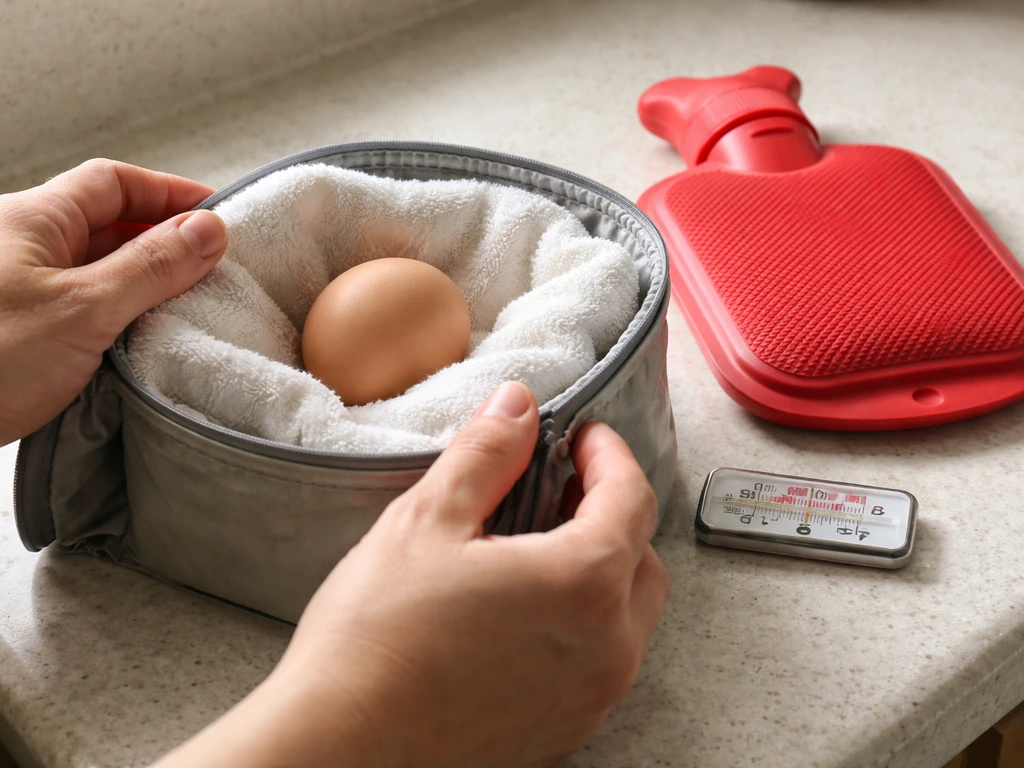
The target temperature for most bird eggs is around 99 to 100 degrees Fahrenheit (37.2 to 37.8°C). Quail, for instance, incubate well at 99.5°F. Chicken and duck eggs follow similar ranges. The problem with no-incubator setups is that maintaining a stable temperature 24 hours a day is genuinely difficult, and even a brief interruption in warmth can kill the embryo.
Here are the most practical DIY warming methods, along with their real-world limitations:
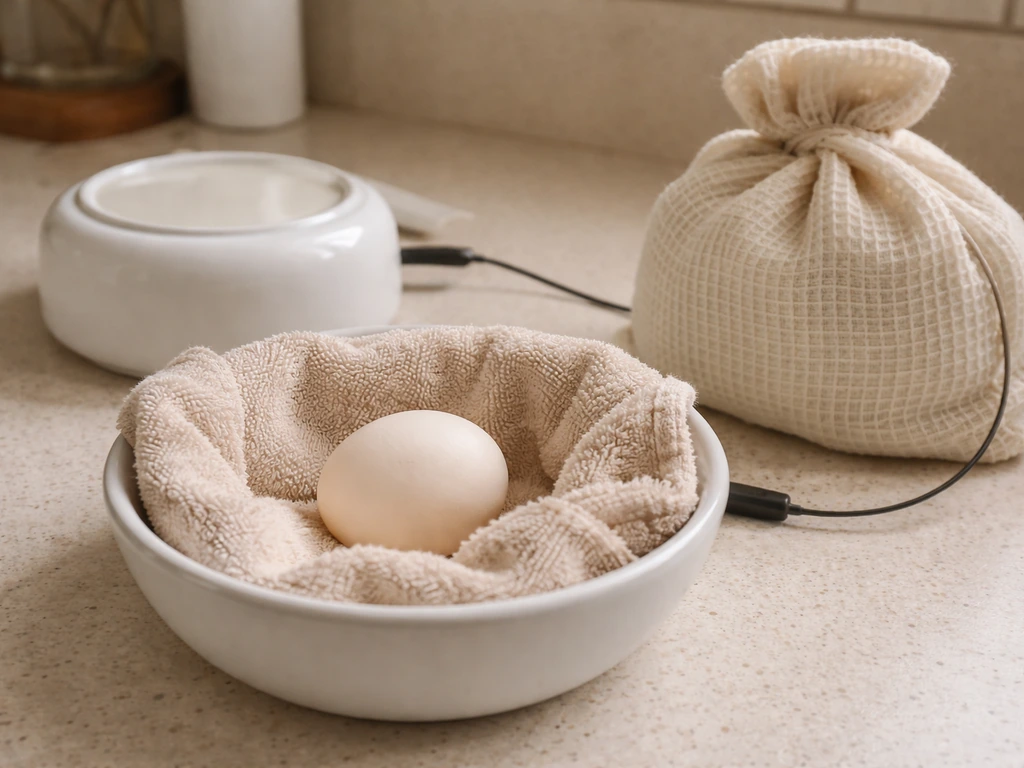
- Heating pad on the lowest setting, placed under a towel-lined box: works reasonably well if you can keep the surface temperature in the target range. Use a thermometer to verify, since heating pads vary widely.
- Warm water bottle or hand warmers wrapped in a cloth: useful for short-term stabilization while you set up a better system. Check and replace every 30 to 60 minutes since these cool down fast.
- A small cardboard or plastic box with an incandescent bulb (40 to 60 watt) positioned at one end: creates a warm zone the egg can sit in. Monitor with a thermometer constantly.
- Body heat as a last resort: holding the egg against your skin under clothing can buy time for an hour or two, but it is not a sustainable method for full incubation.
Whatever method you use, place the egg in a small, clean container lined with a soft cloth or paper towels. Do not use materials that can compress tightly around the egg. Keep the container away from drafts, direct sunlight, and anything that can cause sudden temperature spikes. A thermometer is not optional here; you need to know the actual temperature, not guess it.
Full incubation at home: turning, humidity, and timing
If you are committing to incubating an egg through to hatch, three things matter above everything else: consistent temperature, adequate humidity, and regular turning.
Turning the egg
In the nest, a parent bird shifts the egg many times a day. This prevents the developing embryo from sticking to the shell membrane. At home, you need to turn the egg at least three to five times per day, always an odd number of turns so the egg ends up on a different side each night. Mark one side with a pencil so you can track rotation. Stop turning three days before the expected hatch date. For chickens, that means stopping on day 18 of a 21-day incubation. For quail, it is a shorter total cycle, so adjust accordingly.
Humidity and moisture
Humidity is the piece most home setups get wrong. For the first 18 days of incubation, aim for 60 to 65 percent relative humidity. The University of Maryland Extension’s hatching eggs at home fact sheet says incubator humidity must be kept at 55, 60% [55–60% relative humidity](https://extension. umd.
edu/resource/hatching-eggs-home-fs-1114/). In the final three days before hatch, raise it to around 70 percent. Virginia Tech’s Virtual Farm recommends that the last three days before hatch should be nearer 65 to 70 percent relative humidity [raise it to around 70 percent. ](https://www.
sites. ext. vt. edu/virtualfarm/poultry/poultryincubationscience.
html). Low humidity causes the membrane inside the shell to dry out and stick to the chick, which can trap it during hatch. You can raise humidity by placing a small open dish of water near the heat source, or by lightly misting the air around (not directly on) the egg. A cheap hygrometer from a hardware store is the best way to monitor this.
If you do not have one, look for slight condensation on the inside of a covered container as a rough sign that humidity is adequate.
Species-specific incubation timelines
| Species | Total Incubation Days | Target Temp (°F) | Humidity (Days 1–end-3) | Stop Turning |
|---|---|---|---|---|
| Chicken | 21 | 99.5 | 60–65% | Day 18 |
| Duck | 28 | 99.5 | 60–65% | Day 25 |
| Quail | 17–18 | 99.5 | 55–60% | Day 14–15 |
| Pigeon/Dove | 17–19 | 99–100 | 60–65% | Day 14–16 |
| Small pet parrot (varies by species) | 18–30+ | 99–99.5 | 50–65% | 3 days before expected hatch |
These are general reference values. If you are working with a specific species, look up that species' exact requirements. Hatching small bird eggs like finch or canary requires the same temperature discipline but often shorter incubation windows and more careful humidity management because the eggs are so small and lose moisture faster.
Hatching without a heat lamp or the mother: what works and what to avoid
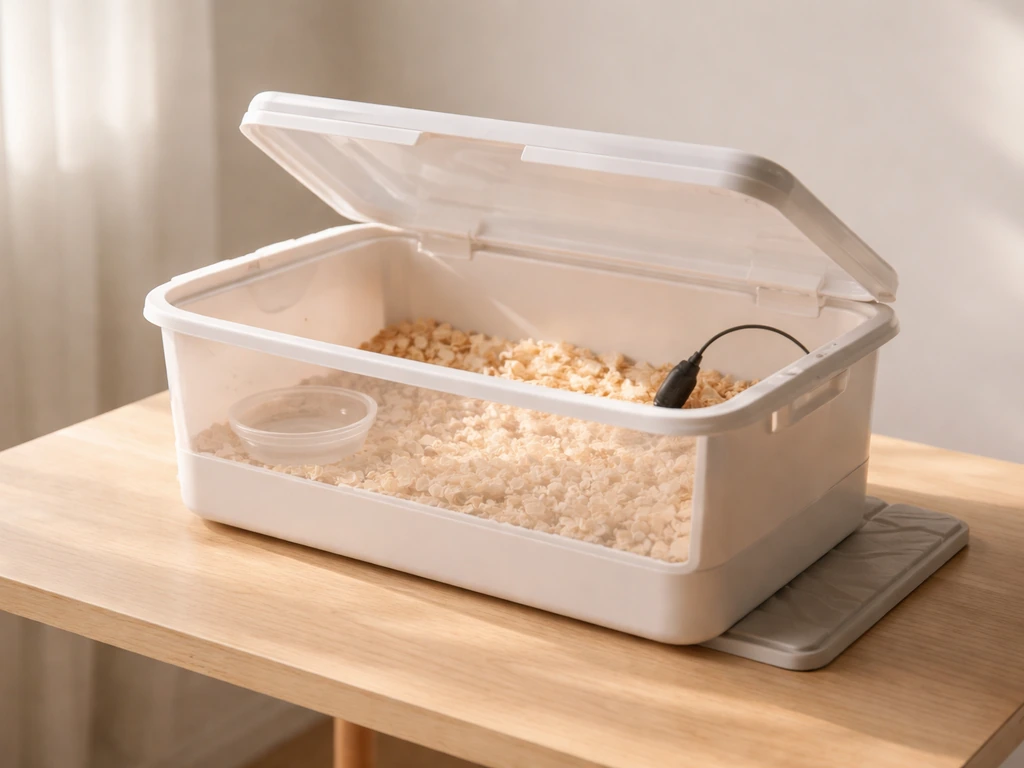
A heat lamp is useful but not strictly required if you can achieve the target temperature another way. The key is stability, not the specific heat source. A 40-watt incandescent bulb in a contained box, positioned so the egg sits in a warm zone without touching the bulb, can work. The danger is overheating: eggs exposed to temperatures above 104°F for more than a few minutes can suffer irreversible embryo death. Always use a thermometer, and never rely on touch alone to judge temperature.
Without the mother, you are doing the work her body does automatically. That means 24-hour temperature maintenance, regular turning, and humidity control. There is no break. If the incubation is interrupted for any significant length of time, the embryo is unlikely to survive. Be honest with yourself about whether you can realistically sustain this before you commit.
Things to avoid in a home setup:
- Microwave or oven warming: temperatures are impossible to control and will kill the embryo instantly.
- Direct sunlight through a window: causes rapid, uneven overheating.
- Wet towels or soaked bedding around the egg: leads to bacterial growth and can drown a developing chick.
- Inconsistent turning schedules: skipping turns for more than 12 hours increases the risk of the embryo sticking to the membrane.
- Sealing the egg in an airtight container: eggs need to breathe through the shell; block airflow and the embryo suffocates.
If you are working through the process for the first time and want a broader foundation, the basics of hatching a bird egg cover the fundamentals in more detail, including what normal development looks like at different stages.
What to do when the egg starts to hatch
Three days before the expected hatch date, stop turning the egg and raise humidity to about 70 percent. This is called lockdown. The chick needs to position itself correctly inside the shell, and continued turning at this stage disrupts that process. The first sign of hatch is pipping: a small crack or hole the chick makes with its egg tooth. This can happen 12 to 24 hours before the chick fully emerges.
Do not help the chick out of the shell unless it has been stuck for more than 24 hours after pipping and shows signs of distress. The hatching struggle is important; it helps the chick absorb the remaining yolk and build strength. Peeling the shell prematurely can cause the blood vessels in the membrane to rupture. If you do need to assist, dampen the membrane slightly with a warm, wet cotton swab to prevent it from drying and sticking, and work extremely slowly.
Once hatched, the chick will be wet, exhausted, and wobbly. This is normal. Leave it in the warm, humid environment for at least 24 hours before attempting to move or handle it. The chick absorbs the yolk sac in the final stages and does not need food or water in the first 24 to 48 hours. After that, care becomes species-specific and genuinely complicated.
After the hatch: chick care basics and when to get help
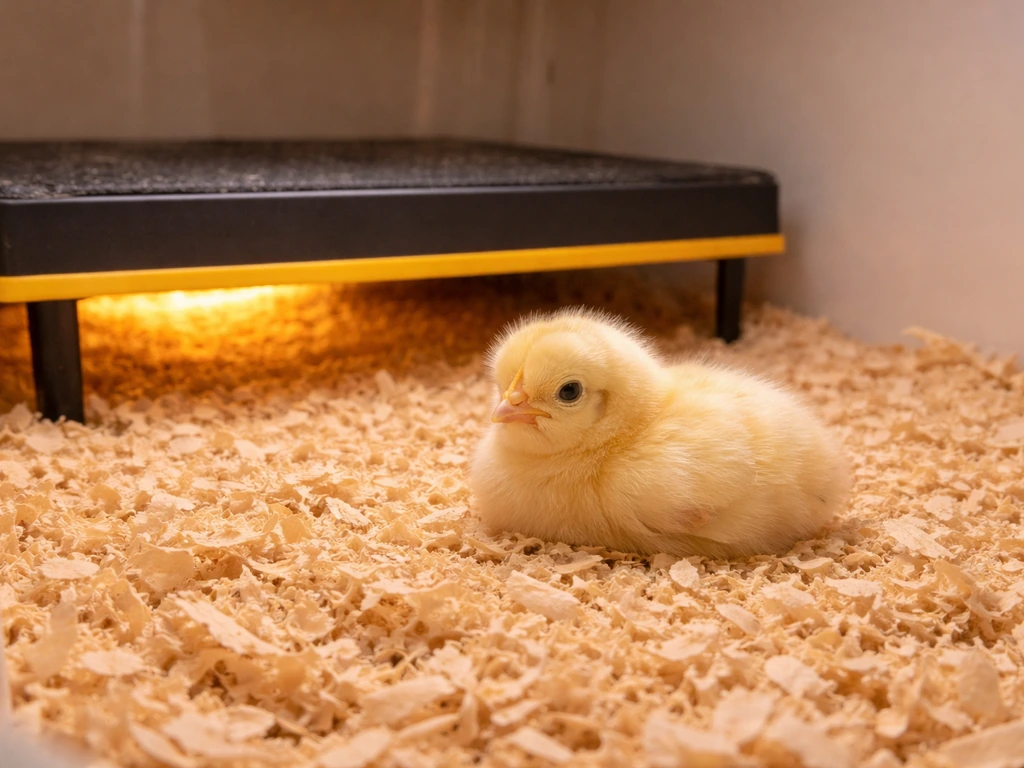
Newly hatched chicks cannot regulate their own body temperature, so supplemental heat is still necessary after hatch. A heating pad on a low setting under half the brooder box works well because it lets the chick move toward or away from warmth as needed. Aim for about 95°F in the warm zone for the first week, dropping by around 5 degrees each week after that.
Feeding a hatchling correctly is where most well-intentioned home rescuers run into serious trouble. The wrong diet can harm or kill a chick quickly, and many species need to be fed every 15 to 20 minutes during daylight hours. Raising a hatchling bird covers feeding schedules, appropriate foods by species, and how to spot signs that something is going wrong.
Do not offer water directly to a very young hatchling. Aspiration is a real risk, and most hatchlings get their moisture from food. Do not try to feed a chick that is cold or lethargic; warm it first, then feed. And do not offer bread, milk, or worm pieces to songbird chicks, since these are common mistakes that cause harm.
If you hatched the egg from a wild species or you found the egg outdoors, contact a licensed wildlife rehabilitator as soon as the chick is stable and warm. This is not optional. Rehabbers have the permits, species knowledge, and feeding protocols that give the chick the best realistic chance. Until you reach a rehabber, keep the chick warm and quiet, and do not attempt to feed it. A good rule of thumb from wildlife rescue organizations: warmth first, professional help second, feeding only after guidance from someone who knows that species.
Robin eggs and other backyard birds: a specific note
Robins are one of the most common birds people find eggs from, and they are also fully protected under the Migratory Bird Treaty Act. Hatching a robin egg at home without professional authorization is illegal, and robins are notoriously difficult to raise in captivity even for experienced rehabbers. If you find a robin egg on the ground, the best action is to try to return it to the nest if the nest is accessible and intact, or to call a wildlife rehabber immediately. Do not start incubating it at home.
When to stop and make the call
Here are the situations where you should stop trying to hatch or raise the egg at home and contact a wildlife rehabilitator or avian vet right away:
- The egg is from a wild bird species. Full stop. Contact a rehabber before doing anything else.
- The egg smells bad or has visible cracks with dried fluid or mold.
- You cannot maintain a stable temperature within the target range around the clock.
- The egg has not shown any signs of development after 10 or more days of correct incubation.
- The chick has pipped but made no further progress after 24 hours.
- The hatched chick is cold, limp, or not responding to warmth after a reasonable period.
- You do not know the species, age of the egg, or how long it was unattended.
To find a licensed wildlife rehabilitator near you, contact your state's fish and wildlife agency, call a local wildlife hotline, or reach out to a local Audubon chapter. Acting fast matters, especially with eggs and hatchlings, since even a few hours without proper care can be fatal. Getting professional help is not giving up; it is giving the bird its best chance.
FAQ
Can I “save” a bird egg that got cold before I started incubating it?
Yes, but only in a very narrow sense. If you know the species and the egg has been briefly cool (for example, an egg from a pet bird that you can still verify was likely started on schedule), you can often recover by resuming correct temperature and then tightening your monitoring with a thermometer and hygrometer. If the egg was outside for an unknown number of hours, especially wild or found eggs, assume development likely already failed and avoid warming it at home.
Is candling enough to know whether the egg will hatch?
Candling helps you decide whether development has started, but it is not a guarantee. A “ring” can be misleading early on, and an egg that looks partially developed may still fail later due to dehydration, temperature dips, or embryo position issues. Treat candling as a screening tool, then commit only if you can maintain stable heat, humidity, and turning for the full incubation window.
What if I do not have a thermometer or a hygrometer?
It is risky to trust any method that cannot measure temperature continuously. Touch, the feeling of a warm lamp, or estimating by bulb wattage is not reliable because hot spots form and the egg can exceed safe limits. If you cannot get an accurate thermometer reading where the egg actually sits, you should not proceed with home incubation.
How do I handle it if I miss turning one day?
Do not rotate more “aggressively” to compensate for less frequent turning. The goal is consistent rotation several times a day, with gentle handling and enough turning to prevent the embryo from sticking. If you miss a few turns, prioritize restoring the schedule immediately, then keep turning until lockdown, rather than trying to make up by over-turning.
Should I help once I see pipping?
No. If the egg is already pipped, forceful opening can rupture blood vessels and cause catastrophic bleeding. The safe approach in the article is to wait for hatch to complete, and only assist if the chick has been stuck more than a day after pipping and is showing clear distress, using minimal, slow intervention.
How do I safely increase humidity for lockdown without soaking the egg?
Lockdown humidity adjustments should be gradual, not sudden. Jumping humidity too fast can make surfaces wet and promote sticking or infection risk, and dropping humidity during lockdown dries the membrane. Use a hygrometer, aim for the step-up toward roughly 70 percent during the final days, and avoid adding lots of water directly to the egg.
What are the biggest practical reasons home incubation fails (even with good intentions)?
If you can keep the egg at correct temperature and humidity, the practical limitation is your ability to turn consistently around the clock and avoid temperature interruptions. Common weak points are nights, weekends, or power outages. If you cannot guarantee near-continuous control, it is kinder to contact a professional rather than starting a process you will have to stop midway.
My chick seems weak, can I feed or hydrate it right away?
If the chick is cold or lethargic, warm it first in a properly heated brooder area, then reassess before any feeding attempt. Offer no water to a very young chick because aspiration is a real hazard. Feeding a chick that is chilled can also slow digestion and worsen weakness, so temperature stability comes before food.
Can I feed a hatchling whatever baby bird food I have at home?
It is usually safer to use the species-appropriate food your rehabber or avian vet recommends, because diet errors depend heavily on what the species naturally eats. Even if you know the species, “mixing” foods or using generic baby bird formulas without guidance can be fatal. If you cannot identify the species with confidence, do not guess, contact a wildlife rehabilitator promptly.
Do I still need to call a professional after a successful hatch?
If you already hatched from a pet species, you can plan a normal brooding routine, but you still should avoid handling too early and keep a stable warm zone so it can self-regulate. If the egg was wild or found outdoors, the priority is wildlife rehab support, because feeding protocols and permitted care can differ by species and you may not know what to feed yet.
What should I do if I find a wild egg, should I try to return it to the nest?
Yes, if the nest is accessible and intact, returning an egg may be the best welfare option because it restores parental incubation and reduces the risk of legal trouble. However, do not handle eggs from protected wild species to the point of prolonged exposure or unnecessary disturbance. If you are unsure whether it is safe or legal, contact wildlife help instead of attempting home incubation.
Next Article
How to Hatch a Bird Egg: Humane Rescue Guide
Humane steps to incubate and hatch a likely fertile bird egg, with turning, candling, timelines, and when to call a vet.