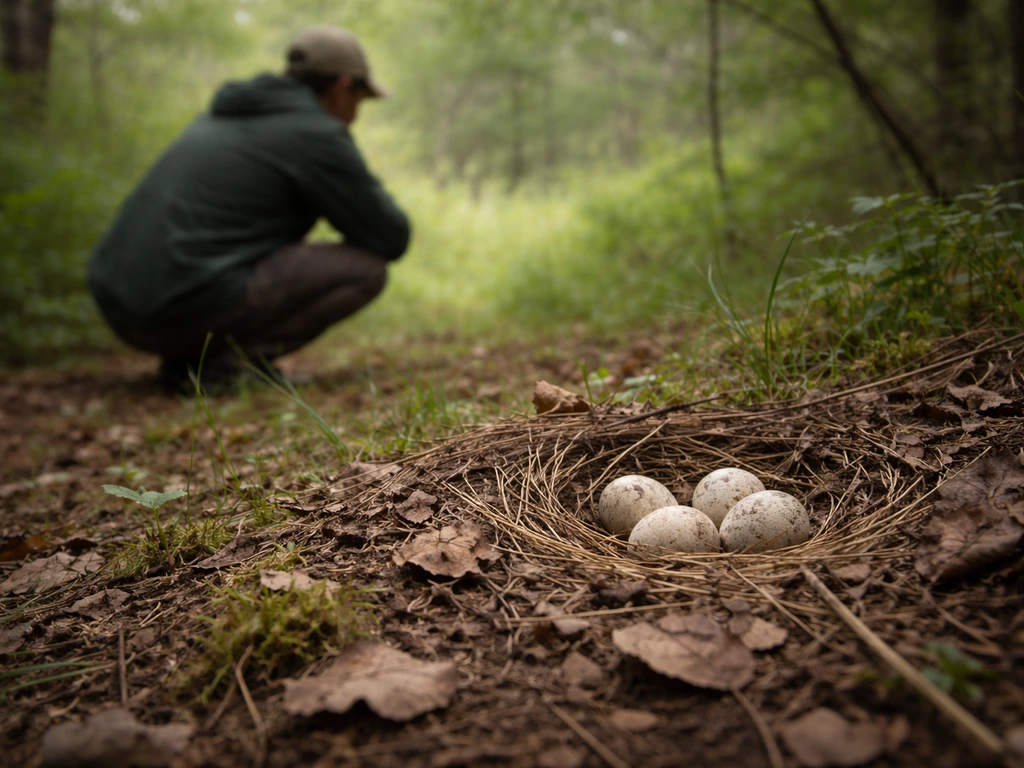
The safest thing you can do right now is step back and observe from a distance. Most bird eggs are not in as much trouble as they look, and the biggest risk is often well-meaning human interference. That said, there are real threats worth addressing, and specific steps you can take today to give a nest the best chance of success without breaking the law or driving the parents away.
How to Protect Bird Eggs: Humane Steps and Next Actions
Marcus Holloway
3 May 2026
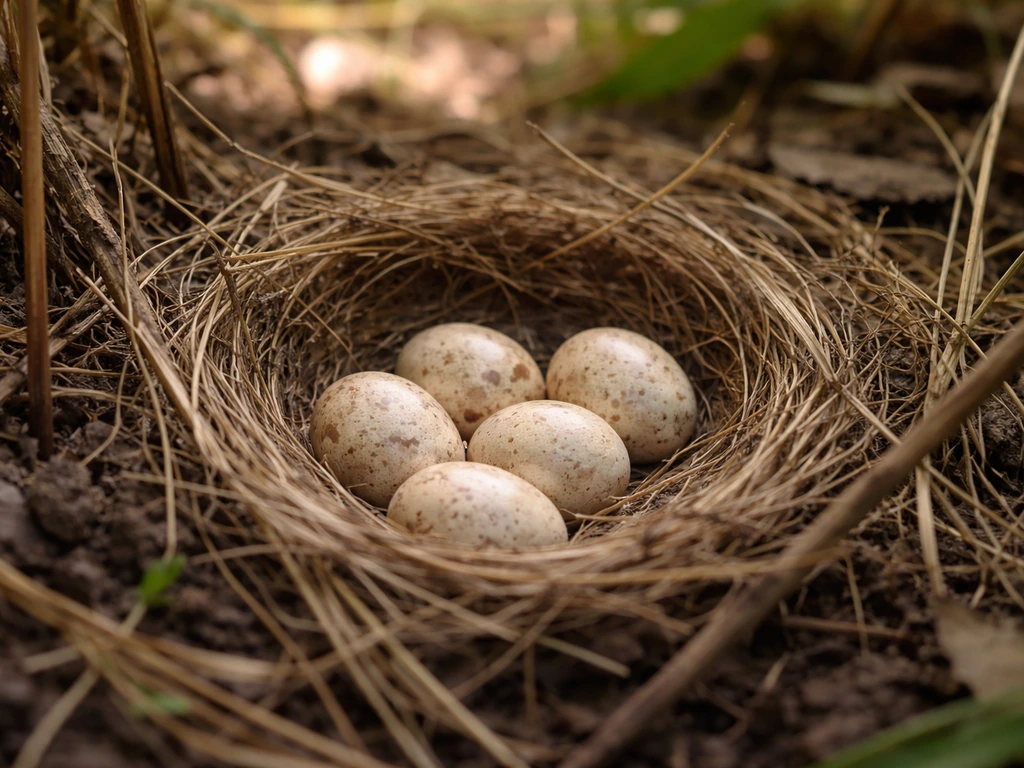
Why bird eggs get disturbed in the first place
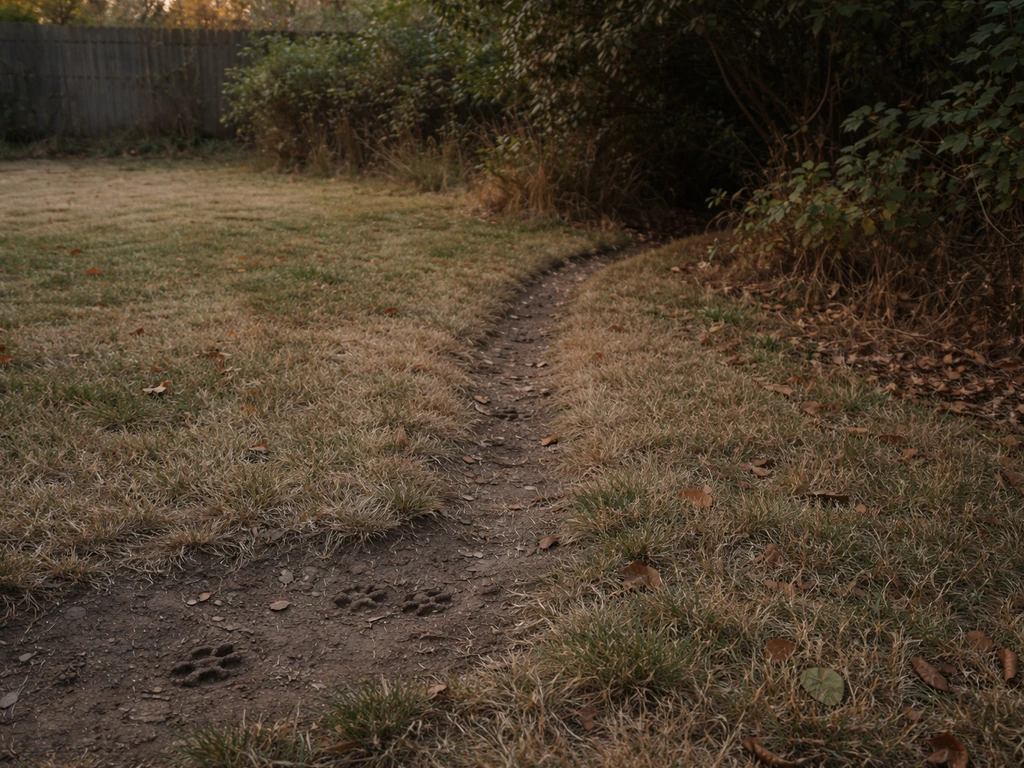
Understanding what actually puts eggs at risk helps you target the right fix. The most common causes fall into a few clear categories.
- Predators: cats, raccoons, crows, blue jays, squirrels, and snakes are the top egg predators in most yards and wild areas.
- Pets: a dog or outdoor cat that discovers a ground nest can destroy it in seconds, even without meaning harm.
- Lawn and yard work: mowing, weed trimming, and digging are responsible for a surprising number of nest losses, especially with ground-nesting species like killdeer.
- Weather exposure: heavy rain, wind, and temperature extremes can chill or overheat eggs if a nest is poorly sheltered or the parent is scared off for too long.
- Human disturbance: repeated visits, loud noise near the nest, or touching the nest can cause parents to abandon it.
- Nesting site changes: pruning trees or shrubs mid-season, removing brush piles, or clearing vegetation can destroy active nests or leave eggs suddenly exposed.
- Scent trails: walking the same path repeatedly near a nest leaves a scent trail predators can follow directly to the eggs.
Most of these threats are preventable once you know the nest is there. The goal is to quietly reduce those risks without drawing more attention to the nest yourself.
When to intervene and when to leave it alone
Before you do anything, you need to know what the law says. In the United States, the Migratory Bird Treaty Act makes it illegal to take, possess, or disturb migratory birds, their nests, or their eggs without a valid federal permit. That covers almost every wild bird you are likely to encounter. Canada has equivalent protections under the Migratory Birds Convention Act, which prohibits disturbing or removing any nest that contains a live bird or viable egg. In short: picking up eggs, moving a nest, or handling nest contents without authorization is illegal in most cases, regardless of your intentions.
There is also a practical reason to avoid handling. Parents navigate back to nests largely by location, not by smell, but repeated human presence and handling can stress birds enough to cause abandonment. If you are watching a nest and the adult is sitting, wait a few minutes before approaching. If the bird does not leave on its own, do not force it off. The goal is always minimum contact.
What not to do
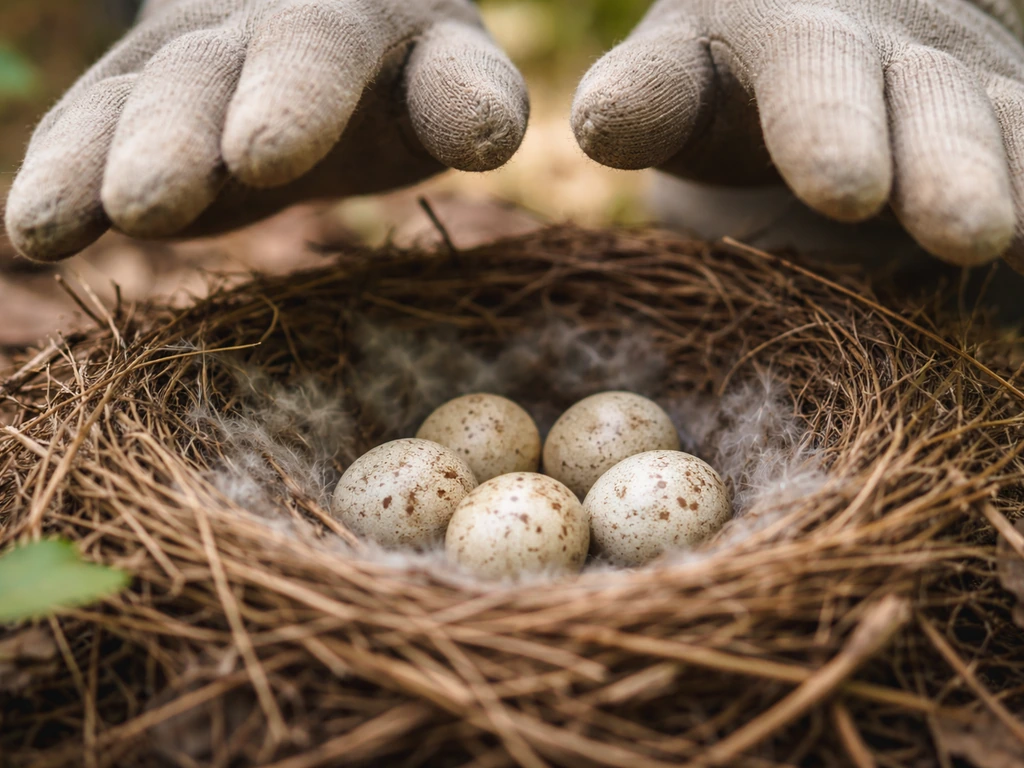
- Do not pick up or turn the eggs. Parent birds do the turning during incubation at precise intervals, and disrupting that process can harm development.
- Do not move a nest to a different location. This almost always results in abandonment.
- Do not use chemical repellents, pesticides, or cleaning products anywhere near a nest.
- Do not attempt DIY incubation unless a licensed rehabilitator has specifically instructed you to do so.
- Do not assume a nest is abandoned just because you have not seen an adult recently. Parents are often absent during egg-laying and may visit only once a day.
Practical ways to protect the nest right now
Once you have located an active nest, your most effective actions are about reducing disturbance and blocking threats, not intervening directly. Here is how to approach each threat.
Minimize your own disturbance
Mark the nest location on your phone and tell everyone in the household where it is. Pause or reroute lawn mowing, weed trimming, and gardening within at least 10 to 15 feet of the nest until the eggs have hatched and fledglings have left. Avoid walking the same path repeatedly near the nest, since that scent trail can guide predators straight to it. Observe from a distance using binoculars when possible, and keep visits short and infrequent.
Control pets immediately
Keeping cats indoors is one of the single most effective things a person can do to protect nesting birds. If your cat goes outside, keep it in during nesting season or use a catio or leash. Dogs should be kept away from the nest area until fledglings have dispersed. This is not a permanent lifestyle change, just a temporary adjustment for the few weeks the nest is active. It makes a measurable difference.
Predator deterrents and physical barriers
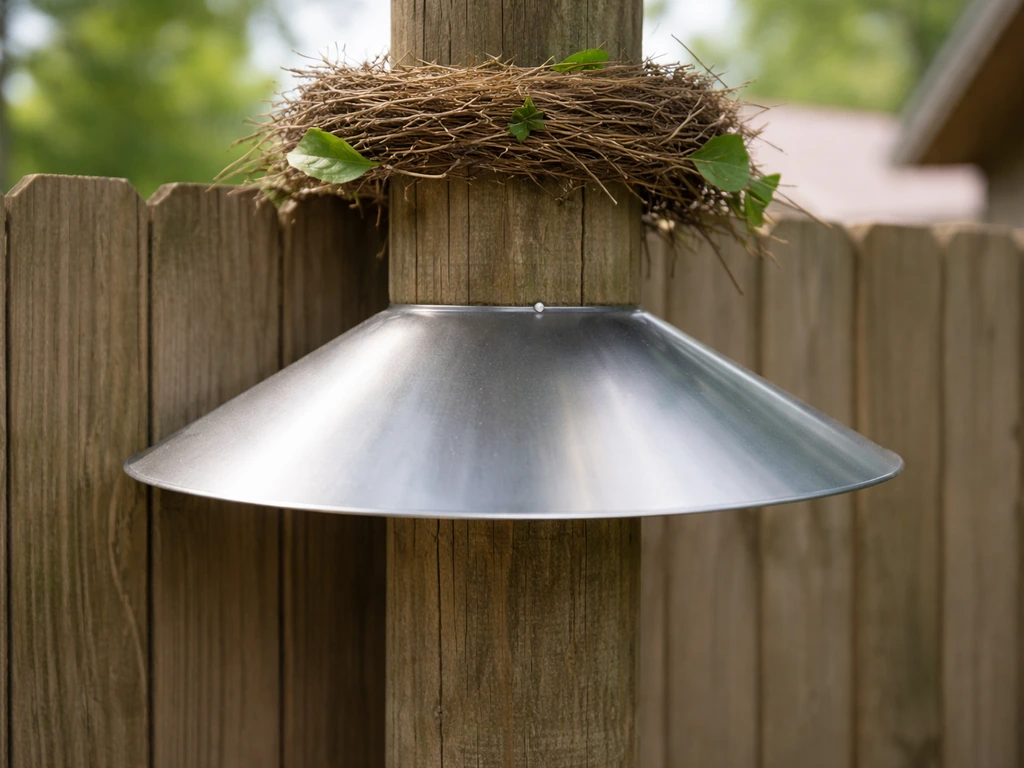
For nests on or near structures, a few targeted exclusion measures can help. If the nest is on a fence post or tree trunk, a predator guard baffle placed below the nest can reduce raccoon and snake access. Hardware cloth or mesh can be used to block entry points under decks or sheds where animals might reach a nest from below. Make sure any barrier you install cannot trap or injure wildlife. The goal is exclusion, not capture.
For ground nests, a simple wire cage or hardware cloth dome placed loosely over the area (with openings large enough for the parent to enter and exit freely) can deter cats, dogs, and small mammal predators. It should not touch the nest or eggs, and it must be removed promptly once hatching is complete. Some people stake a loose ring of chicken wire around a ground nest, which works similarly. Visual deterrents like reflective tape or owl decoys have limited and inconsistent effectiveness, but they do not cause harm if you want to try them as an extra layer.
Protecting from weather without interfering
If a nest is in a shrub or tree and a branch is broken, leaving the nest partially exposed to rain, you can gently redirect the broken branch back into position and tie it loosely if needed. Do not cover the nest with anything that traps heat or blocks the parent from sitting naturally. If the nest is built in a spot exposed to direct sun, a temporary shade screen placed nearby (not over the nest) can reduce heat stress without interfering with access. The parent's own body does most of the temperature regulation, so the priority is keeping them calm and able to return.
Temperature and humidity basics for exposed eggs
Bird eggs are far more temperature-sensitive than most people realize. The ideal incubation range for most songbirds is roughly 99 to 105 degrees Fahrenheit, and humidity matters too. Eggs that are left exposed for more than 30 to 60 minutes in cold or hot weather can lose viability quickly. However, short periods of exposure are often survivable if the parent returns.
If eggs are briefly exposed because a parent was scared off, the best action is to back away, reduce disturbance, and let the parent return on its own. Do not attempt to warm eggs in your hands or under a lamp unless a wildlife rehabilitator has specifically instructed you to and the eggs cannot be returned to a parent or nest. Improvised incubation without proper humidity control and temperature monitoring almost always fails, and it puts you in a legally grey area. Keeping a bird egg warm correctly is a more involved process than it appears, and it should only happen under professional guidance.
What to do if eggs are abandoned, broken, or development seems to be failing
Suspected abandonment
If you have not seen an adult near the nest, do not jump to conclusions. During egg-laying, females may visit only once per day. A general guideline is to wait about four weeks from the last time you observed an adult before concluding a nest may be abandoned. That timeline accounts for normal incubation periods and natural adult behavior. If the nest has been truly abandoned (no adult visits, eggs cold and unattended for days, or visible signs of nest damage), contact a licensed wildlife rehabilitator before touching anything.
Broken or cracked eggs
A single broken egg in an otherwise active nest is not always a crisis. Remove the broken shell carefully if it is attracting insects or predators and the nest is otherwise intact. If you are dealing with a broken or abandoned egg shell, focus on safe handling and professional guidance, since preserving an egg shell can easily conflict with legal and animal-welfare requirements how to preserve a bird egg shell. Use gloves or a plastic bag to avoid leaving scent, and dispose of it away from the area. If multiple eggs are broken, or if the nest itself is destroyed, call a wildlife rehabilitator. There is nothing more you can do at home for non-viable eggs.
When development seems to be failing
If incubation has gone significantly past the expected timeframe for the species without hatching, eggs may have failed to develop. This can happen due to infertility, chilling, disease, or predator damage that was not obvious. Unless you have a specific reason to suspect human-caused harm, the right move is to monitor quietly and contact a wildlife rehabilitator or your local wildlife agency for guidance before removing anything. They can help you assess the situation without risking a legal issue or causing further harm.
Getting professional help: when and how
If you are unsure about what you are looking at, always err toward calling a professional rather than acting on instinct. Licensed wildlife rehabilitators are trained to assess eggs and nests, advise on legal handling, and take over care when it is genuinely needed. They are your best resource in any situation where the nest appears to be in serious trouble.
In the U.S., you can find a licensed rehabilitator through the National Wildlife Rehabilitators Association (NWRA) or the Wildlife Center of Virginia's directory. Your state wildlife agency is also a direct contact, and some areas have wildlife hotlines for exactly these situations. In Canada, Environment and Climate Change Canada can point you toward provincial wildlife contacts.
A veterinarian with avian or wildlife experience can also advise if a rehabilitator is not immediately reachable. Explain what you found, describe the eggs and nest condition as specifically as possible, and follow their guidance rather than acting on what feels right in the moment. The best outcome for the eggs almost always comes from getting qualified eyes on the situation quickly.
Quick triage checklist before you call
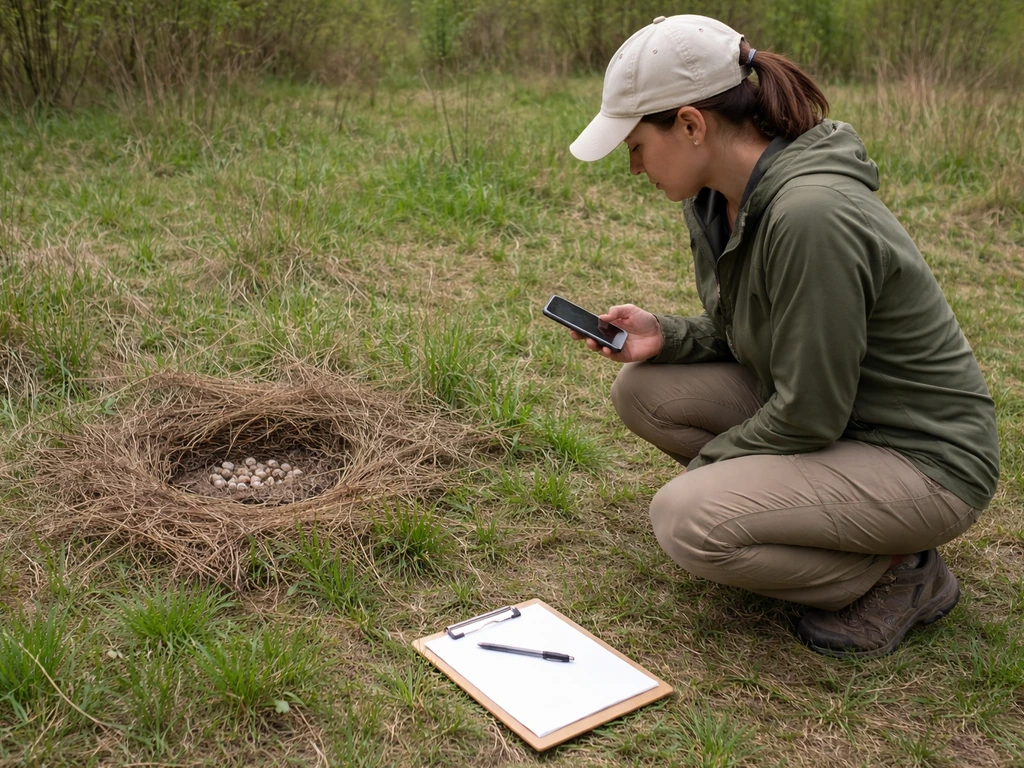
- Observe from a distance for at least 15 to 30 minutes before concluding there is a problem.
- Note the species if you can, the nest location, and how long you have been monitoring it.
- Check for immediate threats: is there an active predator, a pet, or severe weather exposure happening right now?
- Remove any immediate threat (bring the dog or cat inside) without touching the nest itself.
- If eggs are exposed to cold or heat and parents are not returning, call a rehabilitator immediately rather than attempting to warm them yourself.
- If the nest is structurally intact and eggs appear undamaged, prioritize reducing disturbance and waiting before escalating.
Protecting bird eggs well mostly means getting out of the way, removing threats, and knowing when to call someone who can do more than you legally or safely can. If you are trying to preserve bird eggs, the safest approach is to reduce disturbance and let the parents maintain incubation whenever it is legal to do so. That combination gives a nest the best chance of reaching a successful hatch.
FAQ
If I accidentally scare a bird off the nest, what should I do right away to protect the eggs?
Keep people and pets away, then back off. If a parent is sitting, you usually do not need to do anything beyond quiet monitoring. If you must move to prevent harm (for example, you are rerouting foot traffic), do it once, stay far away, and do not handle the nest or eggs.
Can I bring the eggs inside or warm them if they get cold?
It is almost always illegal and unsafe. Even if eggs feel “cool,” you cannot reliably match species-specific incubation conditions at home, and touching can increase abandonment risk. If the eggs are unattended for days, or you see obvious injury, call a licensed wildlife rehabilitator or your wildlife agency before touching anything.
How long should I wait before deciding the nest is abandoned?
Yes, keep monitoring from a distance, because many birds only return briefly during laying and incubation. A practical cue is pattern based: if you last saw an adult, wait through the expected incubation window plus a buffer before deciding abandonment. In the meantime, do not repeatedly approach to “check,” since that creates the very disturbance you are trying to prevent.
What if I find one broken egg in an active nest?
If there is a single broken egg shell and the nest structure is still intact, that can attract insects or predators but it is not automatically a sign the whole nest is lost. Remove the shell only if you can do so without reaching into the nest, otherwise leave it alone and contact a rehabilitator for guidance.
Do reflective tape or fake owl decoys actually protect bird eggs?
Reflective tape, decoys, and similar visuals often work only briefly (and some predators ignore them after learning). If you try them, treat them as a temporary extra layer and prioritize real barriers like cat containment and exclusion methods that block access.
Are exclusion barriers safe for the parent birds, and how do I avoid trapping wildlife?
Do not install barriers that pinch, entangle, or trap birds or mammals. For under-deck or fence areas, ensure the barrier blocks access but still allows parents to enter and exit normally. If you cannot guarantee safe wildlife movement, skip DIY and ask a wildlife professional.
How do I protect a ground nest without crushing the eggs or trapping parents?
For ground nests, a loose dome or cage can deter predators, but it must be positioned without touching eggs and removed promptly once hatching is complete. If you cannot place it without disturbing the nest, do not attempt it and call a rehabilitator.
What household habits besides cats and dogs can accidentally increase the risk to eggs?
Avoid leaving food, water bowls, or attractants near the nest, since they can draw predators. Also remove easy access routes (for example, unsecured gates or dog access) and keep paths consistent to reduce repeated traffic by people and pets near the area.
What should I do if multiple eggs are broken or the nest is damaged?
If you see more than one broken egg, heavy nest damage, or the nest is destroyed, there is usually little you can do at home safely. The best next step is to call a licensed wildlife rehabilitator, since they can assess viability and advise on what, if anything, can be moved legally.
If the eggs do not hatch on time, does that mean I caused the problem?
Yes. Sometimes nests fail due to infertility, disease, or natural predation, not human interference. If eggs are past the expected hatch time, monitor quietly and contact a rehabilitator or wildlife agency before removing eggs or parts of the nest.
What if I cannot tell whether a nest is active or whether the adults have abandoned it?
If you are not sure whether the nest is active, treat it as active and minimize disturbance. Use binoculars to confirm adult presence when possible, and contact a professional if you suspect harm. When in doubt, do not handle or relocate anything.
Next Article
How to Preserve Bird Eggs: Humane Steps and When to Call
Humane steps to safely manage unhatched eggs, triage abandonment, temp storage, and when to call wildlife experts.