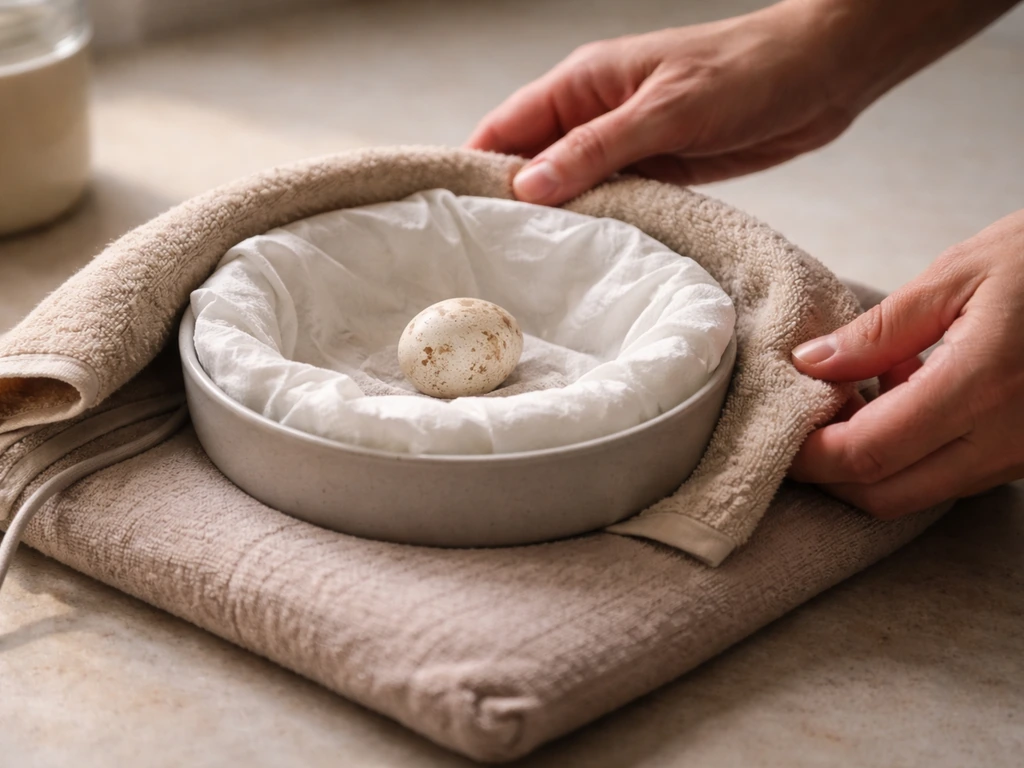
If you've found a bird that's injured, grounded, or in danger, the most important thing you can do right now is stay calm and act carefully. Most harm to birds in these situations comes from well-meaning people who move too fast, feed the wrong thing, or handle the bird more than necessary. This guide gives you the exact steps to protect the bird safely, assess what's going on, and get it to professional help without making things worse.
How to Protect a Bird: Safe First Steps and Help
Marcus Holloway
12 Apr 2026
Quick safety steps for the bird and you
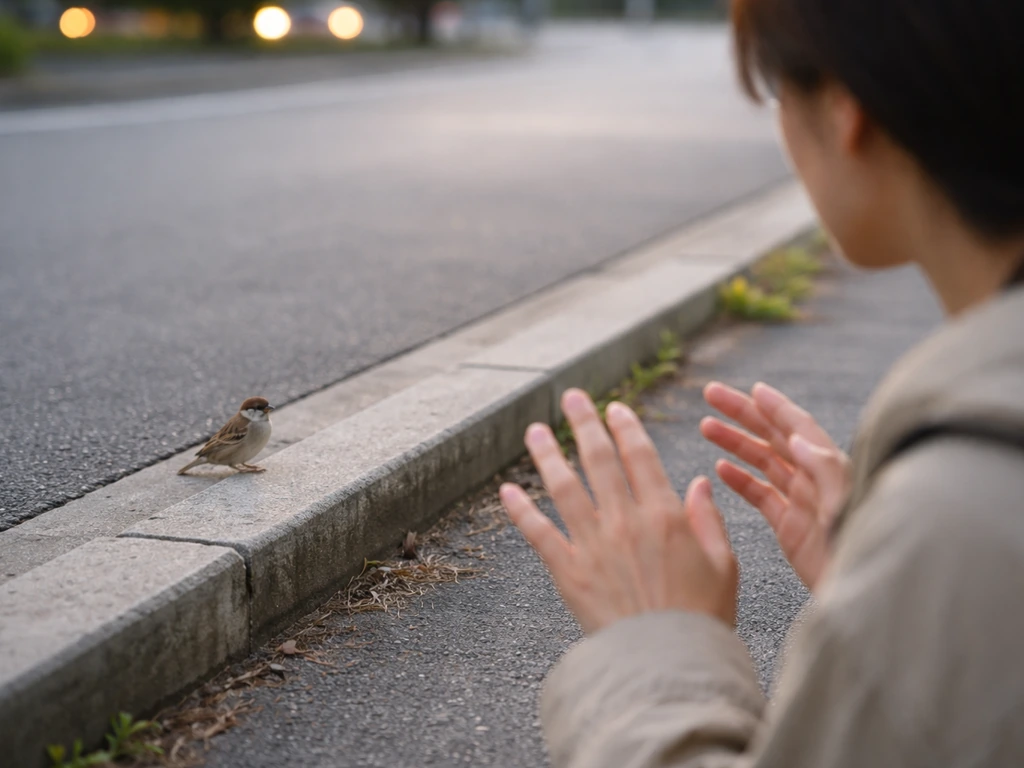
Before you touch anything, take 30 seconds to assess the scene. Is the bird in immediate danger from traffic, a cat, or a dog? Is it near a busy road or exposed to rain or direct sun? Your first job is to remove those immediate threats without rushing the bird itself.
Birds can carry parasites, bacteria, and in rare cases zoonotic diseases. Protect yourself by wearing gloves if you have them. If you don't, use a cloth, towel, or even your jacket as a barrier. Wash your hands thoroughly after any contact. This isn't a reason to panic, just a reason to be smart.
For the bird's safety, keep pets indoors or restrained immediately. Even a curious dog nearby will cause the bird serious stress. If you're on a road or sidewalk, try to move the bird to a safe, sheltered spot before doing anything else. A quiet corner near a bush or shrub is far better than the middle of a driveway.
Assessing the situation: wild bird vs pet bird and injury severity
The first question to ask is whether you're dealing with a wild bird or someone's escaped pet. A pet bird (parakeet, parrot, cockatiel) found outdoors will often be unusually calm around humans, may come to your hand, and might be banded or wearing a leg ring. Wild birds will almost always panic when approached. This distinction matters because pet birds need veterinary care and an owner search, while wild birds typically need a licensed wildlife rehabilitator.
Next, try to gauge the bird's age and condition from a short distance. Look for these signs:
- Nestling: tiny, mostly or entirely without feathers, eyes may be closed. These birds have almost certainly fallen from a nest and need immediate help.
- Fledgling: fully or mostly feathered, short tail, hopping on the ground. According to Cornell's All About Birds, fledglings on the ground are often completely normal and are being watched over by their parents nearby. Leave them alone unless they're injured or in direct danger.
- Adult bird: obvious injury signs include a drooping wing, inability to fly, bleeding, or a bird that lets you walk right up to it (a healthy wild bird would flee).
A bird sitting still on the ground and allowing you to approach is telling you something is wrong. Healthy wild birds don't do that. That's the clearest signal that the bird needs your help.
Humane ways to protect and secure the bird temporarily
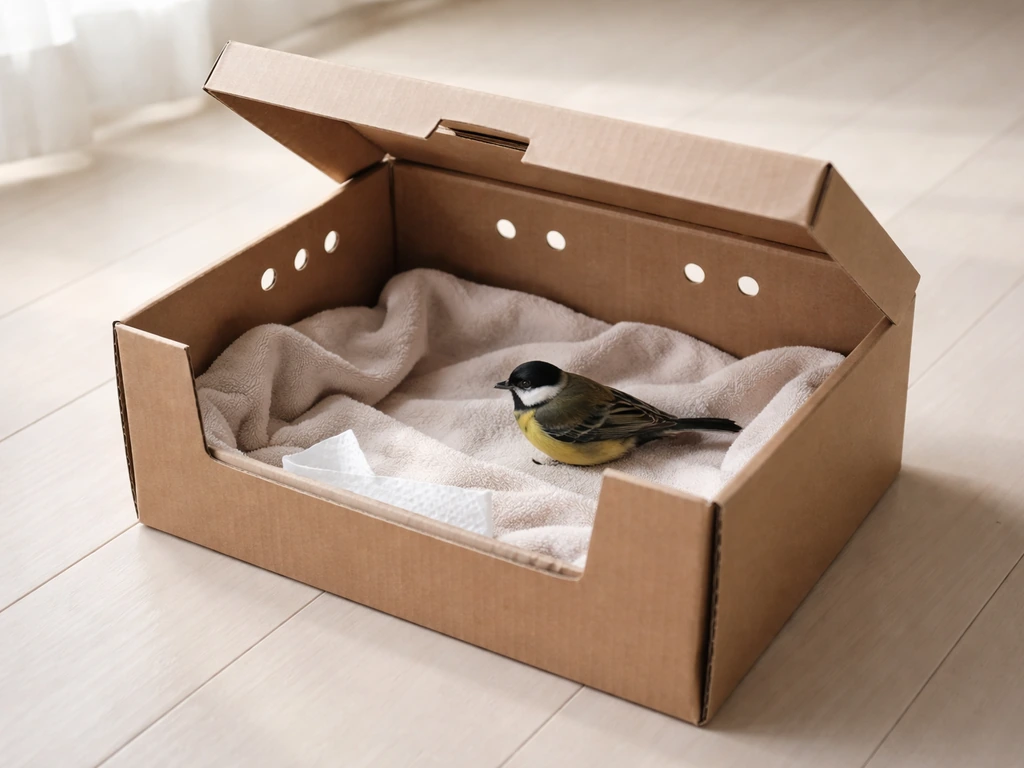
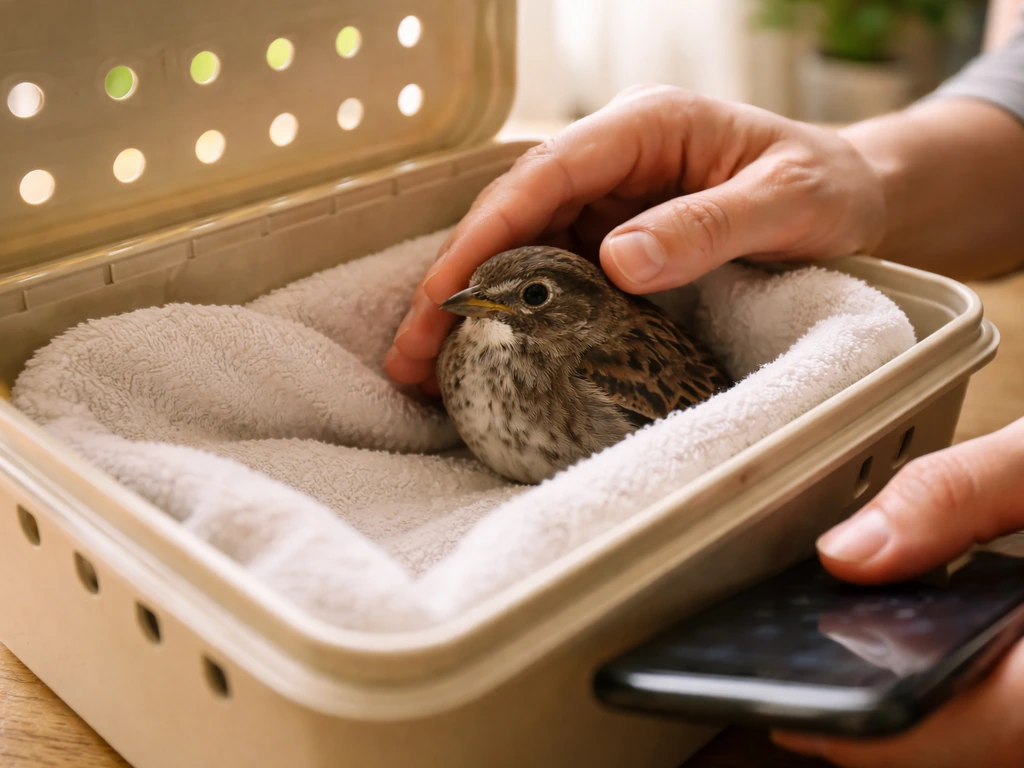
The goal of temporary containment is simple: keep the bird safe, warm, and calm while you arrange professional help. You don't need special equipment. A cardboard box with a lid works perfectly. Tufts Wildlife Clinic also recommends using a shoebox with air holes in the lid, lined with a cloth or paper towel, while you arrange help if the baby appears injured or sick A cardboard box with a lid works perfectly.. Punch several small air holes in the sides and lid before placing the bird inside.
Line the bottom of the box with a soft cloth, paper towels, or a small folded towel. Avoid terry cloth with large loops, as bird claws can get caught in the loops. Place the bird gently inside, close the lid, and put the box in a warm, quiet, dark place away from kids and pets. The International Wildlife Rehabilitation Council specifically recommends this approach for window-strike birds: place the bird in a box with air holes and keep it in a warm, dark, quiet location.
Dark and quiet matters more than people expect. A bird in distress burns energy rapidly through stress. A dark box calms the nervous system and reduces that energy drain significantly. Do not peek in repeatedly to check on it. Do not let children handle or look at it. Less is more here.
If the bird is a nestling that clearly fell from a nearby nest and you can see and safely reach the nest, you can place it back in. The myth that parent birds will reject a chick touched by humans is just that, a myth. Birds have a poor sense of smell and will almost always continue caring for a returned chick.
Bird first aid basics until help arrives
You're not a vet, and you're not expected to be. The goal of first aid here is to stabilize, not treat. The most important thing you can do is minimize stress and keep the bird warm.
If you see active bleeding, gently apply light pressure using a clean cloth or paper towel. Don't press hard, don't probe the wound, and don't apply any antiseptic sprays or ointments. Many human first aid products are toxic to birds. If a feather shaft is broken and bleeding (a blood feather), don't pull it out. Just apply gentle pressure and get the bird to a professional.
Warmth is critical, especially for small birds and nestlings. A bird in shock or distress loses body heat fast. You can place a heating pad set to low underneath half of the box, so the bird can move away from the heat if needed. A clean sock filled with dry uncooked rice and microwaved briefly works as a simple heat pack. Make sure it's warm, not hot, before placing it near the bird.
- Do not attempt to splint a broken wing yourself.
- Do not try to force the bird's beak open.
- Do not apply essential oils, hydrogen peroxide, or any topical treatments.
- Do not place the bird in water or attempt to bathe it.
- Do not keep the bird near strong smells, loud music, or bright lights.
Feeding and hydration rules: what to do and what to avoid
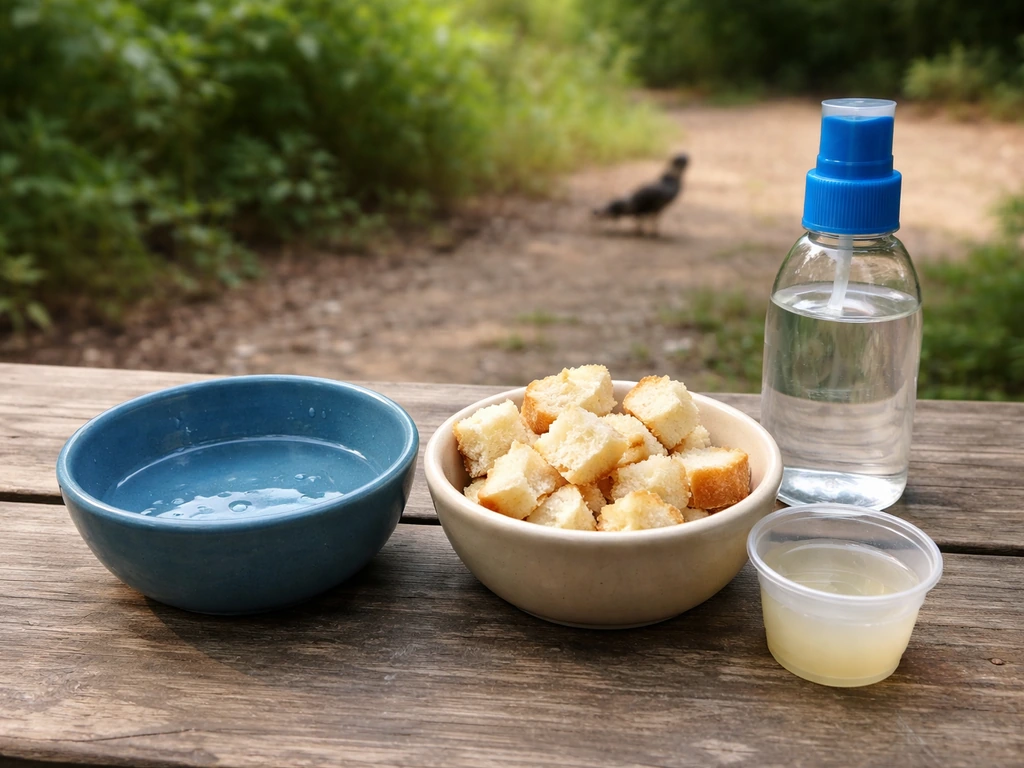
This is where most people go wrong with the best intentions. The guidance from multiple wildlife organizations is consistent and clear: do not feed or give water to a bird until you've spoken to a wildlife rehabilitator or vet. The Arizona Wildlife Resource cautions explicitly: 'Please do not offer food or water until talking to a rehabilitation center first.' The Houston Humane Society gives the same direction: 'Do not give the animal any food or liquids.' Audubon takes it even further with young birds: 'Do not ever attempt to feed or give water to young birds.'
The reason is that feeding the wrong thing, or feeding at the wrong time, can kill a bird faster than the original injury. An injured bird may have internal damage that makes eating dangerous. A nestling given water can aspirate it into its lungs. Even bread or fruit, which seem harmless, can cause serious digestive problems in species that don't eat them. The safest rule is: don't feed anything and don't attempt to give water by dropper or syringe until a professional tells you it's appropriate.
The one exception is a bird that is alert, standing on its own, and showing no signs of injury, and that you suspect is simply dehydrated. In that case, you can place a shallow dish of clean water nearby and let the bird drink on its own if it chooses. Never force water into the beak.
When to contact a wildlife rehabilitator or vet, and how to transport
Contact a licensed wildlife rehabilitator or veterinarian as soon as you've secured the bird in a box. Don't wait to see if it improves on its own. Indiana's DNR advises that if you have an injured bird, you should 'immediately contact your local wildlife rehabilitator.' Florida's Fish and Wildlife Conservation Commission gives the same guidance: note the location of the bird and contact a licensed rehabilitator in your area right away.
To find a rehabilitator near you, search the National Wildlife Rehabilitators Association (NWRA) or the Wildlife Rehabilitators directory for your state. Many areas also have local Audubon chapters, bird rescue hotlines, and wildlife centers that take calls seven days a week. Your local animal control or humane society can also direct you to the right resource.
When it's time to transport, keep these points in mind:
- Keep the box closed and secure in your vehicle so it won't tip or slide.
- Set your car temperature to a moderate warmth, not cold AC.
- Keep noise and conversation to a minimum during the drive. Wildlife rehabilitation guidelines specifically note that low noise reduces the bird's stress during transport.
- Drive directly to the facility without making stops.
- Don't open the box in the car to check on the bird.
If you're dealing with a nest-related situation, such as eggs that have been displaced, understanding how to protect them properly is important before any transport happens. Knowing how to protect bird eggs in the short term can make a real difference while you wait for professional guidance, since eggs require very specific temperature and handling conditions that differ from adult bird care.
Preventing future harm and common hazards
Once the immediate crisis is handled, it's worth thinking about why the bird ended up in trouble and what you can do to reduce the risk for the next one. Most bird injuries and deaths around homes come from a short list of preventable causes.
| Hazard | What Happens | How to Reduce It |
|---|---|---|
| Window strikes | Birds see reflected sky and fly into glass at full speed | Apply window decals, tape, or external screens; move feeders to within 3 feet of windows or more than 30 feet away |
| Outdoor cats | Cats kill an estimated 1.3 to 4 billion birds per year in the US alone | Keep cats indoors or use a cat enclosure (catio); use motion-activated deterrents near known bird areas |
| Pesticides and rodenticides | Secondary poisoning when birds eat contaminated prey or insects | Switch to organic pest control; avoid rodenticides in areas with raptors |
| Backyard feeders | Can spread disease if not cleaned regularly | Clean feeders every 1 to 2 weeks with a 10% bleach solution and rinse thoroughly |
| Netting and fishing line | Birds get tangled and can't escape | Use wildlife-safe netting with openings under 1 inch; pick up discarded fishing line immediately |
If you find eggs during your prevention efforts, whether in a displaced nest or abandoned on the ground, handle them with care. Keeping a bird egg warm correctly requires maintaining a consistent temperature around 99 to 100 degrees Fahrenheit, which is difficult without proper equipment. In most cases, the best approach is to contact a rehabilitator rather than attempt incubation yourself.
Some people ask about preserving eggs they find, either for nature study or to memorialize a bird. If that applies to your situation, there are right and wrong ways to go about it. Preserving a bird egg shell involves carefully blowing out the contents and sealing the shell without cracking it, a delicate process that requires patience and the right tools. And for anyone interested in the broader topic of egg preservation, learning how to preserve bird eggs properly also involves legal considerations, since possessing eggs from most wild bird species is regulated under the Migratory Bird Treaty Act in the US.
The most effective prevention is also the simplest: slow down when you're in areas where birds are active, keep your pets managed, and fix the window reflection problem if you've ever found a bird stunned on your porch. A few small changes to your yard and home can prevent dozens of bird deaths each year.
The bottom line
Protecting a bird in distress comes down to three things: act carefully without rushing, secure the bird in a calm and warm space, and contact a professional as quickly as possible. You don't need to fix the injury yourself. You just need to give the bird the best chance of survival until someone trained can take over. That's a job any caring person can do well.
FAQ
How can I tell if the bird is breathing without disturbing it?
Once the bird is in the box, avoid “checking” it. If you need to confirm it is breathing, look from a distance through the air holes or opening in brief flashes. Repeated handling and opening the lid increases stress and can worsen shock.
Is it okay to use a closed container like a bucket or plastic tub to contain the bird?
Do not use a wire cage, towel wrap, or a box without air access. A sealed container with no ventilation can quickly overheat and raise carbon dioxide levels. Use a cardboard box with multiple small air holes and keep it in a warm, dark, quiet spot.
What should the environment be like for the bird while I wait for help?
Keep the box away from food smells, loud noise, and crowds. If multiple people are present, have one person handle the box while others stay back. Temperature and calm matter, but minimizing sensory stress is what helps prevent energy loss.
What if the bird looks awake after a crash, can I give it water to help it recover?
If the bird has been hit by a car or is stunned after a window strike, immediate feeding is still not appropriate even if it seems alert. The safest approach is containment, warmth, darkness, and contacting a wildlife rehabilitator or vet promptly.
Should I cool down the bird if it seems overheated or “shocked”?
No, do not put the bird in the fridge or freezer. Cold can worsen shock and delay normal recovery. The goal is gentle warmth using a safe heat source on part of the box, plus shade from direct heat.
I need to move the bird to safety, how do I do it without harming it?
If you must move the bird, move the box or container, not the bird itself. Pick up the box calmly, keep it level, and avoid sudden shaking. For roads, relocate to shelter first, then set up containment before calling for help.
What is the safest way to pick up an injured bird if it is still on the ground?
Handle the bird as little as possible, but if you need to pick it up, use a barrier like a towel or gloves and scoop gently from under. Avoid squeezing the chest or controlling the wings tightly, because restraint can cause additional injury.
The bird is wet from rain, what should I do for warmth and drying?
If the bird is dripping water or you suspect it is wet from rain, blot off excess moisture with a dry cloth and keep it warm in the box. Do not bathe it, and do not use hair dryers or hot lamps.
Can I put birdseed or small pieces of food in the box so it feels calmer?
If you have safe, clean bait material like a paper towel, you can use it only to create the box lining. Avoid adding seeds, grit, or “comfort foods.” The safest default is no food and no water until a professional instructs otherwise.
How long is it safe to keep the bird in the box while I wait for a rehabilitator?
A loud or ongoing household stressor matters. Keep kids away, keep pets restrained or indoors, and do not allow repeated “peek” sessions. If you have to wait longer than expected, calling ahead and confirming intake hours can prevent longer time in the box.
What if the bird is a fledgling and not fully feathered yet?
If the bird is an apparent fledgling, “nest” care rules can differ, but the general safety steps still apply: keep it warm, minimize handling, and contact a rehabilitator. Do not feed or offer water, and only place it back if you can see the nest and reach it safely.
How should my plan change if I suspect the bird is someone’s escaped pet bird?
If it is an escaped pet bird, look for leg bands or tags and note any identifying features. Still, do not feed immediately. Instead, contact an avian-experienced veterinarian or local animal services, and also notify any likely owner-recovery resources.
I found an egg that looks cold or displaced, what should I do right away?
If you see an egg or nest materials, the most important step is not handling repeatedly. Place the box approach for eggs is different from adult birds, and temperature control is critical. Contact a licensed rehabilitator first, and avoid trying to improvise incubation.
If it is a window-strike bird, when should I keep waiting versus getting help immediately?
For window strikes, ensure there is no ongoing danger from nearby cats or traffic, then use the same containment approach. Many birds recover quickly in a warm, dark, quiet box, but you should still contact a rehabilitator if the bird is unsteady, bleeding, or not improving within a short window.
What details should I write down before I call or transport the bird?
If the bird is safe to leave briefly, take photos from a distance (markings, band info, approximate location) before you transport. Then note the time found, exact location, weather conditions, and what threats were present (cat, vehicle, rain exposure). This helps the rehabilitator prepare for the right care.
How do I transport a bird safely in my car?
When transporting, place the box in a stable position (on the floor or seat with the box secured so it cannot slide). Keep the car quiet, avoid direct sunlight on the box, and minimize ventilation drafts.
Next Article
How to Keep a Bird Egg Warm Safely Until Help Arrives
Humane steps to keep a wild bird egg warm safely, with temperature control, timing, and when to call wildlife rehab.