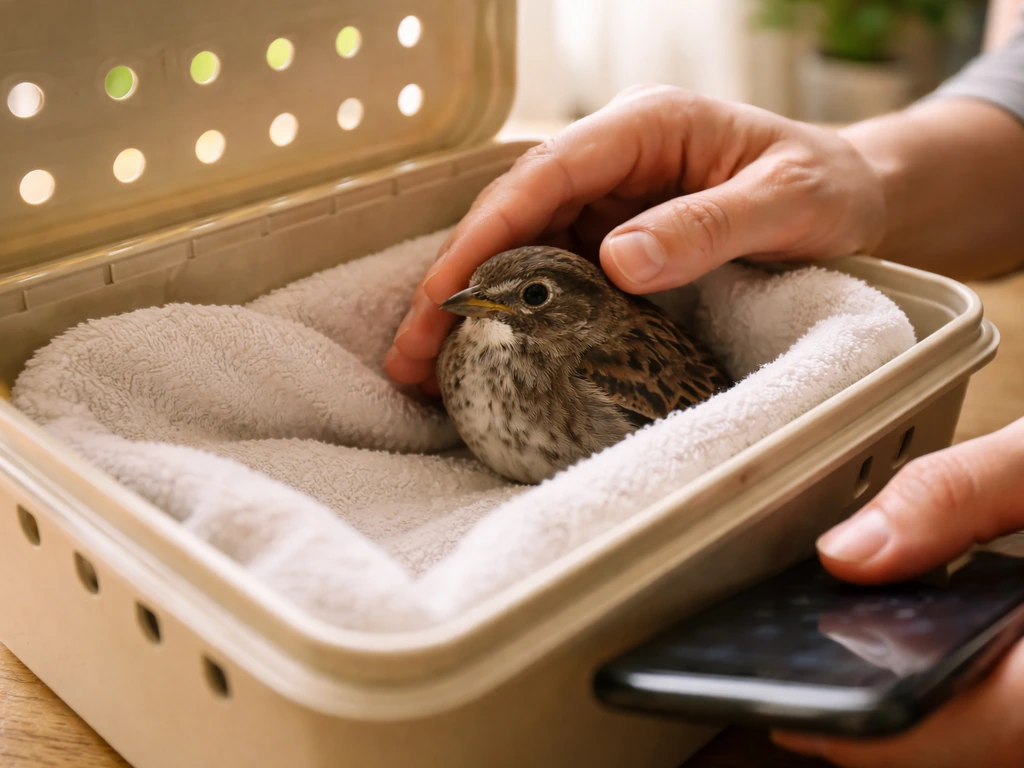
If you've found what looks like an abandoned or unhatched bird egg, the most important thing to do first is stop and assess the situation before touching anything. In most cases, the best way to "preserve" a wild bird egg is to leave it alone and call a licensed wildlife rehabilitator. But there are a handful of situations where safe, temporary handling makes sense, and this guide walks you through exactly how to tell the difference and what to do in each case.
How to Preserve Bird Eggs: Humane Steps and When to Call
Marcus Holloway
13 Apr 2026
Is the egg really abandoned? Check this first
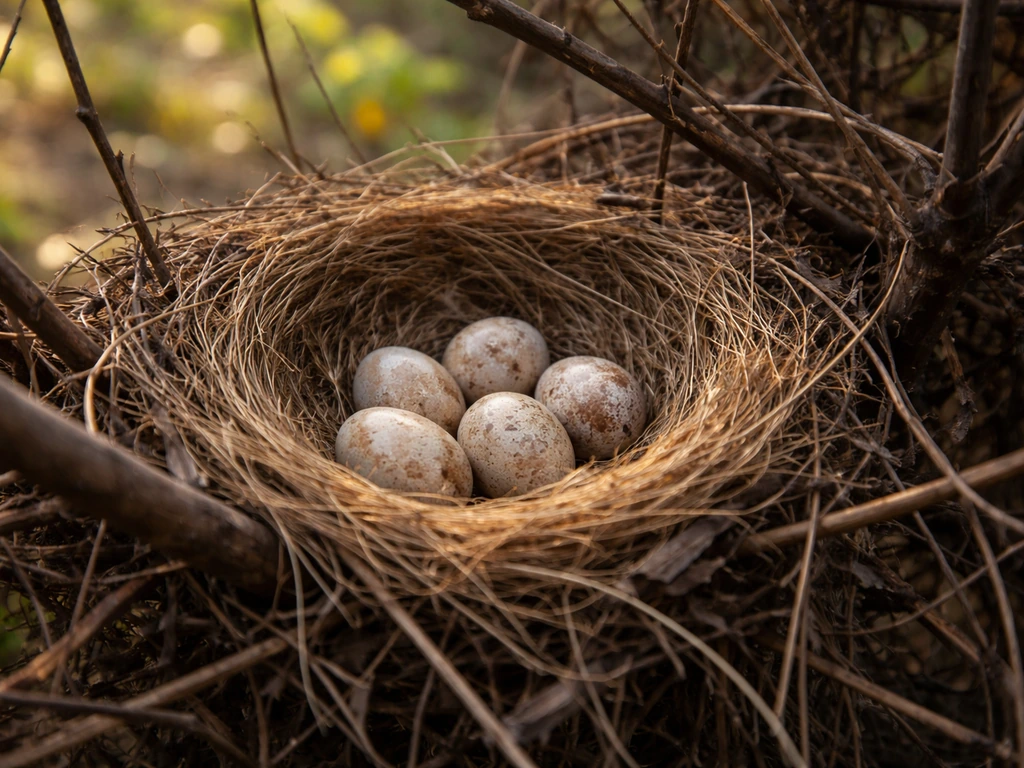
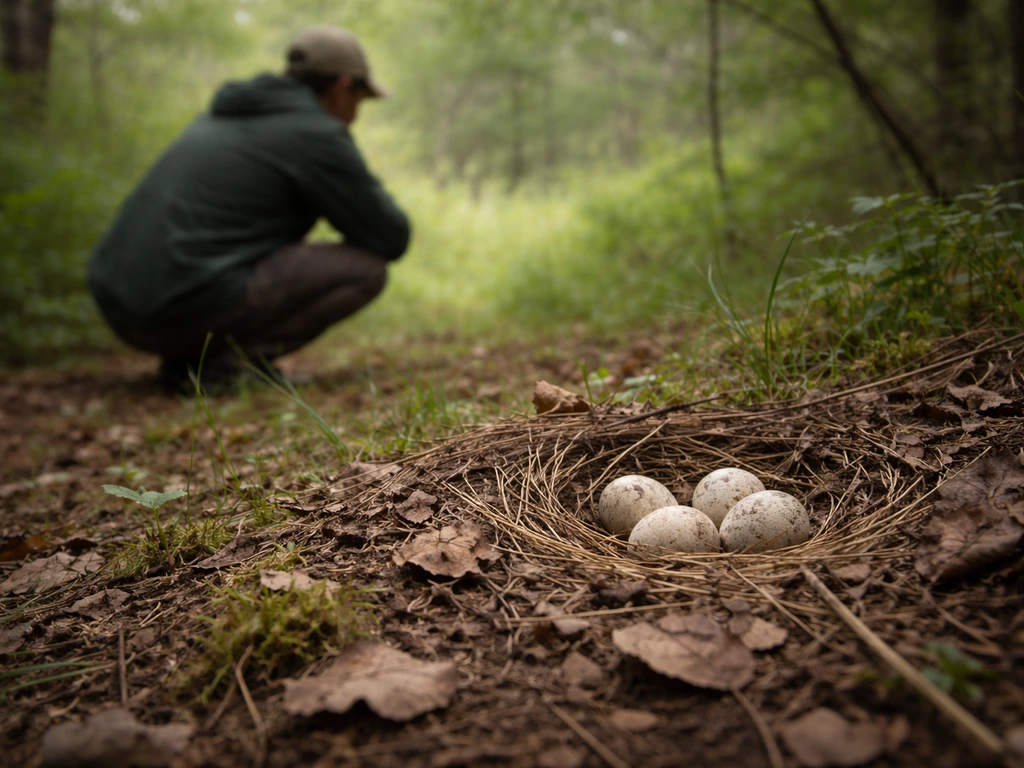
Most people who find a nest with eggs assume the worst the moment they don't see a parent nearby. In reality, adult birds routinely leave their nests for stretches of time to feed, drink, or escape a perceived threat. If you approached the nest yourself, that presence alone may have caused a temporary retreat. Arizona Game and Fish confirms that after a disturbance or perceived predator leaves the area, one or both parents typically return and continue caring for the eggs.
What looks like abandonment may also reflect something more complicated. Research published in ornithological literature has shown that the absence of eggs in a nest at any given moment is not reliable evidence of abandonment. Eggs can disappear due to cryptic predation, meaning a predator took them without leaving obvious signs, or parents may still be active nearby. Give the nest at least a few hours of quiet observation from a distance before concluding anything.
Here's a practical checklist to help you assess the situation:
- Have you seen the area for at least 2 to 4 hours without any adult bird activity at all?
- Are both adults confirmed dead or clearly injured nearby?
- Is the nest destroyed or in immediate physical danger (fallen from a tree, exposed to extreme weather)?
- Are the eggs cold to the touch and the nest has clearly been disturbed for a long time?
- Are there obvious signs of predation, damage, or environmental disaster (flooding, fire, tree removal)?
If you can't answer yes to at least one of the last three questions, your best move is to back away and watch from a distance. There's a real chance the parents are still tending the nest and your presence is the only thing keeping them away.
The legal side you need to know
Before you touch anything, understand that wild bird eggs are protected by law in most countries. In the United States, the Migratory Bird Treaty Act (MBTA) covers almost all native bird species, including their nests and eggs. Handling, transporting, or possessing them without a federal permit is illegal. The Bald and Golden Eagle Protection Act goes even further, making it unlawful to take, possess, or even disturb a bald eagle's nest or egg in any way. The UK's Wildlife and Countryside Act 1981 similarly prohibits the intentional destruction or damage of a viable egg, and the EU Birds Directive extends those protections across member states.
This matters because good intentions don't provide legal cover. NestWatch, run by the Cornell Lab of Ornithology, specifically warns that it is illegal and risky to handle or remove a native bird's nest while it is still active. The safest and legally cleanest path is always to call a licensed wildlife rehabilitator who can act under the permits that allow them to handle eggs lawfully. That's not bureaucratic gatekeeping. It reflects the fact that species-specific knowledge matters enormously when it comes to egg survival.
Do's and don'ts when you're looking at a bird egg
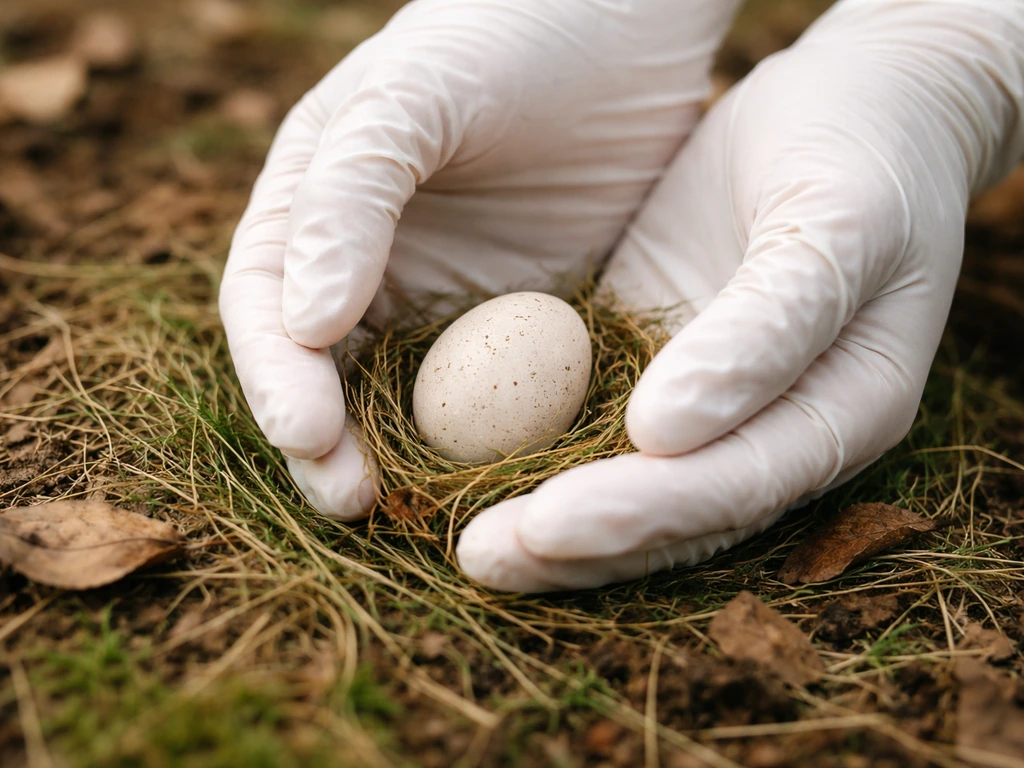
If you've assessed the situation and need to act, or while you're waiting to connect with a rehabilitator, here are the basics for safe handling.
Do these things
- Wash your hands or use clean gloves before touching the egg. This minimizes contamination risk.
- Handle the egg gently and keep it in the same orientation as you found it. Avoid rotating or tilting it unnecessarily.
- Keep it warm and stable. If you must hold the egg briefly, cup it gently in your hands.
- If the egg fell from a nest you can reach safely, place it back in the nest as gently as possible. Sialis.org confirms this is a reasonable step when the nest is accessible.
- Contact a licensed wildlife rehabilitator as quickly as possible. The Toronto Wildlife Centre urges people to reach out right away, not after trying to handle things themselves.
- If the nest has been destroyed and you need a temporary fix, you can create a makeshift nest from a small container lined with dry grass or leaves, placed as close to the original nest location as possible.
Don't do these things
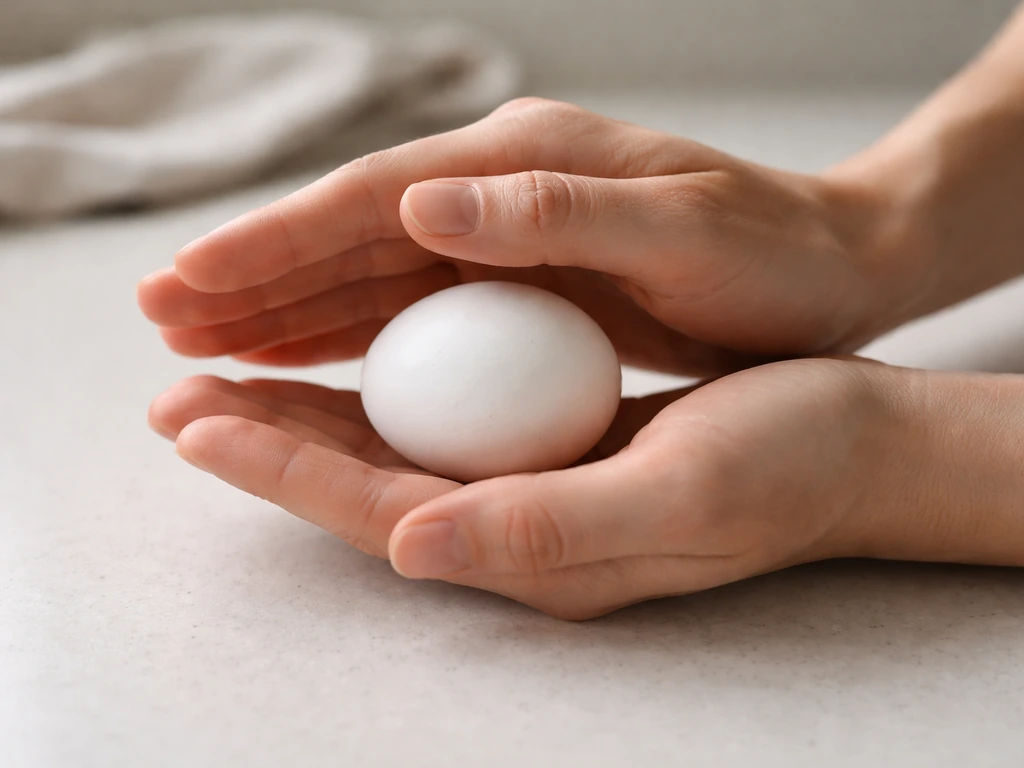
- Don't shake, jolt, or rotate the egg repeatedly. Excessive handling and jarring, especially in the first week of development, can harm the embryo.
- Don't place the egg in a fully sealed container without airflow.
- Don't try to incubate a wild egg using an improvised setup without expert guidance. The Cornell Lab's All About Birds notes that many rehab centers may not even be able to incubate abandoned eggs successfully, let alone a DIY attempt at home.
- Don't assume the egg is dead because it looks mottled, pale, or cold. A cool egg is not necessarily non-viable.
- Don't offer it food or water. Eggs don't need feeding, and moisture introduced incorrectly can cause bacterial contamination.
- Don't transport it long distances without expert guidance on how to do so safely.
Temporary storage basics for unhatched eggs
If you absolutely must store an unhatched egg temporarily while arranging transport to a rehabilitator, the goal is simple: keep conditions as stable and close to natural as possible. This is not a substitute for professional incubation. It's a short-term holding measure while you get help.
Temperature is the most critical variable. Illinois Extension guidance recommends a storage temperature of 55 to 60 degrees Fahrenheit (about 13 to 15 degrees Celsius) for unincubated eggs. This range slows metabolic activity without causing the embryo harm in the short term. A cool room, a basement, or a dedicated area away from heat sources works better than a refrigerator, which is typically too cold and too dry.
Humidity matters too. Brinsea's incubation guidance recommends keeping relative humidity between 75 and 85 percent during egg storage to prevent excessive moisture loss through the shell. Pas Reform notes that humidity above 75 percent is needed to prevent eggs from dehydrating. If you're using a container, place a small damp (not wet) cloth or sponge nearby to maintain ambient humidity, but don't let the cloth touch the egg directly.
One important caution: if the egg has been stored in a cool environment, do not move it suddenly into a warm room. Lohmann Breeders' egg handling guidance warns about blank" rel="noopener noreferrer">condensation forming on cold eggs when they're brought into warmer air, a phenomenon sometimes called "egg sweating." That moisture can drive bacteria through the porous shell. If you need to warm the egg up, do it gradually over at least 30 to 60 minutes.
For more detail on the thermal side of egg care, the guidance on how to keep a bird egg warm covers the practical steps for maintaining temperature safely while you wait for professional help.
What to do when you find an abandoned nest
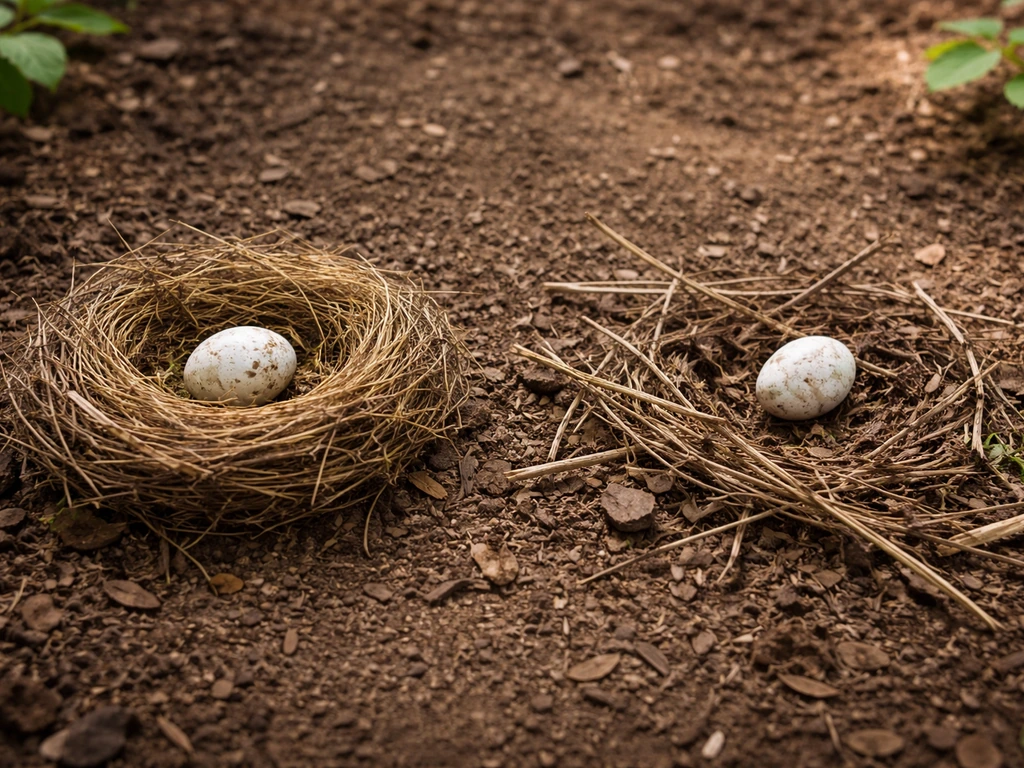
If the nest itself has been disturbed, knocked down, or destroyed, your options depend on whether it's still physically intact and where the eggs are. The most effective thing you can do, in most cases, is attempt to restore the nest to its original location or as close to it as possible, then step back and monitor.
Indiana DNR guidance supports placing baby animals (and by extension, eggs) back close to where they were found if a nest has been destroyed and the young are unharmed. The key phrase there is "close to where they were found." Moving eggs to a completely different location dramatically reduces the chance that parents will find and tend them. Try to secure the makeshift or restored nest so it won't fall again, tie it into nearby branches or place it in a sheltered spot, then give the parents several hours to return.
If the nest is fully intact but you're concerned about ongoing threats to the eggs, learning how to protect bird eggs in place is worth understanding. Sometimes the answer is as straightforward as removing a nearby attractant for predators or creating a simple physical barrier rather than moving the eggs at all.
If parents have not returned after several hours of patient observation, or if you know they're dead, that's the point at which you stop trying to manage the situation yourself and call a licensed wildlife rehabilitator. The Wild Bird Care Centre advises that if you cannot transport an egg to a rehab facility within 24 hours, you should contact them for temporary care instructions rather than improvising further on your own.
How to tell if an egg is still viable
There are a few signs that give you a rough read on whether a wild egg might still be viable, though none of them are definitive without professional candling or examination.
- Weight and feel: A viable egg feels heavier and solid relative to its size. An egg that has dried out or died often feels noticeably lighter.
- Smell: A rotten or very foul smell is a strong indicator the egg is no longer viable. Fresh eggs should have little to no odor.
- Temperature: An egg that has been cold for a very short time may still be viable, especially if ambient temperatures weren't extreme. An egg that has been in freezing conditions for hours is unlikely to recover.
- Shell integrity: Cracked eggs are unlikely to hatch successfully and carry higher contamination risk. Avoid handling cracked eggs without gloves.
- Candling: Shining a bright narrow-beam light through the egg in a dark room can reveal blood vessel networks, a dark embryo mass, or an air cell at the wide end. This requires some practice and is typically best left to a rehabilitator.
Egg viability declines with temperature exposure and time. Research on unincubated bird eggs shows that the longer an egg sits at ambient temperatures without being properly incubated, the lower the chance of successful hatching. This is exactly why speed in contacting a professional matters. Every hour counts.
When to stop and call a professional
There is a clear point where DIY egg care stops being helpful and starts being harmful, even with the best intentions. If any of the following apply, call a licensed wildlife rehabilitator immediately and follow their instructions rather than continuing to manage the egg on your own.
- Both parents are confirmed dead or have been absent from the nest for more than 4 to 6 hours despite quiet conditions.
- The egg has been on the ground and cold for more than 30 to 60 minutes with no clear way to return it to the nest.
- You've found more than one egg outside a destroyed nest and cannot locate or safely reconstruct the original nest.
- The egg shows signs of cracking, fluid leakage, or strong odor.
- You're in the US handling a species covered by the MBTA and have no way to return the egg quickly to its nest or location.
The Wildlife Trusts recommend seeking expert help if you can't arrange specialized care quickly, within roughly an hour for most cases. Their framing reflects a reality that egg care is genuinely species-specific. Incubation temperatures, humidity requirements, turning schedules, and developmental timelines vary between species in ways that are hard to account for without training.
The Wildlife Care Association has an active hotline and accepts orphaned wild bird eggs under its protocols. USFWS maintains a database of licensed wildlife rehabilitators by state, and the Toronto Wildlife Centre provides direct advice for people who contact them about abandoned eggs. When you call, be ready to describe the species if you know it, the condition of the egg and nest, and how long the adults have been absent.
More broadly, knowing how to protect a bird in distress is a useful skill set that applies well beyond eggs. The same instinct that brought you to this article, wanting to help rather than harm, is exactly the right starting point. The key is channeling it in ways that don't inadvertently make things worse.
A quick comparison: your main options when you find an unhatched egg
| Scenario | Recommended Action | Legal Risk | Viability Outcome |
|---|---|---|---|
| Egg in intact nest, parents not visible | Back away, observe 2 to 4 hours | None | High if parents return |
| Egg fell from nest you can reach | Gently replace in nest, monitor | Low | Moderate to high |
| Nest destroyed, eggs on ground, parents alive | Restore nest close to original spot, monitor 2 to 4 hours, then call rehab | Low if returned quickly | Moderate |
| Parents confirmed dead or absent more than 4 to 6 hours | Call licensed wildlife rehabilitator immediately | None if you call rehab | Low to moderate, rehab gives best odds |
| Egg cracked, smells bad, clearly dead | Do not attempt to incubate, dispose humanely or leave in place | None | None |
The clearest recommendation across almost every scenario is the same: get a licensed wildlife rehabilitator involved as soon as the situation moves beyond a simple nest return. Their permits, training, and species knowledge give an egg a far better chance than any home setup can provide.
What about preserving the shell after the fact?
If the egg is clearly no longer viable and you're interested in preserving the shell itself for educational or keepsake purposes, that's a completely separate process. You can find detailed guidance on how to preserve a bird egg shell properly, which involves cleaning, blowing out the contents, and sealing the shell so it lasts long term. Just be aware that even an empty shell from a wild native species may technically be covered under the MBTA, so confirm that the egg was legally obtained before keeping it.
What to realistically expect
Even under the best conditions, abandoned or displaced wild bird eggs have a lower hatching rate than eggs that were never disturbed. That's just the honest reality. The Cornell Lab notes that many rehab centers face real limitations in successfully incubating abandoned wild eggs, partly because of the equipment required and partly because each species has specific needs. That doesn't mean the effort isn't worth making. It means your job is to get the egg to someone qualified as quickly as possible and then let the professionals make the call.
If you do everything right, back away first, observe carefully, handle minimally and gently, maintain stable temperature and humidity during any short holding period, and contact a rehabilitator quickly, you've given the egg the best possible chance. That's all anyone can ask.
FAQ
If I touch an egg by mistake, does that mean it is definitely going to die or that I should stop helping?
One accidental touch usually does not automatically make an egg nonviable, but it can increase stress and create contamination risk. Your next step should be to stop handling immediately, put distance between yourself and the nest area, and contact a licensed wildlife rehabilitator for guidance on what to do with the exact egg and nest situation.
Should I try to incubate a wild bird egg at home if the parents do not return right away?
In most cases, no. Even “close enough” incubation settings often miss species specific turning schedules, temperature targets, and humidity curves, which can rapidly reduce viability. The safest approach is to contact a wildlife rehabilitator promptly, and only use home storage as a very short holding measure while arranging transfer.
Can I place the egg back under a broody hen or in an incubator I use for chicken eggs?
Do not assume another bird species’ incubation will work. Different species require different thermal profiles and turning and timing patterns, and mis-matching can lead to developmental failure. A rehabilitator can advise whether any cross fostering or incubator strategy is appropriate for that species and how to do it safely, if at all.
What if the egg is already cold, does that change the storage steps?
Cold does not mean you should warm the egg quickly. If it has been in a cool environment, warm gradually to reduce condensation risk, then focus on stable temperature and correct ambient humidity for short term holding. If you do not know how long it has been cold, contact a rehabilitator sooner rather than later.
Is a refrigerator ever appropriate for preserving a wild bird egg temporarily?
Typically, refrigerators are not ideal because they are often too cold and too dry for egg storage. If professional instructions are unavailable, the safer direction is to use a cool, stable environment in the recommended range and maintain ambient humidity with a damp (not wet) cloth nearby, never touching the egg.
How long can I keep a wild bird egg before transportation to a rehabilitator is too late?
A major factor is how long the egg has been without incubation, since viability drops with time and temperature exposure. As a practical decision aid, prioritize same day transfer, and if you cannot arrange specialized care quickly, contact a rehabilitator for temporary instructions rather than continuing DIY management.
What should I do if the nest is intact but the parents seem to be gone?
Give the area quiet observation from a distance for several hours, since many birds leave to feed, drink, or avoid a perceived threat. If you can’t answer yes to the key indicators of active incubation and return, step back again and avoid repeated checks that keep adults away.
If I find an egg in the road or fallen from a nest, should I move it to nearby cover?
Sometimes restoring it close to where it was found can improve the odds of parental recovery, but moving it far away usually reduces acceptance. If the nest was destroyed, prioritize returning it to the closest original location or the nearest appropriate placement a rehabilitator would approve, and then leave the site alone to give adults time to return.
Does cleaning the egg help, or should I leave it untouched?
Avoid washing or scrubbing. Eggs have natural protective coatings, and extra handling can increase contamination and harm. If the egg needs any contact beyond minimal placement and temporary storage, rely on rehabilitator instructions.
How can I tell if the parents are still alive but simply not visible?
Parents can be present while you do not see them, especially if they are foraging nearby or temporarily alarmed. Look for indirect signs like adult movement toward the area after you back away, and avoid standing guard or hovering, which often prevents return.
Are there legal exceptions if the egg appears abandoned or unhatched?
Legal protection usually applies even if you think the egg is abandoned. In many places, possessing or disturbing active or protected eggs and nests without the proper permits can be illegal. When in doubt, contact a licensed wildlife rehabilitator first and follow their instructions.
What should I say when I call a wildlife rehabilitator (what details matter most)?
Be ready to describe the likely species, the location and habitat type, whether the nest is intact or destroyed, whether parents have been absent how long, and what condition the egg appears to be in. Also mention any handling you already did and the current temperature conditions where the egg is being held.
If the egg is empty and clearly from a past season, can I keep the shell as a souvenir?
Yes, but confirm legality first. Even an empty shell from a native wild bird can still be covered under wildlife protection rules in some jurisdictions. If you are not sure, ask the rehabilitator or a local wildlife authority whether that species and situation qualifies for keepsake handling.
Next Article
How to Protect a Bird: Safe First Steps and Help
Humane step-by-step help to protect a bird: safety, holding setup, first aid basics, do not feed cautions, rescue.