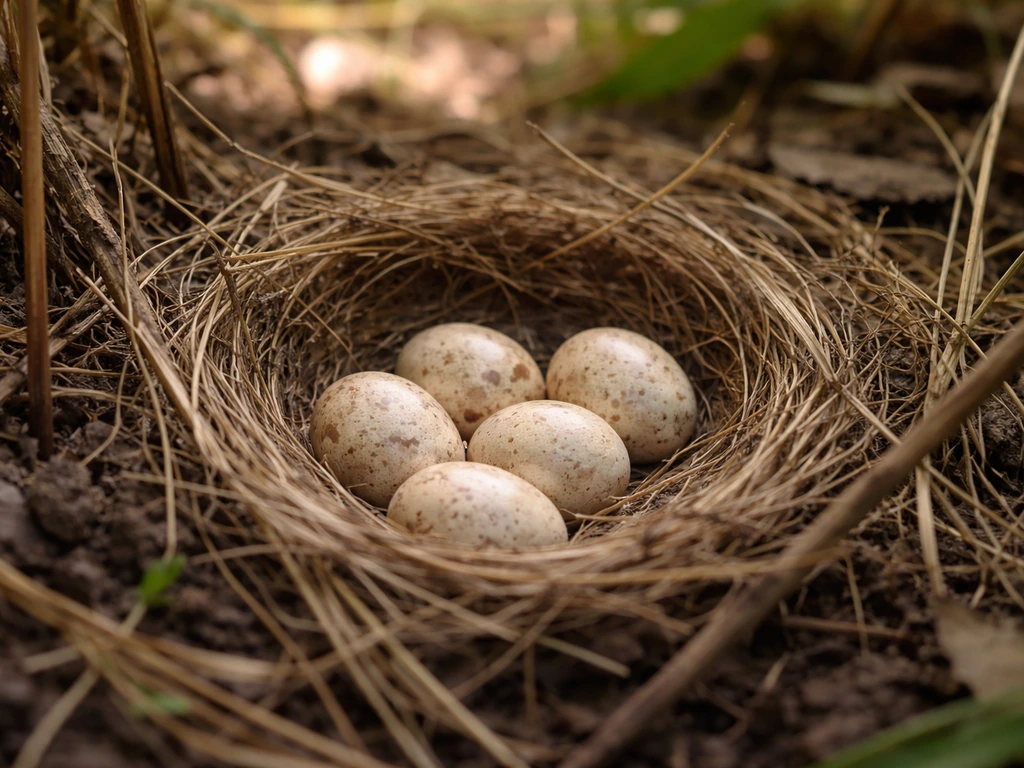
If you have a bird eggshell you want to keep, the core process is: make sure it's legal and safe to have it, clean out any remaining material gently, let it dry completely, seal it with a thin protective coating, and store it somewhere with stable, low humidity. For the exact “how to preserve bird eggs” process, follow the steps for cleaning, drying, and long-term sealing and storage. Done right, a preserved eggshell can last for years without odor, mold, or cracking.
How to Preserve a Bird Egg Shell Safely and Humanely
Marcus Holloway
13 May 2026
Why you'd want to preserve an eggshell
People come to this for two main reasons: craft and education. On the craft side, eggshells are used in jewelry, mosaic art, painted keepsakes, and decorative displays. They're lightweight, naturally beautiful, and each one is unique. On the education side, a preserved shell can show kids or students the texture, color patterns, and structure of a species' egg in a way that a photo just can't replicate.
There's also the sentimental angle. Maybe a bird nested on your porch, the chicks fledged successfully, and you found an empty shell afterward. Keeping it as a memento of that small wildlife moment is completely understandable. Whatever your reason, the preservation steps are essentially the same. The main thing that changes is what you do before you even pick up the shell.
Quick safety steps before you touch anything
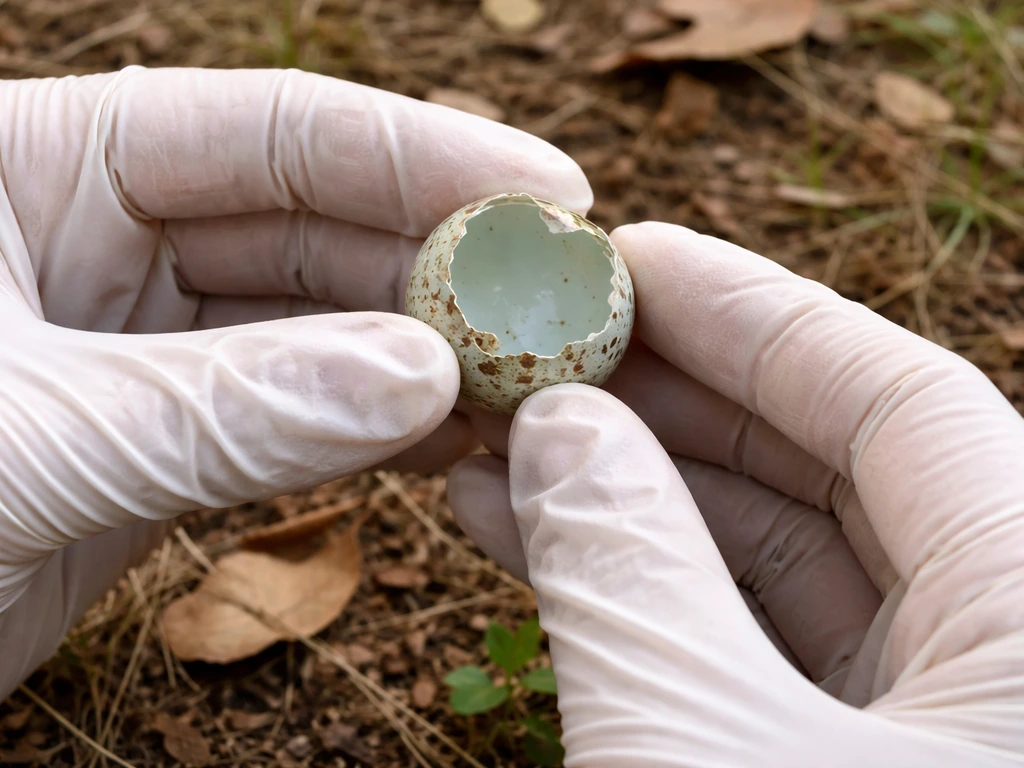
Before handling any shell, put on disposable gloves. Bird eggshells, especially ones found on the ground, can carry Salmonella and other bacteria. Gloves also protect the shell itself from the oils on your skin, which can cause discoloration over time.
Next, assess what you actually have. Is the shell completely empty and clearly abandoned, or is there still something going on? A shell fragment on the ground after a nest has fledged is one thing. A whole, unhatched egg sitting in or near an active nest is another situation entirely, and it needs a different response, which I cover in the last section of this guide.
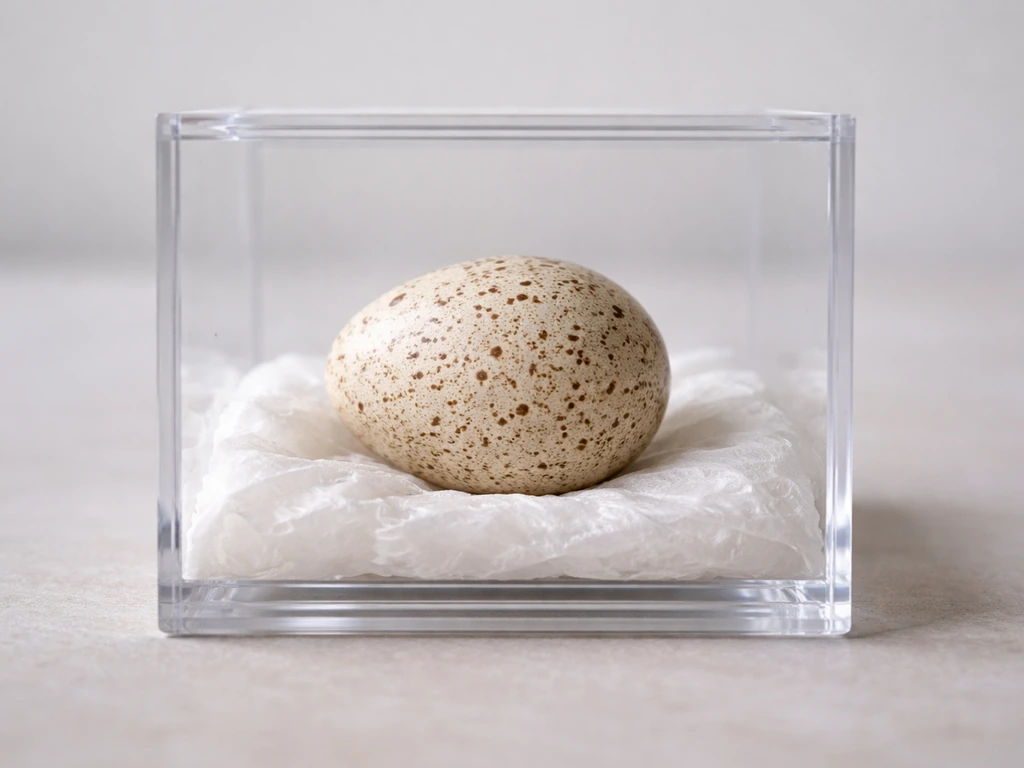
If the shell is clearly empty, broken, and from a nest that has already been vacated, you're generally okay to proceed. Work on a clean surface, and keep the shell in a small container or nest of soft tissue paper so it doesn't roll and crack while you work.
Cleaning and drying without wrecking it
This is the step most people rush, and it's where things go wrong. If there's any membrane, yolk residue, or organic material left inside the shell, it will rot and produce a smell that no amount of sealant will contain. You have to get it clean first.
Removing interior material
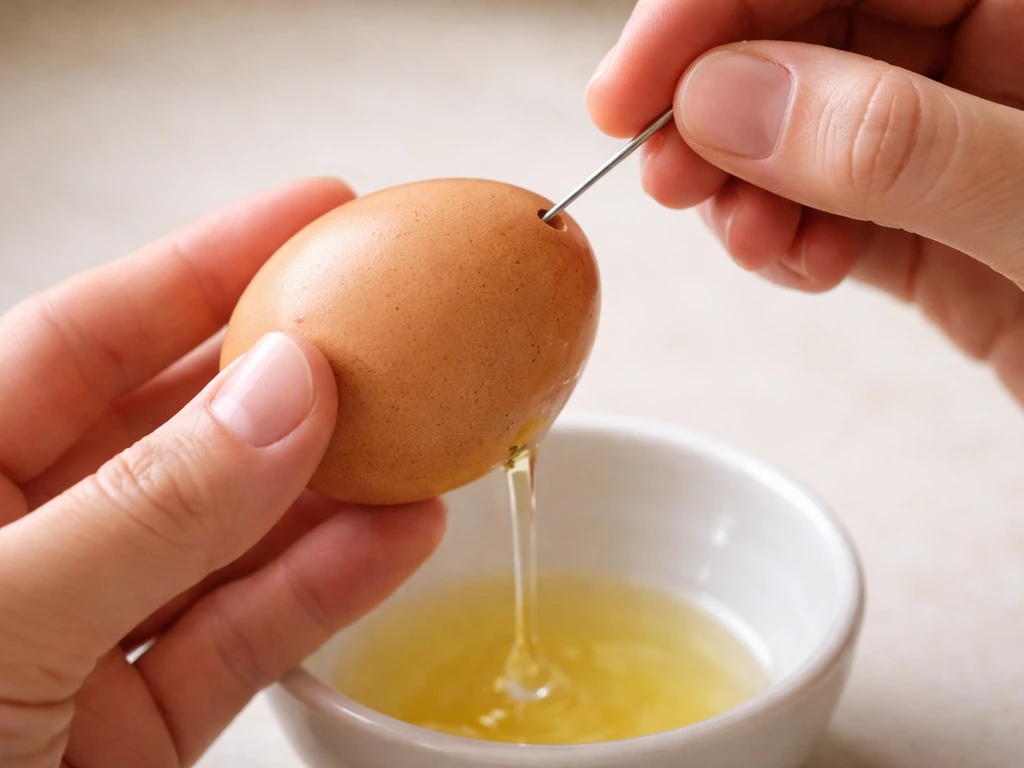
If the shell still has its original contents (an unhatched egg), you'll need to blow it out or drain it. Use a pin or thin needle to make a small hole at both ends of the egg, one slightly larger than the other. Gently blow through the smaller hole to push the contents out through the larger one. Do this over a sink or bowl. If the inside has dried out or hardened, try gently introducing a tiny bit of warm water through the hole, swirling carefully, and draining it out. Repeat until the water runs clear.
For shells that are already broken and open, use a small soft brush (a clean watercolor brush works well) to clear out any dried membrane or debris from the inside. Museum conservators consistently recommend soft tools for fragile specimens like these, and that principle applies here. A stiff brush or a paper towel will crack the shell faster than you'd expect.
Rinsing
Rinse the shell gently under cool, slow-running water, or use a small bowl of water and a soft brush. Avoid soap unless there's visible dirt or grease on the outside surface, and if you do use soap, use a tiny amount of mild dish soap and rinse thoroughly. Do not soak the shell. Prolonged contact with water softens the calcium carbonate structure and makes it much more fragile.
Drying properly
Place the cleaned shell on a paper towel or soft cloth and let it air dry at room temperature. Do not use a hair dryer, oven, or direct sunlight to speed this up. Rapid or uneven drying causes micro-cracks that you may not see immediately but will show up later. Give it at least 24 to 48 hours before moving to any coating step. If the shell feels cold or slightly heavy, it still has moisture inside and is not ready.
Your options for preserving the shell long-term
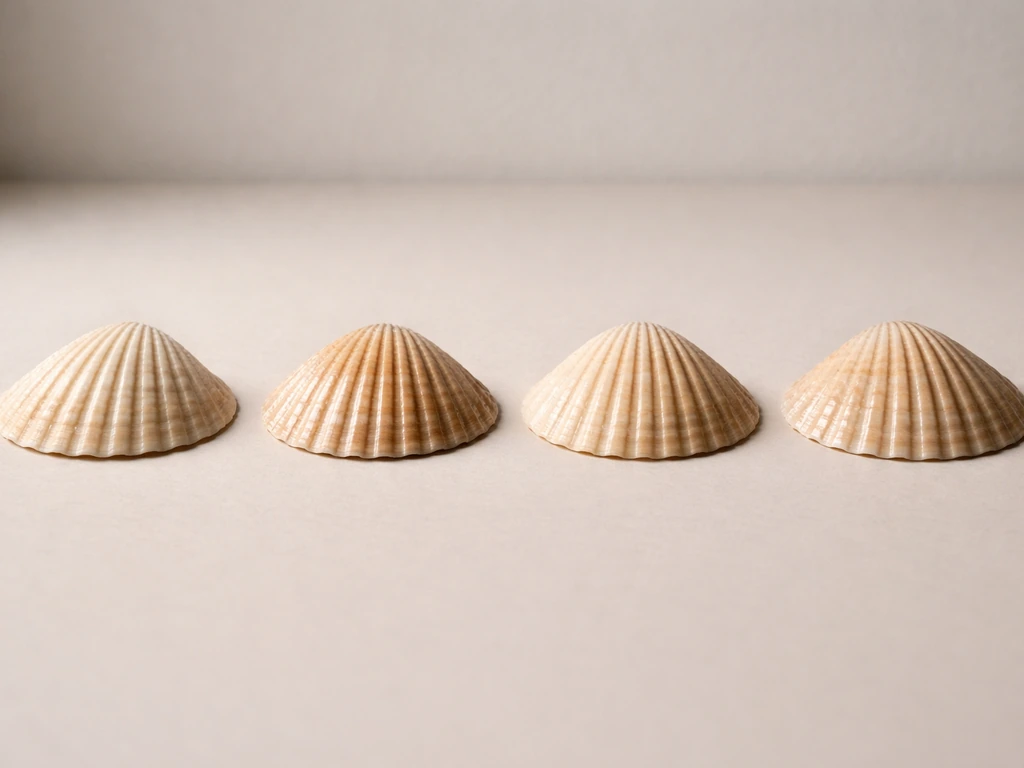
There are three main approaches, and the right one depends on how you plan to use or display the shell. Here's how they compare:
| Method | Best for | Durability | Notes |
|---|---|---|---|
| Air-dry only (no coating) | Display only, not handling | Low to moderate | Simple but leaves shell porous and vulnerable to humidity and odors |
| Shellac or water-based sealant | Display and light handling | High | Multiple thin coats; allow a week to fully cure at 77°F and 50% RH |
| Microcrystalline wax or mineral oil | Natural look keepsakes | Moderate | Easy to apply, subtle sheen, some moisture resistance; needs reapplication over time |
| Clear acrylic spray (matte or gloss) | Craft projects, handling | High | Fast-drying, widely available, apply in thin coats outdoors or with ventilation |
Air-dry only
If you want the most natural look and the shell is going directly into a sealed display case where you won't be handling it, you can skip any coating entirely. The downside is that an uncoated shell stays porous, which means it can absorb humidity, develop odors, and is more prone to cracking if bumped or dropped. This approach works best for short-term display or when you're combining it with very good humidity control in storage.
Shellac or water-based sealant
Clear shellac is one of the most time-tested options for preserving fragile organic materials. Apply it in very thin coats using a soft brush, letting each coat dry fully before adding the next. Two to three thin coats is usually enough. Shellac at standard conditions (around 77°F, 50% relative humidity) can feel dry to the touch within a couple of hours, but give it a full week to ten days to fully harden before subjecting the shell to any stress. Water-based sealants like Mod Podge also work and are easier to clean up, though they tend to leave a slightly more plastic-looking finish.
Wax or mineral oil
A very light rub of microcrystalline wax or food-grade mineral oil gives the shell a natural, low-sheen protection and is easy to apply with a soft cloth. It won't create a hard, sealed surface the way shellac does, but it does add some moisture resistance and brings out the natural color and texture beautifully. This is a good choice if you want a more organic look and don't need the shell to withstand regular handling.
Clear acrylic spray
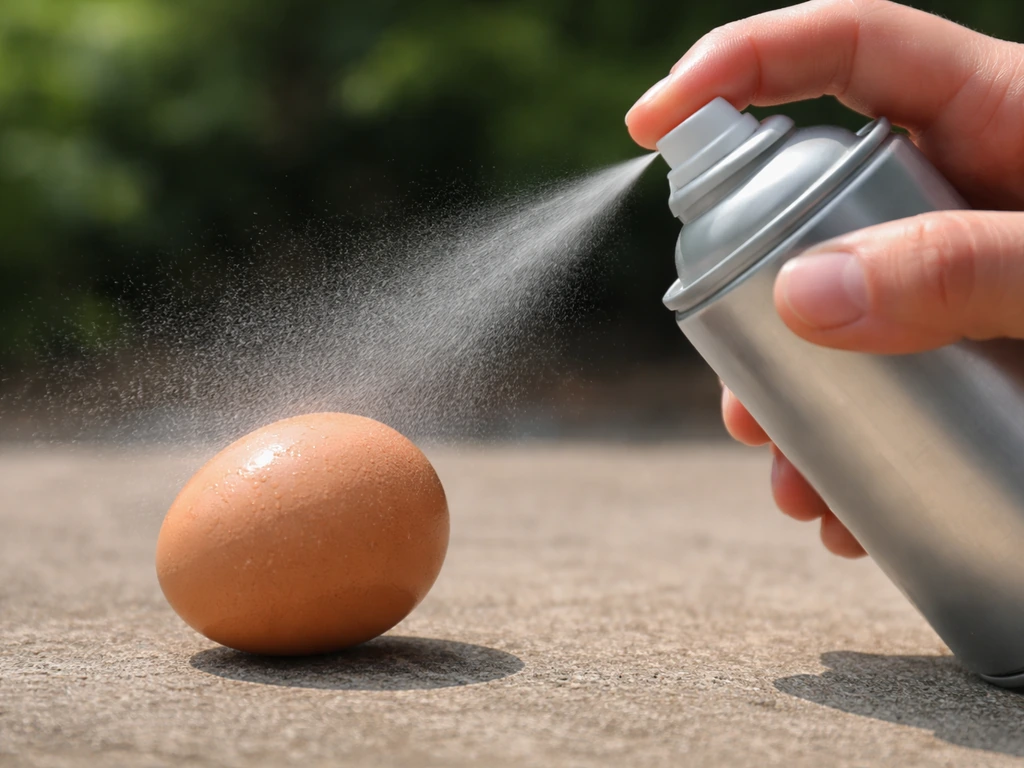
A matte or gloss clear acrylic spray is probably the easiest option for most people. It dries fast, bonds well, and creates a durable surface. Apply it outdoors or in a well-ventilated space, hold the can at least 12 inches away, and use short, sweeping passes so you don't pool the coating in one spot. Two light coats with drying time between them is more effective than one heavy coat. Any aerosol coating should be used with care: read the label, use ventilation, and avoid breathing the fumes.
Preventing odors, mold, and cracking
Most failures come down to one of three things: residual organic material, moisture, or physical impact. If you've cleaned the shell thoroughly and let it dry fully before sealing, you've already handled the first two main causes of odor and mold. But a few extra steps help a lot.
- Never seal a shell that isn't completely dry inside and out. Trapped moisture under a coat of shellac or acrylic is how mold starts.
- Keep relative humidity in your storage or display area between 45% and 55%. Above 65% RH, mold spore germination becomes a real risk for organic materials.
- If you notice any faint smell after sealing, the interior wasn't fully cleaned. The coating will trap the odor temporarily but won't eliminate it.
- Avoid placing a sealed shell in direct sunlight or near a heat source. Temperature fluctuations cause expansion and contraction that will eventually crack the shell.
- If the shell has a crack that appeared during drying, you can stabilize it with a tiny drop of cyanoacrylate (super glue) applied with a pin or toothpick. Use it in a ventilated area and let it cure fully before proceeding.
How to store and display it so it actually lasts
The biggest threat to a preserved eggshell long-term isn't how you sealed it, it's where you keep it. Humidity fluctuations, heat, and physical vibration are the main culprits for deterioration over months and years.
Storage containers
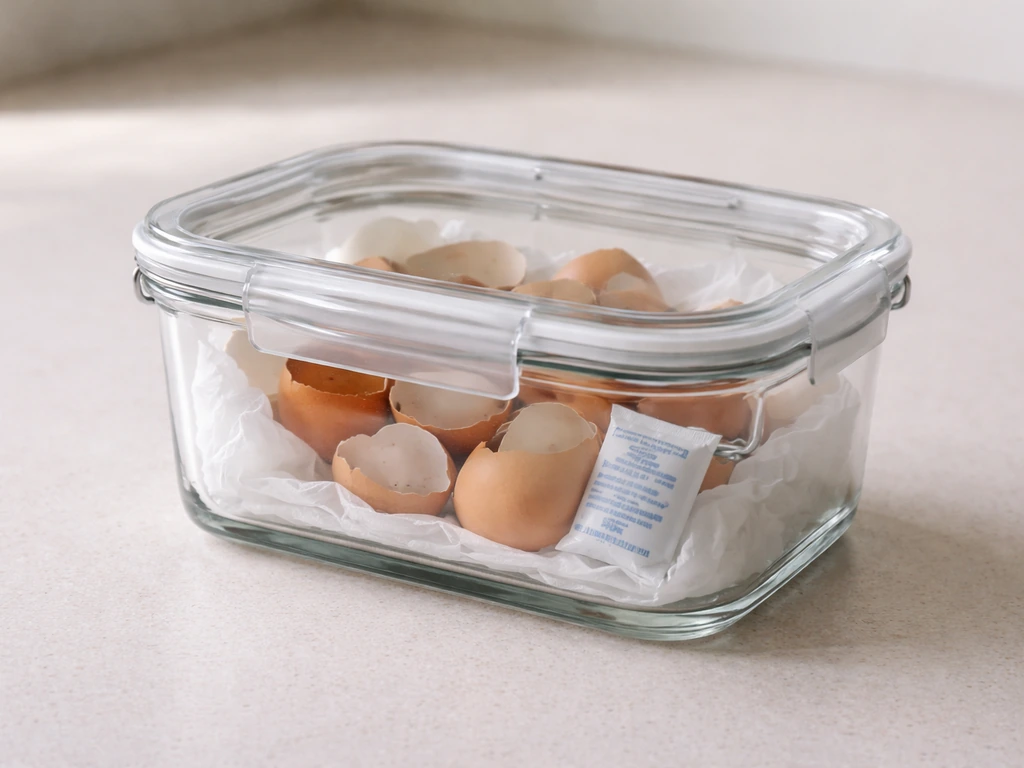
For long-term storage, use a rigid, sealable container like a small plastic or glass box lined with acid-free tissue paper or foam. The lining cushions the shell and prevents it from rolling. A sealed container also makes it much easier to control humidity inside the microenvironment. NPS Conserve O Gram 01/08 explains that silica gel microenvironments in sealed or semi-sealed spaces help regulate relative humidity, supporting reconditioning and controlled usage concepts for preservation control humidity inside the microenvironment.
Add a small packet of silica gel to the container. Silica gel absorbs excess moisture and buffers against humidity swings. It's reusable: when the packets are saturated, you can dry them out in a low oven and use them again. Museum conservation programs use this exact approach for fragile organic specimens, and it works just as well at home.
Display cases
If you're displaying the shell rather than storing it, a glass dome or small sealed display case is ideal. Avoid open shelves in rooms with variable humidity, like kitchens or bathrooms. Keep the display away from windows and heating or cooling vents. A small silica gel packet inside a closed display case works here too.
Humidity targets
The target range for storage or display is 45 to 55% relative humidity, and definitely below 65%. Temperature should stay below 75°F (24°C) if possible. If you live somewhere with high ambient humidity, a small dehumidifier in the room helps, and silica gel in the container handles the rest. In very dry climates, extremely low humidity (below 40%) can cause its own problems by making the shell brittle, so a sealed container prevents over-drying too.
When you shouldn't preserve it, and what to do instead
There are situations where preserving a bird egg or shell is not the right call, and it's worth being direct about this. If you are trying to figure out how to protect a bird, always start by checking whether the egg or nest is active and whether local wildlife laws apply how to protect bird.
Legal considerations
In the United States, the Migratory Bird Treaty Act (50 CFR § 21.11) protects approximately 1,100 native bird species, and that protection explicitly includes their eggs, nests, and parts. Possessing even an empty eggshell from a protected migratory bird species without a valid permit is technically illegal. Canada has similar protections under the Migratory Birds Regulations. This doesn't mean every person who picks up a wren eggshell from their backyard is about to face federal charges, but it does mean you should think carefully about what you have. Non-native species like European starlings and house sparrows are generally not protected under the MBTA. Domestic chicken, duck, or quail eggs are fine. But if you're not sure what species the shell is from, that uncertainty matters.
Active nesting situations
If you've found an unhatched egg, an egg that may have fallen from a nest, or a cracked egg that appears to have a live embryo developing, the right move is not to try to preserve it. The right move is to contact a local wildlife rehabilitator. The Toronto Wildlife Centre notes that a cracked egg showing signs of hatching should go back to the nest immediately, and an unhatched egg found alone warrants a call to a wildlife rehab center. The Environmental Literacy Council points out that an egg on the ground isn't automatically abandoned, so don't assume.
Audubon recommends calling a wildlife rehabilitator rather than attempting to relocate or intervene with nests and eggs yourself, and the U.S. Fish and Wildlife Service echoes that guidance. If you're in a situation where an egg or nest is in a problematic location but appears active, contact a wildlife rehab organization before touching anything. The preservation guide above is for shells that are clearly empty, abandoned, and from a nest that has already completed its cycle. If the egg seems protected by active nesting rules, the safer option is to focus on how to protect bird eggs in place rather than preserving the shell clearly empty, abandoned, and from a nest that has already completed its cycle. If there's any doubt about whether the egg is truly abandoned, the compassionate and legal path is to get professional advice first. Keeping a bird egg warm is different from preserving an eggshell, but if you’re dealing with a possibly active nest you should follow wildlife guidance instead of trying to store or seal it how to keep a bird egg warm. You can find wildlife rehabilitators through state and provincial wildlife agencies, or through national organizations like the National Wildlife Rehabilitators Association.
FAQ
Can I freeze a bird egg shell before cleaning and preserving it?
Yes, but only if the shell is already clearly empty and you can use a rigid, labeled case to keep it clean and humidity-stable afterward. If the shell still has an embryo or organic residue, freezing does not stop decomposition and can create internal cracking when it expands during thaw.
What should I do if my cleaned eggshell still smells bad?
An eggshell that smells like “rotten” after rinsing is a strong sign there was still organic material inside or it was trapped under residue. In that case, re-clean with a soft brush and cool water, then dry longer before applying any sealant. If it still smells after thorough rinsing and drying, stop and discard it, because no coating will reliably fix ongoing decomposition.
Is it okay to soak the eggshell to remove residue faster?
No. Soaking speeds softening and can lead to surface erosion and weak points that later show as hairline cracks. Use brief rinses (or a shallow bowl-and-brush method), then let the shell air dry fully at room temperature.
How can I measure and manage humidity if I do not have a dehumidifier?
For most home displays, keep it simple: use cool, indirect storage conditions and a closed container. If you do choose to use a humidity recorder, aim for the 45 to 55% relative humidity target inside the container, and check it after any weather changes. Large daily swings are worse than a slightly higher steady value.
How should I clean or dust a preserved eggshell after coating?
If the shell is sealed with acrylic spray or shellac, you can gently dust it with a soft, dry brush. Avoid wiping with damp cloths, glass cleaner, or alcohol, since some coatings can haze, soften, or pull away at edges.
Can I re-seal an eggshell if I used the wrong coating the first time?
Do not use it as “universal sealant.” Acrylic sprays and wax/oil products can have different finishes, and some sealants may not bond well to oily residue. If you want to switch products, fully remove the previous coating only if the surface becomes clean and dry without leaving oily film, then restart with thin, even coats.
What if the egg looks empty to me, but I am not 100% sure?
A whole, unhatched egg in or near a nest, or a cracked egg that shows signs of development, should not be preserved at home. The safer next step is contacting a wildlife rehabilitator or local wildlife agency, because the “abandoned” assumption is often wrong and handling can be illegal for protected species.
What is the best way to preserve a broken but empty eggshell fragment?
If it is already broken but clearly empty, handle it gently and store it in a container that prevents movement (acid-free tissue and cushioning). For display, consider keeping pieces separate until you confirm dryness and stability, because gluing or coating before full drying can trap moisture and promote cracking.
Can I display a preserved eggshell in a sunny window for the best color?
Yes, but it changes the outcome. Direct sunlight can fade colors and accelerate surface stress, which increases the chance of micro-cracks. If you want a museum-like look, prefer closed display storage away from windows and rotate or monitor if the display is near light sources.
Is it safe to let kids handle a preserved eggshell?
It depends on the use and your comfort level. For children or classrooms, prioritize a sealed display case and robust humidity control, then avoid giving it as a handled toy. Even well-preserved shells can be fragile, and gloves or hand washing are smart practice if students will touch objects.
Next Article
How to Protect Bird Eggs: Humane Steps and Next Actions
Humane, legal steps to protect bird eggs now, prevent predators and weather damage, and know when to contact wildlife re