If you've just found a bird and you're not sure what to do, here's the short version: contain it safely, keep it warm and quiet, don't feed it or give it water, and contact a licensed wildlife rehabilitator as soon as possible. That's the core of beginner bird care in an emergency, and everything below explains exactly how to do each part.
How to Take Care of a Bird for Beginners: What to Do Now
Marcus Holloway
23 Mar 2026
Quick first response: safety, containment, and assessing the bird
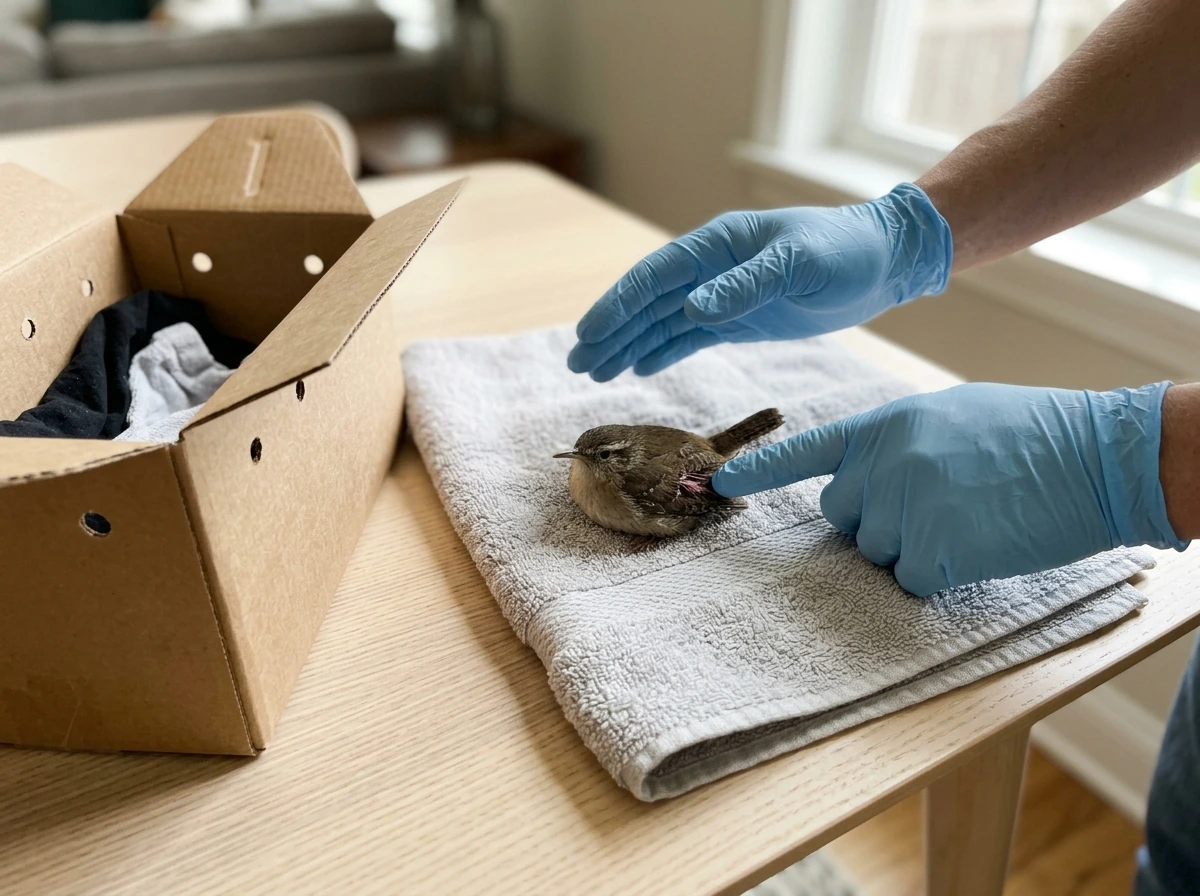
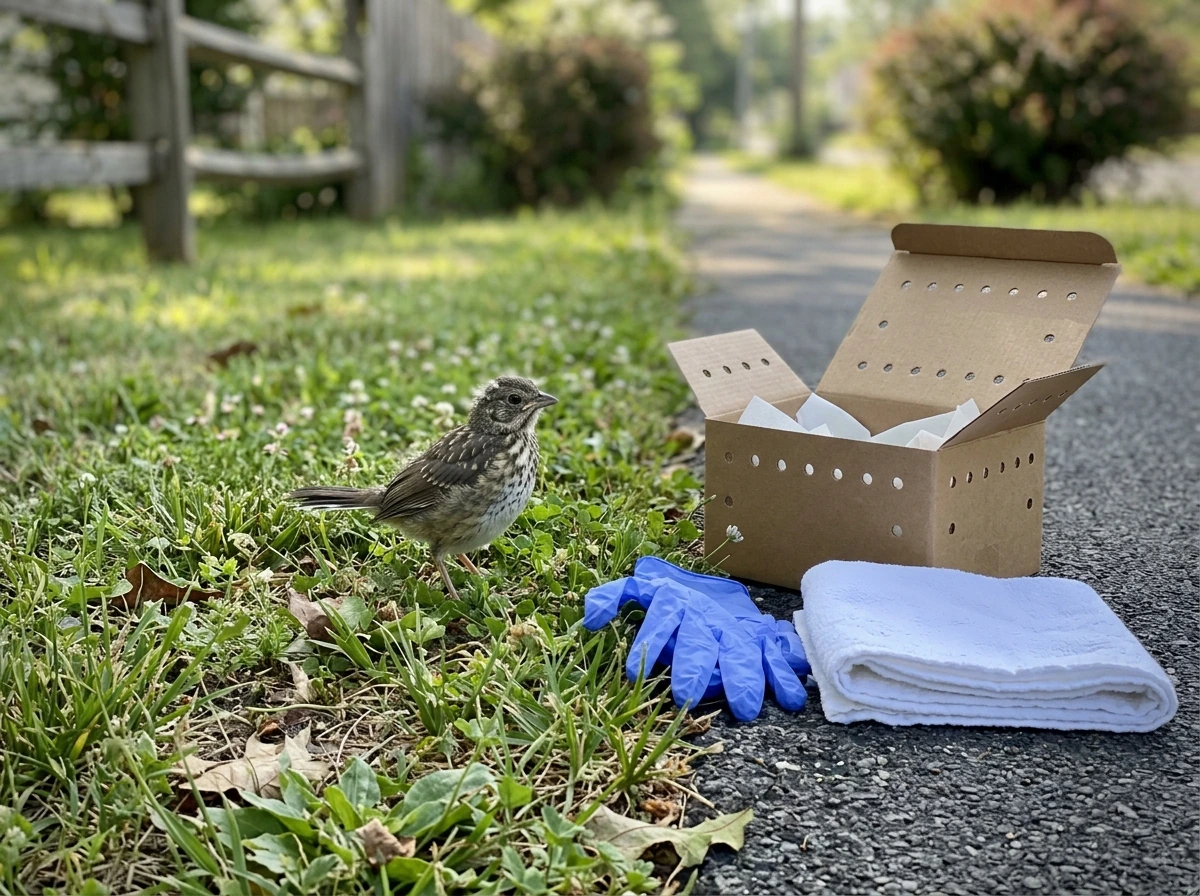
Before you touch the bird, take 30 seconds to assess the situation. Not every bird on the ground actually needs your help. A fully feathered bird sitting on the ground is very likely a fledgling, which is a young bird in a completely normal stage of development where it's learning to fly. Its parents are almost certainly nearby and still feeding it. The best thing you can do in that case is leave it alone, keep pets and children away from the area, and watch from a distance. how to take care of a newly hatched bird. how to take care of a little bird
A bird does need help if you see any of these: a visible broken limb, active bleeding, shivering, the bird is clearly unable to move, it's been attacked by a cat or dog, or you can confirm a parent is dead nearby. If any of those are true, that's when you step in. how to care for a nestling bird
To pick up the bird safely, cover it gently with a dish towel (for a small bird) or a bath towel (for a larger one). Drape it over the bird and scoop it up from underneath. This protects you from scratches and reduces the bird's panic. Move slowly and avoid making noise. Birds go into shock very easily, and your calm handling matters.
Place the bird in a cardboard box or pet carrier with ventilation holes. Make sure the lid closes securely. Put it somewhere quiet immediately: away from kids, away from pets, away from noise. That's your first job done.
Basic supplies and setup for a temporary nest or housing
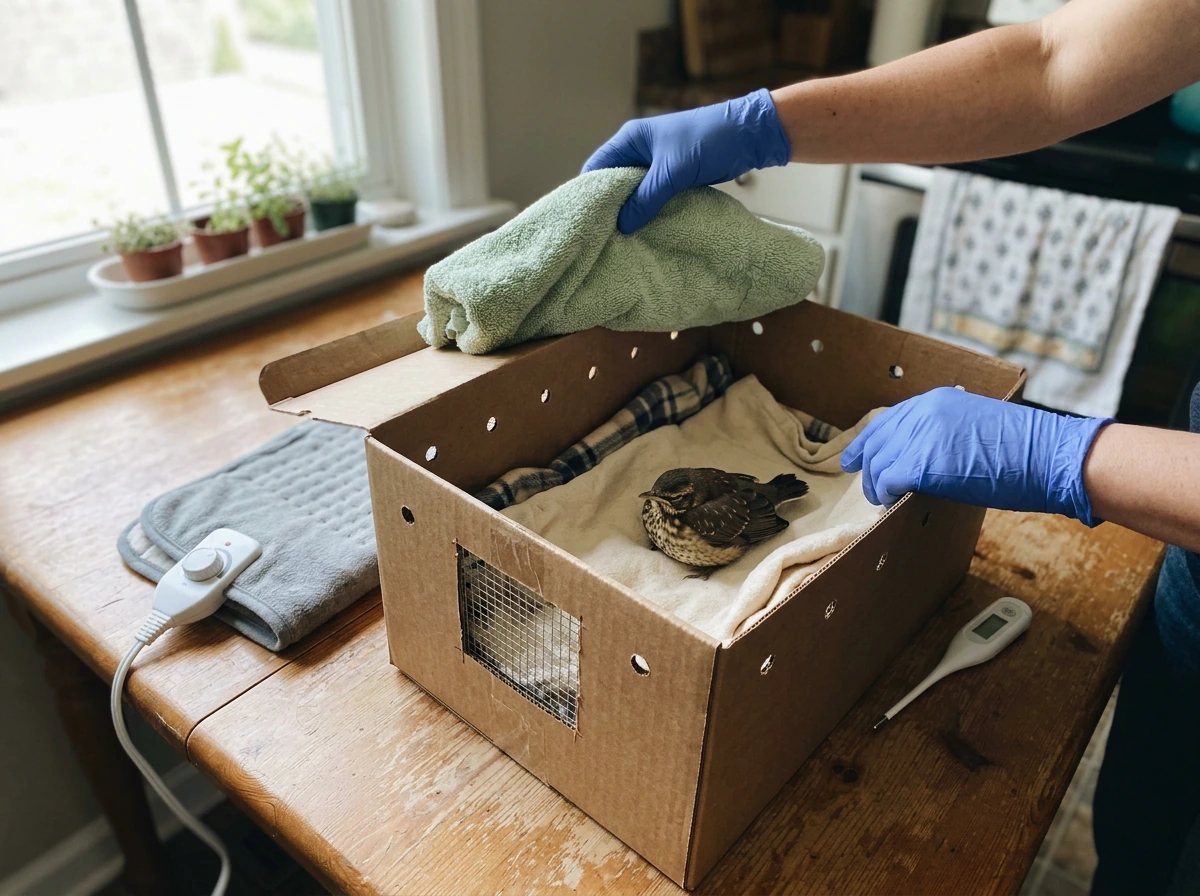
You don't need anything fancy. A cardboard box with a few air holes punched in the sides works well for most birds. Line the bottom with a soft cloth or paper towels so the bird isn't sliding around on a slick surface. Avoid anything with loose threads or loops that tiny feet can get tangled in.
If you're housing a very young bird (a nestling with few or no feathers), you can create a makeshift nest by shaping a small container or cup lined with tissue or a soft cloth. Place that inside the box. The goal is to give the bird something that supports its body and keeps it upright without pressure on its wings or legs.
Keep the box in a dark, quiet area at room temperature or slightly warmer. A closet, a quiet bathroom, or a spare room all work. The key rules are: dark (covering the box with a towel helps), quiet (no music, no TV, no loud voices), and secure (no access from pets or children).
How to feed a bird safely (and why you probably shouldn't, yet)
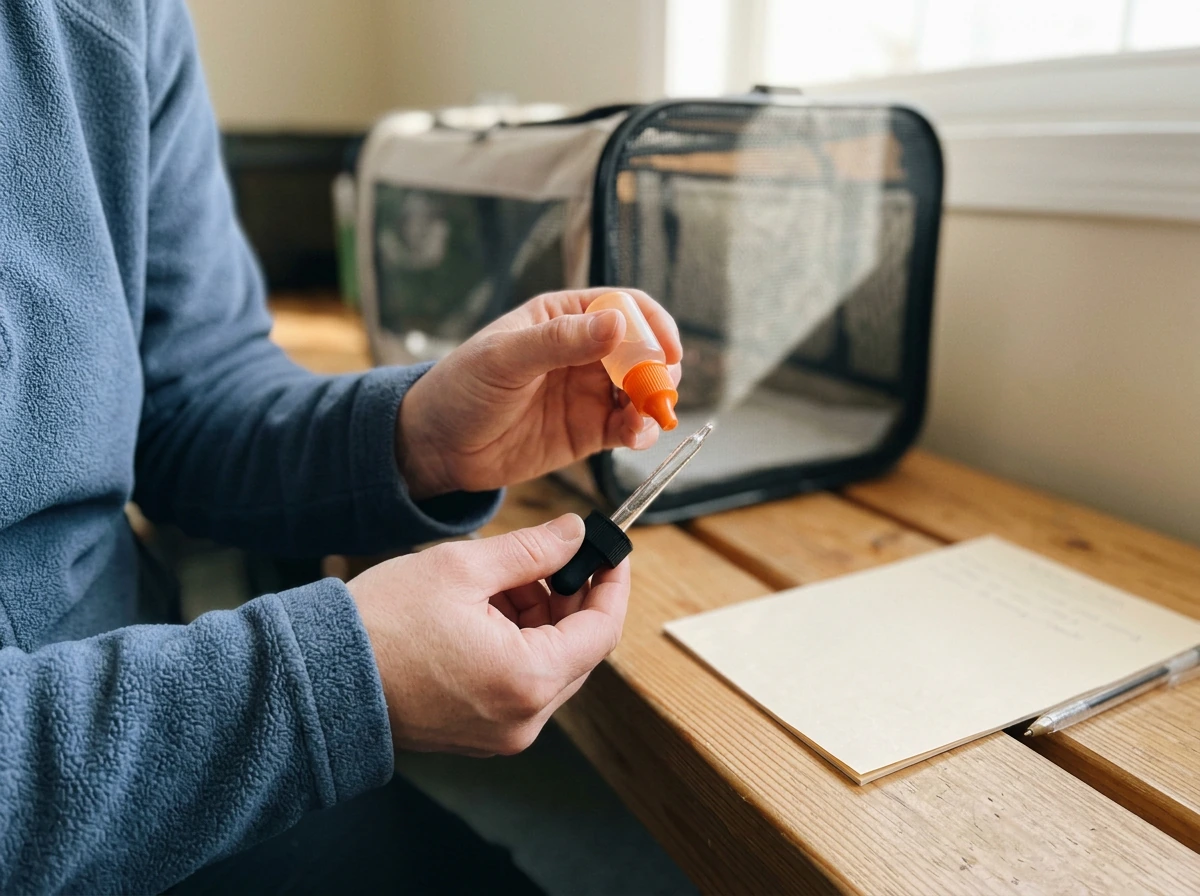
This is the part that surprises most people: the standard guidance from wildlife hospitals and rehabilitators is to not feed the bird or give it water until you've spoken to a professional. That's not overly cautious advice, it's genuinely important. Feeding a sick, cold, or injured bird the wrong thing can kill it. Dropping water into a bird's mouth with a dropper or syringe is especially dangerous and can cause it to aspirate (inhale the liquid into its lungs).
Different species need completely different diets. What's safe for a seed-eating finch is wrong for an insect-eating warbler. What a nestling needs is nothing like what an adult bird needs. Guessing the diet is one of the most common mistakes beginners make, and it's one of the most harmful. The Wildlife Center of Virginia, Cornell's Wildlife Hospital, and most major rehabilitators all say the same thing: hold off on food and water until you get specific guidance.
Once you reach a licensed wildlife rehabilitator or avian vet, they'll tell you exactly what's appropriate for the specific bird in your care. That call is the most important feeding step you can take right now.
What NOT to give a bird (ever)
- Water or any liquid via dropper, syringe, or dripping into the mouth
- Bread, crackers, or any processed human food
- Milk or dairy of any kind
- Cat or dog food (unless specifically directed by a rehabilitator for certain species)
- Worms or insects unless you've confirmed the species needs them and the bird is alert enough to swallow safely
- Anything forced into a bird that isn't eating willingly on its own
Heat, shelter, hydration, and stress reduction
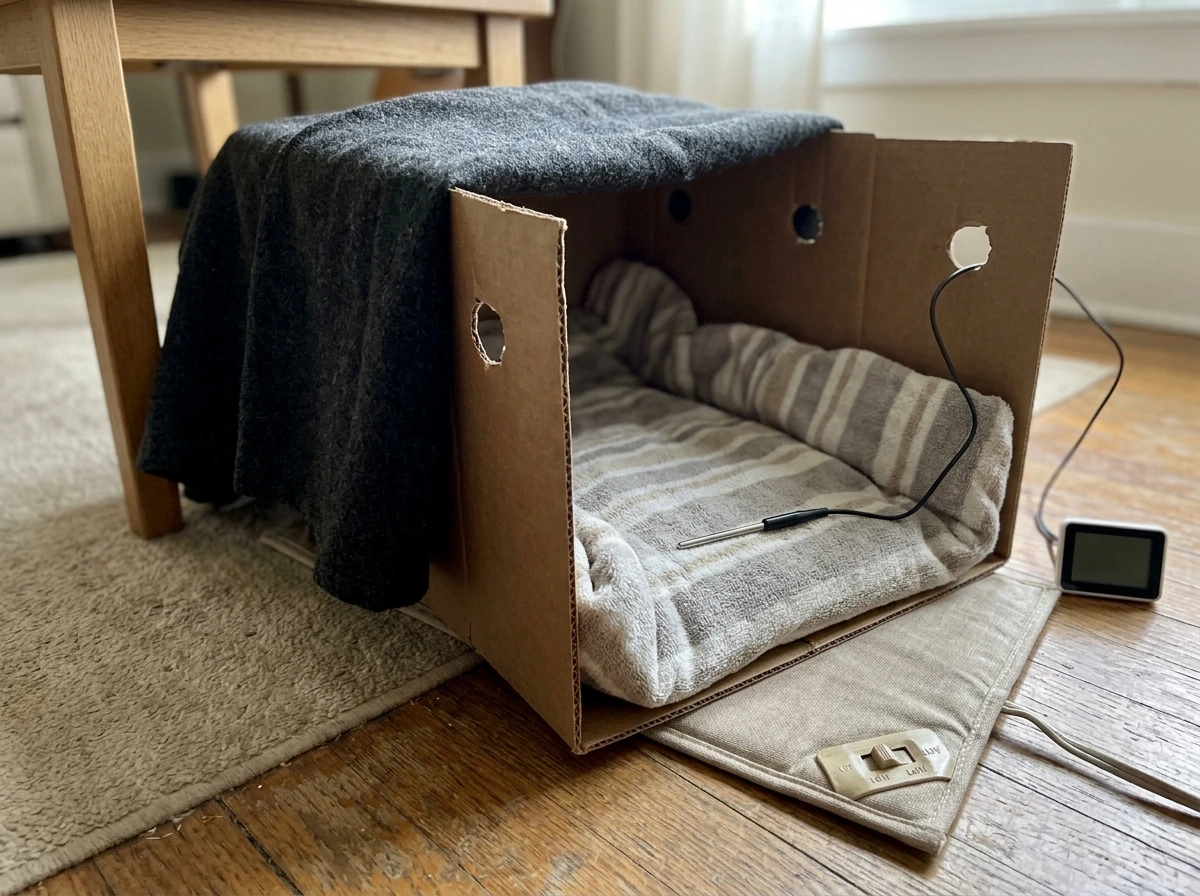
Warmth is often the single most important thing you can provide to an injured or young bird while you wait for professional help. Birds, especially nestlings and injured adults, lose body heat fast. A cold bird is a bird in serious trouble.
The safest way to add warmth is to place a heating pad set on LOW underneath one half of the box or carrier, not the whole base. This gives the bird the option to move toward or away from the heat. If you don't have a heating pad, fill a sock with uncooked rice, microwave it for about 60 seconds, and place it near the bird inside the box, not directly against it. The rice sock cools gradually and provides gentle warmth without burning. Check it every 20 to 30 minutes and reheat as needed.
A young nestling that's warm enough will feel warm to the touch on its abdomen. One that's too cold will feel cool or cold and may be lethargic. One that's too hot will pant or move away from the heat source. The goal is to stabilize body temperature, not to make the bird as warm as possible.
Hydration, like feeding, should not be attempted by dripping liquid into the bird's mouth. If you've reached a rehabilitator and they've given you the go-ahead with a specific method, follow their instructions exactly. Otherwise, leave it alone. Providing warmth, darkness, and quiet does more good in the short term than most beginner attempts at hydration.
Stress is a real threat to injured birds. Handling them repeatedly, exposing them to noise, bright light, or the presence of pets significantly raises their stress hormones and can worsen their condition. Once the bird is contained and warm, leave it alone. Check on it quietly every 30 to 60 minutes but resist the urge to handle it more than necessary.
Monitoring health: signs of improvement vs red flags
You want to check on the bird regularly without disturbing it. Quietly open the box, observe for 30 seconds, then close it again. Here's what you're looking for.
Signs the bird is stabilizing
- It's sitting upright rather than slumped to the side
- Its eyes are open and tracking movement
- It reacts when you open the box (tries to move away or vocalizes)
- Its breathing looks even and quiet through a closed beak
- Body feels warm to the touch, not cold
Red flags that mean get help immediately
- Open-mouth breathing or visible tail bobbing with each breath (these indicate respiratory distress)
- Bleeding that won't stop
- The bird is limp, unresponsive, or cannot hold its head up
- Visible fractures or a wing drooping at a strange angle
- Seizures or trembling that won't stop
- The bird has been in your care for more than a few hours with no improvement
If you see open-mouth breathing, active bleeding, or the bird becomes completely unresponsive, that's an emergency. Don't wait for a callback. Call an avian vet or emergency animal clinic right away and tell them it's a wild bird in distress.
When to call a wildlife rehabber or vet, and how to transport safely
The honest answer is: call as soon as you've contained the bird. You don't need to wait to see if it improves. Licensed wildlife rehabilitators are trained specifically for this, and a five-minute call can save you from making a mistake that harms the bird. They can tell you whether the bird needs to come in, whether you can monitor it at home for a bit, and what (if anything) you should be doing in the meantime.
To find a rehabilitator, search online for "wildlife rehabilitator near me" or call your state's fish and wildlife agency. The U.S. Fish and Wildlife Service website also has resources for locating permitted rehabilitators. Many areas have 24-hour wildlife hotlines. Your local Humane Society or animal control office can often point you in the right direction if you're stuck.
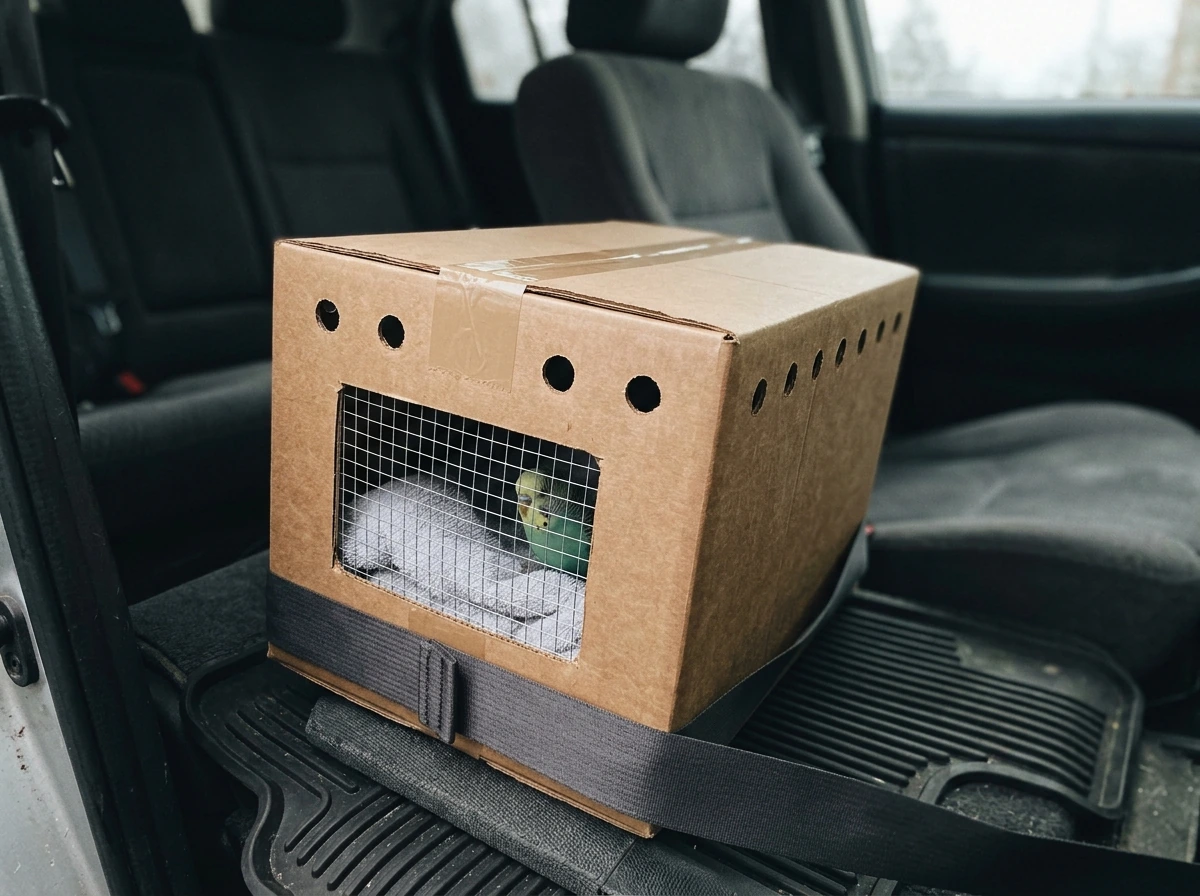
For transport, keep the bird in the same box you've been using. Don't switch containers right before the trip. Put the box in the back seat or trunk where it won't slide around, and drive with the heat set to a comfortable temperature (not blasting). Keep the car quiet, no loud music. The drive itself is stressful for the bird, so the goal is to make it as calm and uneventful as possible.
One rule of thumb to keep in mind for young birds specifically: if a parent has not visited a nest in more than half a day, that's the point at which you should contact a permitted rehabilitator for advice. Before that window, watch from a distance rather than assuming the bird is abandoned.
Ongoing care basics until help arrives or the bird recovers
Most of the time, your job is to keep the situation stable, not to fix the bird yourself. That means maintaining warmth, keeping things dark and quiet, avoiding unnecessary handling, and staying in contact with the rehabilitator or vet who's guiding you.
If the rehabilitator advises you to hold the bird at home for a period, follow their feeding and hydration instructions to the letter. They may recommend a specific food for the species, a specific feeding schedule, or a specific way to offer water. Don't improvise beyond what they tell you.
Change the bedding in the box if it gets soiled, using the same gentle approach each time: move slowly, minimize light exposure, and return the bird to darkness quickly. Keep a simple log of what you observe at each check: posture, breathing, alertness, any changes. That information is genuinely useful when you hand the bird over to a professional.
If you're caring for a very young bird with no feathers or just a few pin feathers, there are more detailed steps involved around feeding frequency and nest setup. Those situations, covering nestlings, hatchlings, and fledglings specifically, go beyond the scope of basic beginner care and are worth reading about separately depending on what you're dealing with. If you need step-by-step guidance for a newborn bird, use the article on how to care for a newborn bird as your checklist. how to take care of a newborn bird without feathers
The most important mindset to hold onto: you are a bridge, not a vet. Your job is to keep this bird safe, warm, and calm long enough to get it to someone with the training to actually treat it. That's a genuinely valuable thing to do, and doing it well means keeping it simple.
A quick reference: do's and don'ts at a glance
| Do this | Don't do this |
|---|---|
| Place the bird in a ventilated cardboard box lined with soft cloth | Leave the bird in an open area where pets or children can reach it |
| Keep the box dark, quiet, and away from household activity | Keep the bird near noise, TV, bright lights, or foot traffic |
| Add gentle warmth using a heating pad on LOW under half the box, or a warm rice sock nearby | Place the bird directly on a heat source or in direct sunlight |
| Contact a licensed wildlife rehabilitator as your first call | Wait days to see if the bird improves on its own before calling |
| Observe quietly every 30 to 60 minutes and note changes | Handle the bird repeatedly or show it to family members out of curiosity |
| Follow a rehabilitator's specific feeding/hydration instructions if given | Drip water into the bird's mouth or offer food without professional guidance |
| Transport in the same box, in a quiet car at a comfortable temperature | Switch containers at the last minute or play loud music during transport |
FAQ
How can I tell if a bird is a fledgling that should be left alone or an injured bird that needs help?
Look for movement and condition, a healthy fledgling is usually alert, has some ability to hop, and shows normal posture. If the bird is unable to stand or has a visible injury, ongoing bleeding, shivering, or is attacked, treat it as needing help even if it has feathers.
Is it okay to give a bird a “quick drink” if it looks thirsty?
Avoid it. Even well-meant water can cause aspiration and make breathing worse. Only provide hydration if a licensed wildlife rehabilitator or avian vet has given you specific instructions for that species and situation.
Can I give birdseed or mealworms to “help it survive” until I call someone?
No, not unless the rehabber tells you exactly what to feed. Diet varies by species (seed vs insect vs specialized diets), and feeding the wrong food or texture can be harmful, especially for nestlings.
Where should I place the box or carrier, a room with windows or somewhere fully dark?
Choose a quiet spot with minimal light exposure, a covered box in a dark room is ideal. If you use a closet or bathroom, keep doors closed and avoid sudden lighting changes, loud fans, or running water sounds nearby.
What heating setting is safest, and how do I know the bird is warm enough?
Use gentle warmth, set a heating pad on LOW under one half of the carrier so the bird can move away. Warmth should reach the bird’s abdomen, too hot can cause panting or active attempts to leave the heat.
What if the box starts to smell or the bedding gets wet, should I replace it right away?
Yes, but do it with the least disturbance possible. Change bedding only when needed, move slowly, keep lighting low, and return the bird to darkness immediately after the swap. If the bird is fragile, have a second person help hold the carrier steady.
How often should I check on the bird, and what counts as “too much handling”?
Check quietly every 30 to 60 minutes initially, just enough to observe breathing, posture, and responsiveness, then close up. If the bird panics or you notice extra movement that seems frantic, reduce checks and focus on keeping the environment calm.
Do I need to cover the bird with a towel while it’s in the box?
Often yes for darkness and reduced stress, a loose covering over part of the box helps. Make sure ventilation holes remain unobstructed and the bird is not pressed against the towel, especially for very small or featherless birds.
Should I keep the bird in a box on the floor or on a table?
Typically place it on the floor or a stable surface where it cannot be dropped or tipped. Avoid vibrating surfaces, keep it away from household traffic, and ensure pets cannot investigate the carrier.
My cat or dog brought in the bird, what should I do differently than the usual “keep warm and call”?
Treat it as urgent. Increased infection risk means you should call a rehabilitator or avian vet immediately after containment, and do not attempt to clean wounds with household products, keep the bird warm and calm until professional guidance.
If I can’t find a rehabilitator right away, what’s the best next step?
Continue with warmth, darkness, and minimal handling, then contact the closest listed option you can reach (wildlife hotline, state fish and wildlife agency, humane society, or emergency animal clinic). If the bird deteriorates or becomes unresponsive, switch to emergency veterinary care.
When transporting the bird, should I put the carrier in the back seat or trunk, and should I use a blanket?
Use the same box, secure it so it cannot slide, and keep it stable in the back seat or trunk where you can control temperature. Avoid fully blocking ventilation holes, and use only light coverings that do not restrict airflow.
What should I write down for the rehabilitator, and how detailed does it need to be?
Note the time and exact location you found the bird, what you observed (injury, bleeding, behavior, ability to stand), whether a parent was seen nearby, and what you did (when you began warming, when you called). Include any changes you notice at each quiet check.
Is it ever okay to keep the bird at home for longer than a couple hours?
Only if a permitted rehabilitator explicitly approves home care and gives a species-specific plan. If you do not have that approval, plan on transport, and do not continue feeding or hydration attempts beyond what you were directed to do.
Next Article
How to Care for a Fledgling Bird: Step-by-Step Rescue
Humane rescue guide for fledgling versus nestling, with feeding, warmth, safety, parent-reunion rules, and emergency sig